
The Cheerful Town In New York Where Life’s All About Soft Days And Simple Living
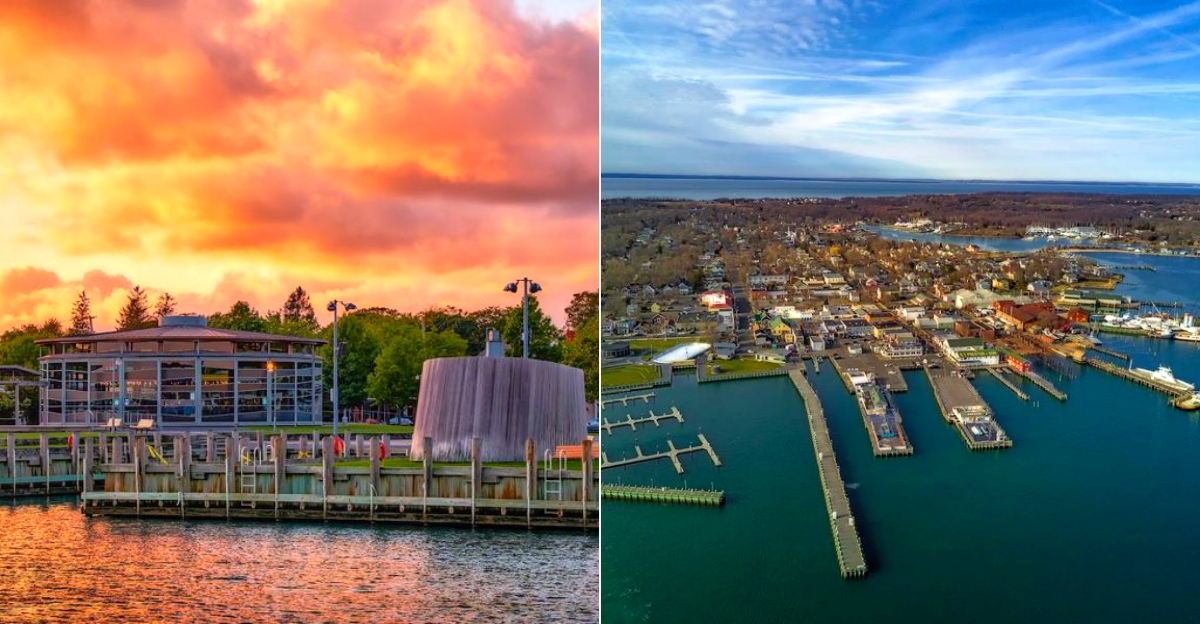
I didn’t realise how much I needed this kind of place until I spent a day there. Everything feels slower in the best way.
People actually smile at you. Shops close at reasonable hours. The air just feels lighter somehow. New York has a softer side, and this cheerful town shows it off beautifully. Mornings start with quiet streets and coffee that you sip instead of rush. Afternoons mean long walks, small local shops, and conversations that don’t feel hurried.
It’s the kind of town where nothing dramatic is happening, and that’s exactly the point. This little New York escape isn’t about big attractions or loud crowds. It’s about simple routines, calm evenings, and the kind of peace that sneaks up on you. I left feeling rested, and I hadn’t even taken a nap.
A Place That Stopped Rushing And Never Looked Back
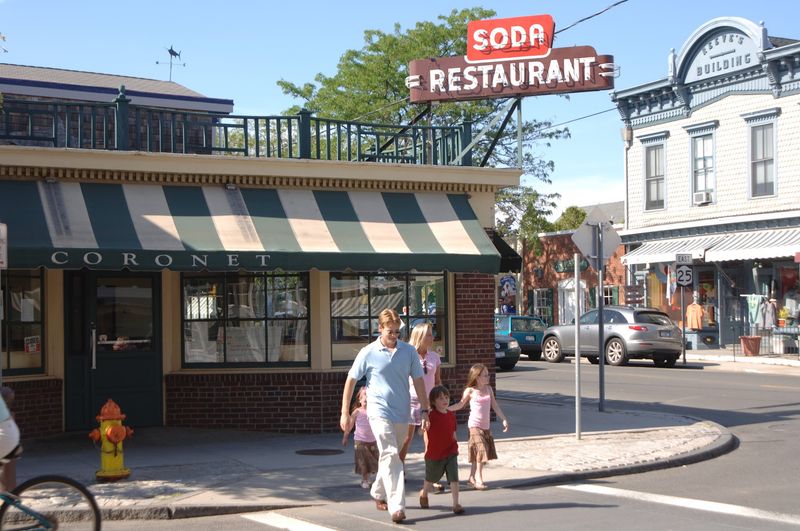
Picture a place where your biggest decision might be whether to grab coffee first or wander the bookstore, and either choice feels perfectly right. Greenport operates on what locals affectionately call “island time,” though technically it sits on a fork rather than an island.
The distinction hardly matters when you’re watching sailboats drift past while finishing a leisurely breakfast that nobody’s rushing you through.
Front Street forms the village’s commercial heart, lined with storefronts that have survived decades without surrendering to corporate sameness. You’ll find a proper hardware store where staff actually know what a spline roller is, alongside galleries featuring work by artists who live within walking distance.
The rhythm here favors conversation over transaction, quality over speed.
Located at 41.1034326, -72.3592501 in Southold, this incorporated village maintains its character through deliberate choices about growth and development. Residents speak proudly about blocking big box retailers and preserving the human scale of their downtown.
Walking these streets feels like stepping into a version of America that chose connection over convenience, and somehow made it work beautifully.
Maritime Heritage That Still Shapes Daily Life
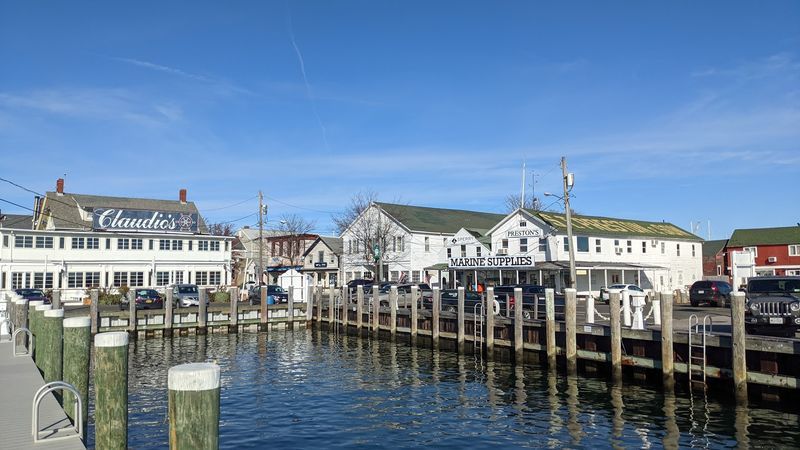
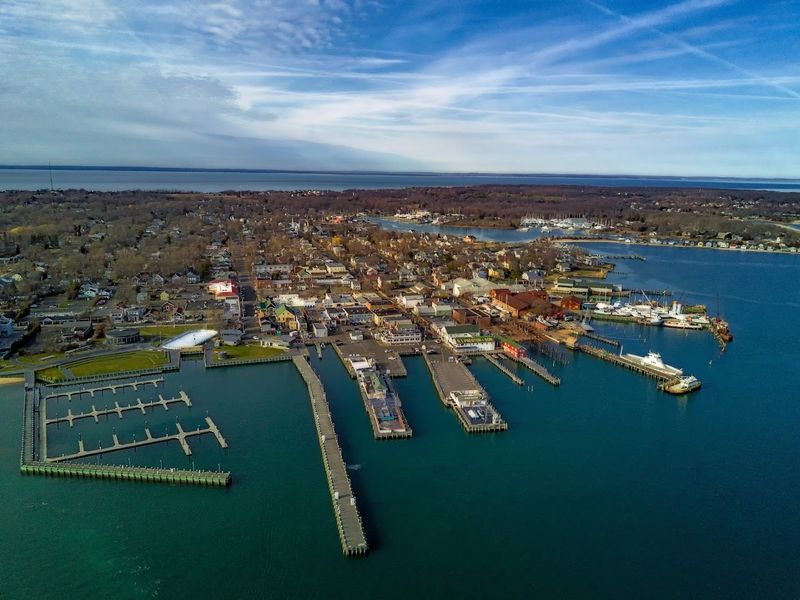
Greenport earned its living from the sea long before tourism discovered its charms, and that working waterfront identity persists today. Commercial fishing vessels still tie up alongside pleasure craft, their crews unloading catch that appears on restaurant menus the same evening.
The harbor smells appropriately of salt, diesel, and possibility rather than sanitized resort blandness.
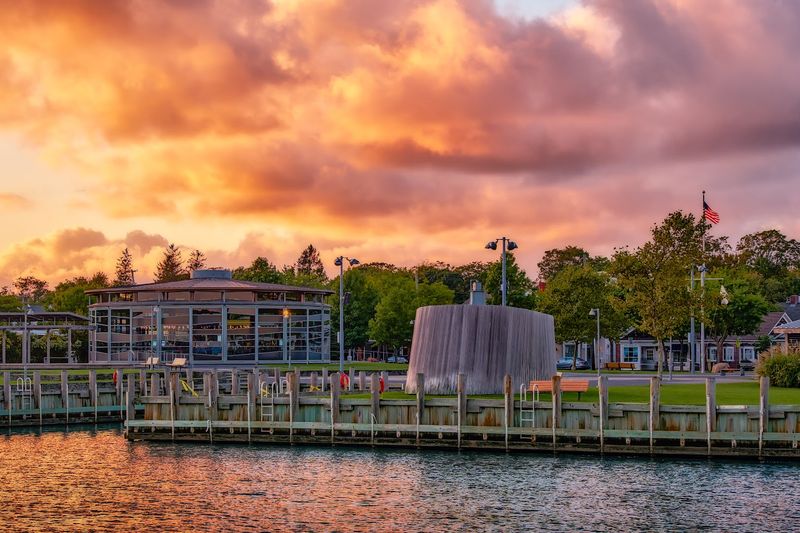
Mitchell Park Marina provides public access to the waterfront without the exclusive gatekeeping common in wealthier coastal communities. Families fish from the docks while others simply sit watching boat traffic navigate the channel.
The vintage carousel housed in a waterfront pavilion spins year-round, its painted horses carrying children whose grandparents rode the same figures decades earlier.
Several marine supply shops serve actual boaters rather than tourists hunting nautical decor, though both groups browse the same aisles peacefully. Shipyards continue repairing vessels, their skilled workers maintaining traditions that stretch back generations.
This authenticity distinguishes Greenport from coastal towns that merely perform maritime identity for visitors. The sea remains central to local economy and culture, shaping rhythms and relationships in ways that feel genuine rather than staged for Instagram.
Food Culture Built On Proximity And Seasons

Eating well in Greenport requires no culinary sophistication, just willingness to follow what’s currently abundant. Summer brings tomatoes so flavorful they embarrass supermarket versions, grown on farms visible from village streets.
Autumn delivers oysters pulled from nearby bays, their taste reflecting specific waters with geographic precision that wine enthusiasts would recognize.
The farmers market operates with refreshing lack of pretension, farmers selling directly without intermediary branding or lifestyle marketing. You’ll encounter actual dirt under fingernails and conversations about weather patterns affecting yields.
Restaurants build menus around these relationships, changing offerings as seasons shift rather than importing ingredients to maintain static dishes year-round.
Several excellent restaurants operate without the self-important atmosphere that often accompanies good food in trendy locations. Chefs cook with confidence born from quality ingredients rather than elaborate technique designed to impress critics.
You can eat remarkably well here, then walk it off along the waterfront without anyone suggesting you photograph your meal first.
This food culture reflects broader village values about knowing where things come from and supporting neighbors. Eating becomes an act of community participation rather than mere consumption, connecting diners to place through flavor and relationship.
Architecture That Remembers When Buildings Had Character
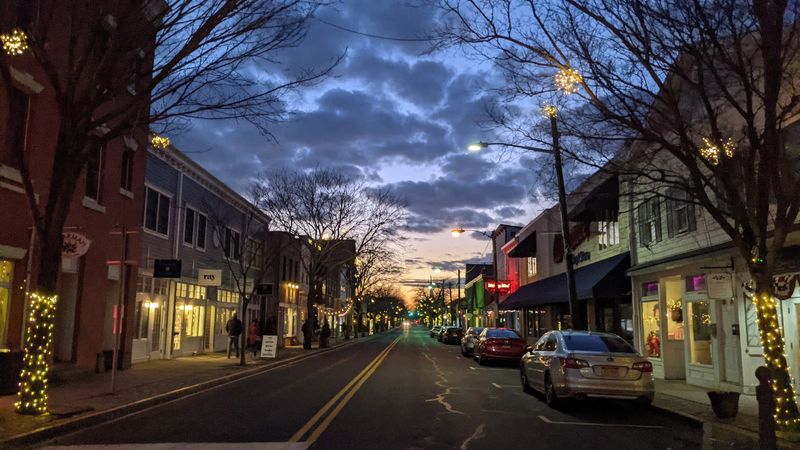
Greenport’s built environment tells stories that modern construction rarely bothers attempting. Victorian homes display the ornate woodwork their builders considered standard craftsmanship rather than luxury detailing.
Greek Revival structures stand with proportions that please the eye through mathematical relationships architects once studied seriously. These buildings survived not through landmark designation but because residents valued them enough to maintain them properly.
Walking residential streets reveals how nineteenth-century village planning created livable density without claustrophobia. Homes sit close enough for neighborly interaction but retain private yards and breathing space.
Porches face streets, encouraging the casual encounters that build community fabric over time. This arrangement fostered social connection before anyone needed apps for that purpose.
Downtown commercial buildings retain original storefronts with large windows and human-scaled proportions that invite browsing. Upper floors often house apartments, maintaining the mixed-use vitality that keeps streets active beyond business hours.
No parking lots interrupt the streetscape, forcing the slight inconvenience that actually improves walkability and street life.
Preservation here stems from practical appreciation rather than nostalgic fetishism. Buildings continue serving their intended purposes, adapted thoughtfully when necessary but not gutted for open-concept uniformity.
This respect for architectural heritage creates visual richness that new construction struggles to replicate.
Community Scale That Supports Actual Relationships
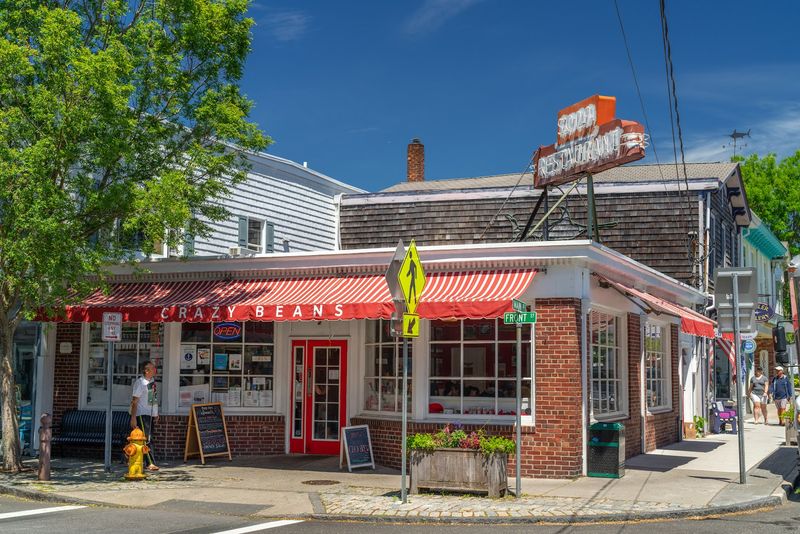
With roughly 2,200 residents, Greenport maintains the population size where faces become familiar and names eventually stick. This scale permits the genuine social fabric that larger places claim to foster through organized activities and forced networking.
Here it happens organically, through repeated encounters at the post office, hardware store, or coffee shop that gradually build recognition into relationship.
Local institutions reflect this intimacy in their operations. The library knows its patrons and orders accordingly.
Shopkeepers remember preferences and offer genuine recommendations rather than scripted upselling. School events draw broad community attendance because many residents know the students or their families personally.
This familiarity creates informal accountability that keeps behavior reasonably civil without heavy-handed enforcement. People moderate their conduct knowing they’ll encounter the same individuals repeatedly.
The social contract functions through relationship rather than regulation, an arrangement that works remarkably well at this population size.
Newcomers report feeling welcomed once they demonstrate commitment to community rather than treating Greenport as charming backdrop for their lifestyle brand. The village accepts those who participate genuinely while remaining skeptical of those seeking quaint authenticity for social media purposes.
This discernment protects the culture that makes the place worth discovering initially.
Natural Beauty Without The Wilderness Drama
Long Island’s North Fork offers landscape beauty that satisfies without demanding extreme outdoor credentials. The terrain rolls gently rather than soaring dramatically, creating scenery that soothes rather than overwhelms.
Beaches provide access to water without the aggressive surf that makes coastal recreation feel like combat training. This gentler natural environment suits the village’s overall character perfectly.
Vineyards pattern the surrounding farmland, their orderly rows creating geometric beauty across rolling fields. These working agricultural landscapes offer visual appeal while producing actual crops rather than merely performing rurality for tourists.
The effect feels authentically productive rather than staged for scenic drives, though the views certainly reward those drives handsomely.
Water remains constantly visible from many village vantages, its presence shaping light and weather patterns in subtle ways. Sunsets over Shelter Island gain drama from the maritime setting without requiring travel to remote overlooks.
You can appreciate natural beauty while remaining within walking distance of a proper cappuccino, a combination rarer than it should be.
Seasonal changes register clearly in this environment, marking time through natural rhythms that urban life obscures. This connection to seasonal progression reinforces the slower pace that defines village life, reminding residents and visitors alike that some cycles resist acceleration.
The Practical Magic Of Choosing Simplicity
Greenport demonstrates that simple living requires neither rural isolation nor material deprivation. The village offers cultural amenities, excellent food, and intellectual stimulation within a framework that rejects complexity for its own sake.
Residents access what matters while avoiding the exhausting surplus that modern life typically demands. This selectivity represents sophistication rather than limitation.
Daily life here unfolds with space for spontaneity that scheduled existence eliminates. Unplanned conversations extend naturally without calendar conflicts truncating them prematurely.
Errands become opportunities for social connection rather than efficiency challenges to optimize. This porousness between tasks and relationships creates quality of life that wealth alone cannot purchase.
The village attracts people weary of performing success through consumption and busyness. Artists, writers, and remote workers discover that creativity flourishes when life provides breathing room rather than constant stimulation.
Retirees find engagement through community participation rather than expensive activities designed to fill empty hours.
Choosing Greenport means accepting certain trade-offs around convenience and selection that consumer culture trains us to reject. Those who make this choice consistently report improved well-being despite fewer options.
The village proves that soft days and simple living produce satisfaction that frantic abundance somehow misses entirely, a lesson worth learning regardless of where you ultimately call home.