
The Delaware Beach-Backroad Town That Avoided The Boardwalk Scene
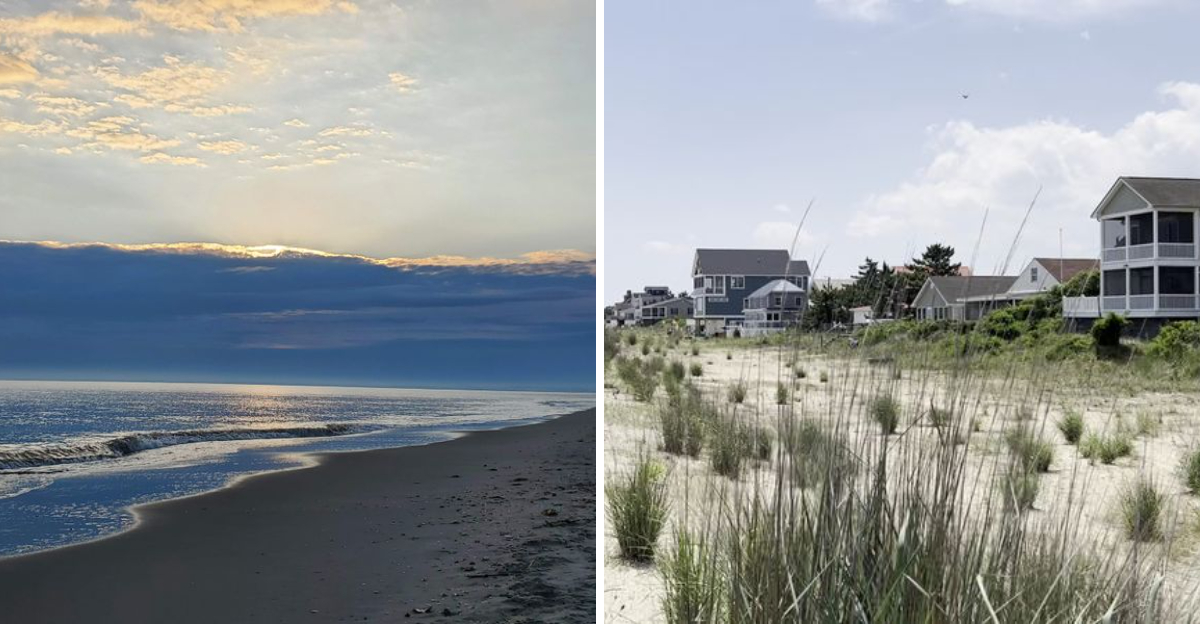
Broadkill Beach sits along Delaware Bay like a secret kept by locals who value silence over spectacle.
While neighboring beach towns grew into summer carnivals of boardwalks and high-rises, this quiet stretch remained committed to the slower rhythms of tides and birdcalls.
It is a place where horseshoe crabs outnumber tourists and the biggest attraction is the absence of attractions.
Broadkill Beach Sits On Delaware Bay, Not The Atlantic Ocean
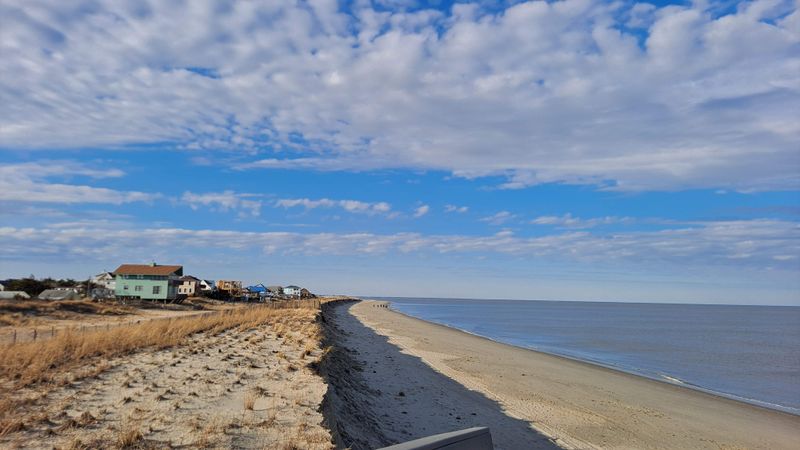
Geography matters when you choose a beach, and Broadkill Beach offers something fundamentally different from the Atlantic-facing towns to the south.
The bay provides calmer waters, softer waves, and a shoreline shaped more by marsh grass than by surf.
Families with young children find the shallow, gentle slope particularly welcoming.
Swimmers looking for dramatic breakers will be disappointed, but those seeking a peaceful wade will feel perfectly at home.
The bay also brings warmer water temperatures during summer months, making extended swimming sessions far more comfortable than the bracing Atlantic alternative.
There Is No Boardwalk, Amusement Strip, Or High-Rise Development
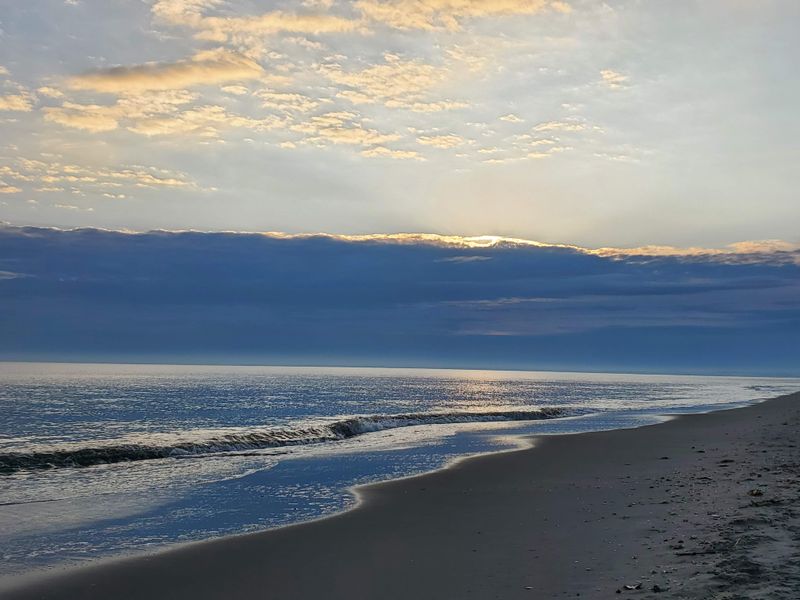
Walking through Broadkill Beach feels like stepping into a decade that never chased progress too hard. No arcade noise competes with the sound of wind through beach grass.
No neon signs advertise saltwater taffy or airbrushed T-shirts.
The community decided long ago that keeping things small meant keeping things special.
Cottages remain modest, and zoning has prevented the vertical sprawl that defines so many coastal areas.
What you lose in convenience, you gain in the rare luxury of uninterrupted horizon and the kind of quiet that lets you hear your own thoughts clearly.
The Town Is Reached By Back Roads, Not Major Coastal Highways
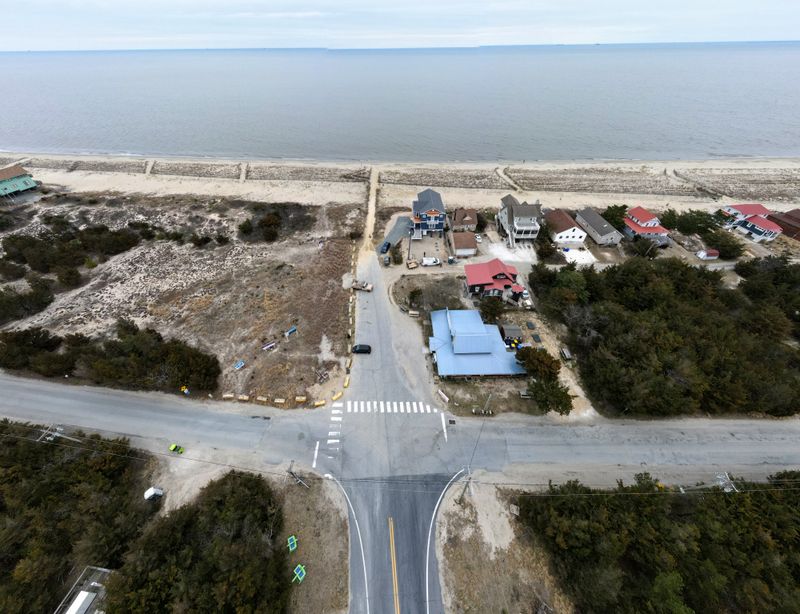
Route 1 carries the crowds south toward Rehoboth and Dewey Beach, but Broadkill Beach lies off that well-traveled path.
Getting here requires a deliberate turn onto smaller roads that wind through farmland and wetlands, past produce stands and modest homes.
The drive itself serves as a transition from the hurried world into something slower.
You will not stumble upon Broadkill Beach by accident.
The lack of signage and the winding approach act as a natural filter, ensuring that most visitors arrive with intention rather than impulse, already primed for a quieter kind of coastal experience.
Broadkill Beach Grew As A Fishing And Watermen’s Community
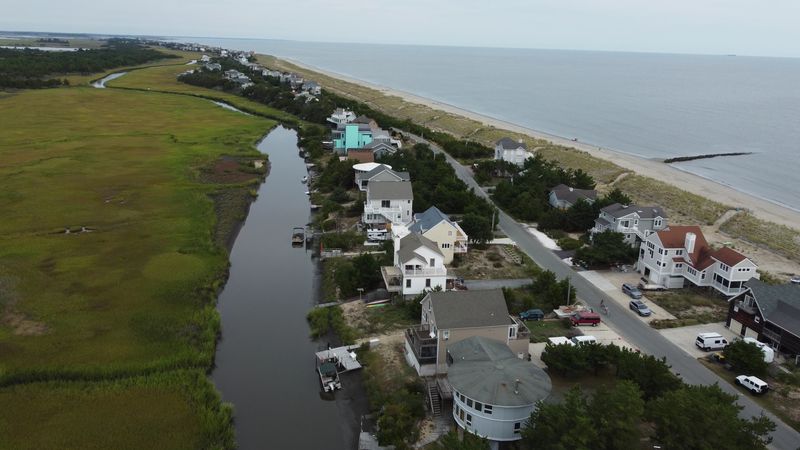
Before it became a summer retreat, Broadkill Beach belonged to those who made their living from the bay.
Crabbers, oystermen, and fishermen built homes here not for vacation but for proximity to their work.
You will see crab traps stacked near modest houses and small boats tied to private docks.
The rhythm of the tides still dictates daily routines for some residents.
Tourism never displaced this working relationship with the water; instead, it quietly coexists, adding a layer of authenticity that many beach towns lost generations ago when they traded character for commerce.
The Beach Is Known For Shelling, Not Surfing
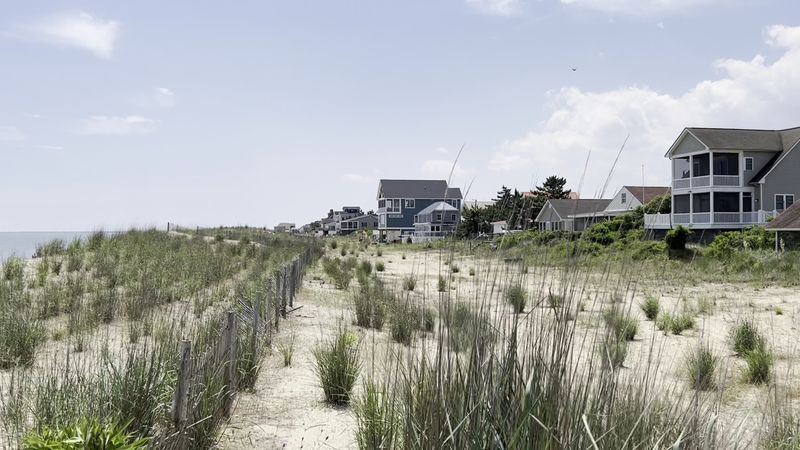
Surfers seeking barrel waves should look elsewhere.
Broadkill Beach offers a different treasure hunt entirely, one conducted at a walking pace with eyes turned downward.
The bay deposits an impressive variety of shells along the shoreline, especially after storms or during certain tidal cycles.
Slipper shells, moon snails, and whelks appear regularly, along with occasional finds that reward patient collectors.
Children can spend hours crouched at the water’s edge, filling buckets without ever feeling bored.
The activity suits the temperament of the place perfectly—slow, meditative, and requiring nothing more than curiosity and attention.
Horseshoe Crabs Are A Seasonal Sight Along The Shore
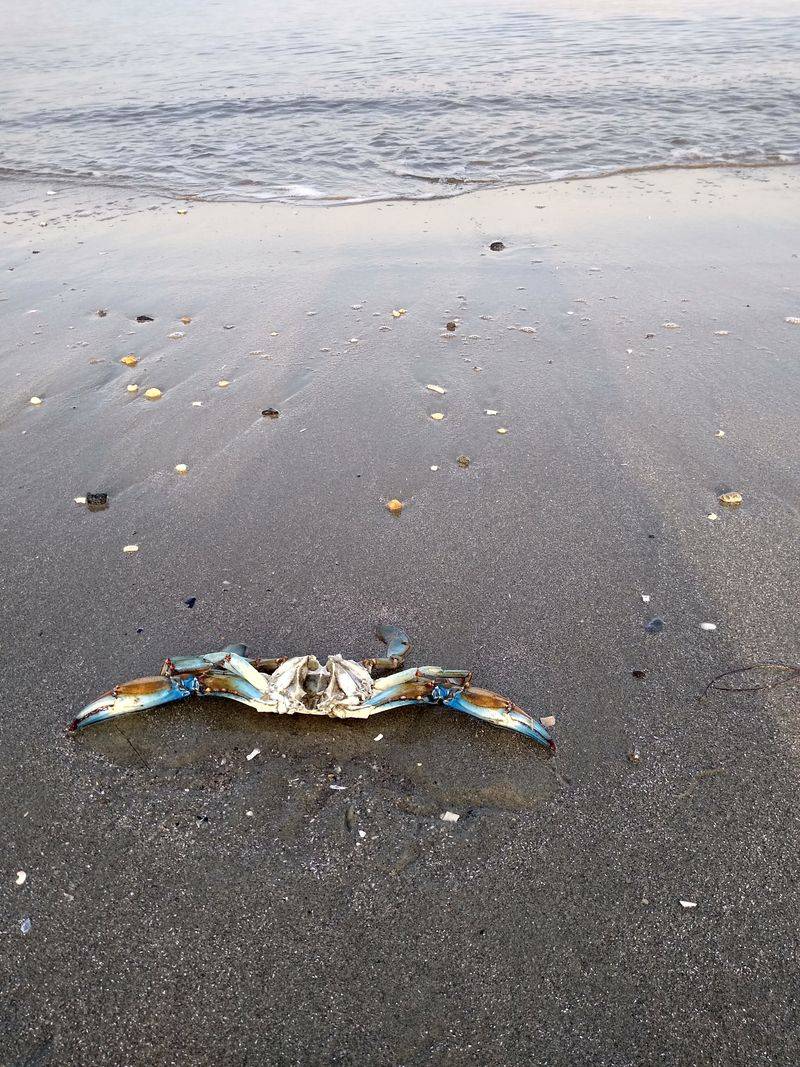
Each spring, horseshoe crabs arrive in impressive numbers to spawn along the bay’s beaches.
Their presence transforms the shoreline into something prehistoric and oddly moving.
These ancient creatures have been making this journey for millions of years, and Broadkill Beach remains one of the key locations for observing the phenomenon.
Migratory shorebirds time their arrival to feast on the eggs, creating a spectacle that draws birders and naturalists from considerable distances.
Witnessing this annual event offers a humbling reminder that some rhythms operate on scales far larger than human vacation schedules, and that Broadkill Beach belongs to more than just people.
Prime Hook National Wildlife Refuge Borders The Community
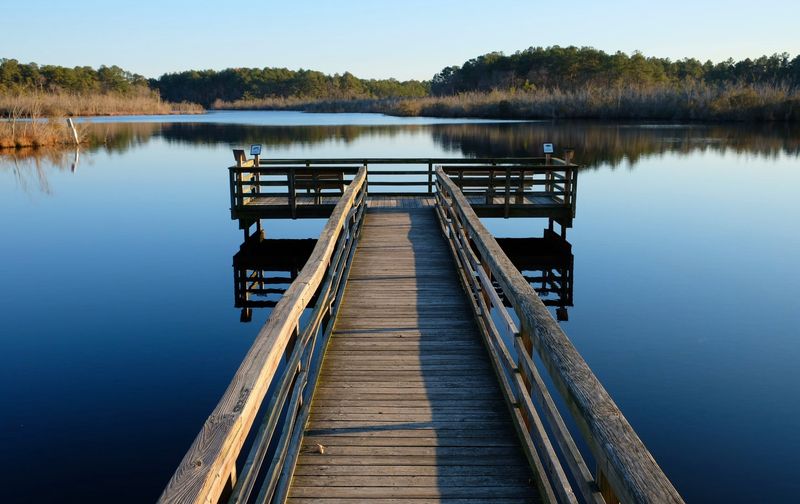
Adjacent to Broadkill Beach lies over 10,000 acres of protected wetlands, forests, and waterways that comprise Prime Hook National Wildlife Refuge.
The refuge provides critical habitat for migratory birds and serves as a natural buffer against development.
Visitors can explore miles of trails, paddle through tidal creeks, or simply observe the seasonal changes that define this coastal ecosystem.
The refuge’s presence ensures that Broadkill Beach will never become fully developed, preserving the quiet character that defines the area.
For those who appreciate nature more than nightlife, this proximity represents the community’s greatest asset and most enduring promise.