
The Enormous Flea Market In New York Where A $25 Cart Is Still Possible
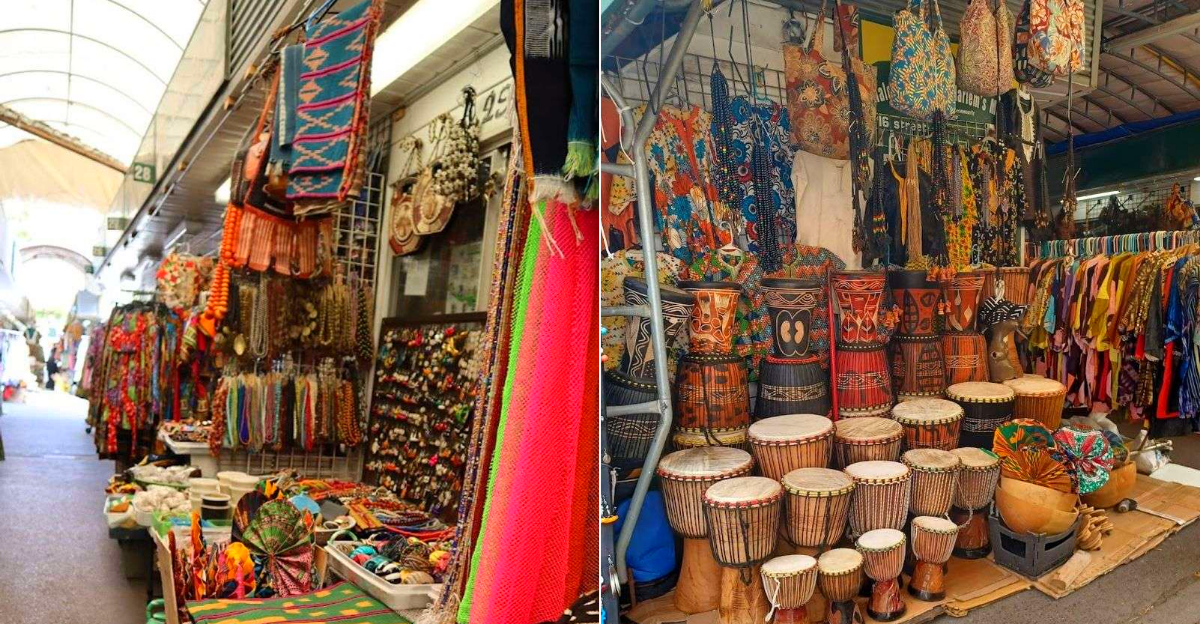
The thrill of a flea market is never knowing what you might find, and in New York there is one enormous market where the hunt still feels wonderfully old-school.
Rows of vendors stretch out with tables piled high with antiques, vintage treasures, quirky collectibles, and everyday bargains that make browsing feel like a real adventure.
Shoppers arrive early, coffee in hand, ready to wander the aisles and see what surprises turn up.
What makes this place especially exciting is that great deals are still very much part of the experience. With a little patience and a sharp eye, it is entirely possible to fill a cart with interesting finds without spending much at all.
In a time when prices seem to climb everywhere else, this massive New York flea market proves that a $25 treasure hunt is still alive and well.
The Rich African Heritage Woven Into Every Stall
Africa is not a single country, and this market makes that point beautifully without ever saying a word about it. Vendors hail from countries across the continent, including Senegal, Ghana, Nigeria, and beyond, and the goods they bring reflect those distinct regional identities.
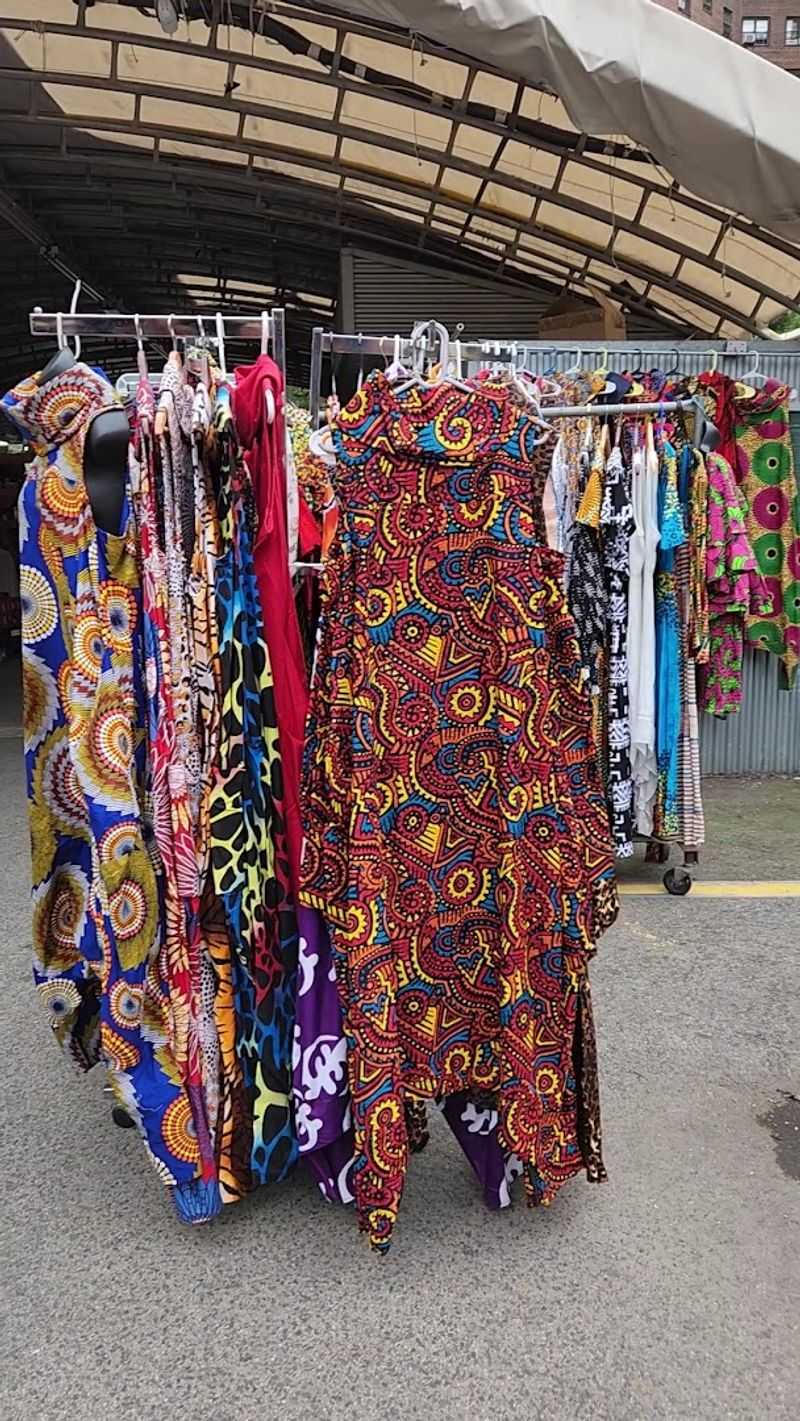
West African wax print fabrics hang alongside mudcloth panels, each carrying patterns that have been used for centuries to communicate status, occasion, and identity.
Ghanaian Kente cloth sits near Dutch wax prints that have long been embraced across West Africa as symbols of celebration and community. The fabrics are not merely decorative.
Many shoppers purchase them by the yard to have garments custom-tailored, and several vendors within the market offer tailoring services right on site.
For anyone studying textile history, African fashion, or global craft traditions, this market is a hands-on education that no classroom can replicate. The colors are vivid, the weaves are complex, and the stories behind each pattern are worth asking about.
Vendors are generally happy to share the origins and meanings of their work, turning a simple fabric purchase into a genuinely enriching cultural exchange that stays with you long after you leave.
A Market Unlike Anything Else In The City
Not every market earns its reputation through sheer size alone. Some earn it through character, and Malcolm Shabazz Harlem Market has character in abundance.
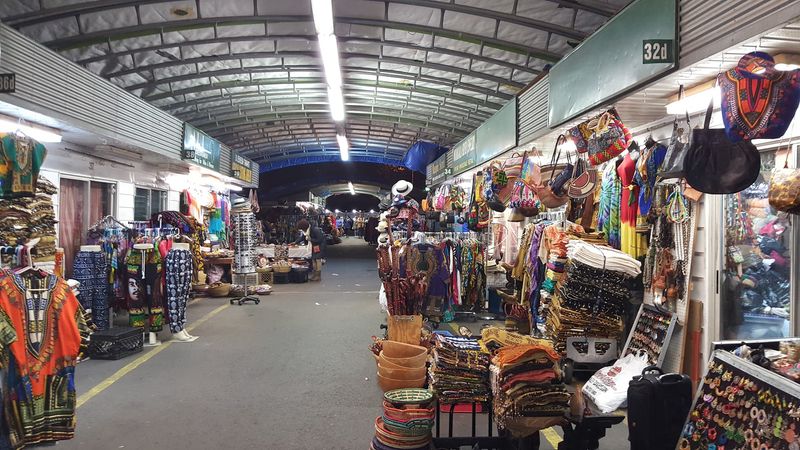
Situated at 52 W 116th Street in New York, this canopied bazaar operates seven days a week from 10 AM to 8 PM, making it one of the most consistently accessible open-air markets in the entire city.
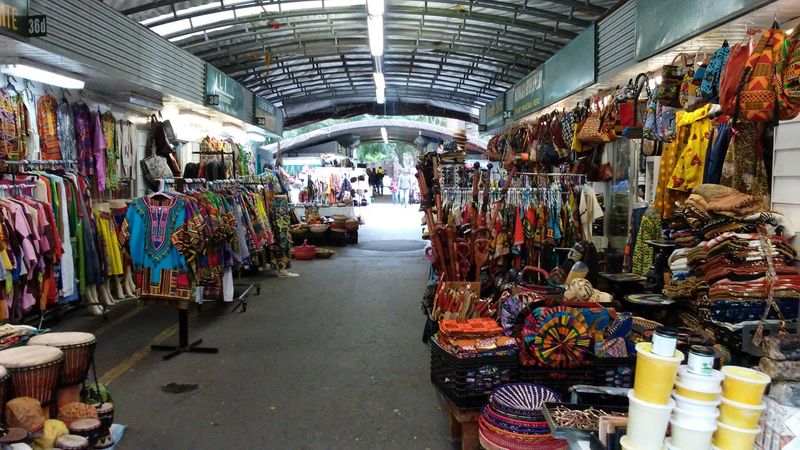
The layout feels like a neighborhood unto itself, with rows of vendor stalls packed tightly beneath protective coverings that shield shoppers from sun and rain alike. Each stall carries its own personality, stocked with goods that reflect the vendor’s heritage, skill, and eye for beauty.
You are not browsing a generic flea market here.
The market sits in a historically significant stretch of Harlem, just steps from landmarks that have shaped African American and Pan-African culture for generations. That context is not incidental.
It adds a layer of meaning to every purchase. Shoppers often leave with more than just a bag of goods.
They leave with a story, a conversation, and a genuine connection to a culture that is proudly on display every single day of the week.
Handmade Jewelry That Tells A Story
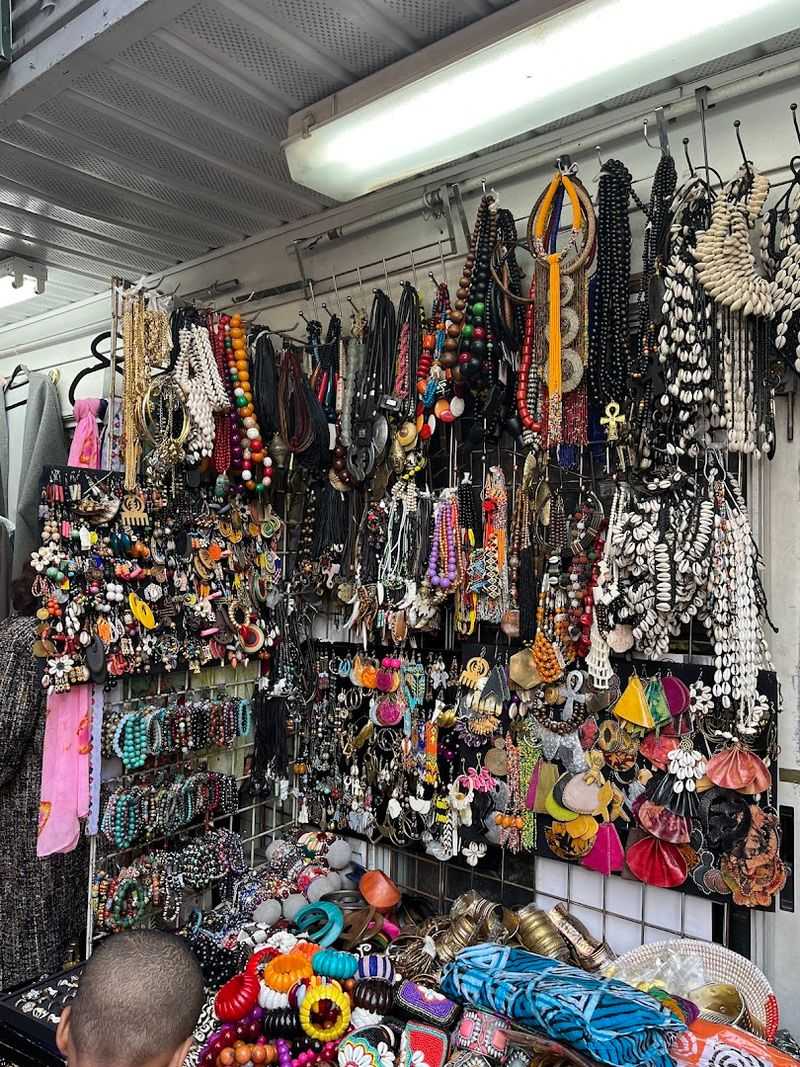
Few things at Malcolm Shabazz Harlem Market stop shoppers in their tracks quite like the jewelry. Spread across velvet trays and hanging displays, the pieces range from delicate beaded bracelets to bold brass cuffs that make a statement without trying too hard.
Many items are handcrafted by artisans who learned their craft through family tradition rather than formal training.
Beads made from bone, wood, glass, and natural stone appear throughout the stalls, each carrying its own cultural significance depending on origin and color.
Cowrie shells, long used as currency and adornment across Africa, feature prominently in necklaces and earrings that feel both ancient and entirely wearable today.
Prices are refreshingly reasonable, and $25 can easily secure two or three striking pieces.
The vendors who sell jewelry tend to be among the most knowledgeable at the market, often explaining the symbolism behind a particular design or the region where a specific technique originated. Shopping here is not a passive experience.
It becomes a conversation, and those conversations are often the most memorable part of the visit. A pair of earrings picked up for a few dollars might carry a history worth far more than its price tag suggests.
African Masks And Carved Collectibles Worth Hunting For
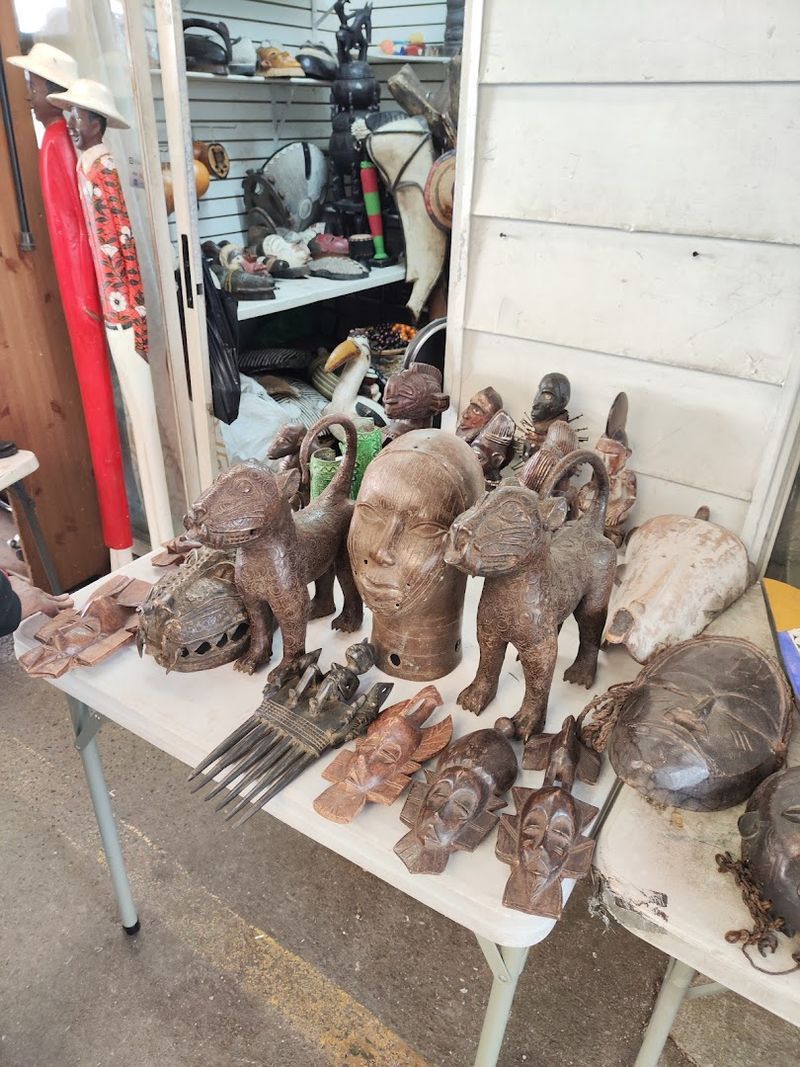
Collectors and curious first-timers alike tend to gravitate toward the stalls carrying carved wooden masks and figurines. These pieces vary widely in style, size, and origin, spanning ceremonial masks from West and Central Africa to decorative sculptures crafted for the international market.
The range makes browsing genuinely exciting because you never quite know what you will find tucked behind the front display.
Some vendors specialize exclusively in masks, offering pieces that span from modest decorative items priced under $30 to more substantial works that reflect real artisanal skill and cultural significance.
Prices depend on factors including size, material, and the vendor’s assessment of the piece, so a bit of friendly negotiation is always welcome and often expected.
Bringing home a carved mask from Malcolm Shabazz Harlem Market feels meaningfully different from purchasing a mass-produced souvenir from a gift shop. These objects carry craft and intention behind them.
Even pieces made for the tourist market are often produced by skilled carvers working in long-standing traditions. For anyone decorating a home or simply looking for something genuinely interesting to display, the mask and sculpture stalls are not to be missed on any visit to the market.
Natural Soaps And Wellness Products That Actually Work
Long before the wellness industry turned natural skincare into a premium market segment, African communities were producing black soap, shea butter, and herbal preparations that have stood the test of time.
At Malcolm Shabazz Harlem Market, these products are available in generous quantities at prices that make stocking up an easy decision.
Black soap varieties include formulations with turmeric, peppermint, spearmint, and activated charcoal, each offering different skin benefits.
Raw shea butter, sourced from West African shea trees, is one of the most sought-after items at the market. It appears in its unrefined form as well as blended into creams and lotions with added essential oils and botanical ingredients.
Shoppers who use shea butter regularly often find that the quality here surpasses what they find in conventional beauty stores, at a fraction of the cost.
Beyond soap and shea butter, vendors carry herbal teas, natural oils, and traditional wellness preparations that reflect centuries of botanical knowledge. For anyone interested in clean beauty or holistic health practices, the wellness stalls at this market offer an affordable and authentic alternative to overpriced boutique products.
A $25 budget goes remarkably far when natural goods are priced with the community in mind rather than maximum profit.
Clothing And Garments That Celebrate African Style
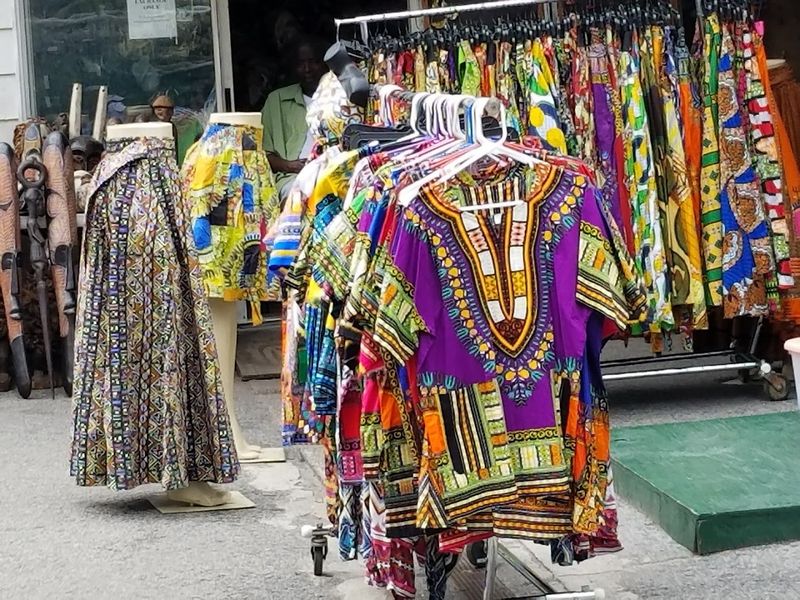
The clothing selection at Malcolm Shabazz Harlem Market is one of its most visually arresting features.
Dashikis in every imaginable color, kaftans with intricate embroidery, and children’s outfits sewn from bold wax print fabrics hang from every available surface, creating a visual tapestry that draws attention from halfway down the block.
The garments are made for men, women, and children, covering a broad range of sizes and styles.
Many vendors offer both ready-to-wear pieces and custom tailoring services, meaning a shopper can select a fabric and return shortly after to collect a garment made specifically to their measurements. That level of personalized service at an open-air market price point is genuinely rare in New York City.
Linen and cotton dominate the fabric choices, making the clothing comfortable for warm weather while remaining elegant enough for formal occasions.
African fashion has influenced global style far more than mainstream fashion history tends to acknowledge, and spending time among these stalls makes that influence immediately visible.
The construction is solid, the patterns are bold, and the prices are accessible enough that building a small wardrobe of African-inspired clothing on a modest budget is entirely achievable.
First-time visitors frequently find themselves returning just to add more pieces to their collection.
Musical Instruments That Carry The Rhythm Of A Continent
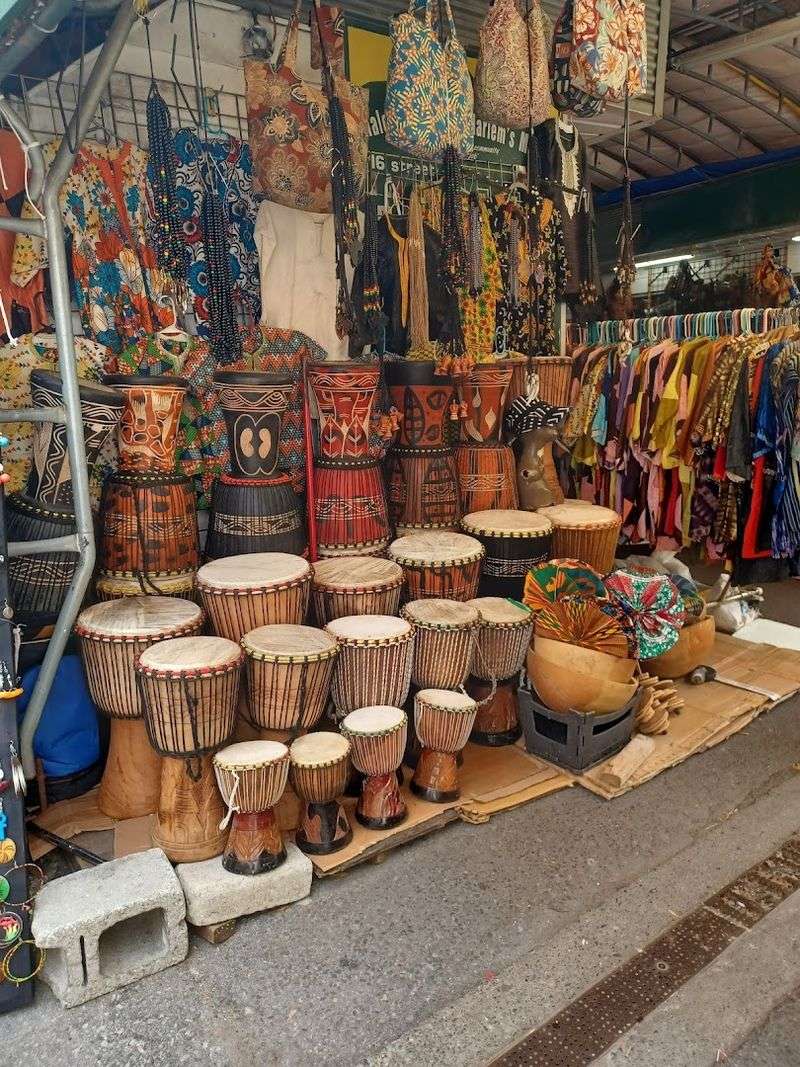
A market this deeply rooted in African culture would feel incomplete without music, and the instrument vendors at Malcolm Shabazz Harlem Market deliver on that expectation with enthusiasm.
Djembes of various sizes, talking drums, shakers, and hand percussion instruments fill several stalls, creating a low, resonant hum of sound whenever a vendor or curious shopper decides to test one out.
The atmosphere that results is genuinely joyful.
Djembes are the most commonly found instrument, and they range from small decorative pieces suitable for display to full-sized drums built for serious playing.
The craftsmanship on the better pieces is immediately apparent in the tension of the drum head, the quality of the wood, and the tightness of the rope lacing that holds everything together.
Vendors with musical backgrounds are often willing to demonstrate proper technique on the spot.
For parents looking to introduce children to percussion or for adults who have always wanted to explore African drumming traditions, these stalls offer an accessible entry point. Prices vary by size and quality, and a functional beginner djembe can often be found for well under $50.
Bringing one home from Harlem rather than ordering it online adds a layer of authenticity that mass-market music retailers simply cannot provide.
Affordable Souvenirs With Genuine Cultural Value
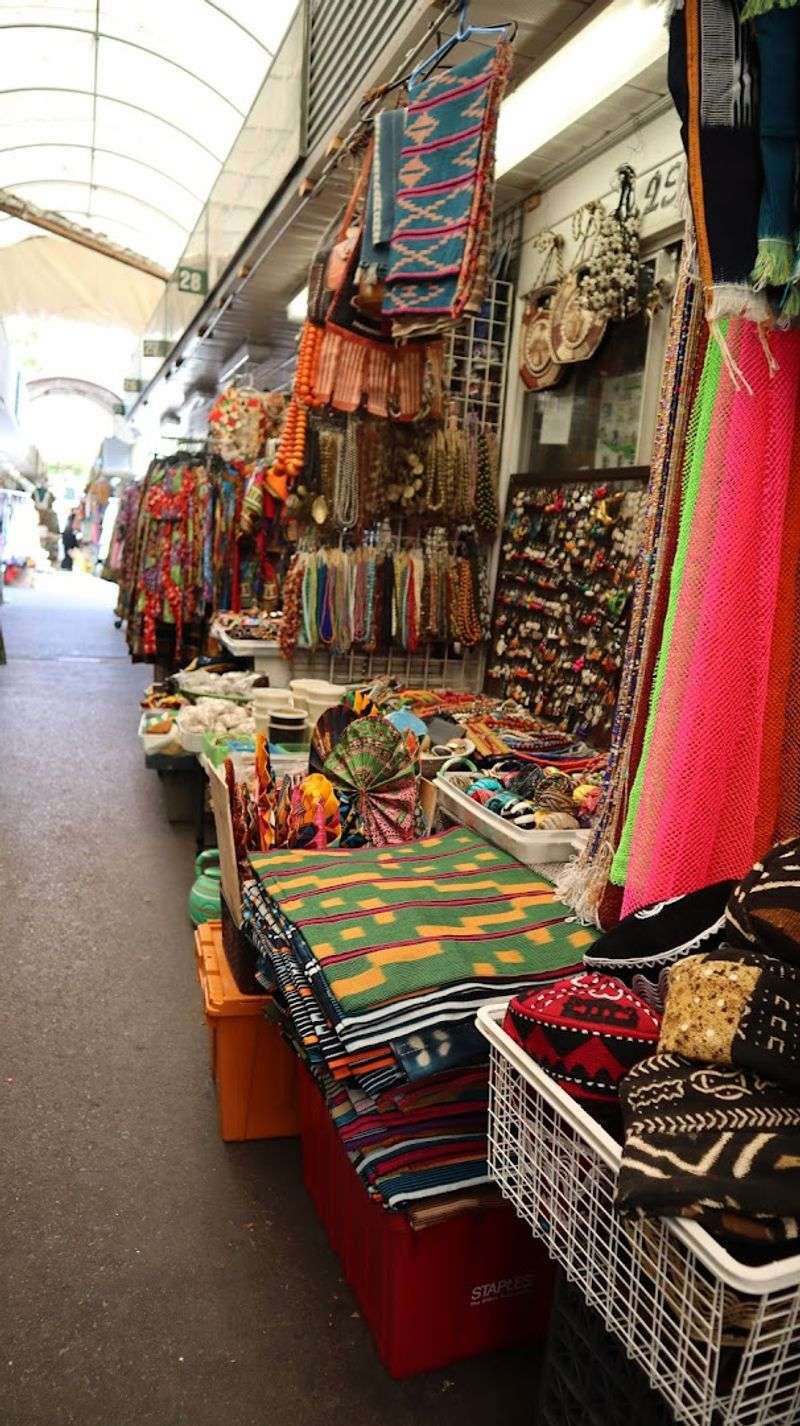
Not every visitor to Malcolm Shabazz Harlem Market arrives with a specific shopping list, and that is perfectly fine. The souvenir stalls cater to browsers who want something memorable without committing to a major purchase.
Decorative fans, keychains, small carved figures, printed scarves, and cultural trinkets fill these stalls in cheerful abundance, offering plenty of options for the undecided shopper.
What separates these souvenirs from the generic offerings found in Times Square gift shops is their cultural specificity. Many items reference particular African nations, historical figures, or Pan-African symbols that carry real meaning for the communities that created them.
Purchasing a small Adinkra symbol pendant or a flag-printed scarf from a Ghanaian vendor feels meaningfully different from picking up a mass-produced keychain from a tourist kiosk.
For travelers visiting New York from other states or countries, the souvenir stalls at this market offer something genuinely worth bringing home. A $25 budget can cover several small items, and the compact size of most souvenirs makes them easy to pack.
Teachers, community organizers, and parents who want to bring something educational and culturally rich back for children will find no shortage of options among the vendor stalls lining this remarkable Harlem marketplace.
The Art Of Bargaining And Getting The Best Deal
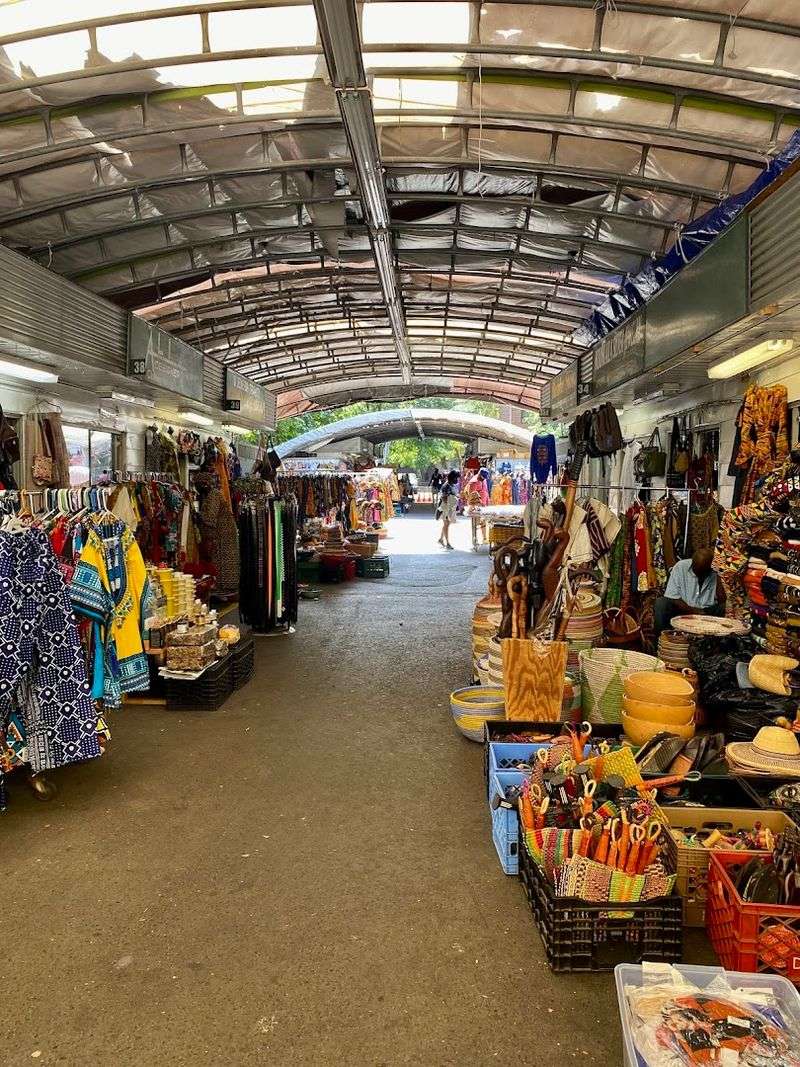
Bargaining at Malcolm Shabazz Harlem Market is not a confrontation. It is a conversation, and most vendors genuinely enjoy the exchange when it is approached with respect and good humor.
The general expectation is that prices listed or quoted are starting points, and a polite counteroffer is not only acceptable but often appreciated as a sign that the shopper is engaged and serious about making a purchase.
The most effective approach is to browse without urgency, ask questions about the items that interest you, and express genuine appreciation for the craftsmanship before discussing price. Vendors respond well to shoppers who show curiosity about the origin or meaning of a piece.
That connection often leads to a more generous offer than a blunt price negotiation would produce.
Purchasing multiple items from a single vendor is one of the most reliable ways to secure a meaningful discount. Many vendors will bundle several pieces at a reduced combined price when a shopper commits to buying more than one item.
Coming prepared with cash is strongly advised, as most vendors operate on a cash-only basis. An ATM is available within the market, though the fee runs on the higher side, so arriving with enough cash in hand will serve you far better and keep your $25 budget intact.
A Location Steeped In History And Community Pride
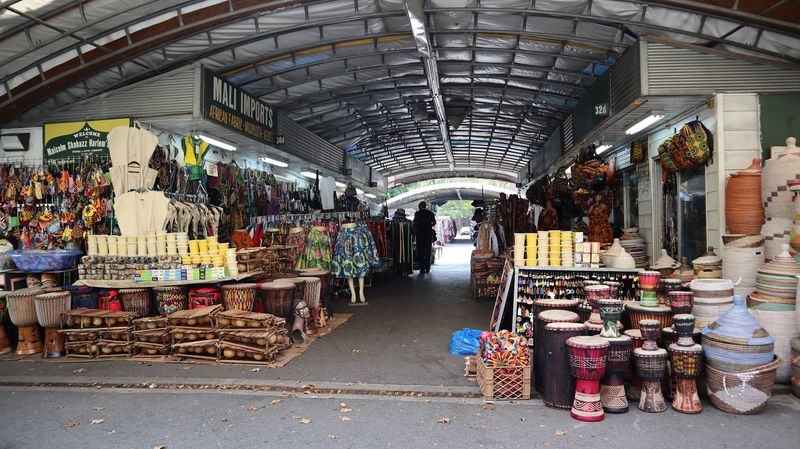
The address 52 W 116th Street places Malcolm Shabazz Harlem Market within one of the most historically significant neighborhoods in American urban history.
Harlem has long served as a cultural and intellectual center for African American life, and the market sits just steps from the mosque where Malcolm X once preached, a detail that gives the entire block a particular weight and resonance.
The market itself was named in honor of Malcolm Shabazz, the grandson of Malcolm X, and that legacy is felt throughout the space in ways that go beyond signage or branding.
Vendors and longtime community members carry a sense of ownership and pride in what the market represents, not just as a place of commerce but as a living expression of African and African American identity in the heart of New York City.
Visitors who take time to learn about the neighborhood context find that their experience at the market deepens considerably. A stall selling mudcloth becomes more meaningful when you understand the street it sits on.
A handmade necklace carries more weight when you know the history of the community that created the space around it. Malcolm Shabazz Harlem Market is not just a shopping destination.
It is a piece of living history that welcomes everyone who arrives with genuine curiosity and respect.
Why Visitors Keep Coming Back Again And Again
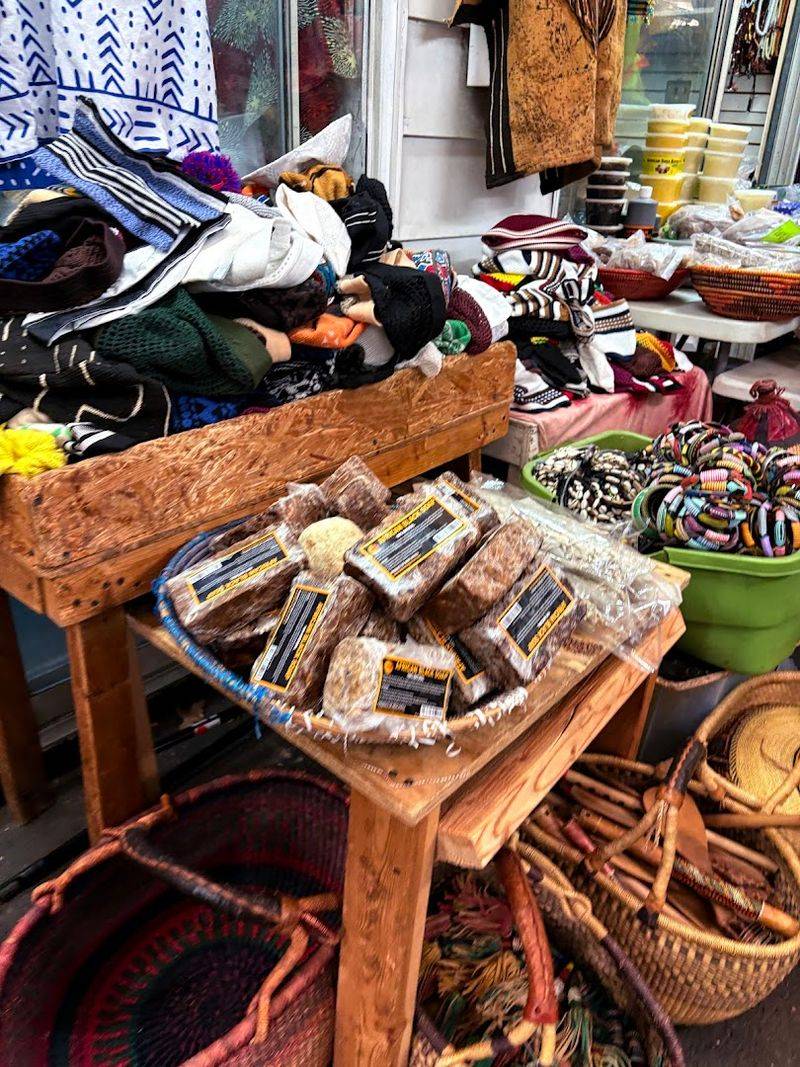
Markets that earn genuine loyalty from repeat visitors are rarer than they might seem.
Malcolm Shabazz Harlem Market has built exactly that kind of following, drawing shoppers from across New York, neighboring states, and international destinations who return specifically because the experience consistently delivers something new.
Inventory rotates as vendors come and go, meaning no two visits feel entirely identical.
The vendors themselves are a significant part of what keeps people returning. Many are skilled artisans who take evident pride in their work and genuine pleasure in connecting with customers who appreciate it.
Conversations started at a fabric stall can turn into ongoing relationships, with regular visitors developing a rapport with specific vendors over multiple trips. That human element is something no online marketplace can replicate.
The market operates seven days a week, which means there is always an opportunity to visit regardless of schedule. Whether you arrive on a quiet Tuesday morning or a busy Saturday afternoon, the energy of the market adjusts accordingly without ever losing its essential character.
For anyone who has not yet made the trip to 116th Street in Harlem, the question is not really whether the market is worth visiting. The question is simply how soon you can get there and how much room you have in your bag.
Practical Tips For Making The Most Of Your Visit
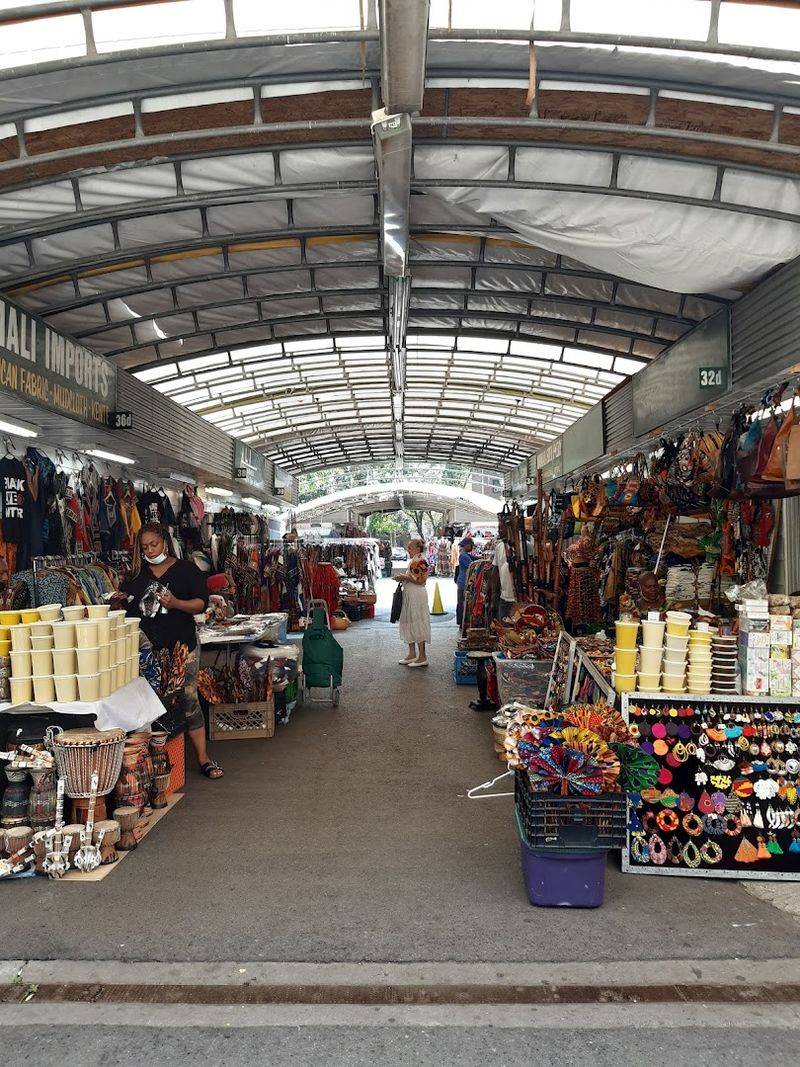
A little preparation goes a long way at Malcolm Shabazz Harlem Market. Arriving with cash is the single most important practical step, since the majority of vendors do not accept credit cards.
While a market ATM is available, using it comes with a fee that can quietly chip away at a tight budget. Pulling cash from your own bank beforehand keeps more money in your pocket and in the hands of the vendors you are buying from.
Wearing comfortable shoes matters more than it might seem. The market covers a meaningful stretch of ground, and thorough browsing means a fair amount of walking between stalls.
Bringing a reusable tote bag or a small rolling cart gives you somewhere to put purchases as you accumulate them, which makes the experience far more comfortable than juggling multiple plastic bags through a crowded market.
Going with a loose plan rather than a rigid shopping list tends to produce the most satisfying visits.
Knowing your approximate budget and the general categories you are interested in is enough structure to keep you focused without preventing the spontaneous discoveries that make this market genuinely fun.
The market is open daily from 10 AM to 8 PM, which means an evening visit after work is entirely possible. Arriving with $25 and an open mind is really all the preparation you need.