
The Famous Rhode Island Clam Shack That Seafood Lovers Have Been Flocking To Since 1954
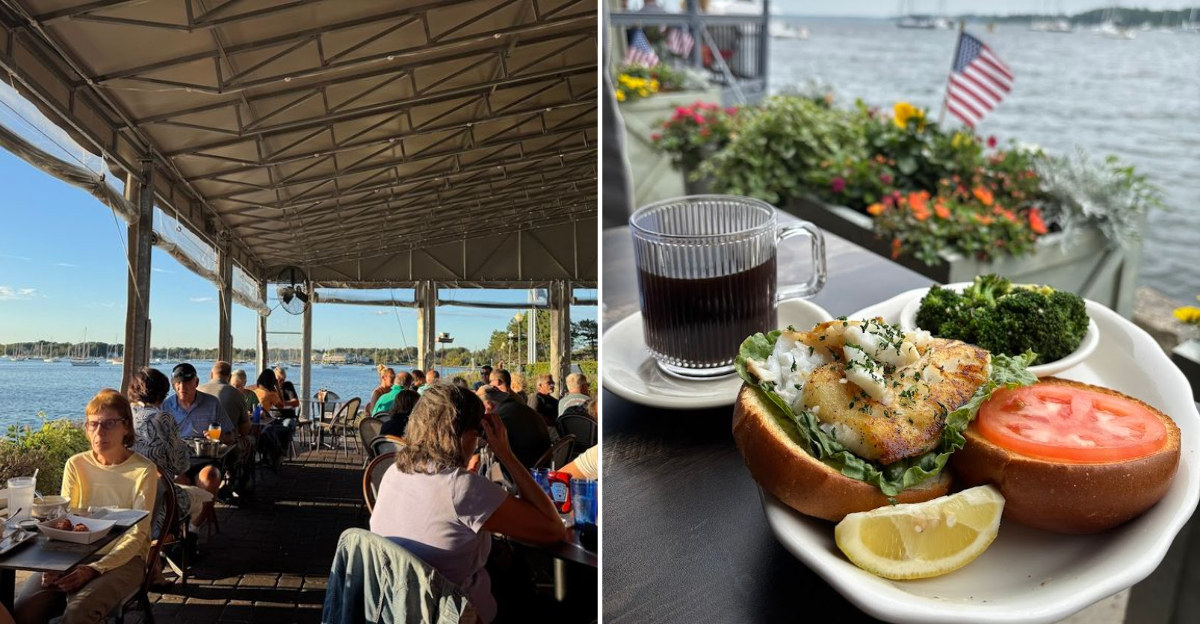
Some restaurants survive on reputation alone, but this Rhode Island clam shack has been earning its lines since 1954. Decades of loyal customers, sun-bleached signage, and a fryer that has never once let anyone down.
The menu is short, the portions are generous, and the clams arrive so fresh you can taste the ocean in every single bite. Rhode Island has built a serious identity around seafood, and this shack sits comfortably at the center of that conversation.
Locals treat it like a birthright and visitors treat it like a pilgrimage, which means the parking lot stays full from opening to close. Nobody comes here for the ambiance or the decor.
They come because the food has been consistently outstanding for over seventy years and shows absolutely no signs of slowing down.
Historical Roots Of The Seafood Establishment
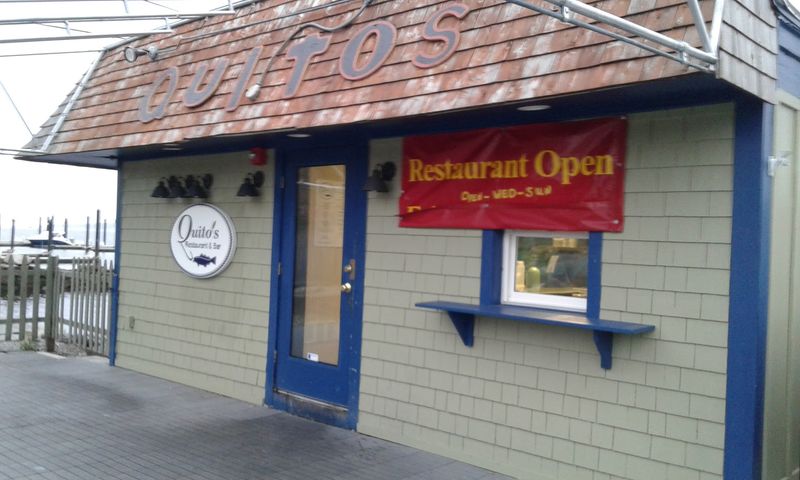
This spot started in 1954, not as a full restaurant, but as a shellfish company. Peter Quito founded it right on the Bristol waterfront.
His wife, Joanne began cooking fish and chips on Fridays from the front of the business. That small Friday tradition quietly became something much bigger.
The place also operated as a local fish market early on. Neighbors would stop by for fresh catch straight off the boats.
It was practical, unpretentious, and deeply rooted in the community. Bristol Bay was basically the backyard, and the Quito family used every bit of that advantage.
Over the decades, the operation grew into a full-service restaurant. Albert Quito, son of the founders, took over ownership and kept the family mission alive.
His daughter Alyssa now represents the third generation involved in the business. Three generations of one family running the same waterfront spot is not something you see every day.
The address, 411 Thames St, Bristol, RI 02809, has stayed the same through all of it. The building has changed, the menu has expanded, but the core identity has not shifted.
This is a place built on local fishing culture, family pride, and a genuine love of good seafood. That history is not just a marketing angle.
It is baked into every dish they serve.
Signature Clam Recipes Preparation Styles
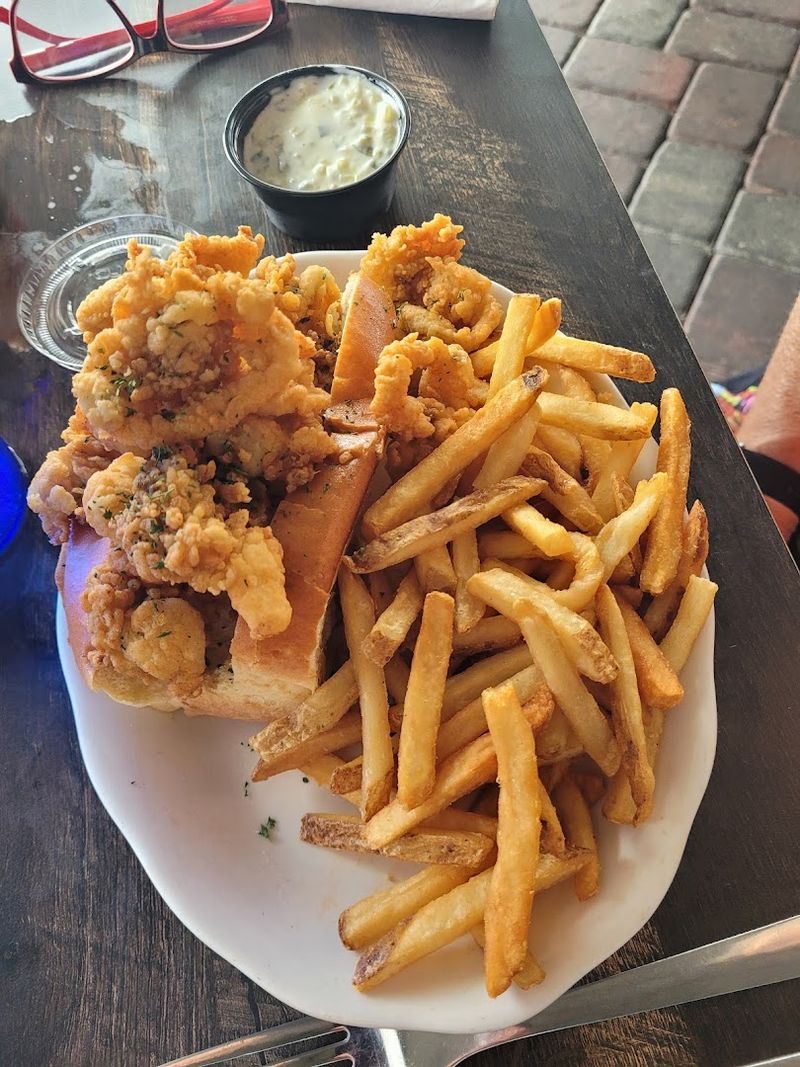
Clams are basically the heartbeat of Quito’s menu. The stuffed quahogs are a standout.
Quahogs are large hard-shell clams native to New England waters, and Quito’s has been preparing them the traditional Rhode Island way for decades. The stuffing is savory, packed with flavor, and not overdone.
Rhode Island clam chowder is a different animal from the creamy New England style most people know. It is broth-based, clear, and lets the clam flavor do the actual work.
Quito’s version respects that tradition. Nothing is buried under heavy cream or masked with unnecessary additions.
The clam cake is another Rhode Island classic on the menu. These are fried dough balls mixed with chopped clams, crispy outside, soft inside.
They pair naturally with a bowl of chowder. It is a combo that has been popular in this state for generations, and Quito’s executes it well.
Preparation at Quito’s leans toward letting the seafood speak for itself. Frying is done with care, not used to cover up inferior ingredients.
Steaming, baking, and pan-searing are all part of the kitchen’s approach, depending on the dish. The goal is always the same.
Fresh seafood, honest preparation, no unnecessary shortcuts. When you have access to quality local clams, you do not need to complicate things to make a great plate.
Local Seafood Sourcing Practices Sustainability
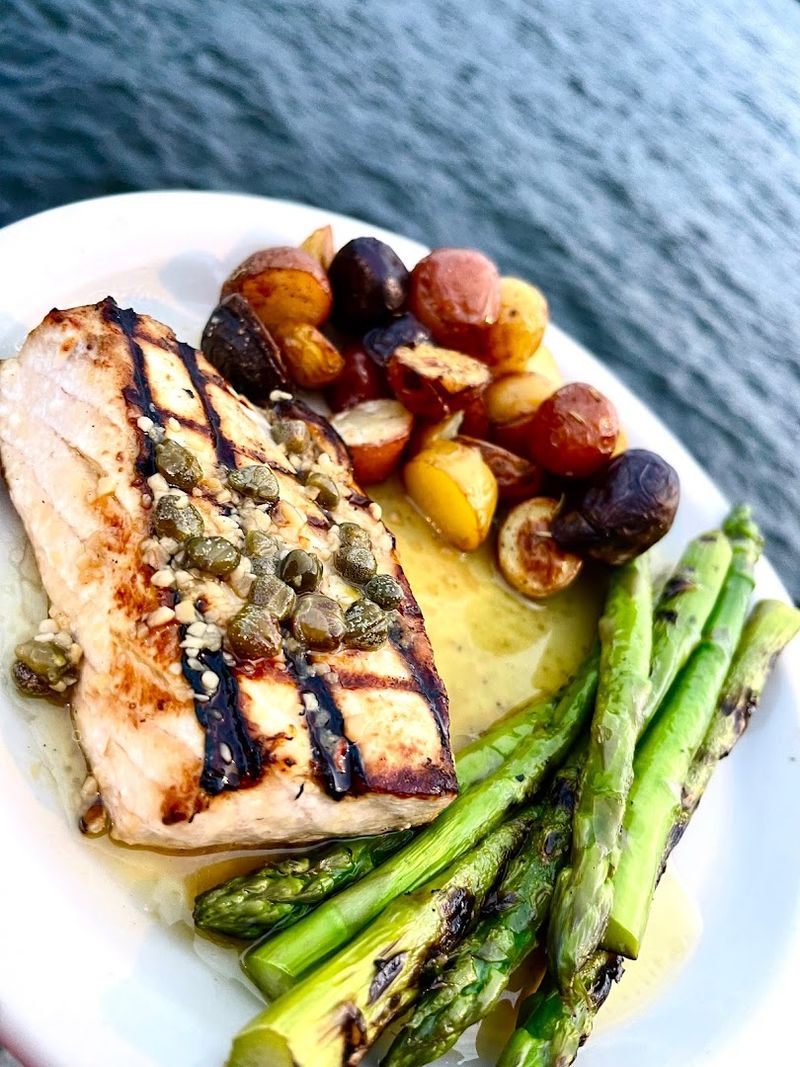
Quito’s has always prioritized sourcing from local suppliers. That commitment goes back to the days when Peter Quito was running a shellfish company.
The proximity to Bristol Bay is not just a scenic bonus. It is a practical advantage that shapes what ends up on your plate.
Working with local fishermen means the supply chain is short. Fish caught in nearby waters arrive faster and fresher than anything shipped from far away.
That matters more than most people realize. Freshness in seafood is not just about taste.
It affects texture, smell, and overall quality in ways that are immediately noticeable.
Rhode Island has a strong fishing community, and restaurants like Quito’s help sustain it. When a restaurant consistently buys from local sources, it keeps those fishing businesses viable.
It is a direct economic relationship that benefits the whole region. Bristol has been a fishing town for centuries, and that culture stays alive partly through places like this.
Sustainability is woven into the sourcing model, even if it is not always loudly advertised. Using what is seasonally available from local waters naturally reduces pressure on overfished species.
The menu at Quito’s shifts with what is fresh and available. That flexibility is a sign of a kitchen that respects the source of its ingredients.
Local sourcing is not a trend here. It has been the operating standard since day one.
Popular Complementary Side Dishes Ingredients
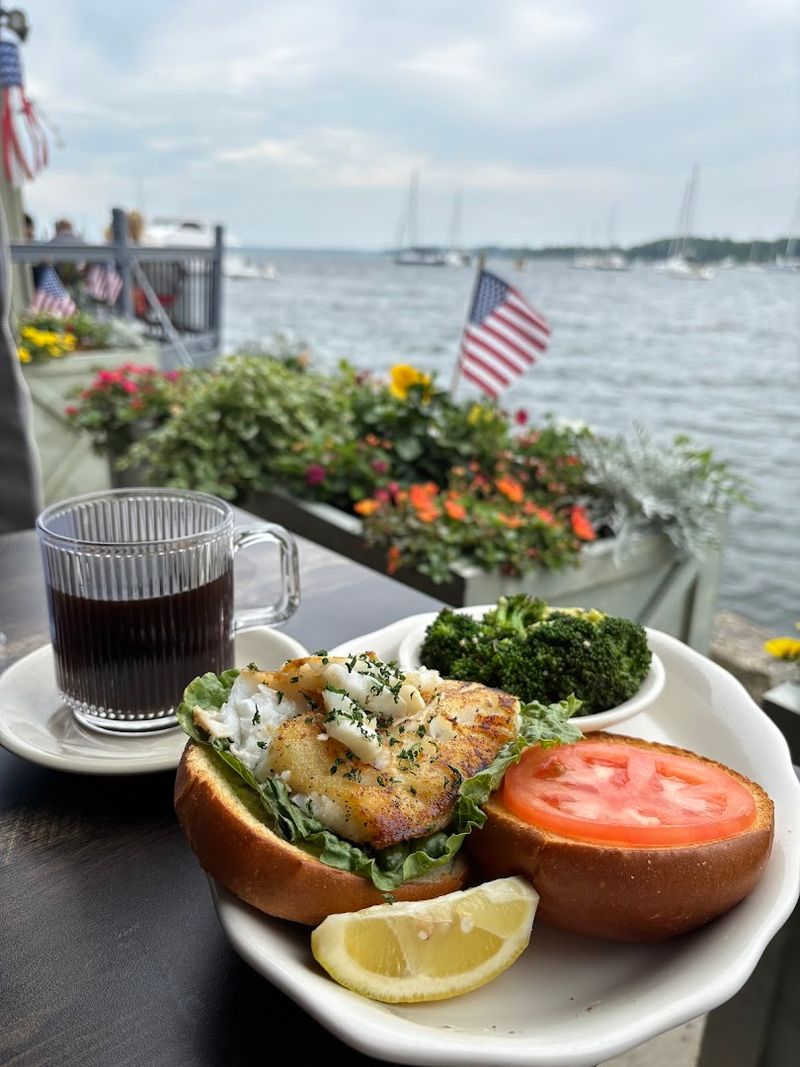
A great seafood plate needs solid sides to hold it together. Quito’s keeps the supporting cast simple and well-executed.
Coleslaw shows up regularly alongside fried dishes, offering a cool contrast to hot, crispy seafood. It does not try to steal the show, and that is exactly the right call.
Fries are a staple here, as expected from any proper seafood spot. They arrive hot and seasoned, doing their job without drama.
Bread rolls appear with certain dishes and are useful for soaking up sauces and broths. Practicality has always been part of the Quito’s approach to a full meal.
Broccoli appears as a vegetable side with several entrees. It is a straightforward choice that balances heavier fried options.
Some plates come with rice or pasta, depending on the dish. The Mediterranean Linguine, for example, pairs pasta with seafood in a way that feels cohesive rather than random.
The sides at Quito’s are not trying to be the story. They are there to round out the plate and make the overall meal feel complete.
Ingredients stay familiar and accessible. Nothing on the side menu requires explanation or a culinary background to appreciate.
That approachability is part of what makes Quito’s work for a wide range of people. Families, first-timers, and regulars all find something on the plate that makes sense to them.
Seasonal Menu Variations Fresh Catch Highlights
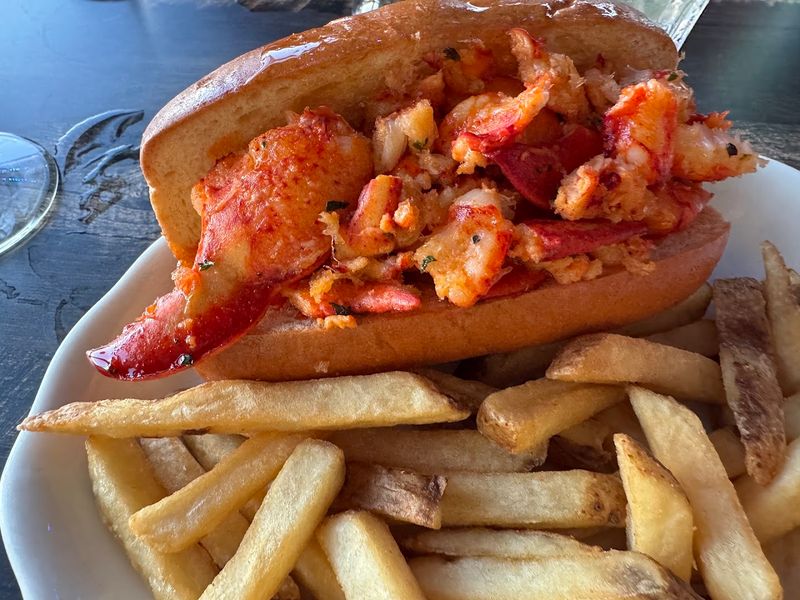
The menu at Quito’s is not static. It moves with the seasons and with what local waters are producing.
Summer brings the heaviest traffic and the widest variety of fresh options. Lobster, local fin fish, and shellfish are all at peak availability during the warmer months.
That is when the menu really opens up.
Haddock is a consistent highlight whenever it is in season. Baked haddock has appeared regularly and earns consistent praise for being fresh, flaky, and cleanly prepared.
Pan-seared cod shows up as a seasonal feature as well. These are not exotic choices.
They are New England classics handled with real care.
Oysters are another seasonal item worth tracking. When they are fresh and available, Quito’s serves them as part of the raw bar selection.
Fresh oysters from local waters have a distinct briny flavor that farmed alternatives rarely match. Timing your visit to coincide with oyster season is a smart move.
Winter visits offer a different but equally appealing experience. The menu narrows slightly, but the kitchen focuses on what is available and does it well.
Chowders and warm baked dishes become even more central. The seasonal approach keeps the menu honest.
Quito’s is not trying to serve everything year-round, regardless of quality. They serve what is good right now.
That philosophy keeps the food consistent and the experience worth repeating across different times of year.
Traditional Cooking Techniques Preserved Over Decades
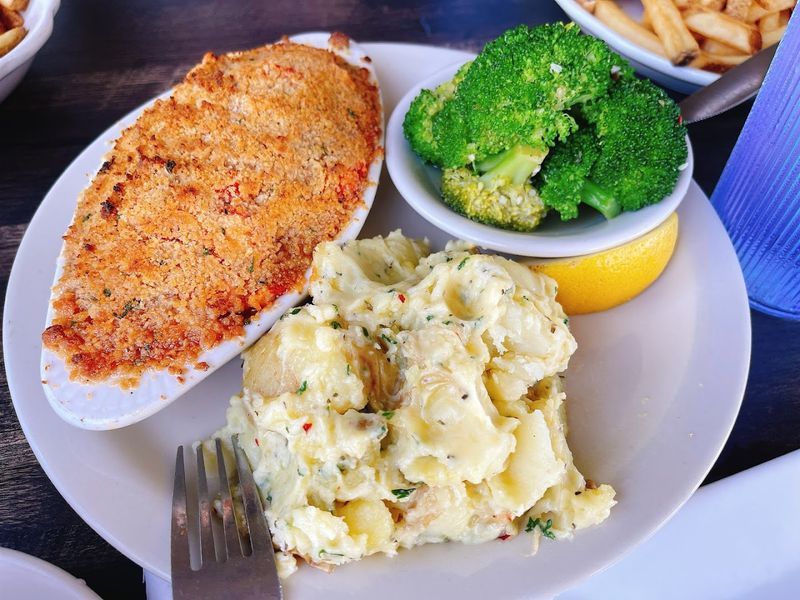
Quito’s has been cooking seafood the same honest way since the 1950s. The techniques are not trendy or experimental.
They are proven methods that have worked in New England kitchens for generations. Frying, baking, steaming, and pan-searing form the backbone of how the kitchen operates.
Fish and chips remain one of the oldest items on the menu, tracing back to Joanne Quito’s original Friday cooking sessions. The method is straightforward.
Fresh fish, proper batter, hot oil, and good timing. Nothing fancy, but the result is consistently satisfying when done correctly.
Quito’s has had decades to get it right.
Steamed mussels are another dish that relies entirely on technique and ingredient quality. Over-steaming ruins them.
Under-steaming is worse. Getting it right requires attention and experience.
The kitchen at Quito’s has that experience built up over many years of repetition and refinement.
Baking is used for dishes like stuffed quahogs and seafood casserole. The oven does the work slowly, allowing flavors to develop without rushing.
Seafood casserole, in particular, benefits from this approach. Layers of different seafood come together in the oven in a way that stovetop cooking cannot replicate.
These are not complicated techniques, but they require consistency. That consistency is what separates a restaurant that has lasted seventy years from one that opens and closes within a few seasons.
Customer Favorites Top Rated Dishes Overview
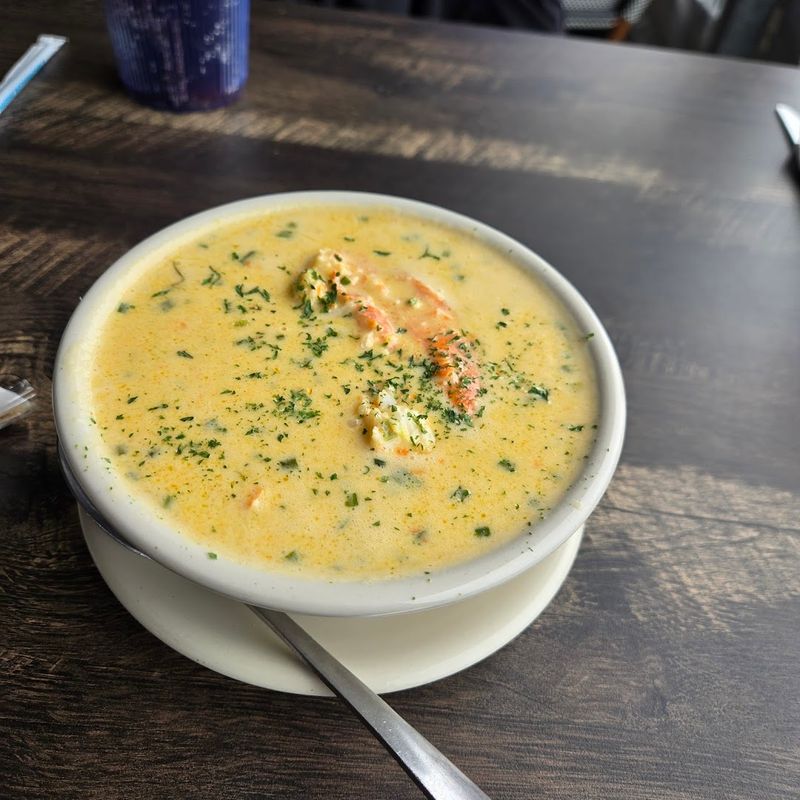
The lobster roll is the dish most people talk about first. Quito’s serves it both New England style with mayo and Connecticut style with warm butter.
Both versions are loaded with lobster meat. The roll itself almost disappears under the amount of lobster on top.
That ratio is not an accident.
Lobster bisque has developed a serious reputation over the years. It arrives with full claw meat chunks in a flavorful broth.
The portion is substantial. People who order a cup tend to immediately wish they had ordered a bowl.
The bisque has a depth of flavor that takes time and quality ingredients to build.
Calamari Mediterranean is a menu item that stands apart from standard fried calamari. The preparation leans toward bold flavors with a Mediterranean influence.
It is a dish that rewards adventurous eaters who are willing to go beyond the usual appetizer options. The spicy version has also earned attention for delivering real heat.
Crab cakes round out the list of crowd favorites. They arrive crispy on the outside with a high crab-to-filler ratio.
That balance is harder to achieve than it sounds. Many restaurants overstuff their crab cakes with breadcrumbs to cut costs.
Quito’s keeps the focus on the crab. Baked haddock and seafood casserole also draw repeat orders.
The menu has enough variety to keep regulars coming back without losing focus on what the kitchen does best.
Dining Atmosphere Authentic Coastal Ambiance
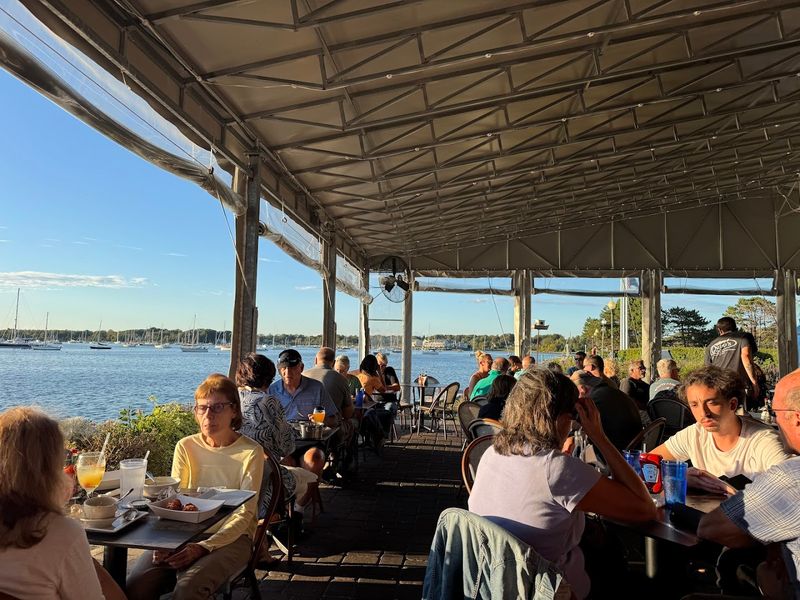
Quito’s sits right on Bristol Bay, and the view is a genuine part of the experience. The outdoor patio puts you directly beside the water.
Boats pass by while you eat. The breeze off the bay is real.
This is not a manufactured nautical theme with plastic anchors on the walls.
Indoor seating has its own appeal, especially in cooler months. A fireplace inside creates a warm, settled atmosphere that feels right for a winter bowl of chowder.
The small bar area adds a social energy without turning the place into something it is not. It stays casual and family-friendly throughout the year.
The building is compact. That is part of the charm and also part of the challenge.
During peak summer months, the place fills up fast. Reservations are a smart idea if you are visiting on a weekend or during a holiday stretch.
Arriving early on weekdays tends to work better for those who prefer a quieter visit.
Parking is limited in the area, so planning saves frustration. The waterfront location on Thames Street puts you near other Bristol attractions as well.
After a meal at Quito’s, walking along the waterfront is a natural next move. The atmosphere at Quito’s is not polished or pretentious.
It is a working waterfront restaurant that happens to have one of the best views in Bristol. That combination is genuinely hard to replicate.