
The Florida Nature Preserve Most Residents Don’t Even Know Exists
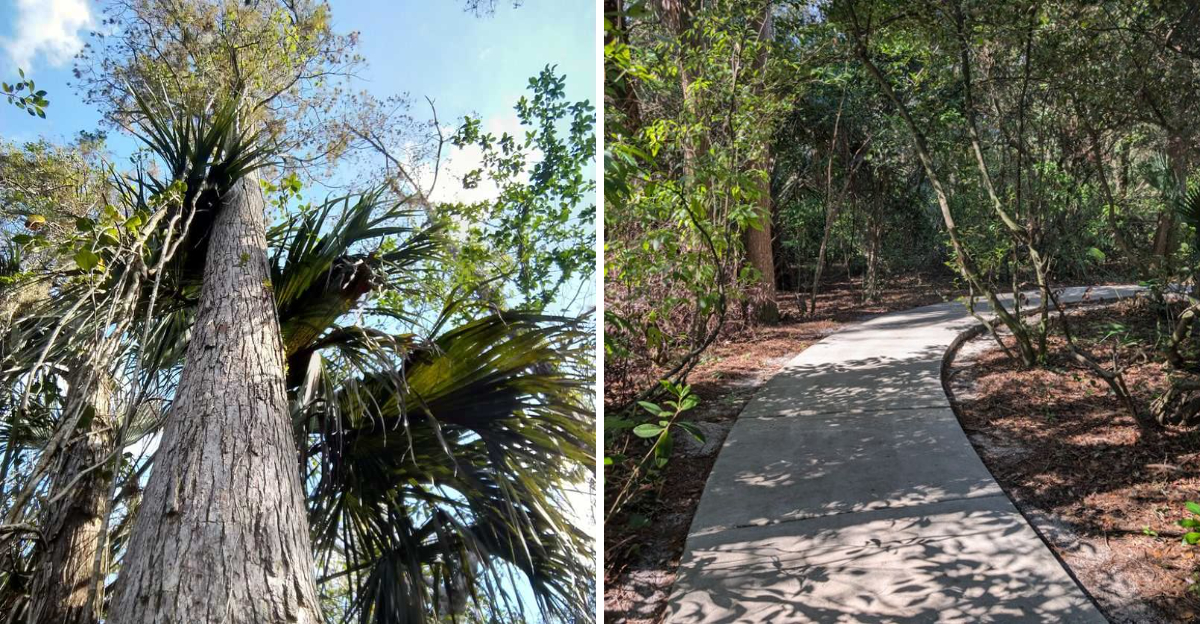
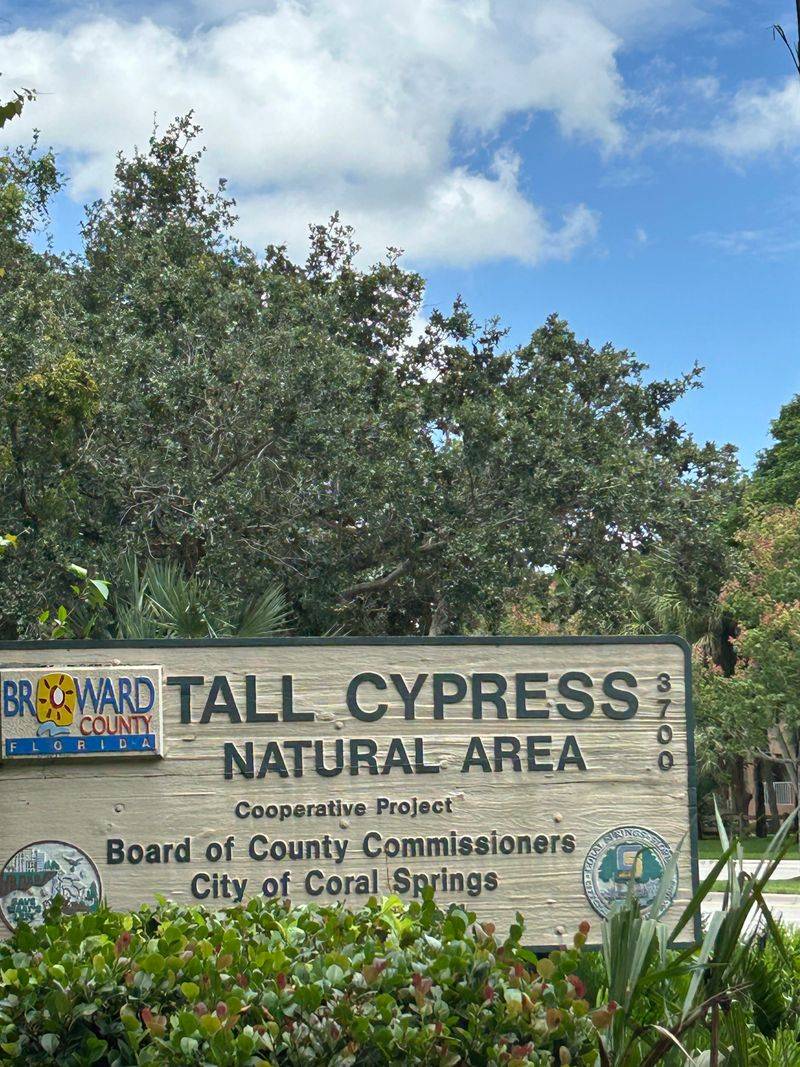
Tucked away in the heart of Coral Springs, Tall Cypress Natural Area remains one of Broward County’s best-kept secrets.
Most Florida residents rush past it daily without realizing a 66-acre slice of old Florida wilderness sits just beyond the suburban sprawl.
This preserve offers a rare glimpse into the cypress swamps and hardwood forests that once covered South Florida before development transformed the region.
It’s Hidden Inside One Of Broward County’s Busiest Suburbs
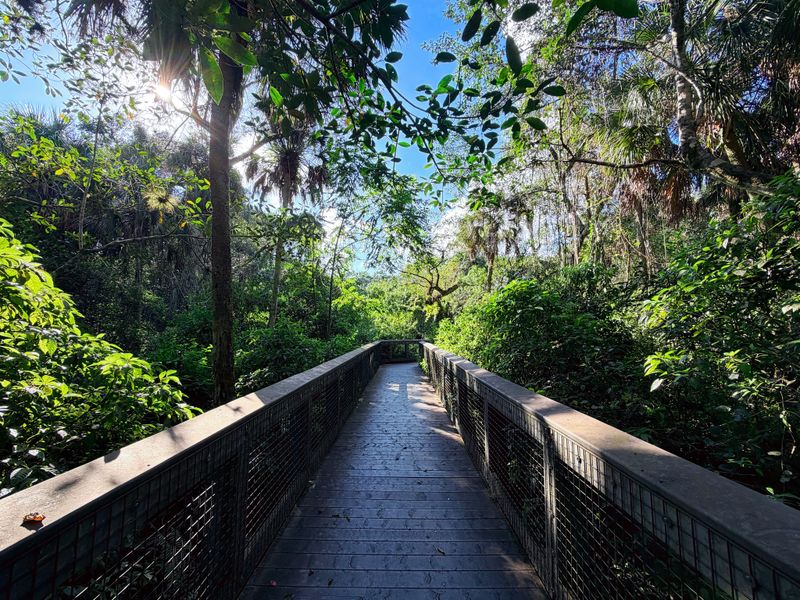
Finding wild Florida in Coral Springs feels like discovering a secret room in your own house.
The preserve sits at 3700 Turtle Run Boulevard, surrounded by shopping centers, schools, and neighborhoods where families go about their daily routines.
Drive past the entrance once and you might mistake it for just another park access road.
What makes this location remarkable is how completely the natural area separates itself from the urban noise around it.
Step through the entrance and the sounds of traffic fade within minutes.
The dense canopy overhead blocks out most visual reminders of civilization.
Coral Springs grew rapidly during South Florida’s development boom, yet city planners had the foresight to protect this parcel.
Now it serves as proof that nature and suburbia can coexist when communities make preservation a priority.
Thousands drive within a mile of this place daily without knowing it exists.
The contrast creates an almost surreal experience for first-time visitors.
You park near modern buildings and within five minutes find yourself on boardwalks threading through ancient cypress trees.
The Preserve Protects A Rare Piece Of South Florida’s Original Landscape
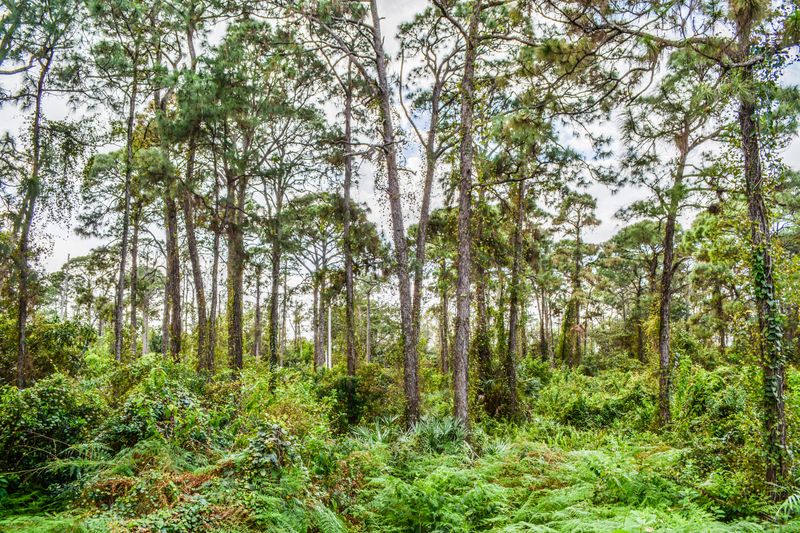
Before air conditioning and drainage canals, most of South Florida looked like Tall Cypress Natural Area.
Cypress swamps and wet prairies dominated the landscape, creating a water-rich environment vastly different from today’s manicured suburbs.
This preserve protects one of the few remaining examples of that original ecosystem in Broward County.
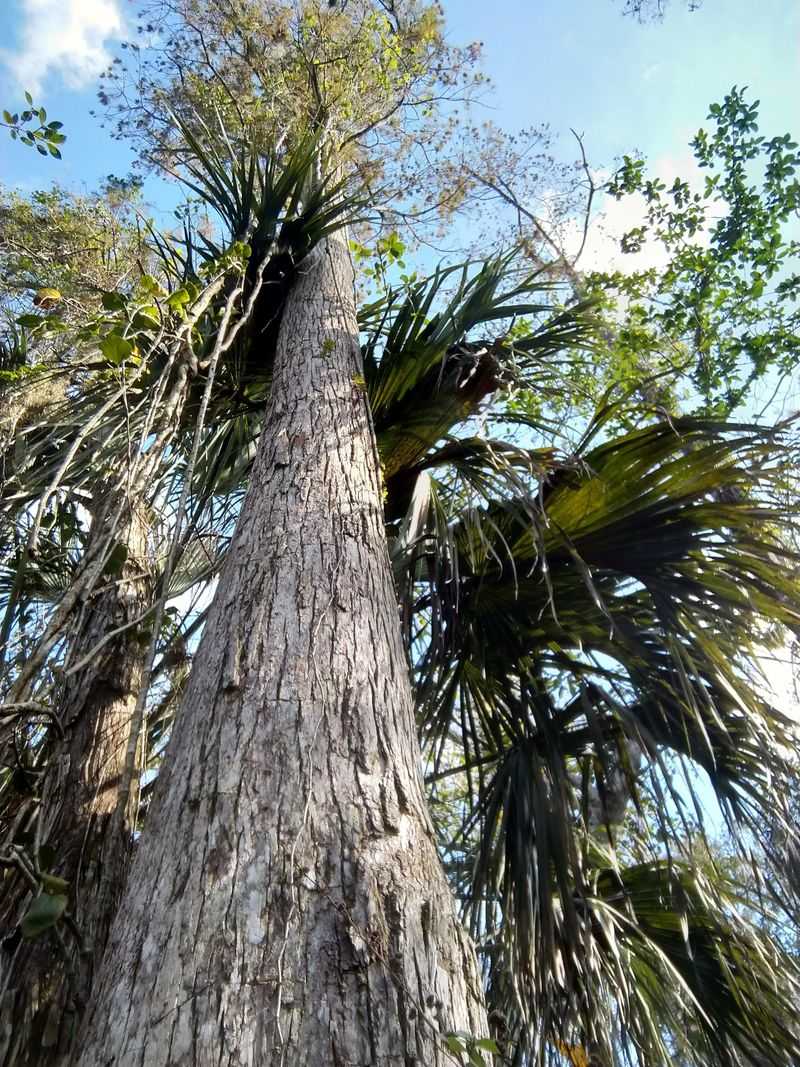
The cypress trees here are not the towering giants found in northern Florida, but they represent an authentic slice of regional history.
These wetlands once filtered water naturally, provided habitat for countless species, and defined the character of pre-development South Florida.
Many longtime residents have never seen what their region looked like before the transformation began.
Conservation efforts here focus on maintaining the natural hydrology that keeps the swamp healthy.
Without human intervention to preserve water flow patterns, this landscape would quickly degrade.
Broward County Parks manages the site with careful attention to ecological balance.
Walking through this preserve offers an education in what was lost and what remains worth protecting.
The experience connects visitors to Florida’s environmental history in ways that photos and descriptions cannot replicate.
You Can Walk The Entire Preserve In Under An Hour
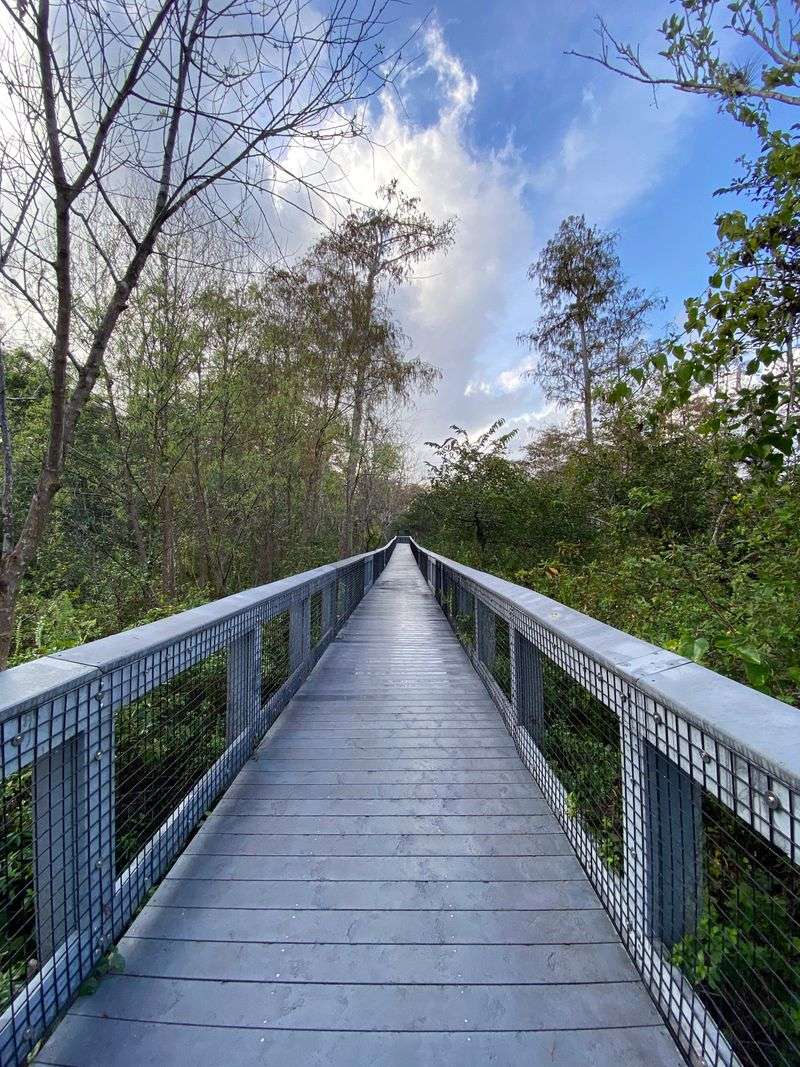
Accessibility makes Tall Cypress Natural Area perfect for people with limited time or mobility concerns.
The main boardwalk loop stretches roughly half a mile through the heart of the preserve.
Most visitors complete the circuit in thirty to forty-five minutes at a leisurely pace.
This compact size works in the preserve’s favor rather than against it.
You get a concentrated dose of nature without committing to an all-day expedition.
Families with young children appreciate that the trail never strays far from the parking area.
The boardwalk’s elevated design means you can visit even after heavy rains when ground-level trails elsewhere become impassable.
Wheelchairs and strollers navigate the path easily, though some sections have slight inclines.
Benches positioned along the route let you pause and observe without rushing.
Despite the short distance, the preserve packs substantial natural diversity into its acreage.
You pass through multiple habitat zones, from open wetlands to dense hardwood hammocks.
The quick walk delivers an experience that feels much longer than the actual time investment required.
The Boardwalk Trail Was Designed To Protect The Wetlands Below
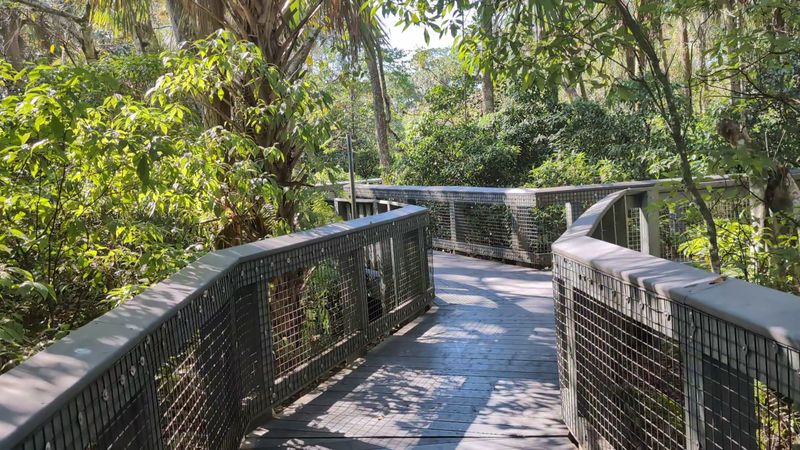
Engineering met ecology when designers planned the boardwalk system at Tall Cypress Natural Area.
Raising the walkway above ground level prevents soil compaction and vegetation damage that foot traffic would otherwise cause.
Thousands of visitors can explore the swamp annually without degrading the very environment they came to see.
Wetlands are particularly vulnerable to human impact because their saturated soils compress easily under repeated trampling.
Plants adapted to wet conditions often cannot recover from constant disturbance.
The boardwalk solves this problem elegantly by keeping people suspended above the sensitive areas.
Construction techniques minimized disruption during installation.
Support posts were placed strategically to avoid major root systems and critical drainage patterns.
Maintenance crews inspect the structure regularly to ensure it remains safe and functional.
From a visitor perspective, the boardwalk enhances rather than diminishes the experience.
Being elevated puts you at eye level with features you might miss from ground level.
You can observe water flow, spot wildlife, and examine tree bark details from a comfortable vantage point without worrying about muddy shoes or wet socks.
Wildlife Thrives Here Despite The Surrounding Development
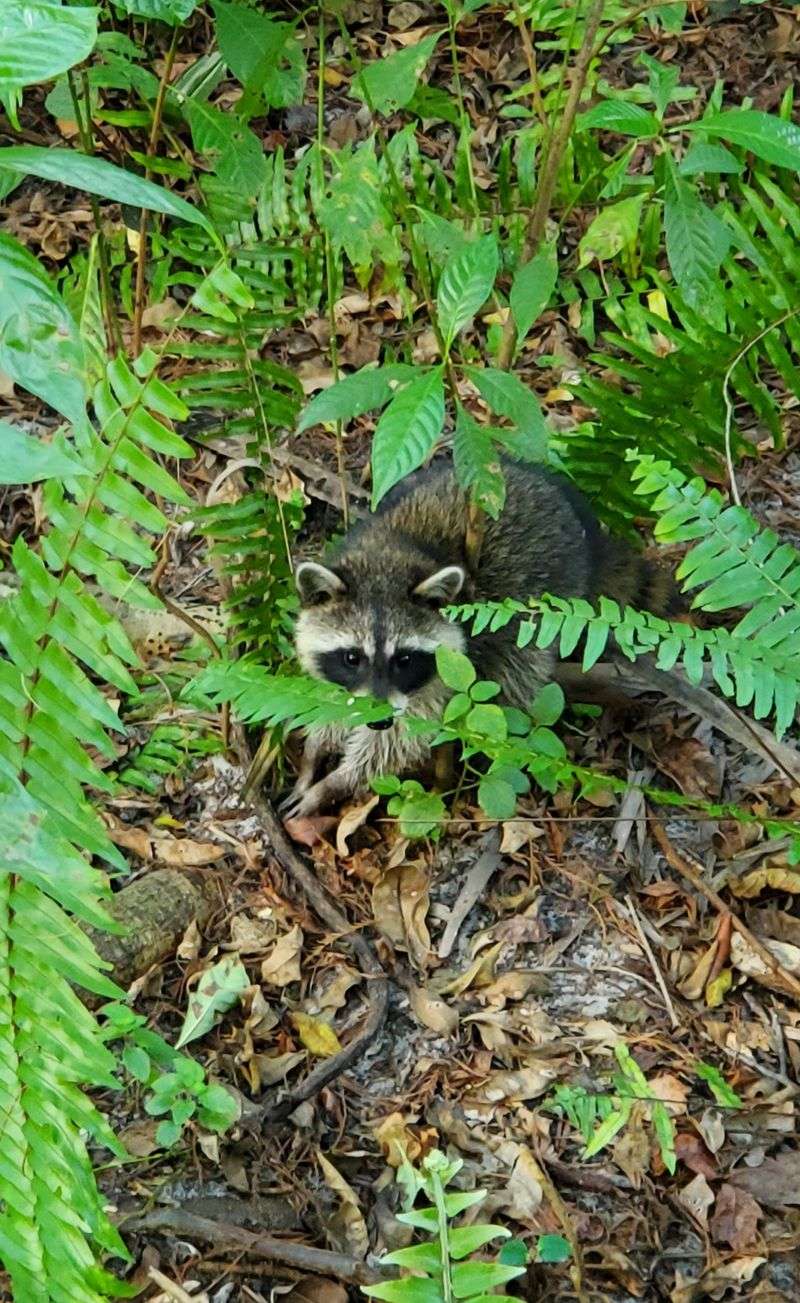
Nature finds a way, even when hemmed in by highways and housing developments.
Tall Cypress Natural Area supports an impressive roster of species that have adapted to life in an urban island of wilderness.
Raccoons, opossums, and armadillos navigate the preserve at dawn and dusk.
Bird populations particularly benefit from the protected habitat.
Wading birds like herons and egrets hunt in the shallow waters.
Woodpeckers hammer on dead tree trunks, and warblers flit through the canopy during migration seasons.
The variety surprises visitors who assume suburban locations cannot support diverse wildlife.
Reptiles and amphibians thrive in the wet environment.
Turtles sun themselves on logs, and frogs chorus loudly during warm evenings.
Alligators have been spotted occasionally, though they tend to keep their distance from human activity.
The preserve’s isolation creates both challenges and advantages for resident animals.
Genetic diversity becomes a concern for populations cut off from larger wilderness areas.
However, predation pressure from humans remains low, and food sources stay abundant.
Conservation biologists monitor these isolated populations to understand how urban wildlife adapts.
It’s One Of The Quietest Nature Spots In Broward County
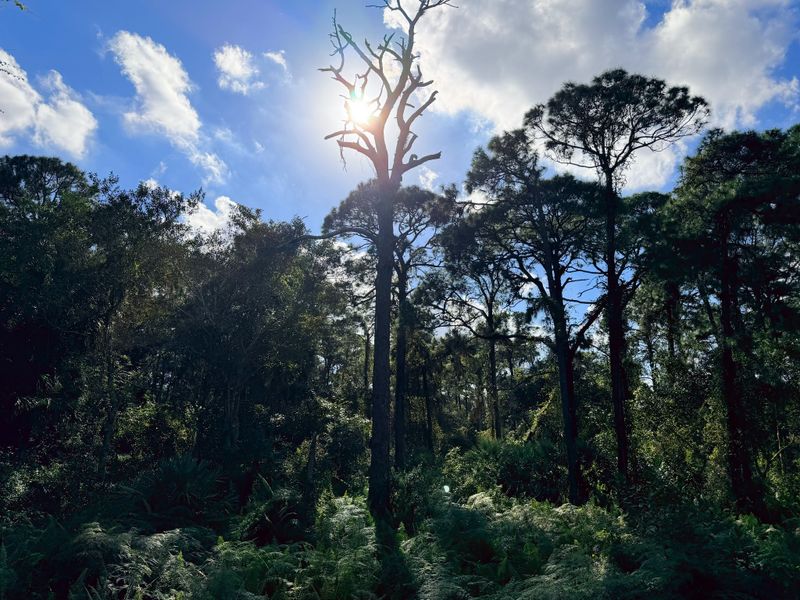
Silence has become a rare commodity in South Florida, making Tall Cypress Natural Area’s acoustic environment particularly valuable.
Once you move beyond the entrance, traffic noise fades to a distant hum that the rustling leaves mostly mask.
Many visitors comment on the unexpected quiet as one of their favorite aspects of the preserve.
Natural sounds dominate the soundscape here.
Wind moving through cypress branches creates a soft whisper overhead.
Birdsong fills the air during active feeding times.
Water dripping and flowing adds a subtle percussion to the background.
The preserve’s modest size and limited visitor capacity help maintain the peaceful atmosphere.
Broward County Parks does not promote this location heavily, which keeps crowds manageable.
You can often walk the entire boardwalk without encountering another person, especially on weekday mornings.
For people seeking mental restoration, this quiet offers genuine therapeutic value.
Research shows that natural soundscapes reduce stress and improve concentration.
Spending even twenty minutes in this peaceful environment can reset your nervous system and provide relief from urban sensory overload.
The quiet alone justifies the visit.
The Preserve Plays A Role In Local Flood Control
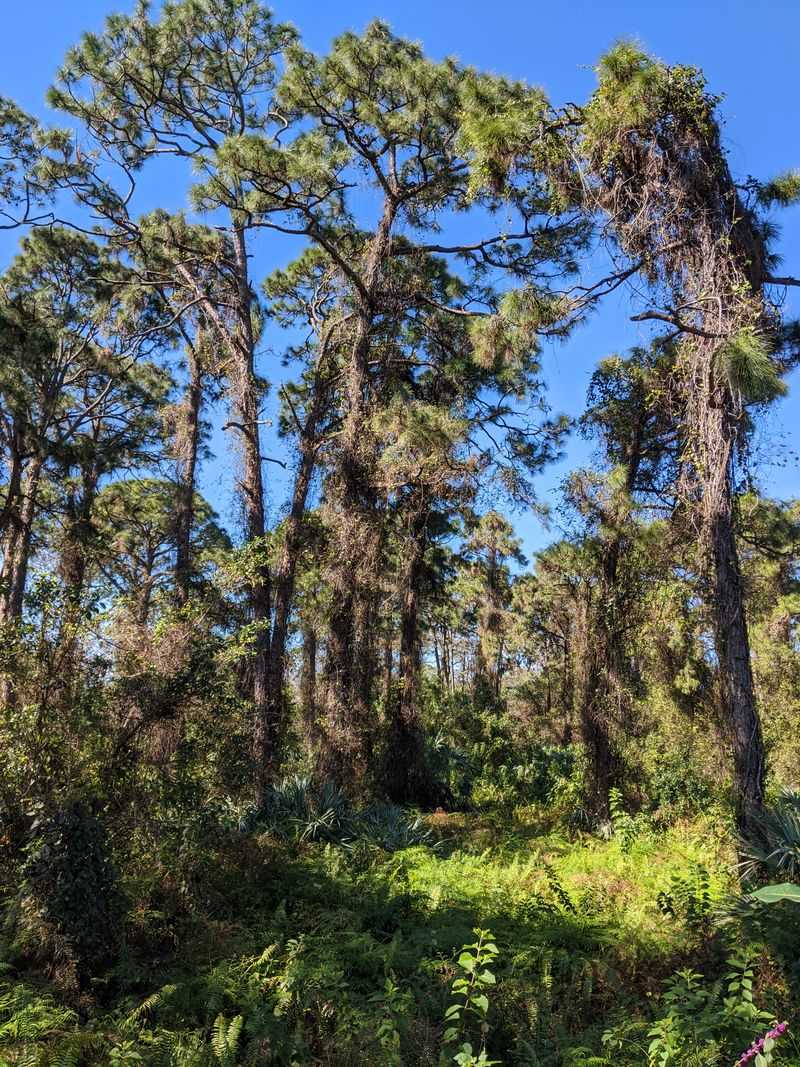
Wetlands function as nature’s sponges, absorbing excess water during heavy rains and releasing it slowly afterward.
Tall Cypress Natural Area serves this critical flood control function for surrounding Coral Springs neighborhoods.
The 66 acres of swamp can hold substantial water volume that would otherwise contribute to street flooding and property damage.
South Florida’s flat topography and porous limestone geology create natural drainage challenges.
Historical wetlands handled these issues before development disrupted natural water flow patterns.
Preserving this wetland helps restore some of that lost capacity.
Engineers and hydrologists recognize that protecting natural areas like this costs less than building equivalent drainage infrastructure.
The preserve requires no pumps, pipes, or retention ponds to perform its water management role.
It simply does what wetlands have always done, buffering the landscape against flooding.
Climate change projections suggest South Florida will face increased rainfall intensity in coming decades.
Natural areas that absorb and filter stormwater will become even more valuable.
Tall Cypress Natural Area represents an investment in both ecological health and practical flood resilience for the community it serves.
Every Season Brings A Different Experience

South Florida’s subtle seasons reveal themselves clearly to observant visitors at Tall Cypress Natural Area.
Summer brings high water levels that flood the boardwalk’s lower sections and create mirror-like reflections.
The wet season transforms the preserve into a lush, dripping jungle where humidity wraps around you like a warm blanket.
Winter dries the landscape considerably, exposing mud flats and concentrating wildlife around remaining water sources.
Migratory birds arrive during cooler months, adding species diversity.
Temperatures drop into comfortable ranges that make midday walks pleasant rather than exhausting.
Spring initiates the breeding season for many species, filling the preserve with courtship displays and nesting activity.
Fresh green growth appears on deciduous trees.
Wildflowers bloom in patches where sunlight penetrates the canopy.
Fall transitions gradually here, lacking the dramatic color changes of northern forests.
However, subtle shifts occur as plants prepare for the dry season ahead.
Returning visitors who come quarterly notice these changes accumulate into distinctly different atmospheres.
The preserve rewards repeated visits by revealing new details each time you explore its compact but varied landscape.
You Don’t Need Special Gear Or Permits To Visit
Accessibility extends beyond physical trail design to include the practical requirements for visiting Tall Cypress Natural Area.
No permits, reservations, or entrance fees complicate your decision to explore.
You can decide on a whim to visit and simply show up during operating hours from 8 AM to 6 PM daily.
Appropriate footwear means any closed-toe shoes that can handle a wooden boardwalk.
Sneakers work perfectly fine.
You need not invest in hiking boots or specialized outdoor gear to enjoy this preserve comfortably and safely.
Bringing water makes sense, especially during warm months, but the short trail length means you will not face endurance challenges.
Insect repellent proves helpful during summer when mosquitoes become active.
Sunscreen matters less here than at open parks because the tree canopy provides substantial shade.
Restroom facilities near the parking area eliminate concerns about long hikes without amenities.
The preserve welcomes families, elderly visitors, and anyone else who might feel intimidated by more demanding natural areas.
This low-barrier approach to nature access serves the community by making outdoor experiences available to everyone regardless of fitness level or outdoor experience.
It’s A Favorite Spot For Birdwatchers Who Know About It

Among Broward County’s birding community, Tall Cypress Natural Area enjoys a reputation that far exceeds its public profile.
Serious birdwatchers visit regularly to document species and monitor seasonal changes in bird populations.
The preserve’s habitat diversity attracts both resident species and migrants passing through South Florida.
Wading birds dominate the visible wildlife during daylight hours.
Great blue herons stalk the shallows with patient precision.
Egrets flash white against dark water and green vegetation.
Green herons, smaller and more secretive, hunt from low branches overhanging the water.
Woodpeckers of several species inhabit the dead trees that remain standing throughout the preserve.
Pileated woodpeckers, crow-sized and spectacular, hammer loudly enough to echo through the forest.
Downy and red-bellied woodpeckers work the smaller branches and tree trunks.
During spring and fall migration, warblers and other songbirds use the preserve as a stopover.
Birders with patience and good binoculars can spot dozens of species in a single morning visit.
The preserve’s location along migration routes makes it particularly valuable during these peak movement periods when birds need protected habitat to rest and refuel.
Most Visitors Discover It By Accident
Marketing for Tall Cypress Natural Area remains minimal, which suits the preserve’s character but keeps it unknown to most residents.
People typically stumble upon this place while driving through the neighborhood or searching online for nearby nature walks.
Word of mouth spreads slowly among those who appreciate what they find here.
The entrance lacks the prominent signage and landscaping that announce major parks.
You could drive past multiple times without registering that a nature preserve exists at this address.
This low profile protects the site from overcrowding but also means fewer people benefit from its existence.
Local residents who live within a mile often express surprise when they learn about the preserve for the first time.
School groups occasionally visit for environmental education programs, introducing children to natural areas in their own community.
These young visitors sometimes bring their parents back later.
The accidental discovery pattern creates a sense of personal ownership among visitors.
Finding this place feels like uncovering a secret rather than following a crowd to a tourist attraction.
Many people who discover Tall Cypress Natural Area become repeat visitors who guard its quiet reputation while quietly hoping more people will appreciate what it offers.
It Proves Florida’s Wild Spaces Aren’t Always Far Away
Urban ecology challenges the assumption that nature and cities exist in separate realms.
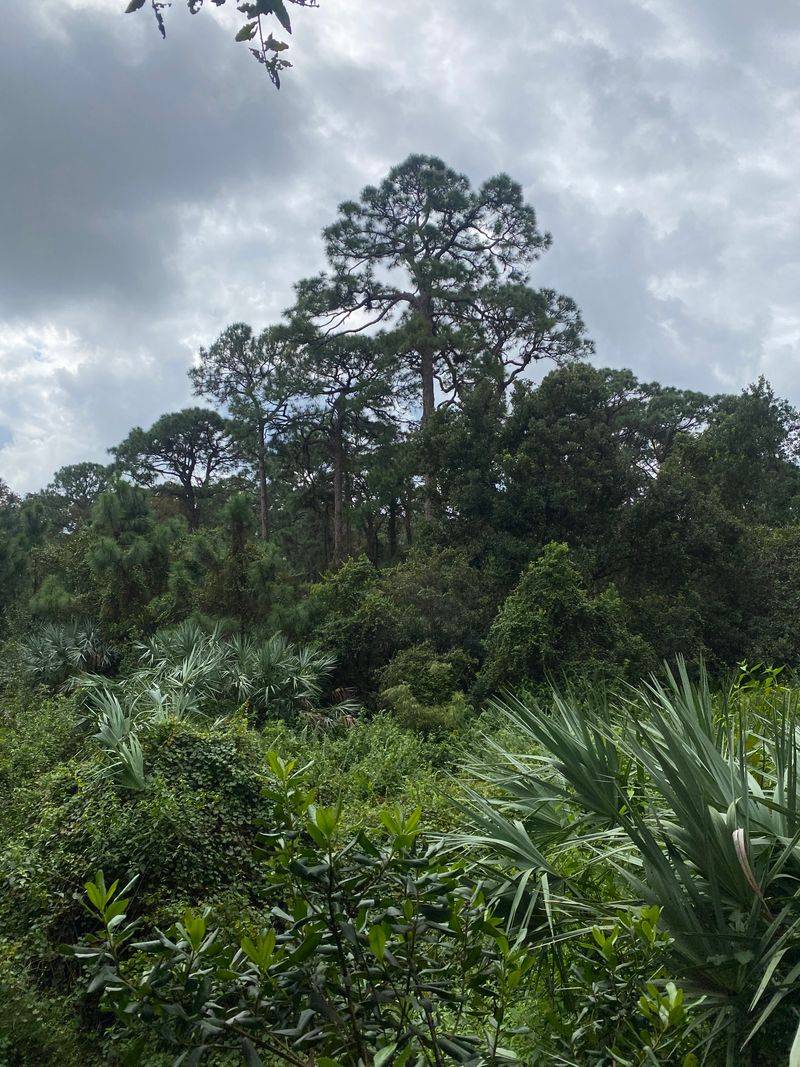
Tall Cypress Natural Area demonstrates that wild spaces can survive and function within developed landscapes when communities make preservation a priority.
You need not drive hours into rural areas to experience authentic Florida ecosystems.
This proximity matters for multiple reasons beyond simple convenience.
Children growing up near protected natural areas develop environmental awareness and appreciation that abstract lessons cannot provide.
Adults with demanding schedules can access nature regularly rather than saving it for rare vacation opportunities.
Mental health benefits accumulate when green spaces remain accessible.
The preserve also serves an educational function by showing residents what their region looked like historically.
Understanding this baseline helps people appreciate what development has changed and what conservation efforts attempt to protect.
Context matters when communities make decisions about future growth and land use.
Ultimately, places like Tall Cypress Natural Area prove that development and conservation need not be completely opposed forces.
Thoughtful planning can accommodate both human needs and ecological preservation.
The preserve stands as evidence that Florida’s wild character persists in unexpected places, waiting for residents to notice and value what exists in their own backyards.
The Natural Area Offers A Quick Escape Without Leaving Town

Modern life generates stress that accumulates without regular release valves.
Tall Cypress Natural Area provides a pressure relief option that requires minimal planning or time investment.
You can leave work during lunch, spend forty minutes walking the boardwalk, and return to your afternoon refreshed.
Psychologists increasingly recognize nature exposure as essential for mental health rather than optional recreation.
Even brief periods in natural settings reduce cortisol levels and improve mood measurably.
The preserve delivers these benefits without requiring you to block off entire days or travel significant distances.
For Coral Springs residents specifically, having this resource nearby creates opportunities for regular nature contact that builds over time.
Weekly visits become feasible when the preserve sits minutes from home.
This frequency allows you to notice seasonal changes and develop a relationship with a specific place rather than treating nature as an occasional tourist destination.
The concept of nearby escapes matters particularly in South Florida, where sprawling development can make wilderness feel distant and inaccessible.
Tall Cypress Natural Area proves that restorative natural experiences remain available even in heavily urbanized regions.
Sometimes the best escapes hide in plain sight.