
The Food Court Inside This Illinois Japanese Market Serves Ramen And Melon Bread
Nobody plans a family outing around a grocery store. Then you walk through the doors of a Japanese market in Illinois, smell miso broth drifting from a busy food court, and spot a bakery case stacked with round, crackly loaves called melon bread.
One quick errand turns into lunch, dessert, a stack of manga, and a trunk full of snacks you can’t pronounce. Here’s what makes this spot such a fun stop for hungry families and curious eaters.
A Japanese Marketplace Off Algonquin Road
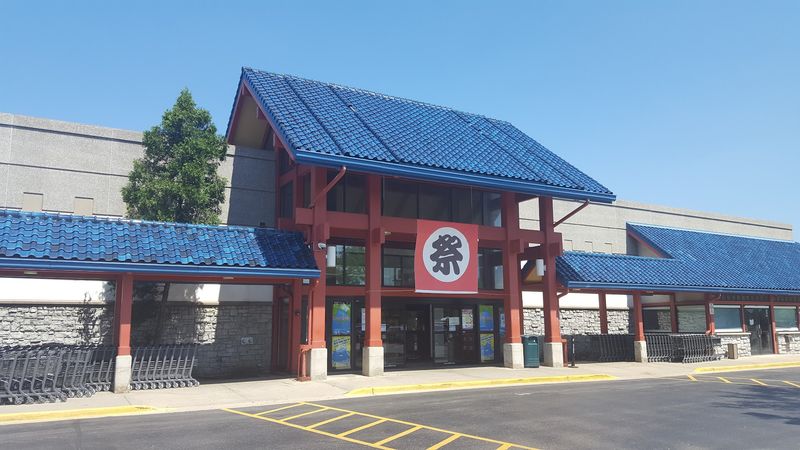
Algonquin Road doesn’t look like the start of a food adventure. It’s a busy suburban stretch northwest of Chicago, roughly 25 miles from the Loop, with traffic lights and strip-mall signs that blend together after a while.
Then a big storefront with Japanese lettering appears, and the plan for the afternoon quietly changes.
Mitsuwa Marketplace sits at 100 E Algonquin Rd in Arlington Heights, and it’s often described as one of the largest Japanese and Asian marketplaces in the Midwest. Under one roof, you’ll find a full grocery store, a food court with several counters, a bakery, sweet shops, and specialty stores.
It’s part of a supermarket chain that also stocks cosmetics, appliances, and housewares.
What makes it different from a typical Illinois supermarket? For starters, lunch is part of the shopping trip.
Families can grab a bowl of ramen, wander the snack aisles, and pick up bread for tomorrow’s breakfast without moving the car. Much of the packaging is written in Japanese, so a little curiosity goes a long way.
For suburban parents looking for an indoor outing that feels like travel, especially during a gray Chicago winter, it checks a lot of boxes in a single stop.
Roots, Renovations, and Returning Visitors
Ask around the northwest suburbs and you’ll likely meet someone with an old Mitsuwa memory. One returning visitor recalls coming here in the early 2000s with a high school Japanese club, then coming back years later to find the place bigger and better than remembered.
Stories like that are common, since the market has been a regional anchor for Japanese groceries for a long time.
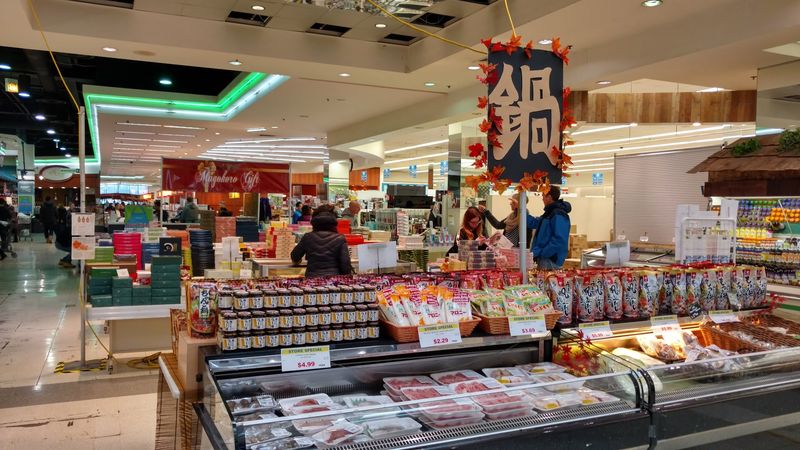
Recent renovations have given the building a fresher feel. Shoppers point out that the store stays clean and well organized, and the layout makes it fairly easy to move from the produce section to the snack aisles without getting lost.
Even with all the updates, the food court still carries the charm of a classic mall food court, just with far more interesting choices.
For many Illinois families, the market works as a small window into Japan. Some visitors come to prep for an upcoming trip overseas, sampling dishes and snacks before they ever board a plane.
Others simply want ingredients that are hard to track down at a regular grocery store. Local families, students, and longtime Japanese residents of the area all mix together here, which helps explain why the aisles tend to stay busy from opening to closing.
A Food Court Built for Grazing
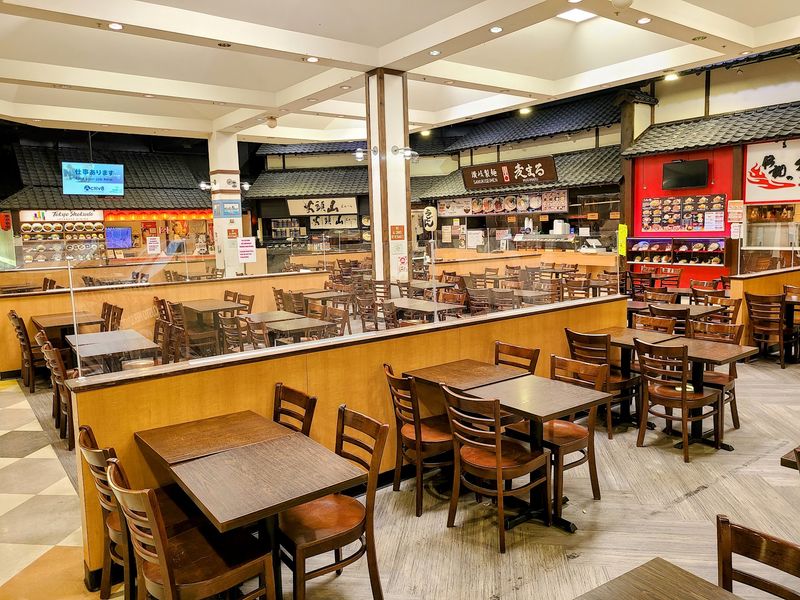
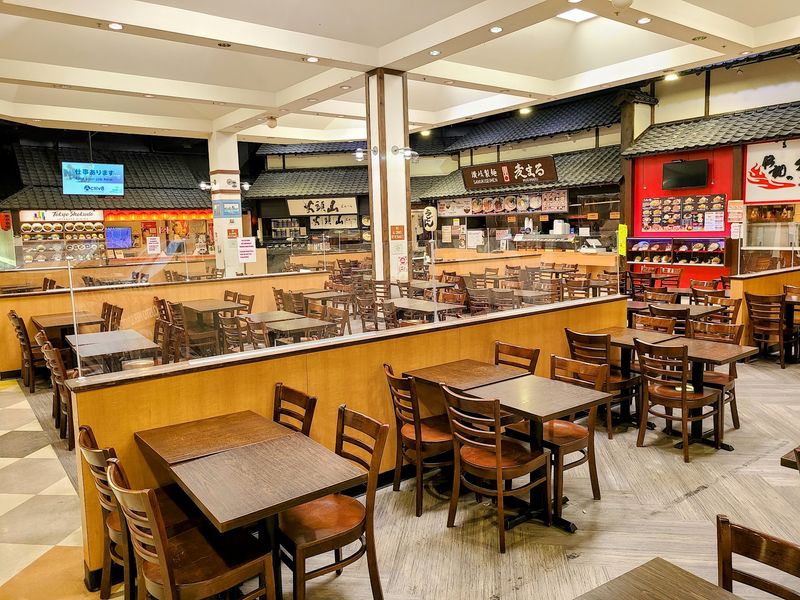
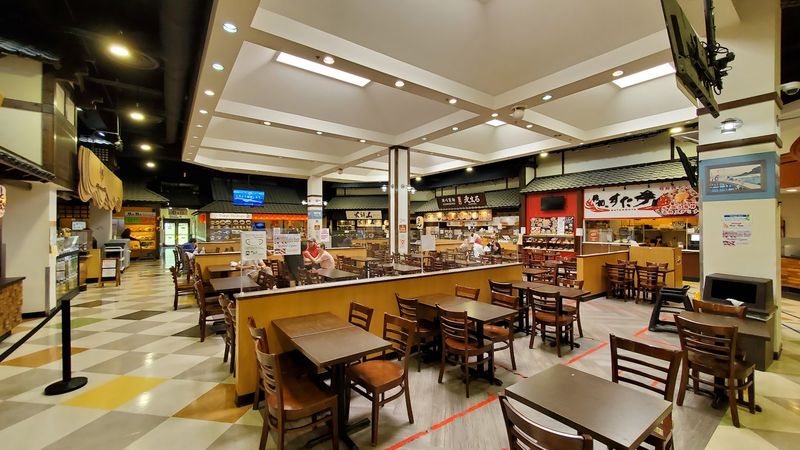
Picture a ring of counters, each with its own menu board and its own line. Steam rises from noodle bowls at one stall while trays of crispy tempura come out of another.
That’s the scene inside the food court, easily the most talked-about part of the whole market.
Choices tend to cover a wide range of Japanese comfort food. Expect ramen, udon, sushi, pork bowls, tempura, and bento boxes, along with dessert counters for something sweet afterward.
Because each vendor runs its own station, a family can split up, order different meals, and regroup at one table.
That setup is a lifesaver when one kid wants noodles and another only eats rice. Seating is shared and can fill quickly, particularly around weekend lunch.
Regulars describe it as crowded and not especially plush, closer to an old-school mall food court than a sit-down restaurant.
Some visitors have also noted that tables aren’t always wiped between guests during rush periods, so packing a few wet wipes is a smart move for parents. Timing helps, too.
Arriving shortly after the market opens at 9 AM, or later in the afternoon, may mean shorter lines and an easier time finding a spot for strollers.
Santouka’s Hokkaido-Style Miso Ramen
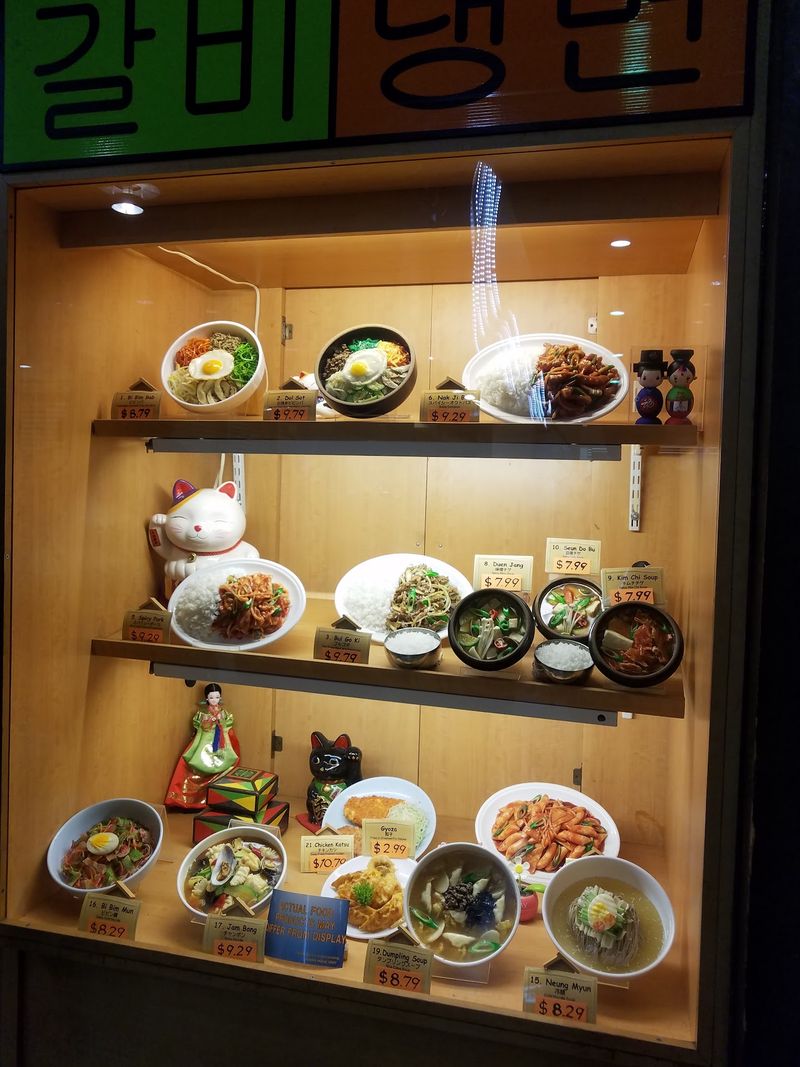
Hokkaido, Japan’s northernmost main island, is known for cold winters and hearty ramen. That background makes Hokkaido Ramen Santouka a fitting choice for an Illinois food court, where January wind off Lake Michigan can make a hot bowl of noodles feel essential.
It’s one of the best-known stalls in the building.
Miso ramen is a signature here, built on a rich, savory broth that pairs well with springy noodles. Cha-shu, slices of tender braised pork, is another item people mention often.
Spice fans can look for the spicy miso ramen, which one lunchtime visitor singled out as a highlight of their trip.
How do kids handle a big bowl of ramen? Pretty well, usually, especially if you ask for a small bowl to share or let younger eaters twirl noodles from a parent’s portion.
A mild miso broth tends to be approachable for picky eaters, while older kids may enjoy the full pork topping. Bring extra napkins, because slurping is part of the fun.
One practical note: Santouka’s hours may differ from the market’s general schedule, and the counter often closes around 7 PM. If ramen is the main reason for the drive, check ahead and arrive with time to spare.
Beyond Noodle Soup: Udon, Tempura, and Katsudon
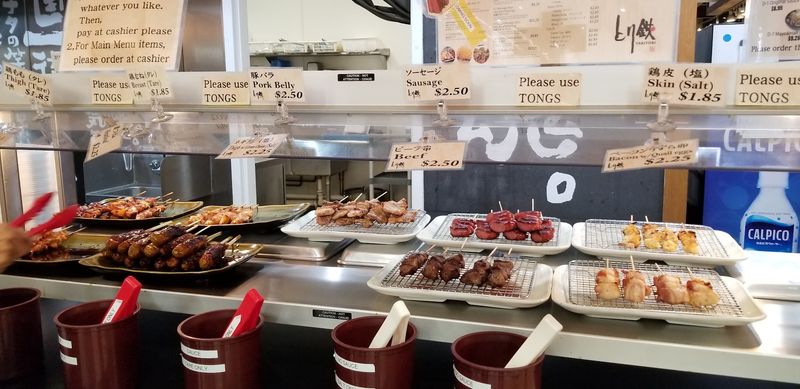
Not everyone in the family will want ramen, and that’s fine. The food court has plenty of other options, each with its own personality.
Thick, chewy udon noodles are a gentle starting point for kids who are new to Japanese food.
Tempura shows up often, with shrimp and vegetables fried in a light, crackly batter. It can be ordered as a topping on udon or eaten on its own, which makes it easy to share.
Parents looking for something more filling should consider the pork bowls or katsudon, a breaded pork cutlet served over rice with egg and savory sauce, which first-time visitors frequently name as a favorite.
Another popular option is a beef bowl with noodles. One visitor described it as quick, inexpensive, and very filling, which sums up the appeal of the whole food court.
Prices generally stay friendly, though menus and costs can change, so check the boards when you arrive.
Sushi fans can find ready-to-eat options too, both at the food court and in the grocery section’s prepared foods area. Grabbing a few rolls to go works well for families who’d rather skip the crowded seating and eat in the car or at home.
Melon Bread and the Bakery Case
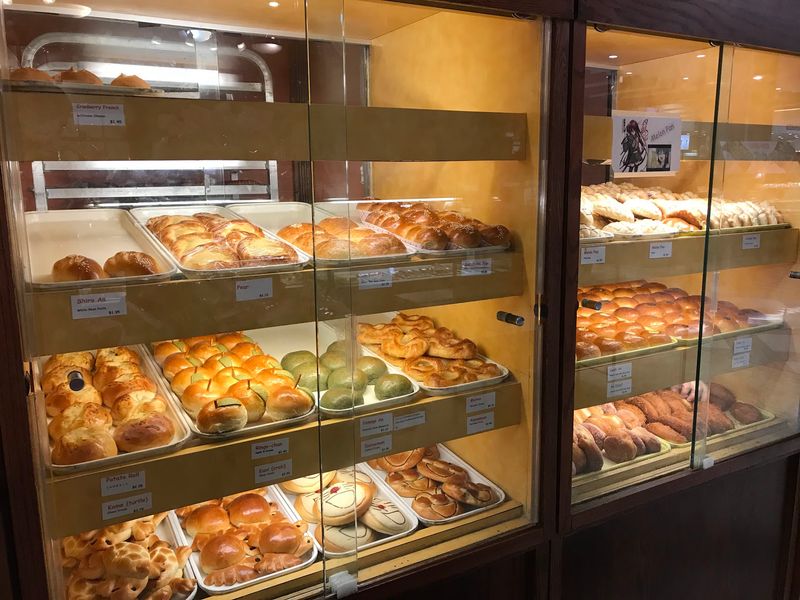
Here’s a fun fact to share with the kids: melon bread usually doesn’t taste like melon at all. The name comes from its look.
A crisp, sugary cookie crust is scored in a crosshatch pattern on top of soft, fluffy bread, making each round loaf resemble a cantaloupe.
The bakery inside the market turns out fresh melon bread along with a wide spread of other Japanese-style breads and pastries. Many shoppers consider it a highlight, right behind the food court.
They also appreciate how carefully the staff packs each item, which keeps delicate crusts from getting crushed on the ride home.
Walking the bakery case feels a bit like a treasure hunt. Some breads are sweet, others savory, and many look unlike anything at a standard Illinois bakery.
Letting kids pick one item each can turn the stop into a small adventure, and it gives everyone something to compare in the car.
Plan to visit earlier in the day if melon bread is on your list. Popular items may sell out as the afternoon goes on, especially on weekends.
Grabbing a few extra for tomorrow’s breakfast is rarely a regret, and the buns tend to travel well in a bakery bag.
Mochi, Matcha, and Crepe Cake
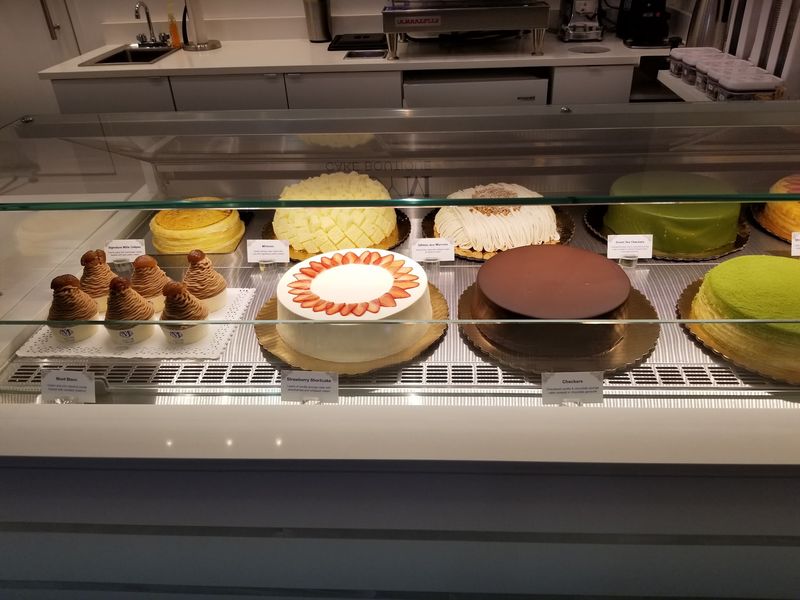
Save room. The sweet side of the market deserves its own lap, and skipping it would mean missing some of the most colorful treats in the building.
A dedicated mochi shop offers soft, chewy rice cakes in different flavors and shapes. Mochi also shows up in the deli area, so there’s more than one place to try it.
For something cold, a matcha dessert counter serves green tea ice cream, and one visitor paired matcha with vanilla for a swirl that bridged familiar and new.
Cake lovers have options, too. Roll cakes, light sponge wrapped around cream, are a popular grab-and-go pick, and some shoppers seek out a well-known crepe cake built from thin layers of crepe and cream.
The market also carries a popular Japanese chocolate brand that fans make a point to buy fresh.
Japanese candies fill a whole section of the grocery store, with bright wrappers and fruity flavors that kids tend to love. Setting a small budget before walking in can help, since it’s easy to fill a basket fast.
Many families end up turning dessert into a tasting game back at the table.
Selections may shift from visit to visit, so check ahead if you’re after something specific.
Grocery Aisles Stocked With Hard-to-Find Imports
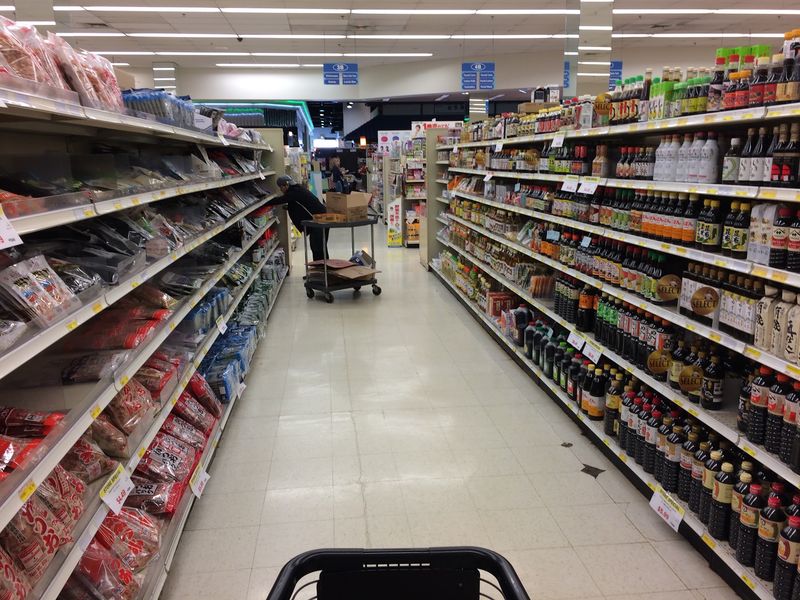
Rows of sauces, noodles, and rice crackers stretch farther than most first-timers expect. The grocery store is large, and shoppers consistently describe the selection as huge, with prices that feel reasonable for imported goods.
Fresh departments stand out. Seafood counters display beautifully cut fish, and the meat section carries premium cuts that suit hot pot or home grilling.
Produce includes fresh vegetables and, at times, specialty fruit such as strawberries imported from Japan.
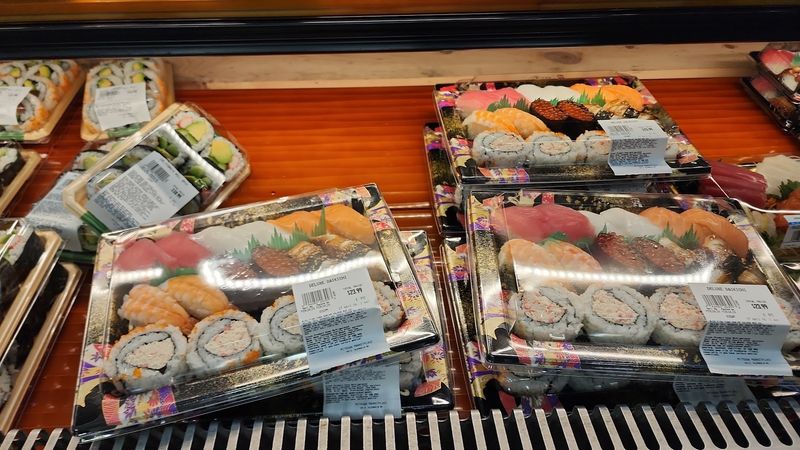
Prepared foods make it easy to put together a picnic or a relaxed dinner. The deli area offers sushi, deep-fried chicken, onigiri rice balls, and bento boxes, all ready to eat.
Onigiri in particular are a hit with kids, since they’re handheld, mild, and wrapped for easy snacking in the car.
Beyond food, the store stocks cosmetics, household items, appliances, and housewares, and some Korean makeup brands have joined the shelves. Much of the labeling is written in Japanese, so reading clues from pictures or asking a staff member can help.
Workers are frequently described as friendly and willing to point shoppers in the right direction.
A payment tip: some visitors report that EBT cards aren’t accepted, so check ahead if that affects your trip.
Manga, Gacha Machines, and Model Kits
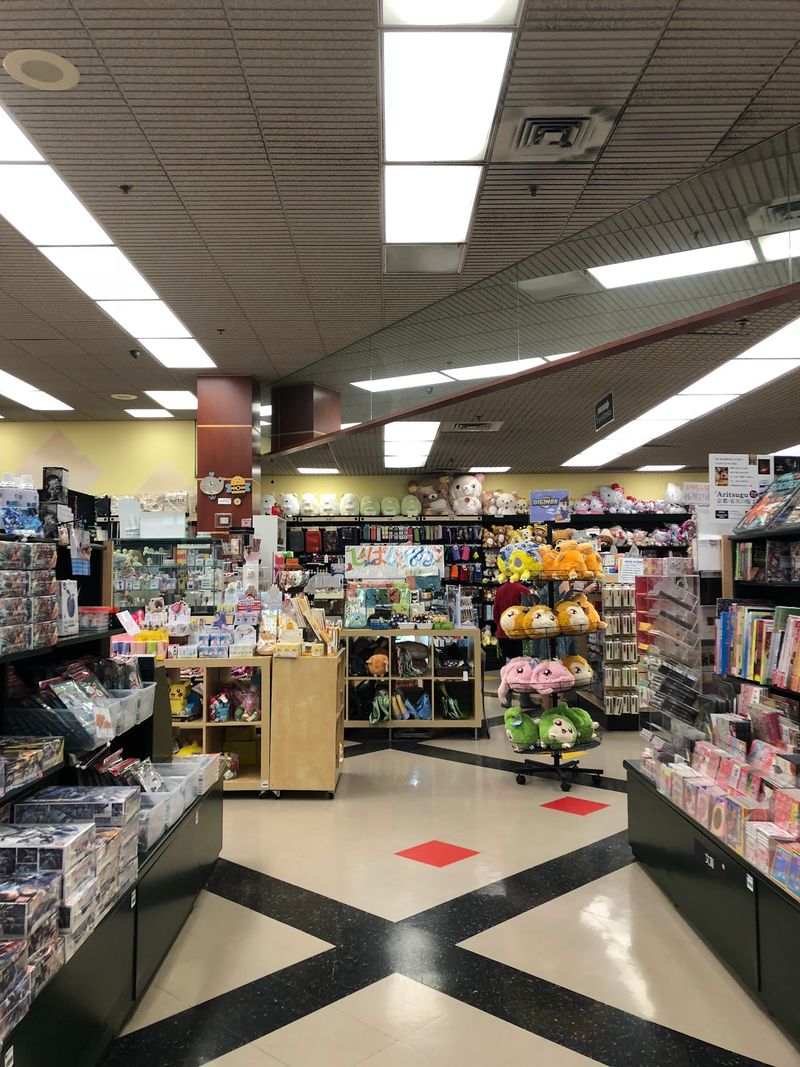
For a lot of kids, the food is only half the draw. Tucked among the shops is a bookstore packed with imported manga, Japanese magazines, and anime and Pokémon books, and it’s often the first place younger visitors want to go.
One family even chose the market for a daughter’s birthday outing, with the bookstore and food court topping her list.
Gacha machines, sometimes called gachapon, add another layer of excitement. Drop in coins, turn the crank, and a capsule rolls out with a small surprise toy inside.
It’s a simple thrill, but it can turn a grocery run into something kids talk about for days.
Hobby fans will find a shop devoted to Japanese plastic model kits, the kind that snap together into detailed robots and figures. Figures and other merchandise from popular series also show up around the market.
Older kids and teens who follow anime tend to spend a long time browsing here.
A stationery section rounds things out with pens, notebooks, and cute supplies that make easy souvenirs. Parents may want to set a spending limit before entering, since capsule toys and collectibles add up quickly.
Still, a small purchase can make a big impression on a young fan.
Crowds, Cosplay, and the Weekend Buzz
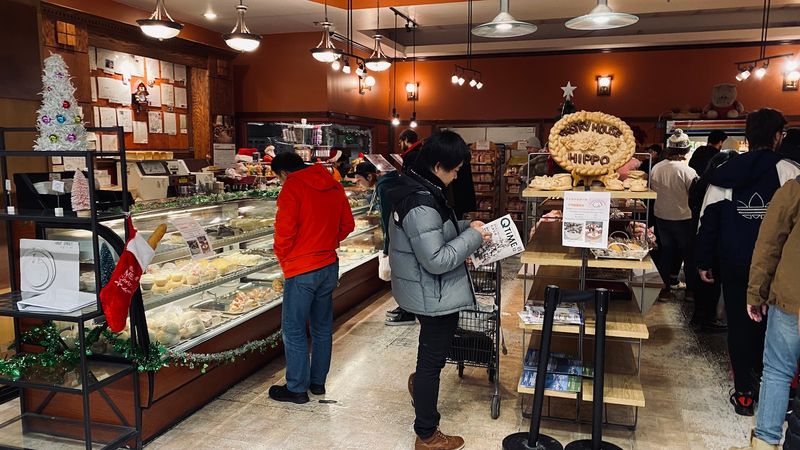
Expect company. The market tends to be busy most days, and weekends can feel downright packed, both in the aisles and at the food court tables.
For families with toddlers or anyone who dislikes crowds, that energy can be a challenge.
On the flip side, the bustle is part of the charm. Some shoppers show up in cosplay, dressed as favorite anime characters, which makes for great people watching.
Visitors often say the whole place feels less like errands and more like an immersive trip, as if they’d stepped outside Illinois for an afternoon.
Who enjoys it most? Curious eaters, anime and manga fans, and families wanting an indoor outing during harsh winter weather or humid summer afternoons.
Teens tend to love exploring on their own, while younger kids enjoy the snacks and capsule toys. Travelers preparing for a Japan trip also find it a helpful preview.
With strollers, try to visit on a weekday or right at opening, when aisles are less congested. Clean restrooms are available on site, which parents will appreciate after a big bowl of noodles.
Keeping a meeting spot in mind is wise if older kids wander off to the bookstore while you shop.
Hours, Parking, and the Drive From Chicago
Getting there is fairly simple. From downtown Chicago, the drive usually runs about 25 to 35 minutes when traffic cooperates, often via I-90.
During rush hour, that same trip can stretch to 45 minutes or longer, so weekday afternoons deserve some caution.
Metra is another option. A train ride from Chicago to Arlington Heights generally takes around 46 to 51 minutes, though you’ll need to arrange a short ride from the station to the market.
Families coming from farther out in the collar counties can easily turn it into a half-day outing.
A large parking lot sits right outside, and most visitors find getting in and out easy. On weekends, though, the lot sees heavy traffic, and spaces near the entrance fill quickly.
Arriving early helps.
The market is generally open daily from 9 AM to 8 PM. Food court vendors may keep their own schedules, and some, like Santouka, often wrap up around 7 PM.
Hours can change, so check ahead before making the trip.
Meals at the food court are typically affordable and filling, though exact prices vary by stall. Bringing a cooler bag can help if you plan to buy seafood, meat, or chilled desserts.
A Soft Verdict for Hungry Families
Ramen for lunch, melon bread for the road, and a capsule toy in someone’s pocket. That’s a pretty good afternoon by most family standards, and it’s the kind this Japanese market delivers with little effort.
Is it perfect? Not quite.
Seating gets cramped, weekends are busy, and much of the packaging requires some guesswork. Still, those small hurdles tend to fade once everyone has a warm bowl of miso ramen or a crisp piece of tempura in hand.
What sets it apart is the variety under one roof. Few places in the Chicago suburbs combine a full Japanese grocery, a food court with multiple counters, a bakery, sweet shops, and a manga bookstore in the same building.
Whether you’re planning a Japan trip, feeding a picky eater, or simply craving something new, there’s a path through the market that fits.
For the best experience, arrive hungry, go early, and give yourself time to wander. Pick up a few groceries you’ve never tried, let the kids choose a treat, and save room for dessert.
Chances are the drive home will include plans for the next visit, and maybe a longer shopping list.