
The Forgotten Ghost Town Near Newcomb, New York With Ruins So Massive You Can See Them From The Road
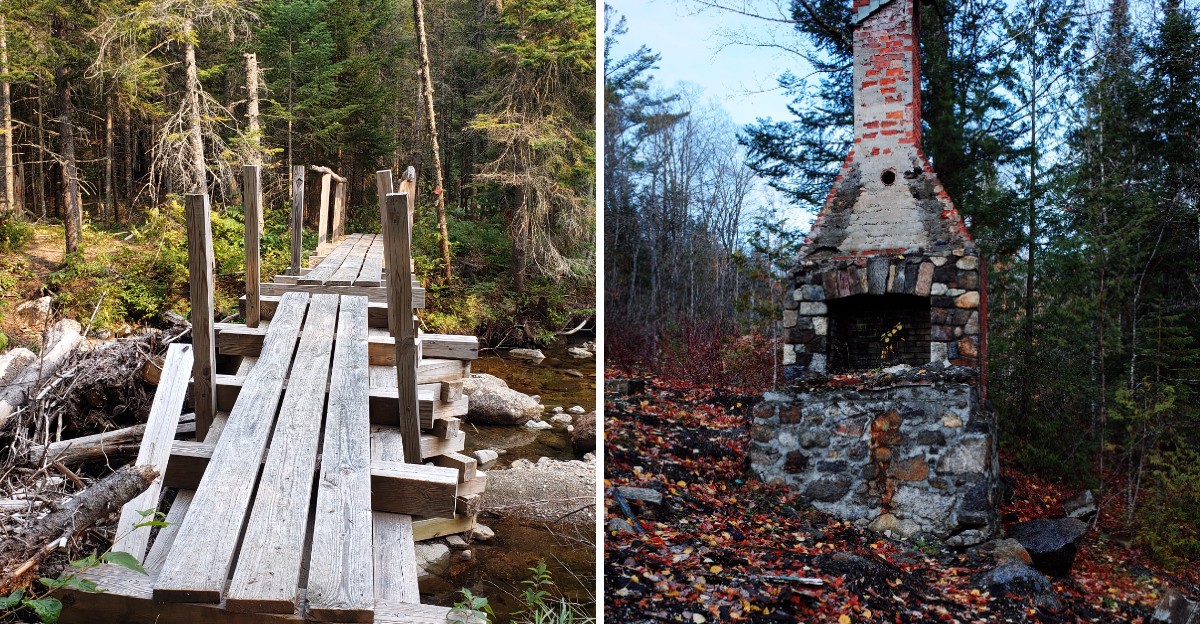
A stone giant towers beside a quiet mountain road, and it stops drivers cold.
Yes, that massive ruin stands right there in plain sight. Upstate New York holds plenty of history, but few ghost towns show off like this.
Think iron dreams, a village that emptied twice, and a midnight ride that changed the country overnight.
Moss creeps over the old stone. Weathered cabins lean into the forest while a famous river begins as a creek you could almost hop across.
How often does a forgotten ghost town greet you before you even park the car?
You get ruins, trails, and a story with more plot twists than a mystery novel. Pack snacks, lace up sturdy boots, and let New York surprise you.
The Iron Giant Beside The Road
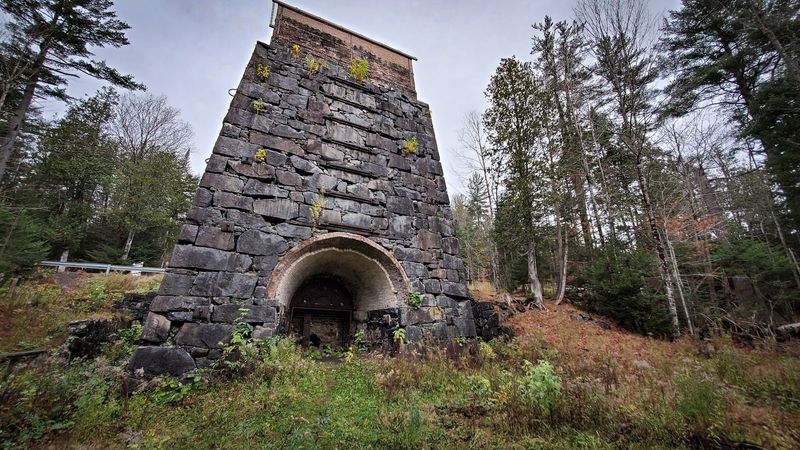
Blink and you might miss the old town. The furnace, however, refuses to hide.
The McIntyre Blast Furnace rises right beside the road leading to Upper Works Trailhead. Workers stacked its massive stone walls in the mid-1800s.
Drivers heading toward the parking lot see it long before they reach the ruins deeper in the woods. Its sheer size catches almost everyone off guard.
Iron ore once went into this furnace, where intense heat was meant to melt it into usable metal. The plan sounded great on paper.
Reality proved much tougher. Stubborn impurities in the local ore made the process difficult and costly.
Today, the stone giant stands quiet, streaked with moss and weather stains. State signs mark the spot clearly, so finding it takes no detective work.
The furnace earned a spot on the National Register of Historic Places in the late 1970s. That honor helps protect it for future visitors.
Pull over carefully if stopping for photos, since the road carries hiker traffic. Early morning light often paints the stones in warm, soft tones.
A short walk brings visitors close enough to study the craftsmanship. Up close, each stone looks bigger than it did through the windshield.
One Village, Three Different Names
Adirondac, McIntyre, or Tahawus? Locals and history buffs use all three, and each name marks a different era.
The earliest settlement took shape after iron ore turned up in the area in the 1820s. The company town first carried the name McIntyre.
Later, residents started calling it Adirondac. That spelling, without the final k, still appears on signs around Upper Works today.
Tahawus came into use in the late nineteenth century through the hunting club that took over the empty village, and the name stuck through the titanium mining years that followed.
Many translate it as cloud splitter. Standing near the ruins on a misty day, that title makes perfect sense.
Confusing, right? Maps add to the puzzle, since the spot labeled Tahawus now shows mostly an empty field where a big mill once stood.
The real ghost town ruins sit near the trailhead parking area. Most photos online come from that small stretch of road and forest.
Knowing the names helps a lot when reading interpretive signs or searching old records. Each label tells visitors which chapter of the story they are looking at.
So bring a little patience and a sense of humor. This corner of New York has simply lived several different lives.
A Boom Built On Iron Dreams
Big plans met bigger problems. That sums up the first chapter of Adirondac.
Iron seekers found rich ore here in the 1820s and quickly set up an ironworks. A small company village grew around the mines, forges, and furnace.
Families lived and worked in this remote valley. Life revolved around the rhythm of the ironworks.
Trouble kept piling up, though. Titanium mixed into the ore made it hard to produce good iron.
Getting the product to market caused another headache. Roads were rough, and the nearest big cities sat far away.
Then a flood hit the area, and a national economic slump squeezed finances even harder. By the late 1850s, operations shut down.
Workers packed up and moved on. The village slowly emptied, leaving houses and equipment behind in the quiet forest.
For more than eight decades, the mines sat silent. Trees crept back in, and nature started reclaiming the land.
Interpretive signs at Upper Works explain this rise and fall in clear, simple language. Reading them before exploring makes the ruins much easier to understand.
Picture the grit it took to haul iron out of the New York wilderness. The story reads less like failure and more like stubborn courage.
A Midnight Message At The Cottage
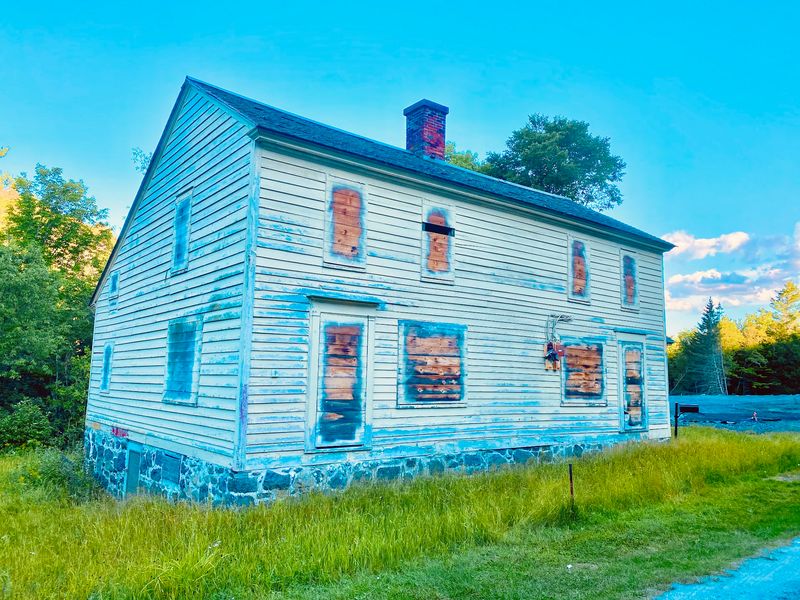
Picture a hiking trip interrupted by news that reshapes the nation. That scene played out near Upper Works at the start of the twentieth century.
The MacNaughton Cottage stands among the remaining buildings of the old village. Its fame comes from one unforgettable night.
The sitting vice president was vacationing in the area and had climbed high into the mountains. A messenger tracked him down with urgent news about the president’s grave condition.
He rushed back to the cottage, then set off on a famous nighttime ride down rough mountain roads. Soon after, he took the oath as the nation’s new leader.
History buffs still call it the midnight ride. Few trailheads in New York can claim a link like that.
The cottage has gone through restoration work to protect its historic value. Visitors can admire the exterior and imagine the frantic rush of that night.
Stand quietly nearby for a moment. The surrounding hush makes the old story feel surprisingly close.
Check the nearby signs for the full timeline. They explain how a remote mining village briefly found itself at the center of national events.
Not bad for a place most maps barely notice. Bring a camera, because this building deserves a spot in the trip album.
Titanium Sparks A Second Act
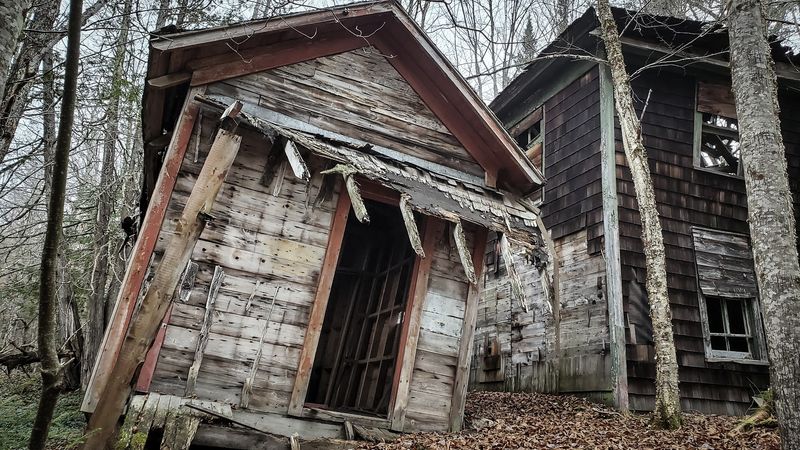
Ghost towns rarely get sequels. Adirondac got one, thanks to a metal nobody wanted the first time around.
That troublesome titanium suddenly became valuable during World War II. A large national company opened a titanium mine in the early 1940s.
Crews built a railroad line to reach the remote site and carry ore away. That link finally solved the old transportation headache.
A new community called Tahawus grew up to house mine workers. Homes, streets, and daily routines filled the valley once more.
Then came a twist. In the 1960s, crews found a vein of ore right beneath the village itself.
The company relocated many buildings to make room for digging. Picture entire homes rolling down the road to new spots.
Mining continued for decades, finally ending in the late 1980s. With that, the village emptied for a second time.
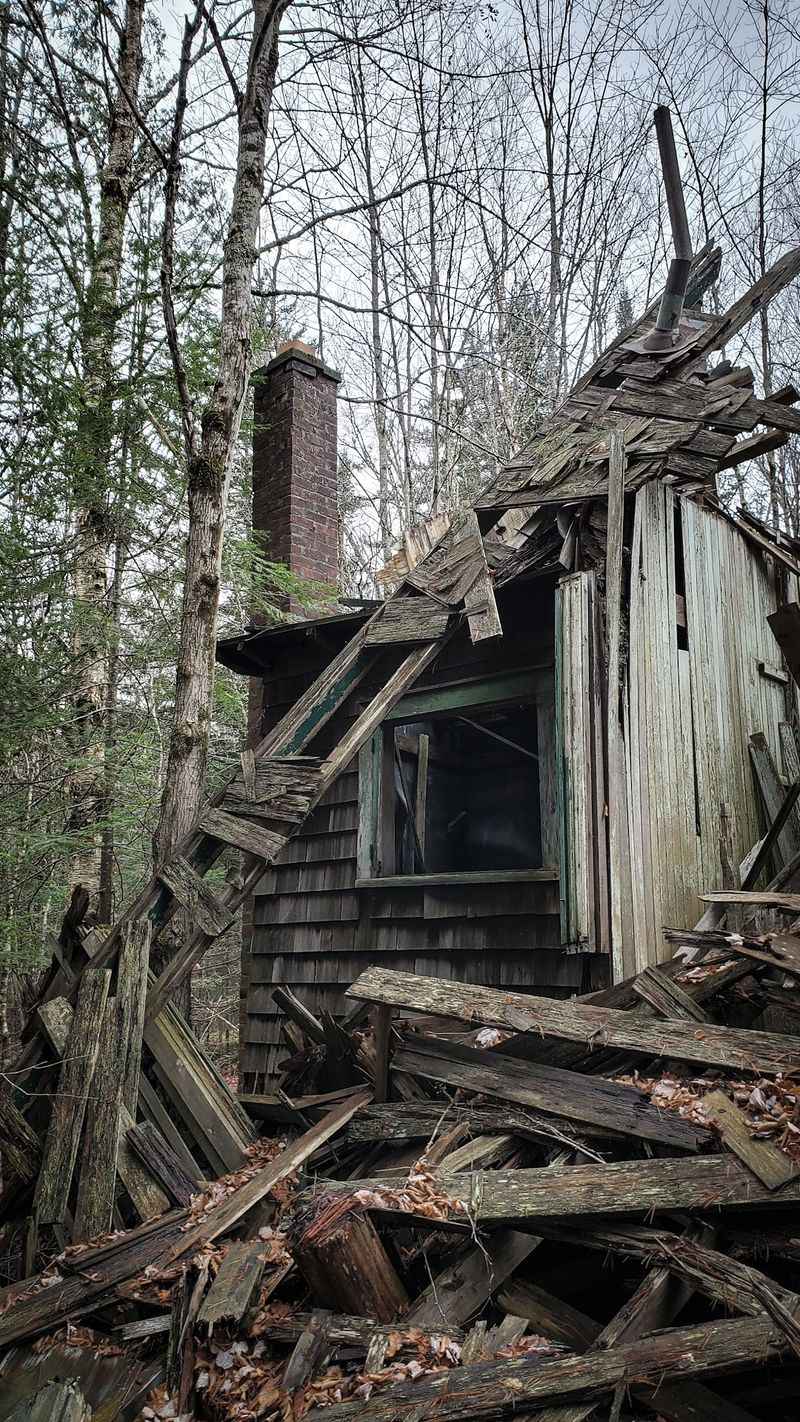
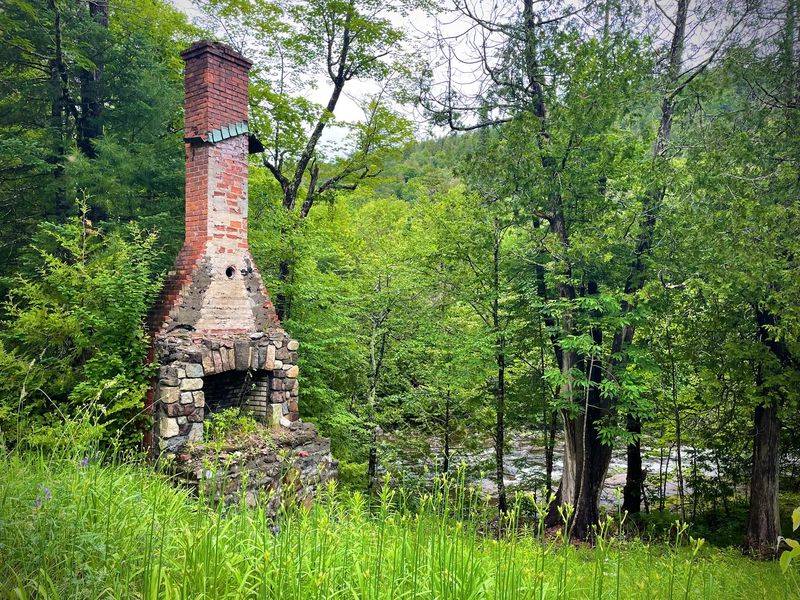
Weathered cottages from the hunting club era still stand along the road near Upper Works, alongside the historic MacNaughton Cottage, and together they make up most of the ruins visitors spot today.
Keep a respectful distance, since these buildings are old and fragile. Photos from the roadside capture their character without any risk.
Two booms, two busts, one very stubborn valley. This part of New York refuses to let its story fade.
Follow The Interpretive Trail
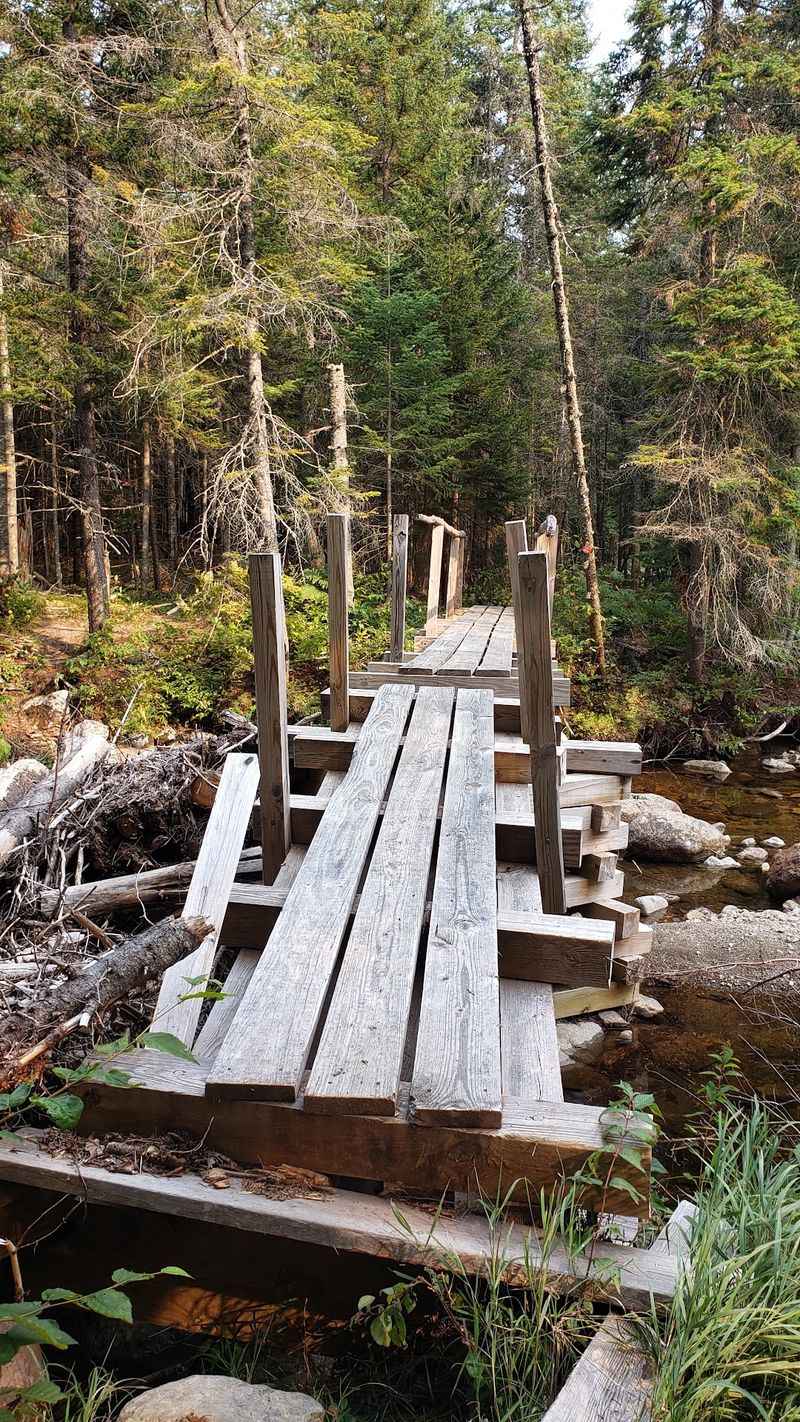
Who needs a tour guide when the trail talks back? Interpretive signs do the storytelling here.
The Open Space Institute bought the large Tahawus Tract in the early 2000s. The group then worked to preserve and explain the historic site.
Their efforts produced an interpretive trail that winds through the former village of Adirondac. It also guides visitors toward the blast furnace.
Stone walkways and clear plaques make the route friendly for most ages. Visitors read about miners, families, and the tough choices that shaped the valley.
Each stop adds a new piece to the puzzle. The signs explain what stood where, so the ruins stop feeling random.
No summit climb is required for this adventure. The walk suits families, curious road trippers, and anyone who loves history more than steep hills.
Plan to move slowly and read every sign. Rushing means missing the small details that bring Upper Works to life.
Sturdy shoes help, since some paths can turn muddy after rain. A light jacket also comes in handy, because the valley often feels cooler than expected.
Bring a snack for a break near the ruins. Just carry out every wrapper, since this protected land stays beautiful through careful visitors.
Where The Hudson Starts Small
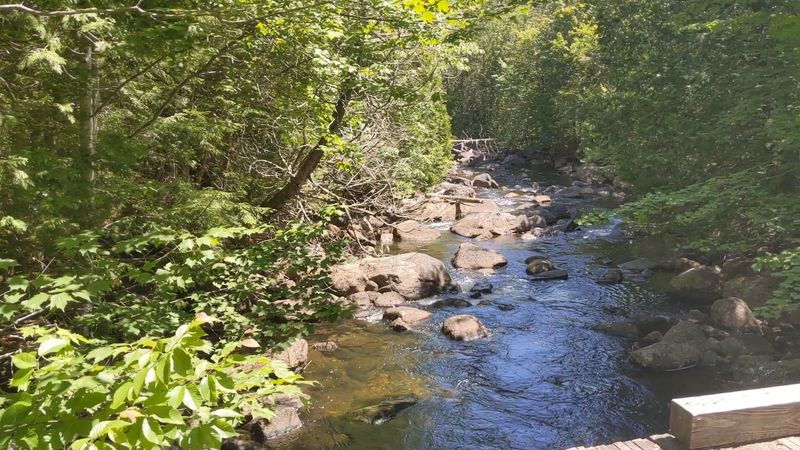
Ever wanted to cross the Hudson River in a single step? Near Upper Works, that goal feels surprisingly doable.
The area sits among the headwaters of this famous river. Farther south, the same water grows wide enough for big ships near New York City.
Here, though, the young Hudson flows as a modest, shallow stream. It winds past the road and through the forest in several spots.
Henderson Lake sits a short walk away from the trailhead. Many visitors consider it a starting point for the river’s long journey.
Kayakers love this spot. They carry their boats down a path to the shoreline and paddle across calm, reflective water.
Plan accordingly if bringing a boat. The walk from the parking lot to the water adds some extra distance.
Wildlife watchers should keep their eyes open. Birds, frogs, and other creatures often appear along the quiet edges of the lake.
Sunrise can be magical in cooler months. Mist drifts off the water and softens the view of the surrounding peaks.
Snapping a photo of the tiny river makes a fun keepsake. Friends back home may not believe it is the same Hudson they know.
Pack water shoes for wading on warm days. Cold, clear water feels refreshing after exploring the ruins.
Gateway To The High Peaks
Boots laced? Good, because the trails here lead to some of the wildest summits in the Adirondacks.
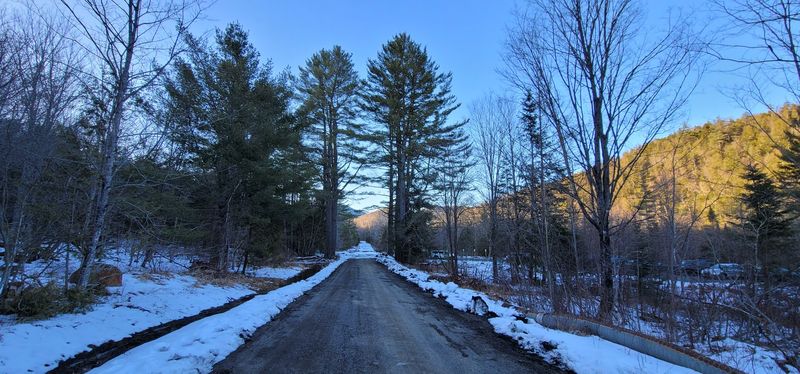
Upper Works Trailhead serves as the southern gateway to the High Peaks Wilderness. Hikers head out toward Mount Marcy, Flowed Lands, Lake Colden, and Indian Pass.
Many regulars love this starting point for its remote feel. Compared with busier trailheads, crowds tend to stay lighter here.
That peace comes with a tradeoff. Trails can feel rougher, with rocks, roots, and plenty of mud in wet seasons.
Backpackers often plan multi-day trips from this lot. Camping near Lake Colden lets hikers explore several peaks without rushing.
Day hikers have options too. Henderson Lake makes a relaxed outing for anyone not chasing a summit.
Always sign the trail register before heading out. Rangers use that information to keep track of hikers in this rugged terrain.
Pack a filter or purification method for water, a map, and extra layers. Mountain weather can shift quickly, even on bright mornings.
Winter brings a new kind of challenge. Microspikes and snowshoes often become essential gear when snow blankets the higher trails.
Experience matters for the longer routes. Beginners should start small and build up before tackling the big peaks beyond Upper Works.
Finding The Way To The Ruins
Getting lost is part of the charm, but only on the right road. Here is how to find this hidden spot without the guesswork.
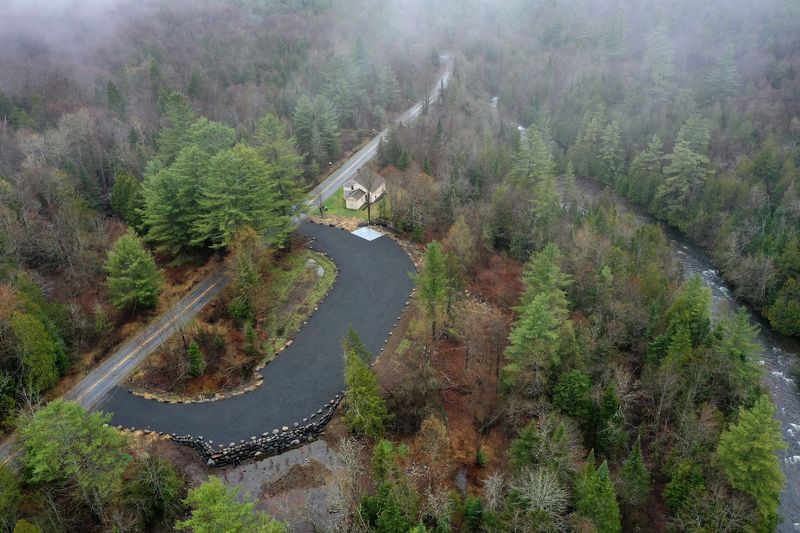
Upper Works Trailhead sits on Upper Works Rd, Newcomb, NY 12852, United States. The site lies in Essex County, deep within the Adirondack Park of New York.
The drive in feels pleasant and scenic. Forest, glimpses of the Hudson, and the looming furnace keep passengers glued to the windows.
Most traffic on this road belongs to hikers. Expect a calm, steady route rather than busy highway energy.
A large parking lot welcomes visitors near the end of the road. Spaces are often available, even when other trailheads fill up.
Changes in recent years moved parking a short distance back from the actual trailhead. Paddlers hauling kayaks should plan for that extra stretch.
Facilities stay basic, so do not count on running water. Bring hand sanitizer and plan a stop in town beforehand.
Cell service can be spotty in this remote valley. Download maps before leaving, and share plans with someone at home.
Gas up the car before the final stretch too. Services get scarce once the pavement winds deeper into the woods.
Best Seasons And Smart Safety Tips
Bugs or no bugs? Timing makes a huge difference at Upper Works.
Many visitors recommend autumn, especially after the first hard freeze. Biting insects fade away, and the underbrush dies back.
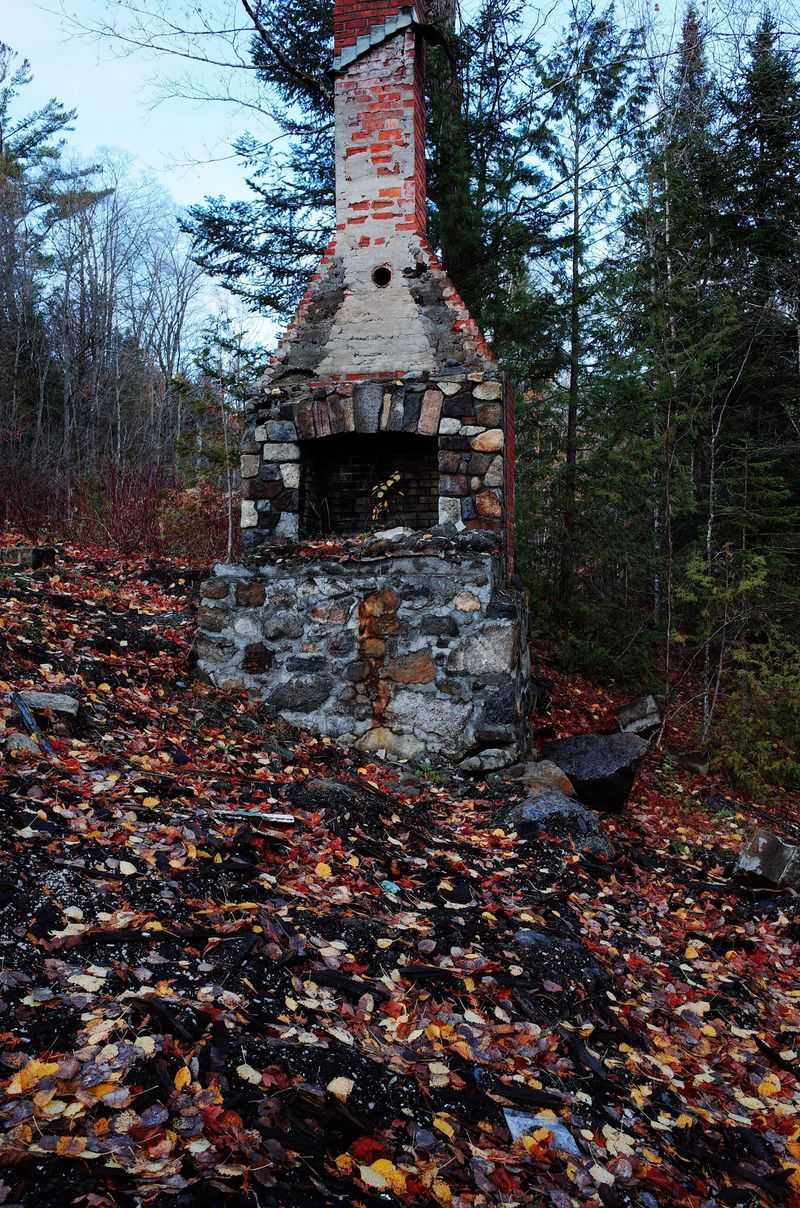
That thinner growth reveals ruins that stay hidden in summer. Fall colors add a bright backdrop to the gray stone and weathered wood.
Summer brings green forests and easy paddling on Henderson Lake. Pack bug spray, though, since insects can be fierce in warmer months.
Winter transforms the valley into a snowy, silent world. Ice crystals glitter in the air on crisp mornings, and trails often pack down nicely.
Spring can feel muddy and unpredictable. Trails turn soggy, so waterproof boots make life much easier.
Safety deserves attention in every season. Old buildings can be unstable, and rusty equipment still lingers in the forest.
Admire the ruins from a safe distance and skip climbing on anything. Keep kids close, especially near crumbling foundations.
Respect the land as well. Leave artifacts in place, stay on marked paths, and carry out all trash.
A little planning turns this trip into a memory worth retelling. This quiet corner of New York rewards curious travelers with history, scenery, and plenty of wonder.