
The Forgotten New Mexico Ghost Town With Ruins You Can Spot Right From The Highway
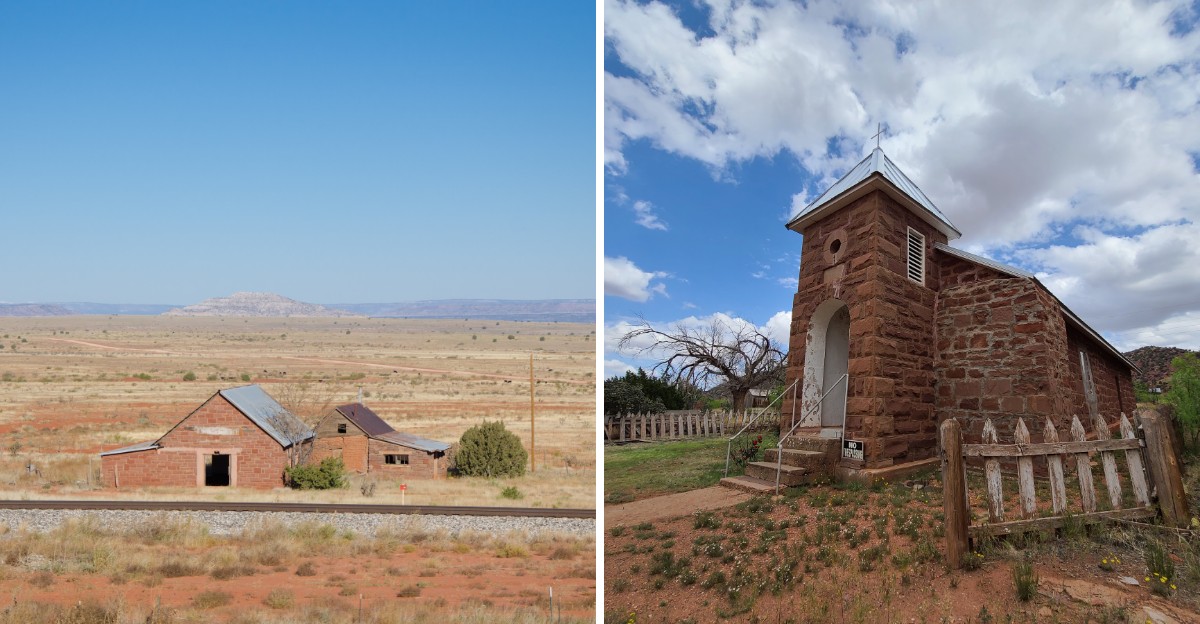
You could be cruising down the highway in New Mexico, barely thinking about the empty land around you, when a crumbling building suddenly appears beside the road. Then another. Before long, it becomes clear that you are passing the remains of an entire community.
That is what makes this forgotten place so strange. Its old buildings are not buried miles down a dirt road or hidden deep in the desert.
They sit close enough to the highway that drivers can catch sight of weathered walls, abandoned homes, and other ruins without making much of a detour.
New Mexico has no shortage of old mining camps and deserted settlements, but few feel this exposed. The state almost seems to have left this one sitting in plain view, slowly fading beside modern traffic.
It is the kind of sight that makes you ease off the gas and wonder who once lived there, what happened, and why so much was simply left behind.
A Railroad Town Born From Steel And Steam
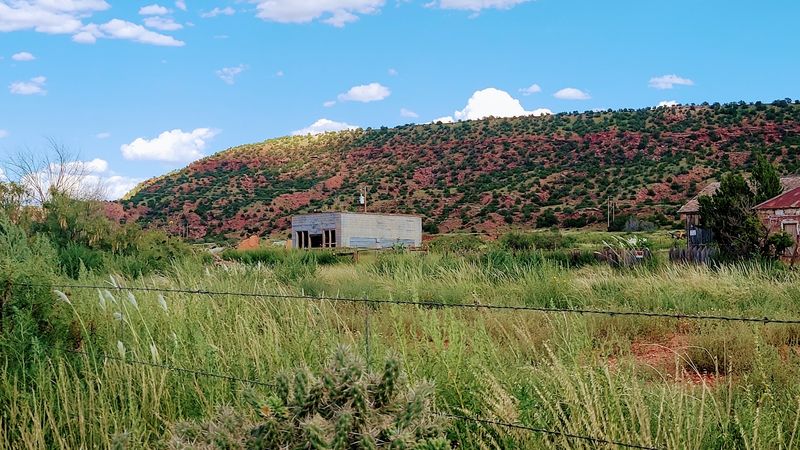
Every good ghost town needs an origin story, and this one starts with a train whistle. Cuervo took shape in the early 1900s as the Chicago, Rock Island and Pacific Railway pushed across the plains.
Tracks brought jobs, supplies, and settlers looking for a fresh start. Homesteaders filed claims on the surrounding grassland and tried their luck at ranching and dry farming.
The town grew fast for a place so far from big cities. At its peak, it held homes, stores, a school, and churches serving families spread across the range.
Railroad towns lived and breathed by the schedule of passing trains. Water, fuel, and freight kept these small stops busy, and Cuervo was no exception.
Knowing this backstory makes the ruins feel alive rather than random. Those stone walls once framed kitchens, counters, and classrooms full of chatter.
Before you pull off the road, picture dusty boots on wooden porches and freight cars rolling by. That image turns a quick stop into a real trip through time.
History here is not locked in a museum. It sits right beside the pavement, open to anyone curious enough to look.
Finding The Spot Along Interstate 40
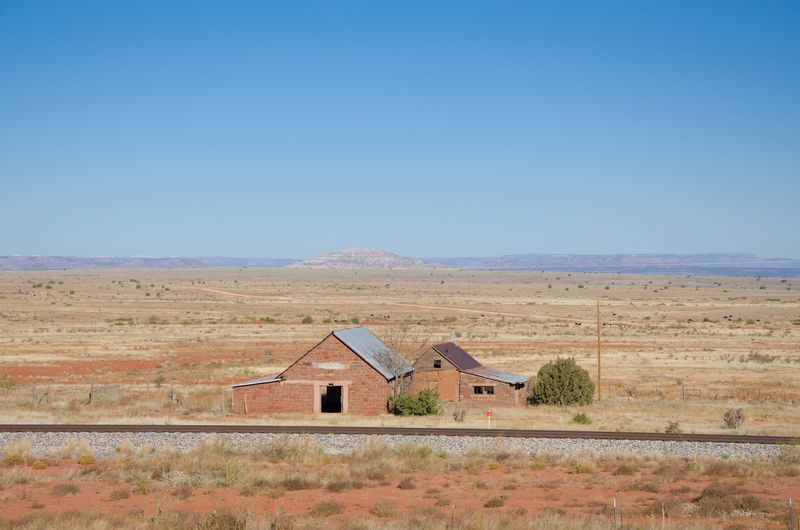
Blink and you might miss it, but that would be a shame. Cuervo sits right along Interstate 40, about 16.8 miles east-northeast of Santa Rosa in Guadalupe County.
The town still keeps its own ZIP code, so its official location reads Cuervo, New Mexico 88417.
Driving east from Santa Rosa, the ruins pop into view on the north side of the freeway. Westbound drivers get a similar show, with old buildings rising from the grass.
An exit serves the community, which makes a closer look simple. Frontage roads run near the remaining structures, giving you room to slow down.
Planning helps on this lonely stretch of road. Fill your tank and grab snacks in Santa Rosa or Tucumcari before heading out.
Cell service can be spotty in open country, so download offline maps ahead of time. A paper map in the glove box never hurts either.
With a little prep, finding this quiet town is easy. The reward is a slice of the past sitting just off the fast lane.
Stone Walls That Refuse To Quit
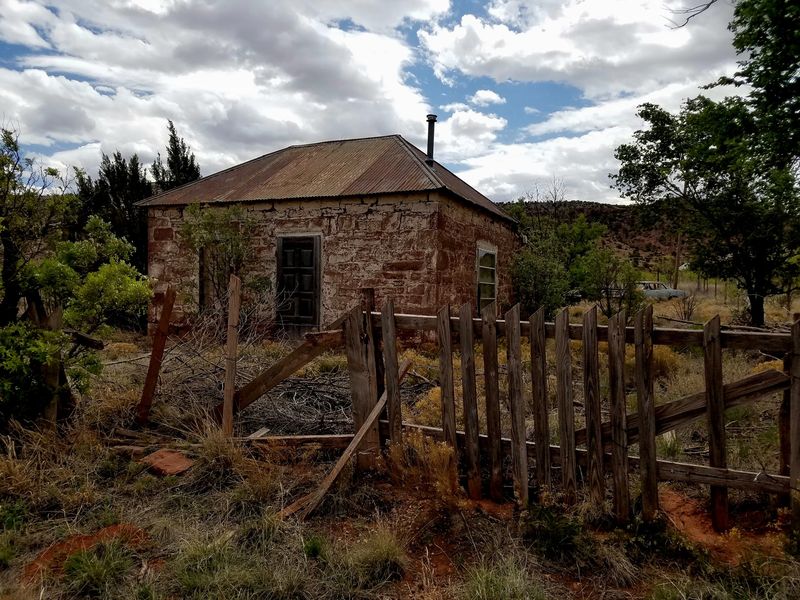
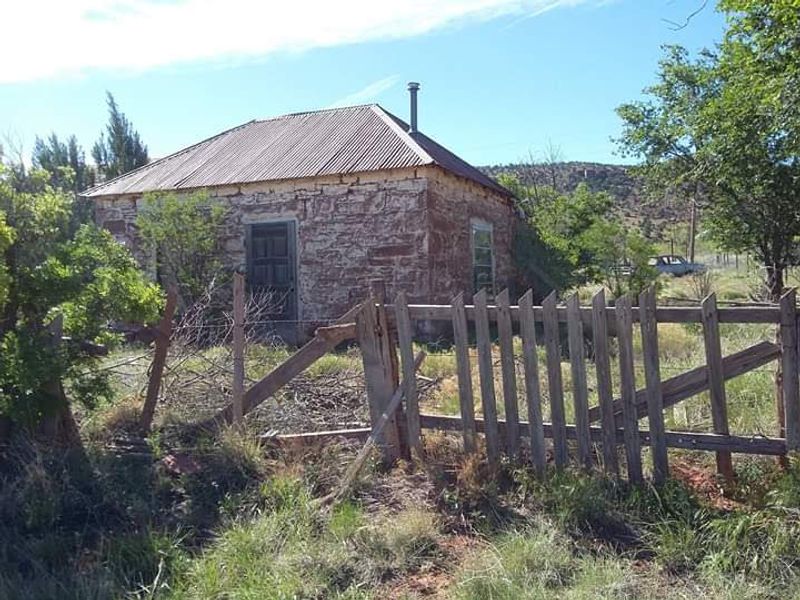
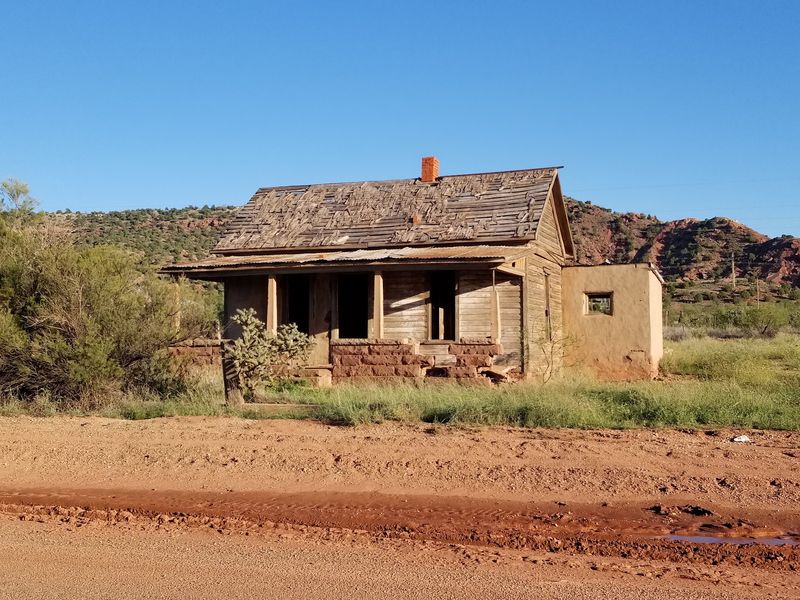
Some buildings retire gracefully, while others simply stand their ground. Many of the structures in Cuervo were built from local stone, which explains why they are still upright.
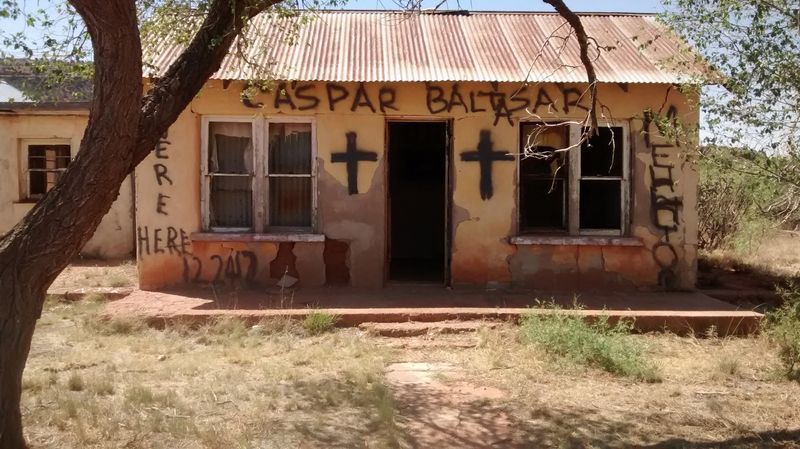
Roofs have caved in and window frames sit empty. Yet the thick walls hold firm, their rough blocks stacked by hands more than a century ago.
Look closely at the masonry and you will spot different building styles. Some walls show neat corners, while others feel more rugged and practical.
Photographers love these ruins because the light changes their mood all day. Morning brings soft gold tones, and late afternoon throws long, dramatic shadows.
Framing a shot through an empty doorway creates a picture worth printing. The open prairie beyond makes a perfect backdrop.
Respect matters here, since many buildings sit on private property. Admire them from public roads and never climb on crumbling walls.
Loose stones can shift without warning, so keep a safe distance. Your camera zoom does the exploring for you.
Treat these walls like elderly neighbors. They have stories to share, but they deserve a little space and a lot of care.
The Church That Still Keeps Watch
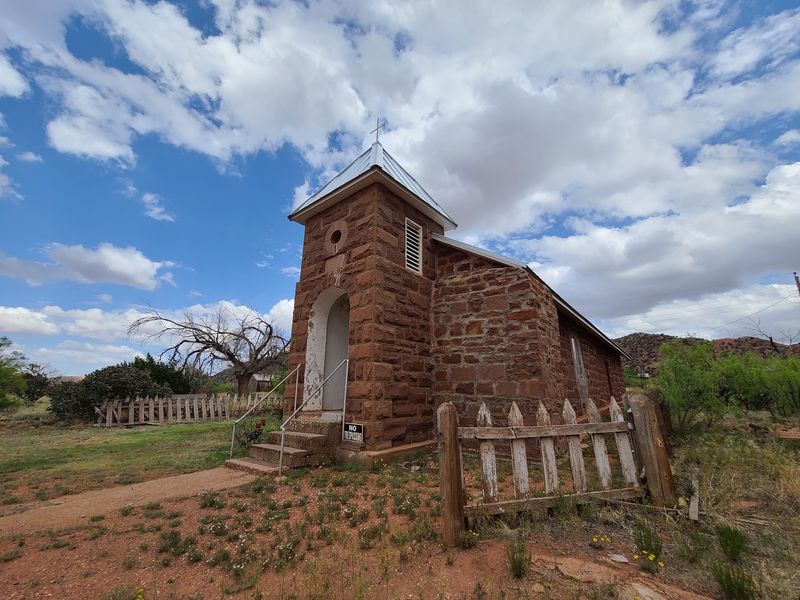
Ghost towns are not always completely empty, and Cuervo proves the point. A small church still stands among the ruins, looking far better kept than its neighbors.
It is often the first building people notice from the highway. The tidy structure feels like a candle left burning in a quiet window.
Churches were the heart of small ranching communities in this region. They hosted services, weddings, and gatherings that pulled scattered families together.
Care for this building shows that people still hold the town close to their hearts. Descendants of early families keep a connection to the land and its traditions.
Because it remains meaningful, treat the grounds with extra courtesy. Stay on public paths, keep voices low, and leave everything exactly as you found it.
Photos from a respectful distance capture its charm beautifully. The contrast between the neat church and crumbling stone makes a striking image.
Here is a thought worth carrying down the road. A town can lose its stores and schools, yet still keep its spirit.
That little church stands as quiet proof. Some roots run deeper than any railroad line ever could.
Why The Crowds Drove On By
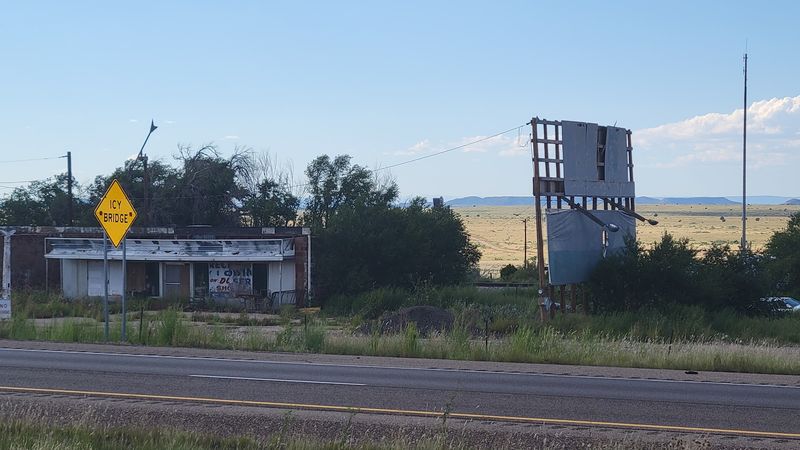
Towns rarely vanish overnight, and Cuervo faded one chapter at a time. Drought and hard times on the plains made farming a tough gamble.
Many homesteaders found that dry land could not support crops year after year. Families moved on in search of steadier work in bigger towns.
Then came the roads. Cuervo sat along a stretch of historic Route 66, where travelers once rolled through on their way west.
When Interstate 40 was built, it changed the map again. Faster roads meant fewer reasons to stop, and small businesses struggled to keep going.
Railroads also shifted their needs over time. Modern trains required fewer stops for water and fuel, so little depots lost their purpose.
Put those pieces together and the quiet makes sense. No single event emptied the town, just a slow drift toward change.
Plenty of Southwest settlements share a similar path. Understanding it helps you read other ghost towns you might pass on future road trips.
Every empty building here is a chapter in that bigger story. Progress built this town, and progress eventually rolled right past it.
The Post Office That Held On Until 2011
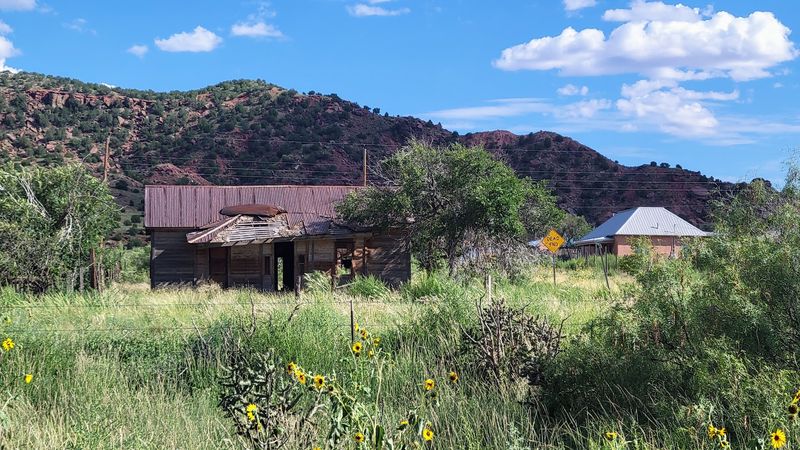
Mail kept flowing here long after most neighbors packed up. Cuervo held onto its post office until September 10, 2011, which is surprisingly recent for a ghost town.
That date surprises plenty of history buffs. Most people imagine ghost towns emptying out in the Old West days, not during the smartphone era.
A post office often served as a small town’s social hub. People swapped news, picked up packages, and caught up with friends while checking their boxes.
Even after closing, the town kept its own ZIP code, 88417. That tiny detail keeps the name alive on official maps and forms.
Collectors of postal history sometimes seek old envelopes stamped with small-town postmarks. A Cuervo cancellation can be a neat find at antique shops or online.
Here is a fun idea for curious travelers. Look up old postcards of the area to compare past scenes with what you see today.
Side-by-side comparisons reveal how much has changed. They also show which walls have bravely stood their ground.
History does not always feel dusty and distant. Sometimes it closed its doors just a few years before your last birthday party.
What The Name Really Means
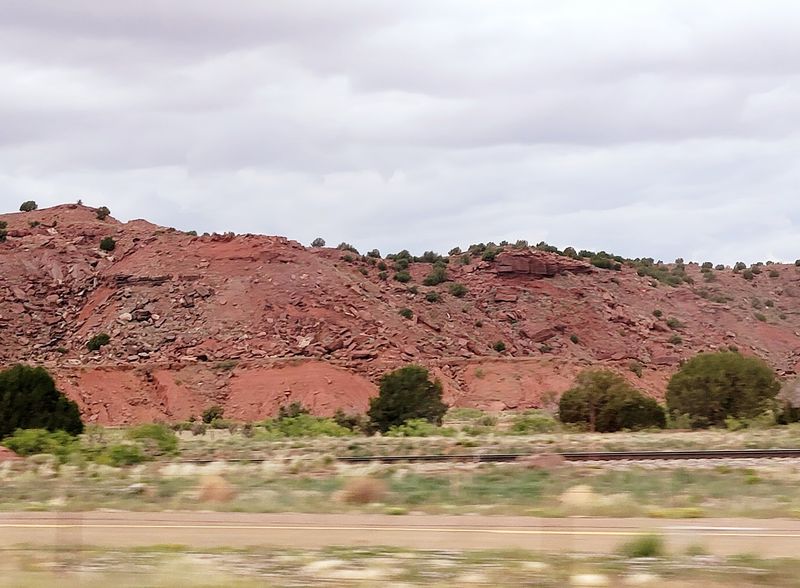
Spanish speakers already know the secret hiding in this town’s name. Cuervo means crow or raven, a fitting title for a place on the open plains.
Big black birds are a common sight across this region. Watch fence posts and power lines, and you might spot one keeping an eye on traffic.
Ravens are known for being clever problem solvers. They can mimic sounds and work together, which makes them fun to watch.
Names like this reflect the deep Spanish heritage of the area. Many towns nearby carry Spanish names tied to nature, saints, or local landmarks.
Nearby Santa Rosa and the Pecos River valley share that same cultural thread. Learning a few Spanish words makes road trips here more rewarding.
Kids can turn the drive into a bird-spotting game. Count ravens between Santa Rosa and the old town and see who wins.
Bring binoculars for a closer look at local wildlife. Hawks and other birds of prey also patrol the grasslands.
A simple name can open a whole world of stories. This one invites you to look up and listen for a raspy call overhead.
Tips For Exploring With Respect
Good manners travel well, even to places where the streets are quiet. Parts of Cuervo are still privately owned, and a few folks live nearby.
Watch for no trespassing signs and follow them without fail. Public roads give plenty of great views, so there is no need to cross fences.
Leave artifacts exactly where they rest. Old nails, glass, and pottery pieces are part of the story, and removing them erases history.
Wear sturdy shoes if you step out of your car. Uneven ground, loose rocks, and prickly plants are common in this rugged country.
Snakes enjoy warm rocks as much as people enjoy shade. Keep your eyes on the ground and avoid reaching into dark corners.
Park carefully and stay off busy highway shoulders. Use the exit and local roads to find a safe place to pause.
Pack out every scrap of trash, including tiny wrappers. A clean site stays beautiful for the next curious traveler.
Small choices add up to big protection. Treat the town kindly, and it will keep telling its story for years to come.
Best Times For Light, Weather, And Views
Timing can turn a quick glance into a jaw-dropping scene. The high plains around Cuervo sit at roughly 4,800 feet, so weather can shift fast.
Spring brings strong winds that can rattle even sturdy cars. Hold onto your hat, and maybe your sunglasses too.
Summer afternoons often bring thunderstorms rolling across the sky. Those towering clouds make stunning photo backdrops, but lightning means you should stay near your car.
Fall might be the sweet spot for comfort. Days are mild, skies are clear, and the grass turns warm shades of gold.
Winter can surprise people with snow and icy roads. Check forecasts before driving, especially early in the morning.
Golden hour is a photographer’s best friend here. Low sun makes stone walls glow and stretches shadows across the prairie.
Night skies are another bonus far from city lights. Stars sparkle brightly above the silent buildings on clear evenings.
Bring layers no matter the season. Temperatures can swing widely between noon and sunset, and comfort keeps the adventure fun from start to finish.
Pairing The Stop With Nearby Adventures
One quick stop can spark a whole day of discovery. Cuervo sits close to Santa Rosa, a town packed with fun surprises.
Santa Rosa is famous for the Blue Hole, a natural pool with strikingly clear water. Scuba divers train there, and swimmers enjoy its refreshing chill.
Route 66 fans will find plenty to love in town too. The Route 66 Auto Museum shows off classic cars that once cruised this very highway.
Santa Rosa Lake State Park offers fishing, camping, and wide open views. It makes a relaxing break after hours on the road.
Heading east instead? Tucumcari brings colorful murals and glowing neon signs that celebrate the golden age of road trips.
Linking these places creates a smooth route across the eastern part of the state. Each stop adds a new flavor to the journey.
Plan meals and fuel in the bigger towns before and after your ghost town pause. Services near the ruins are very limited.
Mixing lively spots with quiet ruins keeps the trip balanced. You get cool water, shiny cars, and a peaceful piece of history all in one day.