
The Forgotten New York Bakery Still Baking In An Oven Installed 108 Years Ago
An oven installed in 1918 is still doing the work. Not a restored one, not a replica built to look the part. The same deck oven, on the same busy street in New York, turning out bread for a family bakery that never found a reason to replace it.
Think about what that oven has outlasted. Two world wars. The bakeries that opened across the street and closed again. Every trend in bread that came through the city and left.
Meanwhile the bricks hold heat the way they always did, and somebody who knows exactly how it behaves is still loading trays into it.
The line out front is the part that matters most. A century of continuity means nothing if the bread has slipped, and the people waiting on the sidewalk are the daily verdict on whether it has.
A Century Of Heat In One Brick Chamber
Ovens usually get replaced every couple of decades. The one behind this counter has been holding heat since 1918, and it still handles every loaf that leaves the building.
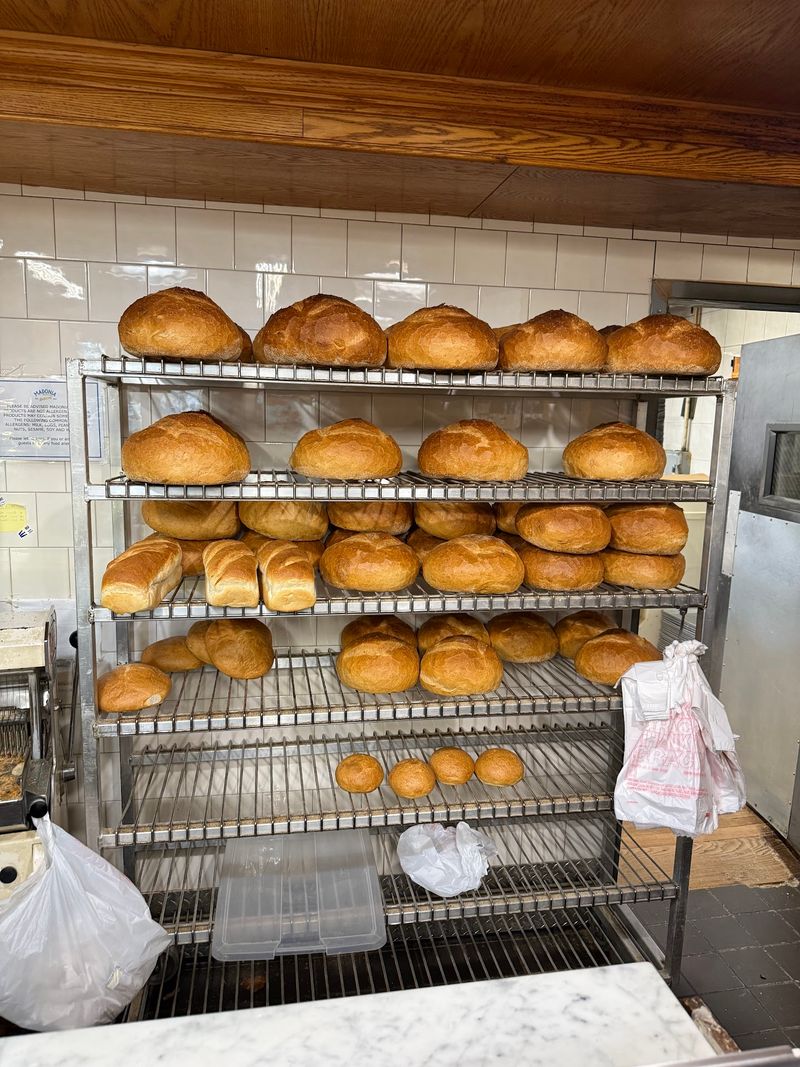
Four decks stacked together give the bakers room to run different breads at once. Semolina on one shelf, olive loaves on another, and the heat spreads evenly across old brick and stone.
That kind of oven does something a modern convection unit cannot quite copy. The crust develops slowly, blistering into thin crackly sheets, while the inside stays soft and slightly chewy.
Bakers here start their shift at 4:30 in the morning. By the time the doors open at 6:30, the racks are already loaded and the whole block smells like breakfast.
Longevity matters in a business where equipment gets swapped out for efficiency. Keeping the original oven was a choice, and you can taste the reasoning in every slice.
Bread from a 108 year old chamber carries a little history in the crumb. Nothing fancy about it, just heat, flour, time, and hands that know the routine by memory.
Madonia Brothers Bakery On Arthur Avenue
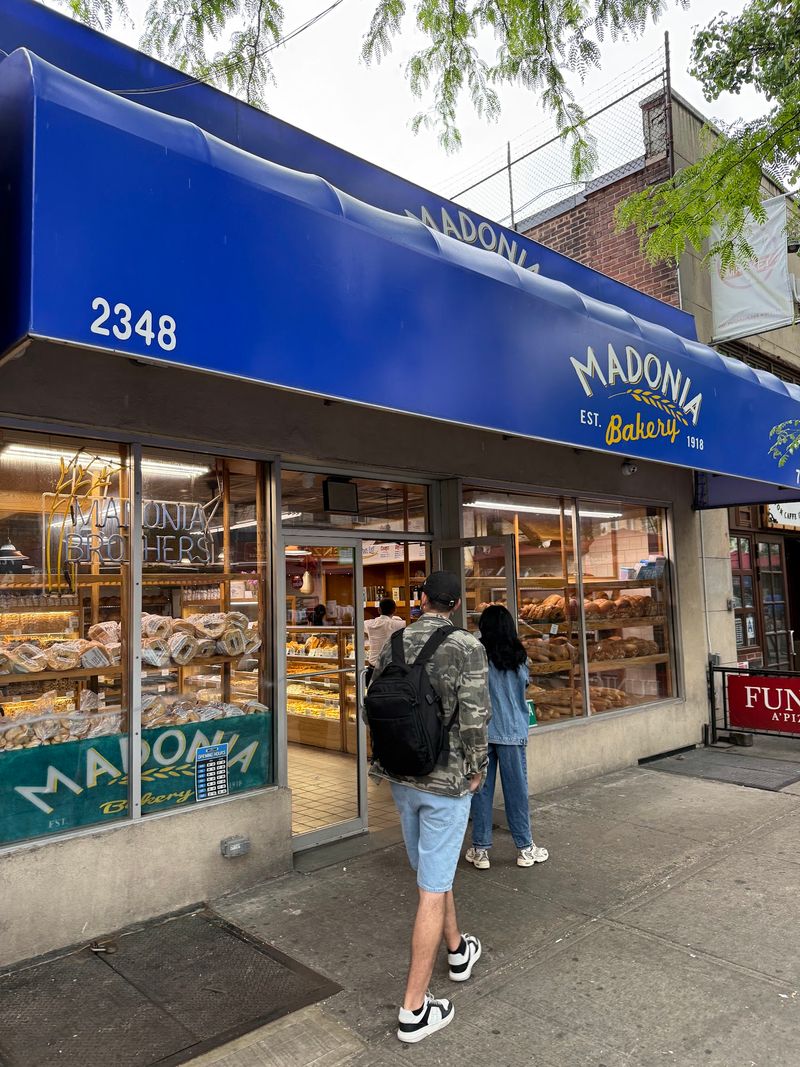
Belmont locals call their neighborhood the real Little Italy, and the claim holds up once you walk the strip. Right in the middle of it all, at 2348 Arthur Avenue in the Bronx, sits Madonia Brothers Bakery.
Four generations of the same family have run the place since 1918. It has never shut down, never moved, and never handed the keys to a chain.
The storefront is a single shop, not a sprawling cafe. Wooden counters, handmade and polished by decades of elbows, run the length of the room.
There is no seating area inside. You order, you pay, and you take your treasures out into the neighborhood, which is honestly part of the fun.
New York has plenty of bakeries with vintage signs and modern insides. Here, the old details are working parts rather than decoration.
Hours run early and long. Monday through Saturday the doors open at 6:30 in the morning and close at 7 in the evening, with Sunday starting at 7 and wrapping up at 6. Show up hungry.
Leave with more than you planned.
Olive Bread Worth The Subway Ride
Ask around the Bronx about the best loaf on Arthur Avenue and one answer comes back over and over. Olive bread. People have been buying it here for fifteen, twenty, thirty years without getting bored.
The loaf comes packed with olives, not sprinkled with a token few. Each slice shows dark pockets scattered through a soft, open crumb.
Salt does real work in this bread. Combined with the briny fruit, it makes the whole thing taste savory enough to eat plain, standing on the sidewalk, no butter required.
A sourdough version exists too, which adds a faint tang underneath the salt. Both sell fast, so morning visits give you better odds.
Warm loaves come out at different points through the day. Catching one straight off the rack turns a simple purchase into a small victory.
Pair it with sharp cheese and tomatoes for a lunch that costs almost nothing and tastes like a trip abroad.
Bread this good does not need a marketing campaign. Word of mouth has carried it across the borough for generations, and the recipe has not wandered.
Cannoli Filled The Moment You Order
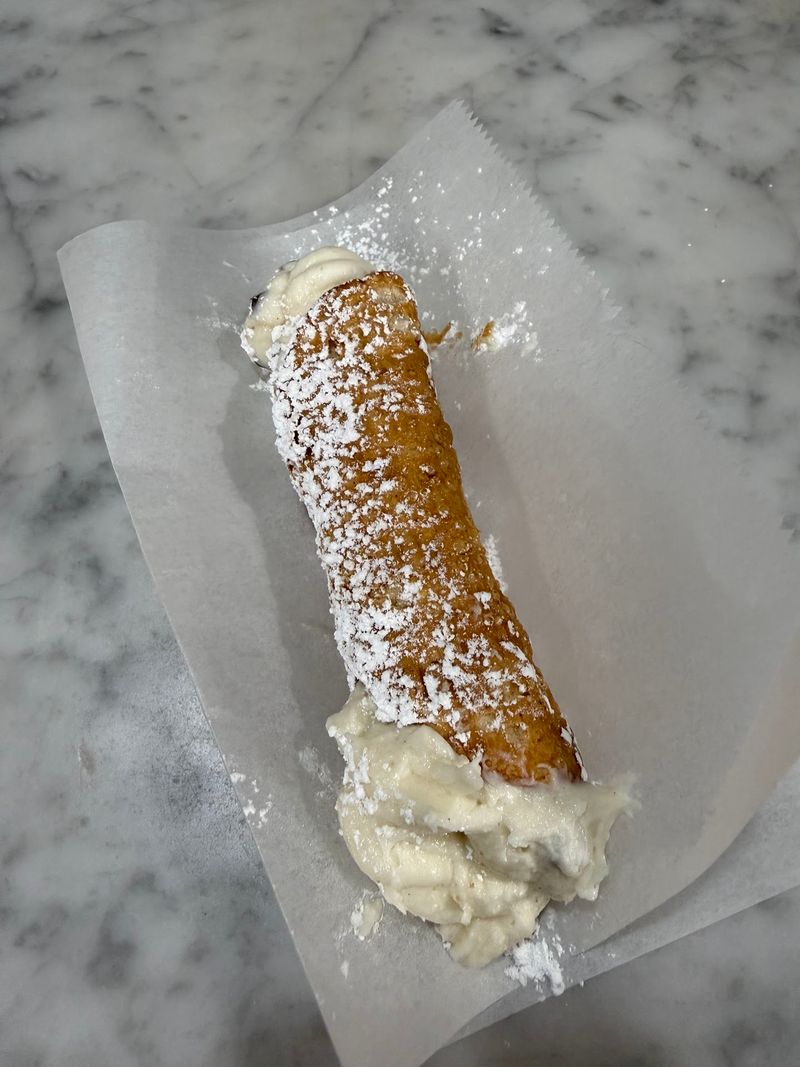
Pre-filled cannoli sit around getting soggy. That never happens here, because the shells stay empty until somebody asks for one.
A sign in the shop makes the promise plain, and the staff keeps it. Ricotta cream goes into the shell after you order, then a dusting of powdered sugar finishes the job.
The result is a shell that snaps clean when you bite it. Tiny shards fall onto your shirt, which is the universal sign of a cannoli done correctly.
Sweetness stays restrained. The ricotta reads creamy and mild rather than sugary, letting the fried shell carry most of the flavor.
Cannoli is the single most talked about item in the shop, mentioned by customers more than anything else on the menu. Nearly a hundred people have brought it up in reviews.
Sizes vary, so you can grab a small one for the walk or a larger one to share.
Eat it soon after buying. Crispness has a short window, and this particular shell deserves to be caught at its peak rather than saved for later.
The Legendary Wall Of Biscotti
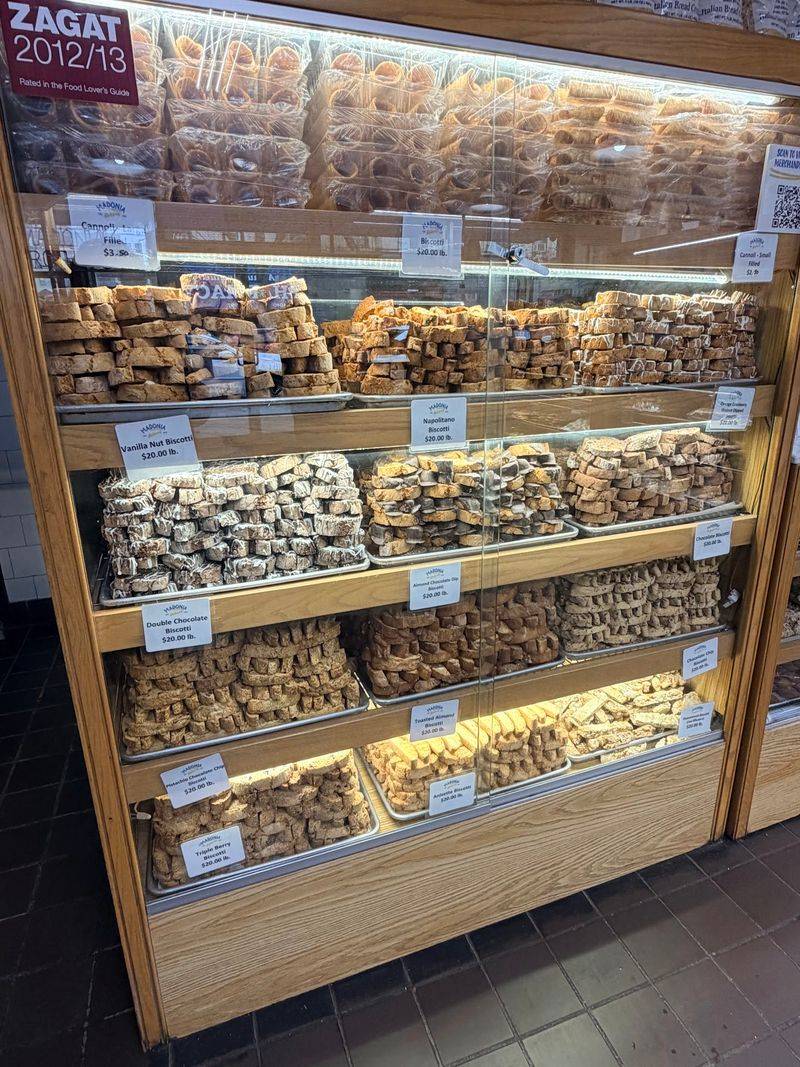
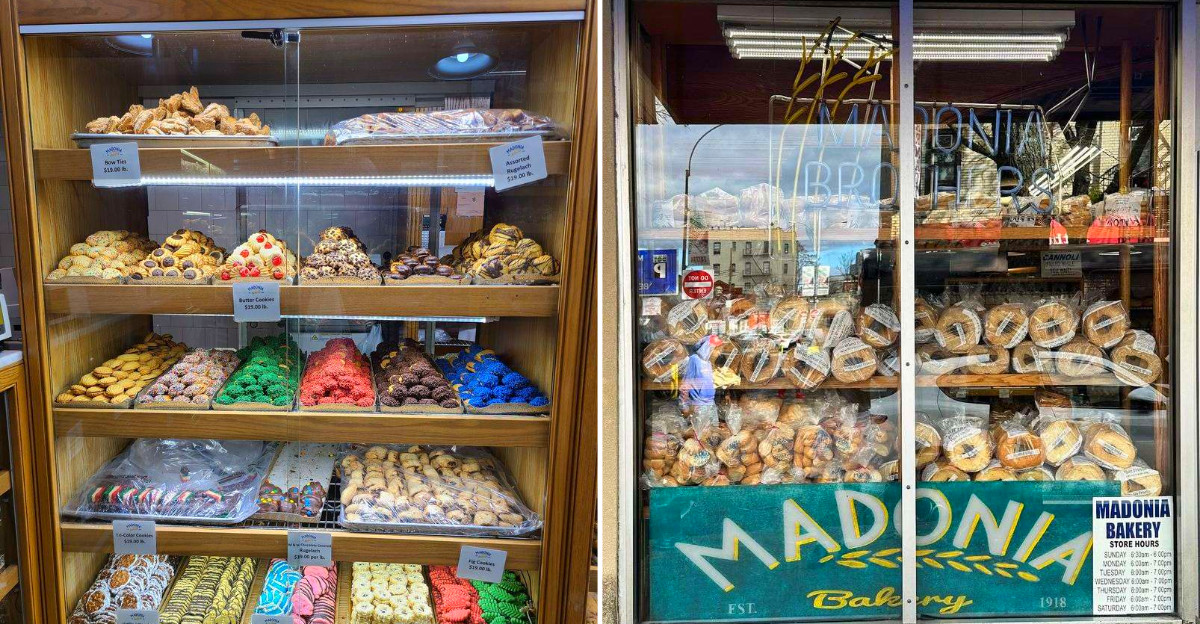
First-timers often freeze at the biscotti case. A tall cabinet holds an enormous spread of varieties, and choosing feels like a pop quiz nobody studied for.
Almond, chocolate, sesame Regina cookies, and plenty more line the shelves. Prices run by weight, and the staff will help you build a mixed box if you look lost.
Texture is the whole point with biscotti. These have real crunch without being tough, and they soften just right in a cup of coffee.
Sweetness stays gentle across most flavors. That makes them easy to eat after dinner without feeling like dessert overload.
Boxes travel well, which explains why so many people leave carrying stacked white cartons tied with string. They hold up for days on a counter at home.
Picking a variety pack is the smart move on a first visit. You get to run your own taste test and figure out your favorite before committing.
Try the sesame ones alongside morning coffee. Simple, nutty, faintly toasty, and a reminder that plain cookies done properly beat flashy ones every single time.
Savory Loaves That Eat Like A Meal
Bread here does not always stay in the side dish lane. Several loaves come stuffed with enough good stuff to replace lunch entirely.
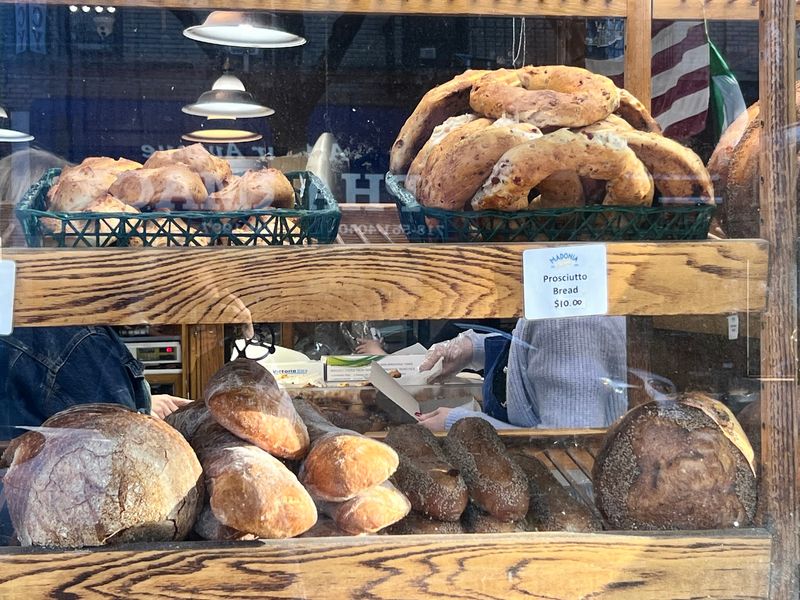
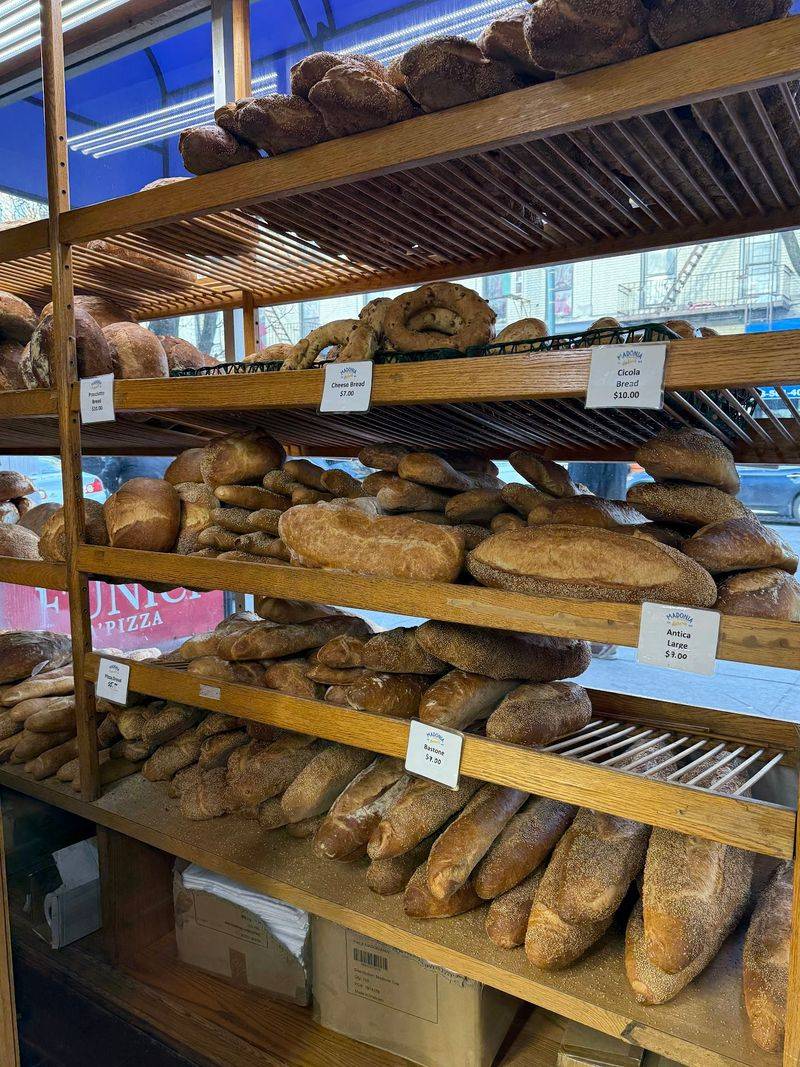
Prosciutto bread leads the pack, heavy with cured meat baked right into the dough. Slicing it reveals chunks scattered through a rich, golden crumb.
Cheese bread built with Pecorino Romano goes hard on flavor, with cheese inside and out. Salt lovers adore it, and the shop says so plainly.
Ciccola bread brings another savory option to the counter. Jalapeno cheddar adds a little heat for anyone who wants their bread to fight back.
Onion rolls come out looking like an oversized bialy, topped with big pieces of onion that turn sweet in the heat.
Cranberry walnut, seven grain, cinnamon raisin, and challah round out the lineup for people leaning a different direction.
Buying two or three loaves is normal behavior here. They freeze reasonably well, though most never survive the ride home.
Bring a bag. Bread this substantial gets heavy quickly, and you will absolutely overbuy once you smell the room.
Cash Rules At This Counter
Plan ahead on payment. The register takes cash and nothing else, a detail that catches plenty of visitors off guard.
Nearly thirty customers have mentioned the policy in reviews, usually after learning it the hard way. Grab money before you arrive and the whole trip runs smoother.
Prices stay reasonable, which softens the inconvenience considerably. Loaves land in the five to six dollar range depending on size, and a handful of cookies plus a cannoli can total under ten dollars.
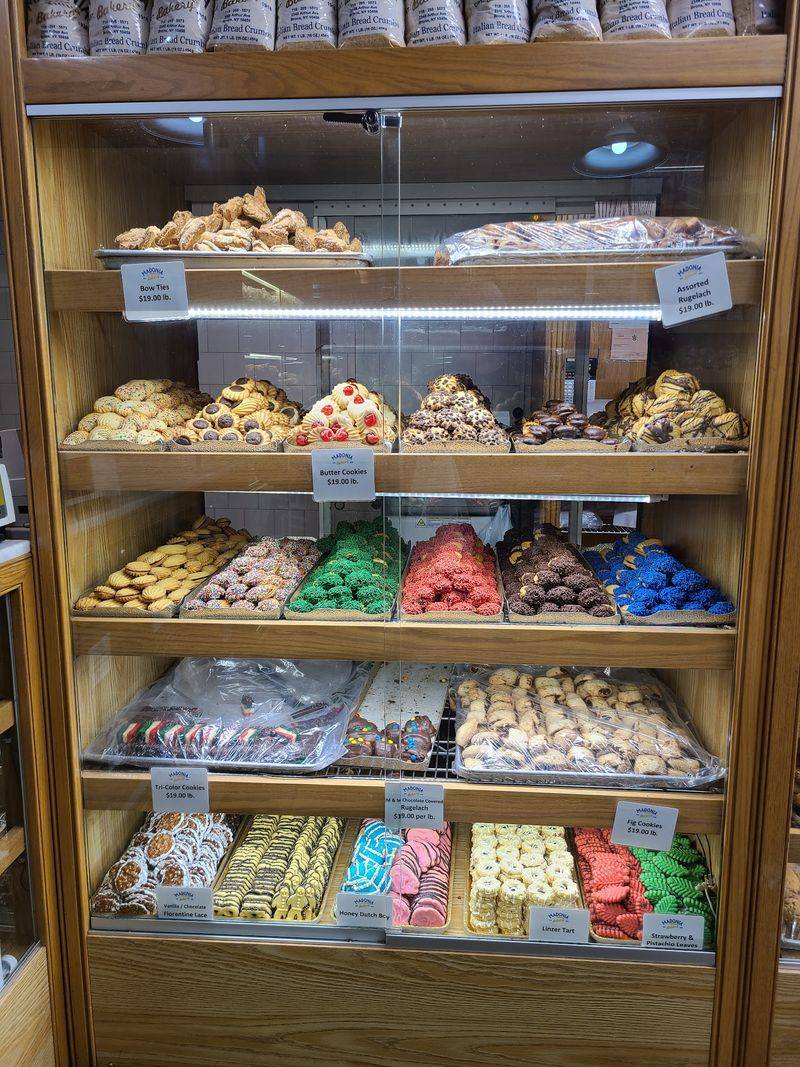
Cookies and biscotti sell by weight, so you control exactly how much you spend.
Parking around Arthur Avenue is a genuine challenge, especially on weekends. Public transit or a short walk from nearby streets saves a lot of frustration.
Arrive early if you want the widest selection. Popular breads sell out, and the bakers do not restock everything all day long.
Weekday mornings feel calmer than Saturday afternoons, when the block fills up with shoppers working through the whole neighborhood.
Bring extra cash anyway. Nobody walks out of here with only what they came for, and the biscotti case has a way of changing plans.
Four Generations, One Unbroken Run
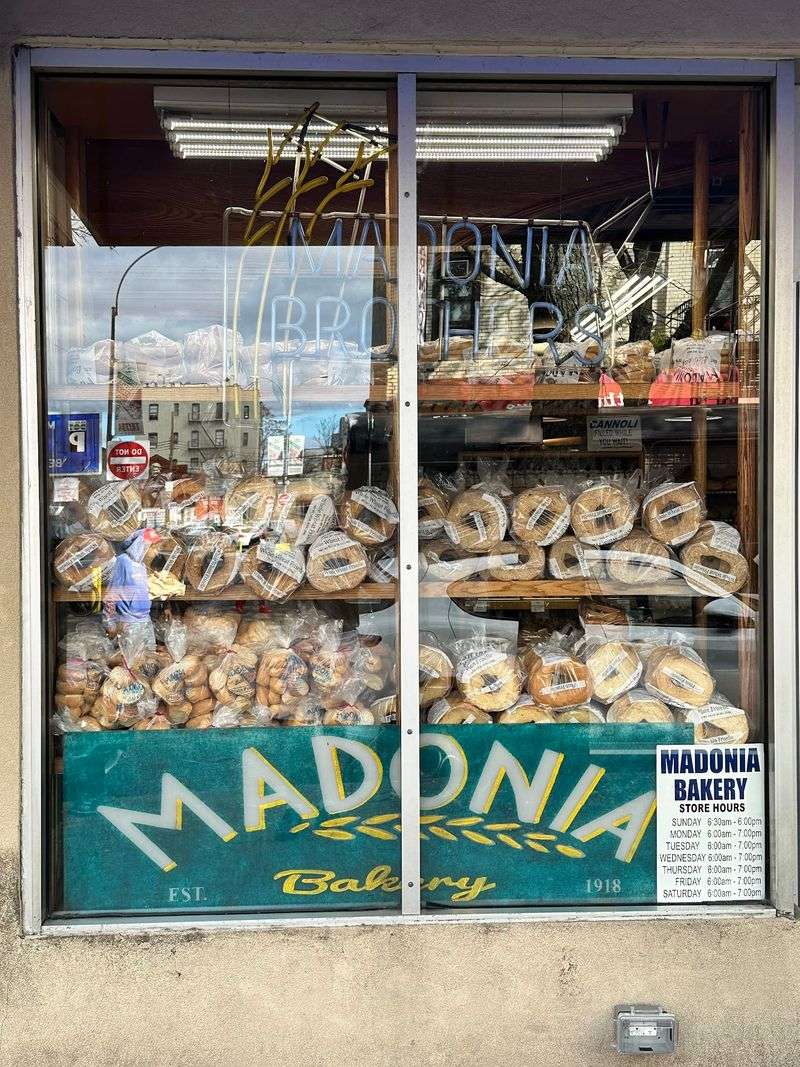
Businesses rarely survive a hundred years in New York. Rent climbs, neighborhoods shift, and families move on to other work.
Madonia has done it without a single gap. Since 1918, the same family line has kept the doors open through every decade the Bronx has thrown at them.
The founder’s great-grandson helps run things today, working alongside a managing partner who has handled daily operations for close to thirty years, plus that partner’s son.
Continuity like that shows up in the product. Recipes stayed put because the people making them learned directly from the people before them.
Bread crumbs, taralli seasoned with pepper and fennel, black and white cookies, pignoli, savoiardi, rainbow cookies, and butter cookies all still come out of the same kitchen.
Seasonal specialties appear throughout the year, giving regulars a reason to check back often.
Nothing about the shop feels staged for tourists. It reads like a working bakery that happens to be older than most buildings around it.
Stop by once and you understand why the neighborhood talks about it with such affection. Some traditions earn their reputation one loaf at a time.