
The Forgotten Prairie Towns In Kansas That Still Feel Neighborly
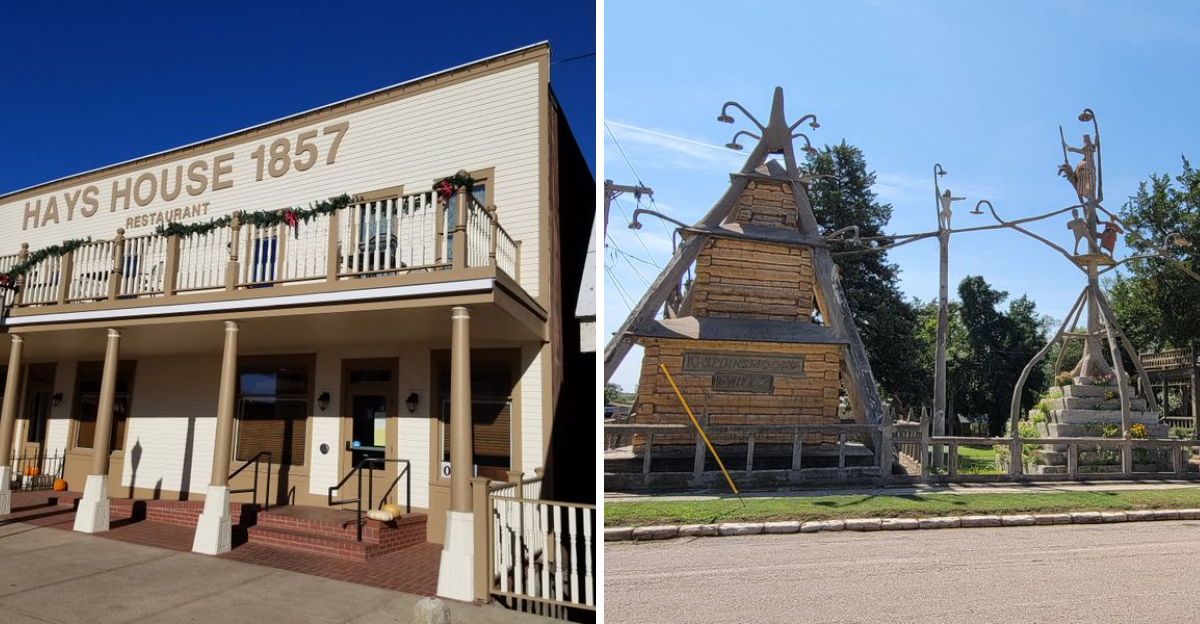
Kansas hides some of the most charming small towns you’ll ever stumble across, tucked away in rolling prairie landscapes where everyone still waves from their front porches.
These forgotten communities might not make it onto tourist maps, but they hold something precious that’s disappearing from modern life: genuine neighborliness and a slower pace that lets you breathe.
I’ve wandered through these prairie gems, and each one surprised me with its warmth, quirky character, and stories that deserve to be shared.
Come along as I take you through ten Kansas towns where time moves differently and strangers quickly become friends.
1. Cottonwood Falls
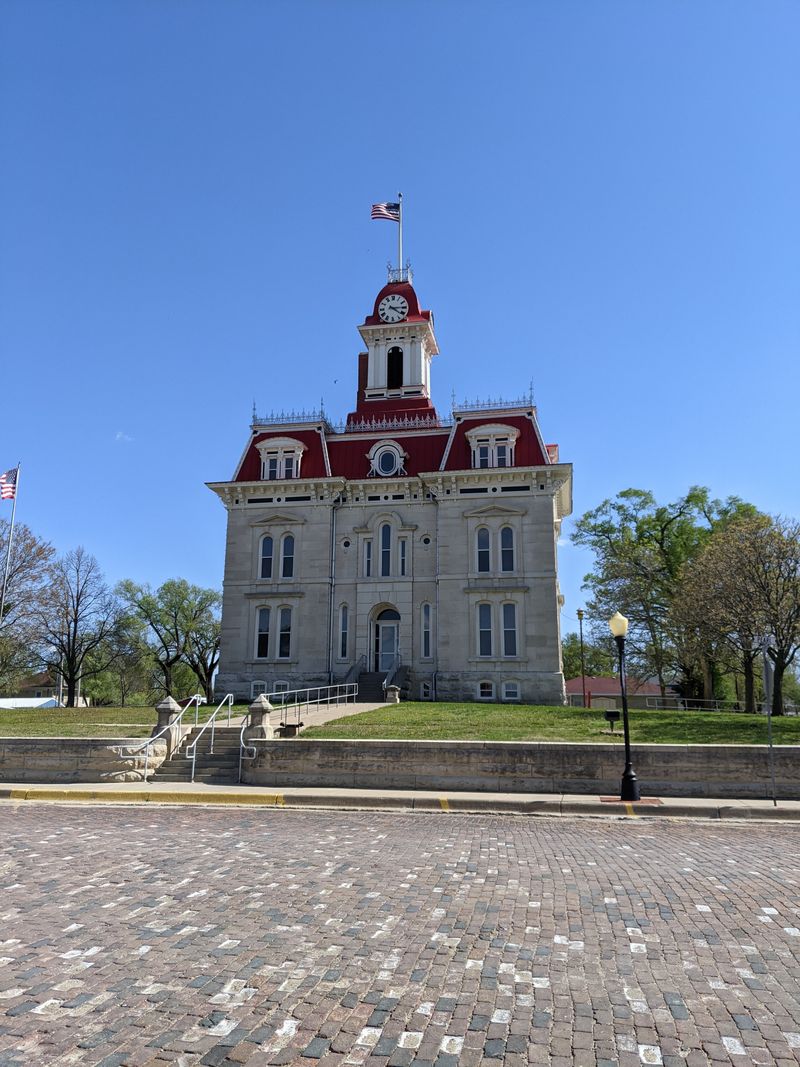
Right in the heart of the Flint Hills sits this limestone beauty that feels like stepping into a living postcard from the 1800s.
The Chase County Courthouse, built in 1873, towers over the town square with its French Renaissance architecture that seems almost too grand for such a humble community.
Walking down Broadway, you’ll notice how locals still gather at the old drugstore counter for coffee and conversation every morning.
Ranchers in worn boots chat with artists who’ve moved here seeking inspiration from the endless tallgrass prairie.
The town hosts fewer than 900 residents, but somehow they’ve managed to preserve an authentic sense of community that larger cities lost decades ago.
People leave their doors unlocked, kids ride bikes without supervision, and neighbors still bring casseroles when someone’s under the weather.
Visit during the Symphony in the Flint Hills, and you’ll see this tight-knit community open their hearts to thousands of visitors with genuine prairie hospitality.
2. Strong City
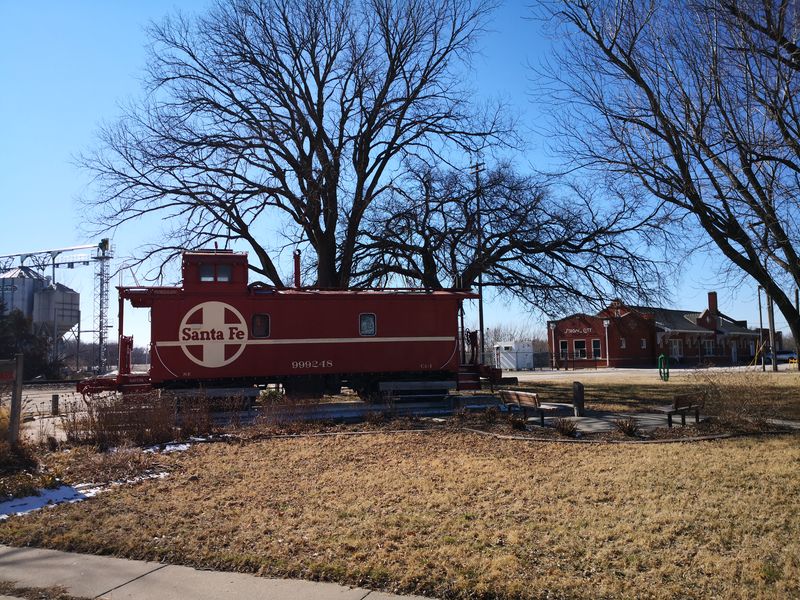
Just three miles from Cottonwood Falls, Strong City proves that good things come in tiny packages—this railroad town has barely 400 souls but infinite character.
The Santa Fe Trail once ran through here, and you can still feel that frontier spirit in how folks greet strangers with curious smiles instead of suspicious glances.
Main Street looks like it hasn’t changed much since the steam engines stopped regularly, with weathered brick storefronts telling stories of busier times.
What makes Strong City special isn’t what it has, but what it’s kept: authenticity.
The local café serves breakfast where ranchers discuss cattle prices and weather patterns with the kind of expertise that comes from generations on the land.
This town sits at the gateway to Tallgrass Prairie National Preserve, making it a perfect base for exploring Kansas’s natural heritage.
Everyone knows everyone here, and within an hour of arriving, they’ll know you too—along with where you’re from and where you’re headed.
3. Council Grove
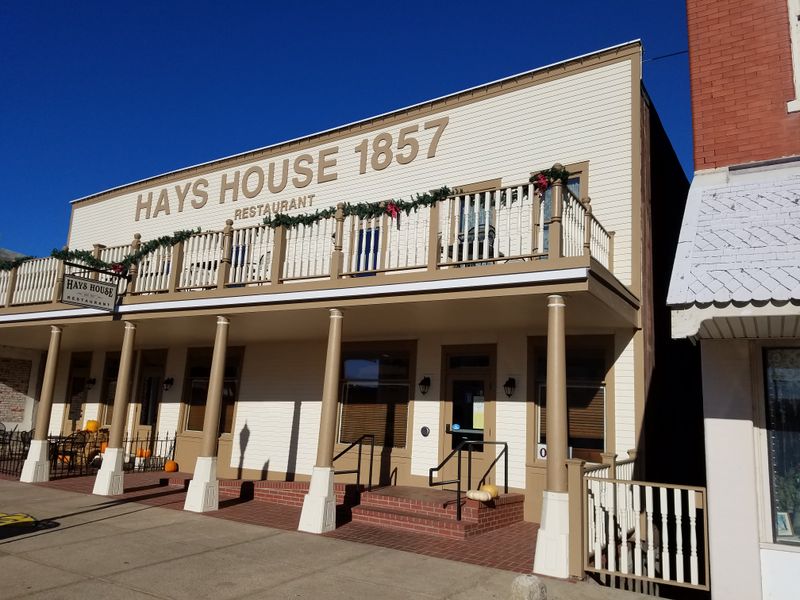
History practically whispers from every corner of this town where the Santa Fe Trail traders once gathered under massive oak trees to negotiate safe passage.
Council Grove earned its name from an 1825 treaty council, and those same ancient trees still shade the streets where modern residents carry on traditions of hospitality that date back nearly two centuries.
With about 2,000 people calling it home, this community has mastered the balance between preserving heritage and welcoming the present.
The Kaw Mission stands as a reminder of the town’s complex past, while local shops and restaurants hum with present-day neighborliness.
Farmers and small business owners chat on sidewalks like they have all the time in the world—because here, they actually do.
Annual events like Wah-Shun-Gah Days bring the whole town together in celebration, with everyone pitching in to make visitors feel like temporary locals.
You’ll find antique stores, a historic jail, and folks who’ll tell you the real stories behind the historical markers if you just ask.
4. Matfield Green
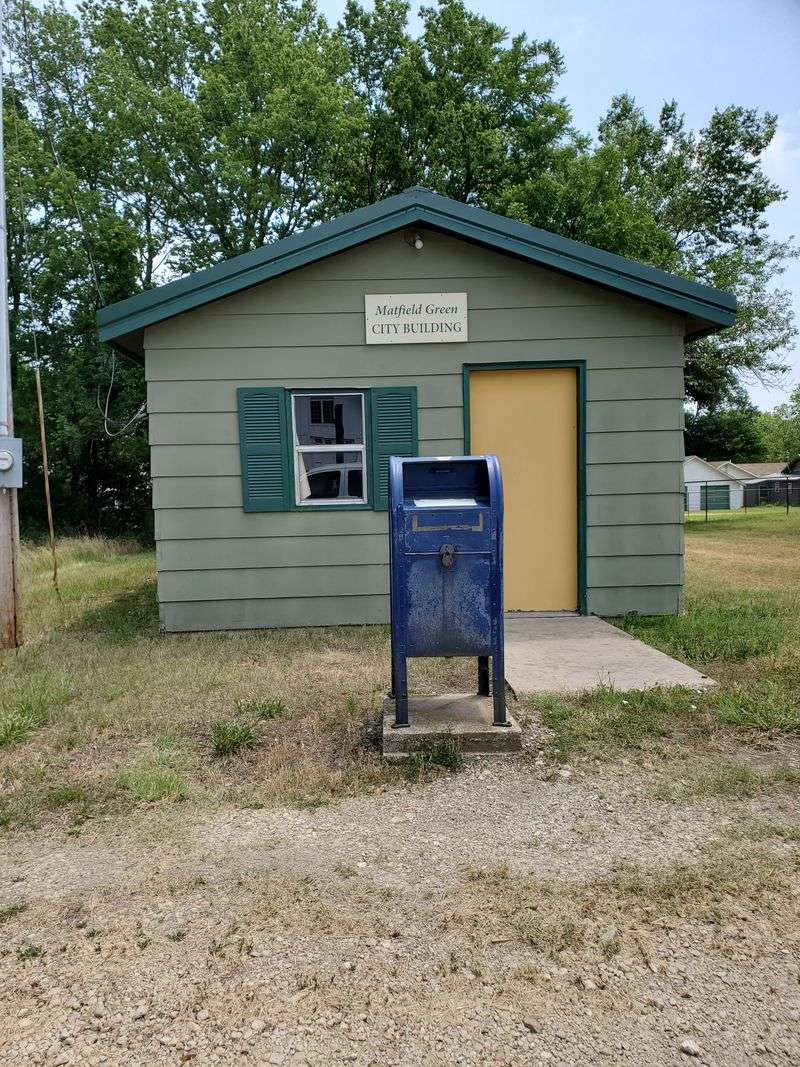
Population: 47. Yes, you read that right—forty-seven people somehow sustain an entire town in the middle of the Flint Hills, and they do it with style.
Matfield Green represents the ultimate prairie ghost town that refuses to die, kept alive by stubborn optimism and people who genuinely love their neighbors.
The town once thrived as a railroad stop, but when the trains quit coming, most residents left for bigger opportunities elsewhere.
Those who remained or moved here recently share a pioneering spirit that values community over convenience.
Artists, writers, and ranchers have formed an unlikely alliance, creating a cultural oasis in the grasslands.
The old bank building now hosts art installations, and the former school serves as a community center where potlucks happen regularly.
Everyone contributes something—music, stories, home-grown vegetables, or just their presence at community gatherings.
This might be Kansas’s smallest town with the biggest heart, where isolation has paradoxically created the strongest bonds you’ll find anywhere on the prairie.
5. Alma
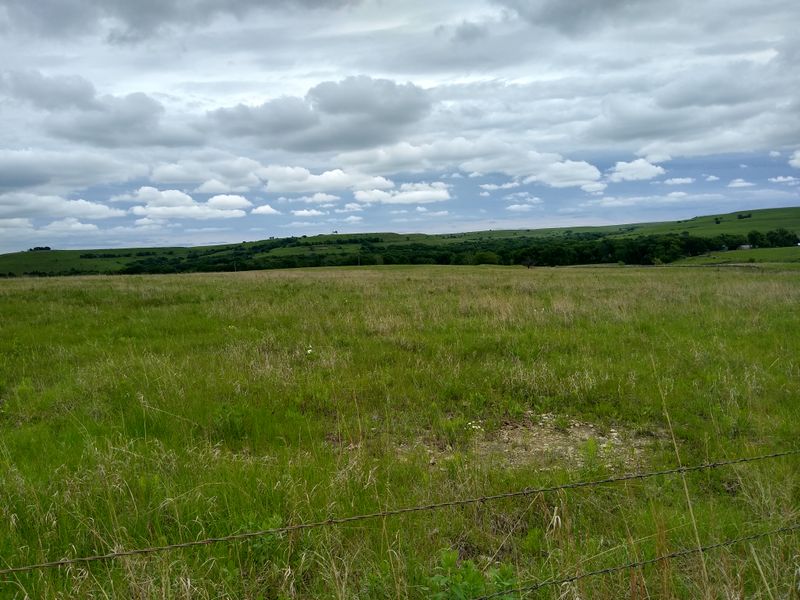
Nicknamed the “City of Native Stone,” Alma showcases limestone architecture that glows golden in the prairie sunlight, giving the whole town an almost ethereal quality.
About 800 residents maintain this Wabaunsee County seat with pride that shows in every well-kept building and tidy yard.
The downtown square centers around a classic courthouse where locals still conduct business face-to-face rather than through impersonal emails.
Friday night football games bring the entire community together, with three generations of families sitting in the same bleacher sections their grandparents occupied decades ago.
The local grocery store operates on the honor system for some items—just write down what you took and pay next time you’re in.
Alma’s residents have perfected the art of being genuinely interested in each other’s lives without crossing into nosiness.
They’ll remember your name after one introduction and ask about your family the next time they see you.
The annual Alma Fun Day celebrates this tight-knit community spirit with parades, games, and enough homemade pie to feed twice the population.
6. Lindsborg
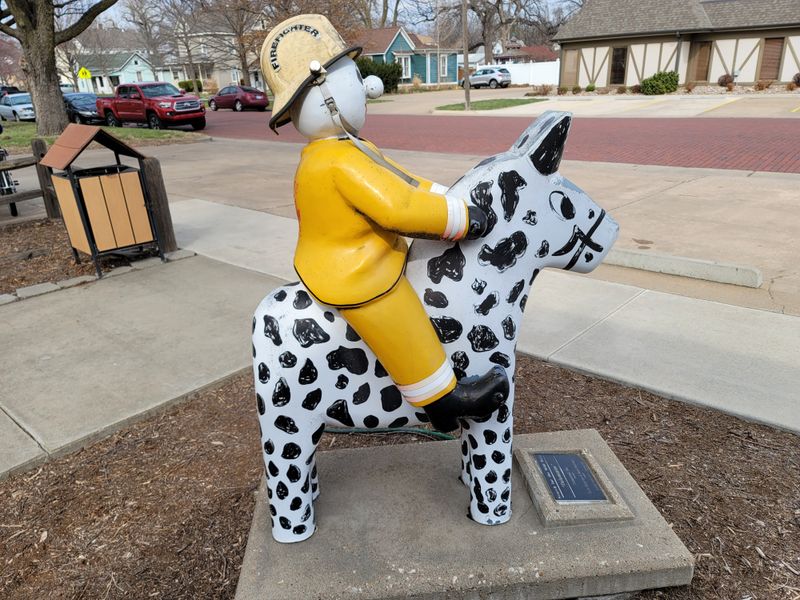
Swedish flags flutter from lampposts, Dala horses adorn storefronts, and the smell of fresh-baked Swedish pancakes drifts through streets in this cultural gem known as “Little Sweden USA.”
With around 3,500 residents, Lindsborg represents what happens when a community decides to celebrate rather than abandon its immigrant heritage.
Founded by Swedish pioneers in 1869, the town has transformed its ethnic roots into a living, breathing attraction that feels authentic rather than touristy.
Art galleries, studios, and shops line Main Street, where you’re as likely to hear Swedish phrases as English.
The biennial Svensk Hyllningsfest draws thousands, but even on ordinary Tuesdays, locals greet visitors with warmth that transcends language barriers.
Bethany College anchors the community, bringing youthful energy while respecting the town’s traditional values.
Coffee shops serve as informal community centers where professors, farmers, and artists engage in conversations that range from philosophy to crop rotation.
This town proves that preserving cultural identity actually strengthens community bonds rather than dividing people.
7. Lucas
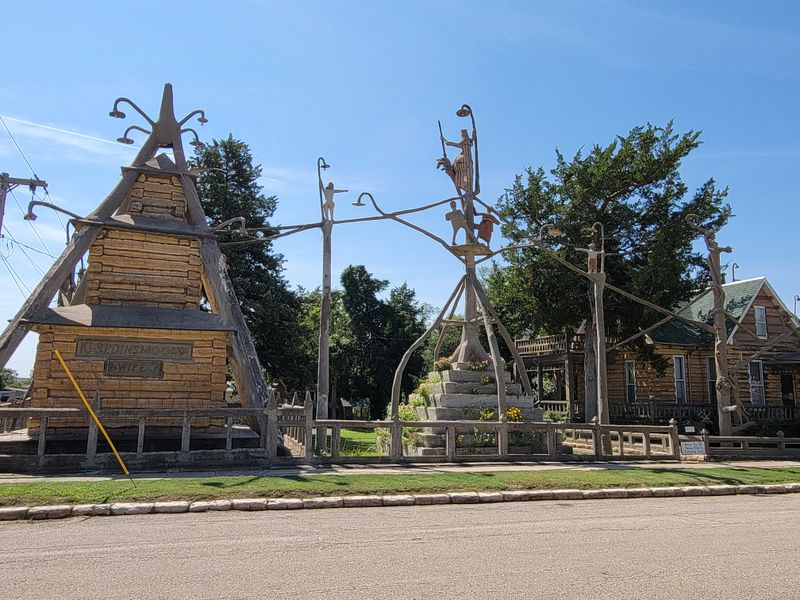
Eccentricity meets prairie practicality in this tiny town of about 400 souls who’ve embraced their reputation as Kansas’s folk art capital with enthusiastic pride.
The Garden of Eden, a bizarre concrete sculpture garden created by Civil War veteran S.P. Dinsmoor, dominates the town’s identity and draws curious visitors from around the world.
But Lucas isn’t just about one weird attraction—the whole community has adopted an artistic, slightly offbeat personality that makes conformity seem boring.
Multiple grassroots art environments dot the town, created by locals who saw beauty in bottle caps, machinery parts, and discarded materials.
The Bowl Plaza, decorated entirely with porcelain dishes, serves as a quirky town gathering spot where people discuss everything from politics to pie recipes.
Residents don’t just tolerate creativity; they celebrate it as essential to community identity.
The annual Lucas grassroots art festival turns the entire town into a living gallery where neighbors showcase their artistic experiments.
Here, being different isn’t just accepted—it’s encouraged, creating a welcoming environment for free spirits and traditional prairie folks alike.
8. Florence
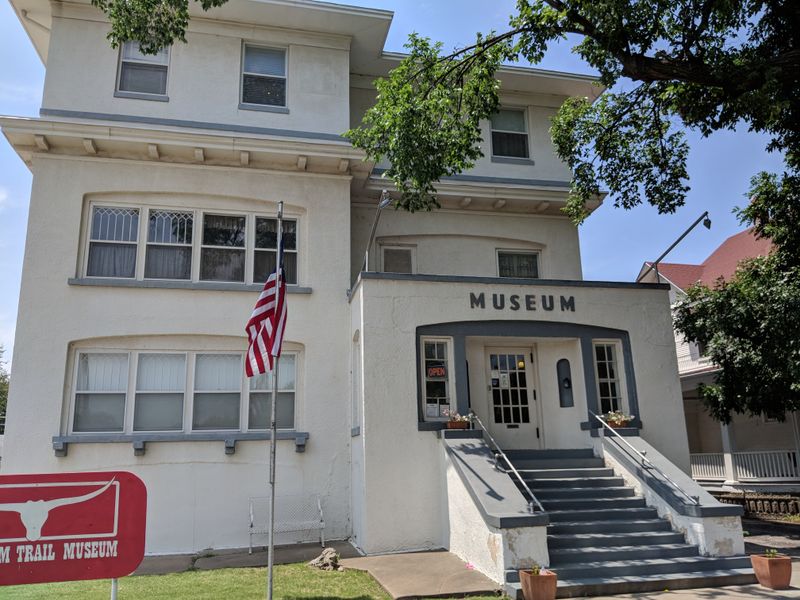
Cattle drives once thundered through this Chisholm Trail town, and somehow that frontier hospitality never left, even after the cowboys moved on.
Florence sits quietly with fewer than 500 residents who maintain a community spirit forged in pioneer days when neighbors meant survival.
The historic Harvey House restaurant building stands as a monument to when this railroad junction bustled with travelers heading west.
Today’s pace moves considerably slower, giving residents time to actually know each other beyond superficial Facebook updates.
Kids still play in streets without constant parental hovering, and teenagers help elderly neighbors with yard work without being asked.
The local café functions as the unofficial town hall where decisions get discussed over chicken-fried steak and mashed potatoes.
Annual celebrations bring former residents back home, and current residents welcome them like they never left—because in Florence, you’re always family once you’ve lived here.
This town doesn’t try to be something it’s not, and that authenticity creates a magnetic pull for people tired of pretense and performance.
9. Marquette
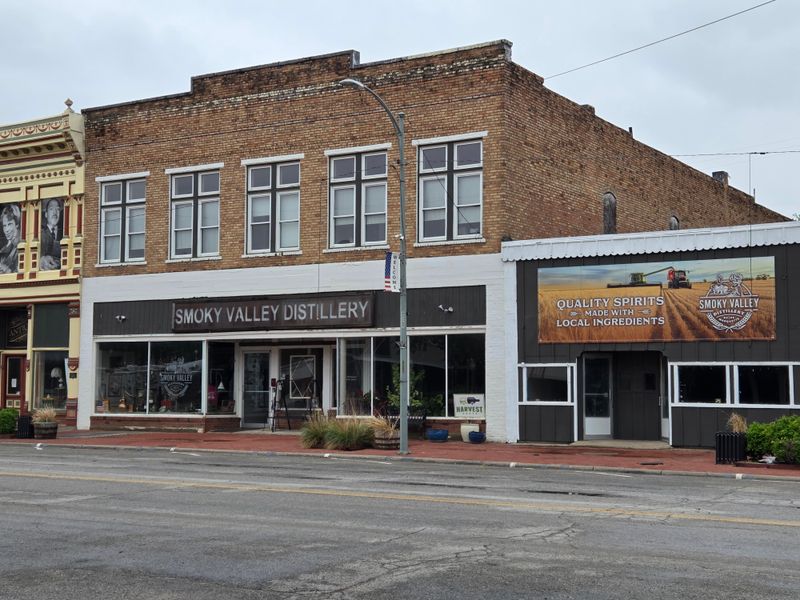
Nestled along the Smoky Hill River, Marquette flows with the same unhurried rhythm as the water that winds through town, home to roughly 650 people who like it that way.
Swedish immigrants established this community in the 1860s, and their legacy of hard work and mutual support still defines how neighbors treat each other today.
The grain elevator dominates the skyline, reminding everyone that agriculture remains the heartbeat of this prairie community.
But Marquette isn’t stuck in the past—it’s simply chosen to keep what worked while carefully adding modern conveniences.
Local businesses operate with handshake agreements and personal relationships that corporate chains can’t replicate.
Friday nights find families at the high school supporting the Marquette Lions, where victories are celebrated together and losses are consoled communally.
The town park hosts summer concerts where three generations spread blankets and share homemade cookies while local musicians perform.
Nobody’s in a hurry here, and that deliberate slowness allows space for genuine human connection that faster-paced places have sacrificed for efficiency.
Marquette reminds visitors that progress doesn’t require abandoning the values that build strong communities.
10. WaKeeney
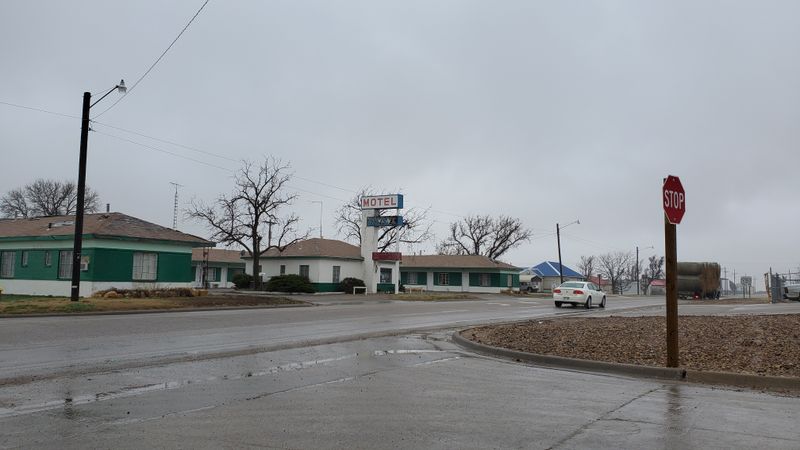
Out where the Flint Hills flatten into western Kansas shortgrass prairie, WaKeeney stands as proof that neighborliness survives even in isolated places—maybe especially there.
With about 1,800 residents, this Trego County seat serves as a regional hub, but it’s maintained small-town values despite being the biggest community for miles around.
The town got its unusual name from combining three railroad investors’ names, and that spirit of collaboration still defines how things get done here.
When someone needs help—whether it’s harvesting crops before a storm or recovering from illness—the whole community mobilizes without being asked.
Main Street businesses operate with personal service that makes chain stores seem cold and impersonal by comparison.
The annual Trego County Fair brings ranchers, farmers, and townspeople together in celebration of rural life that’s increasingly rare in modern America.
Kids grow up knowing their teachers, coaches, and neighbors genuinely care about their success and well-being.
WaKeeney might sit far from major cities, but that distance has preserved something precious: a community where people still matter more than productivity.