
The Friday Night Fish Tradition That Has Lasted 72 Years In Alabama
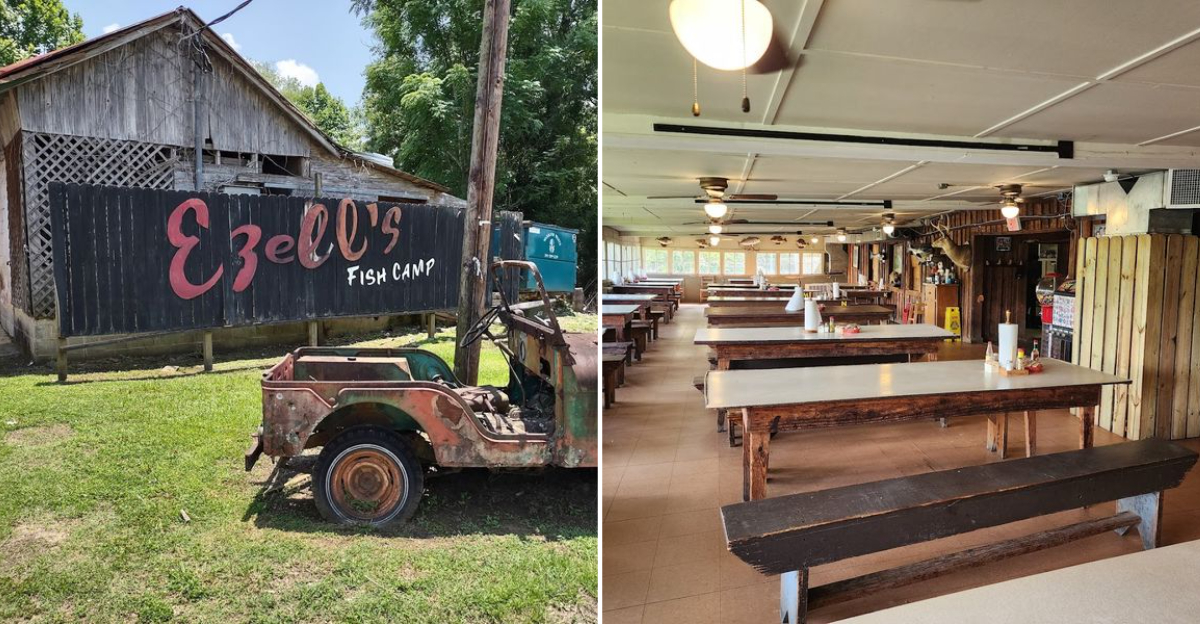
Well, I’ll be darned. For 72 years, every single Friday night, this Alabama spot has been serving fish to the same families, the same town, and the same loyal crowd that never stopped showing up.
Think about everything that changed in 72 years. Music changed.
Fashion changed. Technology turned the entire world upside down more than once.
This place changed absolutely nothing. That is the whole point.
Same fish. Same Friday night.
Same families showing up week after week like it is the most natural thing in the world. Grandparents brought their kids here.
Those kids grew up and brought their own kids. Now those kids are growing up and the tradition keeps going without skipping a single Friday.
You came in because you were hungry. You leave understanding why some things should never change.
Origins And Evolution Of The Weekly Tradition
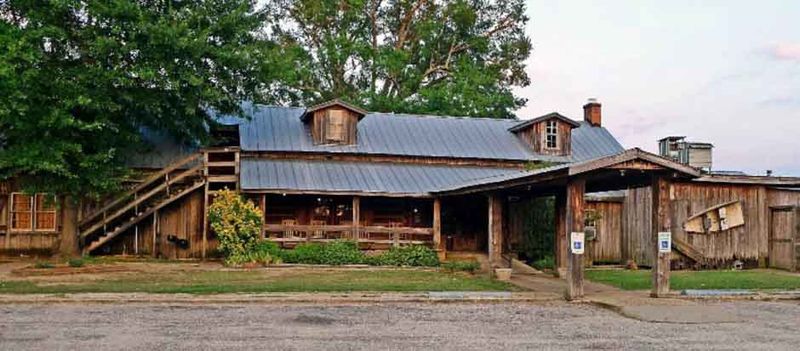
Back in 1937, a man named Charles Agnew Ezell started hosting fish fries for a hunting club on the banks of the Tombigbee River. Nobody called it a restaurant then.
It was just good food, good company, and a whole lot of fried catfish.
The cabin where it all started is a pre-Civil War dogtrot log structure built in the early 1800s. It originally served as a trading post, which honestly makes sense because people have been swapping stories and goods in this spot for over two centuries.
By 1954, the fish fries had grown into a full-time public restaurant, and that is the year most people mark as the official beginning.
The Ezell family never sold out or handed things off to strangers. Multiple generations have kept the doors open and the fryers hot.
Mary Ann Ezell Hall, Charles’s granddaughter, ran the place for over 35 years before passing it to her son, Agnew Hall. The address is 776 Ezell Rd, Butler, AL 36904, and it has been the same family, same road, same mission for 72 years running.
Unique Cooking Techniques That Define The Flavor
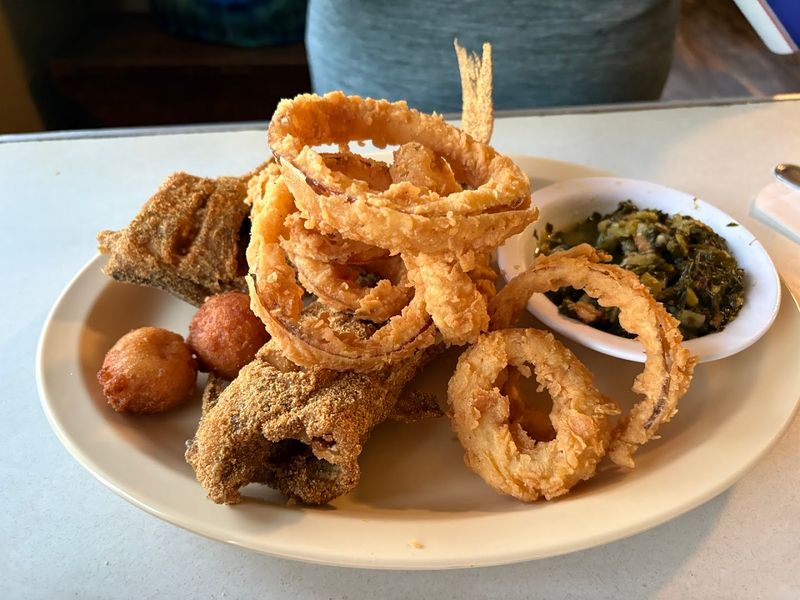
Hand breading is not something most restaurants bother with anymore. It takes time, it takes skill, and honestly, it takes a little bit of love.
At Ezell’s Fish Camp, the catfish goes through a hand-breading process before hitting the hot oil, and that step makes all the difference in the world.
The batter comes out light but genuinely crispy. It does not get soggy five minutes after it lands on the table.
That crunch holds up, which tells you the oil temperature is right and the technique is consistent. Consistency over 72 years is not an accident.
The frying setup at a traditional fish camp is also different from a standard restaurant kitchen. Everything is cooked to order in small batches, which keeps the food fresh and hot every single time.
Hush puppies get the same treatment. They come out golden and cooked through, with a slightly crisp outside and a soft center.
The whole cooking philosophy here is rooted in doing simple things correctly, and that has kept people coming back for generations.
Popular Varieties Featured Each Week
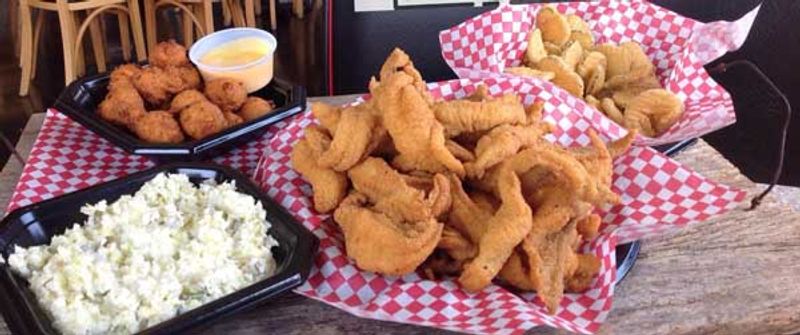
Catfish is the undisputed star of the show here, and nobody is pretending otherwise.
You can order it as a three-piece or five-piece platter, and both options arrive hot, fresh, and ready to make you forget whatever was stressing you out before you sat down.
Beyond catfish, the menu features popcorn shrimp and butterfly shrimp that regulars absolutely rave about. The butterfly shrimp, in particular, has earned serious praise for being fresh and well-prepared.
Fried mushrooms show up as a fan favorite appetizer, with people ordering them repeatedly, visit after visit.
The blooming onion makes an appearance, too, and it runs large enough to be its own event. Fried oysters and onion rings round out the rotation for people who want variety.
Fried dill pickles have also built a loyal following over the years. The menu has not changed dramatically over the decades, which is actually the point.
When something works this well for this long, you do not fix what is not broken. Friday nights bring the full lineup, and regulars plan their week around it.
Community Impact And Social Gathering Importance
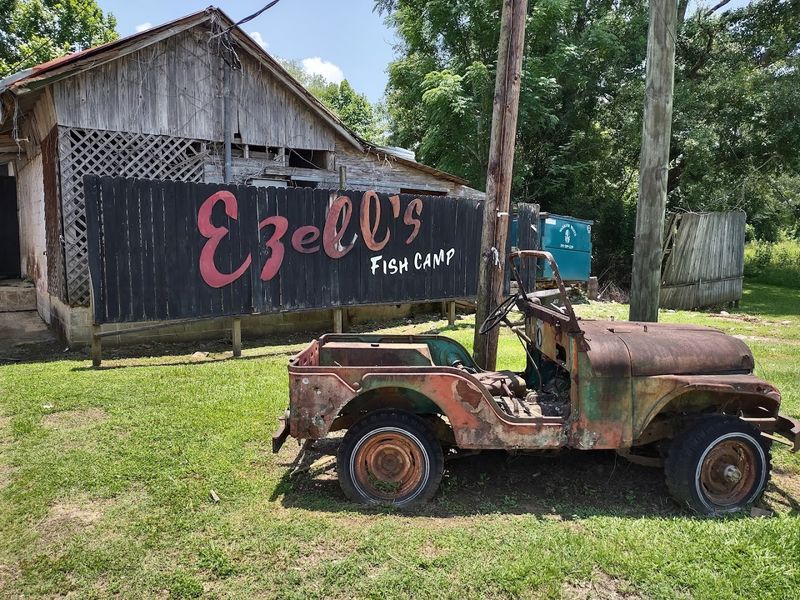
For the people of Choctaw County and surrounding areas, this fish camp is not just a place to eat. It is a landmark.
Families have been marking birthdays, reunions, and hunting season kickoffs here for multiple generations. Groups of 15 or more show up regularly, and the staff handles it without breaking a sweat.
Hunters have always been part of the story. Charles Ezell started this whole tradition specifically for a hunting club, and that connection to the hunting community never faded.
South Alabama hunters still make the fish camp a stop on the way to and from their clubs. It became a ritual, and rituals are hard to break once they get into your blood.
The Tombigbee River adds another layer to the community gathering aspect. People traveling the river by boat and jet ski literally plan their entire day around stopping here for lunch.
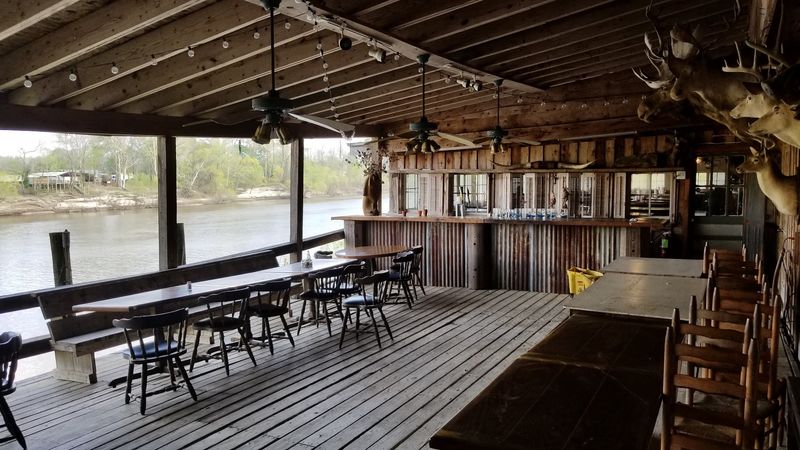
Climbing up the riverbank to reach the restaurant has become part of the adventure. The walls inside are covered with old photographs and mounted animal heads that tell the story of decades of community life.
Walking in feels like flipping through a family photo album that belongs to the whole county.
Signature Side Dishes Complementing The Meal
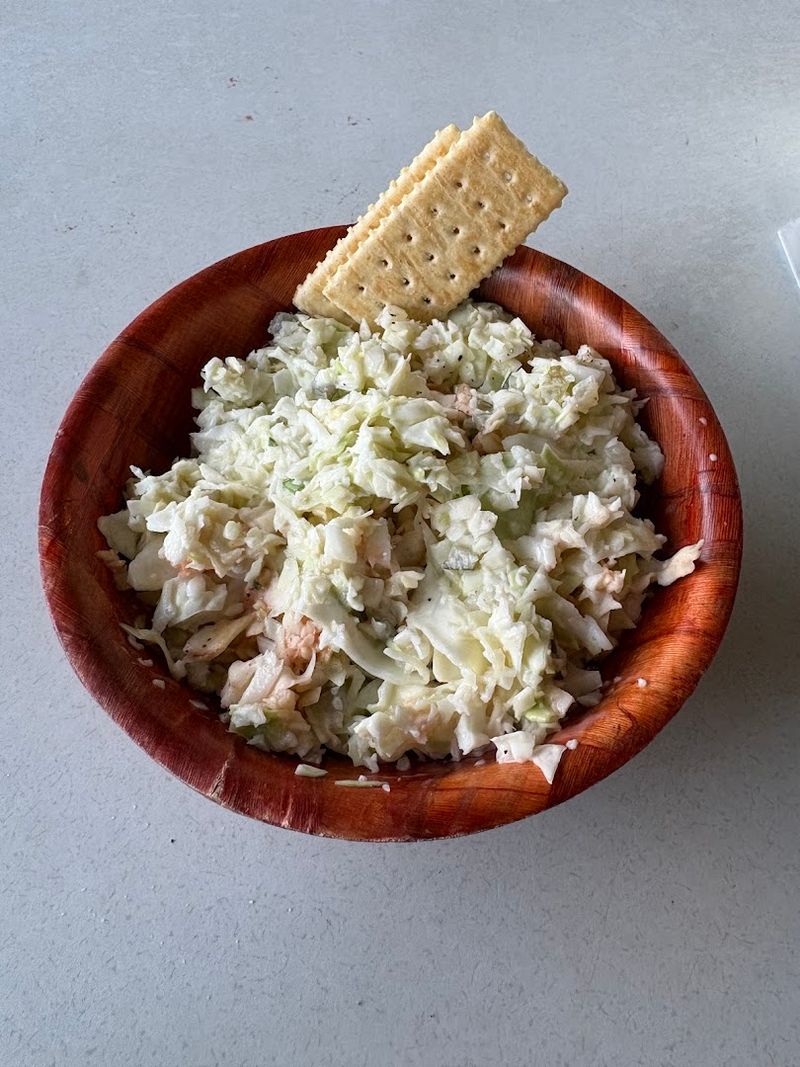
The coleslaw here has its own reputation, and that is not something most side dishes can claim. People describe it as creamy, sweet, and loaded with onions.
It arrives in a big bowl at the start of the meal, almost like an announcement that things are about to get serious at your table.
Hush puppies come out golden and consistent. The outside crisps up beautifully while the inside stays soft.
A local pro tip that has been passed around for years: hit them with a splash of Tabasco. It sounds simple, but it completely transforms the experience.
Once you try it, plain hush puppies feel like a missed opportunity.
Fried dill pickles have developed their own devoted following over the years. They show up as a must-order item in conversations among regulars, often mentioned in the same breath as the catfish itself.
Sweet potato fries and baked potatoes round out the sides for people who want something a little different. The fried mushrooms blur the line between side dish and main event.
Portions come out large enough that finishing everything on the table becomes a personal challenge worth accepting on a Friday night.
Seasonal Ingredients Enhancing The Menu Variety
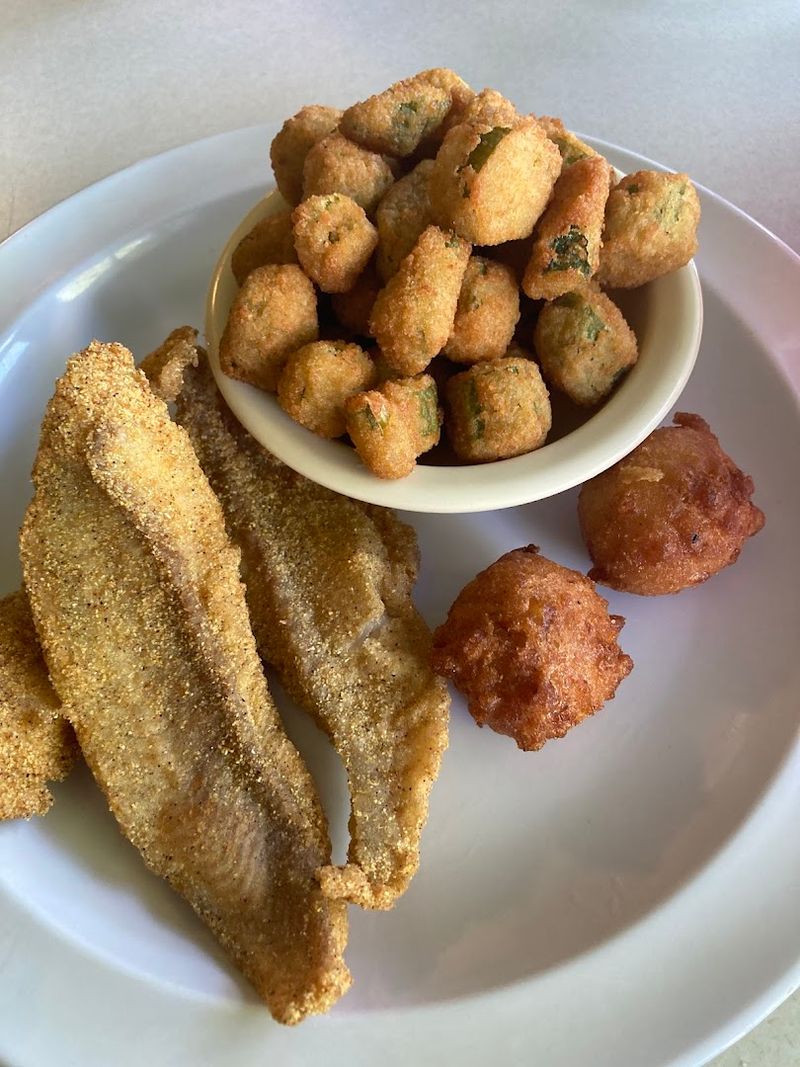
Gulf catfish plays a central role in what lands on your plate here, and the Gulf connection matters more than people realize. Gulf-sourced catfish has a cleaner, fresher flavor profile compared to farm-raised options.
Several visitors have specifically mentioned how fresh the fish tastes, and that freshness does not happen by accident.
Okra shows up on the menu as a seasonal option, fried in the same tradition as everything else at the camp. When it is done right, fried okra has a satisfying snap and a nutty flavor that pairs naturally with catfish.
Seasonal availability means the kitchen works with what is genuinely fresh rather than forcing ingredients year-round when quality drops.
Sweet potato fries bring a seasonal sweetness to the table that balances out the saltier fried items. Sweet potatoes grow well in Alabama’s climate, and using them connects the menu to the regional agricultural calendar in a real way.
The Tombigbee River region has always been tied to its natural surroundings, and the food reflects that relationship. Fried mushrooms, while available year-round, also benefit from seasonal sourcing when possible.
The overall menu philosophy leans on simplicity and freshness rather than complexity, which is exactly why it has worked for over seven decades.
Customer Stories And Longtime Patron Experiences
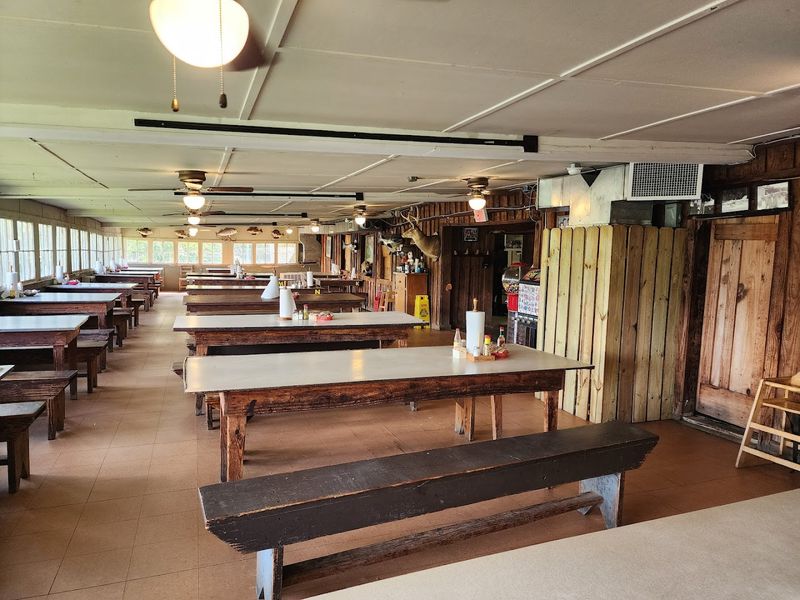
The restaurant draws visitors from far and wide, many of whom make the trip specifically to share the experience with someone who has never been.
Wait times are rarely an issue, and guests consistently leave with nothing but praise for standout dishes like the butterfly shrimp.
The location along the Tombigbee River adds an element of adventure, with some visitors arriving by water and making the climb up the riverbank part of the experience. It is the kind of place that earns a permanent spot on a travel itinerary.
The atmosphere is what first draws people in, and the fried food is what keeps them coming back. The staff creates an environment that feels warm and welcoming from the moment you walk through the door.
Guests consistently leave feeling less like restaurant customers and more like they just shared a meal with family, which is something very few restaurants manage to achieve.
Sustainability Practices In Sourcing
A fish camp that has operated for 72 years without burning out its supply chain has figured something out that newer restaurants are still trying to learn.
Longevity in this business requires a reliable sourcing relationship, and the Tombigbee River region has always provided that foundation for this establishment.
Gulf catfish sourcing keeps the fish fresh and regionally appropriate. Supporting Gulf fisheries rather than relying entirely on imported or mass-farmed alternatives keeps money in the regional economy and keeps the product quality high.
Freshness is not a marketing term here. Multiple visitors over many years have independently noted how noticeably fresh the seafood tastes compared to other restaurants.
The connection to the local hunting and river community also plays into the sustainability picture. The fish camp has always existed within its natural environment rather than apart from it.
Hunters, river travelers, and local farmers have all been part of the ecosystem surrounding this place since 1937.
Keeping the menu focused and relatively simple also reduces waste and keeps the kitchen from overextending on ingredients that would not move fast enough to stay fresh.
Operating with discipline and regional awareness for over seven decades is its own form of sustainability, and this fish camp has made it look almost effortless.