
The Giant Antique Store In Texas That Takes Nearly All Day To Explore
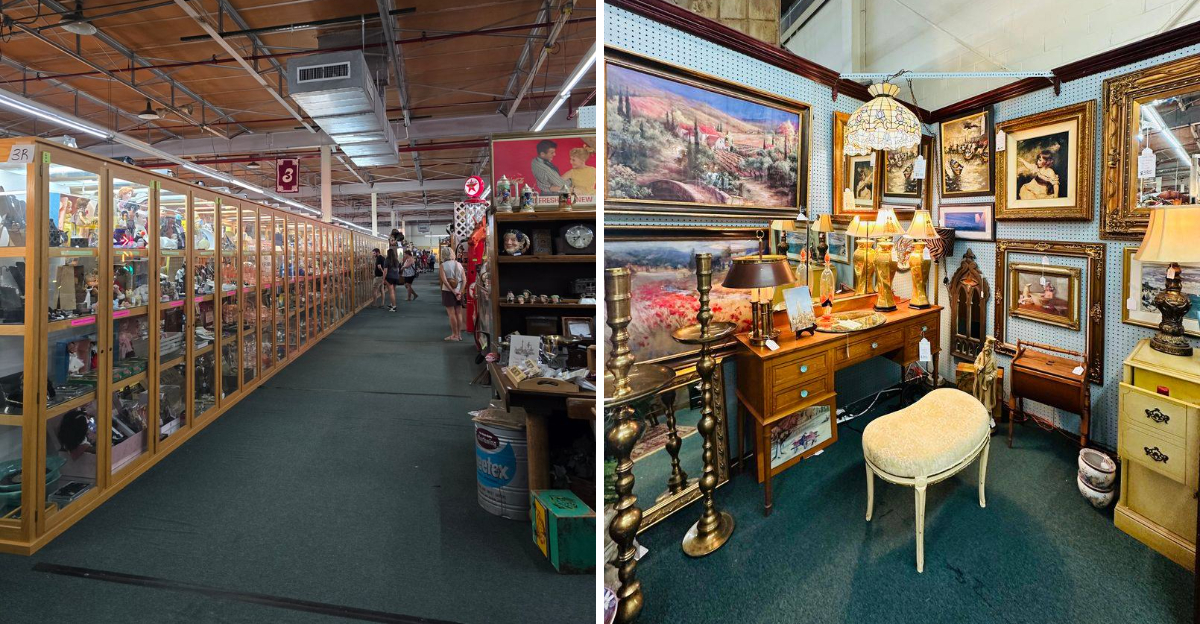
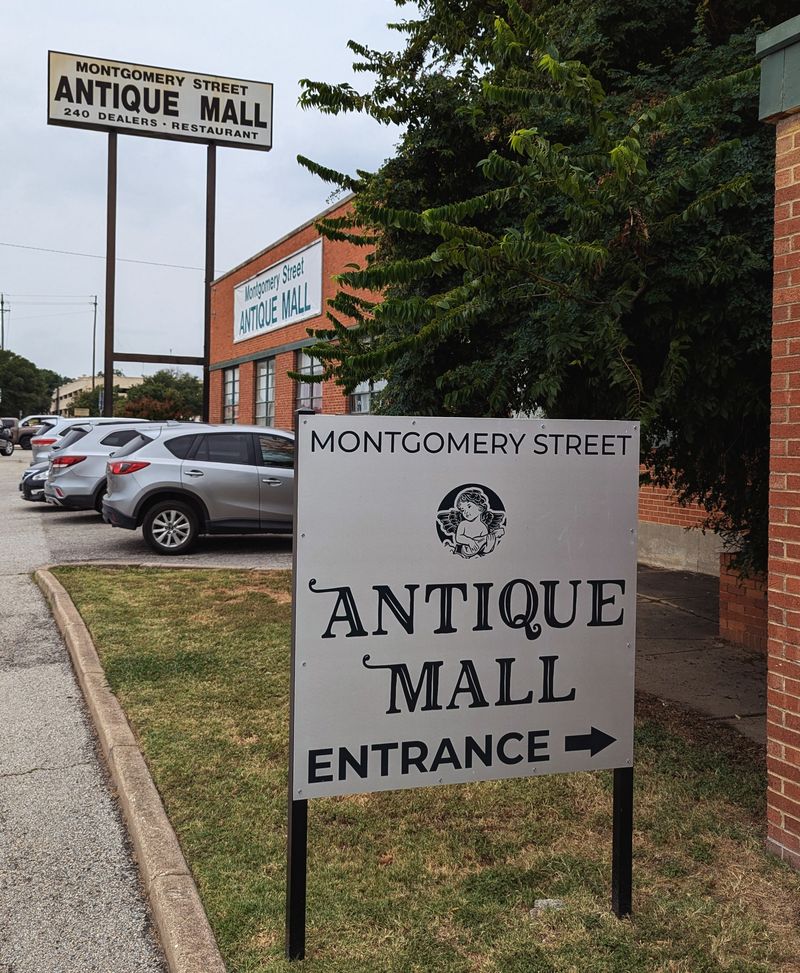
Fort Worth is home to an antique lover’s paradise, and Montgomery Street Antique Mall is the crown jewel. Located at 2601 Montgomery Street, this sprawling warehouse is so large that visitors often lose track of time, and sometimes, their sense of direction.
With over 200 dealers under one roof, it’s a treasure trove of vintage cameras, Victorian furniture, rare collectibles, and more. If you’re an antique enthusiast, you’ll need hours to truly explore every nook and cranny of this must-see destination. Ready for the hunt?
One Of Texas’ Best Kept Secrets
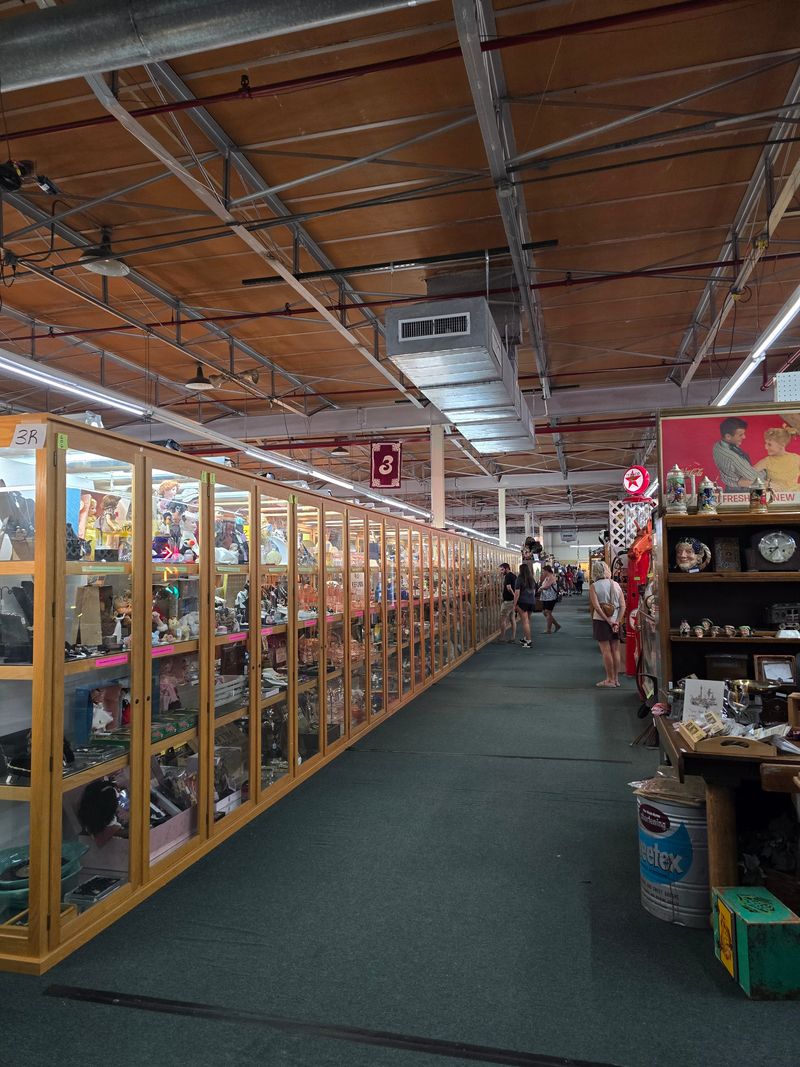
Most people driving along Interstate 30 notice the sign but never stop. That turns out to be their loss because Montgomery Street Antique Mall operates as one of Fort Worth’s most rewarding destinations for anyone who appreciates history, craftsmanship, or simply enjoys hunting for unexpected objects.
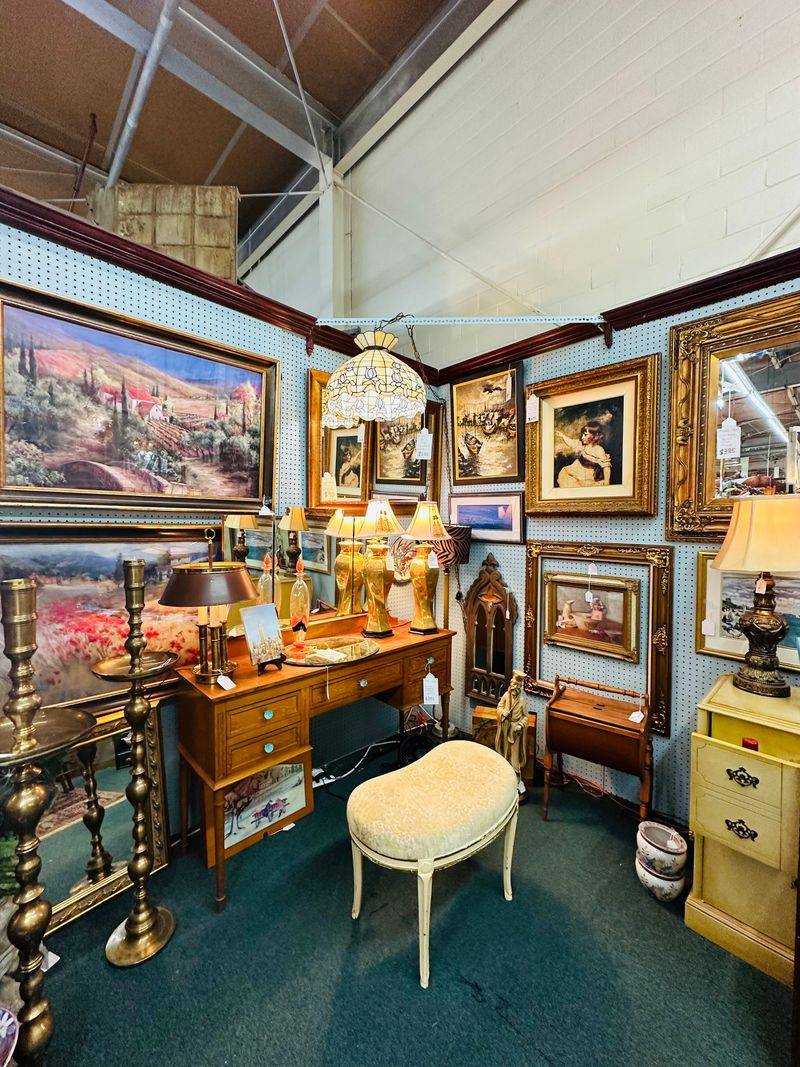
The building itself gives little hint of the labyrinth waiting inside. What appears modest from the street unfolds into aisle after aisle of curated chaos, where dealers have transformed their booths into miniature worlds.
Locals guard this spot carefully, preferring to keep crowds manageable and competition for rare finds minimal. The staff knows regulars by name and can direct newcomers toward specific categories with impressive accuracy.
Unlike tourist traps that inflate prices and reduce selection, this warehouse maintains authenticity. Serious collectors travel from across Texas specifically for the inventory depth and reasonable pricing that booth rent economics somehow still allow.
A Multi-Vendor Wonderland Under One Roof
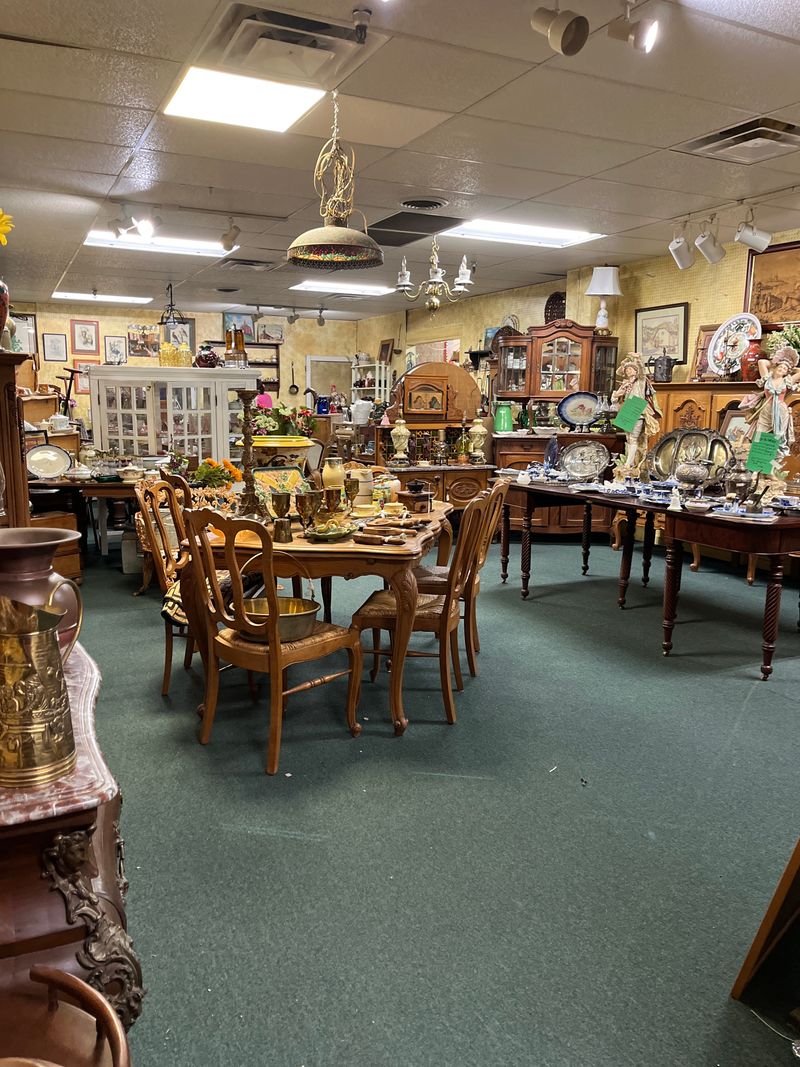
Over 200 individual dealers operate within these walls, each managing their own booth with distinct personality and focus. Some vendors specialize in mid-century modern furniture while neighbors might stock Depression-era glassware or military memorabilia.
Walking through feels less like shopping and more like visiting dozens of small antique shops without ever stepping outside. Booth layouts range from meticulous displays that resemble museum exhibits to delightfully cluttered spaces where discovery requires patience and a willingness to dig.
Prices vary by vendor since each dealer sets their own rates and discounts. This creates opportunities for negotiation and means that persistence often gets rewarded with better deals than the initial ticket price suggests.
The variety ensures that even visitors with narrow collecting interests usually find something relevant. Whether you hunt for vinyl records, vintage cookware, or antique jewelry, multiple booths typically carry options worth examining closely before making decisions.
Vintage Furniture To Retro Collectibles
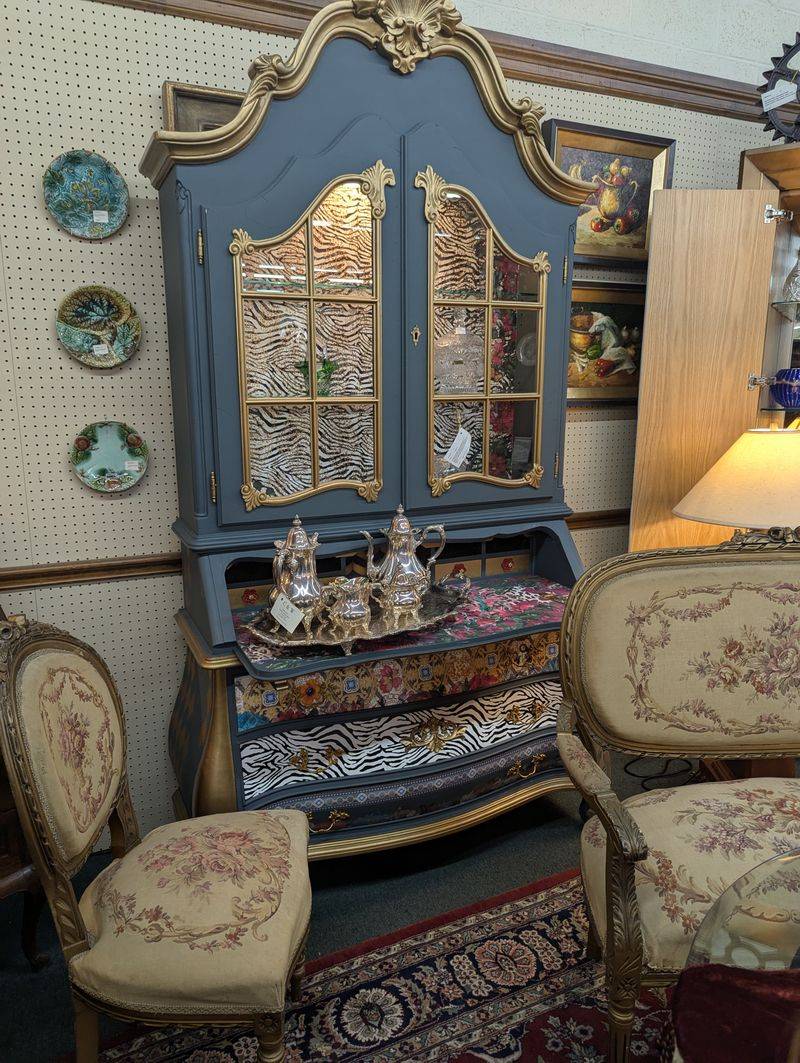
Furniture hunters find everything from Edwardian elegance to 1970s conversation pits scattered throughout the mall. Solid wood pieces that would cost thousands at restoration shops sit alongside affordable retro finds needing only minor repairs or fresh upholstery.
Collectibles span generations and interests with remarkable breadth. One booth might feature vintage cameras and photography equipment while the next offers comic books, action figures, or complete sets of discontinued china patterns that people spend years trying to complete.
The inventory constantly rotates as dealers refresh their stock and collectors sell entire estates through consignment. Regular visitors develop strategies for checking favorite sections first, knowing that desirable items disappear quickly once word spreads among the community of serious buyers.
Even browsers with no intention of purchasing find entertainment value in examining objects that trigger memories or reveal how dramatically tastes and technology have evolved over decades.
How Montgomery Street Antique Mall Became A Collector’s Destination
Fort Worth’s location between Dallas and smaller East Texas towns positioned Montgomery Street perfectly for becoming a regional hub. Dealers from surrounding areas recognized the advantage of concentrating inventory in one accessible location rather than maintaining separate storefronts.
The warehouse format allowed for expansion that traditional antique shops could never accommodate. As vendor count grew, so did the mall’s reputation among serious collectors who appreciated the efficiency of browsing hundreds of dealers during a single visit.
Word spread through collector networks and antique dealer associations about the quality and variety available. Estate sale companies began directing executors here for consignment, which further improved inventory quality and attracted buyers seeking authentic pieces rather than reproduction furniture.
Proximity to Dickies Arena and the cultural district brings tourists, but the core clientele remains collectors, dealers, and decorators who return regularly because they know the inventory depth justifies the time investment required for thorough exploration.
The Best Corners For Rare And Unusual Finds
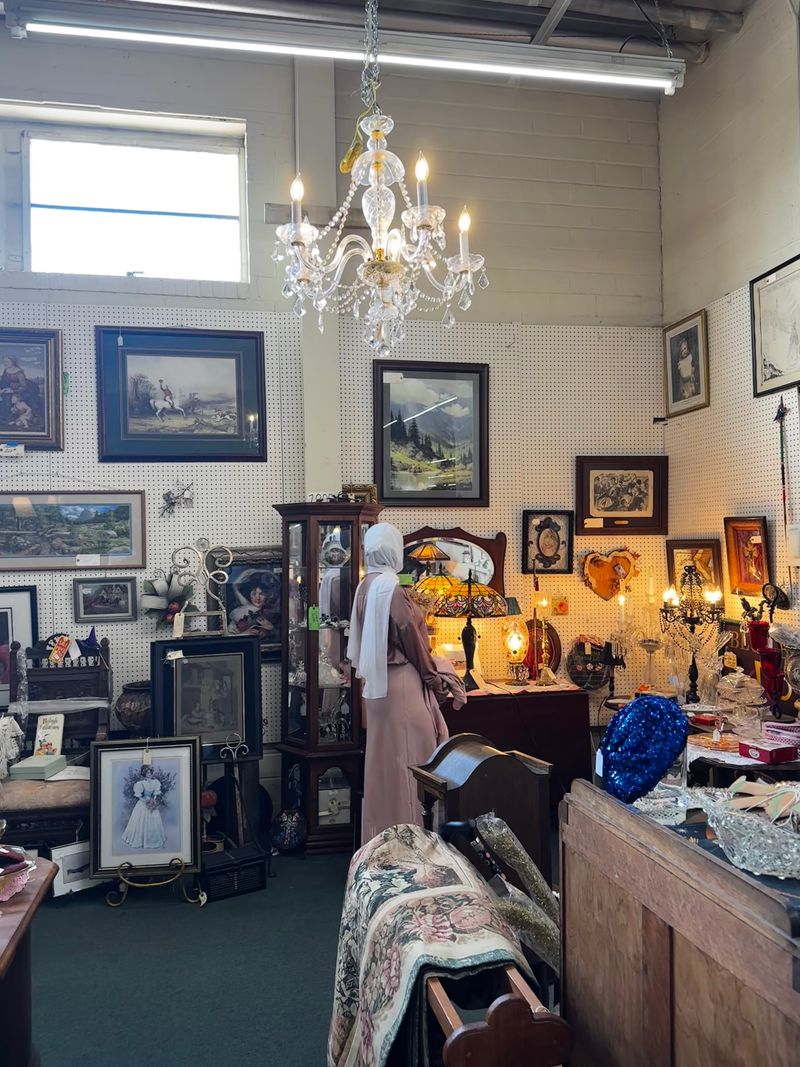
Experienced visitors know that the most interesting objects often hide in back corners and less trafficked aisles. Casual shoppers stick to main walkways, which means patient explorers who venture deeper frequently discover underpriced treasures that others simply never reached.
Certain vendors cultivate reputations for stocking genuinely rare items rather than common antiques. These booths require extra time because pricing reflects actual market value, but the selection rewards knowledge with pieces that seldom appear elsewhere.
The building’s maze-like layout works to the advantage of persistent hunters. Getting temporarily lost leads to sections you might otherwise skip, and those detours often produce the most memorable finds of any visit.
Staff members can point serious collectors toward specific vendors known for categories like vintage medical equipment, antique tools, or obscure advertising memorabilia. Building these relationships with both staff and individual dealers improves your odds of learning when significant collections arrive.
Why You Should Spend The Whole Day Here
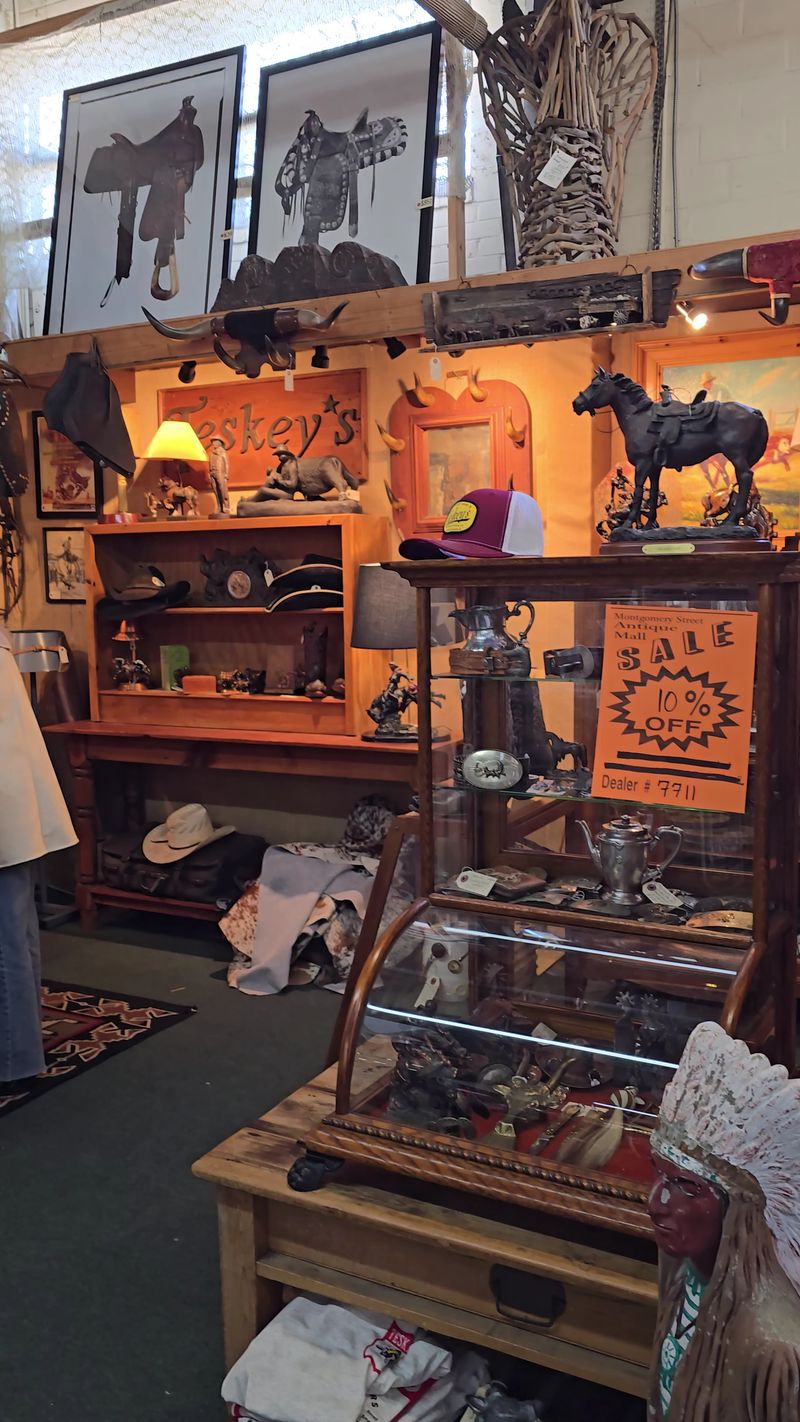
Attempting to see everything in an hour guarantees you will miss significant portions of the inventory. The building’s size demands realistic time expectations, and reviews consistently mention visitors who spent two hours yet covered less than half the available space.
Physical fatigue becomes a factor before you run out of items to examine. Smart visitors take breaks at the Secret Garden tea room, which provides excellent soup, quiche, and custom tea blends that alone justify the visit.
Rushing through defeats the purpose because antique hunting requires attention to detail. Quickly scanning shelves means overlooking small valuable items tucked behind larger objects or missing condition issues that affect whether something represents a bargain or an expensive mistake.
The mall opens at 10 AM and closes at 6 PM Tuesday through Sunday, providing an eight-hour window. Serious collectors often arrive at opening and stay until closing, taking meal breaks but otherwise maintaining focus on thorough exploration.
Local Characters And Stories That Bring The Mall To Life
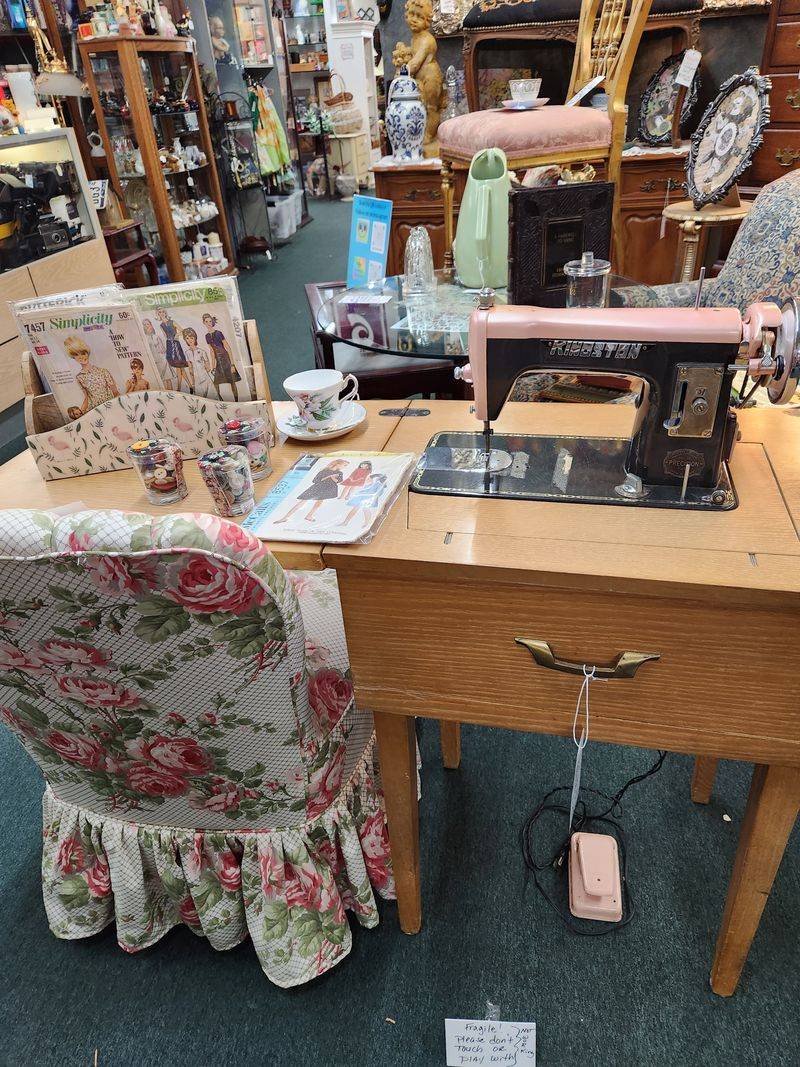
Regular vendors become fixtures who add personality beyond the merchandise they stock. Some dealers have operated booths for years and possess encyclopedic knowledge about specific collecting categories, freely sharing information with interested visitors.
Staff members demonstrate genuine helpfulness rather than hovering sales tactics. They understand the building layout intimately and can locate specific item types or direct you to vendors most likely to carry what you need.
Conversations with other shoppers often yield unexpected information about items, values, or upcoming estate sales. The collector community treats Montgomery Street as neutral ground where sharing knowledge benefits everyone by raising overall appreciation for antiques and their histories.
Stories about remarkable finds circulate among regulars, creating a informal mythology around the mall. Someone always knows someone who discovered a valuable painting misidentified as a print or found silver marked as plate, and these tales keep hope alive during long browsing sessions.
Unexpected, Quirky And One-Of-A-Kind Discoveries
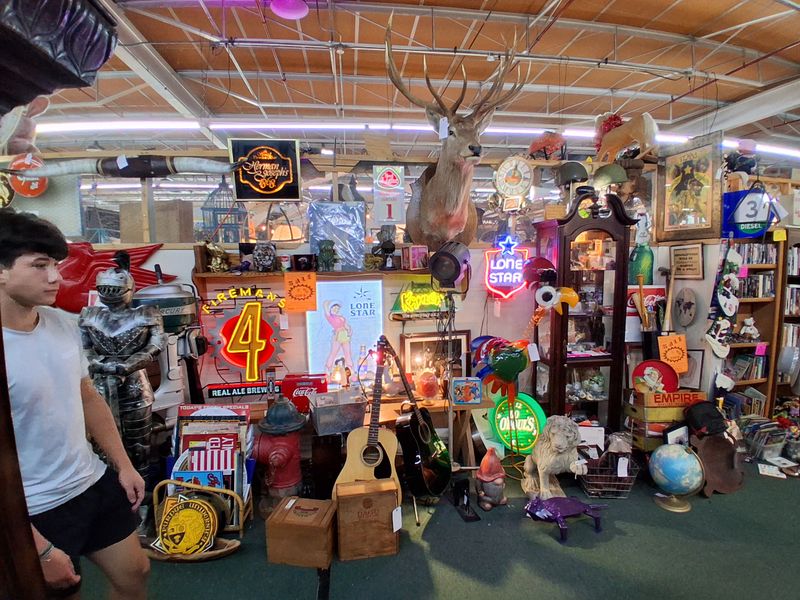
Montgomery Street stocks items that defy easy categorization and exist nowhere else. One review mentioned a stuffed raccoon positioned as a pole dancer, which perfectly captures the delightful strangeness that makes exploring here entertaining even when you buy nothing.
Jars of vintage snake oil, antique medical devices, and advertising items for products long discontinued fill certain booths. These objects fascinate because they document how dramatically daily life has changed and reveal the marketing creativity of earlier eras.
Taxidermy appears with surprising frequency, ranging from Victorian-era specimens under glass domes to mid-century hunting trophies that now seem more curious than impressive. Whether you collect such items or simply appreciate their oddity, the selection exceeds what most antique stores carry.
The unpredictability keeps visits interesting because you genuinely cannot anticipate what might appear. Inventory turnover means that booths look different on return visits, maintaining freshness that encourages repeat exploration throughout the year.
How To Navigate Montgomery Street Like A Pro
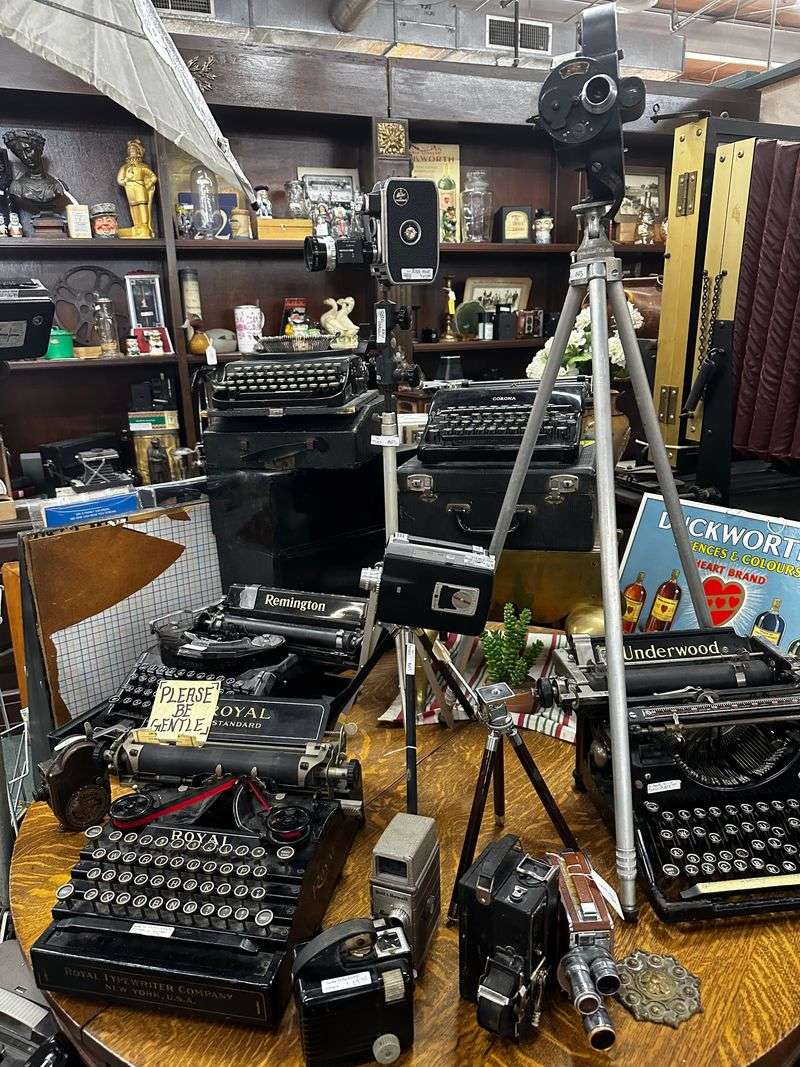
First-time visitors should accept that getting temporarily disoriented is normal and even desirable. The layout intentionally creates discovery through wandering rather than efficient grid patterns that would reduce exploration to mere shopping.
Photographing items you want to reconsider helps because relocating specific booths proves challenging without landmarks. Note booth numbers if you plan to return for something after comparing prices or considering whether you actually need another vintage camera.
Comfortable shoes matter more than you expect. Concrete floors and hours of standing make footwear choices significant, and several reviews specifically mention fatigue as a limiting factor in how much ground they covered.
Arriving early provides advantages since popular items sell quickly and weekend crowds increase as the day progresses. Weekday visits offer more space for maneuvering furniture and better opportunities for conversations with vendors who have more available time.
Bring measurements if you shop for furniture, and remember the mall maintains a no-refund policy that makes careful evaluation essential before purchasing.
Why Antique Hunting Feels Like A Treasure Hunt
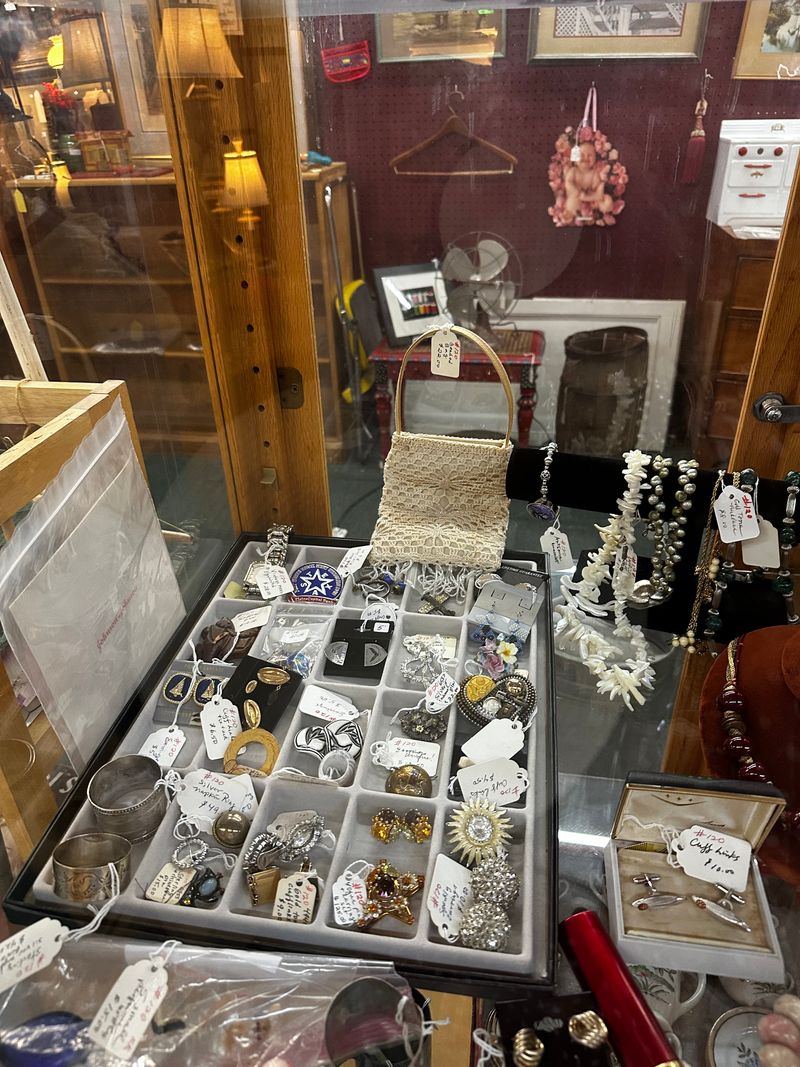
The thrill comes from not knowing what you might encounter around the next corner or buried behind less interesting objects. Unlike modern retail where inventory is predictable and standardized, antique malls offer genuine surprise with every visit.
Pricing inconsistencies create opportunities for knowledgeable buyers to recognize undervalued items that casual sellers failed to research properly. Finding a piece of quality jewelry marked at a fraction of its actual worth delivers satisfaction that normal shopping never provides.
Knowledge becomes valuable currency in these environments. Understanding maker marks, production periods, and condition issues transforms browsing into an active skill-based activity rather than passive consumption.
The physical act of searching through crowded booths and examining objects closely engages you differently than scrolling through online listings. Tactile evaluation reveals condition details that photographs miss, and serendipity plays a larger role when you must physically encounter items rather than algorithmically filtered results.
Seasonal Events And Sales Worth Returning For
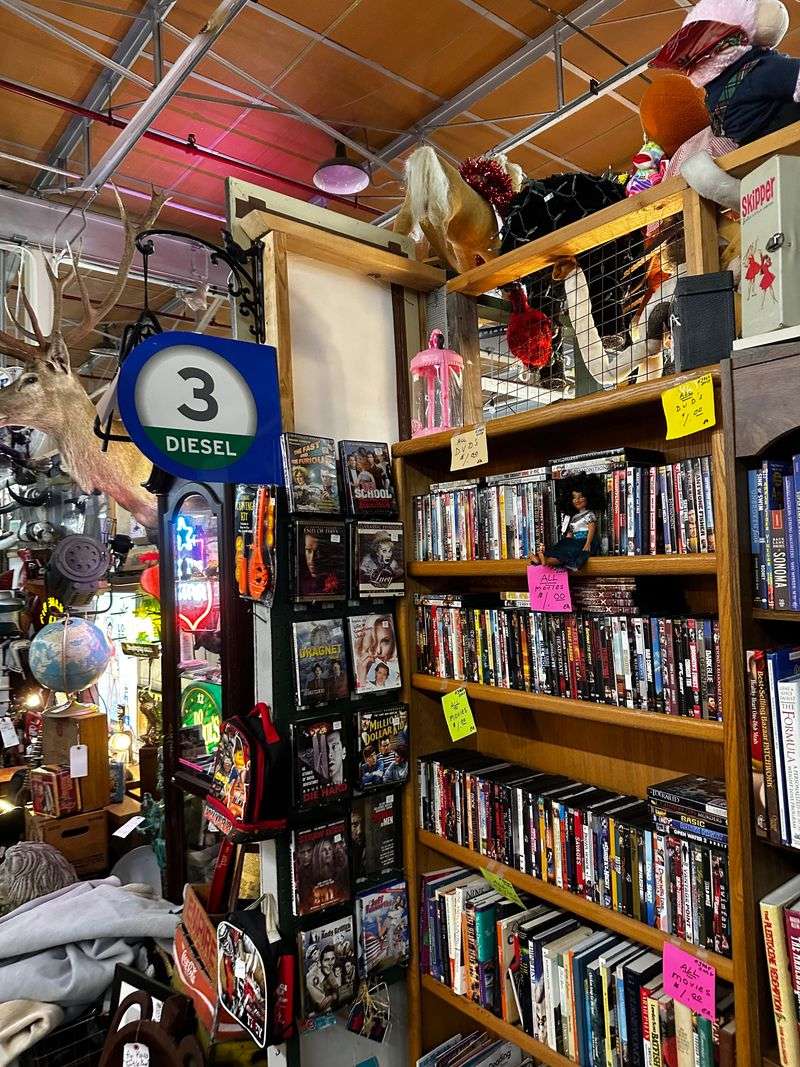
Individual vendors run sales according to their own schedules, which means discounts happen throughout the year rather than during coordinated events. Observant shoppers notice patterns in when specific dealers mark down inventory to make room for new acquisitions.
Holiday periods bring decorative items into focus as vendors stock seasonal merchandise. Christmas, Halloween, and vintage Valentine’s Day collectibles appear in greater quantities during relevant months, attracting decorators and holiday enthusiasts looking for authentic period pieces.
Estate sale season loosely follows predictable patterns, with spring and fall typically bringing larger consignments as families clear properties. These influxes refresh inventory significantly and provide the best opportunities for finding complete sets or matched collections.
The Secret Garden tea room rotates its menu seasonally, offering different soups and quiches that provide reason to visit beyond the antiques themselves. Regular customers time visits to coincide with favorite menu items reappearing after months of absence.
A Must-Stop For Road Trippers Through East Texas
Interstate 30 positioning makes Montgomery Street Antique Mall a logical break for travelers between Dallas and points east. The location offers more than typical highway stops while requiring minimal detour from main routes.
Road trippers appreciate the air conditioning, clean facilities, and opportunity to stretch legs while actually doing something interesting rather than mindlessly browsing gas station merchandise. Even a quick 30-minute walk through provides entertainment value and potential souvenirs with genuine character.
Families find the mall surprisingly engaging for various ages. Children enjoy the oddities and vintage toys while adults pursue serious collecting interests, making it a rare destination that satisfies multiple generations simultaneously.
The building’s uncertain future adds urgency to visiting now. Rezoning pressures related to nearby Dickies Arena development threaten the mall’s long-term viability, and several reviews mention concern that this Fort Worth landmark might not survive real estate economics much longer.
Experiencing it while possible seems increasingly important.