
The Giant Nevada Reservoir That Drowned A Historic Town And Miles Of Wild River
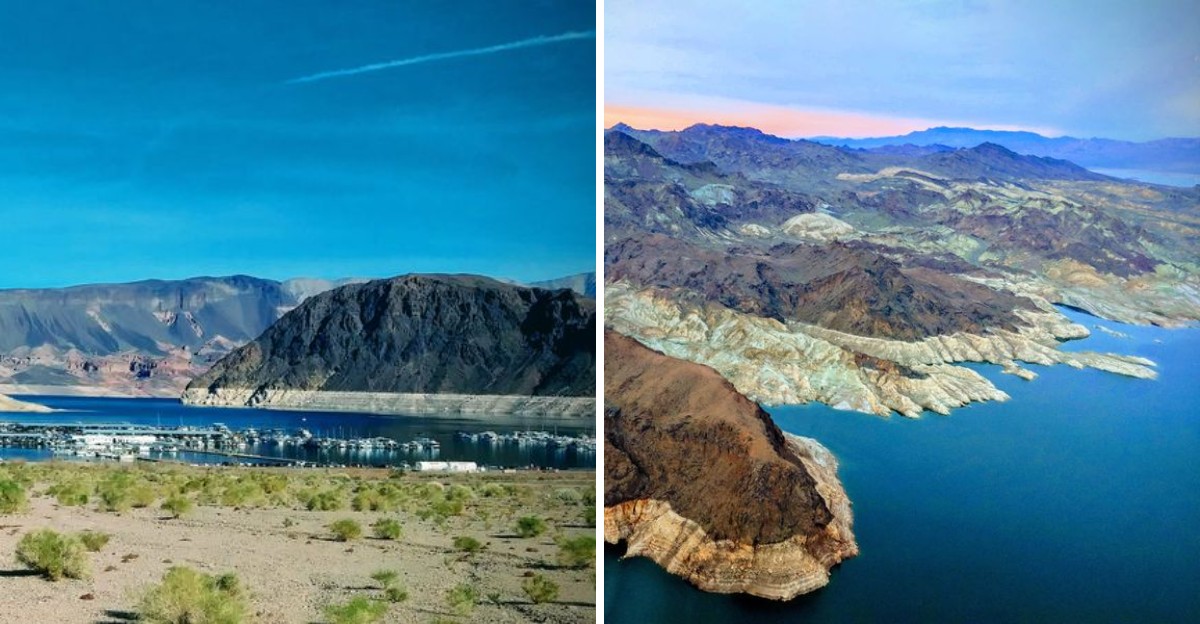
A whole Nevada town once sat under this lake, and parts of it are visible again. The farm town had about 500 residents, a school, a post office, and an ice cream parlor.
Can you picture a quiet Saturday on those dusty streets?
The last resident rowed away from his home in 1938. Then the water took over the streets and fields.
Drought has pulled the shoreline back since the early 2000s. Old adobe walls and foundations now stand in the open air.
Who would expect a ghost town at the bottom of a reservoir? Few places in Nevada tell a story like this one.
I love how a modern vacation spot doubles as a history lesson. Can you guess which place has a ghost town you can hike to?
A Park Bigger Than Most Road Trips
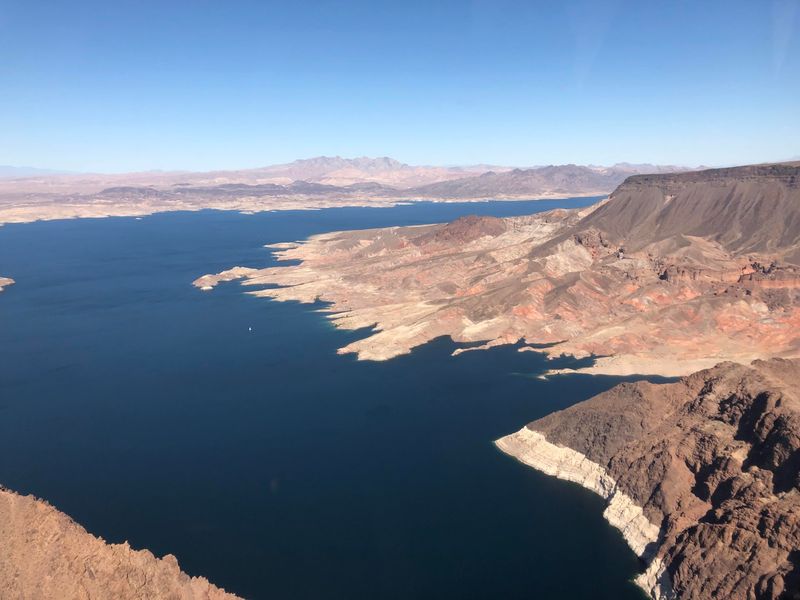
Lake Mead National Recreation Area covers 1.5 million acres, and that is a lot of ground. It was the first national recreation area in America and remains the largest.
The park sits in both Nevada and Arizona, about 24 miles east of Las Vegas.
Hoover Dam created the lake. Congress authorized the dam in 1928 through the Boulder Canyon Project Act.
Builders worked on it from 1931 to 1936, and the lake began filling in 1935.
The dam was meant to control floods, store water, and make hydroelectric power. The Colorado River was once a wild, unpredictable stream through this desert.
Now it feeds a massive reservoir that serves as the park’s centerpiece.
Here is a fun surprise for planners. The park is open around the clock, every day of the year.
You can arrive early, stay late, and still be welcome.
Three desert ecosystems meet here too. The Mojave, Great Basin, and Sonoran regions all overlap inside the park boundaries.
That mix gives the scenery plenty of variety, from dry rock canyons to bright blue coves, and it keeps every turn in the road interesting.
Meet The Town Called St. Thomas
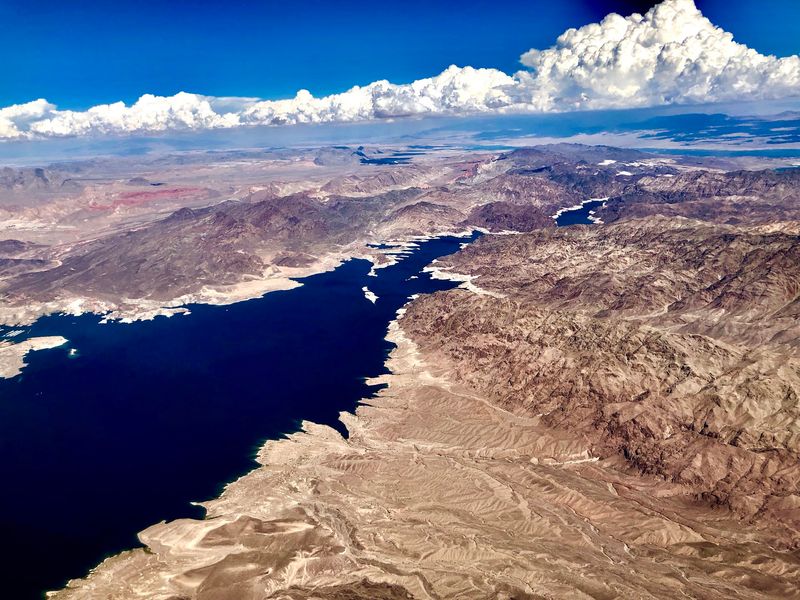
Mormon pioneers founded St. Thomas in 1865. Thomas Smith led the group.
The settlement grew into a farming community near the spot where the Muddy and Virgin Rivers flow toward the Colorado.
It also served as a useful stop on the Arrowhead Trail. That route connected Los Angeles and Salt Lake City.
At its peak, the town held about 500 people, with farms, homes, businesses, a school, and a post office.
Yes, there was even an ice cream parlor. That detail makes the story feel close to home.
These were ordinary people with ordinary Saturdays.
Then the dam changed everything. Rising water from Lake Mead covered the valley, and the town was a long way from safe.
Residents sold their land to the federal government and moved on. Many carried off usable building materials.
They left behind foundations and steps that waited decades for another look.
St. Thomas is a reminder that big projects have big costs. A water supply for millions meant a Nevada community had to say goodbye.
The Last Man To Row Out Of Town
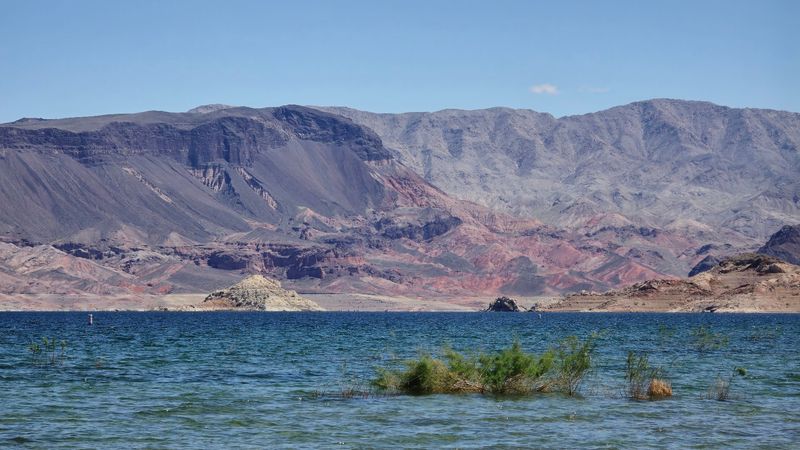
June 11, 1938, was a big day in St. Thomas. Hugh Lord, the last resident, rowed away from his home as the water came in.
It is one of the most famous moments in the town’s story.
Think about how strange that scene must have been. A man leaves by boat from the place where he once walked.
The street had become a shoreline.
By then the town was fully going under. At the lake’s high-water mark, St. Thomas sat about 60 feet below the surface.
Other places went under too, including the Colorado River landings of Callville and Rioville, plus Bonelli’s Ferry.
The town’s cemetery was moved before the water rose. Those graves went to Overton, Nevada.
That choice gave the community a respectful ending.
Lord’s exit gives the story a human face. Numbers like acres and feet are impressive, but a single rowboat says more.
It turns a huge engineering project into one very personal goodbye.
Ruins That Came Back Up For Air
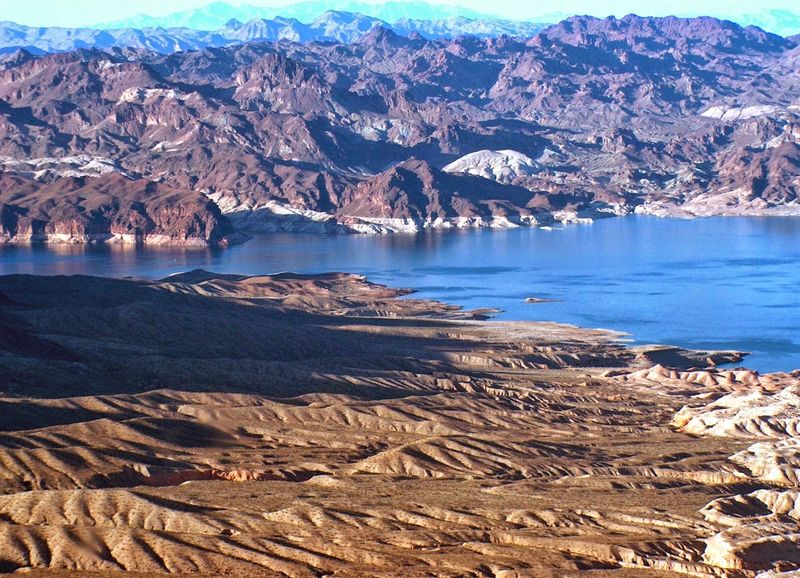
Drought rewrote the ending. As Lake Mead dropped, the ruins of St. Thomas began to reappear in the early 2000s.
They have stayed largely exposed since 2002.
Today you can hike to the site. Visible features include adobe walls, building foundations, and cisterns.
The National Park Service manages the area and places informational signs along the trail.
The rules are simple and fair. Visitors should not climb on structures or disturb artifacts.
Looking is welcome, but souvenirs are off the table.
The lake’s low level tells its own story. In fall 2026, Lake Mead dropped to a record low of 1,037.62 feet.
That sits 191.38 feet below the full pool level of 1,229 feet.
A once-submerged town makes a strong argument for paying attention to water. It also makes a great walk.
Bring a camera, bring patience, and give those old walls some quiet respect.
Start At The Visitor Center On Lakeshore Road
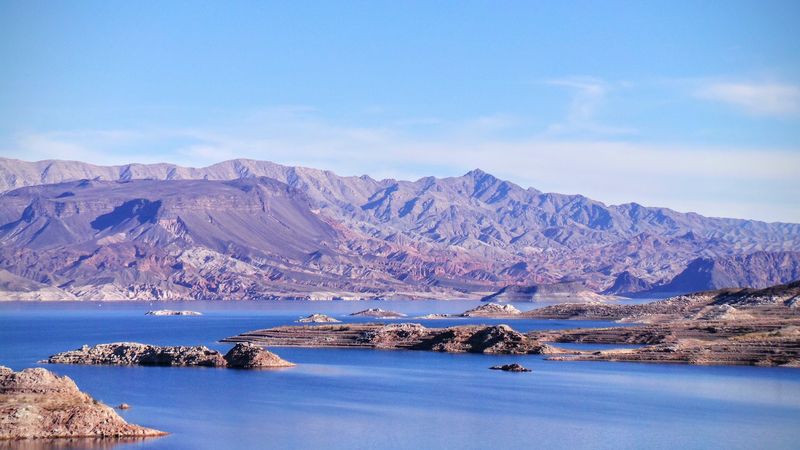
Planning helps in a park this big. The Lake Mead Visitor Center sits at 10 Lakeshore Road, Boulder City, NV 89005.
It is open daily from 9 a.m. to 4:30 p.m.
The center closes on Thanksgiving Day, Christmas Day, and New Year’s Day. Rangers can share current conditions, alerts, and closures.
That matters, because cell service can be unreliable out here.
The building also offers a great view of the lake. Many visitors stop to learn about the water and the wildlife.
Families can ask about the junior ranger program too.
Passport fans, take note. The center has national park stamps for your collection.
Staff may have extras if you ask politely.
Restrooms are outside the building, so plan your walk. The administrative headquarters is a different place, at 601 Nevada Way in Boulder City.
For public questions, the visitor center is the spot you want.
Boats, Kayaks, And Water That Surprises You
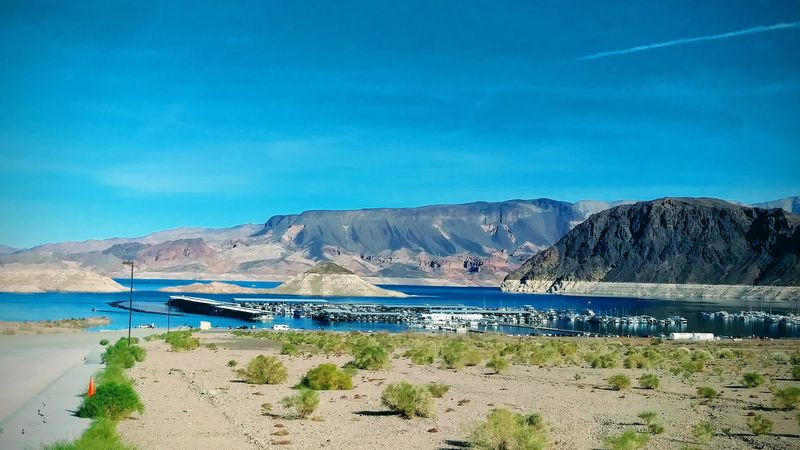
Water is the main event here. The park offers boating, swimming, sunbathing, fishing, and more.
Kayak tours are popular on the river stretches below the dam.
One kayaker described the lake as surprisingly cold despite the hot weather. That is a handy tip for anyone packing for a summer visit.
The desert heat and the cool water make a refreshing pair.
Fishing draws plenty of attention too. Striped bass are a common catch near marina docks.
Anglers will find plenty of coves to explore.
Wear sandals or water shoes at the beaches. The shoreline is rocky and can be rough on bare feet.
A good pair of beach shoes saves the day.
Jet skiing, picnics, and shoreline strolls round out the options. There is room for a lively day or a quiet one.
Pick your pace and let the water set the mood.
Hit The Trails Before The Heat Does
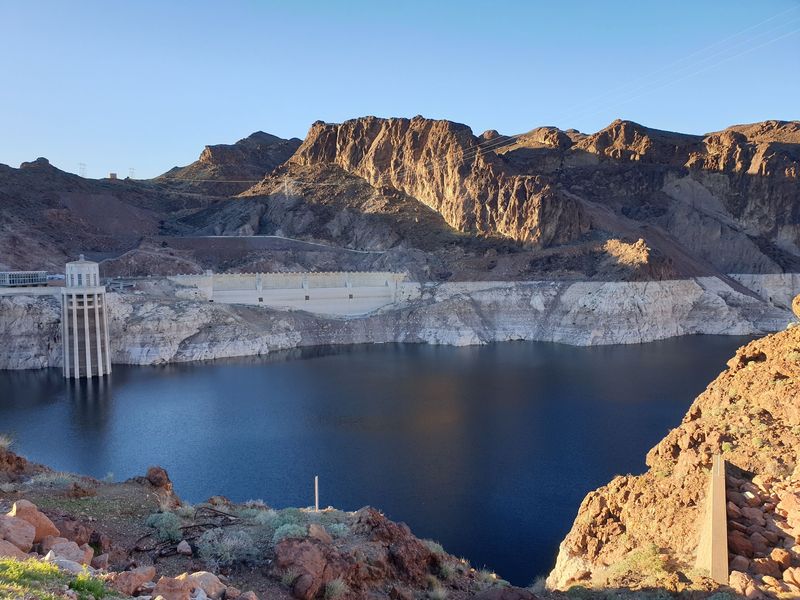
Early mornings are your friend here. From late spring through fall, afternoon temperatures can climb into triple digits.
Shade is scarce, so start before the sun gets strong.
Water is the other essential. Pack more than you think you need.
A long hike in dry air drains a bottle fast.
The park offers many trails, from short walks to tougher routes. The Historic Railroad Hiking Trail is a favorite pick.
Another visitor praised the White Owl Trail.
Goldstrike Canyon is shorter but challenging. It leads to natural hot springs near Hoover Dam.
Check conditions with the rangers before you go.
Wildlife adds to the fun. Drivers in the park have reported wild horses, burros, and bighorn sheep.
Keep your distance, and keep your camera ready.
Scenic Drives With Plenty Of Pull-Offs
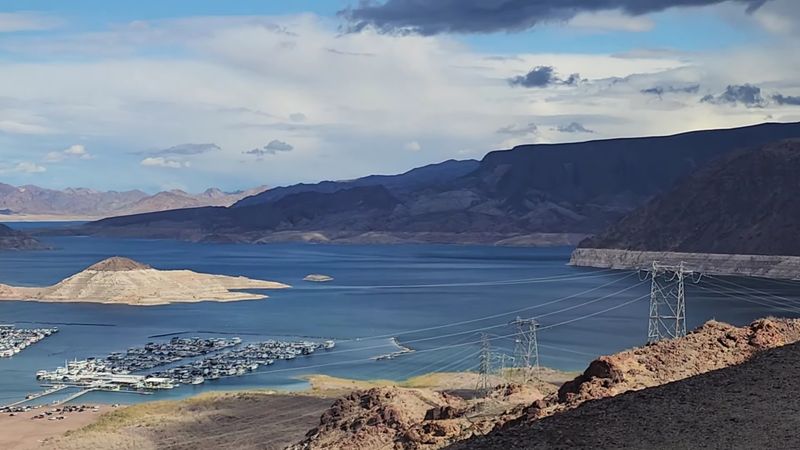
You do not need to leave your car to enjoy the park. The scenic drives pass overlooks, rock formations, and wide lake views.
Many stops are easy to reach and great for photos.
The speed limit in the park is 50 miles per hour. The roads are well maintained, but they curve through hills and ravines.
Cyclists, animals, and slow sightseers can appear without warning.
Take your time and enjoy the views. The Lakeview Overlook is a popular stop.
Sunrise and sunset bring dramatic color to the cliffs.
The route can also be a break from I-15. Some drivers pair it with Valley of Fire for varied terrain.
The loop between Henderson and Las Vegas gets more interesting that way.
Veterans can get a lifetime pass for national parks. That is worth checking before you visit.
Little savings add up on a road trip.
Camp, Picnic, And Stay For The Sunset
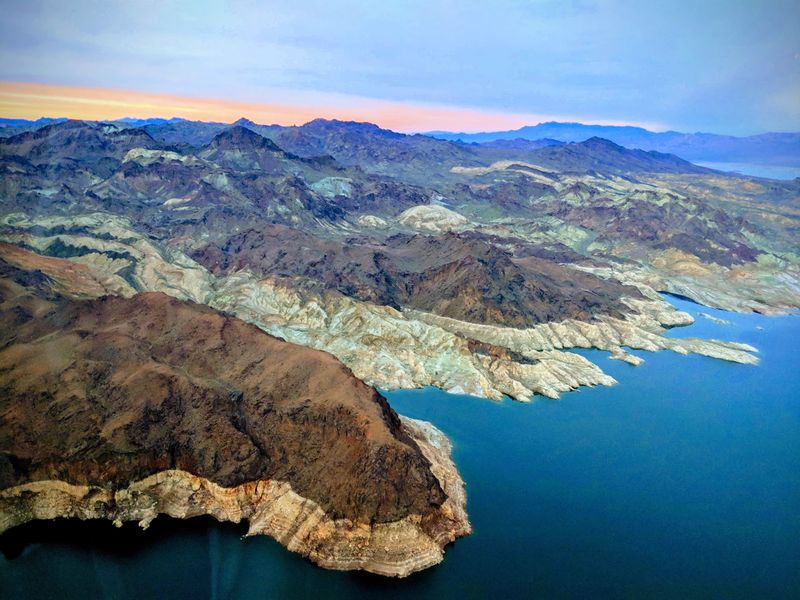
Overnight options make the park even better. Campgrounds offer restrooms, running water, grills, and picnic tables, and full RV hook-ups are available at the park’s concessioner-run RV villages.
Picnic areas are scattered around the lake. Some offer shade, which is a gift in the desert.
A cooler and a good spot make lunch feel like a vacation.
Sunsets here can paint the sky in orange, pink, and gold. Boats drift across the water as the light fades.
It is a relaxed way to end a busy day.
Hoover Dam is close by, so pair it with your trip. Boulder City is a friendly stop on the way.
Grab supplies there before heading into the park.
Before you leave home, check the National Park Service website for updates. Conditions and closures can change.
A quick look keeps your plans smooth, and keeps your Nevada adventure fun.