
The Gorgeous Historic Town That Every Tennessean Should Visit At Least Once
A beautiful old town does not need loud attractions to hold your attention. Tennessee has places where history still feels close, but this one feels especially easy to love.
Brick storefronts, river stories, old roads, and quiet corners give it a charm that sneaks up on you.
Long before modern traffic and busy weekends, this area played a major role in Native American history, early settlement, and Civil War movement.
That gives every visit a little more weight. You are not just walking around a pretty town. You are stepping into layers of stories that shaped East Tennessee in ways many people forget.
The pace feels calm, the scenery feels honest, and the whole trip rewards anyone willing to slow down.
For a day that blends history, small-town character, and a scenic drive, this Tennessee town deserves a spot on your list.
The Hiwassee River Heritage Center
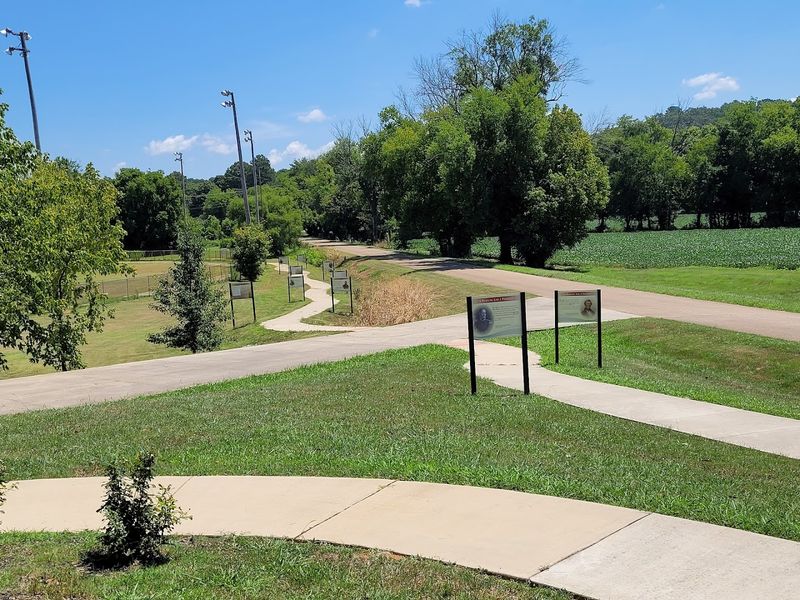
History has a way of demanding attention when it is presented honestly, and the Hiwassee River Heritage Center does exactly that. This center covers thousands of years of regional history with clarity and depth.
Visitors walk through exhibits about pre-Cherokee peoples, the Cherokee Nation’s thriving settlements, and the establishment of the federal Indian Agency in 1821.
The center also addresses Fort Cass, the federal headquarters from which the forced removal of the Cherokee people was organized in 1838.
The Trail of Tears is documented here without softening, which makes the experience both sobering and genuinely educational.
The “Voices from the Past” National Historic Trail experience adds an immersive layer that many visitors find particularly memorable.
For anyone curious about Tennessee’s complicated past, this center provides context that textbooks rarely offer in such personal detail.
School groups, history enthusiasts, and casual visitors alike come away with a clearer understanding of how this region shaped national events.
Plan to spend at least two hours here. The exhibits reward slow, careful attention rather than a quick walk-through.
Fort Cass And The Trail Of Tears
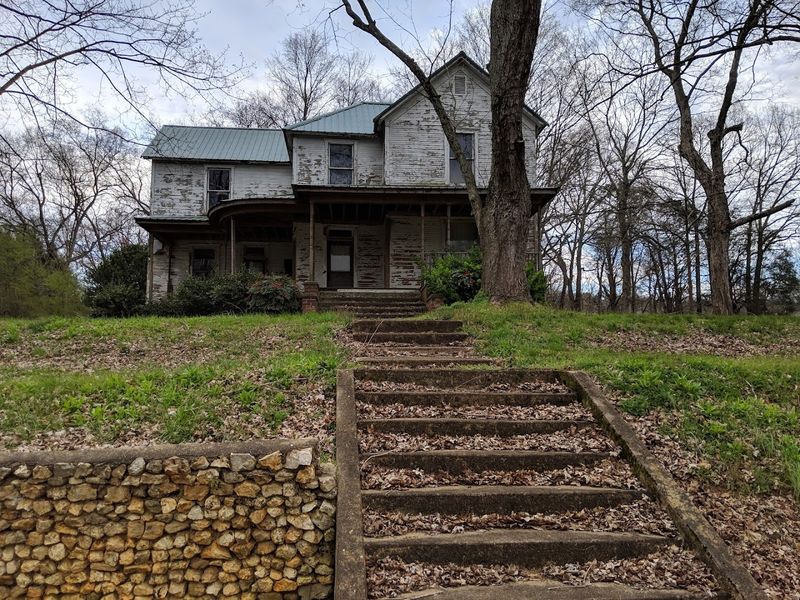
Few events in American history carry as much weight as the forced removal of the Cherokee people, and Charleston stands at the center of that story.
Fort Cass was established here as the federal government’s operational headquarters for what became known as the Trail of Tears in 1838.
Thousands of Cherokee men, women, and children were held in internment camps on this land before being forced to march westward.
The scale of suffering that occurred on this ground is difficult to fully comprehend, but standing near the site makes history feel immediate in a way that reading about it never quite does.
Charleston serves as an important stop along the Trail of Tears National Historic Trail, drawing visitors from across the country who come to pay their respects and learn more about this chapter of American history.
Markers and the nearby Heritage Center help visitors understand the geography and sequence of events. The Hiwassee River, which flows through town, was part of the route Cherokee families traveled.
Coming here with an open mind and a willingness to sit with difficult history is the most respectful and rewarding way to experience this significant place.
The Henegar House
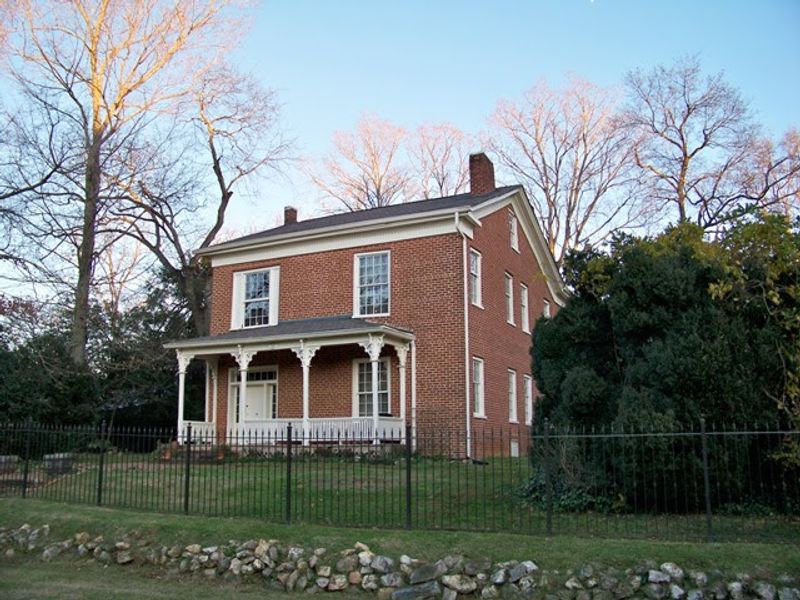
Built in 1849, the Henegar House is the oldest remaining brick structure in Bradley County and carries the kind of architectural dignity that only comes with age and careful preservation.
This Federal-style home was constructed just years before the Civil War and quickly became one of the most strategically significant private residences in the region.
Both Union and Confederate officers used it as a headquarters during the conflict.
Union General William T. Sherman is among the notable figures documented to have stayed within its walls.
That detail alone makes the Henegar House a remarkable stop for Civil War history enthusiasts. The building’s brick construction, unusual for the era in this part of Tennessee, speaks to the ambition and resources of its original owners.
The exterior still communicates the formal proportions of Federal-style architecture, with its symmetrical windows and restrained ornamentation.
Seeing it in person connects visitors to a period when Charleston was a town of genuine regional importance.
The Henegar House is located in Charleston and while access may vary, its exterior is worth observing on any visit to the area. It represents the intersection of domestic life and wartime history in a quietly powerful way.
The Hiwassee Wildlife Refuge

Every autumn and winter, the Hiwassee Wildlife Refuge becomes one of the most spectacular natural spectacles in the entire state of Tennessee.
Thousands of sandhill cranes descend on the refuge during their annual migration, filling the sky with movement and sound in a way that stops visitors completely in their tracks.
The refuge also hosts migratory waterfowl, deer, coyotes, and nesting bald eagles throughout the year.
Hiking trails wind through the property, offering access to viewing areas along the Hiwassee River.
Guided tours are available during peak migration periods, which typically run from late November through February.
Bringing binoculars is strongly recommended, as the birds often gather at a distance across open wetland fields.
The refuge sits near Charleston and draws birdwatchers and wildlife photographers from across the Southeast. Even outside migration season, the landscape itself is worth the visit.
The river views, the open fields, and the general quietness of the place provide a meaningful contrast to the historical weight of the town’s other attractions.
Families with children often find the wildlife refuge a natural complement to a day that might otherwise be spent entirely in museums and historic buildings.
The East Tennessee And Georgia Railroad Bridge
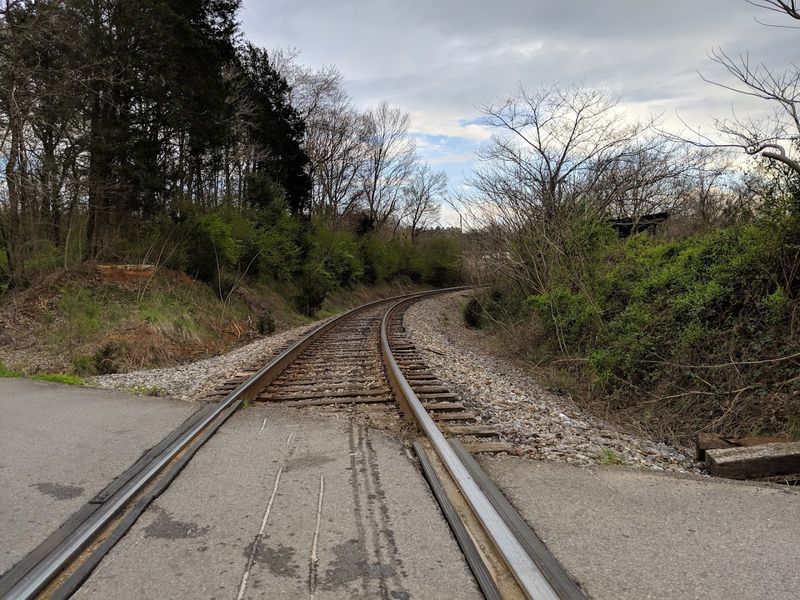
Infrastructure rarely gets the attention it deserves in travel writing, but the East Tennessee and Georgia Railroad bridge in Charleston is a genuine piece of American engineering and military history.
Originally built in 1842, this bridge over the Hiwassee River was one of the most strategically contested structures in the entire region during the Civil War.
Both armies understood its value as a supply and troop movement corridor.
The bridge was damaged and rebuilt multiple times during the war as each side fought to control access across the river.
That cycle of destruction and reconstruction reflects just how fiercely the Hiwassee River crossing was contested.
For a relatively small town, Charleston held an outsized role in Civil War logistics precisely because of this bridge.
Today, the bridge stands as a reminder of how civilian infrastructure becomes military infrastructure during wartime.
History enthusiasts who visit Charleston and stop at the Heritage Center will find that the bridge’s story connects naturally to everything else the town experienced during the 1860s.
Viewing the bridge from the riverbank provides a quiet but striking moment of reflection.
It is the kind of detail that makes Charleston feel like a place where real history unfolded, not just a footnote in a broader regional narrative.
Charleston Cumberland Presbyterian Church
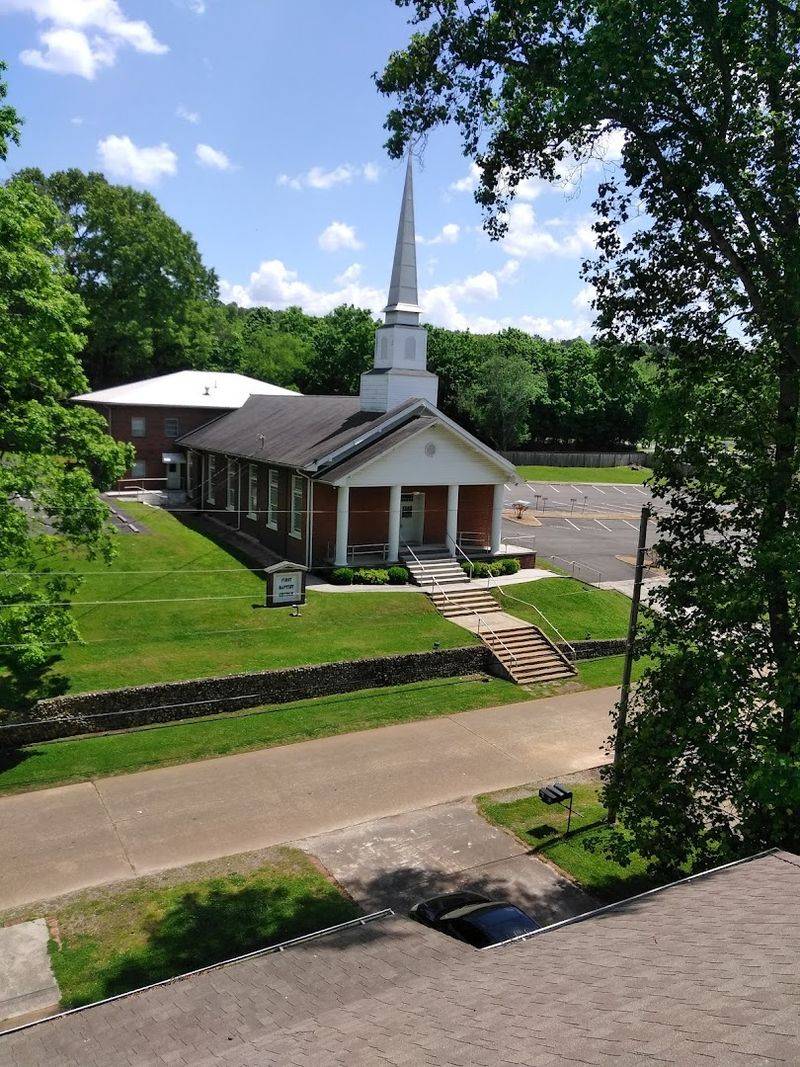
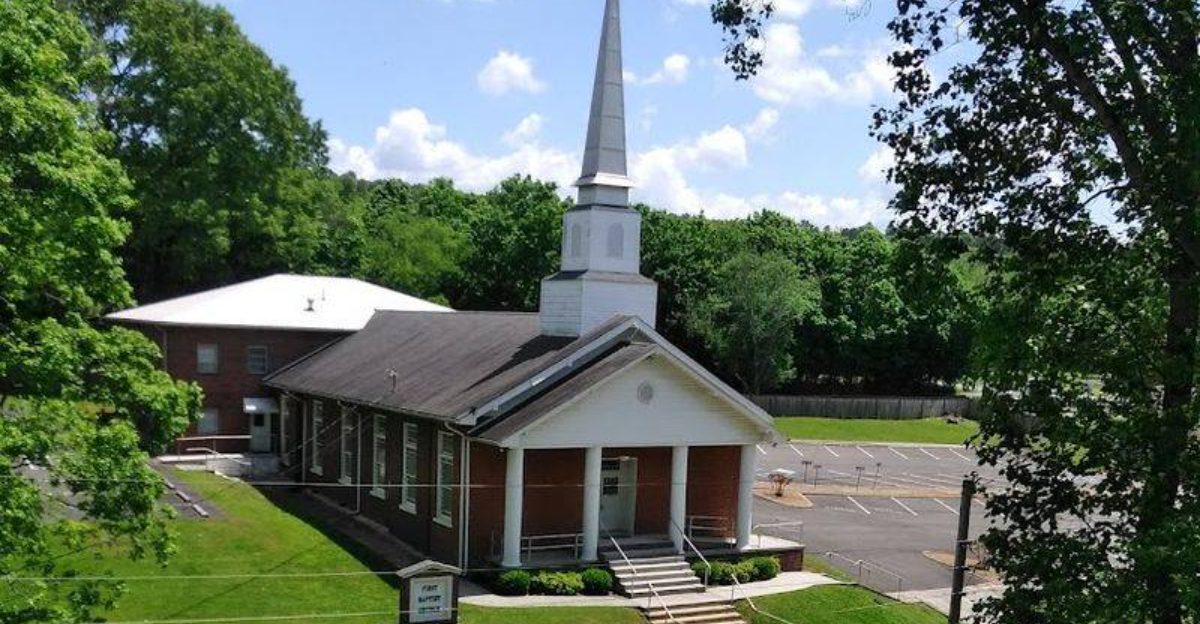
Religious institutions in small Southern towns often serve as the oldest continuously operating community spaces in their region, and the Charleston Cumberland Presbyterian Church is no exception.
This historic landmark has been part of the Charleston community for generations, and its presence adds another layer to the town’s already rich historical fabric.
Churches like this one were central gathering points during both the Cherokee removal era and the Civil War period.
The Cumberland Presbyterian denomination itself has deep roots in Tennessee, having been founded in the early 19th century as a frontier adaptation of traditional Presbyterian theology.
Visiting historic churches in the region provides insight into how faith communities shaped social life, education, and civic identity in small towns throughout the South.
The church’s architecture reflects the restrained but dignified aesthetic that characterized rural Tennessee religious buildings of the period.
Even for visitors who are not particularly interested in religious history, the building functions as an architectural document of the era.
It is the kind of landmark that benefits from a slow, observational visit rather than a rushed stop.
When combined with the Heritage Center and the Henegar House, the church rounds out a full picture of Charleston’s 19th-century community life in a way that feels cohesive and genuinely illuminating.
The Ocoee River Gorge Scenic Drive

Just a short distance from Charleston, the Ocoee River Gorge offers one of the most visually rewarding drives in all of East Tennessee.
The road follows the river through a narrow mountain gorge, with steep forested walls rising on both sides and the river rushing below.
During autumn, the foliage transforms the entire corridor into something that demands to be seen in person rather than described.
The Ocoee River is also internationally recognized as a whitewater rafting destination, having hosted the 1996 Olympic canoe and kayak slalom events. That athletic legacy adds an interesting dimension to what might otherwise be appreciated purely as scenery.
Visitors who want more than a scenic drive can arrange rafting trips through several outfitters operating along the gorge.
For families visiting Charleston, adding the Ocoee Gorge drive to the itinerary provides a natural and energetic complement to the town’s historical attractions.
The contrast between the quiet museum spaces in Charleston and the dramatic river landscape of the gorge makes for a well-rounded day trip.
Stopping at overlooks along the route gives travelers time to absorb the scale of the surrounding terrain, which feels genuinely impressive regardless of the season.
Hoyt Berry Municipal Park
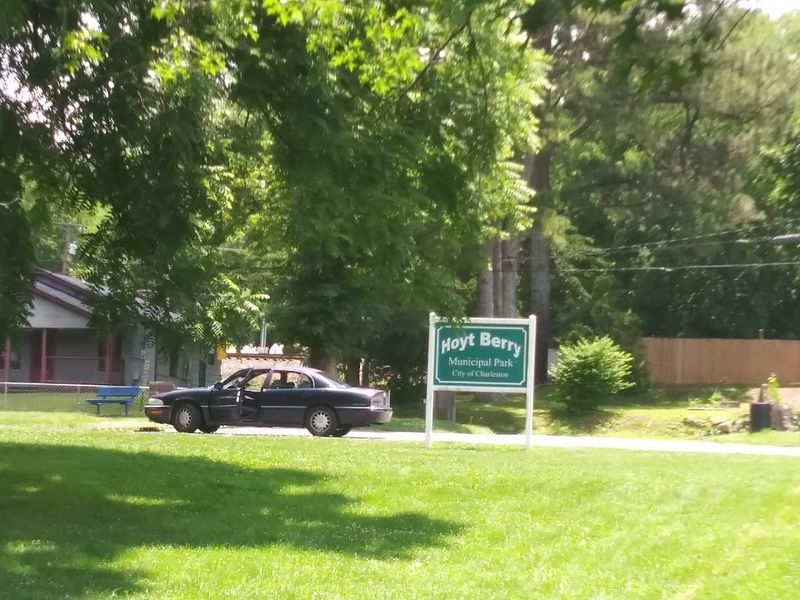
Hoyt Berry Municipal Park gives Charleston a friendly outdoor stop that feels easy to add to almost any visit.
The park covers a little over three acres, but it makes smart use of its space with playgrounds, picnic areas, walking trails, sports fields, a gazebo, and an outdoor stage.
That mix gives it a real community feel instead of just being a patch of grass with a few benches.
Families can let kids play, walkers can stretch their legs, and visitors can pause between historic stops without leaving town for a quiet break.
The park is named for Hoyt Berry, a former Charleston mayor who helped bring the space to life, so it also carries a local story. That matters in a town where history and community pride show up in small details.
On a pretty day, it is the kind of place where a picnic feels simple, a short walk feels refreshing, and a local event can turn the park into a gathering spot.
For travelers exploring Charleston, Hoyt Berry Municipal Park adds an easy dose of fresh air, small-town warmth, and everyday Tennessee charm.
It is not flashy, and that is part of why it fits Charleston so well.
Charleston’s Pioneering Civic History
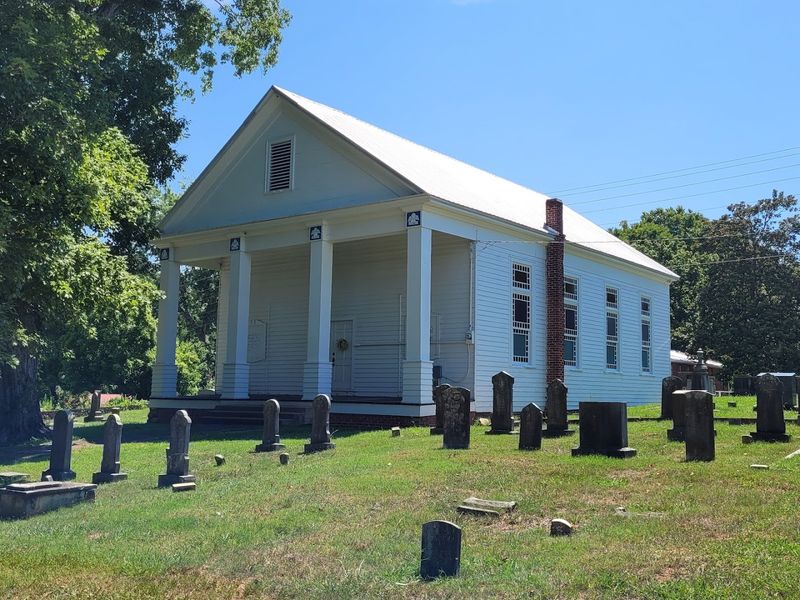
Charleston holds a distinction that most Tennesseans have never heard about, and it deserves far more recognition than it currently receives.
This small town was the first in Tennessee to elect a Black mayor and appoint a Black police chief, a milestone that places it in a category of genuine civic courage that predates many of the broader civil rights gains celebrated elsewhere in the state.
That achievement reflects a community willing to move beyond tradition when tradition no longer served everyone equally.
For a town with a population that hovered around 664 at the 2020 census, Charleston has consistently punched above its weight in historical significance.
From the Cherokee Agency to Fort Cass, from Civil War occupation to democratic innovation, the town’s record is one of repeated engagement with the defining events of American history.
Understanding this civic legacy adds a meaningful dimension to any visit. Walking through Charleston with this knowledge in mind shifts the experience from simple sightseeing to something more reflective.
The town’s story is one of survival, adaptation, and quiet progress over nearly two centuries.
Tennesseans who make the trip to Charleston often leave with a renewed appreciation for how much history can accumulate in a small place.