
The Hidden 2,000-Acre Alabama State Park You’ve Probably Never Heard Of
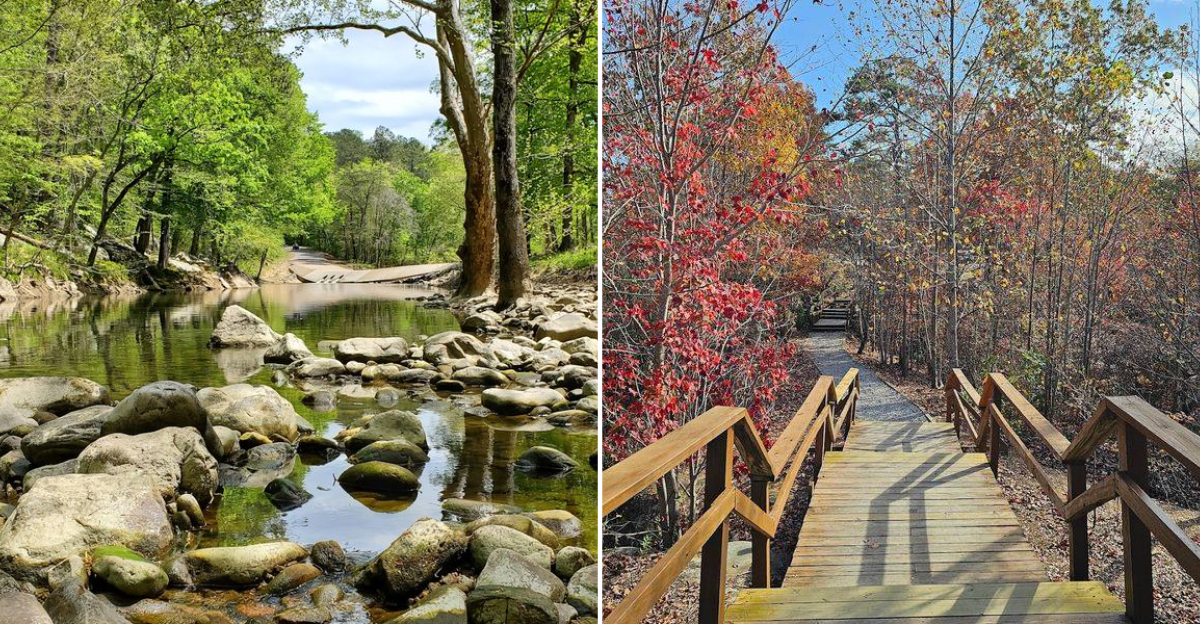
Everyone’s elbow-to-elbow at the famous parks, uploading the same photo, standing in the same lines. Meanwhile, a 2,000-acre slice of Alabama wilderness just sits there, completely unbothered.
No crowds. No influencers.
No one is fighting over the last parking spot. This place doesn’t have a viral hashtag or a gift shop.
It doesn’t need one. It has sandstone bluffs, dense forest, and the kind of silence that makes you realize how long it’s been since you actually heard nothing.
Most people drive right past it. Some have lived in Alabama their whole lives and never set foot inside.
And yet, for the handful who do find it, it tends to stick. The kind of place you think about on a Monday morning when your inbox is full and the walls feel close.
You’ve probably never heard of it. That’s the whole point.
Exploring The Local Ecosystem
This state park sits within a sandstone gorge in DeKalb County, northeast Alabama.
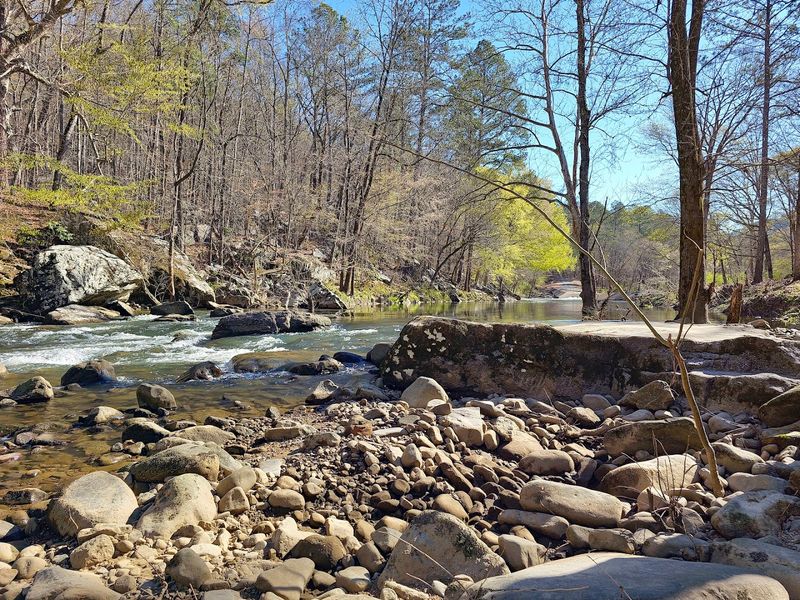
The park covers roughly 2,000 acres of rugged mixed hardwood forest, rocky bluffs, and creek-bottom habitat, making it one of the larger yet least-visited state parks in Alabama.
Point Rock Creek and its tributaries carve through the gorge floor, creating a network of riparian corridors that support a diverse range of wildlife.
The creek habitat draws wading birds, while the dense canopy provides cover for migratory songbirds during spring and fall passage.
The park borders the South Sauty Creek embayment of Guntersville Lake, which means the biodiversity does not stop at the park boundary. You are essentially stepping into a much larger wild corridor when you explore here.
Ridgelines, creek edges, and lake shorelines create layered habitats that support everything from aquatic insects to large raptors.
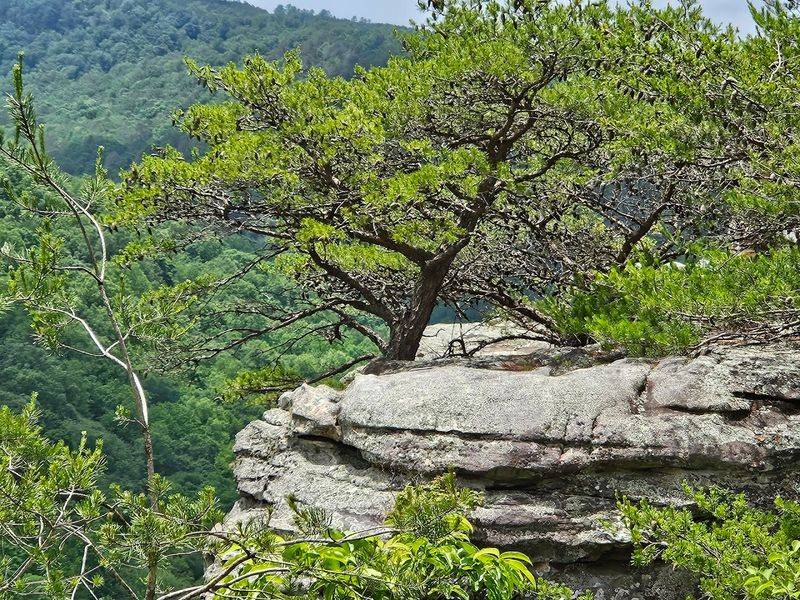
The geology adds another layer of interest. The park sits within the Cumberland Plateau, and the exposed sandstone formations create a dramatic landscape of bluffs, overhangs, and boulder fields.
You can find Buck’s Pocket State Park at 393 Co Rd 174, Grove Oak, AL 35975.
Outdoor Recreational Opportunities Available For Visitors
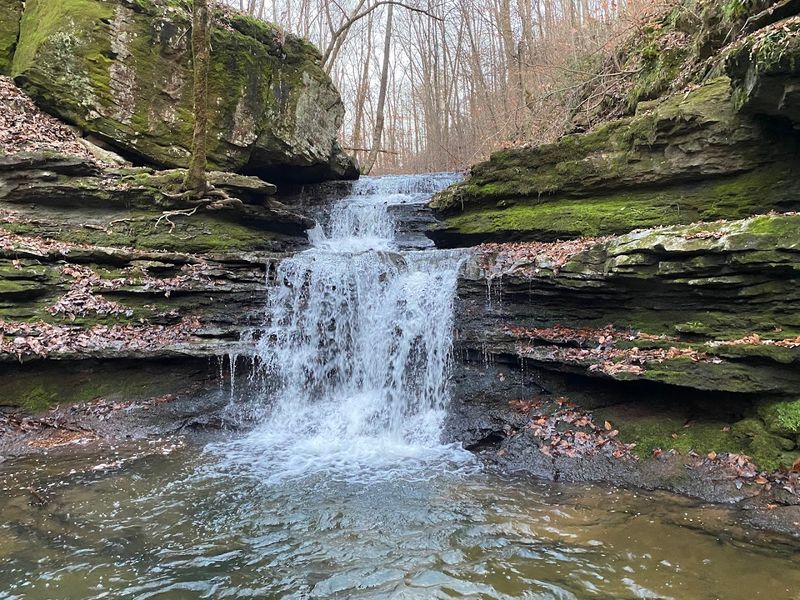
Buck’s Pocket State Park offers a solid range of activities for visitors who make the trip.
Hiking is the main draw, with trails that wind through the gorge and climb toward the Jim Lynn Overlook, where views across the Tennessee River valley stretch out below.
The campground sits at the base of the gorge and features both primitive tent sites and sites with electrical hookups. The recently renovated facilities make it a comfortable base for a multi-day stay.
Fishing is another popular option, with South Sauty Creek and the nearby Guntersville Lake providing access to largemouth bass, crappie, and catfish. The lake is one of the top fishing destinations in the entire Southeast, so proximity to it is a genuine bonus.
The steep, winding access road into the gorge is worth knowing about before you arrive, particularly if you are towing a camper.
Those who make it down will find a quiet, well-maintained park that rewards the effort with genuine solitude and some of the most dramatic scenery in Alabama.
Historical Significance And Cultural Heritage Insight
Long before it became a state park, this dramatic gorge held deep significance for the Cherokee Nation, who inhabited the surrounding region for centuries.
The area sits within the broader territory that the Cherokee called home before the forced removal known as the Trail of Tears in the late 1830s.
The name itself carries history. Local legend holds that the gorge served as a hiding place for deserters and outlaws during the Civil War, with the natural bowl shape of the terrain providing cover from those searching above.
Whether entirely accurate or partly folklore, the story reflects how strongly this landscape shaped the lives of people who passed through it.
DeKalb County as a whole contains numerous documented Native American archaeological sites, and the creek corridors within the park likely served as travel and trade routes for generations.
The sandstone bluffs and overhangs throughout the gorge would have provided natural shelter for early inhabitants.
Visiting today, it is easy to understand why this place drew people across different eras. The landscape is striking enough to leave a lasting impression on anyone who spends time here.
Camping Facilities And Visitor Amenities Overview
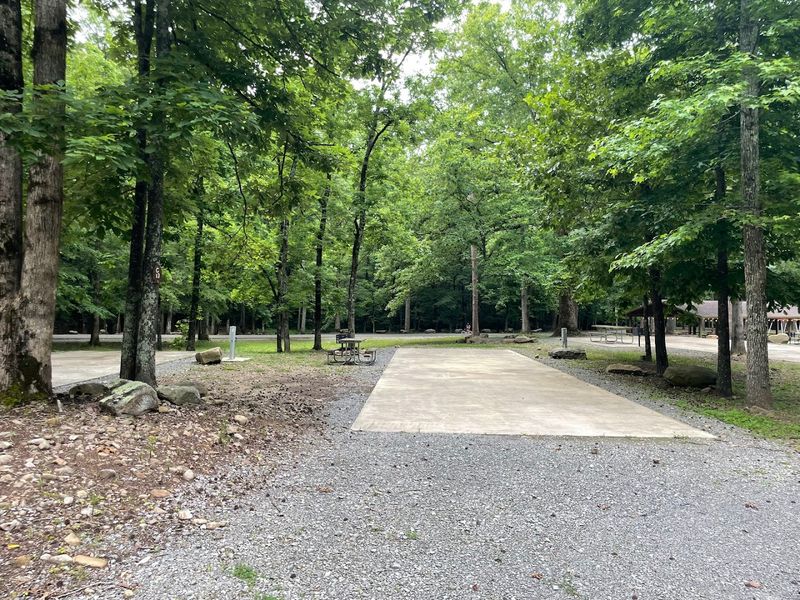
The campground at Buck’s Pocket sits at the base of the gorge and underwent a notable renovation in recent years, bringing the facilities up to a standard that matches the quality of the surrounding landscape.
Sites with water and electrical hookups are paved, spacious, and well-maintained.
Primitive tent camping is also available for those who prefer a more stripped-back experience.
The setup is somewhat unconventional, with a shared parking area located away from the individual tent sites, so plan accordingly if you are bringing a lot of gear.
A small camp store operates within the park, covering basic supplies for visitors who need to restock. Picnic areas are scattered throughout the park grounds, offering spots to stop and eat without committing to a full overnight stay.
One practical note worth repeating is the access road. The descent into the gorge involves steep grades and tight switchbacks that can challenge larger vehicles.
Checking road conditions and knowing your vehicle’s limits before arrival will save you a headache. Those who navigate it successfully will find a genuinely peaceful base from which to explore everything the park has to offer.
Hiking Trails And Scenic Routes Description
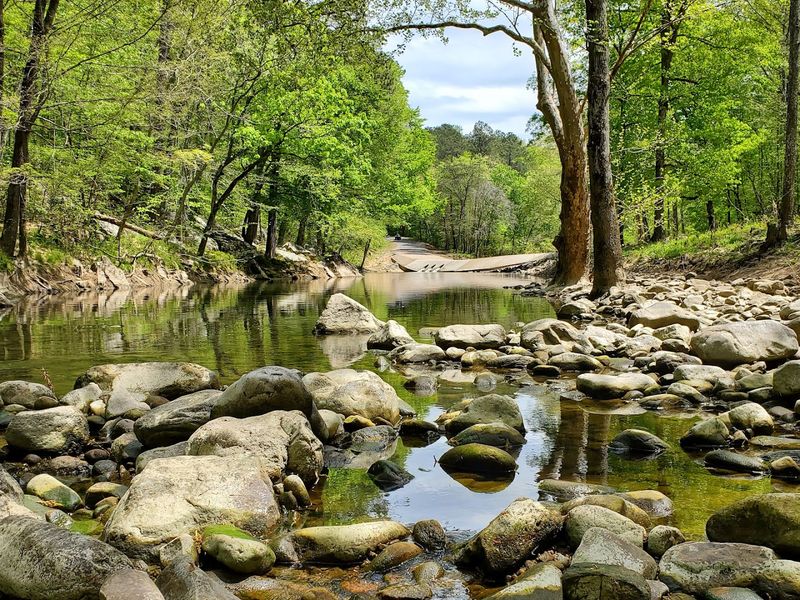
The trail network at Buck’s Pocket is modest in size but high in reward. Routes wind through the gorge floor before climbing the sandstone ridgelines that define the park’s dramatic character.
The terrain shifts noticeably as you gain elevation, moving from shaded creek-bottom woodland into more open rocky outcrops with wider sightlines.
The Jim Lynn Overlook is the standout destination for most visitors. The climb to reach it is manageable for most fitness levels, and the payoff is a sweeping view across the Tennessee River valley that justifies the effort on its own.
Early morning visits are particularly worthwhile when low mist sits in the valley below.
The gorge floor trails follow Point Rock Creek through dense canopy, offering a cooler and shadier experience during the summer months.
These lower routes are quieter and give you a closer look at the riparian habitat that makes the park ecologically interesting.
Trail signage is generally clear, though the terrain itself does most of the navigating. Wearing sturdy footwear is advisable given the rocky and uneven surfaces throughout.
The combination of elevation change, creek crossings, and sandstone outcrops makes for a varied and engaging day on foot, regardless of which route you choose.
Wildlife Watching Tips And Best Locations
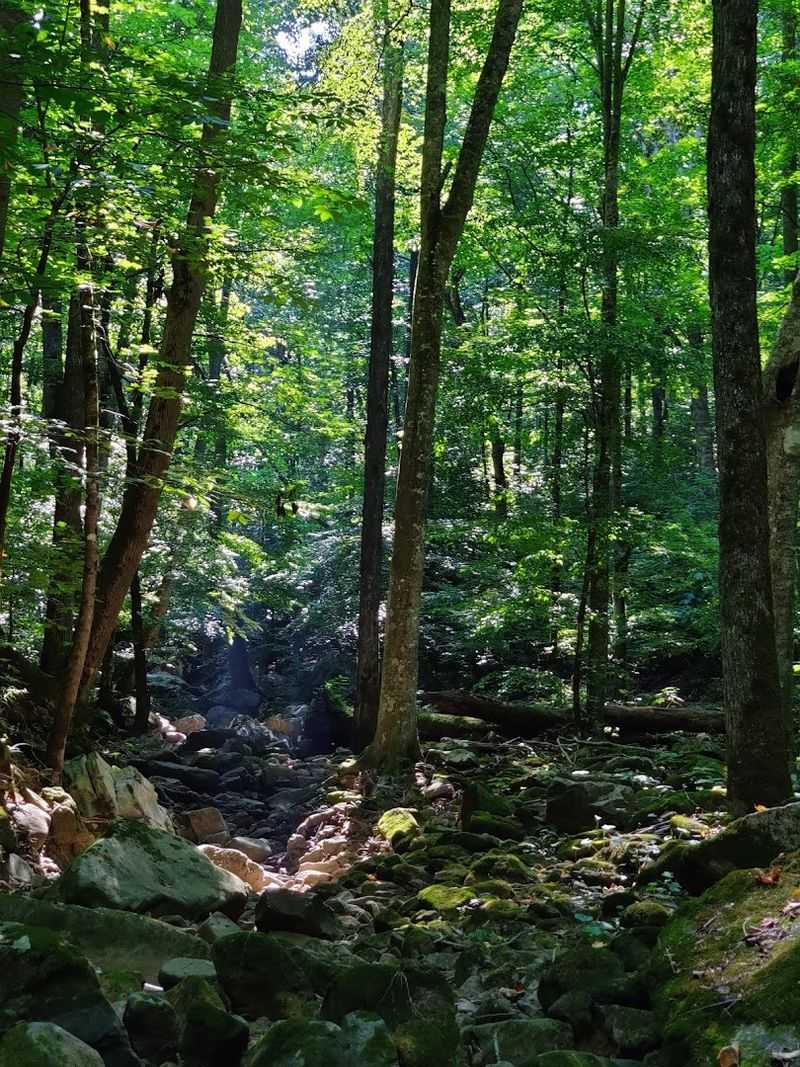
The gorge creates a natural funnel for wildlife movement, which makes Buck’s Pocket a surprisingly productive spot for observation throughout the year.
The layered habitats, from creek bottom to ridgeline, mean that different species occupy almost every vertical zone of the park.
Spring and fall migration periods are the most rewarding times to visit for birdwatchers. The dense canopy along Point Rock Creek draws a wide variety of warblers, thrushes, and vireos passing through the region.
Early morning hours along the lower gorge trails consistently produce the most activity.
The creek corridors are worth scanning slowly and carefully. Great blue herons are regular visitors along the water’s edge, and patient observers may spot wood ducks in the quieter stretches.
Amphibians are abundant near the creek during warmer months, with several salamander species present throughout the park.
White-tailed deer are commonly seen at dawn and dusk, particularly along the woodland edges where the gorge floor meets the lower slopes.
The rocky outcrops and sandstone bluffs higher up provide habitat for raptors, with red-tailed hawks and turkey vultures frequently soaring above the ridgeline.
Keeping noise low and moving slowly will always produce better results than rushing through the trails. The park rewards patience in a way that busier, more visited parks simply cannot match.
Conservation Efforts And Environmental Importance
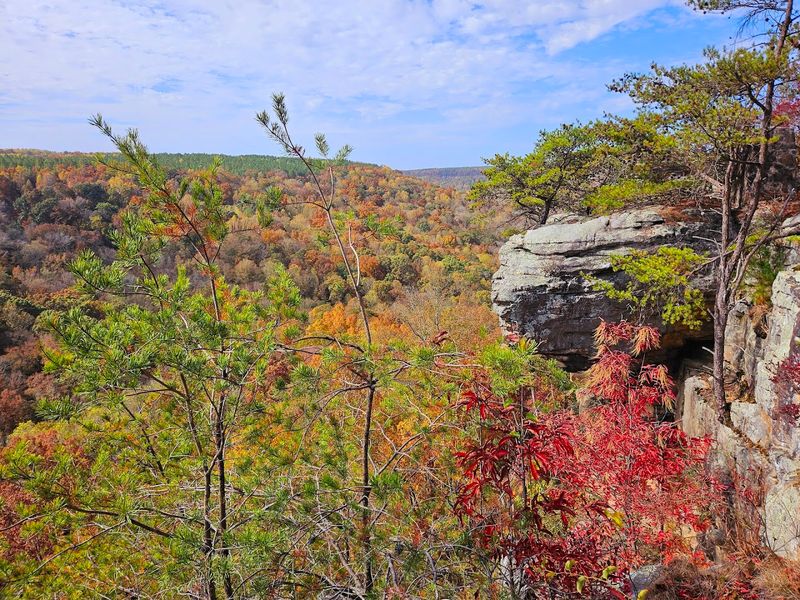
Environmental importance at Buck’s Pocket represents one of the more intact natural landscapes remaining in northeast Alabama.
The combination of sandstone geology, creek habitat, and mature hardwood forest creates conditions that support species requiring undisturbed environments to thrive.
The park’s proximity to Guntersville Lake and the South Sauty Creek embayment extends its ecological value well beyond its boundary lines.
Waterway corridors like these are critical for maintaining connectivity between fragmented habitats across the broader region.
Alabama as a whole ranks among the most biodiverse states in the country, particularly for freshwater species, and the creek systems running through the park contribute to that broader picture.
Protecting water quality within the gorge has a direct impact on the health of the connected waterways downstream.
The Alabama State Parks system manages the land with a focus on balancing visitor access against long-term habitat preservation.
Staying on marked trails, avoiding disturbance to creek banks, and packing out all waste are small but meaningful contributions visitors can make.
Parks like Buck’s Pocket tend to receive less foot traffic than better-known destinations, which works in favor of the ecosystem.
Lower visitor pressure gives sensitive species the breathing room they need, and it is one of the more compelling reasons to seek out lesser-known public lands when planning a trip outdoors.
Seasonal Events And Activities To Plan Around
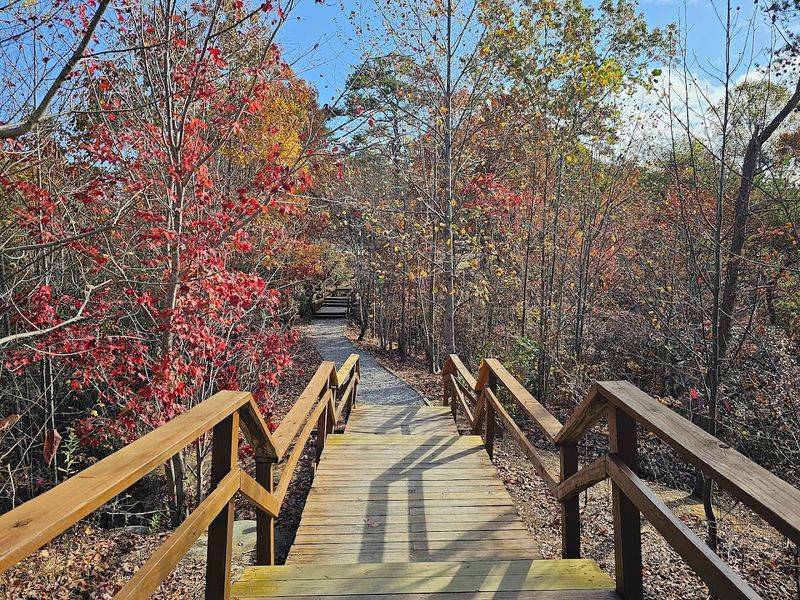
Each season brings a different character to the gorge, and timing your visit around what the park does best will significantly improve the experience. There is no single wrong time to visit, but some periods offer noticeably more than others.
Spring is the most dynamic season. Wildflowers emerge along the gorge floor from March onward, and the creek runs at its fullest following winter rainfall.
Migratory birds move through in large numbers during April and May, making it the most rewarding period for anyone with an interest in wildlife.
Summer brings dense green canopy and cooler temperatures down in the gorge relative to the surrounding area. The shade makes hiking more comfortable than at many other parks in the region.
Fishing activity on Guntersville Lake peaks during this period, drawing visitors who combine a stay at Buck’s Pocket with time on the water.
Fall delivers some of the most visually striking conditions the park offers. The hardwood forest puts on a strong color display from mid-October onward, and the ridgeline trails give elevated vantage points for taking it in.
Raptor migration through the Tennessee River valley is also worth watching for during this period.
Winter visits are quieter and increasingly popular with hikers who prefer solitude. The bare canopy opens up sightlines through the forest that simply do not exist during the warmer months.
This gives the gorge a completely different visual quality worth experiencing at least once.