
The Hidden Animal Sanctuary In Florida Where You Can Meet Exotic Creatures

Somewhere between the orange groves and cattle pastures of rural Central Florida, a wildlife refuge operates far from the spotlight.
Chase Sanctuary in Webster doesn’t advertise itself with billboards or gift shops, yet it shelters dozens of exotic animals rescued from circumstances most people never imagine.
Visitors who make the journey by appointment discover something rare: a place where education and compassion take priority over entertainment.
A Quiet Sanctuary Tucked Away In Rural Central Florida
Finding Chase Sanctuary requires intention.
The refuge sits along SE 122nd Boulevard in Webster, a town better known for its Monday flea market than its wildlife residents.
Dirt roads and farmland surround the property, which spans several acres of fenced enclosures and shaded habitats.
Visitors arrive only after scheduling ahead, ensuring the animals experience minimal disruption.
The setting feels deliberately removed from the noise and crowds that define most tourist attractions across the state.
Founded To Give Former Pet Primates A Second Chance
Chase Sanctuary began with a simple mission: rescuing primates who had been kept as pets and could no longer remain in private homes.
Many arrived malnourished, traumatized, or physically compromised by improper care.
The organization expanded over time but never lost sight of its original purpose.
Each resident receives individualized attention, appropriate diet, and enrichment designed to mirror natural behaviors.
The sanctuary now operates as a 501(c)(3) nonprofit, relying on donations and volunteer support to maintain its work year-round without charging admission fees.
Home To Primates You’d Rarely See Outside A Zoo
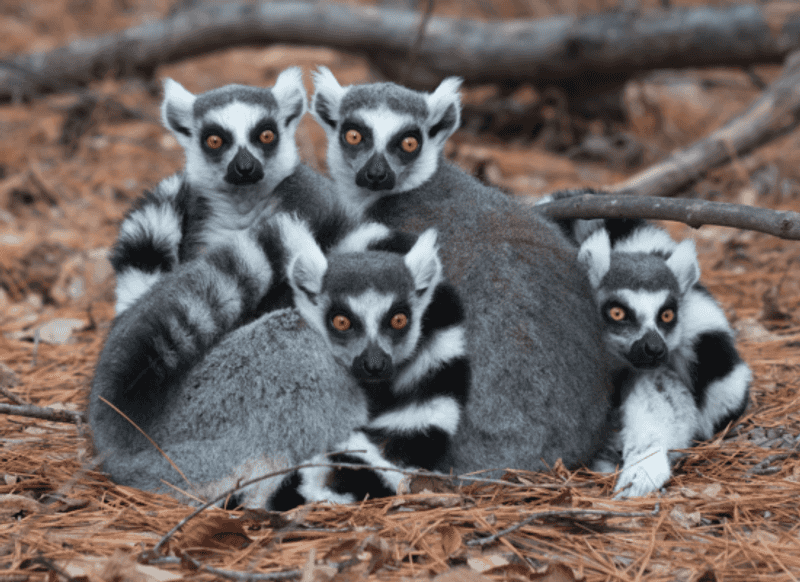
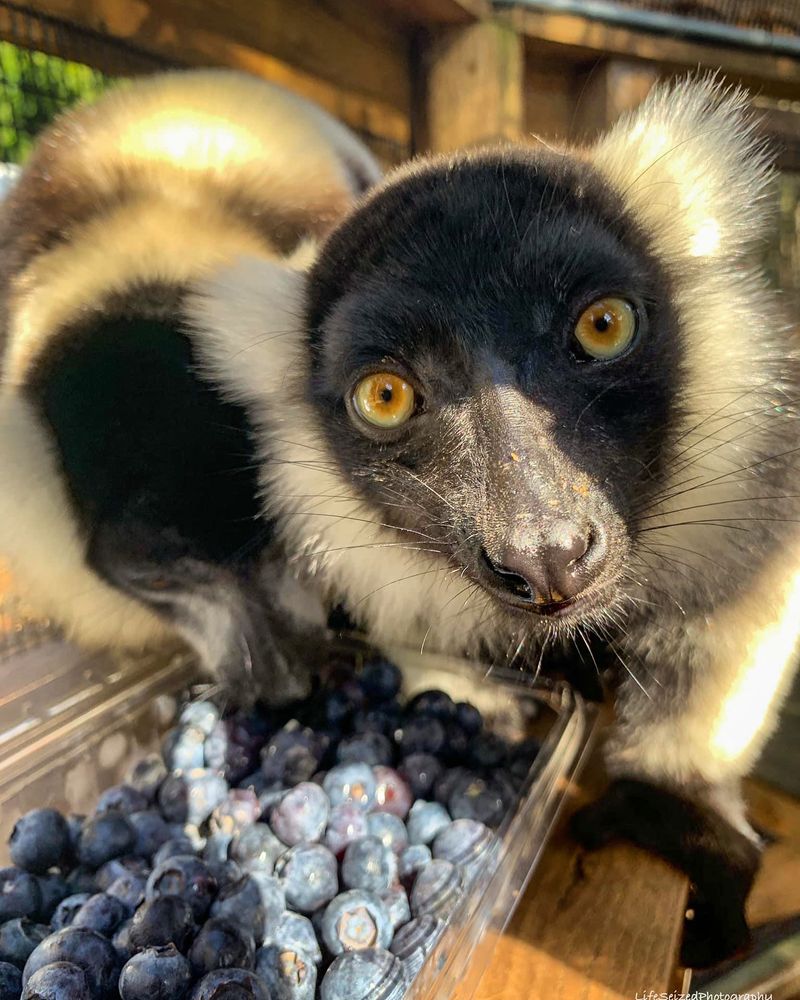
Capuchins, lemurs, spider monkeys, and macaques live at the sanctuary, species that few Floridians encounter outside institutional settings.
These animals possess complex social needs and long lifespans, traits that make them unsuitable as household companions despite their appeal in movies and social media.
Observing them in properly designed habitats reveals behaviors impossible to witness in cramped cages or living rooms.
Their vocalizations, grooming rituals, and group dynamics offer glimpses into intelligence that demands respect rather than novelty.
Visits Are By Appointment Only — And That’s Intentional
Chase Sanctuary does not operate like a petting zoo or roadside attraction.
Tours happen by prior arrangement, typically on weekends, and groups remain small to avoid overwhelming the residents.
This policy protects the animals from constant human presence and allows staff to focus on care rather than crowd management.
Calling ahead at 352-988-8014 or checking the website for scheduling details is essential.
Walk-ins are not accommodated, a boundary that reinforces the sanctuary’s priorities and distinguishes it from commercial venues.
Meeting Exotic Animals Happens On Their Terms
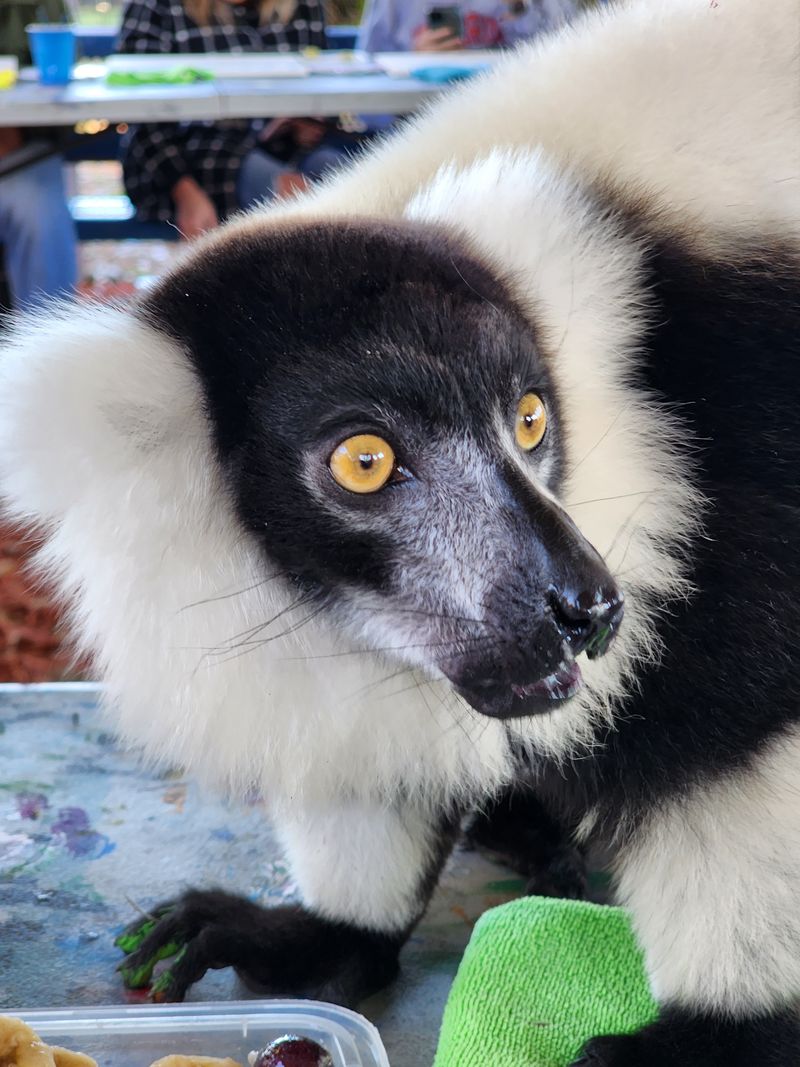
Interaction at Chase Sanctuary means observation, not handling.
Animals choose whether to approach enclosure boundaries or retreat to private areas.
Staff members explain each resident’s history and personality, offering context that transforms casual viewing into something more meaningful.
The experience prioritizes animal welfare over visitor entertainment, a distinction that some find refreshing and others find limiting.
Those who appreciate the philosophy leave with greater understanding of why exotic pets rarely thrive in captivity.
The Sanctuary Actively Opposes Exotic Pet Ownership
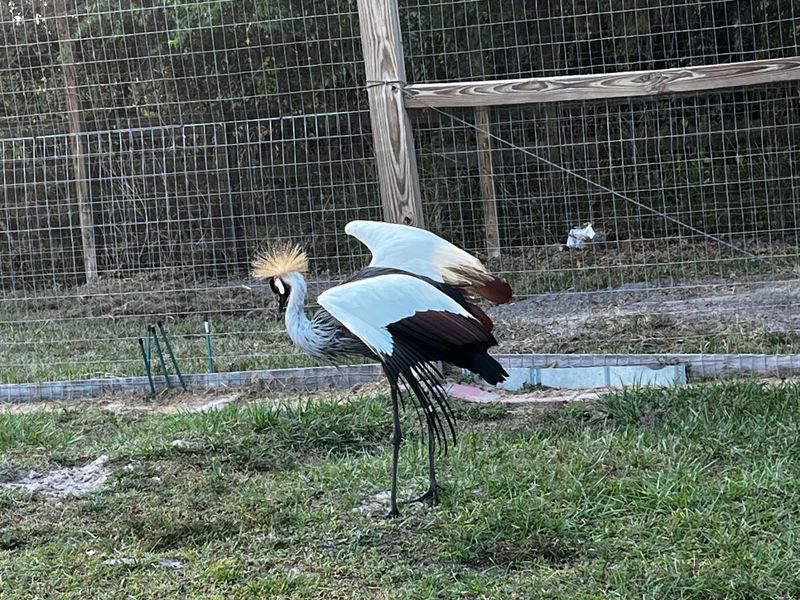
Chase Sanctuary’s educational mission includes discouraging people from purchasing primates and other exotic species as pets.
Staff members share stories of animals who arrived with broken bones, dental disease, or psychological trauma caused by isolation and inappropriate diets.
Florida’s lenient exotic pet laws allow ownership of species that require specialized care beyond most individuals’ capabilities.
The sanctuary uses its residents as living evidence of why good intentions and affection cannot substitute for proper habitat, social structure, and veterinary expertise.
Every Resident Has A Rescue Story
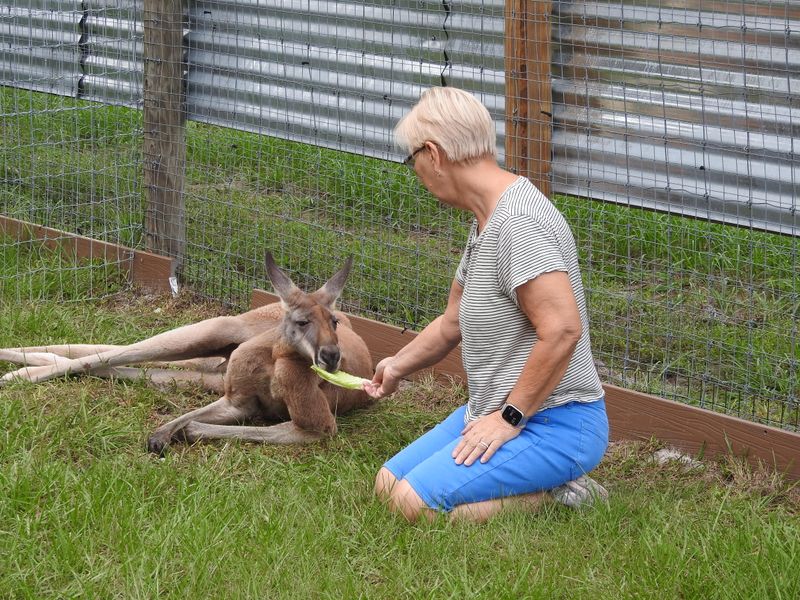
One lemur arrived after its owner realized a studio apartment in Tampa could never meet its needs.
A macaque came from a roadside zoo that closed without proper transition plans for its animals.
Others were surrendered by elderly owners who could no longer manage their care.
These narratives humanize the consequences of treating wild animals as commodities while demonstrating the sanctuary’s role in providing permanent, stable homes for creatures with nowhere else to go.
A Nonprofit Run With The Help Of Volunteers

Chase Sanctuary maintains its 4.9-star rating across nearly 500 reviews through dedicated volunteer labor and careful financial stewardship.
Food preparation, enclosure maintenance, and fundraising efforts rely on people who donate time rather than seek payment.
The organization accepts monetary contributions and supplies from its website at chasesanctuary.org, where supporters can also learn about specific needs.
Without government funding or corporate sponsorship, the sanctuary depends entirely on individuals who believe its mission justifies continued operation despite Florida’s competitive nonprofit landscape.