
The Hidden Animal Sanctuary In New York Where Visitors Can See Rare Wildlife In 2026
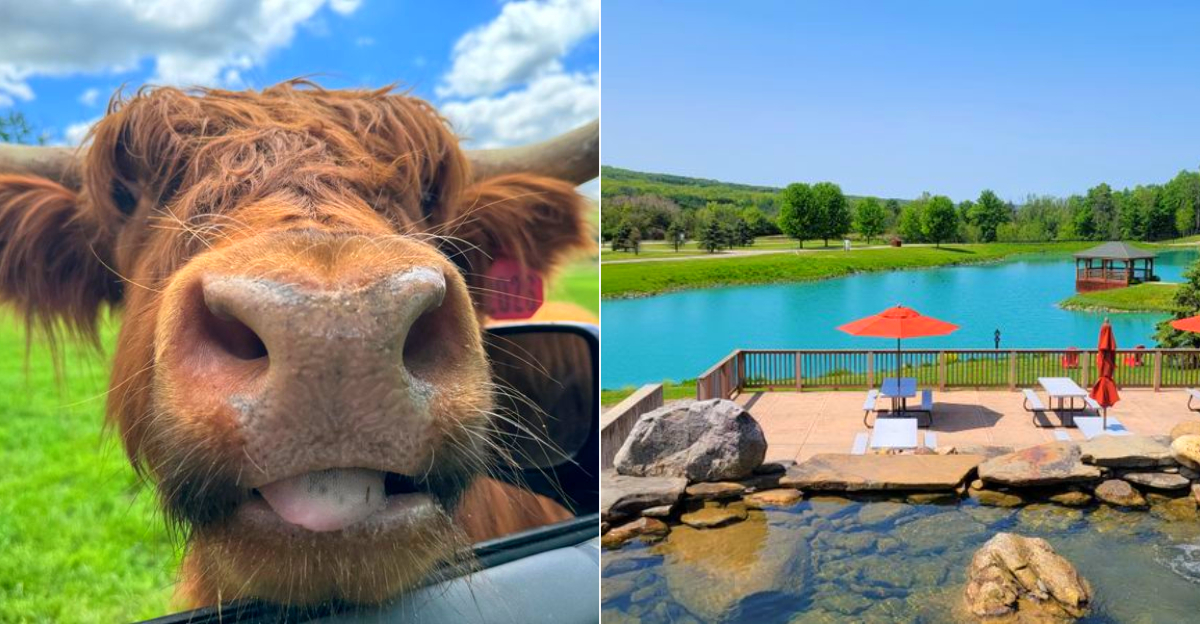
Wildlife feels different when it meets you at eye level. In New York, Hidden Valley Animal Adventure offers an experience that trades distance for quiet connection, set within a peaceful stretch of Wyoming County countryside. The drive through landscape unfolds slowly, giving visitors time to notice hoof prints in dust, shifting herds, and animals moving with calm curiosity rather than spectacle.
New York rarely offers encounters this immediate, which makes the moment feel surprisingly grounded.
What keeps the visit memorable is its steady, immersive rhythm. Feed cups rattle, bison approach with measured confidence, and zebras drift close enough to study their markings in detail. Each loop through the sanctuary reveals something slightly different, rewarding patience and attention rather than speed.
The setting feels respectful and unhurried, allowing wildlife and visitors to share the same space comfortably.
Arriving Where The Hills Open To Wildlife
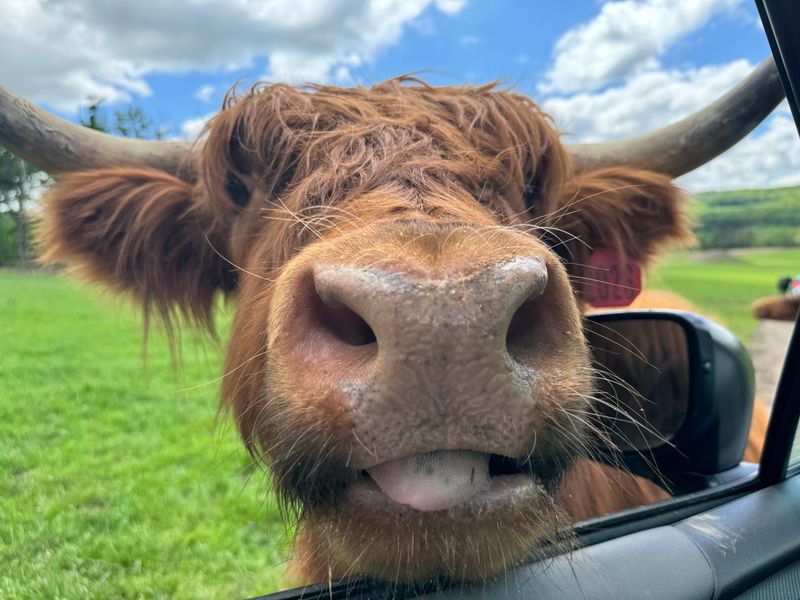
First impressions set the tone, and the approach to Hidden Valley Animal Adventure does this with patient restraint. The road drops toward a pastoral basin, and the fences widen to reveal a lived-in landscape rather than a stage. You notice the tidy barns, the small bustle near the ticket booth, and a breeze that smells faintly of hay and lake air.
There is no rush to shove you inside, only a steady rhythm that lets nerves fold into excitement.
Staff greet you with clear instructions, a map printed with practical arrows, and a short list of sensible tips. Feed buckets are suggested early, and you will be glad you listened once the first curious muzzle appears. Parking is straightforward, and the grounds encourage calm wandering before the ride.
The valley hums with low voices, the kind that make you feel welcome without asking for attention.
Details accumulate in memorable ways, from the weathered rails to the clean pathways that keep mud honest. There is a view down the slope that captures the mood of the place: open, unpretentious, and gently supervised. You catch sight of a zebra flicking its tail, which feels improbable until it is simply normal.
Before long, you realize the adventure begins well before any engine starts.
Choosing Between Self-Drive And Guided Safari
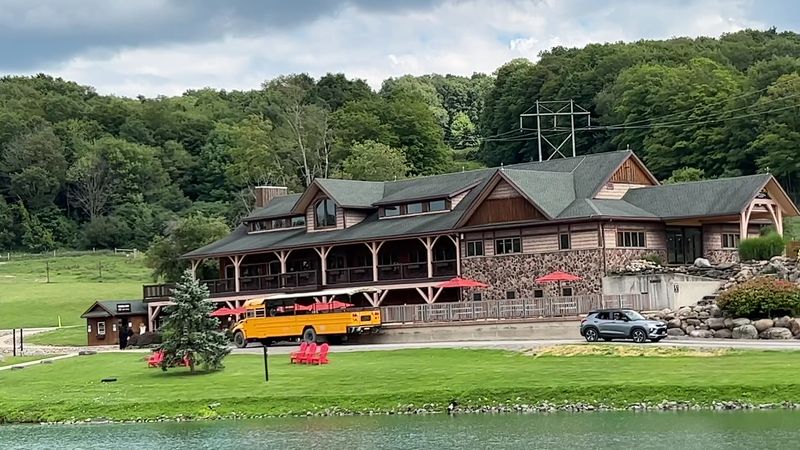
Decision time arrives with two good options: steer your own car through the loop or settle into the guided bus for an hour of narration. The self-drive lets you move at your pace, double back, and catch quiet pockets when animals wander off the main lane. The guided tour trades independence for insight, with a driver whose steady commentary sharpens every sighting.
Both deliver generous access and an easy rhythm that rarely feels crowded.
Self-drivers quickly learn the choreography of windows, buckets, and cameras. The buffalo have a reputation for persuasive manners, and an extra cup helps when a broad tongue takes too much. The bus solves these logistics by giving each guest a measured portion and a vantage point just high enough to keep clothes cleaner.
Families who prefer less upholstery risk usually choose the bus and leave smiling.
Guides do more than point and name, sharing small notes about behavior, diet, and seasonal changes. They notice patterns you might miss, like how the elk position themselves along the breeze or why the emus linger near open gravel. On slow stretches, there is time for questions without pretense.
By the end, the choice feels less like a fork in the road and more like two reliable paths to the same generous encounter.
Meeting Bison, Zebra, Llamas, nd Their Calm Companions
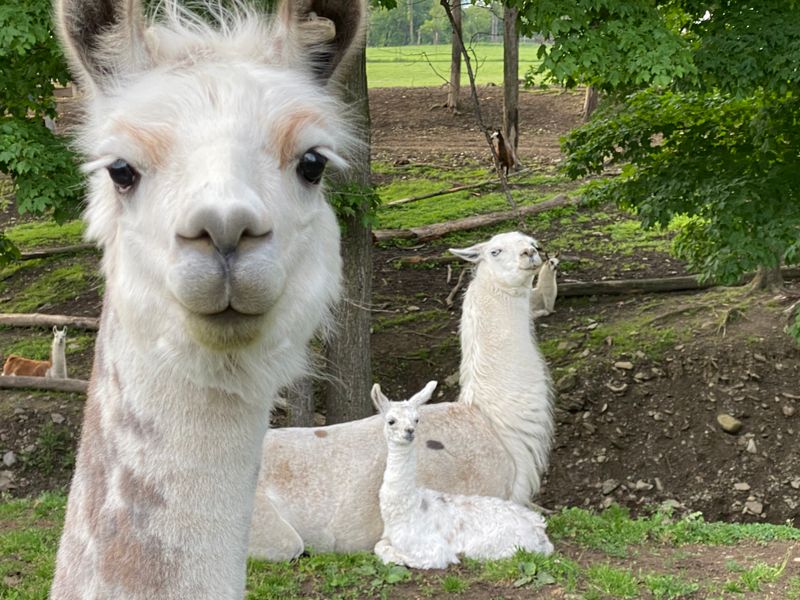
Encounters unfold with a mix of curiosity and good temper that feels unusual the first time it happens at your window. A zebra steps close, eyes bright, ears working like small antennae, while a patient bison waits behind as if honoring a line. Llamas measure you with comic seriousness, then lean closer once they remember the smell of grain.
Ostriches and emus provide quick humor, each peck precise and unembarrassed.
Species variety gives the loop its cadence. Elk linger at the tree line, drifting in when the sun softens, and blackbuck skim the edges like nimble punctuation. Water buffalo move with the certainty of furniture, steady and insistent yet strangely polite.
Deer approach with a light tread that makes the cup feel suddenly weighty in your hands.
Staff keep a careful eye on these meetings, offering reminders about fingers, windows, and the virtue of patience. You learn to hold the cup by the base, keep shoulders relaxed, and let the animals set the distance. The calm is contagious once you find the rhythm.
In that small exchange of grain and breath, the valley’s design shows its quiet intention.
Small Animal Adventure For Younger Explorers
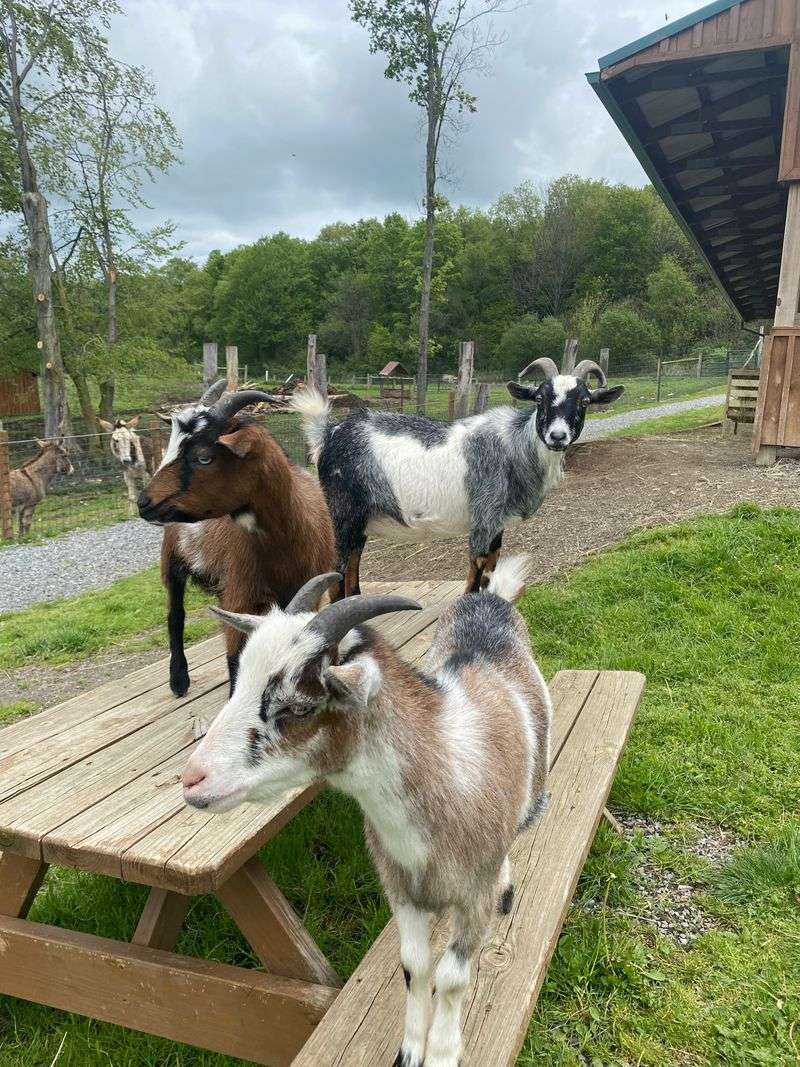
Down the hill, the Small Animal Adventure turns big excitement into approachable moments. Goats announce themselves first, arranged like a committee that has read your agenda. Donkeys accept gentle pats with veteran patience, and sheep move in soft clusters that part and re-form.
A kangaroo holds court nearby, drawing a line of quiet onlookers with its collected posture.
Parents will appreciate the clear layout and the easy handwashing stations that bookend each enclosure. Signs are practical and brief, the kind that earn instant compliance without scolding. Feed is sold in modest portions so pockets do not become granaries.
Staff circulate with friendly precision, stepping in when enthusiasm needs a touch of guidance.
Children seem to relax into the scale of it all, discovering that small hands can carry a cup without calamity. The animals reward patience more than volume, which becomes its own small lesson. Benches and shady corners offer a reset when energy dips.
By the time you step out, the pace of the day has found its steadiness.
Practical Tips That Save Time And Keep Clothes Clean
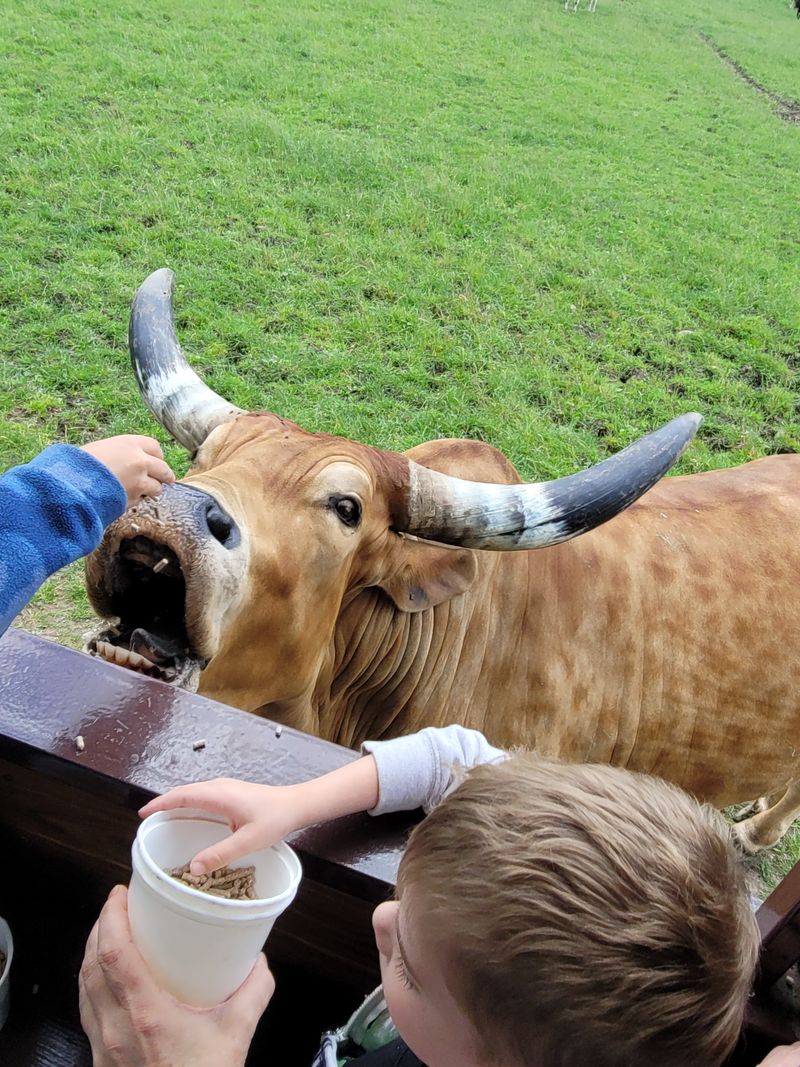
Preparation pays dividends, and a few small choices make the day smoother. Bring wipes and a towel for the dash if you are driving, plus a spare bag for used cups. Keep sleeves simple and avoid laces that dangle like invitations.
Shoes should forgive mud without sulking about it later.
Feeding goes best when you hold the cup firmly from the bottom and keep fingers decisive. An extra empty cup helps manage the buffalo’s enthusiasm, giving you room to pour rather than surrender. Windows benefit from choreography: halfway down for llamas, a touch higher for ostriches that peck with conviction.
Calm movements set a tone the animals mirror without fuss.
Timing matters, too. Earlier tours often mean cooler air and animals moving with purpose, while later loops can feel unhurried and generous with repeats. If you booked the bus and the Small Animal Adventure together, leave a buffer so closing times do not sneak up on you.
With logistics handled, attention stays where it belongs.
Food, Views, And A Sensible Pause Between Loops
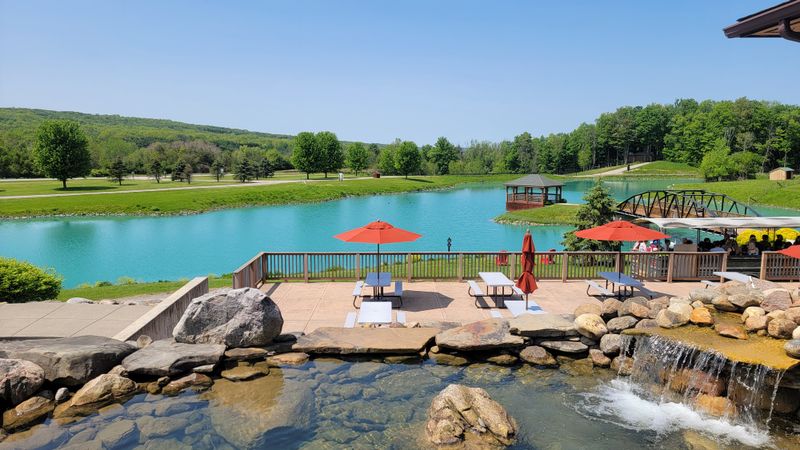
Good days benefit from intermissions, and the on-site grill obliges with straightforward meals that restore good cheer. Burgers arrive warm, fries hold their shape, and ice cream solves negotiations with small companions. Seating spreads across decks and picnic spots, each one angled toward the valley’s broad view.
Conversations drift in an easy register that matches the landscape.
Between loops, this pause becomes its own quiet highlight. You sort photos, trade notes on favorite animals, and decide whether the bus or the car suits the next pass. Staff move briskly without rushing you from the table.
The gift shop tempts with souvenirs that feel local rather than loud.
On clear days, the light slides across the fields and rearranges the mood in pleasing increments. A second circuit after lunch reveals animals in new places, shadows longer, eyes brighter. Couples linger while kids chase simple discoveries along the fence line.
The valley encourages a pace that does not waste time yet never hurries.
Respectful Photography And Quiet Moments That Matter
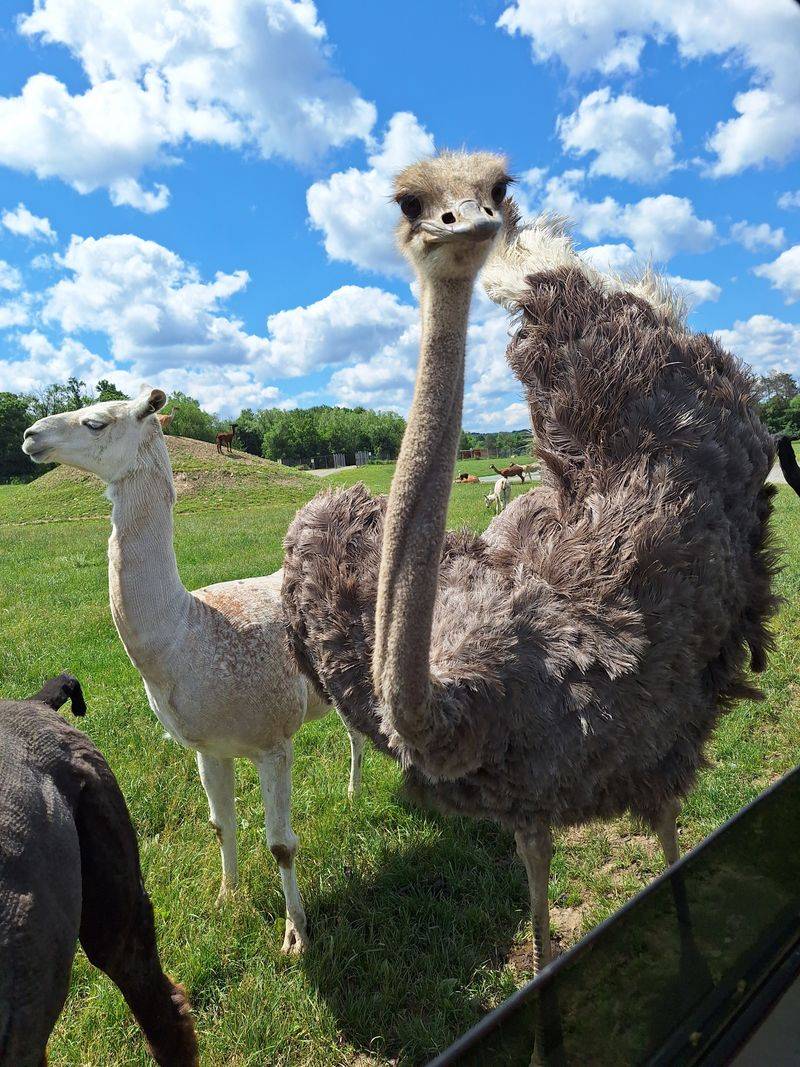
Photography here rewards patience more than reach. Keep voices low, cut the engine when asked, and let stillness do the inviting. You will see ears pivot first, then the herd arrange itself like a slow conversation.
Use a longer lens, avoid flash, and frame with the ridgeline so your backgrounds feel honest.
Windows half down control reflections and keep hands inside while you work. Focus on eyes, muzzles, and hooves finding dust, then wait for breath to cloud the light. Short bursts beat spray and pray.
When a guide signs quiet zone, honor it. The best frames come after everyone else gives up.
Planning, Seasons, And The Lay Of The Land
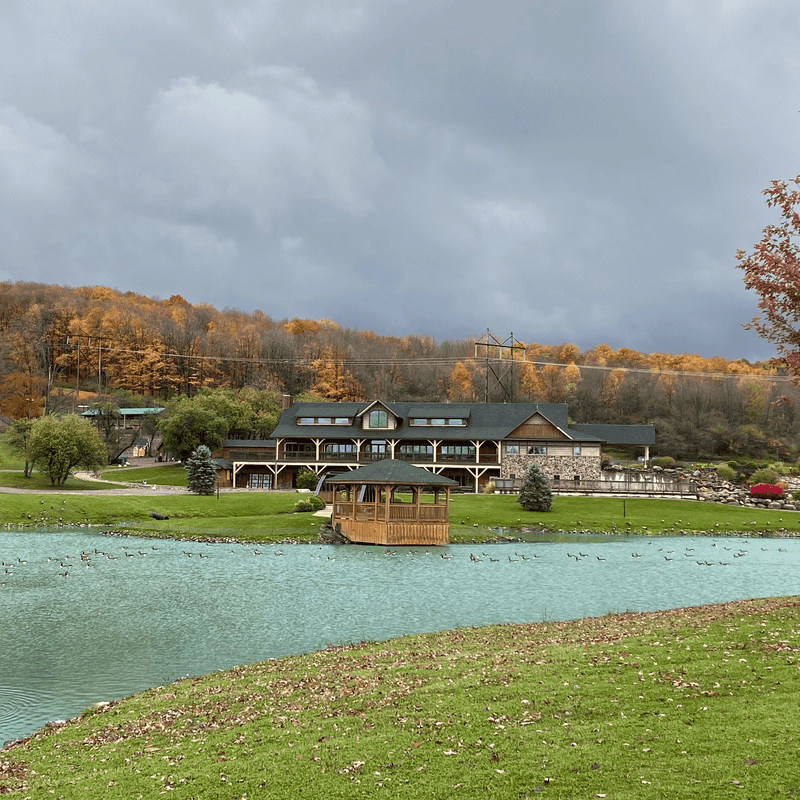
Planning starts with a glance at the calendar and a clear sense of your group’s tolerance for weather. Spring brings alert animals and quick clouds, while summer offers long days and steady crowds. Autumn turns the hillsides to copper and gold, a fine backdrop for a last loop before cold settles in.
Winter events arrive with a different charm that suits lights and warm layers.
Reservations for the guided bus help anchor the day, especially on weekends, while self-drive keeps you flexible. The property at 2887 Royce Rd, Varysburg, NY 14167 spreads across open pasture and pond, with lanes that make navigation intuitive. Facilities remain tidy, and parking sits close to the action without pinching space.
A phone call or website check answers lingering questions efficiently.
Maps mark distances honestly, and the three-mile circuit feels comfortable rather than ambitious. You can repeat the drive when time allows, noticing fresh details with each pass. Cell service is decent, though the valley’s shape can nudge you offline in places.
In the end, the land itself provides the most useful guidance: follow the curve and keep your eyes open.