
The 8 Hidden Ethiopian Restaurants In New York That Locals Keep Coming Back To In 2026
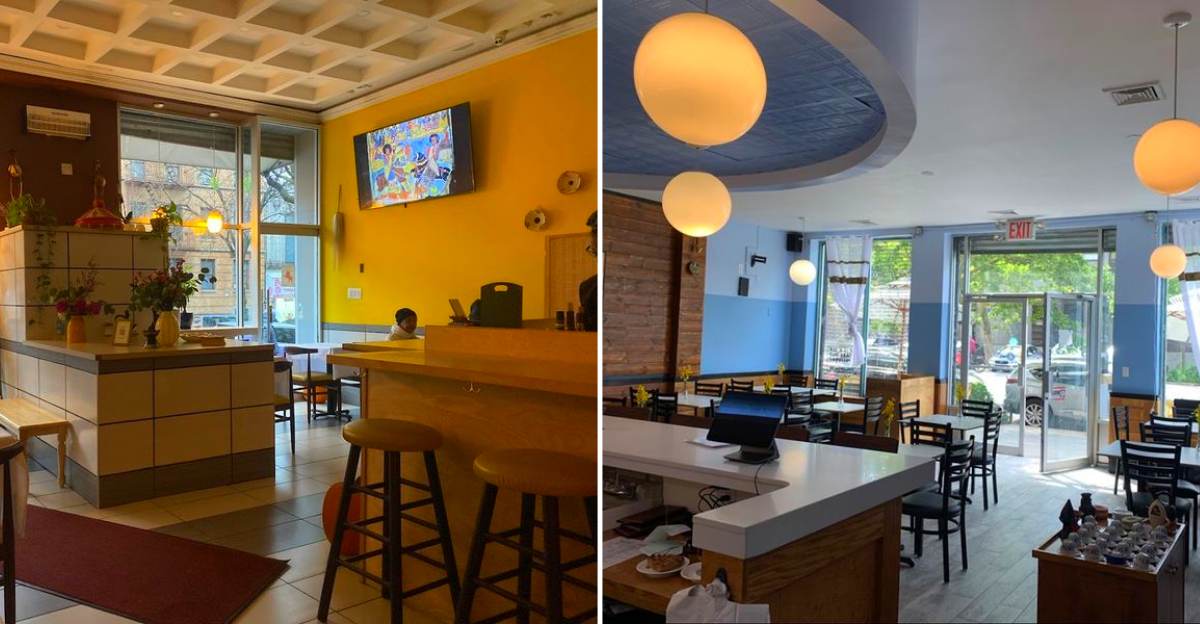
New York dining can make a regular night feel like a quick passport stamp, and Ethiopian food does that better than almost anything else. These restaurants offer more than a meal you order and eat quietly by yourself.
They turn dinner into a shared experience, with platters spread across soft injera, stews layered with spice, vegetables cooked with care, and flavors that feel warm, bold, and deeply comforting.
Locals know which spots make the lentils sing, which ones serve tender tibs, and which dining rooms feel welcoming the second you sit down.
The best part is how transporting it all feels without trying too hard. One table can hold heat, fragrance, tradition, conversation, and the kind of meal that slows everyone down.
These New York Ethiopian restaurants are worth seeking out when you want dinner to feel like somewhere else entirely.
1. Cafe Massawa
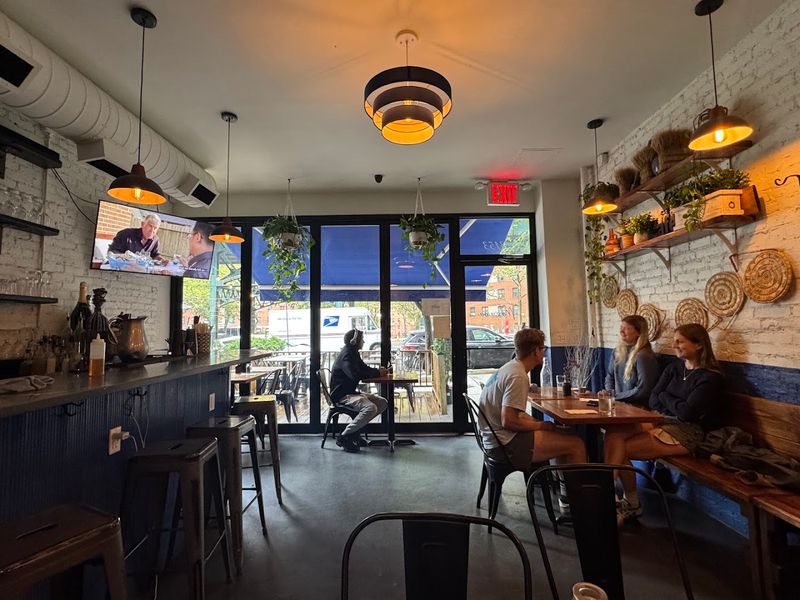
One of the oldest spots of its kind in the entire country, Cafe Massawa has been feeding New York since 1988. That is not just history, that is legacy.
You will find it at 3153 Broadway in Morningside Heights, and the moment you sit down, you understand why it has lasted this long.
The menu leans into hearty Eritrean and Ethiopian classics. Vegan and vegetarian dishes are the real stars here, though meat and seafood hold their own with confidence.
Everything arrives on a wide platter lined with spongy injera, and you eat with your hands the way food was always meant to be eaten.
The atmosphere is cozy and low-lit, the kind of place that makes a Tuesday feel like a special occasion. Locals pack in here regularly, and the energy is always warm and unhurried.
Traditional Ethiopian coffee rounds out any meal beautifully. If you only visit one Ethiopian restaurant in New York, make a very strong argument for starting here.
Massawa earned its reputation one shared platter at a time, and it shows absolutely no signs of slowing down.
Morningside Heights gives Cafe Massawa a built-in audience of Columbia University students, faculty, and neighborhood residents who have been discovering it across multiple generations of New York life.
The Broadway corridor here has a genuine community character that larger, more tourist-facing neighborhoods have largely traded away, and Massawa fits that environment perfectly.
The traditional Ethiopian coffee ceremony, when offered, is worth requesting specifically rather than skipping for the sake of a faster table turn.
Strong, aromatic, and served in small cups with ceremony and intention, it is the kind of ritual that reframes the entire meal as something more than dinner.
2. Addey Ababa
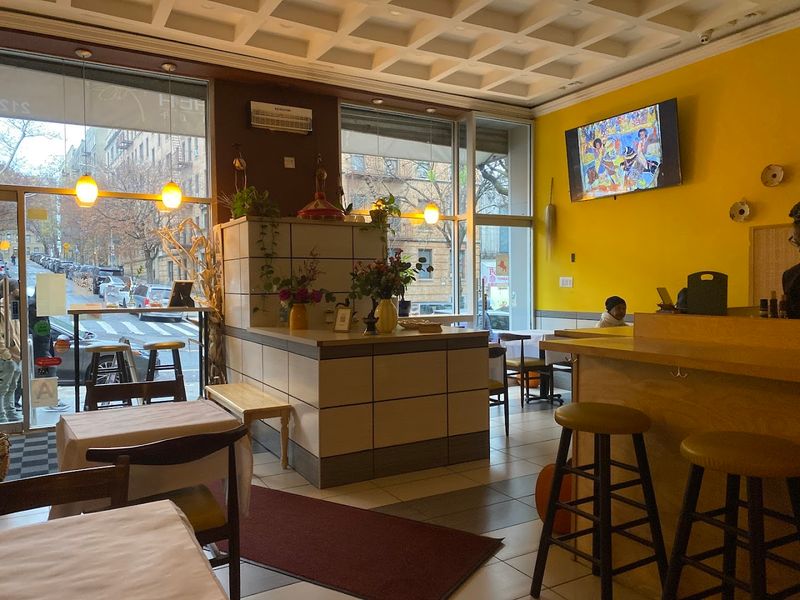
Addey Ababa is the kind of restaurant that makes you feel like you have been invited somewhere personal. The space is bright and modern, filled with classic Ethiopian jazz that sets a tone so pleasant you forget to check your phone.
You will find it at 736 W 181st Street in Hudson Heights, a neighborhood that does not get nearly enough credit for its food scene.
The menu is packed with authentic Ethiopian flavors and the kitchen takes serious pride in its vegan offerings. Gluten-free injera is available, which is genuinely rare and deeply appreciated by anyone who needs it.
Portions are generous and the staff makes every table feel like a priority.
What separates Addey Ababa from the crowd is the overall feeling of the room. It is clean, cheerful, and welcoming in a way that feels effortless rather than performative.
The food is bold and layered with spice, but never overwhelming. First-timers will feel comfortable here, and regulars keep returning because consistency is clearly a core value.
Addey Ababa proves that a great neighborhood spot does not need gimmicks to earn a devoted following.
Hudson Heights sits at the northern tip of Manhattan in a neighborhood that has maintained a genuinely diverse, community-oriented identity while much of the borough has shifted toward higher price points and tourist-facing businesses.
The Ethiopian jazz playing through the dining room is not background noise selected for ambiance.
It reflects a specific cultural pride in the Horn of Africa music tradition that pairs naturally with the food and gives the whole experience an authenticity that cannot be manufactured.
West 181st Street has a lively commercial energy, and Addey Ababa anchors the block as the kind of destination that gives people a reason to make the trip uptown.
3. Makina Eritrean-Ethiopian Eatery
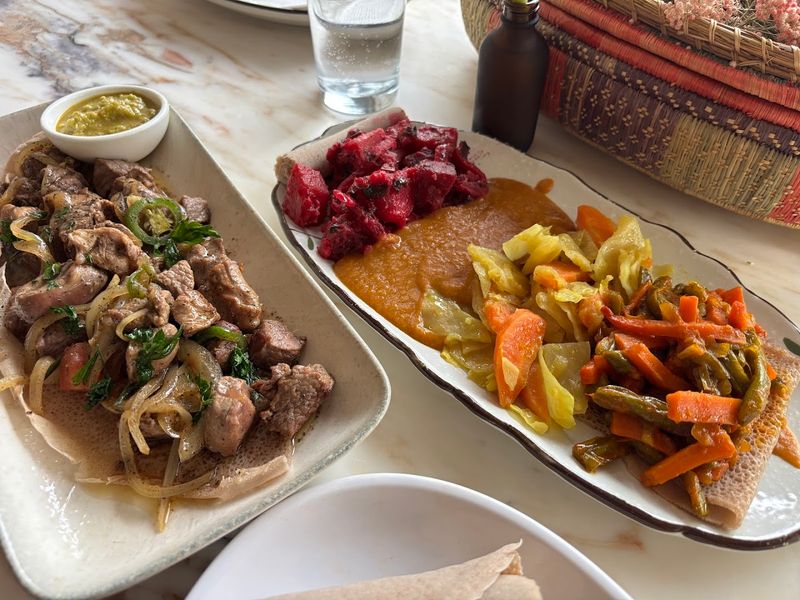
Sunnyside, Queens does not always make the top of food lists, but Makina Eritrean-Ethiopian Eatery is a very good reason to change that habit immediately.
The address is 46-11 Skillman Avenue, and the restaurant brings together the distinct but related culinary traditions of Eritrea and Ethiopia under one welcoming roof.
The menu reflects both cultures with genuine care and accuracy. Spiced lentils, slow-cooked meats, and richly seasoned vegetable dishes arrive on traditional injera that acts as both plate and utensil.
Every dish is built on flavor foundations that take time and intention to develop properly.
Makina has a community-first energy that you feel as soon as you are seated. It is not fancy, but it is real, and real always wins in the long run.
The staff knows the menu deeply and can guide first-timers through every option without making anyone feel out of place. Queens locals treat Makina like a neighborhood anchor, and that kind of loyalty is earned through years of consistent, honest cooking.
If you have never crossed the bridge for Ethiopian food, Makina is absolutely worth the trip to New York’s most underrated borough.
The distinction between Eritrean and Ethiopian cuisines is subtle but real, and Makina handles both traditions with the kind of fluency that only comes from genuine cultural connection rather than culinary research.
Eritrea and Ethiopia share a long border and overlapping food traditions, but regional variations in spice blends, stew preparations, and bread-making techniques create meaningful differences that the kitchen here navigates with confidence.
Sunnyside has one of the most genuinely diverse dining landscapes in all of Queens, which is saying something in a borough that sets the standard for the entire country on that particular measure.
4. RAS Plant Based
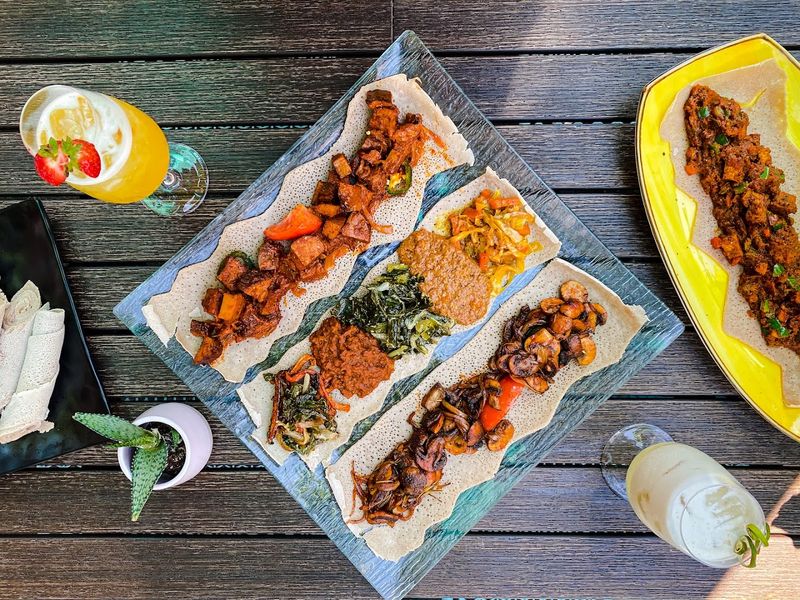
RAS Plant Based might be the most exciting thing happening in Brooklyn’s food scene right now, and that is a competitive category.
Fully vegan and rooted in traditional Ethiopian family recipes, this Franklin Avenue gem at 739 Franklin Ave in Crown Heights delivers flavors so satisfying that you will not miss a single thing.
The menu blends time-honored recipes with creative modern twists. One standout is the mac and cheese topped with injera crumbles, which sounds unexpected and tastes absolutely brilliant.
Everything is plant-based but nothing feels like a compromise. The kitchen cooks with conviction and the results speak for themselves.
Vibrant murals cover the walls and add an artistic energy that matches the food’s boldness. The Brooklyn location has become a cultural destination as much as a restaurant, drawing in regulars who return weekly without hesitation.
A brunch menu adds another layer of reasons to visit on weekends. RAS Plant Based opened a West Village location in June 2024 to bring its plant-forward Ethiopian flavors to a new Manhattan audience.
Whether you are vegan or simply curious, RAS will rearrange your expectations about what plant-based food can genuinely taste like.
Crown Heights has established itself as one of Brooklyn’s most culturally rich and creatively energetic neighborhoods, and RAS Plant Based fits naturally into that identity.
The Franklin Avenue corridor where the restaurant sits has seen significant independent food and culture investment over the past decade, and RAS represents some of the best of what that investment has produced.
The West Village expansion in 2024 brought the restaurant’s philosophy to a Manhattan audience that had been making the Brooklyn trip for years.
The original Crown Heights location retains a neighborhood warmth and community energy that newer locations are still building toward. Both are worth visiting independently.
5. Bersi Ethiopian Restaurant
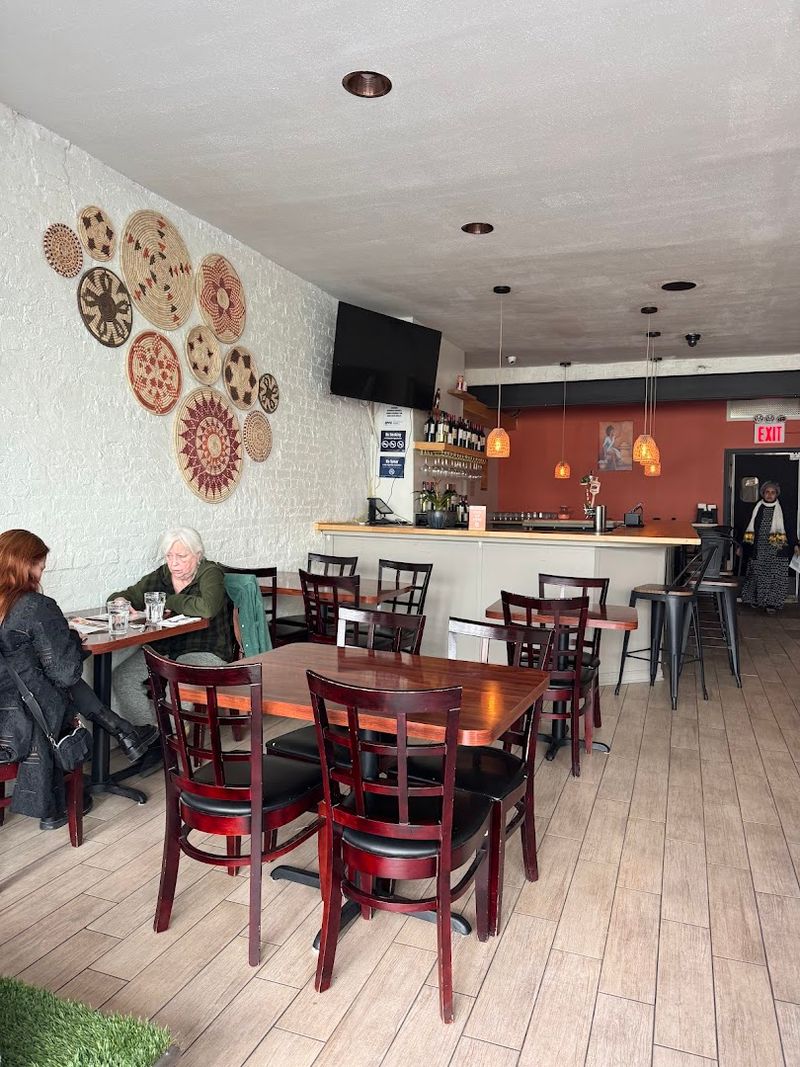
Bersi Ethiopian Restaurant in Greenpoint, Brooklyn earns its loyal following through a combination of beautiful traditional decor and food that genuinely delivers on every promise the atmosphere makes.
The address is 1049 Manhattan Avenue, and the dining room feels like it was designed by someone who truly loves Ethiopian culture rather than just referencing it.
Traditional music plays softly in the background while generous platters arrive at the table.
The menu covers a wide range of options including an impressive selection of vegan dishes that are satisfying enough to convert even the most dedicated meat eaters for one evening. Portions here are not shy.
The overall experience at Bersi feels immersive in the best possible way. Nothing about it feels rushed or transactional.
The staff moves with warmth and the pacing of a meal here encourages real conversation and connection. Brooklyn has no shortage of good restaurants, but Bersi occupies a very specific niche as the kind of place that reminds you why communal dining exists.
Sharing a platter here with people you care about turns a regular dinner into something worth remembering for a long time afterward.
Greenpoint has become one of Brooklyn’s most food-forward neighborhoods, with a dining culture that rewards independent restaurants doing genuine, focused cooking over concept-driven operations chasing trends. Bersi fits that environment naturally.
Manhattan Avenue gives the restaurant excellent foot traffic from a neighborhood that eats out regularly and supports places it believes in with the kind of loyalty that keeps small restaurants alive through difficult seasons.
The traditional decor inside Bersi reflects a curatorial approach to the space that communicates cultural pride without turning the dining room into a museum.
It feels lived-in and intentional at the same time, which is genuinely hard to pull off.
6. Awaze
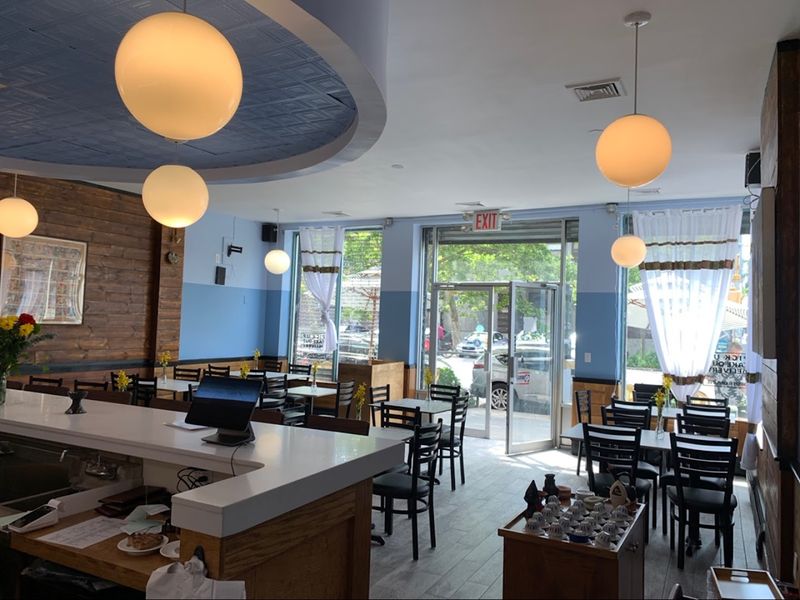
Awaze on Frederick Douglass Boulevard brings a sharper, more polished energy to the Harlem Ethiopian dining scene.
Located at 2288 Frederick Douglass Blvd, the restaurant takes its name from a beloved Ethiopian spice paste, which tells you immediately that the kitchen is serious about flavor and culinary identity.
The food here is confident and precise. Traditional recipes are honored but the presentation has a modern sensibility that makes the dining experience feel elevated without losing its cultural roots.
Injera arrives with beautifully portioned stews and salads arranged with genuine care. Every plate looks like it was made for someone who appreciates detail.
The room has a warm, intimate quality that works equally well for a solo dinner or a group celebration. Harlem locals have embraced Awaze as a neighborhood staple, and the consistent crowds on weekends confirm that the restaurant has found its footing firmly.
New York has many Ethiopian restaurants but Awaze distinguishes itself through a combination of culinary precision and an atmosphere that feels both grounded and aspirational.
Visiting once tends to create a habit, and that is exactly the kind of reputation a restaurant earns through quality rather than hype.
Frederick Douglass Boulevard has become one of the more compelling dining corridors in Upper Manhattan, with a concentration of African, Caribbean, and diaspora restaurants that represents the cultural makeup of the surrounding community with real accuracy.
Awaze sits comfortably at the quality end of that corridor and benefits from a neighborhood that takes its food seriously and supports restaurants that meet that standard consistently.
The spice paste the restaurant takes its name from is a fundamental building block of Ethiopian cooking, used as a marinade, a condiment, and a base for multiple dishes.
Seeing it honored in the restaurant’s identity signals a kitchen that understands its own culinary heritage deeply.
7. Haile
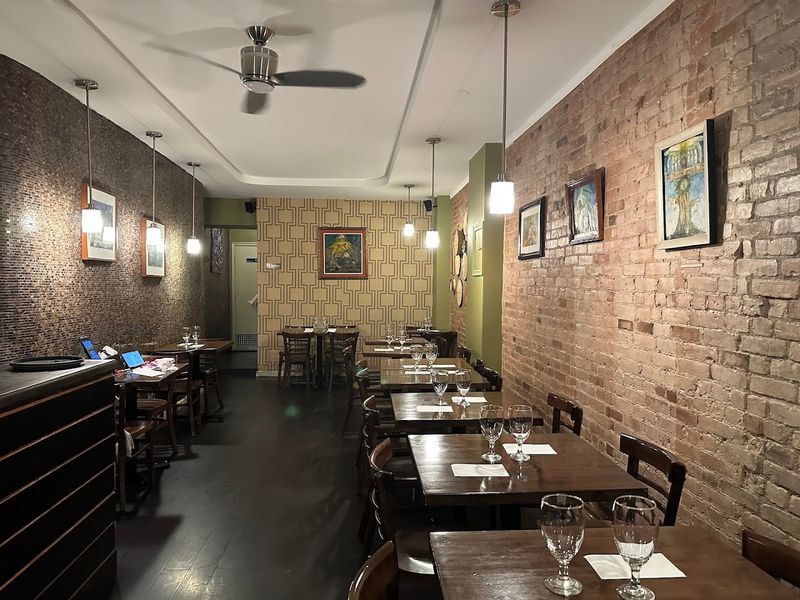
Haile on Avenue B brings Ethiopian dining to the East Village with a quiet confidence that the neighborhood has fully embraced. The address is 182 Avenue B, and the restaurant fits into its block with the ease of something that was always meant to be there.
The East Village has seen countless openings and closings, but Haile has built something that feels permanent.
The menu is rooted in traditional Ethiopian cooking with an emphasis on bold spicing and fresh ingredients. Lentil dishes, slow-braised meats, and layered vegetable stews all arrive on injera that acts as the foundation for everything.
The food rewards patience and attention, so take your time with each bite.
What makes Haile stand out in a neighborhood full of options is its genuine warmth. The staff treats regulars and first-timers with equal care, and the room has a relaxed energy that never tips into indifference.
New York can sometimes make dining feel like a transaction, but Haile pushes back against that tendency at every turn.
A meal here feels personal and unhurried, like eating at the home of someone who learned to cook from a grandmother who never measured anything and always got it right.
Avenue B in the East Village carries a long history of independent restaurant culture that predates the neighborhood’s current iteration by several decades.
Haile occupies that tradition with quiet confidence, building a regular clientele that returns not because the restaurant markets itself aggressively but because the food and the hospitality consistently justify the loyalty.
The East Village dining scene rewards restaurants that develop a genuine personality over time, and Haile has done exactly that. The grandmother reference embedded in how the food tastes is not a marketing metaphor.
It reflects a real cooking philosophy built on instinct, memory, and accumulated knowledge that no culinary school curriculum can fully replicate or replace.
8. Lalibela Ethiopian Restaurant
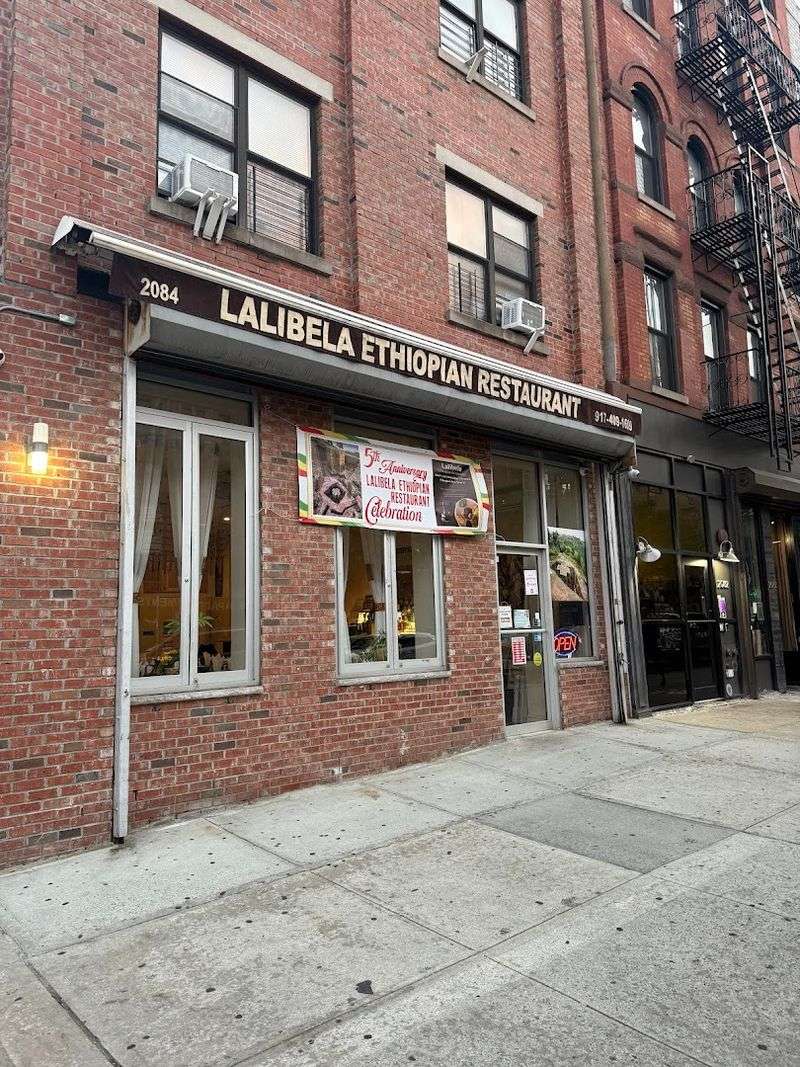
Named after one of Ethiopia’s most sacred cities, Lalibela Ethiopian Restaurant carries a name with real weight and delivers food that lives up to it.
The restaurant sits at 2084 Frederick Douglass Blvd in Harlem, a stretch of New York that has become one of the city’s most exciting corridors for African and diaspora cuisine.
The menu is a deep and satisfying tour through Ethiopian culinary tradition. Tibs, kitfo, misir wot, and gomen are all prepared with the kind of care that suggests recipes passed down rather than looked up.
The injera here has the right tang and texture, serving as the perfect vehicle for everything it carries.
Lalibela has a traditional feel that does not try to compete with trendier spots. The decor is warm and rooted, the seating encourages lingering, and the coffee service at the end of a meal is a ritual worth staying for.
Harlem regulars treat Lalibela like a trusted old friend rather than a discovery, which is the highest compliment a restaurant can receive.
For anyone seeking an Ethiopian dining experience that prioritizes authenticity above all else, Lalibela is the answer New York has been quietly serving for years.
The name Lalibela refers to a city in northern Ethiopia famous for its extraordinary 12th-century rock-hewn churches, which are among the most remarkable architectural achievements in all of African history and a UNESCO World Heritage Site.
Naming a restaurant after that city carries cultural and historical weight that the kitchen clearly takes seriously.
Frederick Douglass Boulevard continues to establish itself as one of the most important corridors for African diaspora dining in New York City, and Lalibela’s long presence on that stretch helped lay the groundwork for the broader culinary recognition the area now receives.
Restaurants that opened before a neighborhood became celebrated deserve particular credit for the environment they helped create.