
The Hidden Florida River With Waters So Transparent They Make Every Other River Look Cloudy
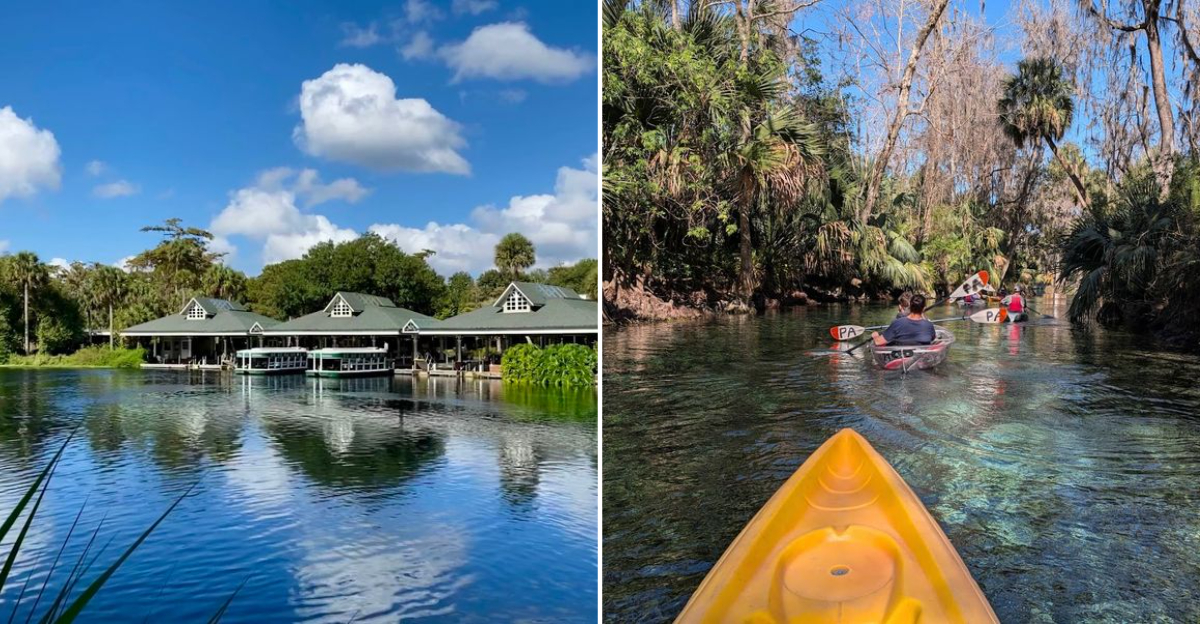
Most rivers keep their secrets below the surface. This one never learned how.
The water here is so clear it almost feels like a trick. You look down expecting a river and instead you see everything: every fish, every stone, every slow drift of river grass twenty feet below.
Florida has no shortage of beautiful water, but this is something different. This is the kind of clarity that makes you stop mid-sentence.
It flows from a series of underground springs that push out 550 million gallons of fresh water every single day. The result is a river that stays impossibly blue, impossibly clean and impossibly calm no matter what the rest of the world is doing above it.
There is no bad way to see it. From a glass bottom boat, from a kayak, from the bank with nothing but a cup of coffee and nowhere to be.
Every angle gives you something new. Every visit somehow still manages to surprise you.
Some places you visit once and check off a list. This is not one of them.
Unique Ecosystems Supported By Crystal Clear Waters
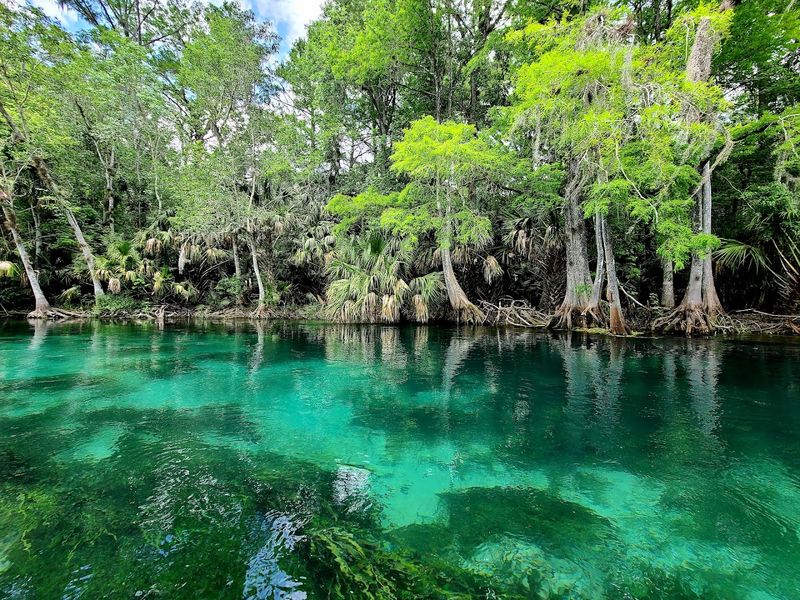
Spring-fed rivers like this one don’t just look beautiful. They actually create entirely different worlds beneath the surface.
Because the water originates from the Upper Floridan Aquifer and filters through porous limestone, it arrives at the surface almost completely free of sediment.
That means sunlight reaches all the way to the riverbed, fueling underwater plant growth that most rivers simply can’t support.
The Silver River runs about five miles eastward before meeting the Ocklawaha River, and every inch of it buzzes with life. Submerged aquatic vegetation carpets the bottom, giving fish, turtles, and even manatees a place to feed and shelter.
You can spot bass, mullet, and soft-shell turtles without even getting wet. The visibility is almost surreal.
Located within Silver Springs State Park in Florida, the river sits inside a protected area that keeps development away from its banks.
Feral rhesus macaques, which aren’t native but arrived decades ago, now roam the riverbanks freely. Alligators sun themselves on logs while herons stalk the shallows.
This is a living, breathing ecosystem made possible almost entirely because the water is so clean and clear that it acts like a magnifying glass for everything below.
Techniques For Measuring Water Transparency In Rivers
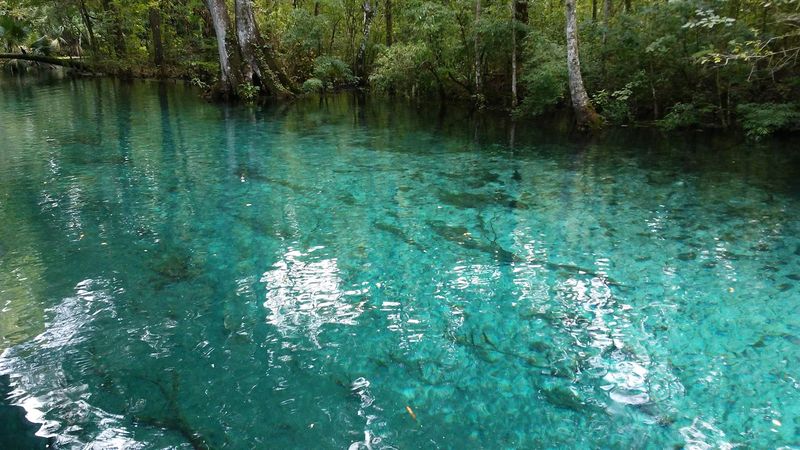
Water transparency isn’t just something you admire from a kayak. Scientists actually measure it using specific tools, and the Silver River consistently ranks among the clearest waterways in the country.
The most common method involves a Secchi disk, which is a white and black circular plate lowered into the water until it disappears from view. The depth at which it vanishes tells researchers how far light can penetrate.
For spring-fed rivers like the Silver River, transparency measurements are often off the charts compared to typical surface-water rivers. Because the water comes from deep underground aquifers rather than rainfall runoff, it carries almost no suspended particles.
Scientists also measure turbidity using devices called turbidimeters, which shoot light through a water sample and calculate how much scatters. Low turbidity equals high clarity.
Nutrient levels matter too. The Silver River faces some pressure from elevated nitrates, which can feed algae growth.
Algae clouds the water fast. Monitoring programs track these levels regularly to catch problems early.
Researchers from state universities and environmental agencies use these readings to guide conservation decisions.
Understanding how clarity is measured helps people appreciate why protecting the watershed around the Silver River is so critically important.
Impact Of Transparency On Local Wildlife Habitats
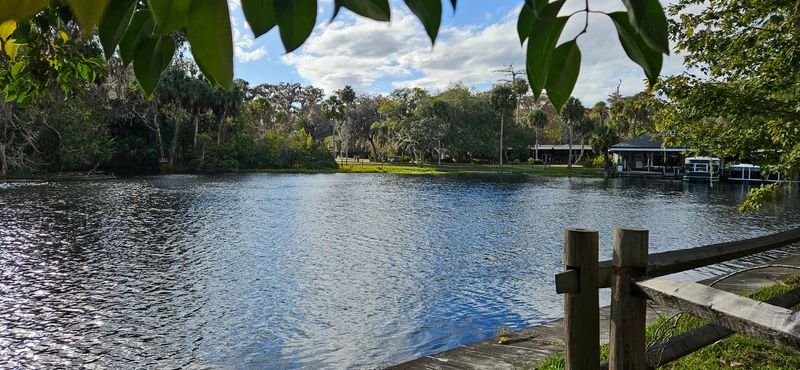
Clear water changes everything for the animals that live in and around the Silver River. When sunlight reaches the riverbed, aquatic grasses grow thick and healthy.
Those grasses feed manatees, shelter juvenile fish, and give turtles a place to hide. Remove the clarity and you remove the foundation of the entire food web.
It really is that connected.
Manatees are one of the most iconic residents here. They gravitate toward the Silver River partly because the water stays at a comfortable 74 degrees Fahrenheit year-round, which is critical for their survival during Florida’s cooler months.
The clear water also makes it easier for them to locate food. Alligators, while intimidating, also benefit because they can spot prey more easily in transparent water.
Even birds like herons and ospreys rely on the clarity to hunt fish from above.
Fish species diversity in the Silver River is impressive. Bass, bream, mullet, and gar all thrive here.
The visibility lets predators hunt efficiently, but it also means prey species have evolved clever behaviors to stay alive. Every creature in this ecosystem has adapted to life in a glass-clear environment.
Protecting that clarity isn’t just an aesthetic goal. It’s a biological necessity for every species calling this river home.
Seasonal Changes Affecting Water Clarity Levels
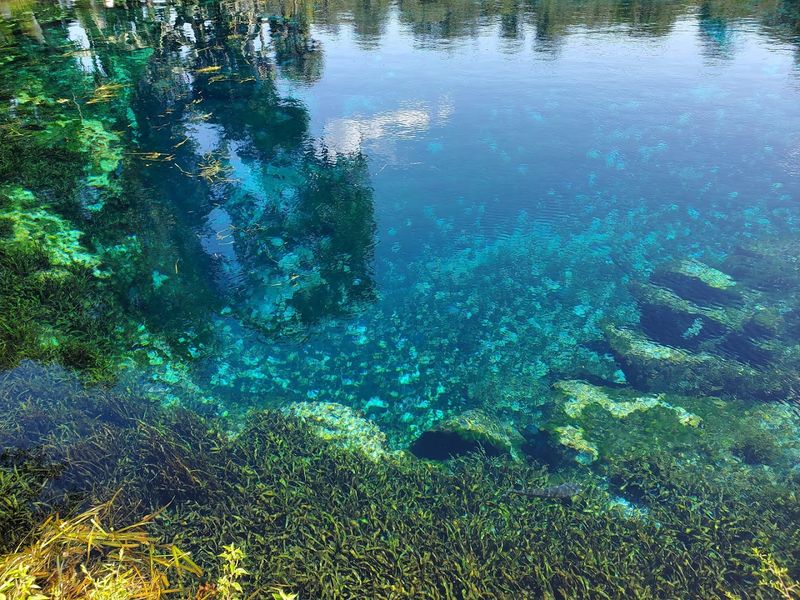
One of the coolest things about the Silver River is how stable it stays compared to most rivers. Because it’s spring-fed rather than rain-fed, it doesn’t spike with muddy runoff every time a storm rolls through.
The temperature holds steady at roughly 74 degrees Fahrenheit all year. That consistency is genuinely rare in Florida, where seasonal swings can turn other rivers brown overnight.
That said, the Silver River isn’t completely immune to seasonal shifts. Summer brings increased rainfall across Florida, which raises nutrient levels in the surrounding groundwater.
More nutrients mean more potential for algae blooms, which can cloud even the clearest water. Visitors in late summer sometimes notice slightly greener tints compared to the brilliant turquoise of winter and spring months.
It’s subtle, but it’s real.
Winter is actually one of the best times to visit if maximum clarity is your goal. Rainfall decreases, algae growth slows, and the contrast between the cool air and the warm spring water creates a magical mist effect early in the mornings.
Wildlife activity also picks up in winter as manatees migrate toward the warm spring waters in larger numbers. Seasonal awareness helps visitors plan smarter trips and gives conservationists a clearer picture of when the river needs the most protection.
Comparison Between Tropical And Temperate Waters
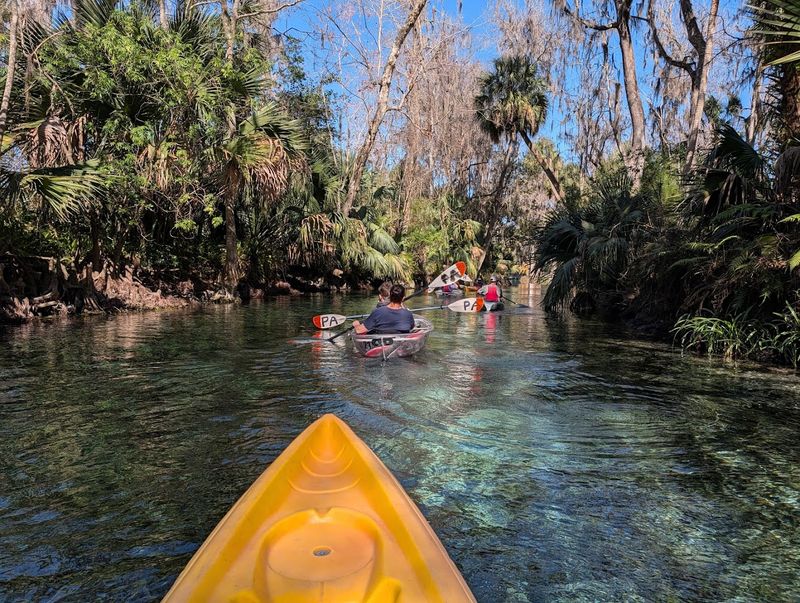
Most people assume tropical waters are always clearer than temperate ones, but the Silver River flips that assumption on its head. Tropical coastal waters, like those near coral reefs, are often clear because they’re low in nutrients.
But many tropical rivers in Florida’s interior are actually murky due to tannins from decaying plant matter. The Silver River stays clear for a completely different reason: its underground source.
Temperate rivers in states like Virginia or Oregon often carry glacial silt or heavy organic loads from forested watersheds. Visibility in those rivers rarely exceeds a few feet.
The Silver River, by contrast, offers visibility of fifteen feet or more in many stretches. That puts it in the same league as some of the clearest freshwater springs found anywhere on Earth.
It’s not tropical magic. It’s geology doing the heavy lifting.
The comparison gets even more interesting when you look at temperature. Tropical rivers often fluctuate wildly with air temperature.
The Silver River stays at 74 degrees year-round, no matter what. That thermal stability creates a completely different ecological dynamic than either tropical or temperate river systems typically offer.
It’s genuinely its own category, and that’s part of what makes it so special and scientifically fascinating to researchers worldwide.
Role Of Aquatic Plants In Maintaining Water Purity
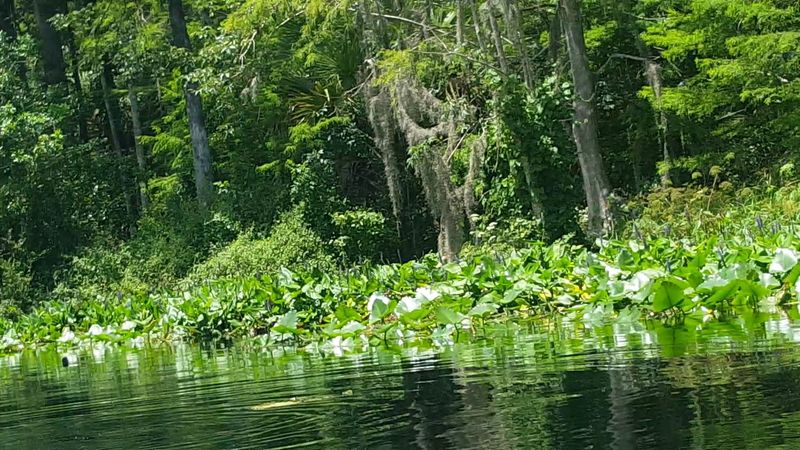
Aquatic plants are the unsung heroes of the Silver River. They don’t just add beauty to the underwater landscape.
They actively filter the water, absorb excess nutrients, and pump oxygen into the environment. Without them, even a spring-fed river could slowly turn cloudy over time as nutrient levels crept upward.
Plants are the river’s natural cleanup crew.
Eelgrass and other submerged vegetation grow abundantly in the Silver River because sunlight reaches the bottom so effectively. These plants take up nitrates and phosphorus that would otherwise feed algae.
Algae is the enemy of clarity. When aquatic plants are healthy and plentiful, they outcompete algae for nutrients and keep the water sparkling.
It’s a delicate balance, but the Silver River has maintained it remarkably well for centuries.
The plants also create habitat structure that supports the entire food web. Small fish hide in the grass.
Turtles graze on it. Manatees consume large quantities of it daily.
Even the riverbed itself benefits because plant roots stabilize sediment and prevent it from getting stirred up into the water column.
Conservation programs that protect the Silver River pay close attention to aquatic plant health as one of the most reliable early indicators of overall water quality and ecosystem stability.
Conservation Efforts To Preserve Transparent Waters
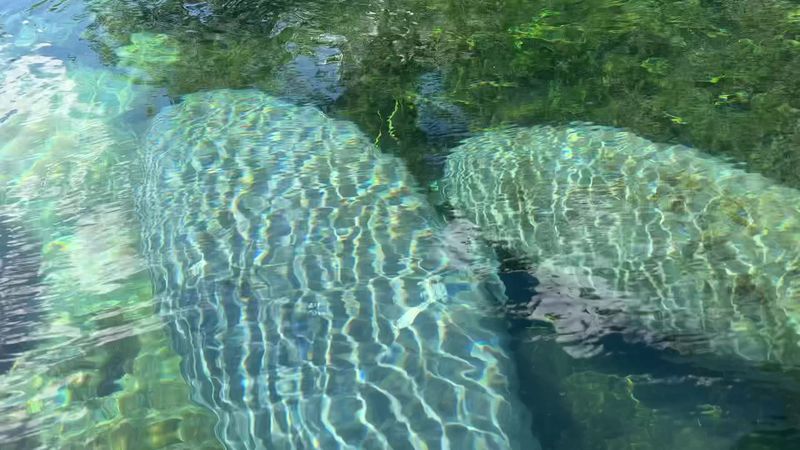
Keeping the Silver River as clear as it is doesn’t happen by accident. It takes active, ongoing conservation work.
The river and its springs are protected within Silver Springs State Park, which limits development, controls boat traffic, and prohibits swimming in most areas.
Banning swimming might sound strict, but it significantly reduces the physical disturbance that stirs up sediment and introduces pollutants.
One of the biggest ongoing threats is nutrient pollution, particularly elevated nitrate levels that seep into the aquifer from agricultural fertilizers and septic systems in the surrounding watershed.
Florida environmental agencies monitor nitrate levels regularly and work with farmers and landowners to reduce runoff. The challenge is that groundwater moves slowly, so today’s pollution can take years to show up in the river.
Prevention is far more effective than cleanup.
Community involvement plays a huge role, too. Volunteer programs help remove invasive species, restore native vegetation along the riverbanks, and educate visitors about responsible behavior.
Park rangers are well-trained and genuinely passionate about this place. Visitor education efforts explain why motorized boats are regulated and why feeding wildlife is harmful.
Every small action adds up. The Silver River’s extraordinary clarity is the direct result of decades of dedicated conservation work, and maintaining it requires continued commitment from everyone who loves this place.
Popular Outdoor Activities Around Pristine Water Environments
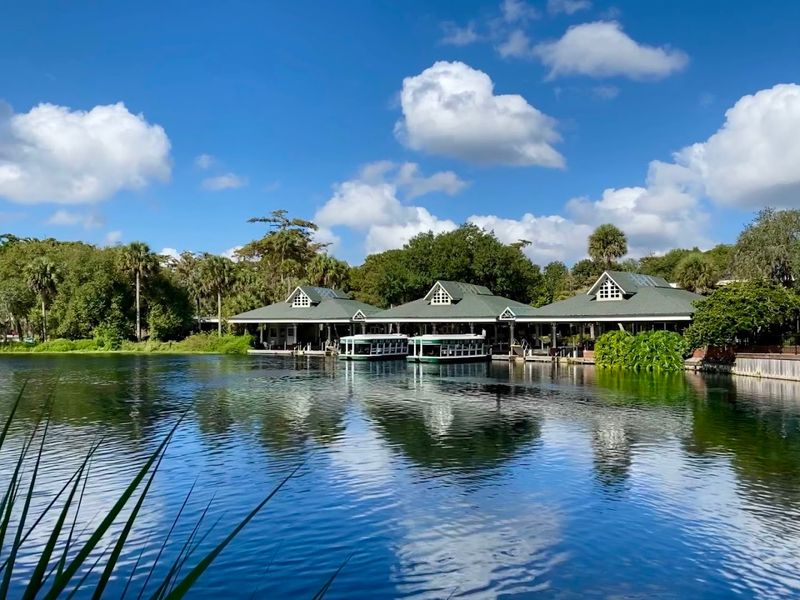
There is no shortage of things to do on and around the Silver River, and most of them put you right on top of that stunning, clear water. Kayaking and canoeing are the top choices for most visitors.
Paddling the five-mile stretch from Silver Springs to the Ocklawaha River takes about four hours at a relaxed pace. The river is calm enough for beginners but interesting enough to keep experienced paddlers completely entertained.
Glass-bottom boat tours are a true Silver River original. The concept was actually invented here back in 1878, making this one of the oldest tourist attractions in Florida.
Sitting above that transparent water in a glass-bottom boat and watching manatees, turtles, and fish glide below is an experience that hasn’t lost any of its magic in nearly 150 years. It’s genuinely jaw-dropping every single time.
Hiking trails wind through the surrounding forest for those who prefer dry land. Wildlife spotters love the trails for birding, and the famous feral rhesus macaques are often visible from the riverbanks.
The park also offers camping and cabin rentals for multi-day visits. A history museum on-site adds cultural context to the natural wonder.
Whether you’re on the water or exploring the forest, the Silver River area delivers a full outdoor adventure that’s hard to match anywhere else in Florida.