
The Hidden Forests Of Oregon That Are Being Overrun
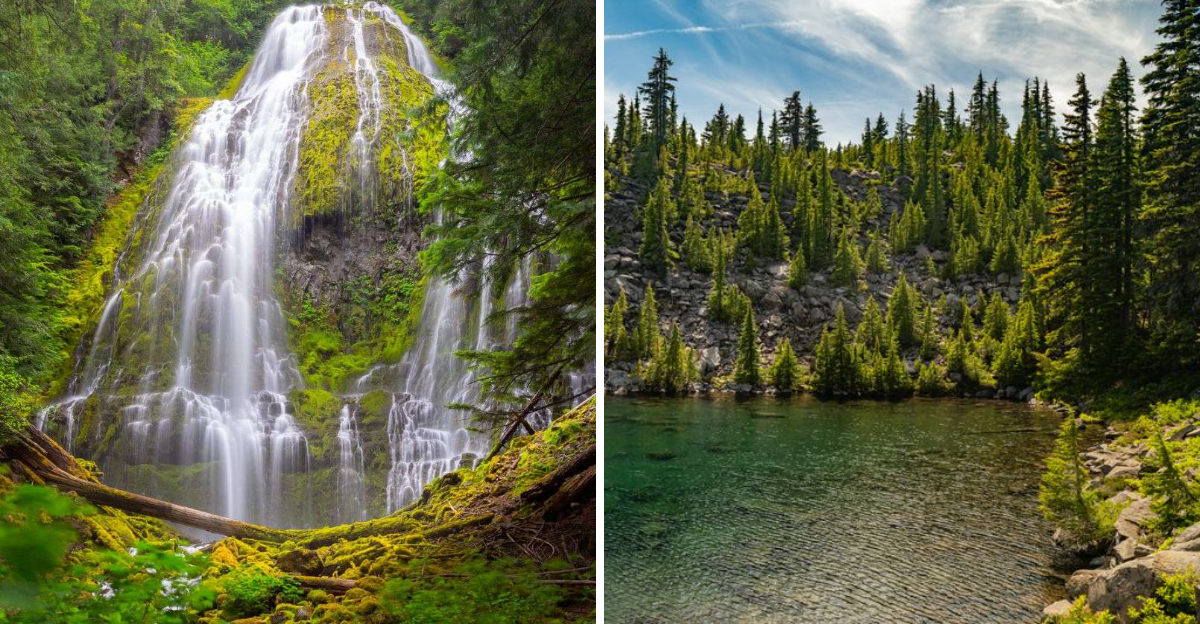
Oregon’s forests hide some of the most breathtaking natural wonders you’ve ever seen.
Unfortunately, word has gotten out, and these once-peaceful spots are now packed with visitors trampling trails and leaving their mark.
The magic of discovery fades when you’re sharing a waterfall view with fifty other people.
Let’s explore these beautiful places that desperately need our respect and protection before they’re loved to death.
1. Tamolitch Blue Pool
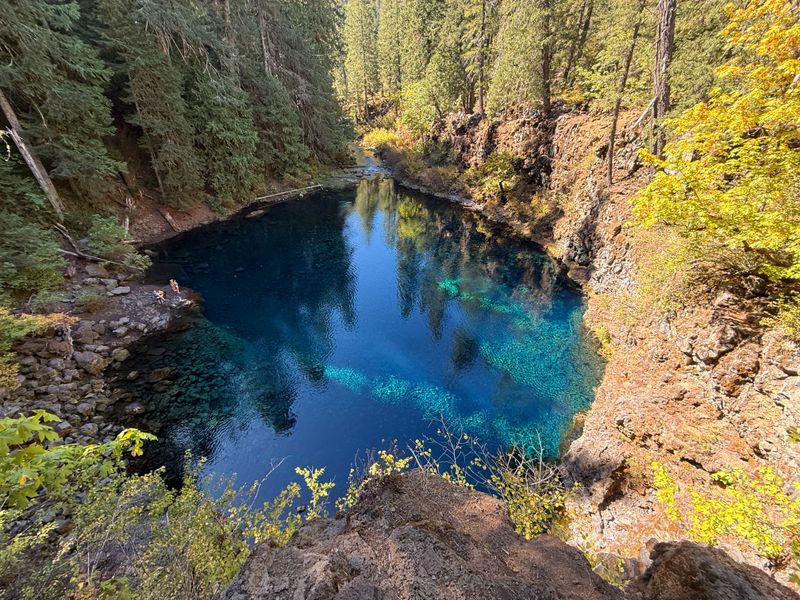
Crystal-clear turquoise water fills this volcanic pool like nature’s own swimming hole, except swimming here damages the delicate ecosystem.
The three-mile hike through old-growth forest once felt like a secret adventure, but now the trail resembles a highway during rush hour.
Visitors ignore signs and jump into the fragile pool, stirring up sediment and harming aquatic life.
Park rangers struggle to manage the crowds that show up daily, especially during summer weekends when parking becomes impossible and tempers flare in the heat.
2. Silver Falls State Park Rainforest
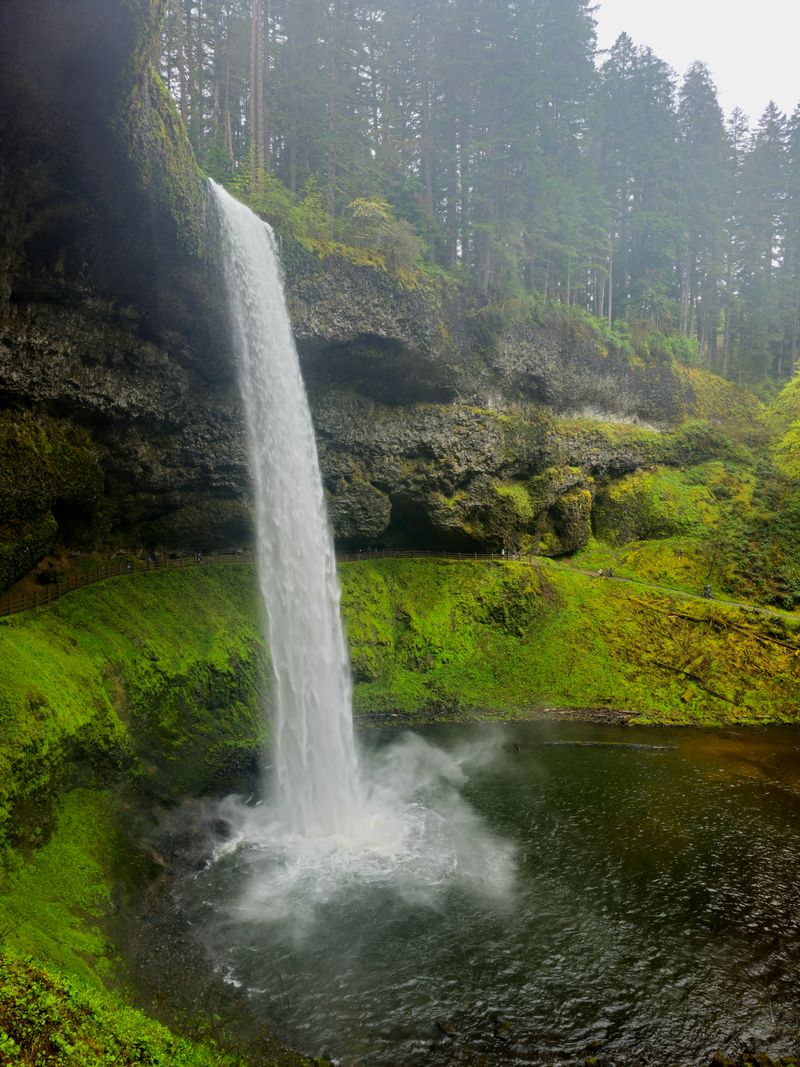
Moss drapes from towering Douglas firs like nature’s own curtains in this enchanted rainforest.
The Trail of Ten Falls winds through this emerald wonderland, passing behind several waterfalls for jaw-dropping views.
Social media fame turned this peaceful sanctuary into Oregon’s most visited state park.
Littering has become a massive problem, with trash bins overflowing and garbage scattered along pathways. The forest ecosystem struggles under the weight of too much human love.
3. Abiqua Falls
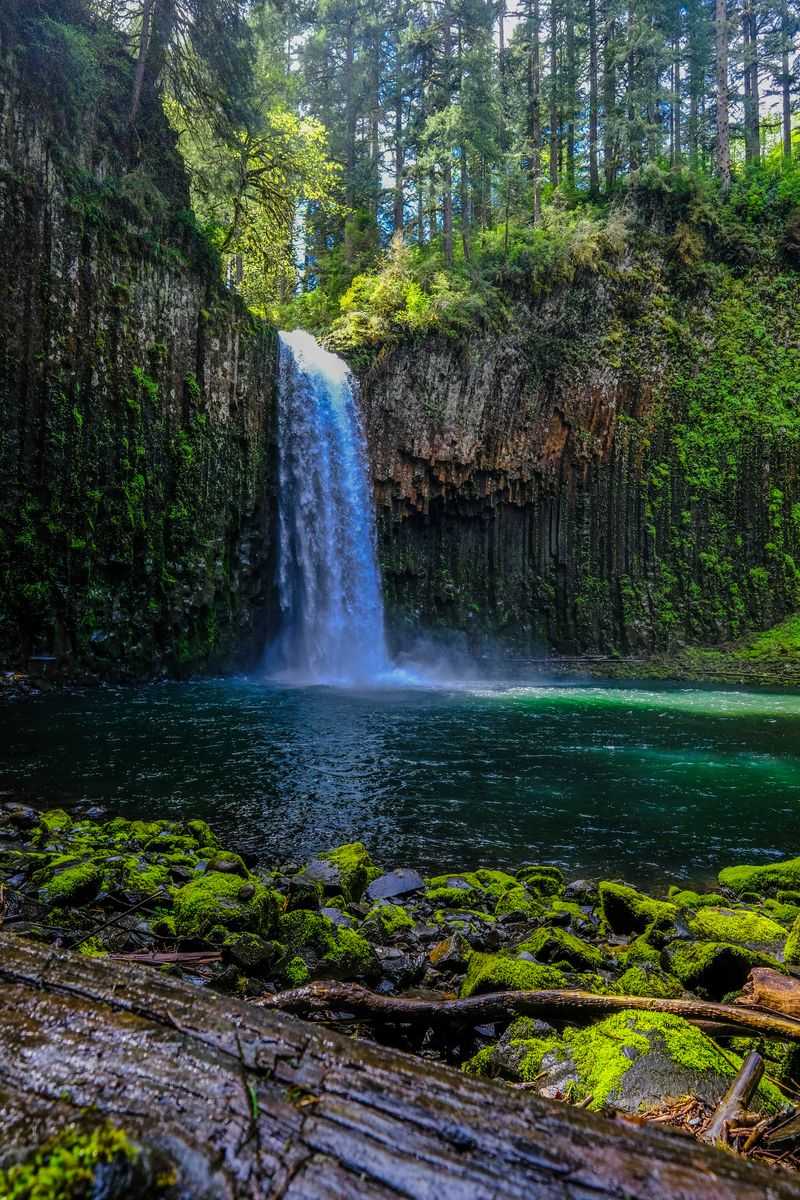
Water plunges ninety-two feet into a natural amphitheater carved from ancient basalt columns.
Getting there requires scrambling down a steep, muddy slope that feels more like sliding than hiking.
This geological masterpiece stayed relatively unknown until Instagram made it famous overnight.
Inexperienced hikers get injured on the treacherous descent, requiring expensive rescue operations.
Graffiti now mars the beautiful basalt walls, and trash accumulates in hard-to-reach corners of the canyon.
4. Proxy Falls
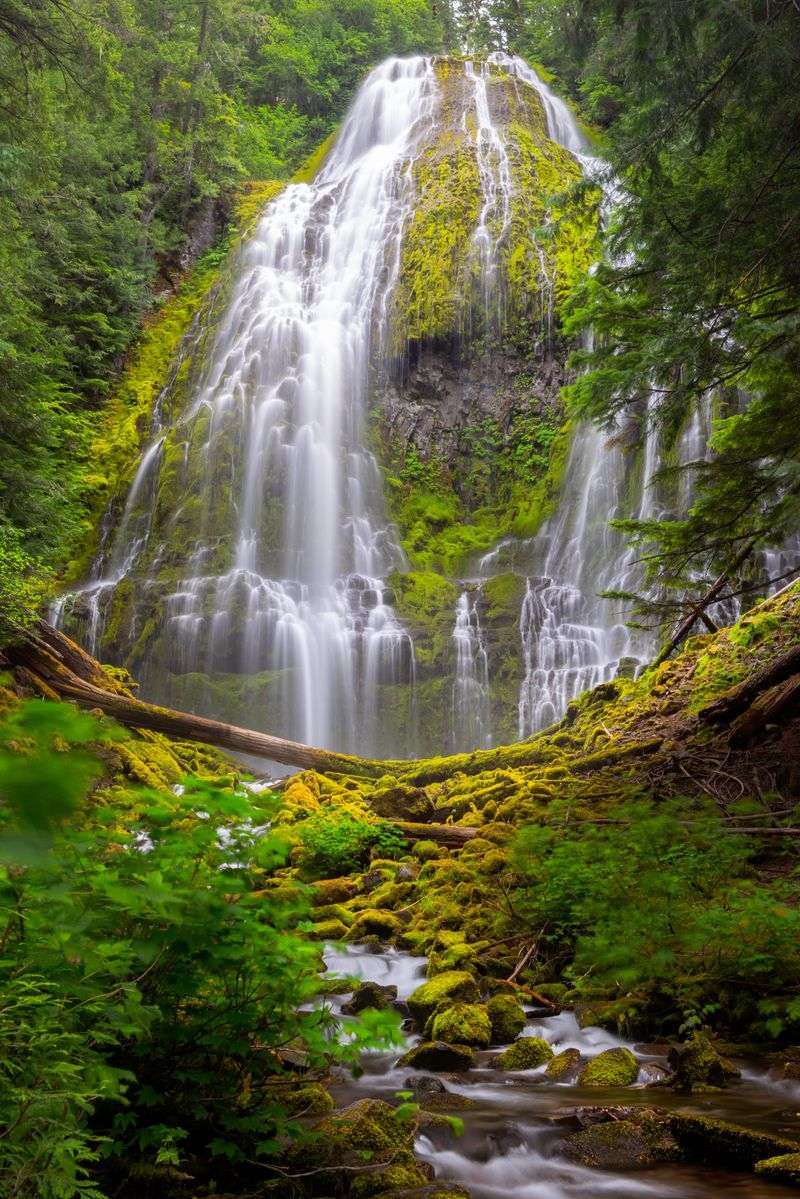
Twin waterfalls tumble over moss-covered lava flows in a display that looks straight out of a fantasy movie.
The short loop trail makes this spot accessible to almost everyone, which has become both a blessing and a curse for this magical place.
The moss that took centuries to grow gets trampled by people stepping off trails for selfies.
Noise pollution from chattering crowds has driven away wildlife that once called this peaceful forest home, forever changing the natural balance.
5. Forest Park
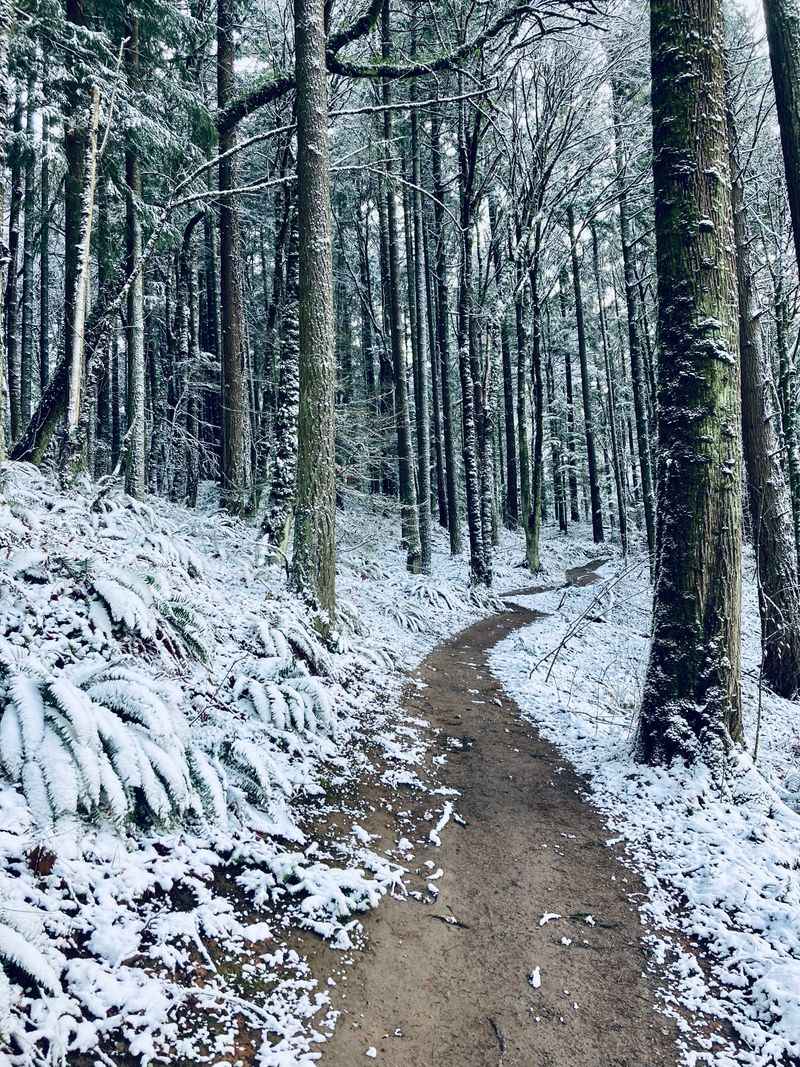
Sprawling across Portland’s western hills, this urban wilderness offers over eighty miles of trails through second-growth forest.
Wildwood Trail winds for thirty miles, providing an escape from city life without leaving town limits.
Mountain bikers, runners, hikers, and dog walkers compete for space on narrow trails designed for foot traffic.
Illegal trail construction and off-leash dogs destroy native plants and disturb ground-nesting birds.
The park’s proximity to Portland means it receives more visitors than it can handle sustainably.
6. Jefferson Park
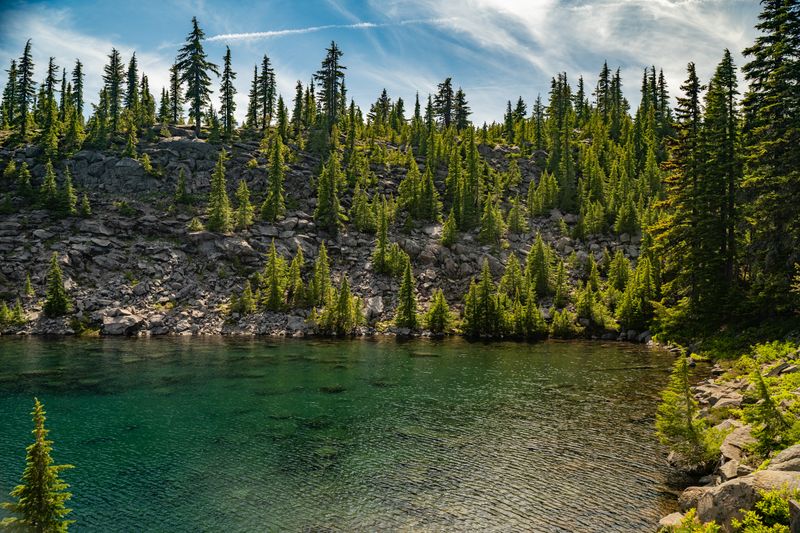
Alpine meadows burst with wildflowers beneath the towering peak of Mount Jefferson in this backcountry paradise.
Camping here once required planning and wilderness skills, but now permits sell out instantly as everyone wants a piece of this mountain magic.
The fragile alpine ecosystem can’t withstand thousands of trampling feet each season.
Campers create illegal fire rings despite burn bans, scarring the landscape.
Human waste problems plague the area because many visitors ignore Leave No Trace principles completely.
7. Green Lakes Basin
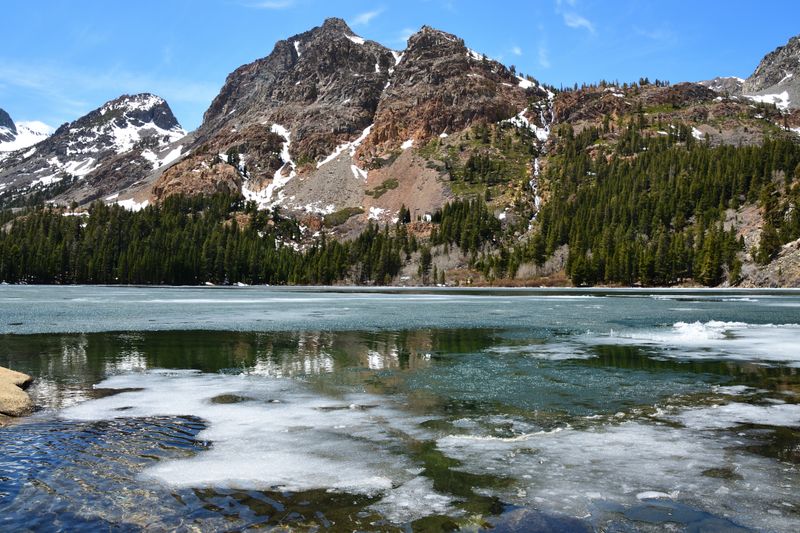
Three emerald lakes nestle beneath South Sister’s volcanic peak like jewels in a mountain crown.
The stunning alpine scenery makes this one of Oregon’s most photographed wilderness areas, which unfortunately means it’s also one of the most trampled.
Trail conditions have deteriorated badly from overuse, with shortcuts creating erosion gullies down steep slopes.
The lakes themselves suffer from pollution as too many swimmers and their sunscreen contaminate the pristine water that took thousands of years to form.
8. Tom McCall Preserve (Rowena Plateau)
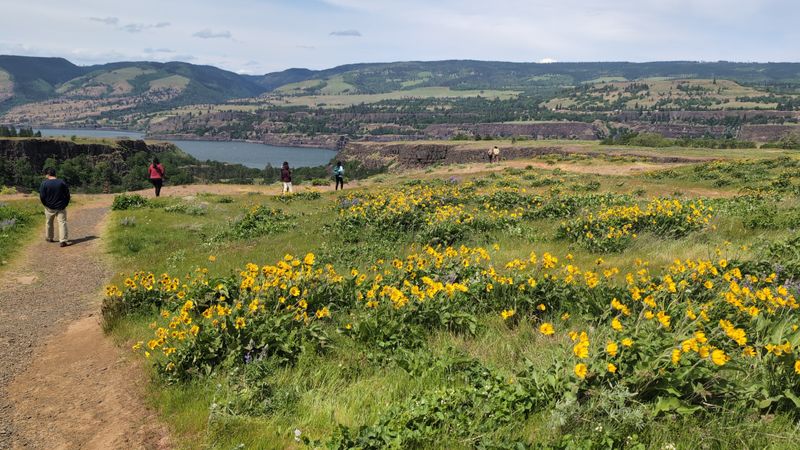
Wildflowers paint the hillsides in brilliant yellows and purples each spring above the Columbia River Gorge.
Balsamroot and lupine create a natural masterpiece that draws photographers and nature lovers from everywhere.
What was once a peaceful preserve now resembles a botanical theme park during peak bloom.
People trample through the blooms for photos, destroying the very beauty they came to see.
The preserve’s fragile ecosystem can’t recover between seasons anymore, with some native species disappearing entirely from heavily trafficked areas.