
The Hidden Hill Country Villages In Oklahoma That Stay Blissfully Quiet
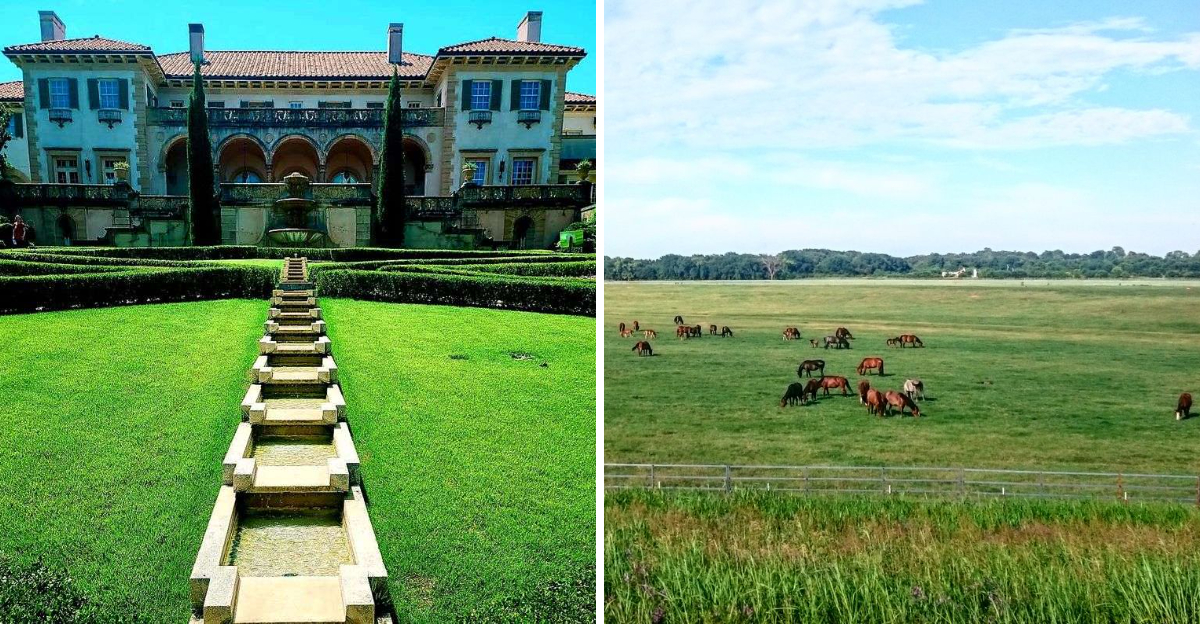
Most people picture Oklahoma as wide highways and open plains, but take a turn onto the quieter backroads and a different side of the state unfolds. Rolling hills give way to small towns where traffic lights are few, conversations last longer, and life feels refreshingly unhurried.
Far from the tourist trail, these peaceful villages invite you to slow down and savour the simple things, a calm main street, a scenic overlook, a friendly wave from a neighbour. Spend a little time here, and you may find yourself lingering longer than planned.
Medicine Park
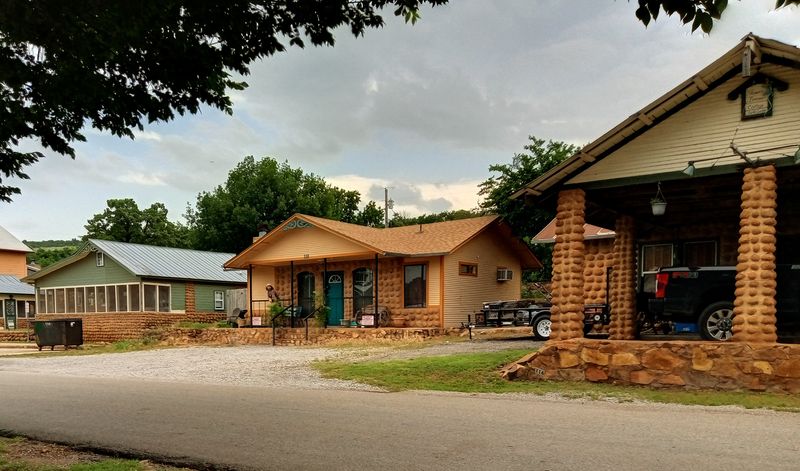
Medicine Park sits at the base of the Wichita Mountains, built entirely from cobblestone that gives it a storybook appearance. The town was founded in 1908 as Oklahoma’s first resort community, and walking its streets today feels like stepping back to that gentler era.
Bath Lake Creek runs right through the middle of town, creating a peaceful soundtrack of flowing water that follows you everywhere.
Local shops sell handmade crafts and artwork from regional artists who’ve made this their creative home. You can wade in the creek during summer months or simply sit on one of the many benches and watch the water tumble over smooth rocks.
The restaurants here serve homestyle cooking that tastes like someone’s grandmother made it with love.
On weekends, you might catch live music drifting from the old pavilion, but even then, the atmosphere stays relaxed and unhurried. The mountains surrounding the village create a natural barrier that seems to keep the outside world at bay.
This is where Oklahomans come when they need to remember what quiet actually sounds like.
Pawhuska
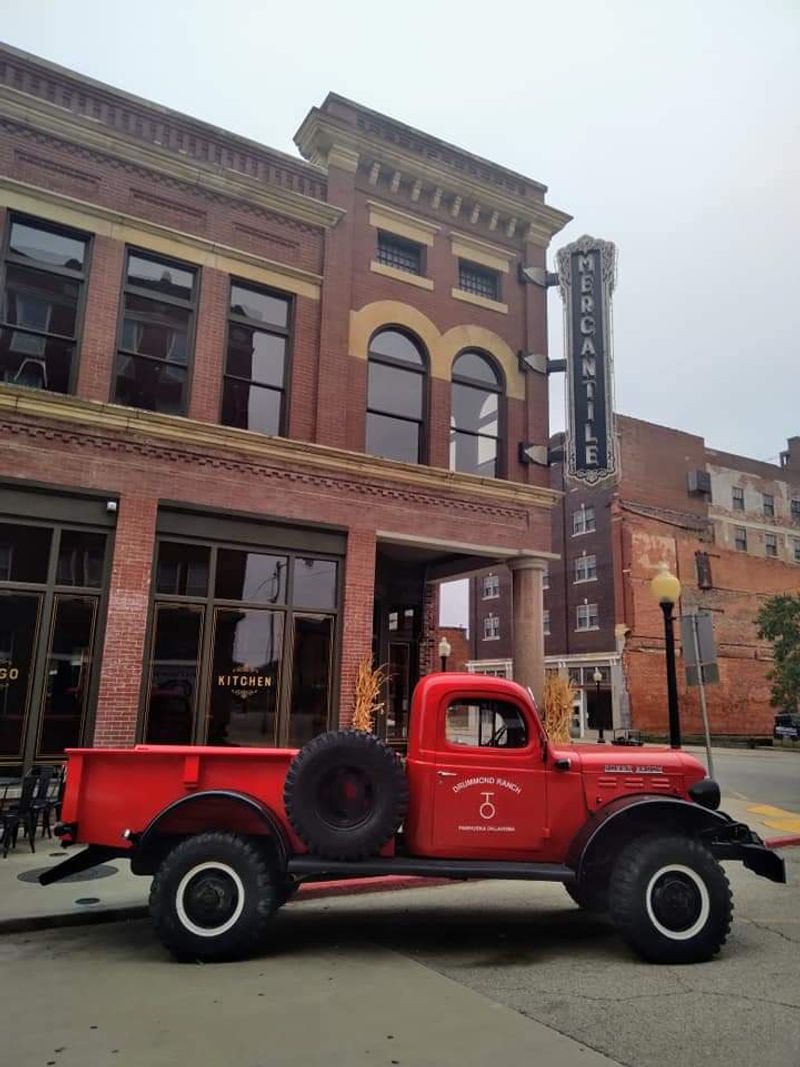
Pawhuska became famous recently thanks to a certain television personality, but visit on a weekday and you’ll find the calm that locals have always cherished. The Osage Nation capital has deep roots that stretch back long before statehood, and that history whispers from every old building downtown.
Constant Street still looks much like it did a century ago, with tall brick buildings that cast cool shadows on summer afternoons.
The town sits on the edge of the Tallgrass Prairie, where wind moves through grass that reaches higher than your waist. Early mornings here are especially magical, with mist rising off the hills and meadowlarks singing their hearts out.
You can explore antique shops that aren’t trying to be trendy or touristy, just honest collections of things people once used and loved.
Local cafes serve breakfast to ranchers and oil workers who’ve been coming to the same tables for decades. The pace of life here follows the seasons and the land rather than clocks and calendars.
Even with its recent fame, Pawhuska holds tight to its quiet character.
Prague
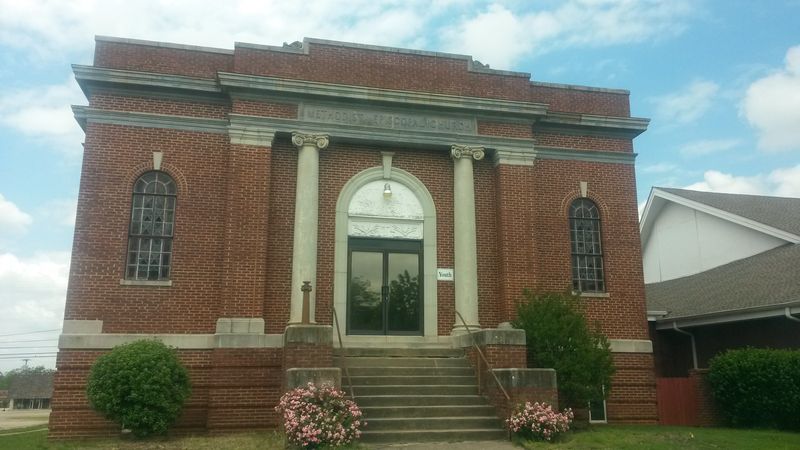
Prague proudly celebrates its Czech heritage in a town where traffic jams simply don’t exist. Founded by Czech immigrants in 1902, the community still holds onto traditions brought across the ocean more than a century ago.
The National Shrine of the Infant Jesus of Prague draws visitors year-round, but the town never feels crowded or rushed.
Main Street features buildings that reflect both American small-town architecture and touches of European influence. You’ll find authentic kolaches at the local bakery, recipes passed down through generations of Czech families who settled here.
The surrounding farmland stretches flat and golden, creating horizons that seem to go on forever under big Oklahoma skies.
During the annual Kolache Festival, the town buzzes with activity, but most days Prague moves at a pace that lets you actually think and breathe. Neighbors still wave from their porches, and conversations at the post office might last twenty minutes.
The quiet here isn’t empty silence but rather the comfortable hush of a community that knows itself well and doesn’t need to prove anything to anyone.
Yale
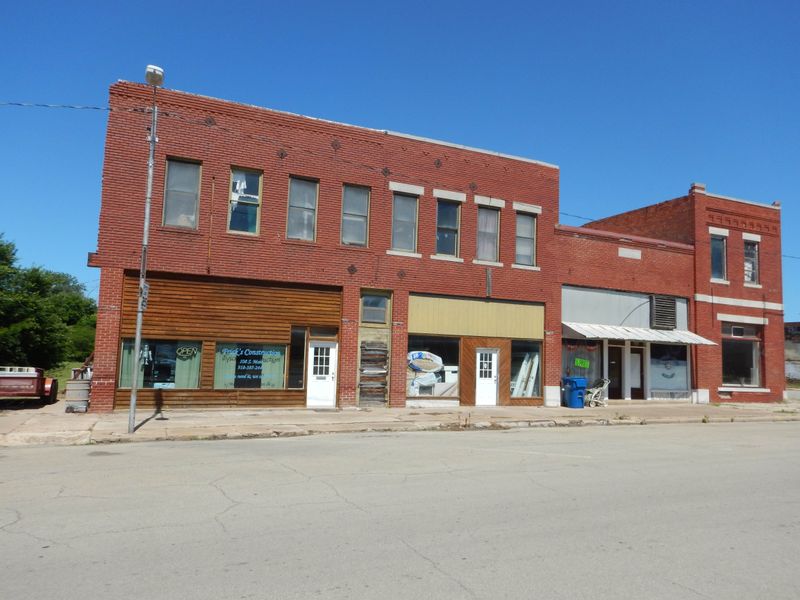
Yale sits tucked away in Payne County, a town where Friday night football games are still the biggest event of the week. The population hovers around 1,200 people, and it seems like everyone knows everyone else’s name and probably their grandmother’s name too.
Downtown features a handful of businesses that have served the community for generations, the kind of places where they remember your order.
The surrounding countryside is classic Oklahoma farmland, with red dirt roads cutting through fields of wheat and grazing cattle. You can drive for miles without seeing another car, just fence posts and sky and the occasional windmill spinning lazily.
The town’s water tower stands as a landmark visible from every direction, a reassuring constant in an ever-changing world.
Life here follows agricultural rhythms rather than corporate schedules. Spring planting and fall harvest dictate the community’s energy levels more than any calendar.
The high school sits at the heart of town pride, and local diners serve as unofficial community centers where news gets shared over coffee and pie. Yale doesn’t try to be anything other than what it is, and that authenticity creates a peaceful atmosphere you can feel the moment you arrive.
Davis
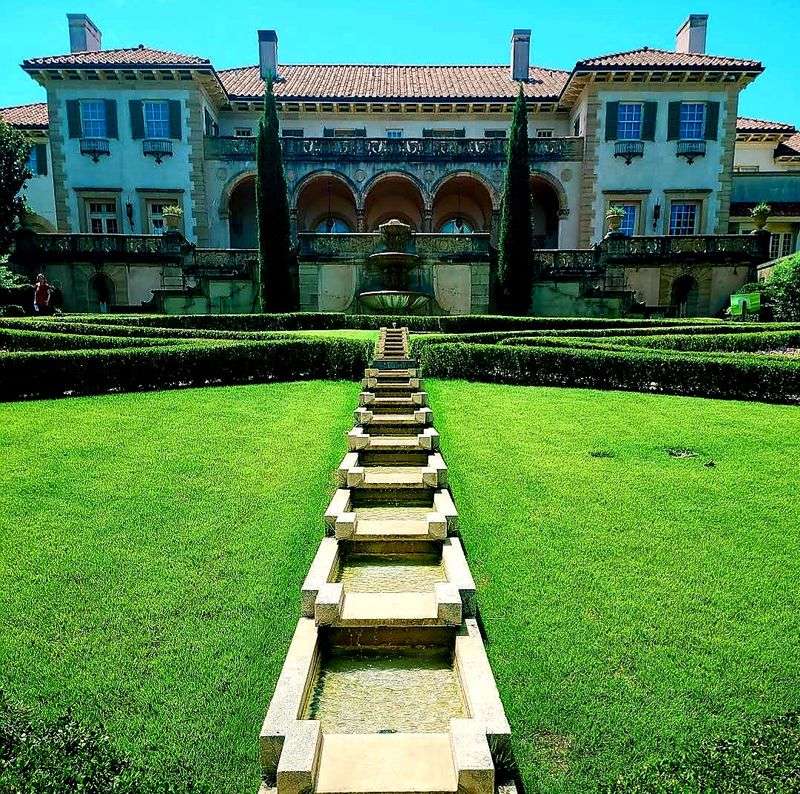
Davis perches at the edge of the Arbuckle Mountains, where rocky hills break up the prairie flatness. Turner Falls Park sits just outside town, but Davis itself remains wonderfully calm even during tourist season.
The main drag through town takes about ninety seconds to drive, assuming you obey the speed limit and don’t get stuck behind a tractor.
Local businesses cater to both residents and the occasional visitor heading to the falls or nearby lakes. You’ll find genuine hospitality here, the kind where shop owners actually want to chat rather than just make a sale.
The Arbuckle Mountains create a dramatic backdrop that changes color with the seasons, from green springs to golden autumns.
Mornings in Davis start with roosters crowing and the smell of coffee drifting from the local cafe. Evenings bring spectacular sunsets that paint the mountains in shades of purple and orange.
The town celebrates its proximity to natural beauty without letting that define everything about it. Residents go about their daily lives with a contentment that comes from living in a place they genuinely love.
The quiet here feels earned, not manufactured for tourists seeking an authentic experience.
Union City
Union City spreads across the western Oklahoma prairie where the land flattens out and the sky dominates everything. Founded during the land run era, the town has shrunk from its boom days but gained something valuable in the process: tranquility.
The historic downtown shows its age in the best possible way, with weathered brick and old-fashioned storefronts that photograph beautifully.
Agriculture drives the local economy, with wheat fields and cattle ranches surrounding the town in every direction. You might see more pickup trucks than passenger cars, and cowboy boots outnumber sneakers by a comfortable margin.
The local school serves as the community’s beating heart, bringing everyone together for games, plays, and programs throughout the year.
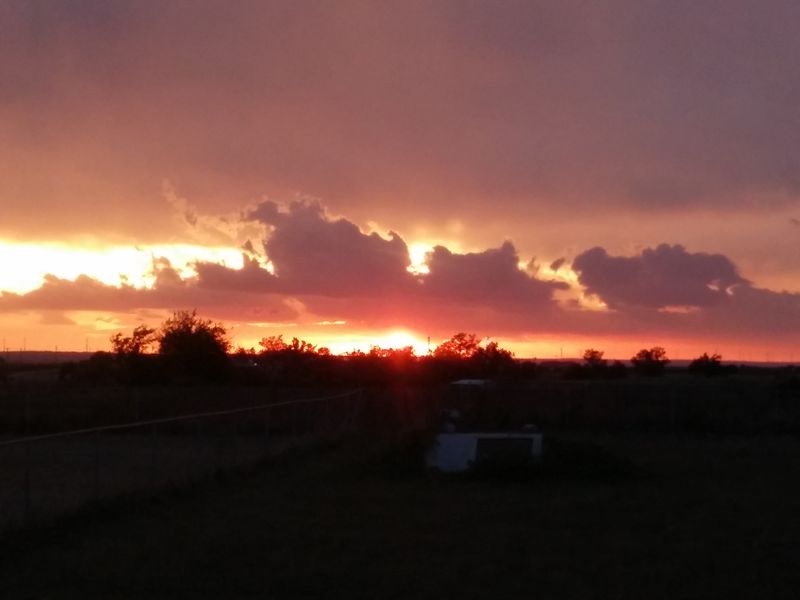
Sunset here is an event worth stopping whatever you’re doing to watch. The western sky puts on shows that would make professional photographers weep with joy.
Stars at night shine with an intensity impossible in cities, the Milky Way stretching overhead like a river of light. Union City doesn’t offer fancy attractions or trendy restaurants, but it provides something increasingly rare: genuine peace and a connection to the land that sustains it.
Oakhurst
Oakhurst barely qualifies as a town by modern standards, with a population that wouldn’t fill a large apartment building. What it lacks in size, it makes up for in absolute serenity.
Located in Creek County, this tiny community exists as a reminder of what rural Oklahoma looked like before suburban sprawl changed everything. A few houses, a church, and endless countryside make up the entire village.
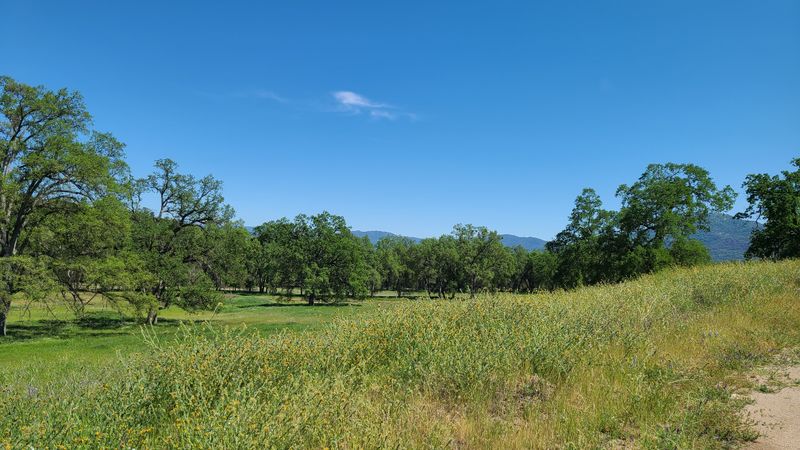
The surrounding landscape features rolling hills covered in native grasses and scattered oak trees that gave the town its name. Wildlife outnumbers people here by a comfortable margin, with deer, wild turkeys, and coyotes going about their business largely undisturbed.
Roads through the area see so little traffic that you could probably take a nap in the middle of one, though we don’t recommend trying.
There’s something profound about places this small and quiet. They remind us that not everywhere needs to grow and develop and change.
Some spots can just exist peacefully, offering refuge to the few families who call them home. Oakhurst won’t win any awards or appear in travel magazines, but for those seeking true solitude, it’s absolutely perfect.
Pauls Valley
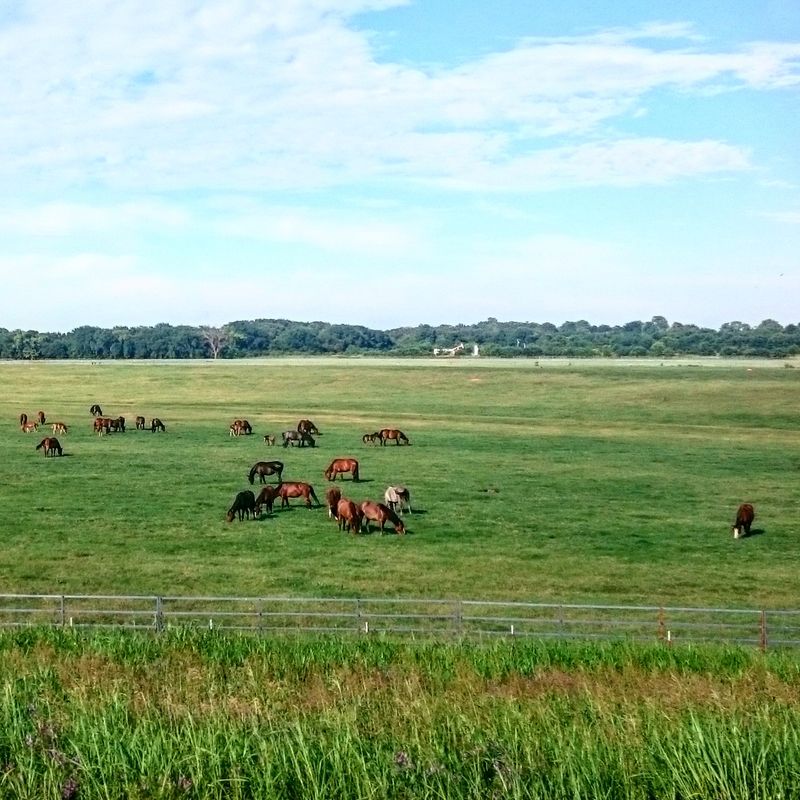
Pauls Valley sits along Interstate 35 but manages to maintain a peaceful character despite the highway proximity. Named after Smith Paul, a Chickasaw farmer, the town has grown and shrunk with the decades but kept its small-town soul intact.
The historic downtown features beautiful old buildings that speak to earlier prosperity, now housing local businesses that serve the community faithfully.
Wacker Park provides green space right in town, with mature trees offering shade and a swimming pool that becomes the social center during summer months. The Santa Fe Depot Museum preserves local history in a restored train station, telling stories of when rail was king.
You can still hear trains passing through, their whistles adding to the town’s nostalgic atmosphere.
Main Street moves at a pace that lets you actually window shop without feeling rushed. Local restaurants serve honest food without pretension, the kind of meals that stick to your ribs and remind you of Sunday dinners.
The community takes pride in its schools and its youth, investing in the next generation rather than just clinging to the past. Pauls Valley offers a perfect balance: big enough to have what you need, small enough to stay genuinely quiet.
Sulphur
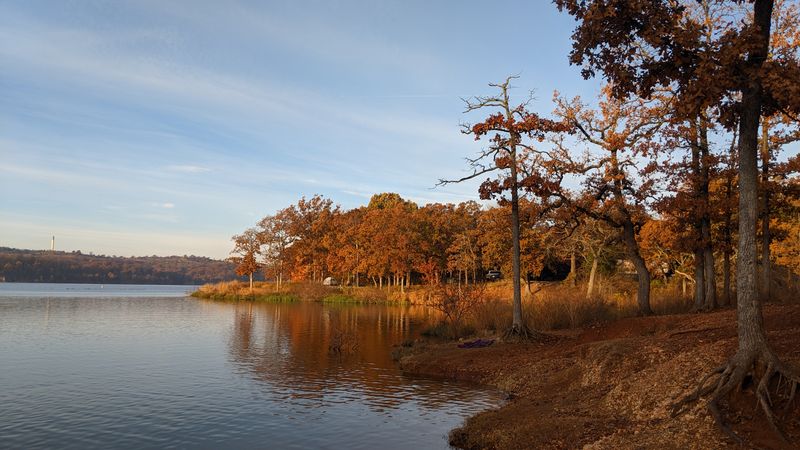
Sulphur sits at the gateway to the Chickasaw National Recreation Area, but the town itself remains surprisingly peaceful. Natural springs bubble up throughout the area, giving the town its distinctive name and its original purpose as a health resort.
Downtown features a mix of old and new, with vintage buildings standing alongside modern conveniences that serve both locals and park visitors.
Travertine Creek runs through town, creating natural pools where you can cool off on hot summer days. The water stays clear and cold year-round, fed by those same springs that drew people here over a century ago.
Massive trees shade the streets, their branches meeting overhead to form natural tunnels that keep temperatures comfortable even in July.
The Artesian Hotel stands as a reminder of Sulphur’s heyday as a destination for those seeking healing waters. Today, the town attracts families heading to the recreation area, but most evenings grow quiet as visitors retreat to campgrounds.
Local shops close at reasonable hours, and the streets empty out, returning Sulphur to its residents. The combination of natural beauty and small-town charm makes this village feel like a secret worth keeping.
Alva
Alva serves as home to Northwestern Oklahoma State University, but don’t let the college presence fool you into expecting typical college-town chaos. The university blends seamlessly into the community rather than dominating it, creating an atmosphere that’s both youthful and peaceful.
The campus features beautiful old buildings constructed from local stone, and students walking between classes move at a decidedly un-rushed pace.
Located in Woods County near the Kansas border, Alva sits in country where wheat fields stretch to the horizon. The surrounding landscape is quintessentially Great Plains, with big skies and bigger views.
Downtown features businesses that have served the community for decades, with owners who remember when their parents ran the same stores.
The Cherokee Strip Museum preserves the area’s land run history, telling stories of families who raced here to claim homesteads. That pioneer spirit still infuses the community with a sense of independence and self-reliance.
Students and longtime residents mix comfortably in local coffee shops and diners, creating an intergenerational community that feels increasingly rare. Alva proves that college towns don’t have to be loud or chaotic, that education and tranquility can coexist beautifully in the Oklahoma hills.