
The Hidden Waterfall In Michigan You’ve Never Heard Of
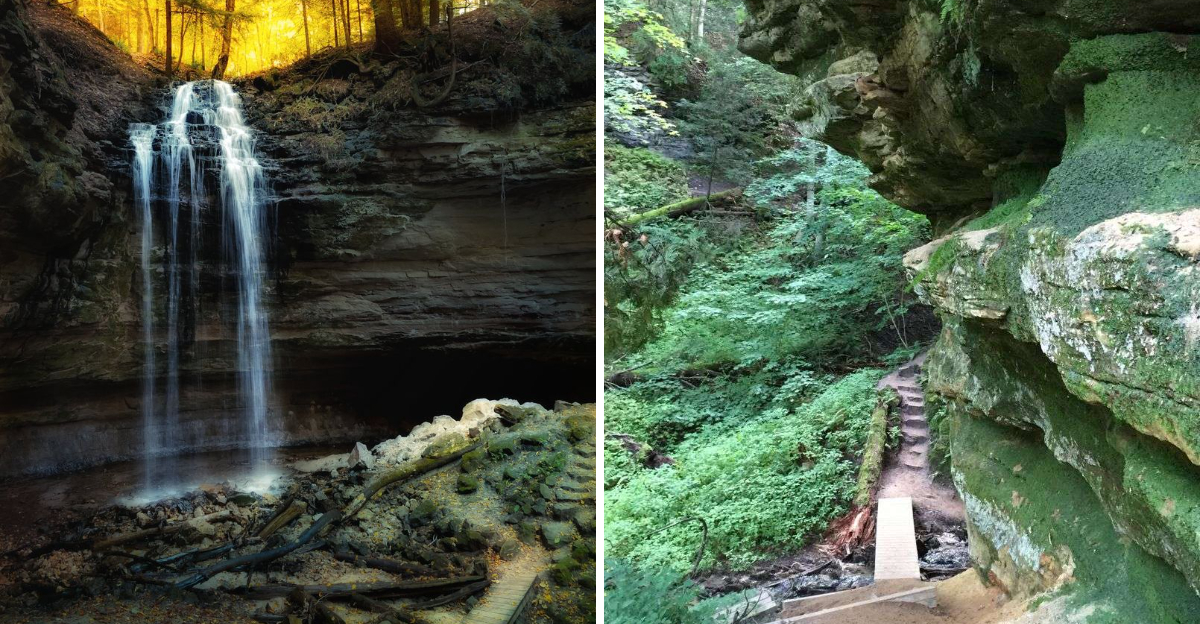
Michigan’s Upper Peninsula holds countless natural treasures, but few remain as quietly spectacular as Tannery Falls in Alger County. This 40-foot cascade tumbles into a sandstone canyon near Munising, offering visitors a rare chance to stand both in front of and behind the flowing water.
While most travelers flock to the area’s famous pictured rocks and well-marked trails, Tannery Falls waits in the woods with a story worth discovering.
A Secluded Waterfall Nestled In The Heart Of Alger County
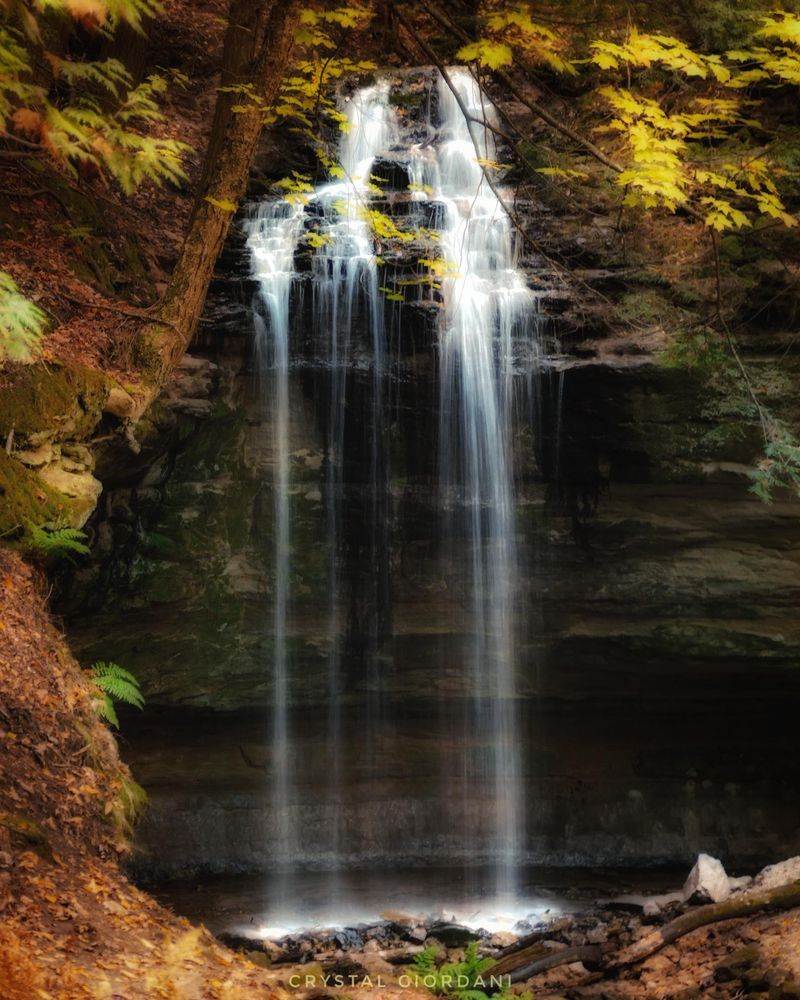
Alger County sprawls across Michigan’s Upper Peninsula with forests so dense that entire waterfalls can hide within them for decades. Tannery Falls sits among these woods, carved over centuries by water that refuses to follow predictable paths.
The surrounding landscape feels older than memory, with towering pines and sandstone formations that speak to geological patience.
Reaching this waterfall requires intention rather than accident. No billboards point the way, and the trailhead remains unmarked on most tourist maps.
Local knowledge passes quietly from one visitor to another, preserving the falls’ secluded character even as word spreads slowly through hiking communities.
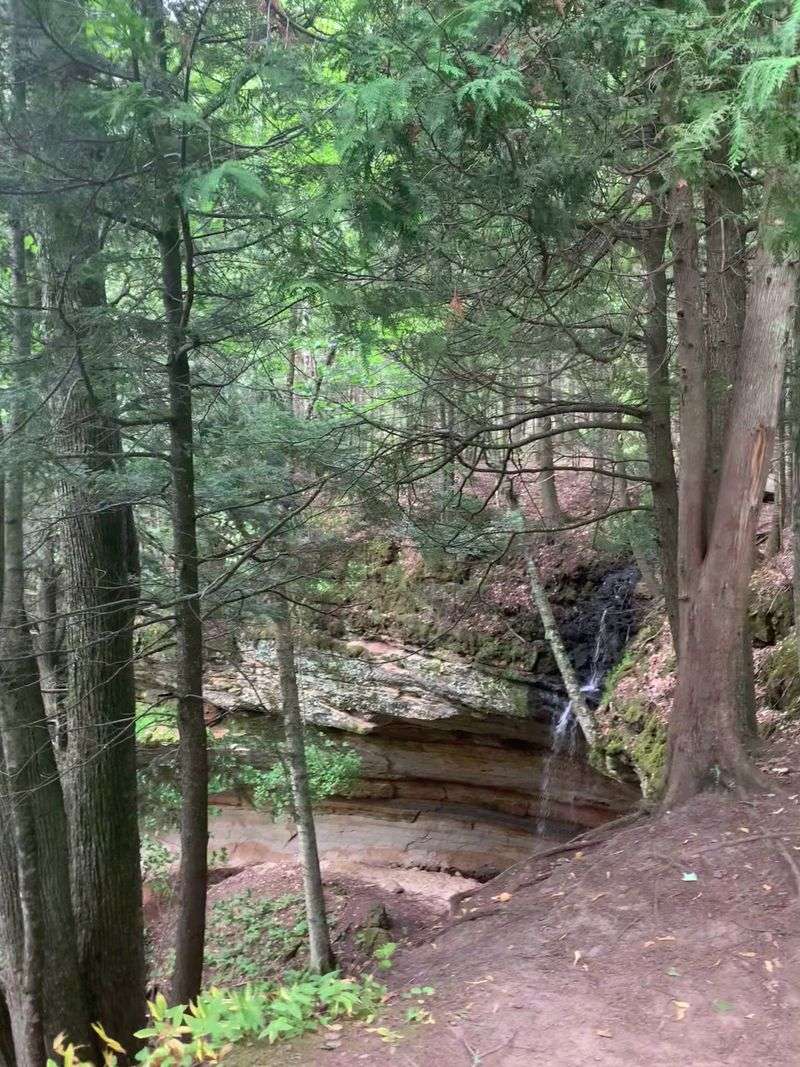
The waterfall itself drops forty feet into a natural amphitheater of rock, creating acoustics that amplify every splash and echo. Moss clings to the canyon walls in thick patches, thriving in the constant mist.
Standing at the base, you feel the weight of isolation in the best possible sense, surrounded by nature that operates on its own schedule without concern for human convenience or commerce.
How To Find Tannery Falls: A Hidden Gem Near Munising
Finding Tannery Falls has become more complicated in recent years, though not impossible for determined hikers. The traditional trailhead off Washington Street once provided straightforward access, but property disputes have closed that route.
Current visitors must approach via the North Country Trail, starting from behind the visitor center near Munising Falls.
The address listed as Munising, MI 49862 offers only general guidance rather than precise directions. Parking near the alternate trailhead requires attention to posted signs and respect for private property boundaries.
Several online reviews mention confusion about access points, underscoring the importance of checking current conditions before attempting the hike.
Once on the correct trail, hikers follow a path that winds through dense woodland for roughly a mile. The route includes steep sections with exposed roots and rocky terrain that demands proper footwear.
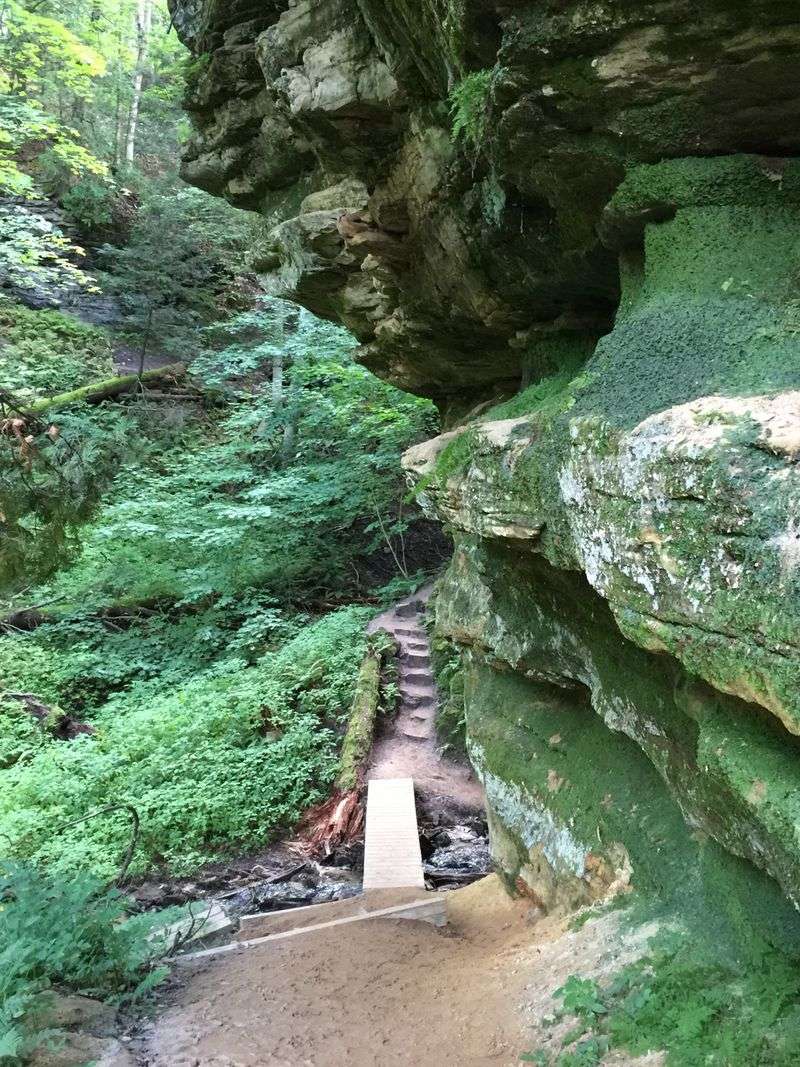
Navigation becomes easier after passing a distinctive rock wall mentioned in multiple visitor accounts, serving as a natural landmark that confirms you’re heading the right direction toward the canyon.
The Beauty Of Tannery Falls: A 40-Foot Cascade Hidden In The Woods
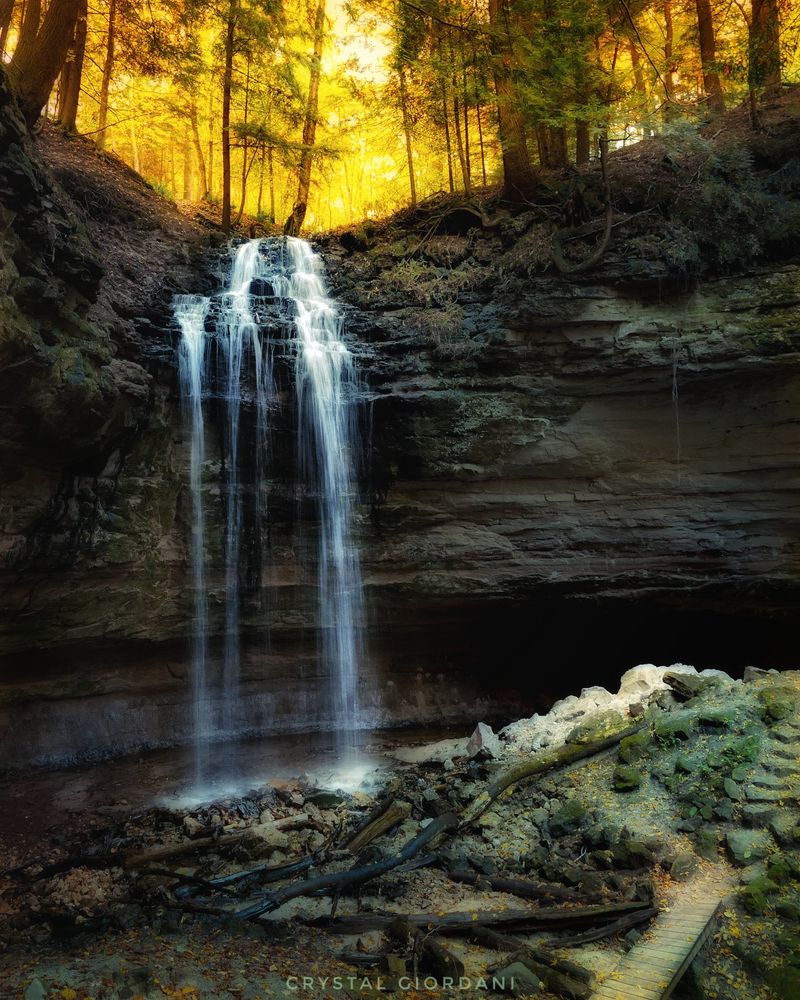
Water plunges forty feet at Tannery Falls, creating a spectacle that justifies every challenging step required to reach it. The cascade flows over layered sandstone that time and erosion have carved into irregular shelves, each one redirecting the water into new patterns.
During periods of heavy rain, the falls roar with impressive volume, while drier seasons reduce it to a gentler, more contemplative flow.
The canyon surrounding the falls rises on three sides, creating a natural enclosure that holds sound and moisture. Ferns cluster along the base where spray keeps the ground perpetually damp.
The sandstone displays bands of color ranging from pale cream to deep rust, evidence of different mineral deposits laid down millennia ago.
Photographers find endless compositions here, particularly in morning light when sun angles through the canopy overhead. The interplay between falling water, ancient rock, and living greenery creates scenes that feel both timeless and specific to this exact location.
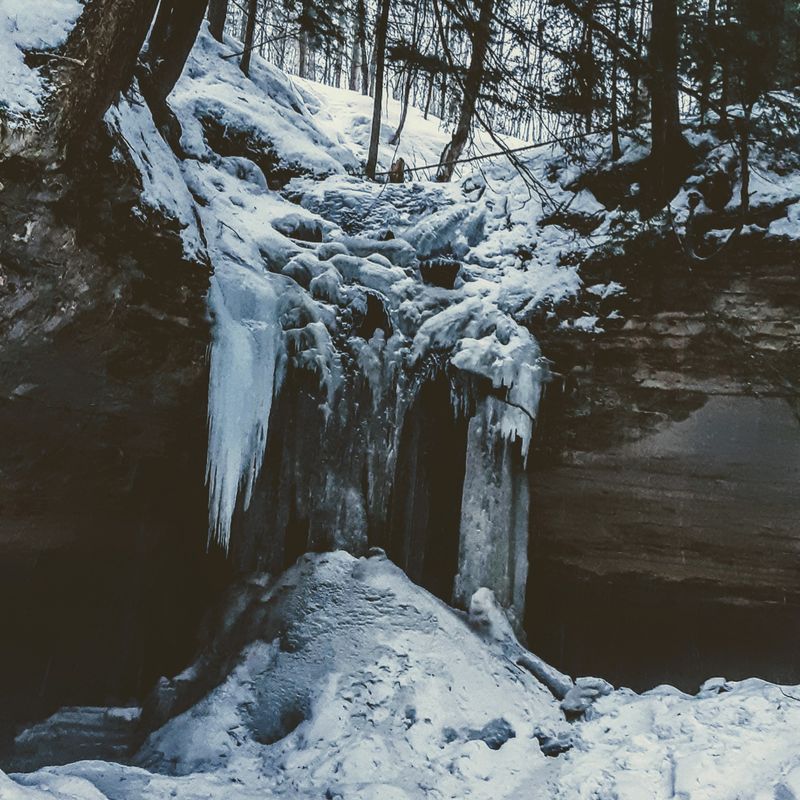
Every season brings different character, from summer’s lush abundance to winter’s dramatic ice formations that transform the falls into frozen sculpture.
A Waterfall With A Secret Cave Behind It
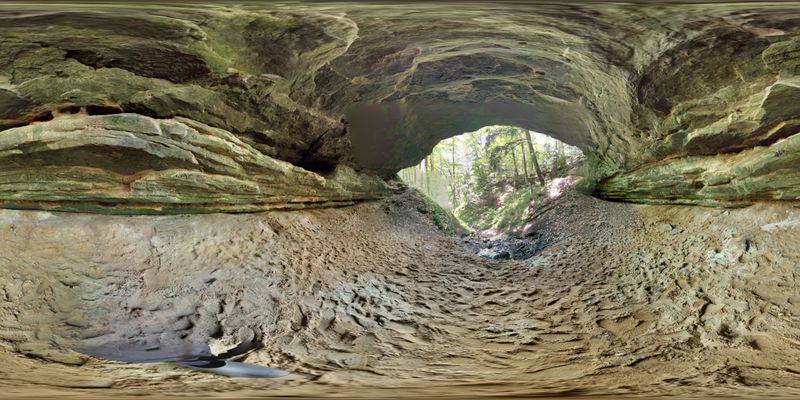
Few waterfalls anywhere allow visitors to walk behind the cascade itself, making Tannery Falls genuinely unusual. The sandstone canyon has eroded unevenly, creating a recessed area behind the falling water that functions like a natural cave.
Standing in this space offers a perspective most people only see in photographs, with the world viewed through a curtain of moving water.
The rock overhead remains stable enough for safe passage, though caution remains essential given the slippery surfaces and constant moisture. The sound intensifies behind the falls, becoming an all-encompassing roar that drowns out normal conversation.
Spray coats everything, so waterproof gear becomes necessary rather than optional for anyone planning to explore this hidden vantage point.
This behind-the-falls feature distinguishes Tannery from dozens of other Upper Peninsula waterfalls that might offer greater height or volume. The intimate scale allows interaction rather than mere observation, inviting visitors into the waterfall’s immediate environment.
Many hikers report this as their most memorable moment from visiting, the one detail they mention first when describing the experience to friends back home.
Why Tannery Falls Is Michigan’s Best-Kept Waterfall Secret
Michigan boasts hundreds of waterfalls scattered across its Upper Peninsula, yet Tannery Falls remains relatively unknown even among dedicated waterfall hunters. Part of this obscurity stems from access complications that have intensified in recent years.
The closure of the primary trailhead filtered out casual visitors, leaving only those willing to research alternate routes and navigate more challenging terrain.
No state park designation protects or promotes Tannery Falls, meaning it lacks the infrastructure that draws crowds to places like Tahquamenon or Miners Falls. This absence of facilities translates directly into absence of visitors, preserving a sense of discovery that has vanished from more accessible locations.
The falls never appear on standard tourist itineraries, remaining firmly in the realm of local knowledge and dedicated exploration.
Social media has paradoxically helped maintain Tannery’s secret status by spreading conflicting information about access, discouraging people who prefer clear directions. The waterfall’s rating of 3.8 stars reflects these access frustrations rather than the falls’ actual beauty, creating a self-selecting audience of hikers who value effort over convenience and solitude over certainty.
Tannery Falls And Its Lesser-Known Connection To Michigan’s Mining History
The name Tannery Falls hints at industrial history rather than natural beauty, pointing toward Munising’s nineteenth-century economy. Tanneries operated throughout the Upper Peninsula during lumber boom years, processing animal hides using chemicals and water from local streams.
While specific documentation connecting this waterfall to actual tanning operations remains elusive, the name persists as linguistic evidence of human activity in what now seems like pristine wilderness.
Munising itself grew from mining and logging industries that transformed the region between 1880 and 1920. Iron ore deposits drew prospectors, while white pine forests attracted lumber companies that clear-cut vast tracts.
The sandstone formations surrounding Tannery Falls likely provided building material for early structures, connecting the waterfall’s geology directly to regional development.
Today’s visitors walk through forests that have regrown over abandoned rail grades and forgotten logging camps. The trail to Tannery Falls may follow routes once used to transport timber or access mining claims, though nature has reclaimed these corridors so completely that evidence has nearly vanished.
Understanding this layered history adds depth to the experience, reminding us that wilderness often represents recovery rather than permanence.
The Best Time To Visit Tannery Falls: When To See The Water Flowing At Its Best
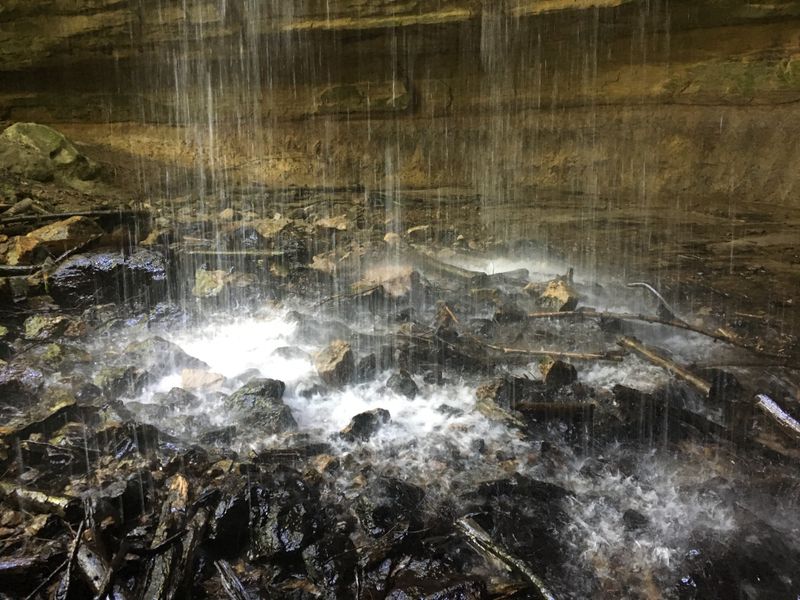
Spring runoff transforms Tannery Falls into its most dramatic version, with snowmelt swelling the cascade into a thundering display. Late April through early June typically offers peak water volume, though timing varies depending on winter snowpack and spring temperatures.
The falls roar during these months, sending spray high enough to soak anyone standing at the base.
Summer visits reveal a gentler character as flow diminishes through July and August. Several reviews mention disappointment with reduced water volume during dry periods, when the falls can shrink to a modest trickle.
However, lower water levels make it easier to explore the canyon floor and venture behind the cascade without getting completely drenched.
Winter hiking to Tannery Falls attracts adventurous souls willing to navigate icy trails and frozen terrain. The waterfall develops spectacular ice formations, with frozen curtains and pillars that completely transform its appearance.
January visits require proper equipment including traction devices and cold-weather gear, but reward prepared hikers with scenes of stunning beauty. Fall shoulder seasons offer compromise conditions with moderate water flow and fewer trail hazards than winter presents.
Exploring Tannery Falls: A Short Hike That Leads To A Big Reward
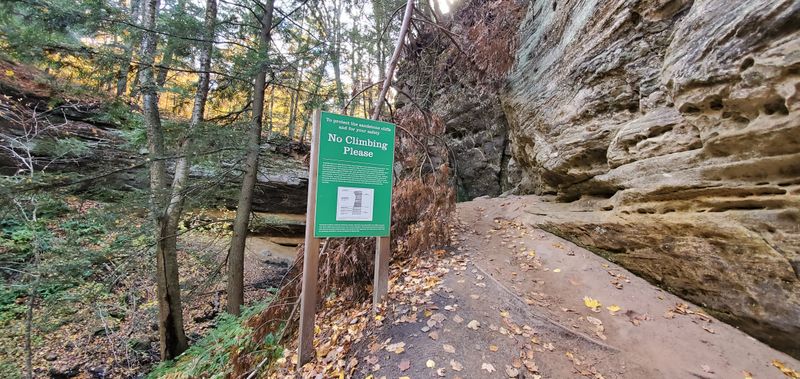
The hike to Tannery Falls covers roughly one mile each way, qualifying as short by absolute distance but moderately challenging by terrain standards. Steep sections test cardiovascular fitness while rocky footing demands constant attention.
Tree roots cross the path frequently, creating natural obstacles that slow progress and require careful foot placement to avoid twisted ankles.
Most hikers complete the journey in thirty to forty-five minutes depending on fitness level and trail conditions. The path climbs and descends through several elevation changes, passing through mature forest that provides welcome shade during summer months.
That impressive rock wall mentioned in visitor reviews appears about halfway, serving as both landmark and preview of the geological features awaiting at the destination.
Proper hiking boots make a significant difference on this trail, as several reviews emphasize. Athletic shoes with good tread can suffice during dry conditions, but anything less invites problems on steep or muddy sections.
Trekking poles help with balance and reduce strain on knees during descents. The reward at trail’s end justifies the effort required, offering that rare combination of natural beauty and relative solitude that defines truly memorable outdoor experiences.
A Quiet Escape: Why Tannery Falls Is Perfect For A Peaceful Getaway
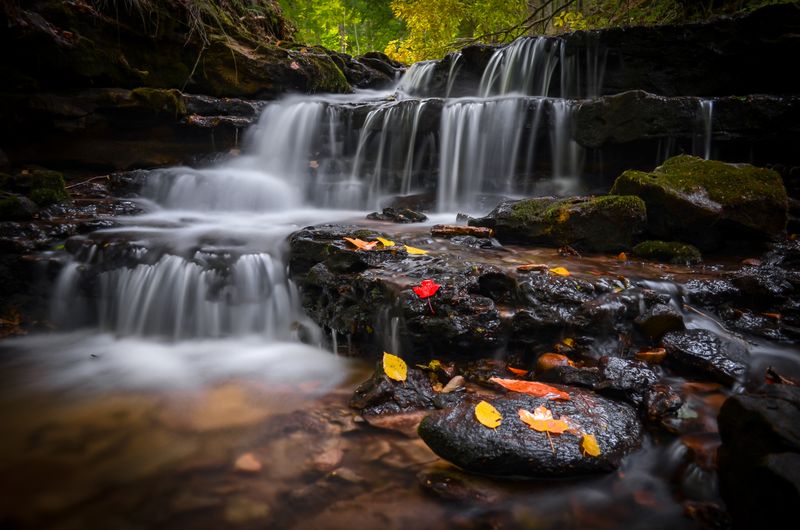
Solitude has become Tannery Falls’ defining characteristic, especially compared to Munising’s busier attractions. One reviewer described being the only person at the falls during their entire visit, an experience increasingly rare at popular natural destinations.
The access complications that frustrate some visitors serve as effective filters, ensuring that crowds never develop even during peak tourism season.
The canyon’s natural acoustics create an envelope of sound dominated by falling water and wind through trees. No road noise penetrates this far into the forest, and cell service remains unreliable at best.
This enforced disconnection from digital distractions allows genuine immersion in the immediate environment, something many people claim to seek but few destinations actually provide.
Photographers appreciate the unhurried opportunity to compose shots without other visitors constantly entering the frame. Contemplative types find the setting ideal for extended stays, sitting on rocks near the base and letting time pass without agenda.
The waterfall offers respite from the performance aspects of more popular locations where crowds create pressure to take quick photos and move along, replaced here by permission to simply exist in a beautiful place for as long as you choose.
How Tannery Falls Adds To The Charm Of Munising’s Waterfall Trail
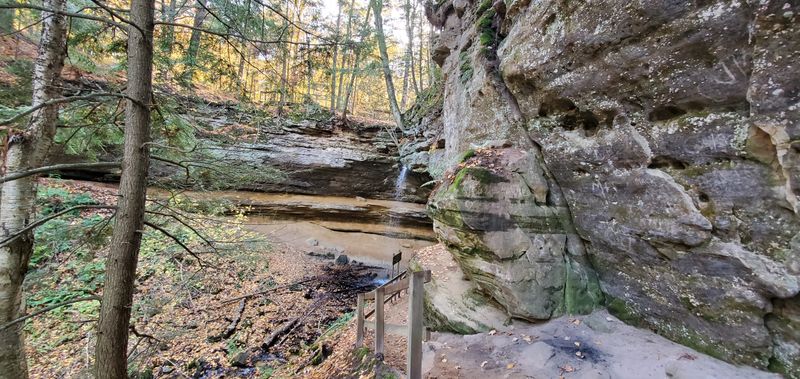
Munising serves as the unofficial waterfall capital of Michigan’s Upper Peninsula, with over a dozen significant cascades within a fifteen-mile radius. Visitors can easily spend several days exploring this concentration of falling water, from the accessible boardwalk at Munising Falls to the dramatic drops along Miners River.
Tannery Falls fits into this network as the mysterious outlier, the one that requires extra effort and rewards with extra character.
The North Country Trail connects several of these waterfalls into a hiking route that showcases the region’s geological diversity. Starting from the visitor center allows ambitious hikers to visit both Munising Falls and Tannery Falls in a single day, though the combined distance exceeds six miles.
This pairing demonstrates the range of waterfall experiences available within one small area.
Including Tannery Falls in a Munising waterfall tour provides contrast to the more developed sites, reminding visitors that discovery still exists alongside convenience. The falls represents what all these locations might have felt like before trails were formalized and parking lots paved.
Experiencing both the accessible and the challenging waterfalls offers fuller appreciation for the area’s natural wealth and the different ways people choose to engage with wild places.