
The Hidden Waterfall In New York That’s Just A 20-Minute Walk From The Parking Lot
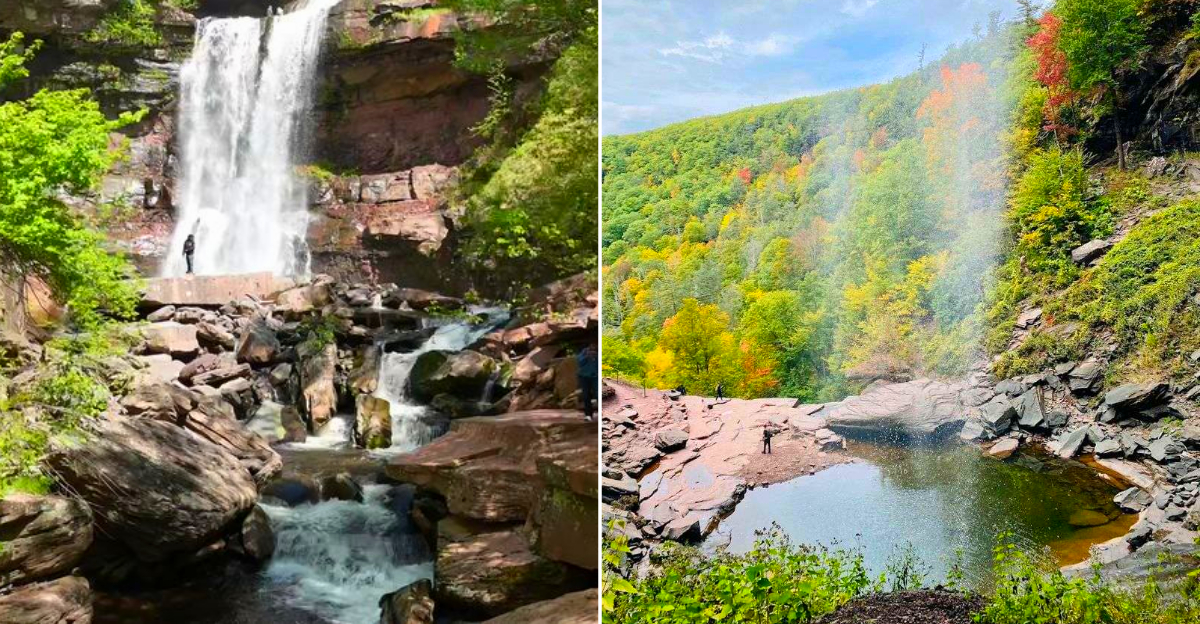
Most great waterfalls in New York require some kind of effort to justify the payoff. This one requires twenty minutes of walking and delivers something so genuinely spectacular it makes that ratio feel almost unfair to every other trail in the state.
Hidden well enough to still feel like a discovery and close enough to the parking lot to make the whole trip an easy yes on any free afternoon. New York has natural beauty worth seeking out in every direction but a waterfall this good this accessible is a rare and specific kind of find.
The walk in builds just enough anticipation and the waterfall handles everything from there completely. The waterfall is patient and the payoff is absolutely worth it.
A Waterfall That Has Been Turning Heads For Centuries
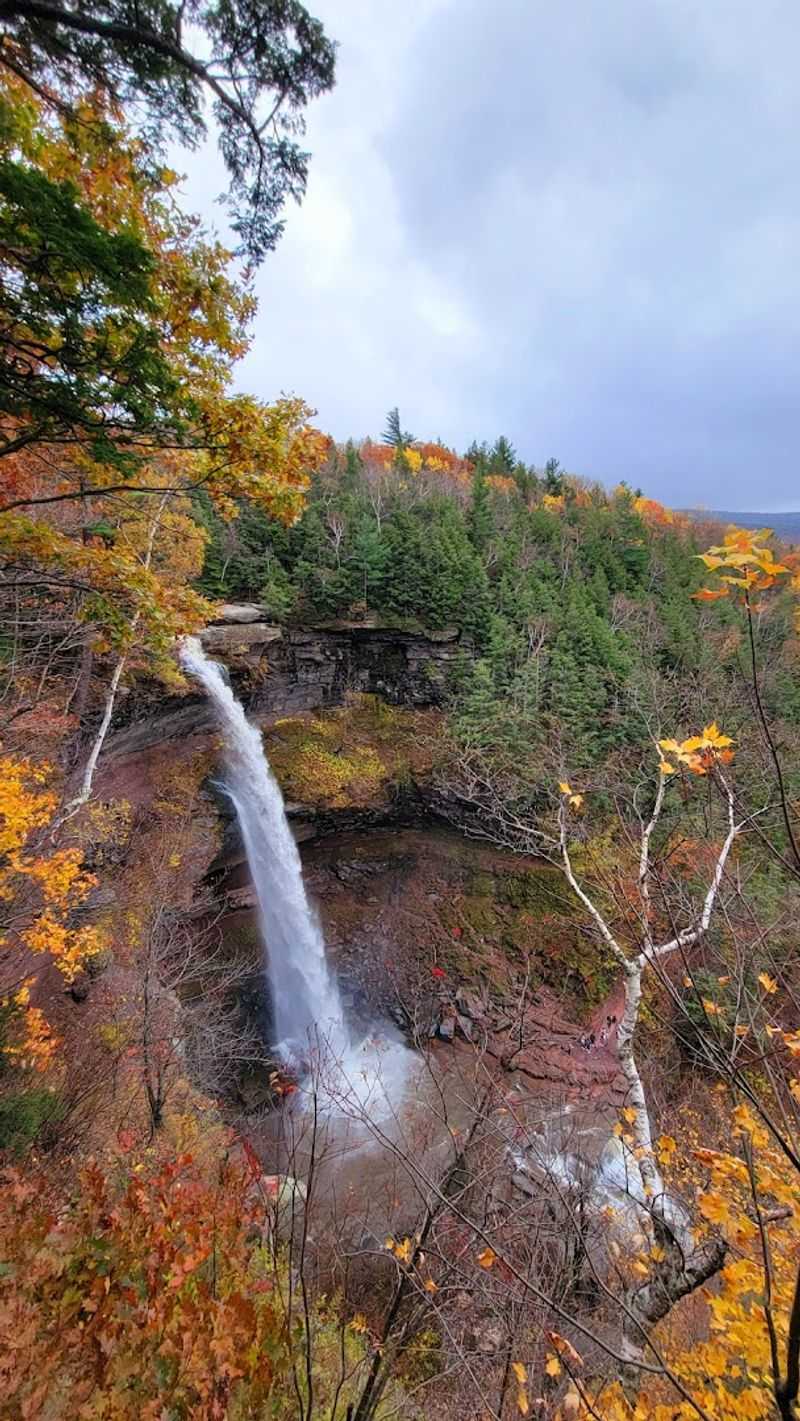
Few natural landmarks carry as much history as this one does. Long before hiking trails and parking lots existed, artists and writers were already making the journey to witness its power firsthand.
Thomas Cole, one of the founding painters of the Hudson River School, captured its image on canvas and helped put the Catskills on the cultural map of America.
The waterfall also appeared in Washington Irving’s classic tale Rip Van Winkle, giving it a kind of literary fame that most outdoor spots simply do not have.
Standing at 260 feet tall with two dramatic drops, the upper tier falling 175 feet and the lower dropping 85 feet, it is one of the tallest waterfalls in the entire Eastern United States.
New York has no shortage of scenic spots, but very few combine natural grandeur with this level of historical significance. The falls flow from Spruce Creek and are part of the North Mountain Wild Forest, keeping the surrounding land protected and pristine.
Every visit feels like stepping into a painting that has been admired for generations. That kind of legacy is rare and worth experiencing in person.
Kaaterskill Falls Trail Head On NY-23A In Haines Falls
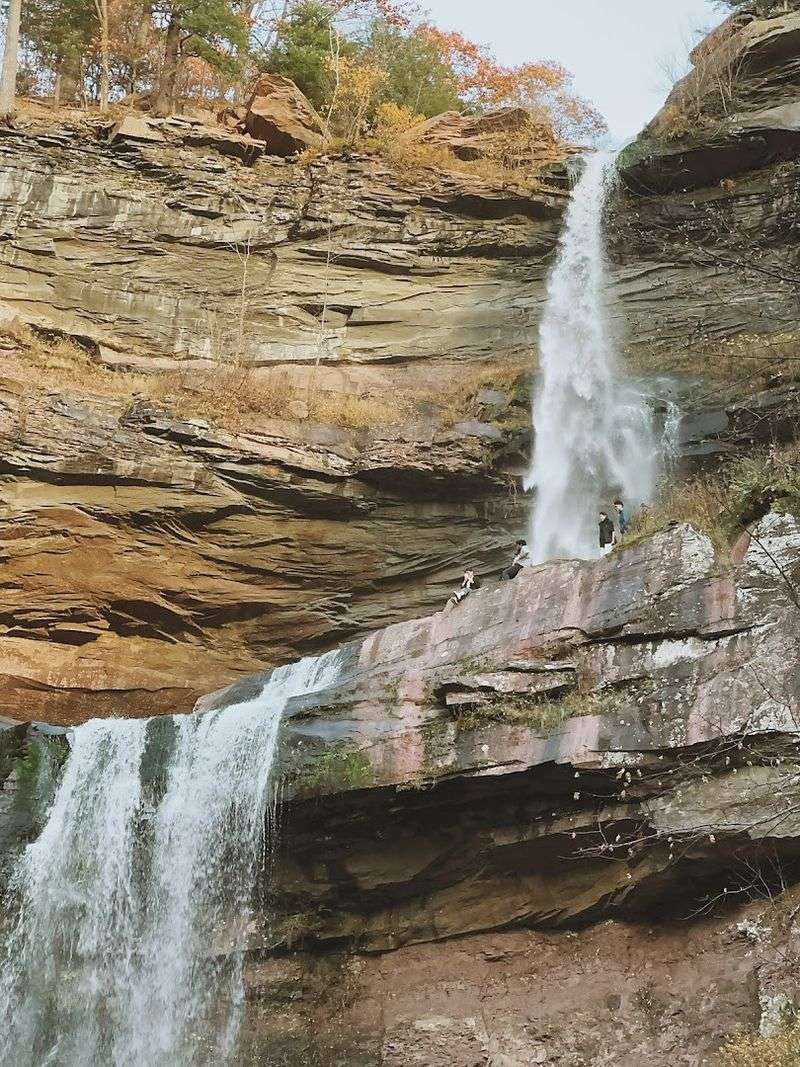
Right off NY-23A in Haines Falls, NY 12436, the Kaaterskill Falls Trail Head welcomes visitors with one of the most rewarding short hikes in the state.
The trailhead sits between the hamlets of Haines Falls and Palenville in Greene County, making it easy to find and straightforward to access from major roads.
The trail earns a 4.7-star rating and draws visitors year-round for good reason. From the Laurel House Road Parking Lot, a 0.3-mile walk leads directly to an observation platform with panoramic views of both waterfall tiers.
The platform is ADA-compliant, meaning accessibility is genuinely built into the experience rather than treated as an afterthought.
Parking at the Laurel House Road lot runs around $20 on peak days and fills up fast on weekends and holidays, so arriving early is a smart move. The trail is open 24 hours every day of the week, giving flexibility to early risers and golden-hour chasers alike.
For questions or trip planning, the New York State DEC can be reached at 888-727-2757. Every detail of the setup here signals that the place takes its visitors seriously.
The Walk That Actually Delivers On Its Promise
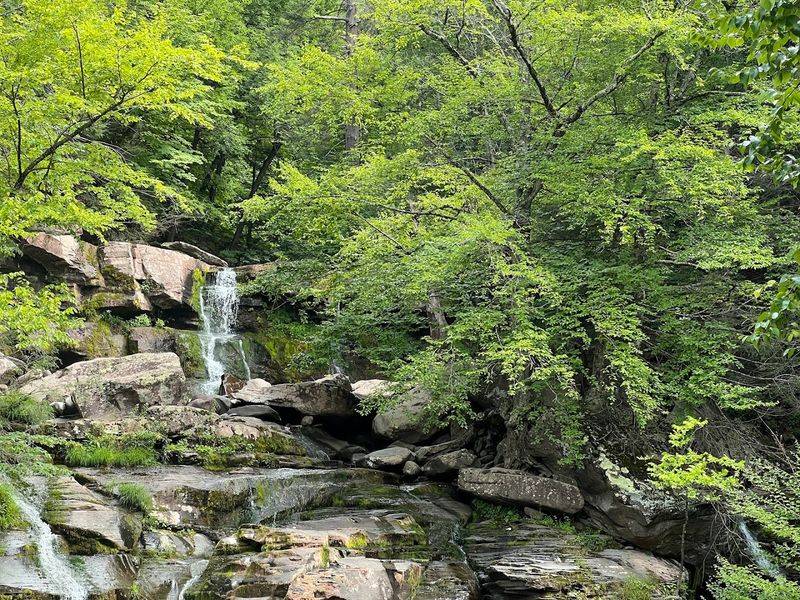
Not every short hike earns its reputation, but the path to the Kaaterskill Falls viewing platform absolutely does.
The 0.3-mile walk from the Laurel House Road Parking Lot is easy enough for most fitness levels and delivers a full panoramic view of both waterfall tiers in well under 20 minutes.
That is a serious payoff for minimal effort.
For those who want more of a challenge, the roundtrip hike from the parking lot to the base of the falls stretches to about 1.6 miles with roughly 400 feet of elevation change.
Around 200 stone steps take you down to the base, where the sound of the water hits differently up close.
It is the kind of hike where your legs know they worked but your spirit feels completely restored.
A third option runs along the Kaaterskill Rail Trail, starting from the Haines Falls Railroad Station Parking Lot behind the Mountain Top Historical Society. That route covers about 3.7 miles roundtrip to the falls overlook and stays flat the entire way.
It is less trafficked than the main trail, which means more quiet and more moments to actually absorb the scenery without the crowd noise.
Every Season Brings A Completely Different Show
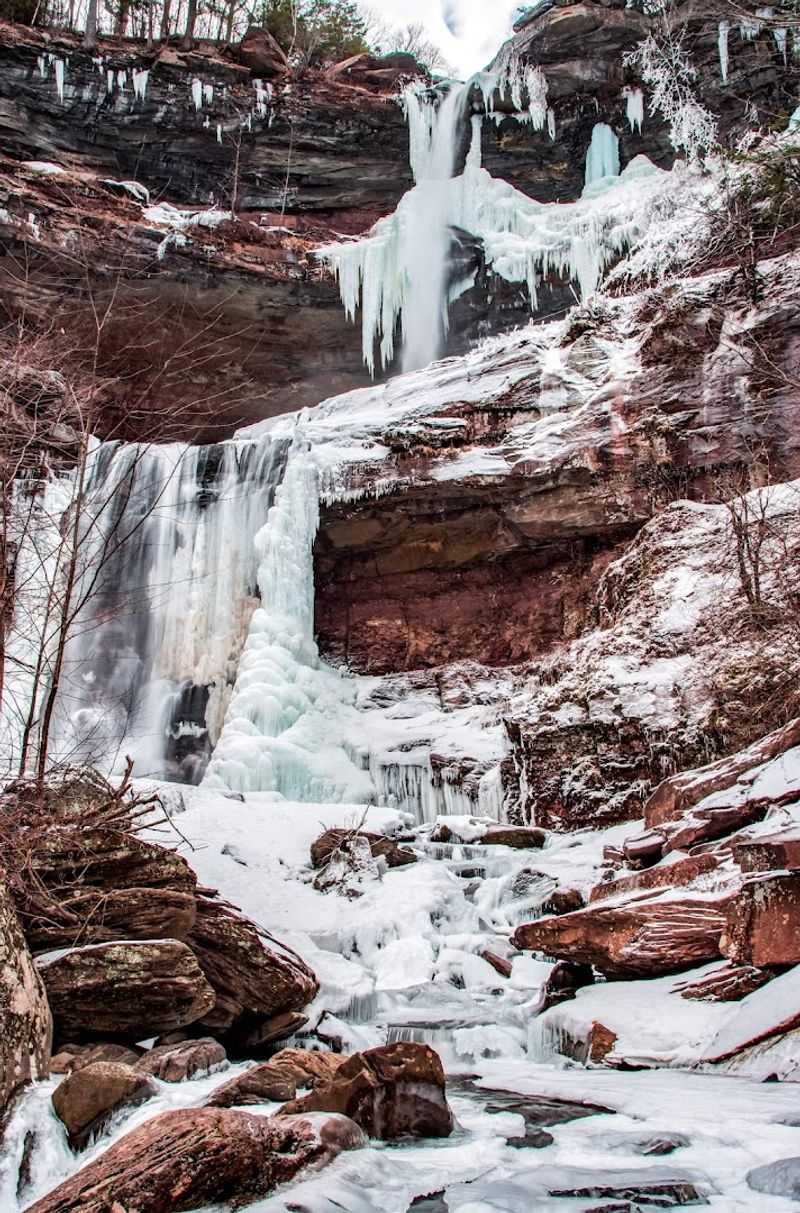
Kaaterskill Falls does not have an off-season. Each time of year brings a completely different version of the same place, and all four are worth the trip.
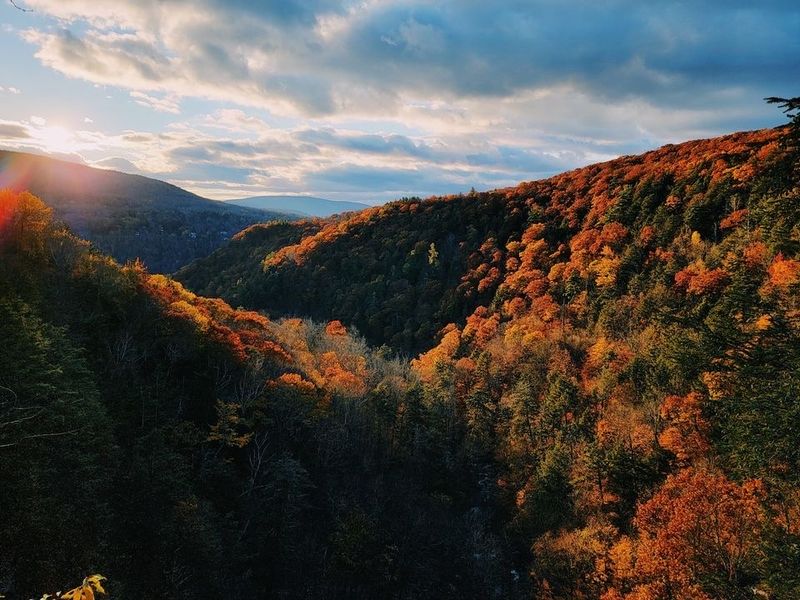
Fall is probably the most beloved window, with peak foliage usually landing between mid-September and mid-October. The colors surrounding the falls during that stretch are genuinely hard to put into words.
Winter transforms the whole scene into something otherworldly. The cascading water slows and freezes into dramatic ice formations that cling to the rock face.
Visiting in winter requires proper gear including microspikes or crampons, especially if you plan to go beyond the overlook platform. The terrain becomes significantly more slippery on the stone stairs and lower trails.
Spring brings surging water volume as snowmelt feeds Spruce Creek, making the falls roar louder than any other time of year. Summer keeps the forest thick and green, offering natural shade along the trail and a cool mist near the base.
No matter when you show up, the falls will have something new to offer. Planning around a weekday visit or an early morning arrival in any season will reward you with far more solitude than a weekend afternoon crowd ever allows.
What The Observation Platform Gets Right
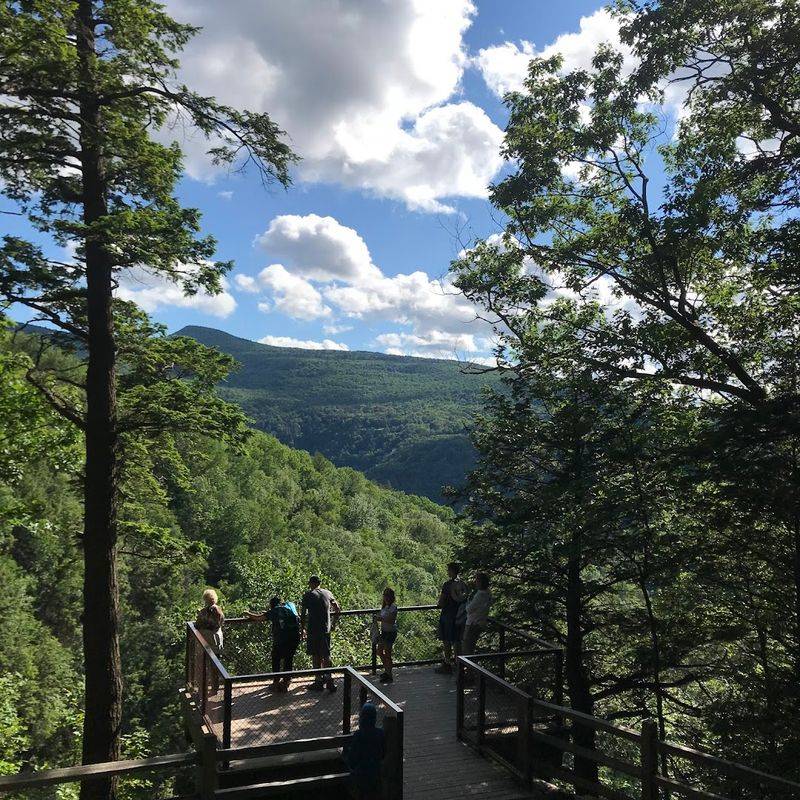
The observation platform at Kaaterskill Falls is one of those rare additions to a natural space that actually improves the experience rather than cluttering it.
Positioned to give a full view of both the upper and lower tiers of the falls, it offers a perspective that is genuinely hard to beat.
The platform is ADA-compliant, which opens the experience to a much wider range of visitors.
Reaching it takes only about 0.3 miles of walking from the Laurel House Road lot, and the trail to get there is well-maintained and clearly marked.
Safety railings and informational signage are in place throughout the area, keeping the visit feeling secure without making it feel overly managed or sterile.
The balance between safety and natural atmosphere is handled well here.
Standing on the platform and watching both tiers of the waterfall drop through the rock and mist below is one of those moments that photographs simply cannot replicate. The sound alone changes how you breathe.
Many visitors spend a long time on the platform before continuing down to the base or turning back toward the parking lot. Either choice feels like the right one when the view in front of you is that good.
Gear Up Before You Head Out
Showing up unprepared at Kaaterskill Falls is a choice you will regret about ten minutes into the hike. The terrain around the falls includes loose rocks, steep stone stairs, and sections that become genuinely slick when wet or frozen.
Proper footwear is not optional here, it is the difference between a great trip and a rough one.
In winter, microspikes or crampons are essential for anyone going beyond the viewing platform. The stone stairs leading to the base can become a sheet of ice, and trekking poles add an extra layer of stability on the descent.
Affordable versions of both are easy to find and worth every penny for a visit like this one.
Year-round, solid trail shoes with good grip will serve you far better than casual sneakers. Layering up in cooler months keeps the mist from the falls from becoming a problem.
Bringing water is always smart since the trail does not have any refreshment stops along the way. Restrooms are available at the parking lot before you head in, so handle that before you start walking.
A little preparation turns a good visit into a genuinely memorable one, and the falls more than reward the effort.
Parking Without The Headache
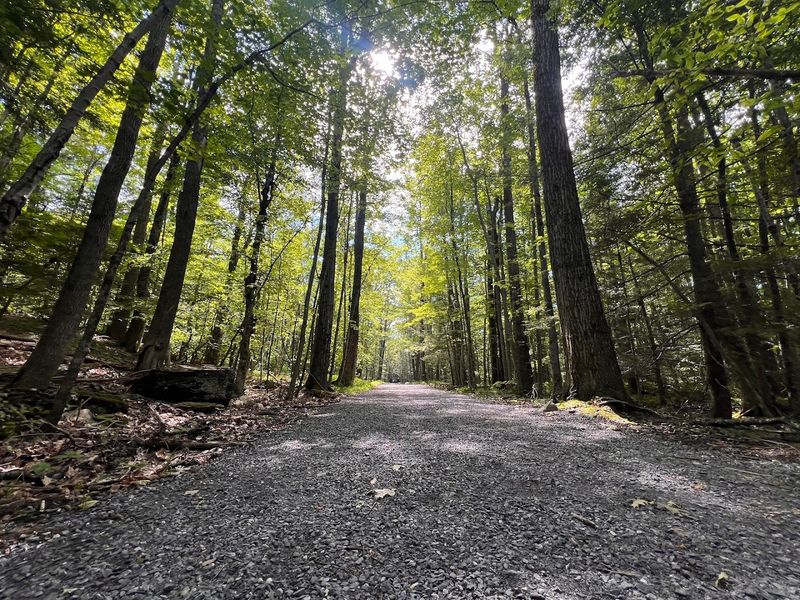
Parking at Kaaterskill Falls requires a bit of strategy, especially on weekends and fall foliage weekends in particular. The Laurel House Road Parking Lot is the closest option to the falls and charges around $20 during peak periods.
It fills up fast, so arriving before 9 AM on a busy day is genuinely sound advice rather than just a polite suggestion.
The Haines Falls Railroad Station Parking Lot offers a free or lower-cost alternative that connects to the Kaaterskill Rail Trail. The tradeoff is distance since the rail trail route runs about 3.7 miles roundtrip to the overlook.
It is flat and easy walking, which makes the extra mileage feel far less daunting than it sounds on paper.
The Scutt Road Parking Area near North-South Lake is another option but involves a longer hike of at least 2.6 miles roundtrip with about 630 feet of elevation change and also charges a parking fee.
One thing to keep firmly in mind is that parking directly on Route 23A near the lower trailhead is heavily discouraged.
Strict no-parking rules are enforced there, and the road itself is not safe for pedestrian walking. Plan your parking before you arrive and the rest of the visit flows much more smoothly.
The Base Of The Falls Is Its Own Reward
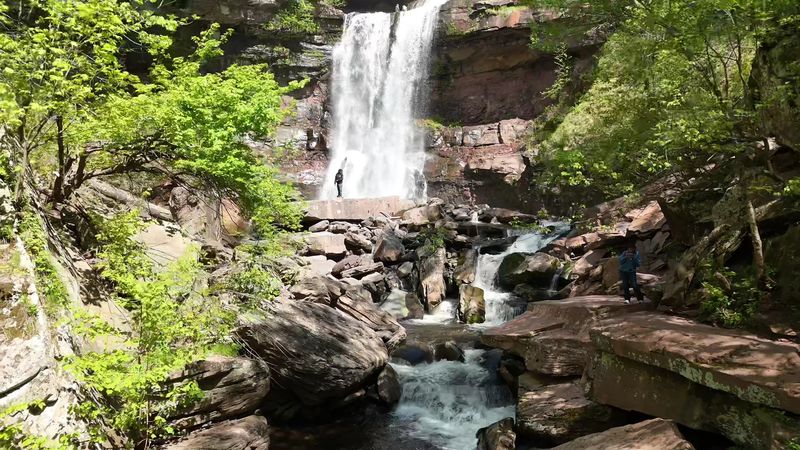
Getting to the base of Kaaterskill Falls takes more effort than reaching the viewing platform, but the payoff is on a completely different level. The roundtrip from the Laurel House Road lot covers about 1.6 miles with roughly 400 feet of elevation change.
Around 200 stone steps take you down through the forest to where the water lands, and the sound builds the whole way down.
At the base, the scale of the falls becomes real in a way the overlook platform simply cannot communicate. The mist is constant, the rocks are worn smooth by centuries of water, and the cold air near the water feels several degrees cooler than the trail above.
Natural pools form at the base of each tier, though the rocks surrounding them are slippery and caution is genuinely warranted.
Going behind the falls is physically possible but strongly discouraged by trail safety guidelines due to exposed and unstable rock. Sticking to the designated areas keeps the experience both safe and enjoyable.
Many visitors rest at the base for a while before making the climb back up, and that uphill return is where the legs really start to speak up. Bring snacks, take your time, and let the falls do the rest of the talking.
When To Go For The Best Experience
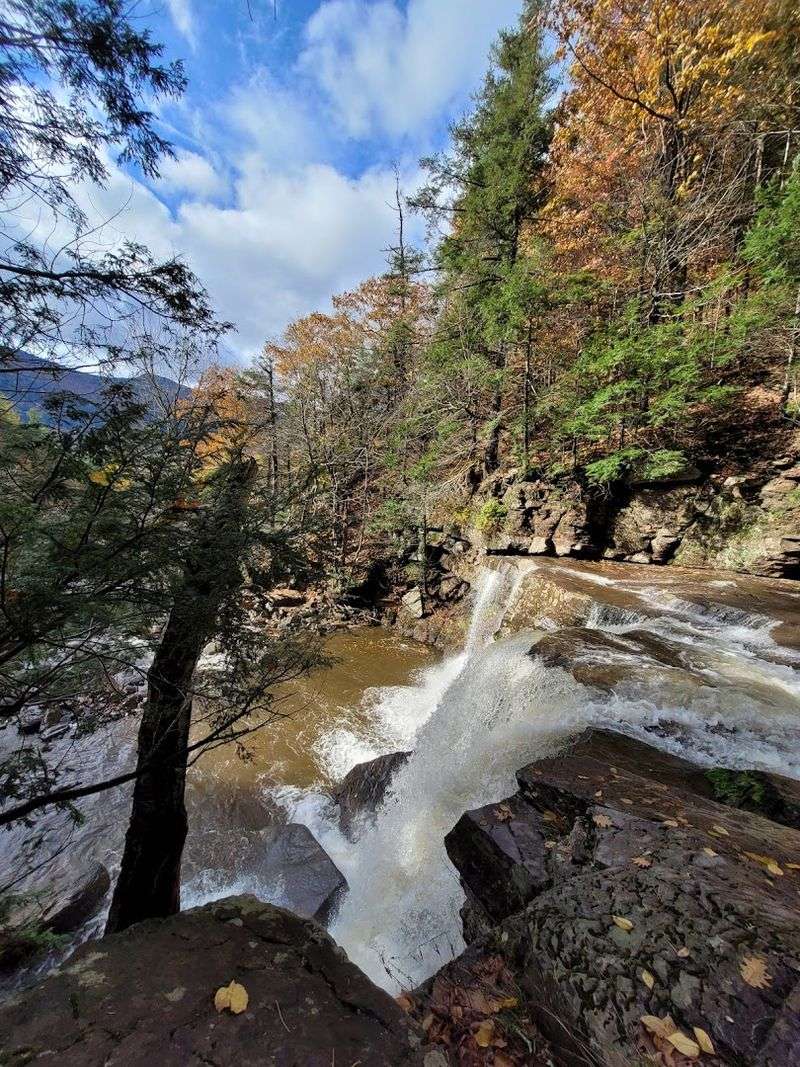
Timing a visit to Kaaterskill Falls well makes a real difference in how the whole day feels. Weekday mornings are consistently the best window for avoiding crowds while still catching good light on the water.
The falls are open 24 hours every day, which means early risers have the entire trail practically to themselves before the weekend rush ever begins.
Fall foliage season between mid-September and mid-October draws the largest crowds of the year, and for good reason. The surrounding forest turns vivid shades of amber, rust, and gold that frame the falls in a way that feels almost too good to be real.
Arriving before 9 AM during peak foliage weeks is about as close to a guarantee of a peaceful visit as you can get.
Winter visits carry their own magic but demand more preparation and awareness of trail conditions. Spring offers powerful water flow and fewer people, making it an underrated time to go.
Summer keeps the canopy full and the trail shaded, which helps on warmer days. No single season is the wrong choice here.
The falls reward every visit differently, and the only truly bad plan is waiting too long to make the trip at all.
Why This Waterfall Stays With You Long After You Leave
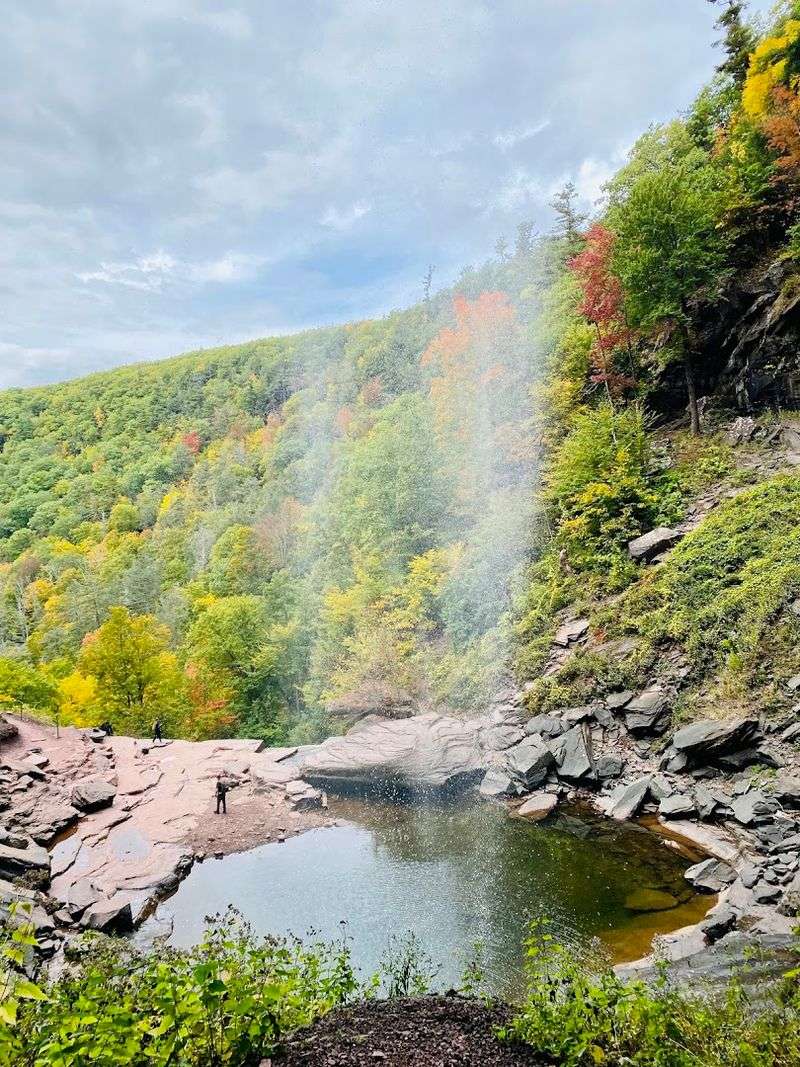
Some places earn their reputation and some places outlive it. Kaaterskill Falls firmly belongs in the first group.
A 4.7-star rating across hundreds of visits is not the result of clever marketing. It reflects something genuine about the experience the falls consistently deliver to everyone who makes the walk.
The combination of accessibility and raw natural scale is what sets it apart from most outdoor destinations in the Northeast. You do not need to be an experienced hiker or carry a full pack to witness a 260-foot waterfall up close.
The 0.3-mile walk to the viewing platform is genuinely manageable for a wide range of ages and fitness levels, and the payoff is immediate and undeniable.
Artists painted it, writers wrote about it, and generations of New York families have been returning to it for well over a century. That kind of staying power comes from something the place simply has in abundance.
Whether you catch it draped in autumn color, locked in winter ice, or roaring with spring runoff, the falls have a way of making the rest of the world feel very far away.
That feeling is exactly what a great natural landmark is supposed to give you, and Kaaterskill Falls delivers it every single time.