
The Hidden Wisconsin Lakeside Community Locals Want To Keep Secret
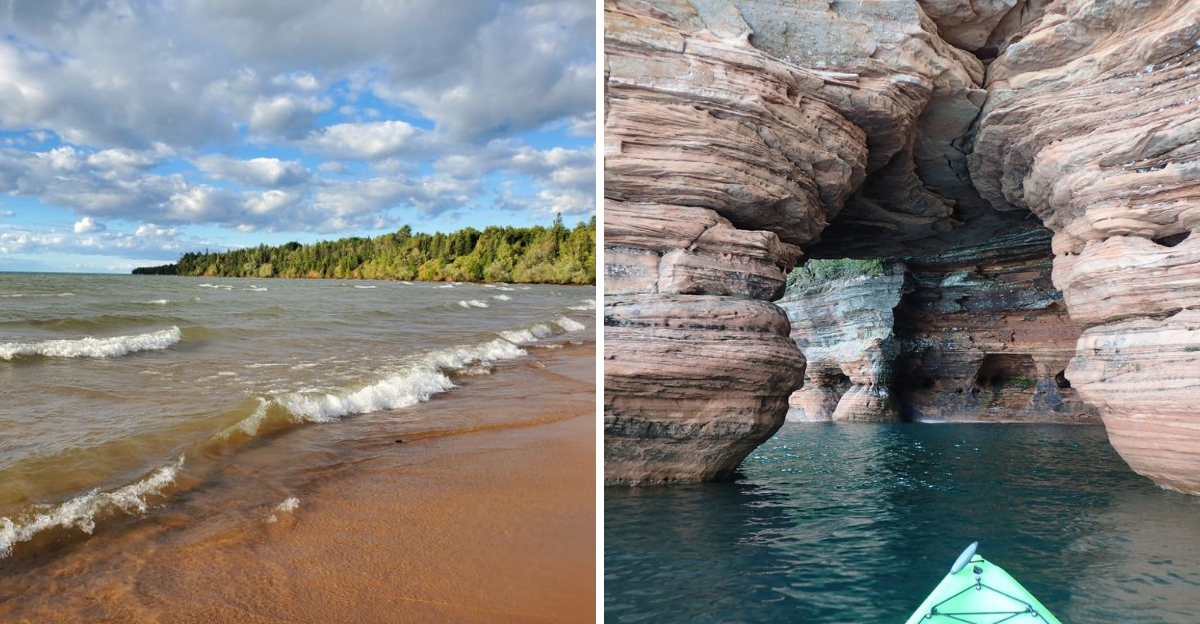
Tucked into the farthest northern reach of Wisconsin’s Bayfield Peninsula, Cornucopia rests quietly along the shore of Lake Superior, largely unnoticed by the steady stream of tourists heading elsewhere.
The village occupies a rare pocket of stillness in a state known for its bustling lakefront towns and busy summer destinations.
Most travelers pass it by without a second glance, and the people who live here seem content to let that happen.
If you’re searching for a place where the rhythm of life follows the lake rather than the calendar, Cornucopia might be exactly what you didn’t know you were looking for.
Wisconsin’s Northernmost Lakeside Village
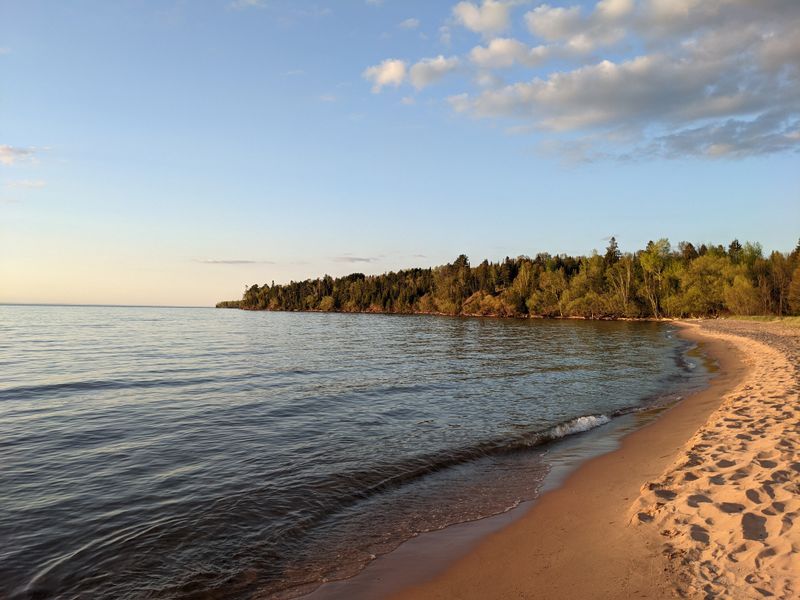
Cornucopia holds the distinction of being the northernmost village in Wisconsin, perched at the very tip of the Bayfield Peninsula where the land finally surrenders to Lake Superior.
This geographic detail isn’t just a curiosity—it defines the entire character of the place.
The village sits far enough from major highways that getting here requires intention, not accident.
Located in the town of Bell in Bayfield County, Cornucopia’s position at 46.8537423, -91.1034425 places it closer to Minnesota than to most of Wisconsin’s population centers.
The remoteness filters out casual visitors and preserves a way of life that feels decidedly unhurried.
Winter arrives early and stays late, shaping both landscape and temperament.
Residents speak of their location with quiet pride, aware that living at the edge of things requires a certain resilience.
The village functions as both endpoint and beginning, where roads terminate and the vast expanse of the lake opens up.
Few places in Wisconsin feel quite this far from everything else.
A Small Community On The Shores Of Lake Superior
Population numbers in Cornucopia remain modest enough that newcomers get noticed and remembered.
The unincorporated census-designated place functions more like an extended neighborhood than a formal town, with no real commercial center to speak of.
Houses spread out along the shoreline and back roads, each claiming its own piece of quiet.
Lake Superior dominates daily life here in ways both subtle and profound.
Morning routines often include checking the water’s mood—calm or churning, clear or fog-shrouded.
The lake provides not just scenery but a constant presence that influences weather, conversation, and even the local sense of time.
Community gatherings happen informally, often centered around seasonal activities or shared work.
There’s no pretense about small-town charm here; people simply live their lives with the lake as backdrop.
The intimacy of the population means privacy exists but anonymity does not.
For those who appreciate knowing their neighbors without constant social obligations, the balance works remarkably well.
Quieter Than Nearby Apostle Islands Gateways
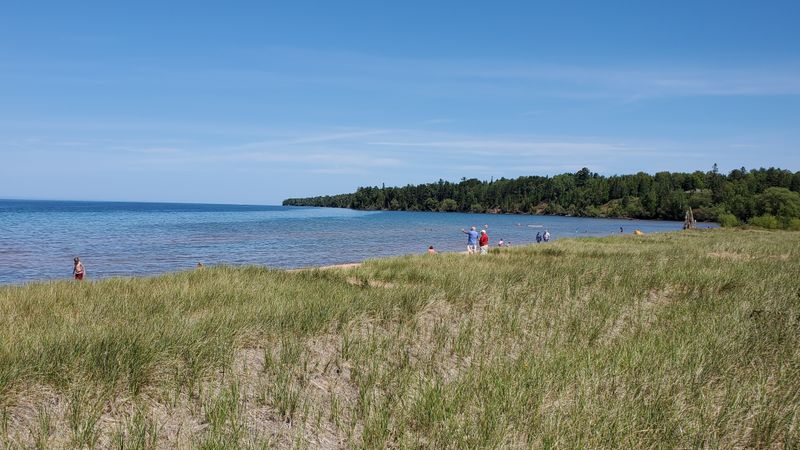
While Bayfield and La Pointe draw steady crowds eager to explore the Apostle Islands National Lakeshore, Cornucopia remains conspicuously absent from most tourist itineraries.
The village lacks the gift shops, tour operators, and waterfront restaurants that define its better-known neighbors.
This absence feels entirely deliberate, as if the community decided long ago what it wanted to be and what it didn’t.
Visitors seeking guided kayak tours or ferry schedules will find none of that infrastructure here.
What exists instead is unmediated access to the same magnificent lake system without the accompanying commercial apparatus.
The difference becomes apparent the moment you arrive—no parking hassles, no crowds waiting for sunset photo opportunities, no lines for anything.
Locals appreciate the arrangement, having watched tourism transform other lakeside communities into seasonal economies.
Cornucopia’s quietness isn’t accidental neglect but rather a sustained resistance to development pressures.
The village offers proximity to natural wonders without the tourism machinery, appealing to travelers who prefer discovery to itinerary.
A Natural Harbor Framed By Forest And Water
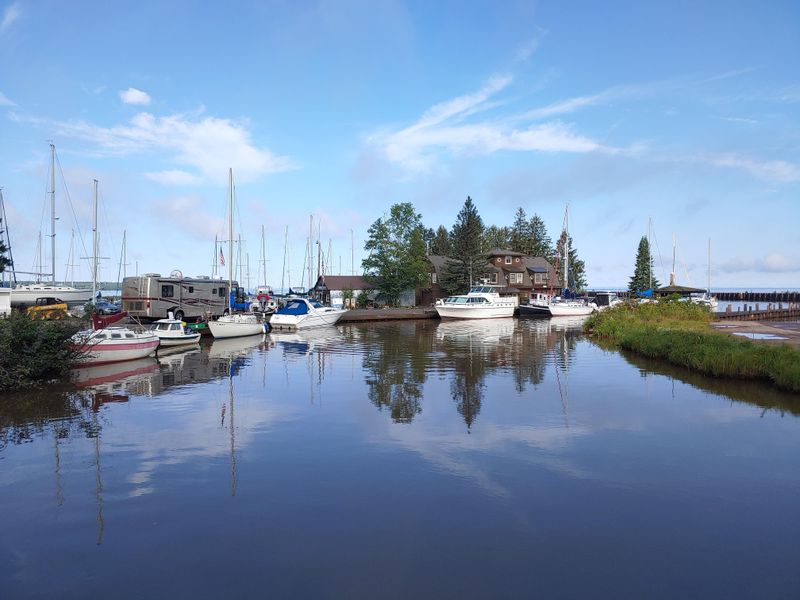
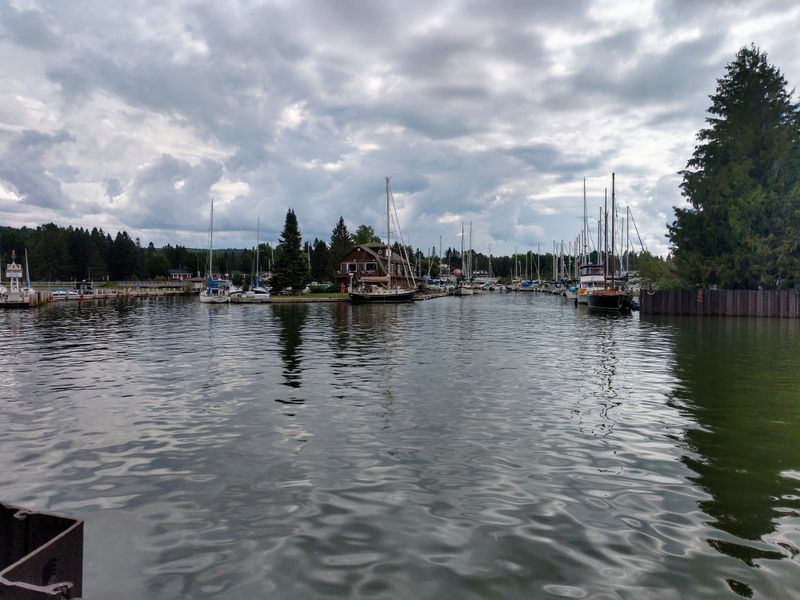
Geography blessed Cornucopia with a natural harbor where the shoreline curves inward, offering protection from Lake Superior’s notorious storms.
Fishing boats rest at anchor here, bobbing gently in waters that can turn treacherous with little warning.
The harbor remains functional rather than picturesque, serving working vessels instead of pleasure crafts.
Dense forest presses close to the water’s edge throughout the area, creating a dramatic meeting of ecosystems.
Birch, pine, and maple crowd the hills behind the village, their roots holding soil that would otherwise wash into the lake.
The trees provide more than scenery—they buffer wind, shelter wildlife, and mark the seasons with reliable color changes.
Walking along the harbor at dawn reveals the interplay between these elements most clearly.
Mist rises from the water while birds call from the forest, and the boundary between land and lake feels permeable.
This natural setting remains largely undisturbed by development, maintaining the wild character that first attracted settlers.
The harbor continues to serve its original purpose, unchanged by modern recreational demands.
A Way Of Life Shaped By The Big Lake
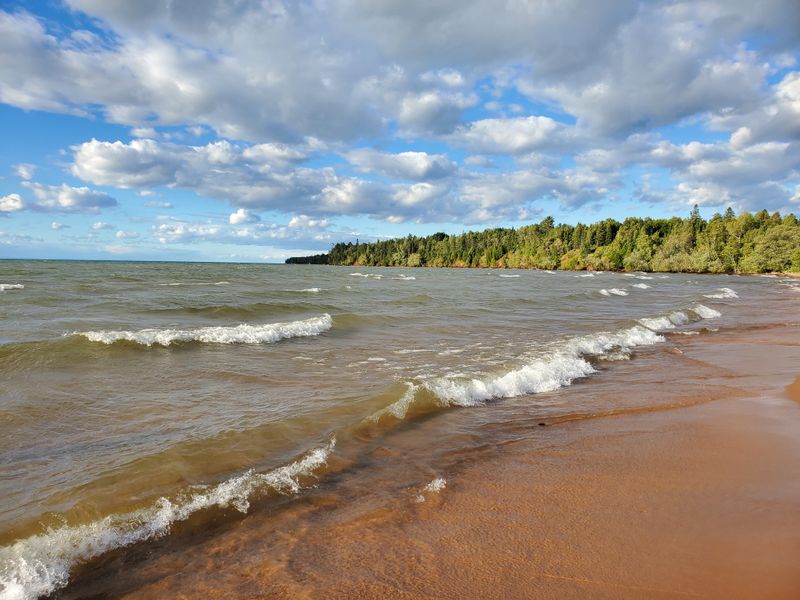
Lake Superior isn’t merely scenery in Cornucopia—it functions as employer, weather maker, and constant companion.
Commercial fishing still supports several families here, continuing a tradition that predates Wisconsin statehood.
The lake’s moods dictate work schedules more reliably than any clock, with rough water keeping boats ashore and calm days prompting early launches.
Conversations among long-time residents inevitably circle back to the lake: water temperatures, ice formation patterns, memorable storms.
This isn’t idle chatter but essential information, the kind of knowledge accumulated over decades of close observation.
Children grow up learning to read the water, understanding that respect for the lake isn’t optional.
The relationship runs deeper than economic dependence or recreational enjoyment.
People here speak of the lake with a familiarity usually reserved for family members—sometimes affectionate, occasionally exasperated, always attentive.
Seasons mark themselves not by calendar dates but by the lake’s transformations: when it freezes, when it thaws, when the fog finally lifts.
This orientation toward natural cycles creates a rhythm entirely different from inland life.
Minimal Development Preserves The Village Feel
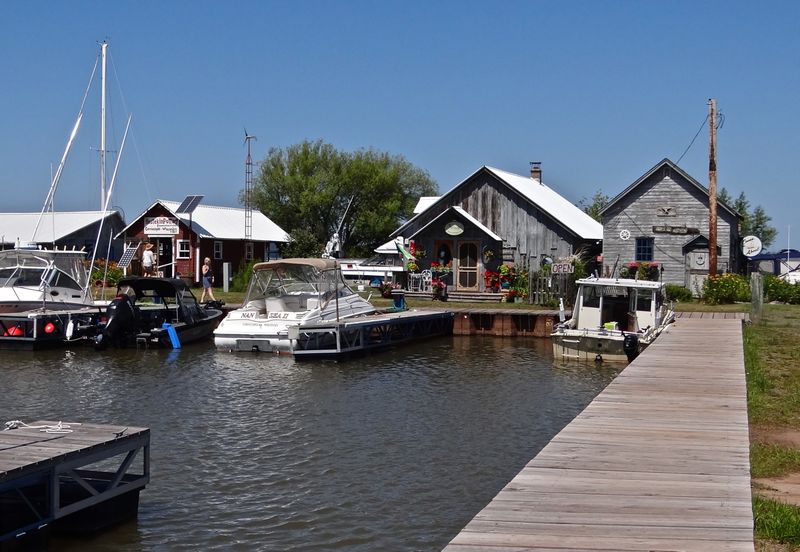
Cornucopia’s built environment remains remarkably spare, with none of the strip malls or chain restaurants that mark most American communities.
A handful of structures cluster near the waterfront—a few homes, some weathered outbuildings, a modest marina.
The absence of commercial development feels striking to visitors accustomed to lakefront real estate maximizing every buildable inch.
Zoning regulations or lack thereof have prevented the kind of subdivision that typically follows scenic discovery.
Large parcels remain undivided, maintaining the spacious feel that characterizes the area.
No condominiums interrupt the sightlines, no resort complexes advertise lake views and modern amenities.
This preservation appears partly intentional and partly the result of simple economics—remote locations don’t attract developers seeking quick returns.
Whatever the cause, the effect benefits anyone seeking an authentic glimpse of lakeside Wisconsin before tourism reshaped it.
The village retains a working character, where buildings serve functions rather than aesthetic ambitions.
Walking through Cornucopia takes minutes, not because there’s nothing to see but because human construction hasn’t yet overwhelmed the natural setting.
Locals Value Solitude Over Tourism
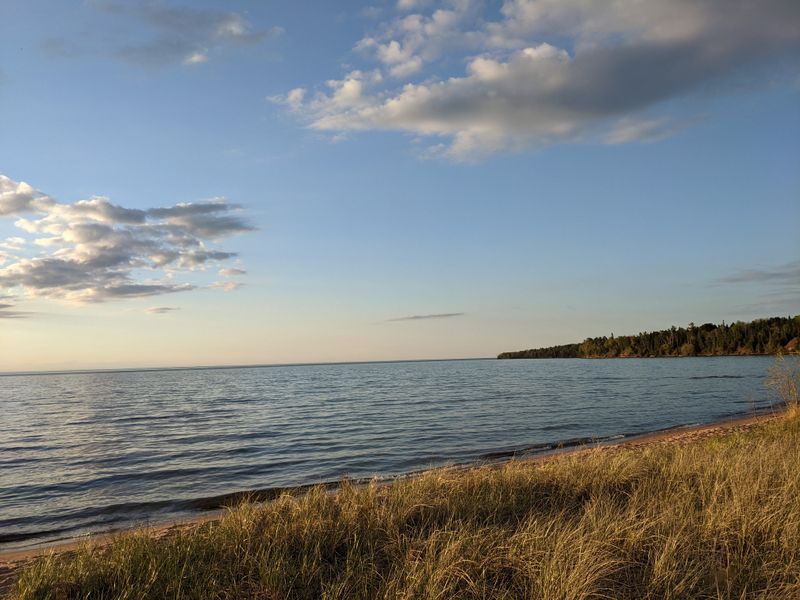
The residents of Cornucopia maintain a cordial but unmistakable preference for quiet over growth.
Conversations with long-time inhabitants reveal no interest in attracting visitors, developing amenities, or promoting the area’s considerable natural assets.
This isn’t unfriendliness but rather a clear-eyed understanding of what happens when special places become popular destinations.
No chamber of commerce produces glossy brochures here, no business association lobbies for improved highway access.
The village appears content to let busier communities handle the tourism trade while it continues its own routines.
This attitude creates an unusual dynamic—travelers who do find their way here encounter politeness but not hospitality industry eagerness.
The preference for solitude runs deep enough that it shapes local culture in subtle ways.
People moved here or stayed here precisely because it remains overlooked, and they’re invested in keeping it that way.
The irony, of course, is that this very quality—the unspoiled, uncommercial atmosphere—makes Cornucopia appealing to certain travelers.
Those who visit understand they’re guests in a place that doesn’t particularly need them, which somehow makes the experience more valuable.
Easy Access To Apostle Islands Without The Crowds
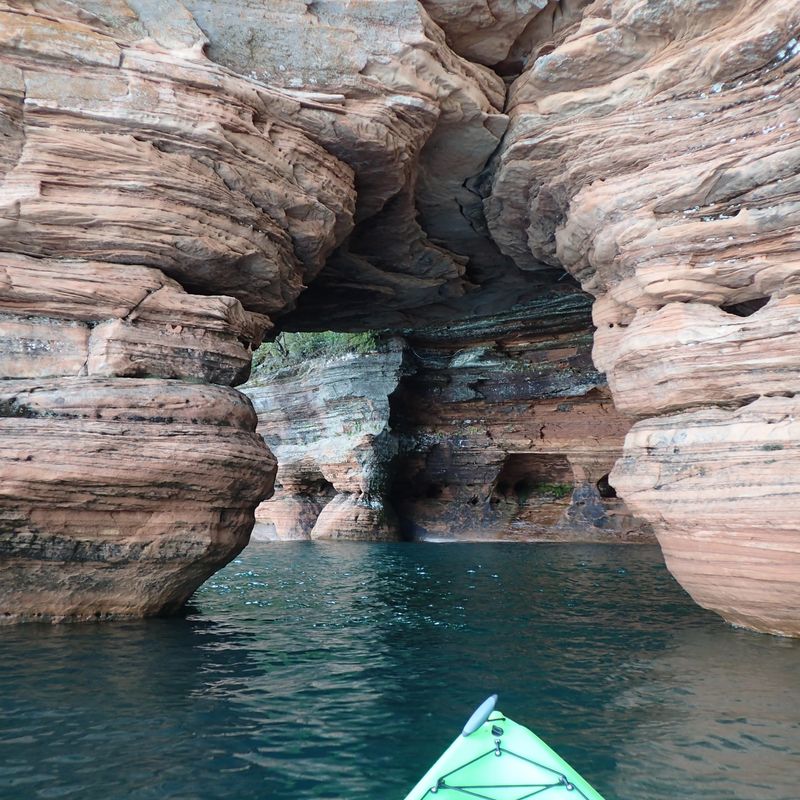
Cornucopia’s location provides a strategic advantage for anyone wanting to experience the Apostle Islands without fighting for parking or jockeying for position on crowded beaches.
The village sits close enough to the island chain that kayakers can launch directly from local waters, avoiding the congested departure points in Bayfield.
This proximity matters most during summer weekends when the more popular gateways become overwhelmed.
From Cornucopia’s shores, several of the outer islands appear clearly on calm days, their forested profiles rising from the horizon.
The water route to these islands presents challenges—Lake Superior demands respect and proper equipment—but rewards skilled paddlers with solitude.
No tour boats depart from here, which means no crowds gathering for scheduled departures.
Locals occasionally share information about launch sites and conditions, though never with the enthusiasm of professional guides.
The arrangement suits people who prefer self-directed exploration to organized excursions.
Cornucopia functions as an unofficial backdoor to one of Wisconsin’s premier natural attractions, known primarily to residents and the occasional well-researched visitor.
The lack of infrastructure feels like obstacle or opportunity depending entirely on your perspective and preparation level.