
The High-Desert Towns In Eastern Washington Most Travellers Never Think To Visit
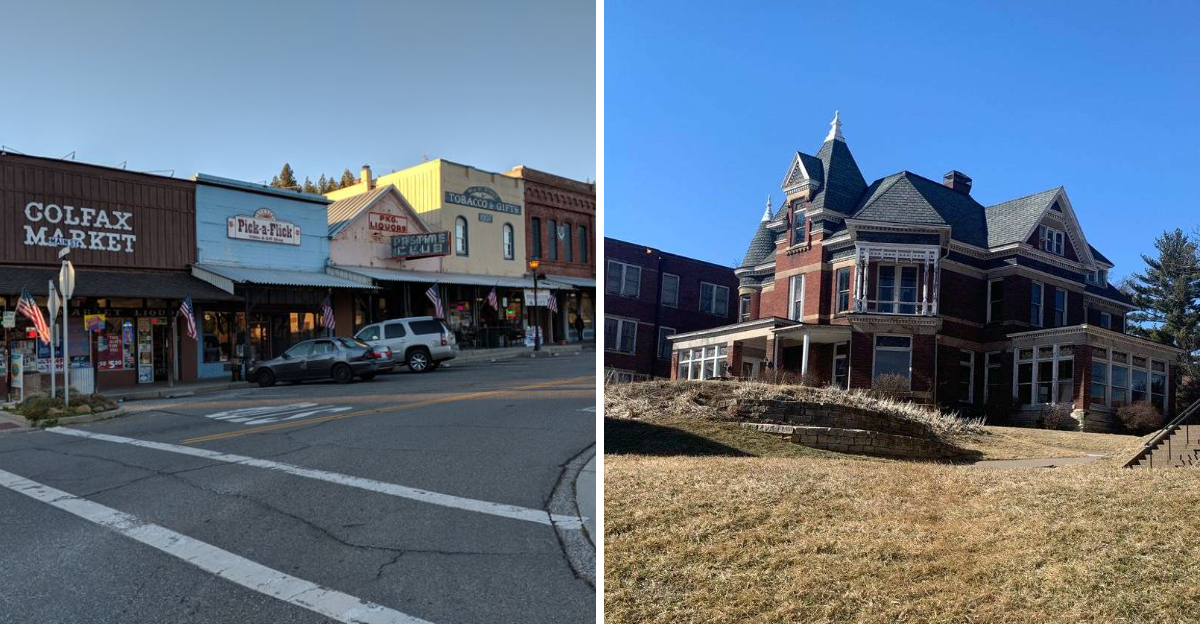
Eastern Washington holds secrets that most road-trippers speed right past on their way to Seattle or Spokane. Beyond the Columbia River and tucked between sagebrush hills and wheat fields, a collection of small high-desert towns waits with stories, history, and landscapes that feel worlds away from the rainy coast.
These places won’t show up on influencer feeds or typical travel guides, but they offer something rare: authenticity, quiet beauty, and a chance to see Washington from a completely different angle.
1. Republic
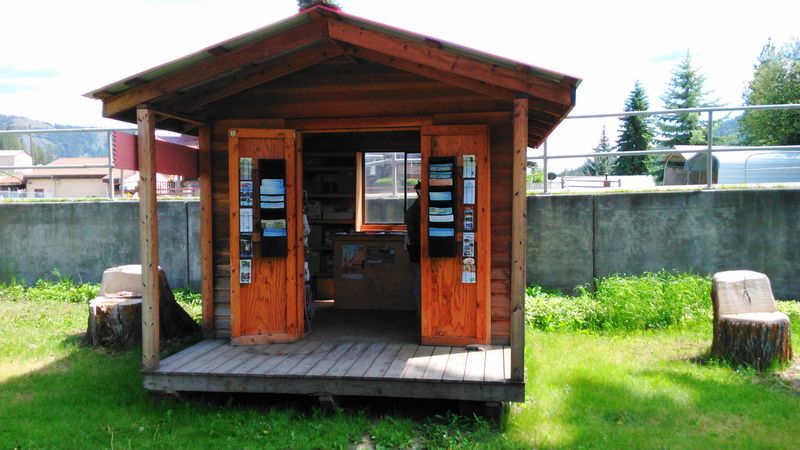
Gold fever once gripped this corner of Ferry County, and Republic still carries that frontier spirit in its bones. Walking down Clark Avenue feels like stepping onto a movie set, with false-front buildings and vintage storefronts lining the main drag.
The Stonerose Interpretive Center lets you dig for fossils that are 50 million years old, and yes, you get to keep what you find.
Summer brings the Republic Rodeo, where real cowboys compete and the whole town turns out to watch. The surrounding mountains offer hiking trails that hardly see a soul, winding through ponderosa pine forests and opening onto views that stretch forever.
Downtown has a handful of local eateries serving honest food without pretension. Republic doesn’t try to be anything it’s not, and that’s exactly what makes it worth the drive through the Okanogan Highlands.
2. Metaline Falls
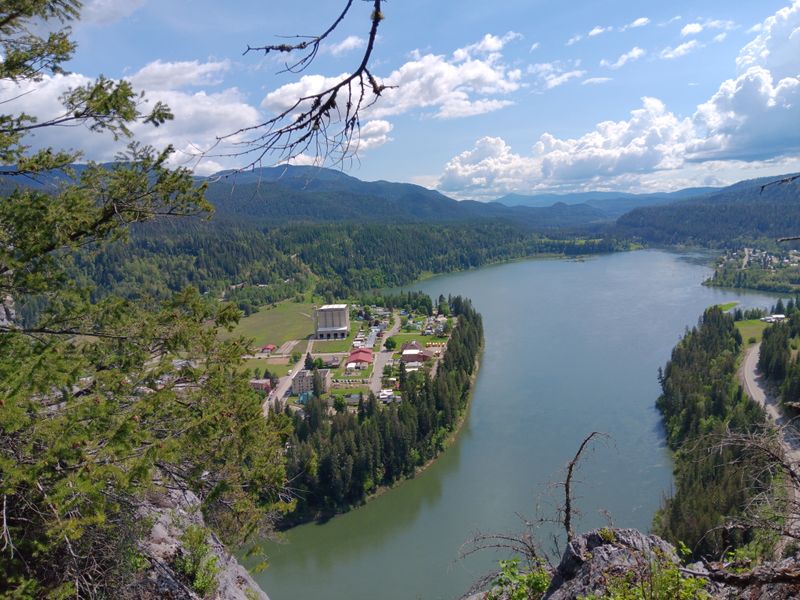
Way up in the northeastern corner of Washington, where the Pend Oreille River cuts through dense forest, Metaline Falls exists almost as an afterthought to the modern world. The massive cement plant that once dominated the economy shut down years ago, leaving behind industrial ruins that look hauntingly beautiful against the green hills.
But this town has reinvented itself quietly. Gardner Cave in nearby Crawford State Park is Washington’s third-longest limestone cave, and exploring its cool passages feels like discovering something forbidden.
The river offers world-class fishing for rainbow trout, and the town’s handful of residents will happily point you toward the best spots.
There’s a tiny museum documenting the area’s mining and cement history, run by volunteers who genuinely love sharing stories. Metaline Falls won’t overwhelm you with attractions, but it will give you silence, natural beauty, and a glimpse of rural Washington that feels increasingly rare.
3. Colville
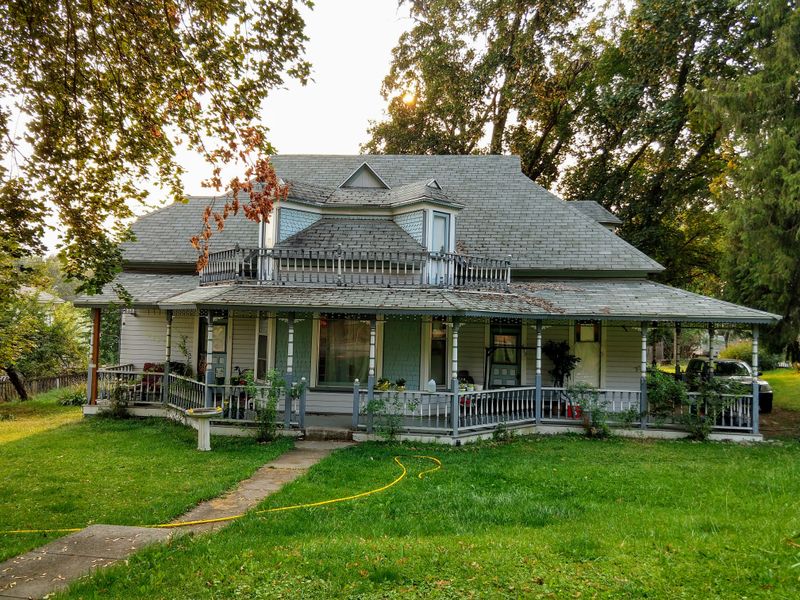
Colville serves as the Stevens County seat, which means it has actual services and amenities while maintaining that small-town vibe most visitors crave. Main Street has antique shops, local cafes, and a genuine sense of community you can feel the moment you park.
The Keller Heritage Center preserves buildings from the 1800s, including a fire lookout tower you can climb for panoramic views.
Outdoor enthusiasts will find themselves spoiled with options here. Little Pend Oreille National Wildlife Refuge sprawls nearby with lakes, hiking trails, and wildlife viewing opportunities that rarely get crowded.
In winter, 49 Degrees North ski area offers downhill runs without the lift lines you’d find at more famous resorts.
The farmers market runs through summer and fall, showcasing local produce and crafts. Colville balances being functional and charming without trying too hard, making it a perfect base camp for exploring northeastern Washington’s wilderness areas.
4. Chewelah
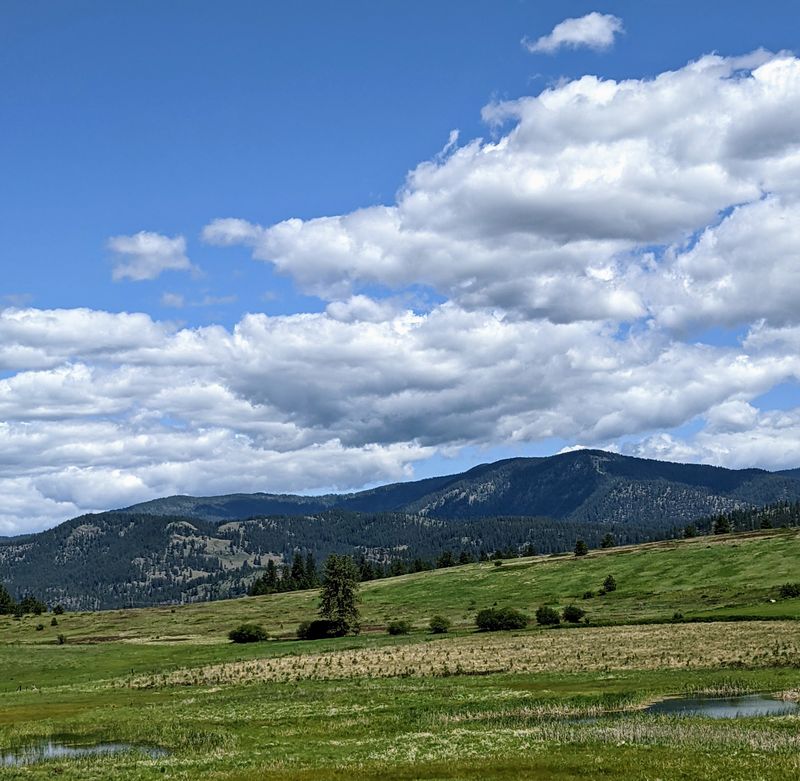
Chewelah Peak rises dramatically behind this small town, creating a backdrop so stunning you’ll find yourself staring at it constantly. The town itself moves at a pace that feels almost therapeutic after the rush of city life.
Main Street has locally-owned businesses that have served the community for generations, and people actually stop to chat on sidewalks.
49 Degrees North Resort sits just outside town, offering skiing in winter and mountain biking in summer on trails that wind through alpine meadows. The town’s golf course gets rave reviews from players who appreciate its challenging layout and stunning mountain views.
Chewelah also hosts an annual Renaissance Faire that transforms the fairgrounds into a medieval village complete with jousting and costumed characters.
For a town of barely 2,500 people, Chewelah punches above its weight in terms of recreation and community spirit. The locals take pride in their mountain, their history, and their ability to welcome visitors without losing their authentic character.
5. Colfax
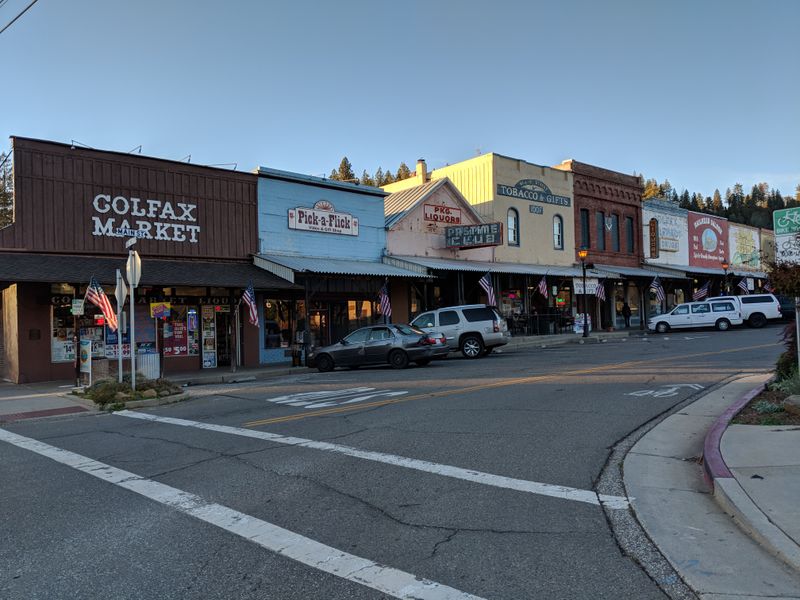
Perched dramatically on steep hillsides in the heart of the Palouse, Colfax offers views of wheat fields rolling like green and gold waves to every horizon. The town’s layout follows the contours of the land, creating streets so steep they rival San Francisco’s famous hills.
Historic brick buildings downtown tell stories of prosperity from wheat farming that built this community.
Codger Pole, a quirky local landmark, features carved wooden figures representing town characters and sits right downtown for photo opportunities. The Perkins House, a Victorian mansion turned museum, showcases how wealthy wheat barons lived during Colfax’s golden age.
Palouse Falls State Park sits close enough for an easy day trip, offering one of Washington’s most spectacular waterfalls.
Small cafes serve hearty breakfasts that fuel farmers and visitors alike. Colfax doesn’t pretend to be a tourist destination, but its authentic agricultural heritage and dramatic landscape make it memorable for travelers seeking something beyond typical vacation spots.
6. Davenport
Lincoln County’s seat, Davenport sits surrounded by vast wheat fields that seem to stretch forever under big skies. The town square features a historic courthouse that dominates the skyline, a reminder of when county government meant something tangible to rural communities.
Main Street has that wide-open feeling common to farming towns, built to accommodate horse-drawn wagons and now hosting the occasional tractor during harvest.
The Lincoln County Historical Museum preserves pioneer artifacts and tells stories of homesteaders who transformed this high desert into productive farmland. Lake Roosevelt National Recreation Area lies close by, offering boating, fishing, and camping along the Columbia River’s massive reservoir.
Fort Spokane, a former military post, sits within easy driving distance with preserved buildings and interpretive displays.
Davenport moves to the rhythm of planting and harvest seasons. Visitors during summer can watch combines working fields at all hours, a mechanical ballet that feeds millions while maintaining the town’s quiet, unhurried character.
7. Ritzville
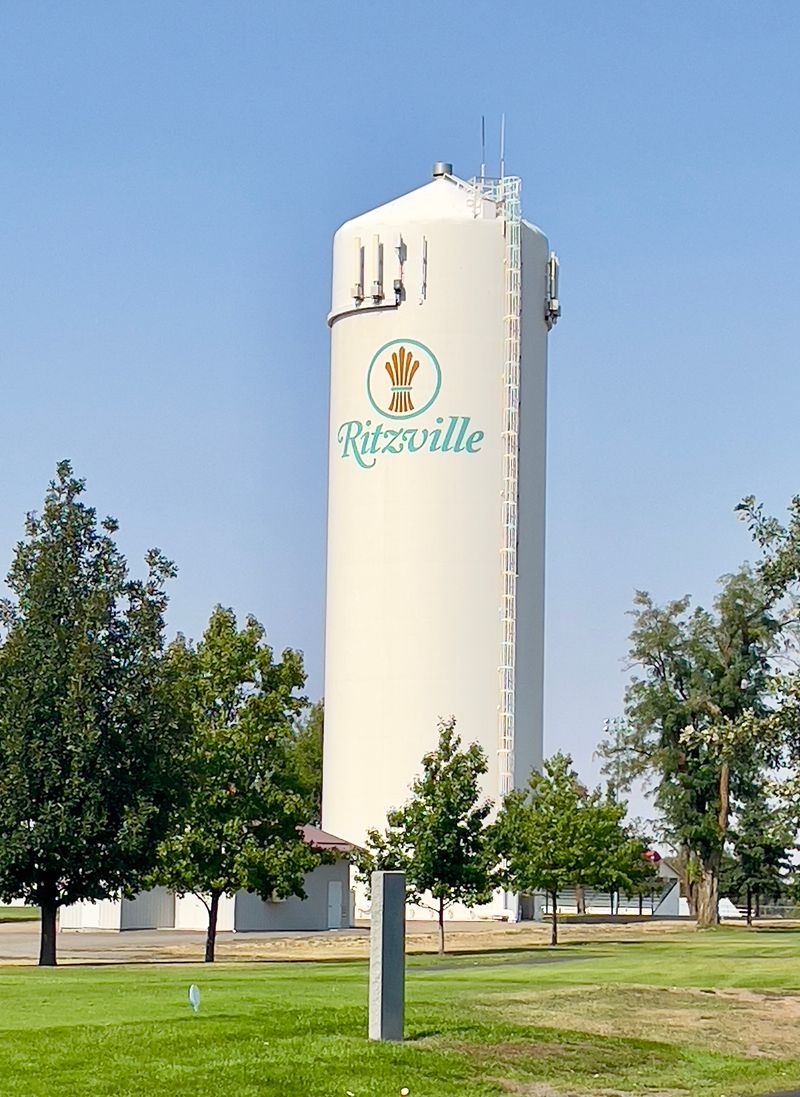
Right off Interstate 90, Ritzville could easily be just another highway stop, but it holds onto its railroad heritage with impressive determination. The historic downtown district features buildings from the early 1900s when this was a major rail hub for shipping wheat.
Walking these streets, you can almost hear the steam whistles and imagine the bustle of a thriving agricultural center.
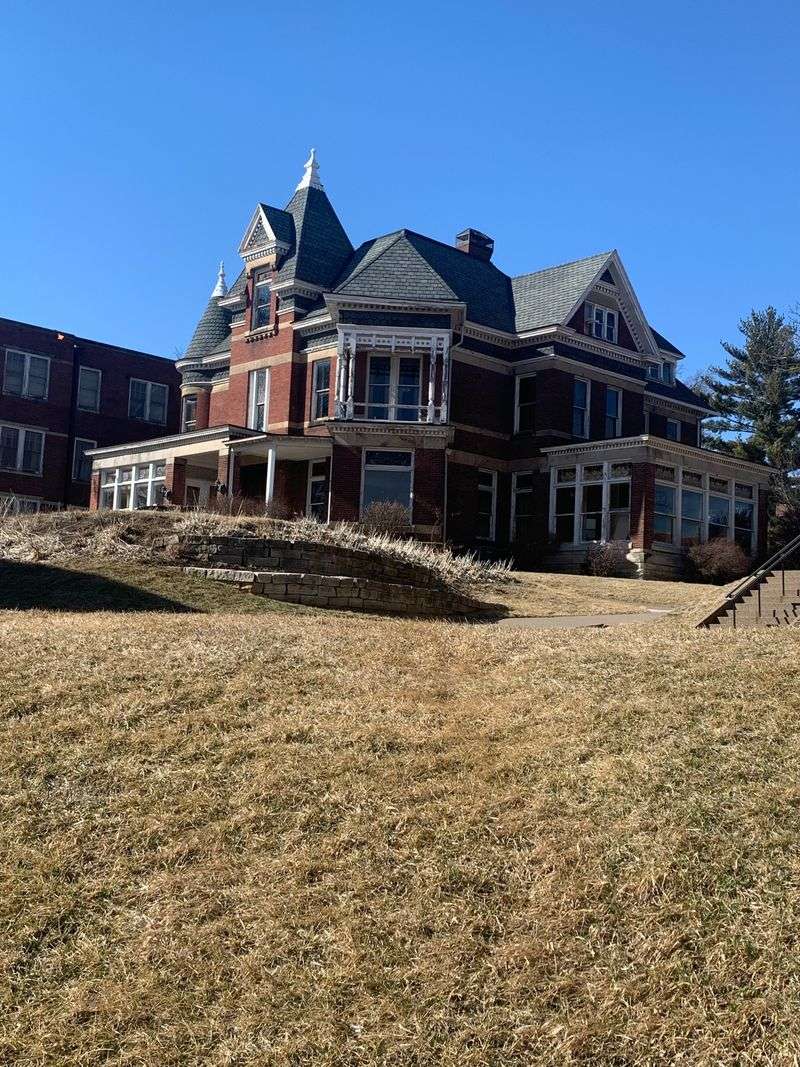
The Dr. Frank R. Burroughs Home, a stunning Victorian mansion, operates as a house museum showcasing period furnishings and local history.
Ritzville also boasts several murals depicting its past, turning building walls into outdoor galleries. The local library occupies a beautiful Carnegie building, one of the many libraries funded by Andrew Carnegie across America.
Travelers stopping for gas often discover the town’s surprisingly good cafes and bakeries serving homestyle food. Ritzville proves that small towns along major highways can maintain character and history instead of becoming generic rest stops, offering a genuine slice of rural Washington to those willing to exit the freeway.
8. Tekoa
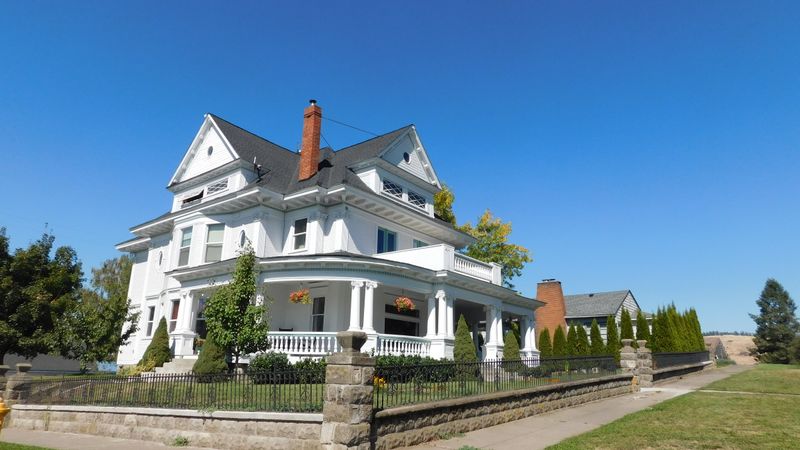
Straddling the Washington-Idaho border in the Palouse region, Tekoa feels like time slowed down and decided to stay awhile. The town’s main street slopes gently downhill, lined with buildings that have weathered decades of wheat harvests and quiet winters.
Local businesses operate with the kind of personal service that disappeared from most places long ago.
Tekoa Trail, a rails-to-trails conversion, offers walking and biking through beautiful Palouse countryside, connecting several small towns along a former railroad corridor. The surrounding hills provide stunning views, especially during spring when green wheat contrasts with dark soil, or fall when everything turns golden.
The town hosts a summer street fair that brings the community together with food, music, and genuine small-town friendliness.
Several historic churches with tall steeples punctuate the skyline, architectural reminders of the strong community bonds that built these farming towns. Tekoa won’t appear on many travel itineraries, but it represents authentic rural America that’s increasingly hard to find.
9. Uniontown
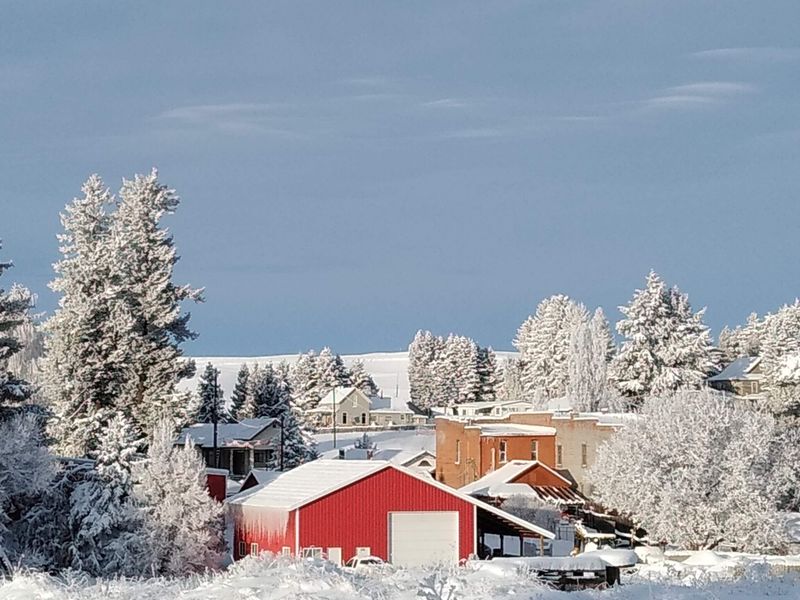
Even smaller than its neighbor Colton, Uniontown barely registers on most maps, but this tiny Palouse community has character that far exceeds its population. The town’s few blocks contain historic buildings that speak to a time when every crossroads needed a post office, general store, and grain elevator.
Today, those structures stand as monuments to pioneer determination.
The surrounding Palouse landscape provides the real attraction here. Rolling hills create a photographer’s paradise, especially during golden hour when shadows and light play across the wheat fields in constantly shifting patterns.
Back roads wind through this terrain, offering endless exploration opportunities for those who enjoy driving without particular destinations.
Uniontown’s lack of tourist infrastructure is actually part of its appeal. You won’t find gift shops or tour buses, just an authentic farming community going about its business.
Stopping here means experiencing rural Washington without filters or commercialization, where conversations with locals happen naturally and everyone seems genuinely curious about what brought you to their corner of the world.
10. Orondo
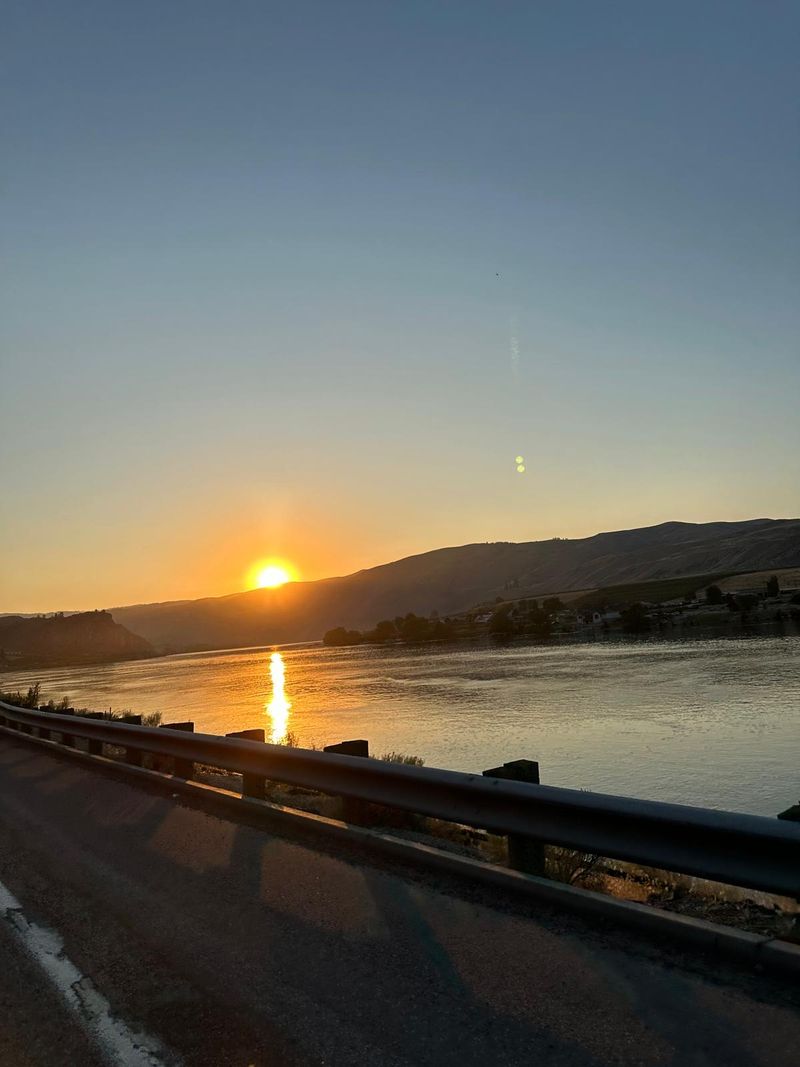
Clinging to the Columbia River’s eastern shore, Orondo exists primarily as an agricultural community where fruit orchards climb the hillsides above the water. The town itself barely qualifies as a town by most standards, more a collection of homes and orchards than a traditional downtown.
But its location along the Columbia River Plateau offers dramatic scenery and access to the river’s recreational opportunities.
Orondo River Park provides boat launches and picnic areas where locals and visitors gather during summer to escape the desert heat. The surrounding hills, covered with sagebrush and bunchgrass, turn stunning shades of gold and purple depending on season and time of day.
Apple and cherry orchards dominate the economy, and during harvest season, fruit stands appear along the highway selling produce picked that morning.
This isn’t a destination for urban amenities or organized attractions. Orondo appeals to those seeking quiet, natural beauty, and a glimpse of agricultural life along the Columbia.
The river, the orchards, and the desert landscape create a uniquely central Washington experience.
11. Warden
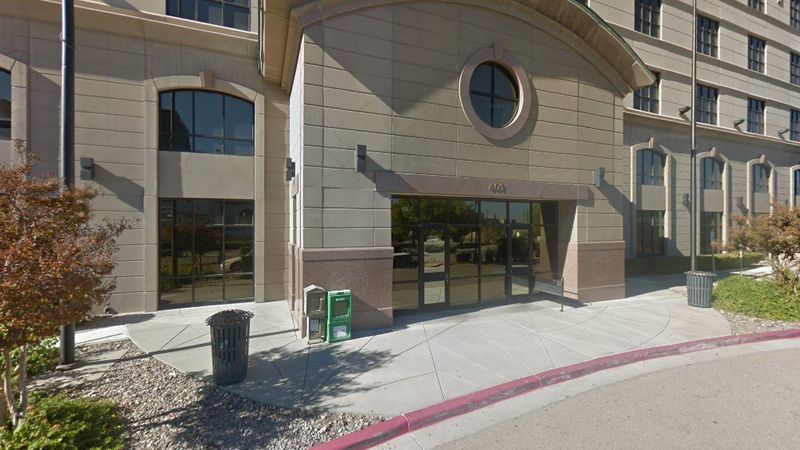
Grant County’s agricultural heartland surrounds Warden, a town built on wheat, potatoes, and the determination of farmers who made the high desert bloom through irrigation. Main Street has that functional, no-nonsense quality of working farm towns where businesses exist to serve practical needs rather than tourist desires.
The grain elevators rising above town serve as landmarks visible for miles across the flat landscape.
Warden hosts an annual Potato Festival celebrating the crop that transformed the local economy. The Columbia National Wildlife Refuge lies nearby, offering a surprising oasis of wetlands, lakes, and wildlife habitat in the middle of sagebrush country.
Birdwatchers flock here for migrating waterfowl and nesting opportunities that attract rare species.
The town’s Mexican restaurants serve excellent food, reflecting the significant Hispanic population that works the fields and has become integral to the community. Warden represents the modern agricultural West, where diverse cultures work together to feed the nation while maintaining small-town values and community connections.
12. Washtucna
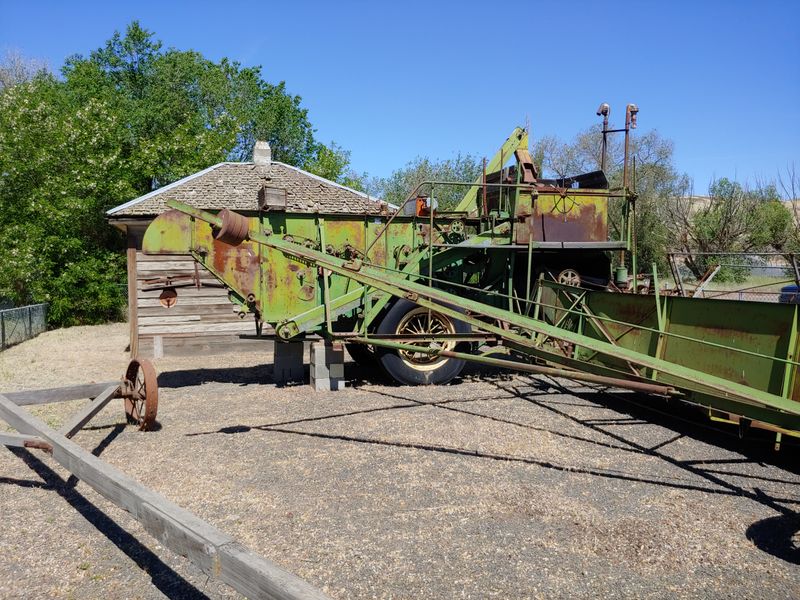
Tiny Washtucna sits in Adams County where the landscape transitions from wheat fields to sagebrush desert, creating a unique ecological crossroads. The town barely exceeds 200 residents, yet it maintains essential services and a community spirit that larger places often lack.
Historic buildings line the short main street, each one telling stories of settlers who chose this challenging environment to build lives.
Palouse Falls, one of Washington’s most spectacular natural wonders, lies just minutes away. The 200-foot waterfall plunges into a dramatic basalt canyon, creating a scene so stunning it was designated the state waterfall.
Most visitors access the falls without ever seeing Washtucna, but the town serves as a quiet gateway to this natural treasure.
Local cafes serve travelers and farmers with equal hospitality, and conversations flow easily across tables. Washtucna embodies the resilience of small rural communities that persist despite economic challenges, maintaining identity and pride in place that urban dwellers often struggle to understand but immediately feel upon arrival.