
The Historic New York Coastline Where You Can Find 100-Year-Old Sea Glass
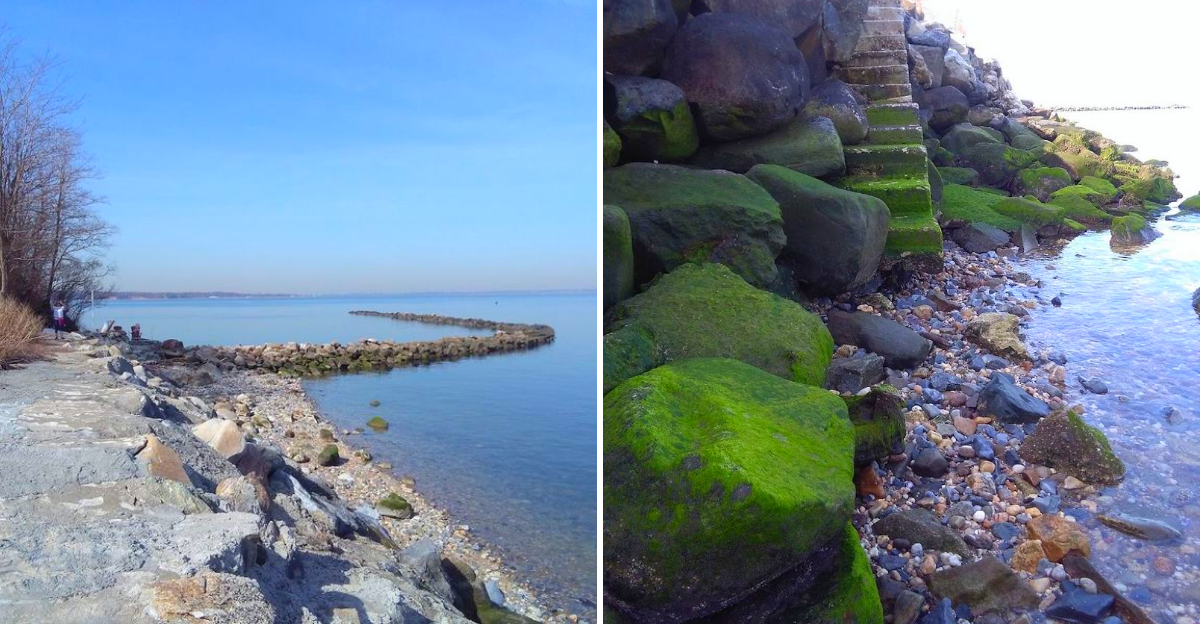
A hundred years is a long time for glass to just sit there waiting to get found, yet one historic New York coastline keeps delivering exactly that. Waves tumble old bottles and jars smooth over decades, turning trash into something collectors actively hunt for now.
Colors range from common green to rare cobalt blue, the kind that makes beachcombers gasp a little when they spot it. Tides shift new pieces in constantly, so the hunt never really ends.
Most beaches offer shells or driftwood, but this coastline offers something closer to buried treasure instead. History explains why so much glass ended up here in the first place, dumped decades ago before anyone worried about consequences.
Nature quietly fixed that mistake, smoothing edges until sharp trash became something beautiful. Walking this shoreline turns into part beach day, part scavenger hunt, and part accidental history lesson.
A Shoreline That Earns Its Mystery
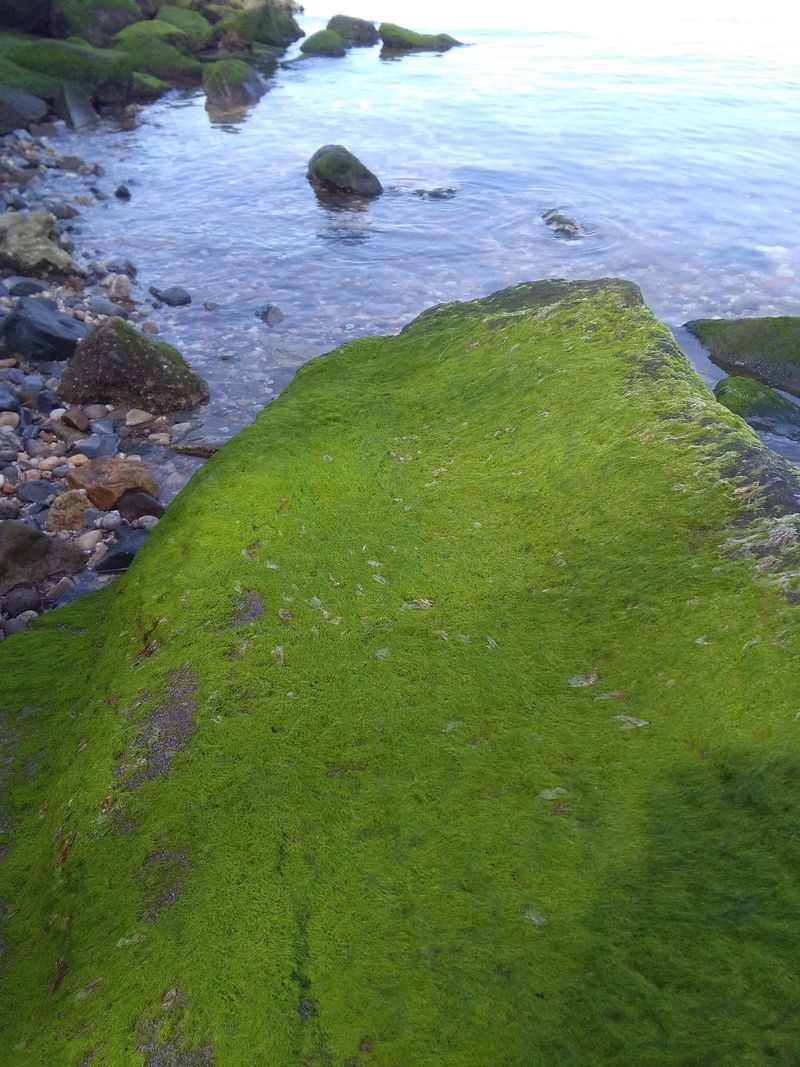
Along a quiet stretch of New York’s North Shore, the sand and stones hold fragments of history that most people walk right past without noticing.
The coastline along Hempstead Harbor has been shaped by centuries of human activity, and the evidence shows up underfoot in the most beautiful way.
Old estate grounds, former industrial sites, and long-forgotten landfills once lined parts of this shore. Over time, the ocean claimed what was left behind, grinding glass shards against stone until they became smooth, frosted gems.
The variety of colors and shapes found here reflects the many different eras that contributed to the collection.
Collectors who know their craft describe pieces found on this beach as genuinely jewelry-grade. Rare colors like pink, amber, and cobalt blue turn up with surprising regularity.
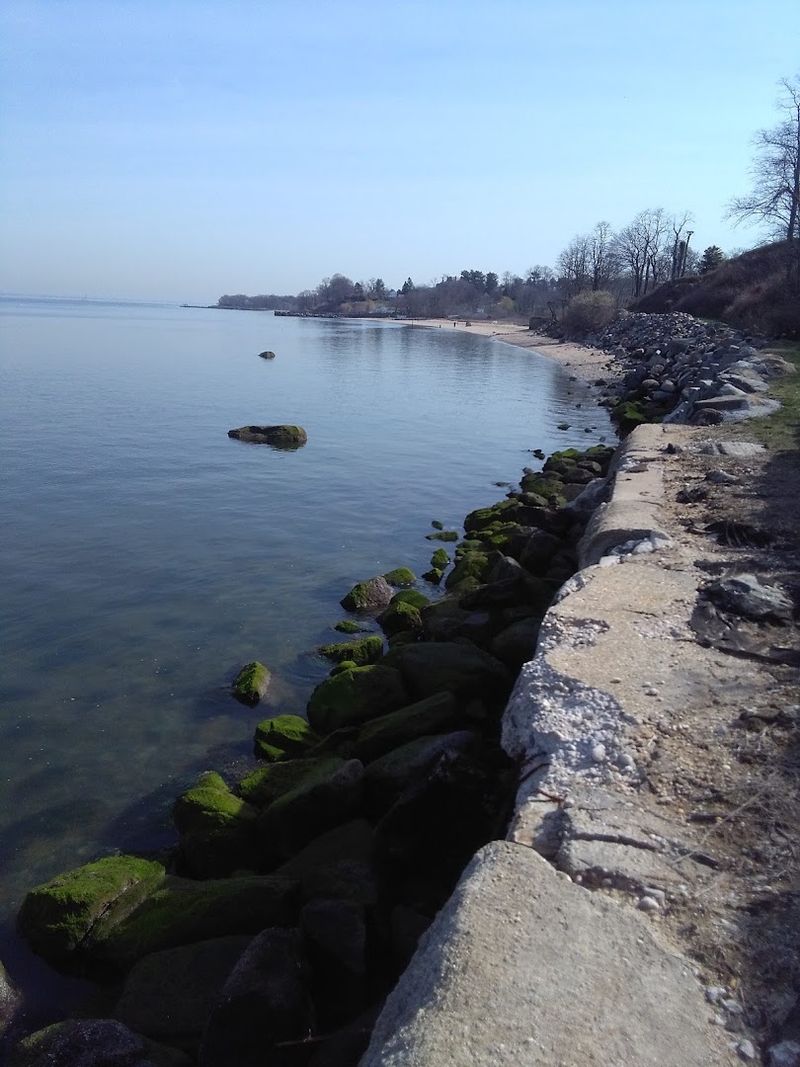
The beach’s gentle crescent curve acts like a natural funnel, concentrating glass deposits along certain stretches depending on the wind and tide. A slow walk here rewards patience with pieces that carry the weight of a hundred years of ocean polish.
The Gilded Age Left Its Glass Behind
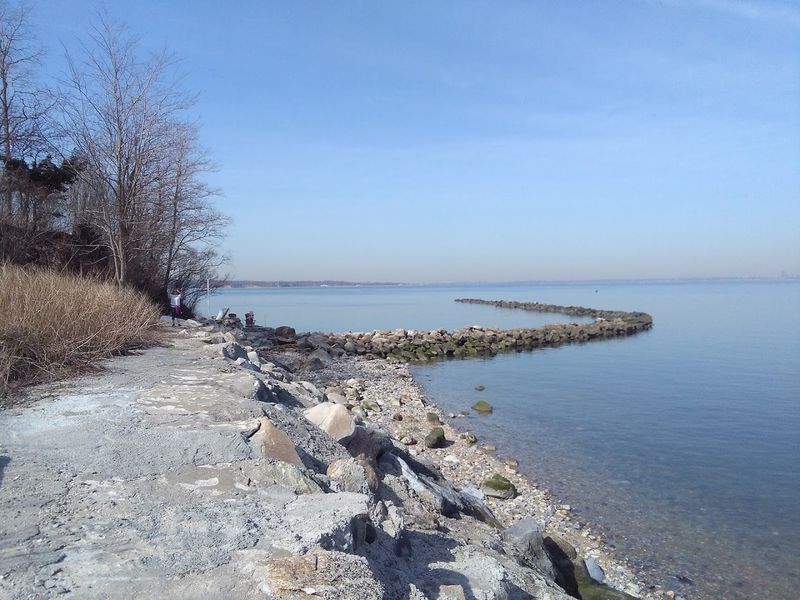
Few beaches in New York carry the kind of historical depth that this beach does. The Gold Coast era of Long Island brought enormous wealth, extravagant construction, and the kind of domestic activity that generates a staggering volume of glass.
Bottles, tableware, laboratory equipment, and household goods all contributed to what the ocean eventually reclaimed.
A former chemistry school once operated in the vicinity of Crescent Beach, and a historic mansion stood nearby for decades. Old landfills were reportedly situated directly on the beach itself, which sounds unglamorous but is actually a sea glass hunter’s dream scenario.
Every storm cycle has the potential to unearth something that has not seen daylight in a very long time.
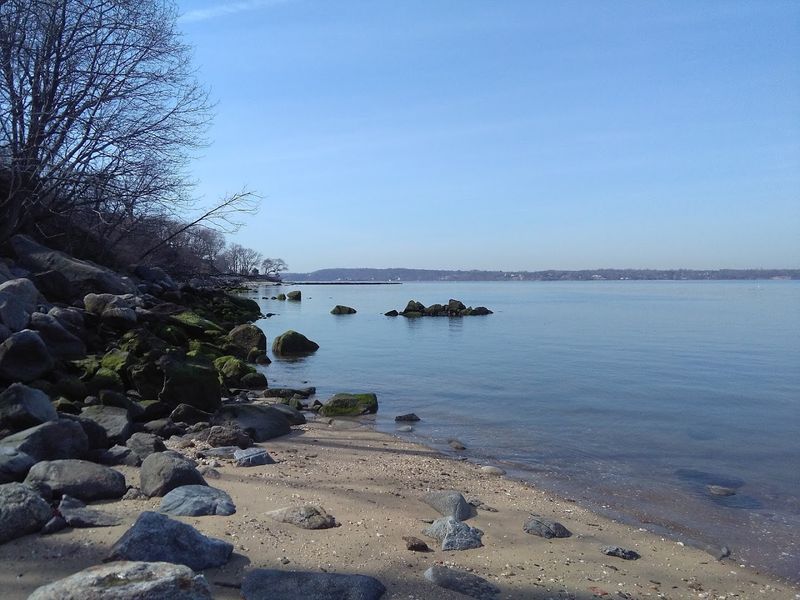
The geological makeup of the beach helps too. A natural blend of sand, pebbles, and shells creates the perfect tumbling conditions for glass to develop that signature frosted surface.
Genuine sea glass earns its frosted look through years of salt water and abrasion, not polishing machines. Holding a piece from Crescent Beach means holding something the ocean worked on for possibly a century.
That is not a small thing.
The Reveal Of The Address
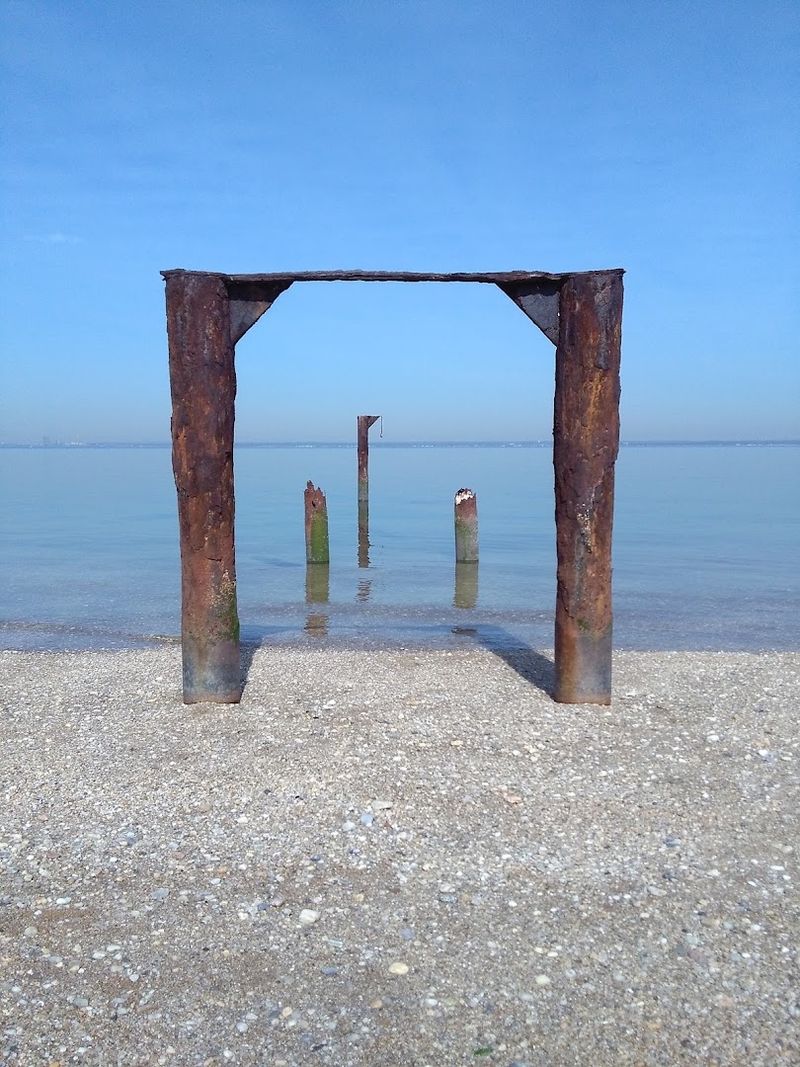
Crescent Beach Road in Glen Cove, NY 11542 sits quietly on one of Long Island’s most storied stretches of coastline. The address itself does not shout for attention, but those who find it discover a place that rewards curiosity with real substance.
Glen Cove has been a destination of distinction since the mid-1800s, when it drew resort visitors and eventually the wealthiest families of the Gilded Age.
Frank Winfield Woolworth, the retail visionary behind the famous five-and-dime stores, once owned the grand Winfield Hall estate right along Crescent Beach Road.
Charles Pratt, the industrialist and philanthropist, also built extensively in the area, and his descendants added several impressive summer homes nearby.
All of that concentrated wealth and activity meant glass of every kind found its way into the local environment over generations.
Access to Crescent Beach is currently reserved for Glen Cove residents, which keeps the experience genuinely peaceful.
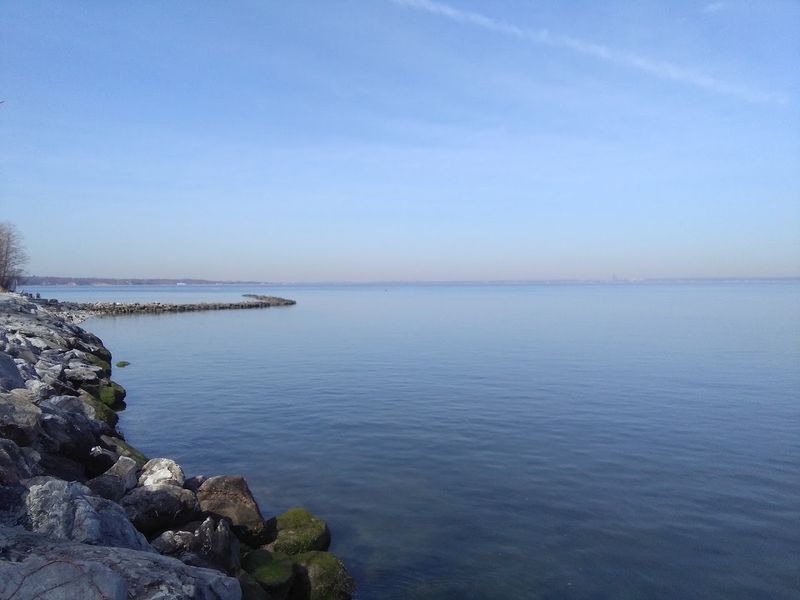
The harbor views are wide and calming, and the atmosphere carries the kind of quiet dignity that comes from a place that has witnessed a lot of history. Finding this beach feels like earning something.
Reading The Colors Like A Field Guide
Sea glass color is not random. Each shade tells you something about where the glass came from and roughly when it entered the water.
Green and white pieces are the most common because they come from everyday bottles and jars that were used in massive quantities throughout the 1900s. Finding one is satisfying but expected.
Brown and amber pieces often trace back to old medicine bottles and food containers. Soft blue shards typically originate from vintage Mason jars, soda bottles, or old poison bottles that used color coding as a safety measure.
Cobalt blue is a real find and often points to antique ink wells, medicine bottles, or specialty glassware from the early 20th century.
Pink and red sea glass sit at the top of the rarity scale. Pink pieces frequently come from Depression-era glassware, while red glass was historically used in signal lanterns and specialty items.
Finding either at Crescent Beach is the kind of moment that makes collectors go quiet for a second before they start grinning.
The beach’s rich history of nearby estates and industrial use gives hunters a genuine shot at landing a piece most enthusiasts only read about in guides.
Timing Your Hunt For Maximum Reward
Experienced sea glass collectors have a saying worth taking seriously: the beach after a storm is a different beach entirely. Strong winds and rough surf churn up the seabed and push buried glass toward the surface.
Arriving at Crescent Beach in the hours following a breezy overnight storm gives you a genuine advantage over waiting for a calm, sunny afternoon.
Low tide is the other key variable. When the water pulls back, it exposes stretches of the shoreline that stay submerged the rest of the day.
Glass that sits just below the waterline rolls up onto dry sand during the retreating tide, and that is when the real discoveries happen. Early mornings at low tide after a storm are the golden window for serious hunters.
Seasonal timing matters as well. Fall and early winter tend to produce the best conditions on Long Island’s North Shore because storm frequency increases and beach traffic drops significantly.
Fewer footprints on the sand means fewer pieces get kicked around or missed. A mesh bag, a sharp eye, and a willingness to move slowly are the only tools required.
The beach does the rest of the work on its own timeline.
Garvies Point Adds Depth To The Day
A single destination rarely tells the whole story of a place. Glen Cove’s coastline offers more than sea glass, and the Garvies Point Museum and Preserve makes for a natural extension of any visit to the area.
The preserve sits on a bluff above Hempstead Harbor and covers roughly sixty-two acres of forest, meadow, and shoreline trails.
The museum focuses on Long Island’s geology and Native American archaeology, two subjects that feel entirely relevant when you are already thinking about what the land and water have preserved over centuries.
Exhibits cover the indigenous peoples who lived along this coastline long before European settlement, offering a grounding perspective on the deep timeline of the place.
It is the kind of stop that makes the rest of your day feel more meaningful.
The trails through Garvies Point wind through habitats that support a surprising range of bird species, making it a quiet favorite among birdwatchers. The bluff overlooks are worth the walk on their own, with views across the harbor that stretch far and wide.
Pairing a morning of sea glass hunting on Crescent Beach with an afternoon at Garvies Point turns a single outing into a genuinely full and satisfying New York day.
What To Bring And How To Be A Good Guest
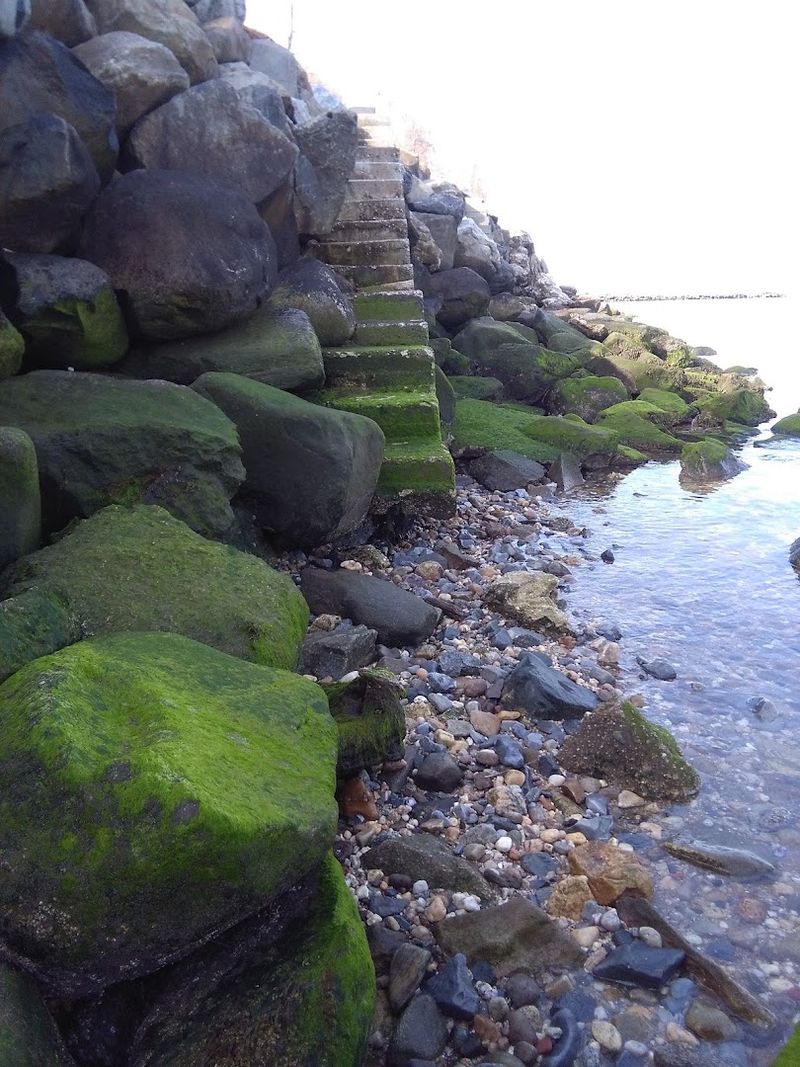
Preparation is the quiet difference between a good beach day and a great one. Crescent Beach has a natural surface mix of sand, pebbles, and shells, so sturdy footwear makes the walk far more comfortable than sandals would.
A pair of lightweight water shoes or trail sneakers keeps your footing steady and your focus on the ground rather than on your feet.
A mesh bag or small bucket is ideal for collecting sea glass because it lets water drain freely without weighing you down. Sunglasses with polarized lenses cut glare off the wet sand and help your eyes spot the subtle frosted sheen of glass among ordinary pebbles.
A small magnifying glass is optional but genuinely fun for examining fine details and surface texture up close.
Being a good guest at any coastal spot means leaving the beach in the same condition you found it. Pack out everything you bring in and avoid disturbing the natural shoreline beyond picking up glass.
Since Crescent Beach currently serves Glen Cove residents, treating the space with respect protects both the environment and the community’s relationship with it. Good habits keep special places like this one accessible and worth returning to for a long time to come.