
The Historic Vermont Restaurant That Refuses To Charge Extra For Soup Salad And Sides
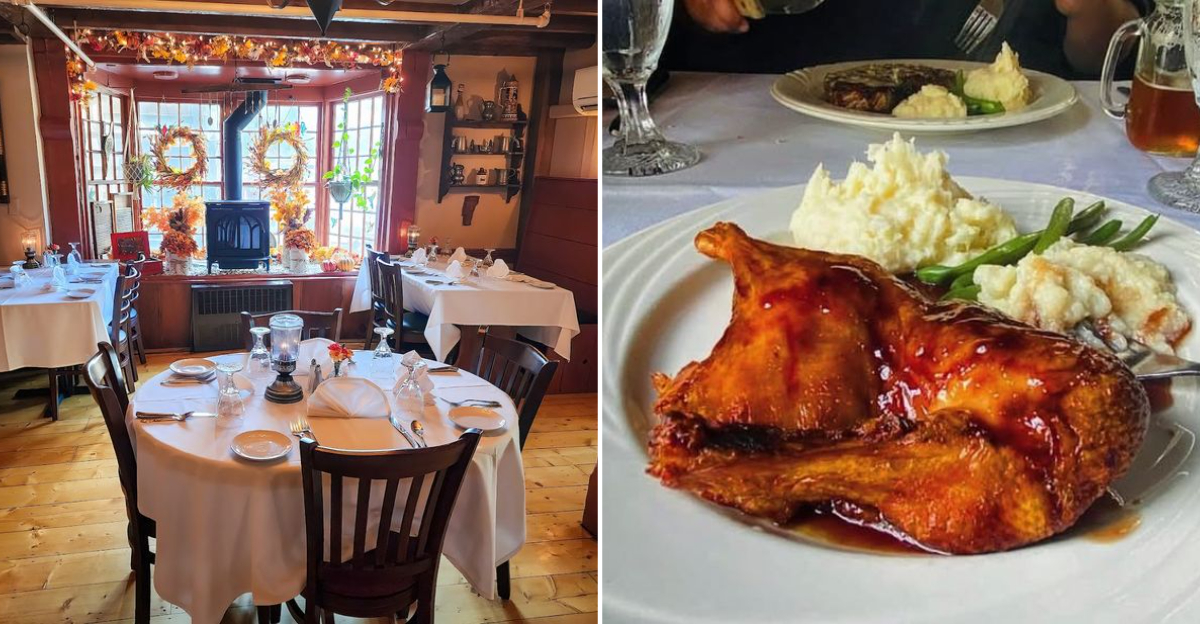
The menu here reads like a reminder of what dining out used to mean before the era of itemized everything. Soup, salad, and sides arrive with the meal because that is simply how the meal works.
Vermont has restaurants that trade on history and restaurants that earn it, and this one falls firmly in the second category. The refusal to unbundle a complete dinner from its component parts isn’t a marketing decision.
It’s a position the kitchen has held long enough to become the thing regulars mention first when they recommend it. Tables fill on weeknights without much outside assistance.
First timers who grew accustomed to paying separately for everything tend to read the menu twice before accepting that the price means what it says.
Origins And Historical Significance
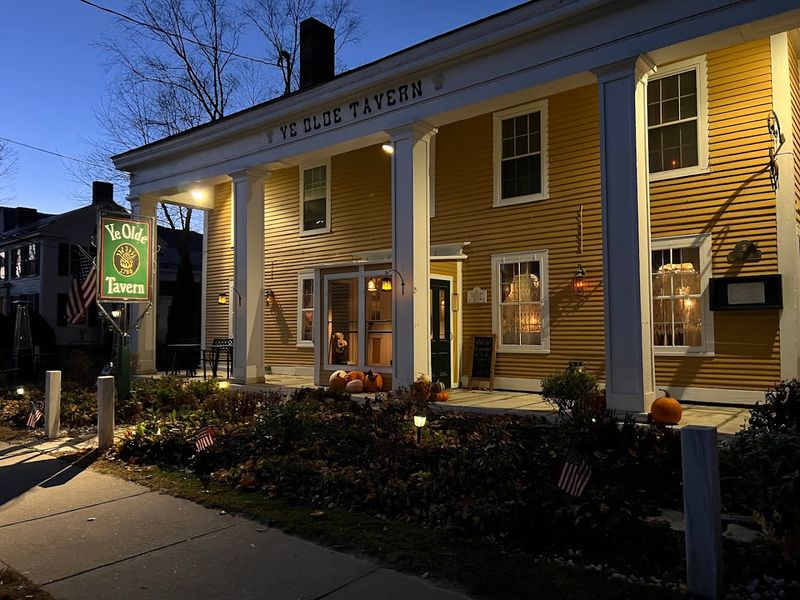
Aaron Sheldon built this place in 1790 while Vermont was still an independent republic, before it officially joined the United States. The original name was The Stagecoach Inn, and it served travelers moving through Manchester on horseback and by coach.
Over the decades, the building changed hands and names several times. It went by Lockwood’s Hotel around 1850, then Thayer’s Hotel, and later Fairview Hotel.
Each era left its mark on the walls, floors, and beams you can still see today.
Peter and Susan Palmer undertook careful and extensive restoration in 1975, allowing the tavern to reopen in time for the 1976 United States Bicentennial. At that time, the name was officially changed to Ye Olde Tavern.
The building was also listed on the Vermont Register of Historic Places at that time, with a second formal listing in 2020.
The tavern has remained family-run through the years, with the current owners continuing to honor its history while keeping pace with modern expectations.
The address is 5183 Main St, Manchester Center, VT 05255, and the slogan reads “Wining and Dining since 1790.”
Signature Soup Varieties And Recipes
Not everything at Ye Olde Tavern is included in the entree price, and the soups are a perfect example of that. Cheddar and Ale Onion Soup and Lobster Bisque appear on the menu as separate appetizers.
They are worth ordering on their own.
The Cheddar and Ale Onion Soup is a Vermont twist on a classic French preparation. Sharp cheddar replaces the usual Gruyere, and a splash of ale deepens the flavor in a way that feels completely at home in New England.
It is bold, savory, and warming.
Lobster Bisque is the other standout. It is creamy and rich without being heavy.
The lobster flavor comes through clearly, which is not always the case with bisques that rely too much on cream and too little on the actual shellfish.
Both soups reflect the kitchen’s approach to regional cooking. They use ingredients that make sense for Vermont and New England.
Nothing feels forced or out of place on the menu. The soups set the tone for everything that follows, and ordering one before your entree is a smart move on any visit.
Fresh Ingredient Sourcing Practices
Ye Olde Tavern leans into what Vermont does best. The region has a strong farming culture, and the kitchen takes advantage of that.
Seasonal vegetables rotate based on what is actually available nearby, not what can be shipped in cheapest.
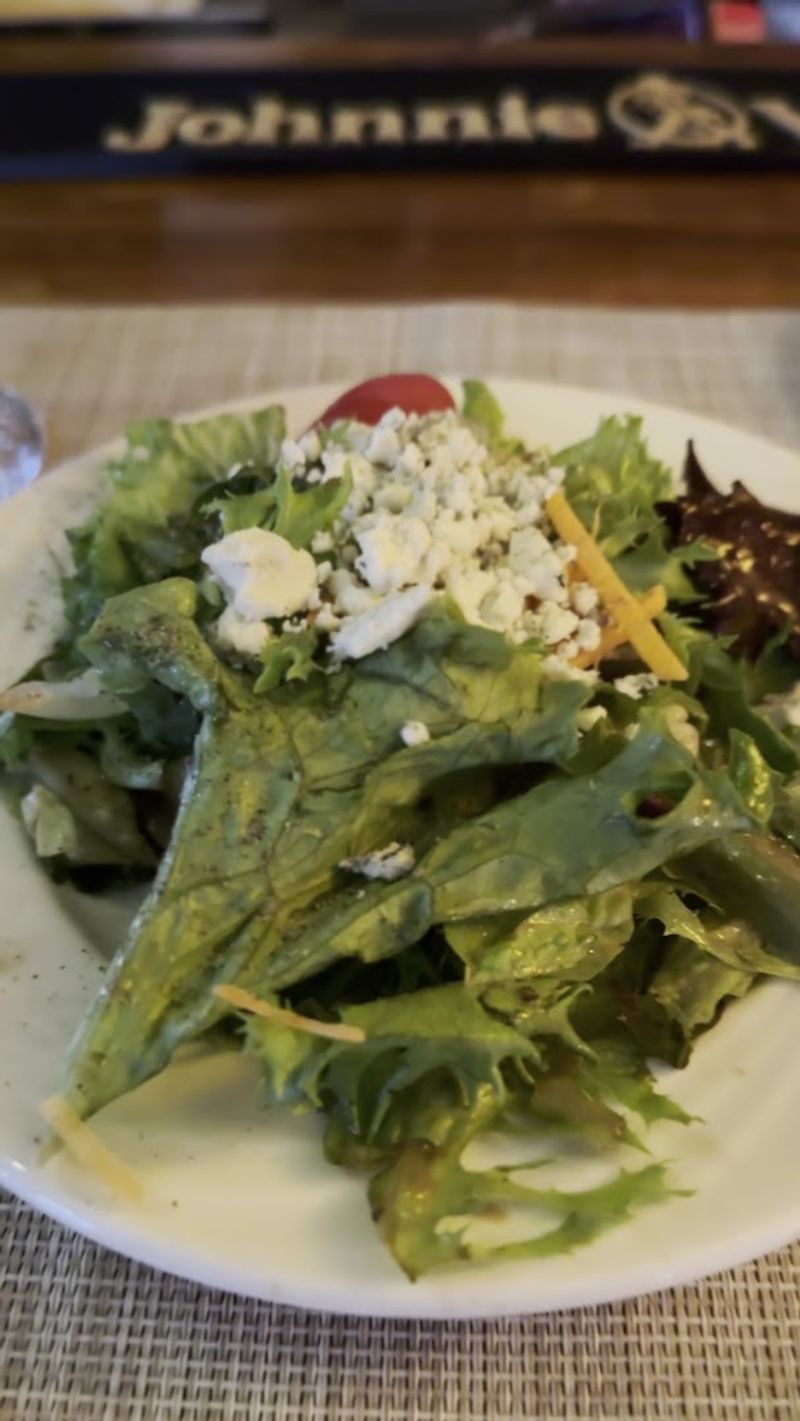
The field greens salad that comes with every entree reflects this approach. Fresh greens are not an afterthought here.
They are a consistent part of the meal, dressed simply with balsamic vinaigrette to let the produce speak for itself.
Freshly baked bread arrives at the table warm. That is not something you pull from a commercial freezer bag.
It signals that someone in the kitchen is paying attention to the basics. Good bread from scratch takes time and effort.
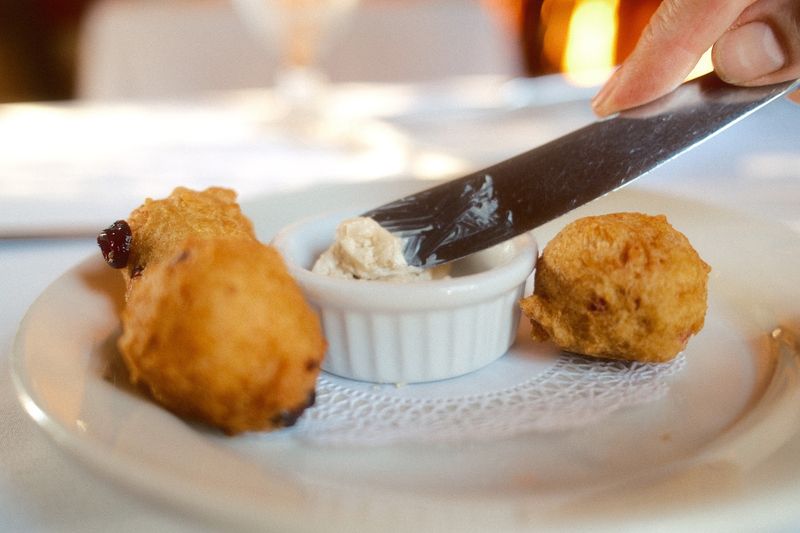
The cranberry fritters made with Vermont maple butter are another clue about sourcing priorities. Cranberries and maple are both deeply regional ingredients.
Using them together in a complementary starter shows a kitchen that thinks about where food comes from. Vermont maple butter alone is reason enough to pay attention to what lands on your table at the start of the meal.
Salad Preparations And Dressing Choices
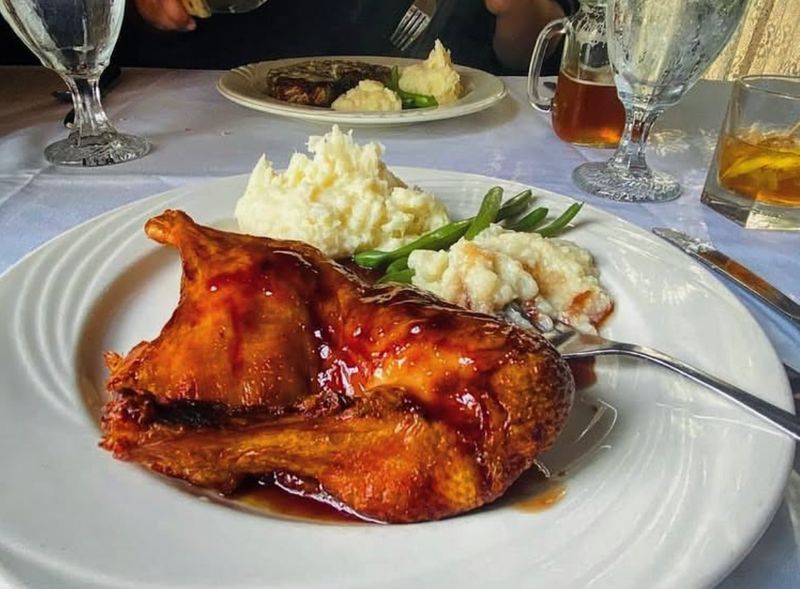
Every entree at Ye Olde Tavern comes with a fresh field greens salad. No upcharge, no substitution fee, just a real salad that arrives as part of the meal.
That alone separates this place from most restaurants in the area.
The standard dressing is balsamic vinaigrette. It is light and tangy, which works well with the greens without overpowering them.
Some diners opt for blue cheese, and that version has its fans, too. The blue cheese crumbles add a sharpness that pairs well with heartier entrees like prime rib or venison.
The salad is not a token gesture. It is properly portioned and seasoned.
That matters more than people realize. A poorly dressed salad ruins the momentum of a meal before the main course even arrives.
What makes this detail interesting is the consistency. Every table gets the same quality salad regardless of what entree they ordered.
There is no tiered experience here. A guest ordering the chicken pot pie gets the same fresh greens as someone ordering the New York strip.
That kind of consistency is harder to maintain than it looks, and Ye Olde Tavern has kept it up for years.
Complementary Side Dishes Explained
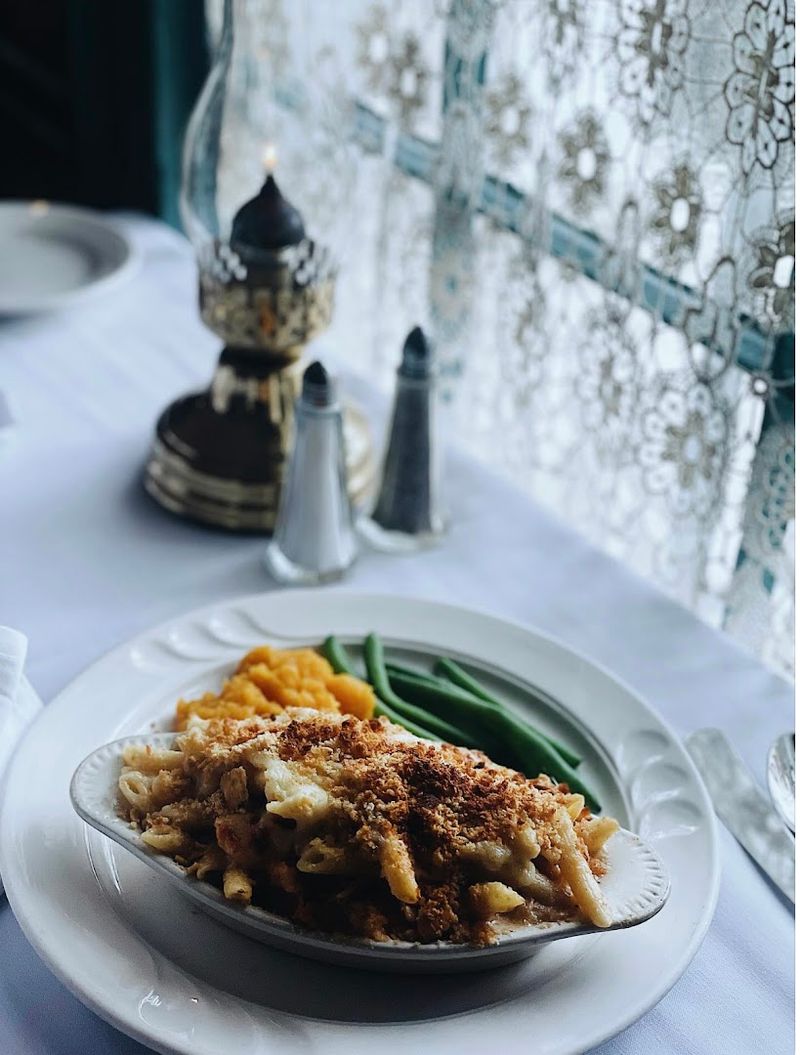
The side dish situation at Ye Olde Tavern is genuinely different from most restaurants.
Every entrée is served with seasonal vegetables, your choice of mashed potatoes or long-grain and wild rice, freshly baked bread, and homemade cranberry fritters with Vermont maple butter.
That is a full spread without any extras tacked onto the bill.
The cranberry fritters arrive first. They are warm, slightly sweet, and served with maple butter that melts right on contact.
It is a strong opening move. Most tables finish them quickly and would not complain about a second round.
Mashed potatoes and wild rice are the starch options. Both are straightforward preparations that complement the proteins on the menu.
The wild rice blend has a nutty, earthy quality that holds up well next to richer dishes like pot roast or venison.
Seasonal vegetables round out the plate. What shows up depends on the time of year and what is available.
The kitchen rotates these based on the season, so the experience shifts slightly depending on when you visit. That keeps the sides from feeling stale or repetitive for anyone who comes back regularly, which many guests clearly do.
Customer Experience And Atmosphere
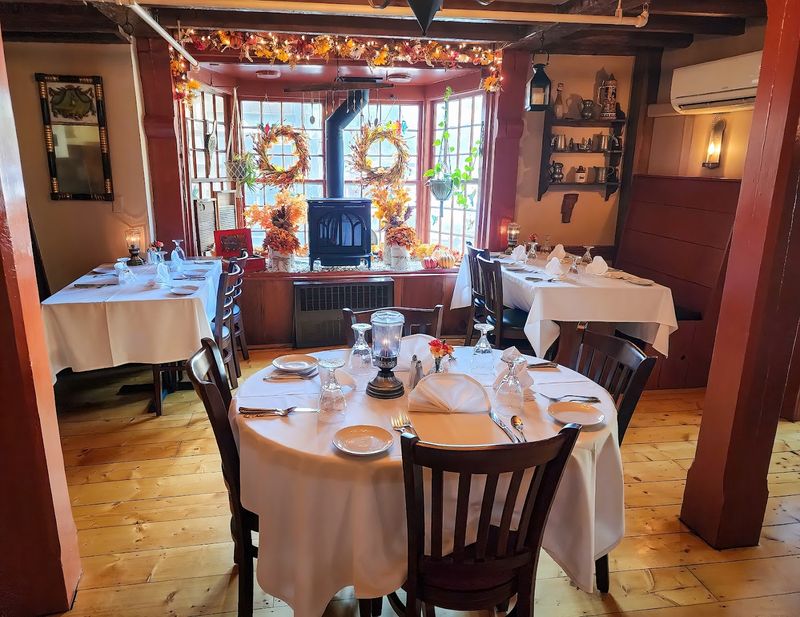
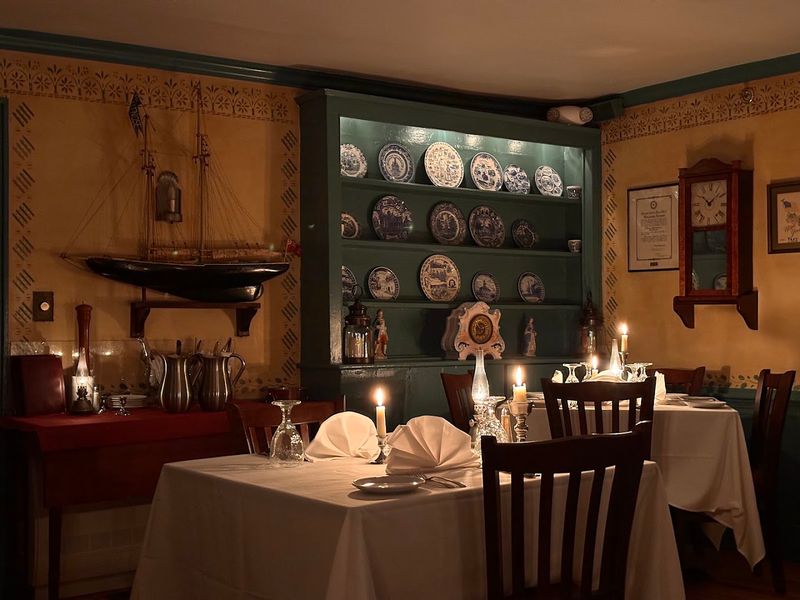
Entering Ye Olde Tavern feels like the building has a personality of its own. Wide plank floors, hand-hewn beams, roaring fireplaces, and antique furnishings fill the dining rooms.
The place opened in 1790, and the interior does not let you forget that.
Seating is spread across several rooms, each with its own fireplace. That layout means the space never feels like one giant noisy hall.
Conversations stay at a comfortable volume. You can actually hear the person across the table, which is rarer than it should be in a busy restaurant.
The candlelit setting adds to the overall mood without feeling theatrical. It is warm and calm, which fits the colonial surroundings naturally.
The atmosphere is not manufactured for Instagram. It exists because the building itself has 230-plus years of character baked into every beam and floorboard.
Hours run from 4:30 PM to 8:30 PM every day of the week. Reservations are a good idea, especially on weekends.
The restaurant holds a terrific rating across many reviews, which reflects a consistent experience over a long period of time. You can reach them at +1 802-362-0611 or visit yeoldetavern.net for more details.
Community Impact And Local Support
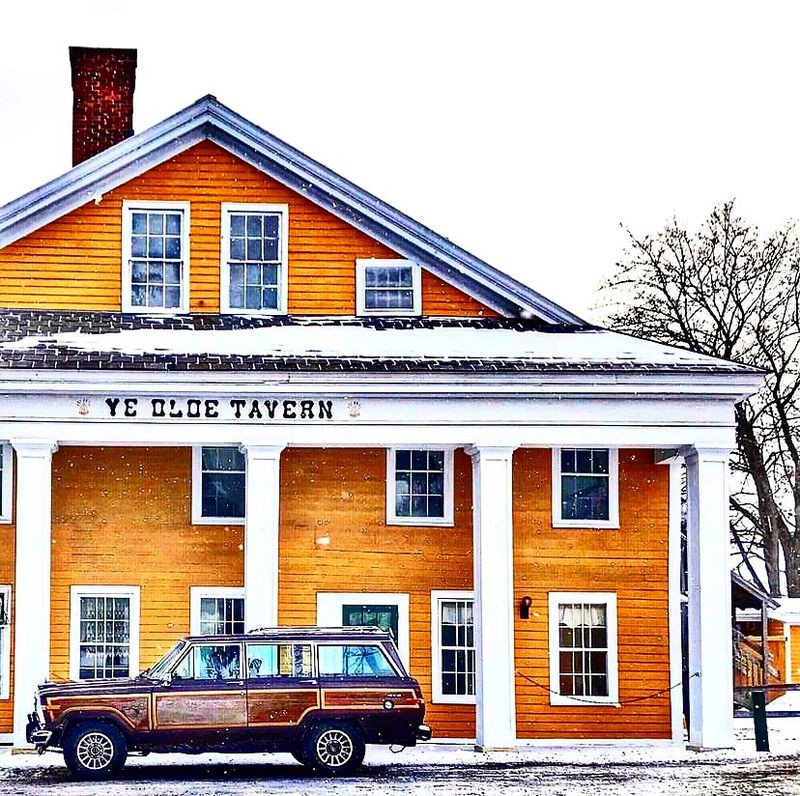
Ye Olde Tavern has been part of Manchester Center’s identity for well over two centuries. That kind of longevity does not happen without genuine roots in the local community.
The building has been a gathering point through multiple eras of American history, long before it became a restaurant destination.
The tavern holds a notable place in Manchester history beyond just food. It was one of the first buildings in town to have telephone lines installed.
It also served as a headquarters for the movement to regulate the sale of spirituous beverages in the area. Those are real civic contributions, not just historical footnotes.
Michael and Minna Brandt have owned and operated the tavern since November 2001. That is more than two decades of consistent ownership in a business that sees a lot of turnover in the restaurant industry.
Stability at the top tends to reflect in the quality and culture of a place over time.
Being added to the Vermont Register of Historic Places in 2020 was a recognition of the tavern’s broader significance. It is not just a restaurant.
It is a preserved piece of Vermont’s social and architectural history. That designation matters to locals who have watched the building stand through generations of change in Manchester Center.
Reasons Behind No Extra Charge Policy
The no-extra-charge policy at Ye Olde Tavern is not a marketing gimmick. Every entrée is served with cranberry fritters, seasonal vegetables, bread, salad, and your choice of mashed potatoes or wild rice. That is the standard.
This approach reflects an older model of dining where a full meal meant a full meal. Charging separately for bread, salad, and sides is a relatively modern restaurant habit.
Ye Olde Tavern never adopted it, and that consistency has become part of its identity.
The policy also makes pricing more straightforward for guests. You know what you are getting when you order an entree.
There are no decisions about whether to add a side for four more dollars or skip the salad to save money. The meal arrives complete.
It is worth noting that soups like Cheddar and Ale Onion Soup and Lobster Bisque are listed separately as appetizers and are not included with entrees. The included sides policy covers the accompaniments to the main course, not every item on the menu.
That distinction keeps the kitchen’s approach honest and practical rather than overpromising what the policy actually covers.