
The Idaho Mountain Town That Turned Its Cozy Cabins Into A Tourist Magnet
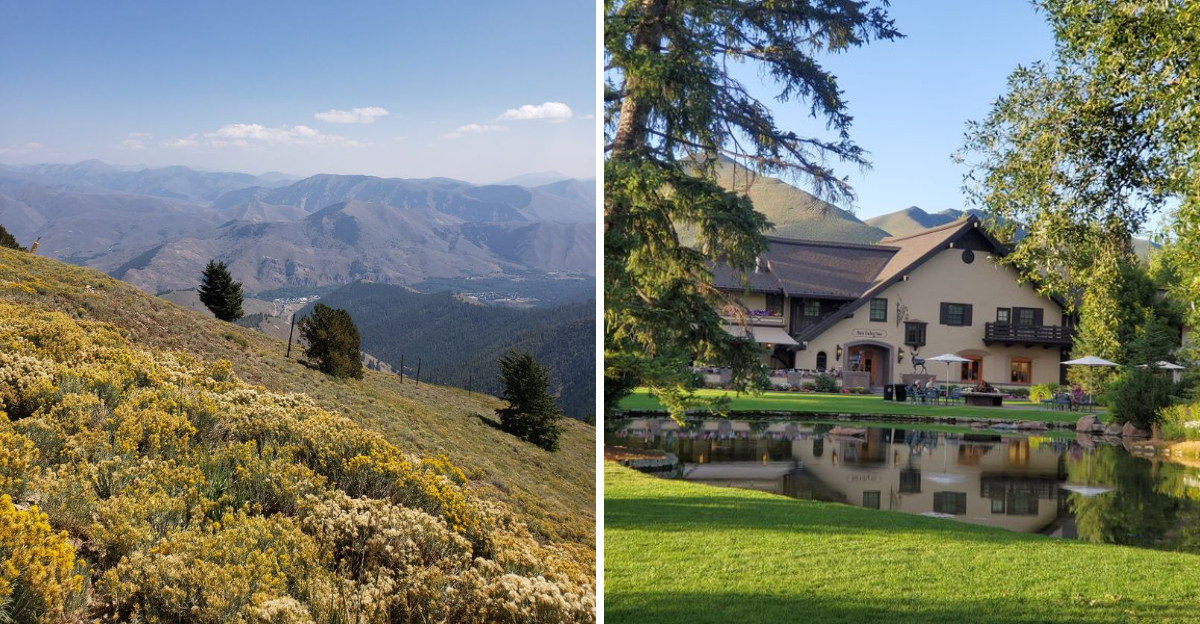
Located in Idaho’s high country, Sun Valley began as a calculated gamble by a railroad baron who believed a ski resort could thrive in America’s mountains.
What started with a handful of lodges and a revolutionary chairlift became a phenomenon that shaped winter tourism across the continent.
Today, those original cozy cabins and their modern descendants draw visitors year-round, transforming a quiet valley into one of the West’s most enduring and celebrated mountain destinations.
The Birthplace Of The American Ski Resort
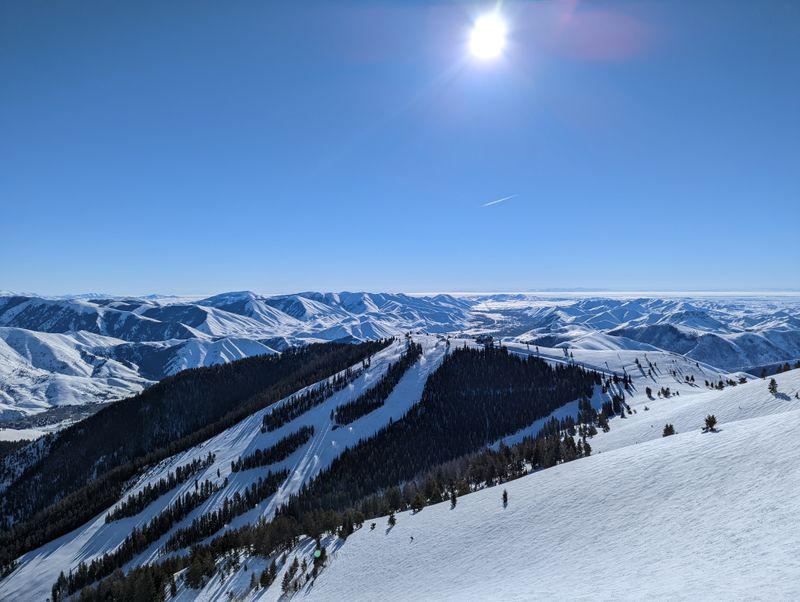
Union Pacific Railroad chairman Averell Harriman wanted a European-style ski village on American soil, and in 1936 he found the perfect spot near Ketchum.
Austrian count Felix Schaffgotsch scouted locations across the West before settling on this sheltered valley with reliable snowfall and gentle terrain.
Sun Valley Resort opened that December with the world’s first chairlift, a marvel of engineering adapted from banana-loading conveyors.
The formula worked immediately, drawing skiers from across the country who had never experienced lift-served skiing before.
Why Sun Valley’s Alpine Cabins Became A Year-Round Retreat
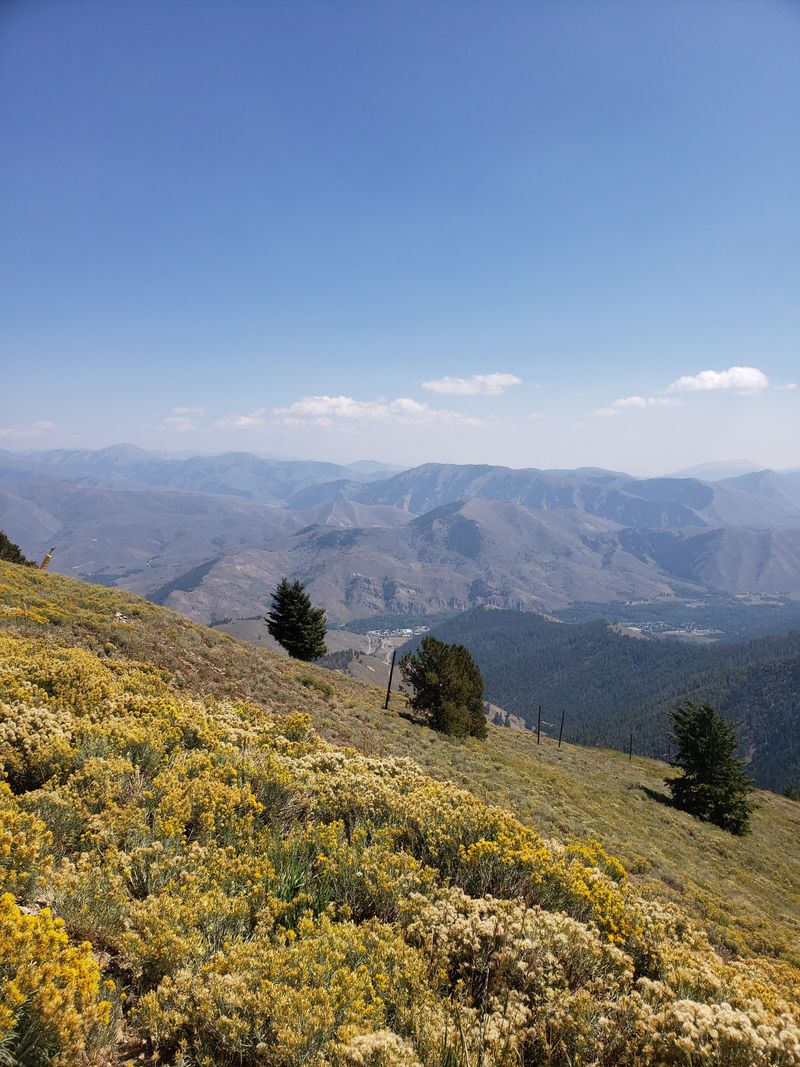
Snow melts away each spring to reveal an entirely different landscape, one that cabin owners and visitors have learned to cherish just as deeply.
Trails that served skiers in winter become hiking and biking routes threading through meadows thick with lupine and Indian paintbrush.
The same lodges that offered fireside warmth in January now provide cool refuge after days spent fishing in Trail Creek or riding horses through aspen groves.
This climate versatility turned seasonal rentals into year-round investments, ensuring the cabins stayed filled and the local economy hummed through every month.
Vintage Lodges And Modern Cottages
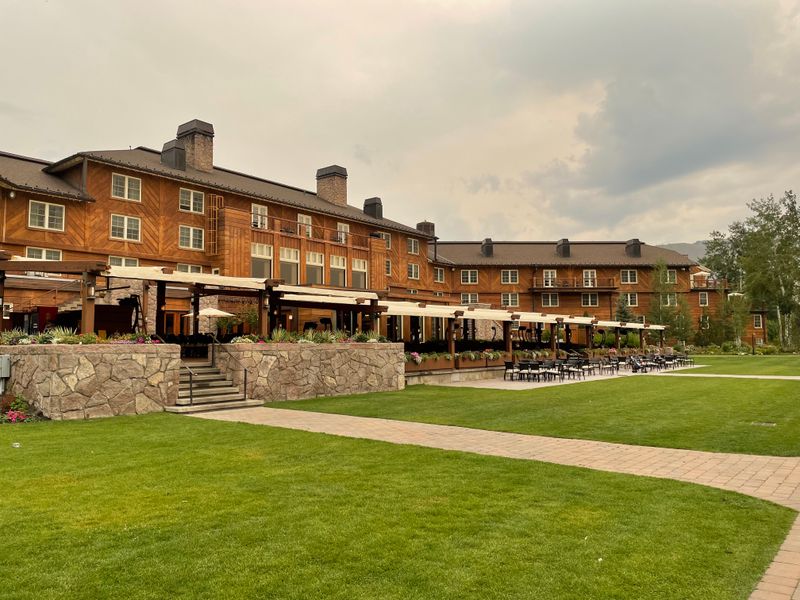
Sun Valley Lodge still anchors the resort with its original 1936 grandeur, all exposed beams and stone fireplaces that have hosted generations of families.
Nearby, newer cottages blend seamlessly into the landscape with native timber exteriors and interiors outfitted with heated floors and chef-grade kitchens.
Both styles share a commitment to mountain authenticity, avoiding the gilded excess found at some resorts.
Renters appreciate the variety, choosing between historic charm and contemporary convenience depending on their mood.
Properties in neighboring Ketchum offer similar diversity, from renovated miners’ cabins to architect-designed retreats tucked against the foothills of the Sawtooth Range.
Hollywood’s Hidden Hideaway
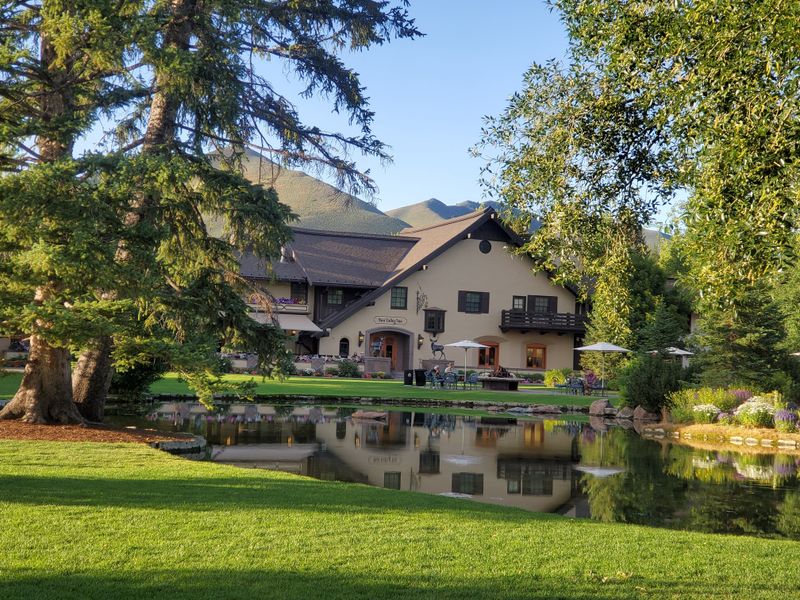
Gary Cooper and Clark Gable showed up in the early years, drawn by Harriman’s personal invitations and the promise of privacy.
Ingrid Bergman, Marilyn Monroe, and Ernest Hemingway followed, turning Sun Valley into a discreet refuge where fame could take a holiday.
Hemingway finished “For Whom the Bell Tolls” while staying at the lodge and eventually bought a home in nearby Ketchum, where he spent his final years.
Their presence attracted national magazine coverage and newsreel footage, glamorizing the resort without making it feel exclusive or unapproachable.
Ordinary families saw the same cabins and slopes enjoyed by stars, making Sun Valley aspirational yet accessible.
The Sun Valley Resort Cottages That Redefined Mountain Luxury
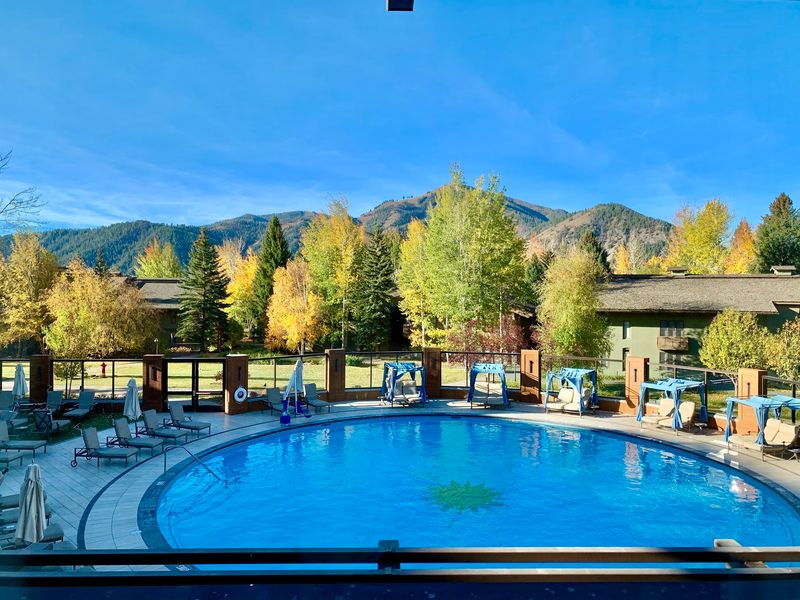
Comfort arrived early at Sun Valley, long before most ski towns understood hospitality beyond basic shelter.
The original cottages featured private baths, central heating, and daily housekeeping, amenities that seemed extravagant in the 1930s backcountry.
Over decades, those standards evolved into heated pools, full concierge services, and cottages with private hot tubs overlooking Bald Mountain.
Interiors favor natural materials and regional craftsmanship rather than imported marble or crystal chandeliers.
Visitors find luxury expressed through thoughtful details like ski valets and in-room fireplaces that arrive pre-stocked with split wood, ready to light.
Ski Slopes By Winter, Trail Paradise By Summer
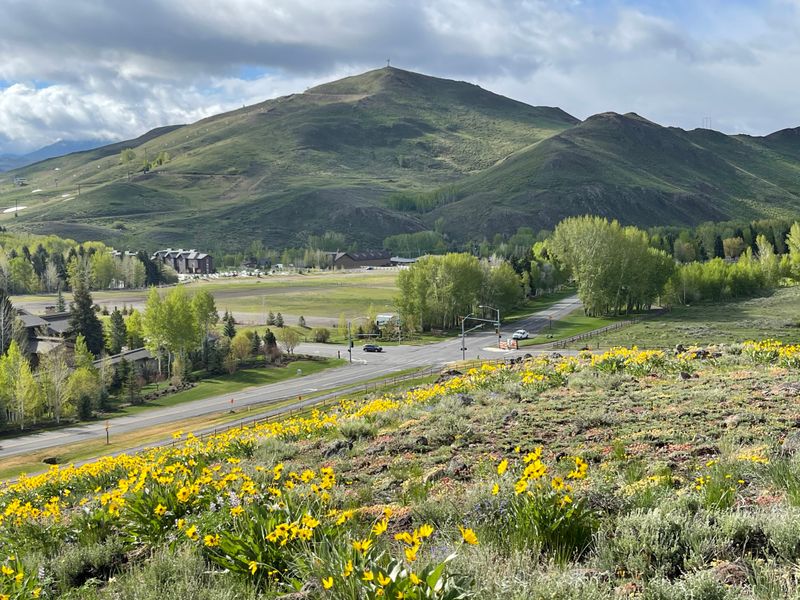
Bald Mountain’s 3,400 vertical feet of skiing attracts serious enthusiasts, while Dollar Mountain’s gentler pitches welcome beginners and families learning to navigate their first turns.
Come June, those mountains trade snow for singletrack, with miles of trails open to hikers and mountain bikers exploring terrain from valley floor to alpine ridgeline.
Fox Creek and Proctor Mountain offer routes that climb through sage and wildflower zones before reaching viewpoints overlooking the entire valley.
This rhythm of constant activity across seasons became Sun Valley’s economic foundation and its greatest appeal.
Small-Town Charm Meets World-Class Amenities In The Heart Of The Sawtooths
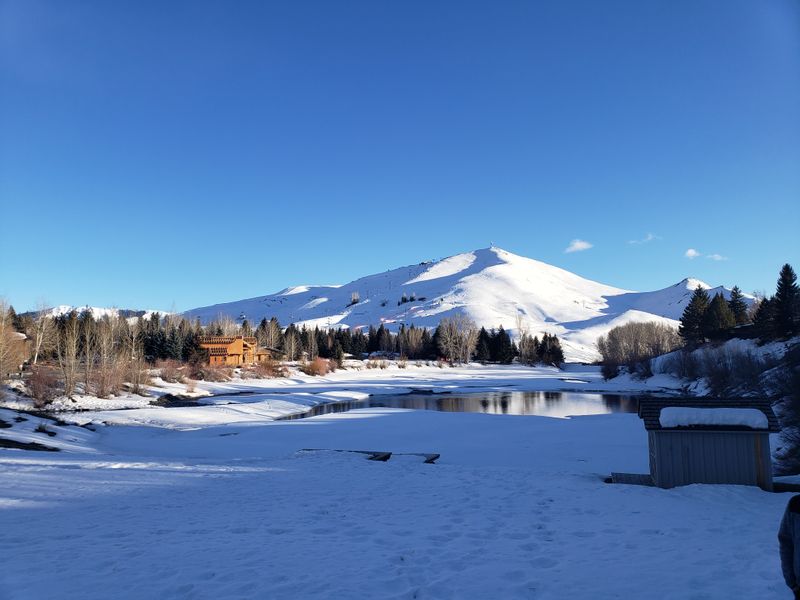
Ketchum maintains its mining-town layout, with a compact downtown where you can walk from coffee shop to bookstore to gear outfitter in under ten minutes.
The town of roughly 3,000 residents supports a symphony orchestra, an arts center, and restaurants serving cuisine that wouldn’t feel out of place in much larger cities.
This concentration of culture and infrastructure within a genuinely small community creates an unusual balance.
Sun Valley Resort sits just north at 5,920 feet elevation, close enough to share the benefits of Ketchum’s vitality while maintaining its own quieter identity.
The Sawtooth Range rises dramatically to the north, a constant reminder of wilderness proximity.
How Ketchum’s Historic Core Adds Character To Every Cabin Stay
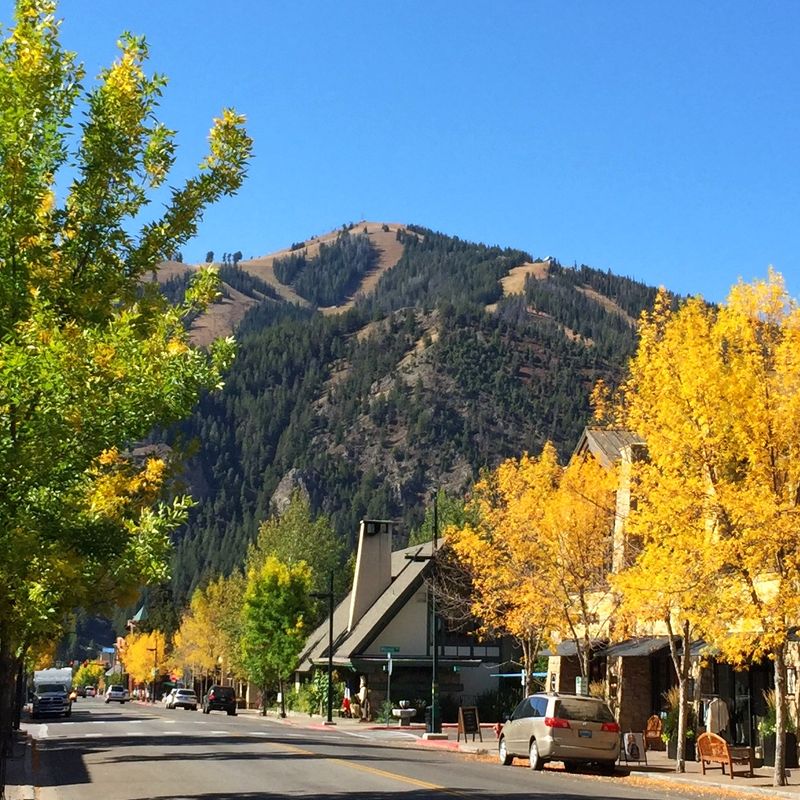
Mining shaped Ketchum long before skiing arrived, and traces of that rough-edged past persist in weathered storefronts and narrow streets laid out for horse traffic.
Several buildings date to the 1880s, when silver and lead ore moved through town by wagon before railroads reached the valley.
Today those structures house galleries, wine bars, and outfitters, their exteriors preserved while interiors adapt to modern commerce.
The town avoided wholesale demolition during its transformation into a resort community, keeping enough original fabric to feel authentic rather than themed or manufactured.
Why Sun Valley’s Cozy Cabin Culture Continues To Fuel Its Tourism Boom
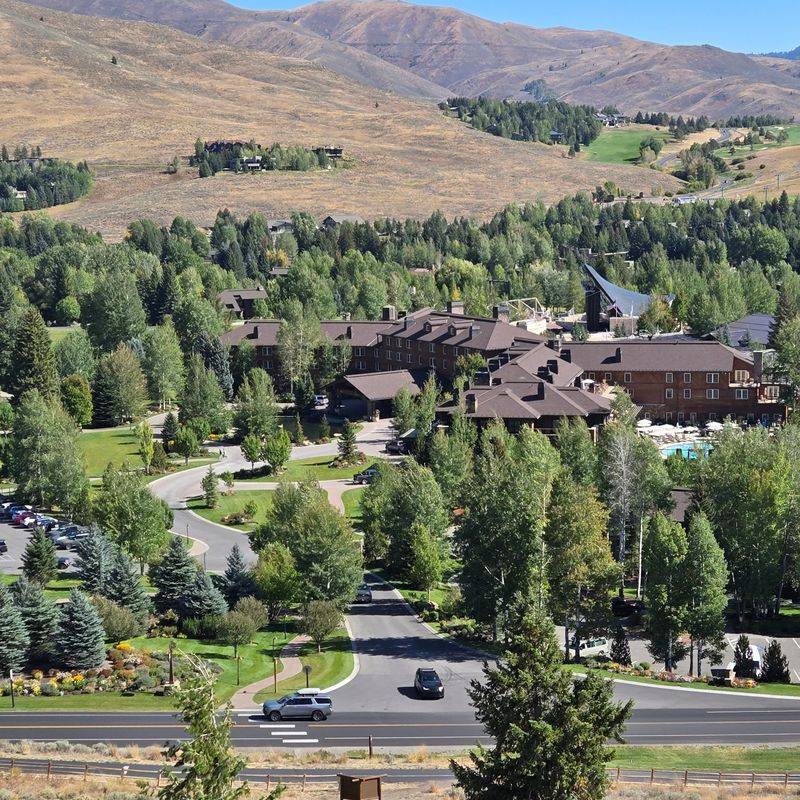
Scale matters here in ways that differentiate Sun Valley from mega-resorts built in later decades.
Most lodging remains human-sized, places where you recognize the front desk staff and remember which trail leads back to your door.
Cabins and cottages dominate over high-rise hotels, creating a village feel rather than an urban ski experience transplanted to the mountains.
That loyalty sustains occupancy rates even as competition increases across the Rockies.
Sun Valley’s original vision of comfortable, unpretentious mountain lodging continues to resonate, proving some formulas improve rather than age.
Where Authenticity And Accessibility Created An Enduring Mountain Destination
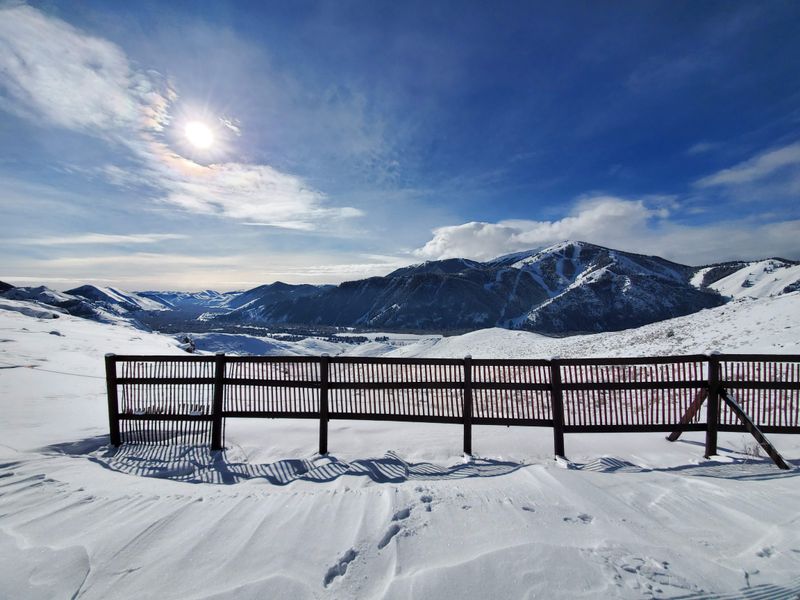
Many mountain towns struggle to balance tourism growth with character preservation, but Sun Valley established its identity early and held to it with remarkable consistency.
The resort never chased trends toward ever-larger lifts or manufactured European theming, instead refining what worked from the beginning.
Cabins remained central to the lodging mix, updated with modern comforts but never replaced wholesale by condominiums or hotels.
This stability allowed Sun Valley to mature gracefully, building a reputation for reliability that attracts multigenerational visitors.
Located in Idaho rather than Colorado or Utah, it avoided some of the development pressure that transformed other ski towns, maintaining a quieter profile that devoted guests prefer.