
The Illinois Village That Feels Like A Scene From A Vintage Movie
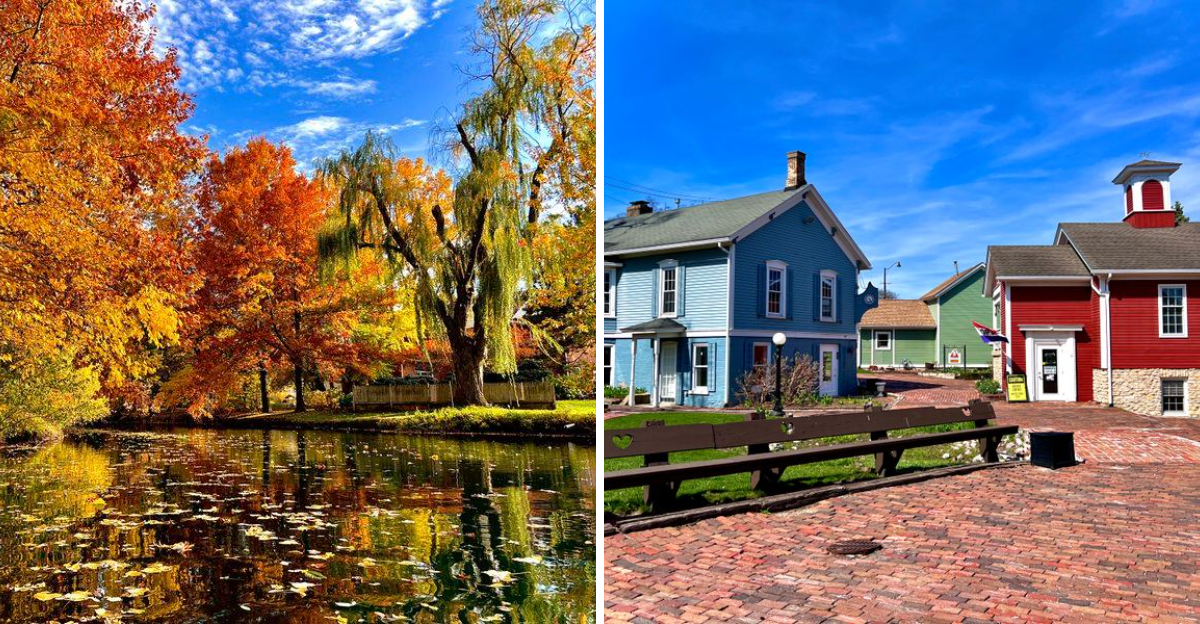
Long Grove sits about 35 miles northwest of Chicago, and the moment you arrive, you realize something is different here. The village has kept its old character alive through careful preservation and a commitment to resisting the typical suburban sprawl that has swallowed so many small towns.
Walking through its streets feels like stepping onto a film set designed to capture a quieter, more graceful version of American life. This is not a theme park or a reconstruction, it is a real place where people live and work, yet it manages to hold onto the atmosphere of a bygone era with remarkable sincerity.
A Historic Downtown That Looks Frozen In Time
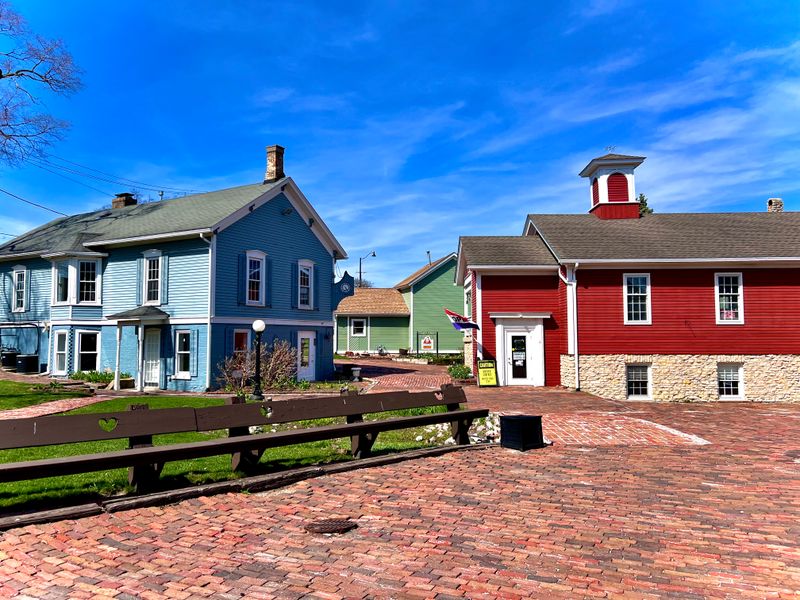
Long Grove’s downtown core has remained largely unchanged for decades, and that continuity is no accident. The village enforces strict building codes that require new construction to match the architectural style of the original structures.
Facades are kept simple, signs are understated, and modern materials are discouraged.
What results is a streetscape that could belong to the 1950s or even earlier. Brick buildings line the roads, their storefronts fitted with wooden doors and large windows that invite you to look inside.
There are no chain stores here, no neon lights, no glass towers.
The effect is both calming and disorienting. You walk slowly, noticing details—the grain of the wood, the curve of a railing, the way light falls across a porch.
It is a place that rewards attention and refuses to rush you along.
The Robert Parker Coffin Covered Bridge
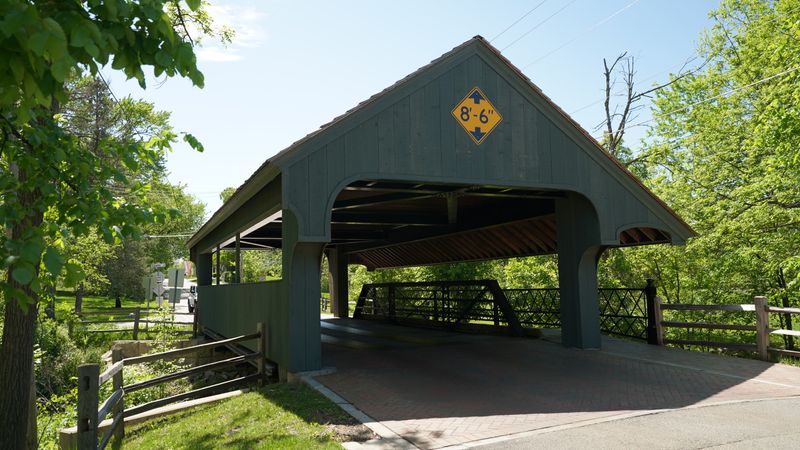
The covered bridge in Long Grove is one of the most photographed spots in the village, and for good reason. Built in the traditional style with wooden beams and a peaked roof, it spans a small creek and connects two parts of the downtown area.
It is not a relic from the 1800s, but a deliberate recreation constructed in 1971.
Still, it serves its purpose beautifully. The bridge has become a symbol of the village’s dedication to preserving a certain aesthetic, even if that means building new structures in an old style.
Visitors stop here to take pictures, lean against the railings, and listen to the water below.
In autumn, when the surrounding trees turn color, the bridge becomes even more picturesque. It is a quiet place, a pause in the rhythm of the day, and it offers a moment of stillness that feels increasingly rare.
Small-Town Charm With A Century-Old European Feel
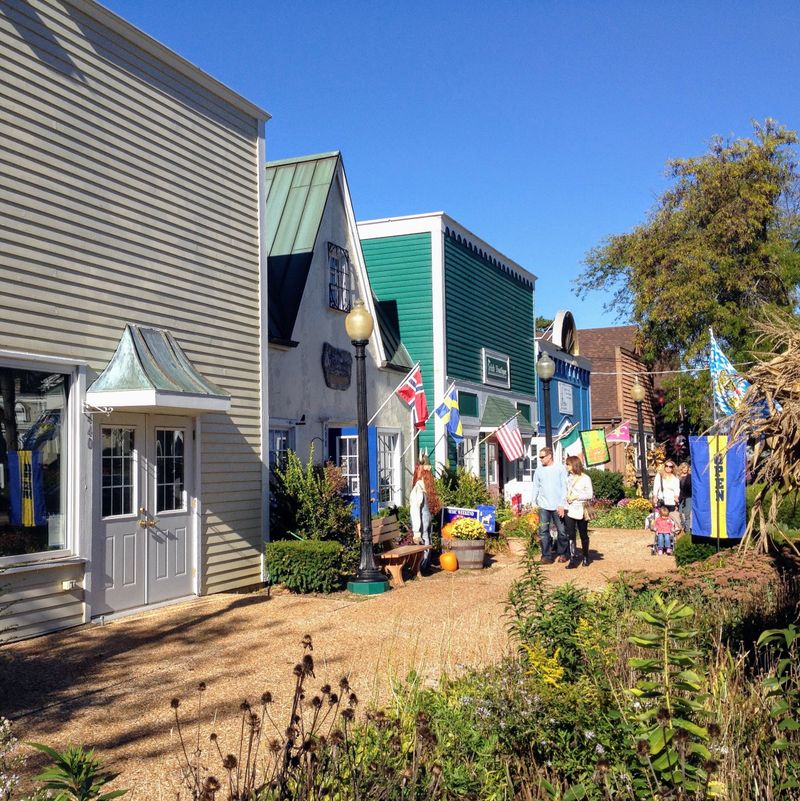
Long Grove was settled in the mid-1800s by German immigrants, and traces of that heritage remain visible today. The architecture, the layout of the streets, and the emphasis on craftsmanship all carry a European sensibility.
Buildings are close together, sidewalks are narrow, and the pace of life is slower than what you find in nearby suburbs.
There is a formality here that feels imported from another continent, a sense that public space should be beautiful and that commerce should be conducted with a certain dignity. Shops are small and individually owned, and many have been in operation for decades.
The owners know their customers, and transactions feel personal.
This is not a village that tries to be quaint for the sake of tourism. It simply is what it is, and that authenticity is part of what makes it so appealing.
Main Street Shops That Keep Old-World Character Alive
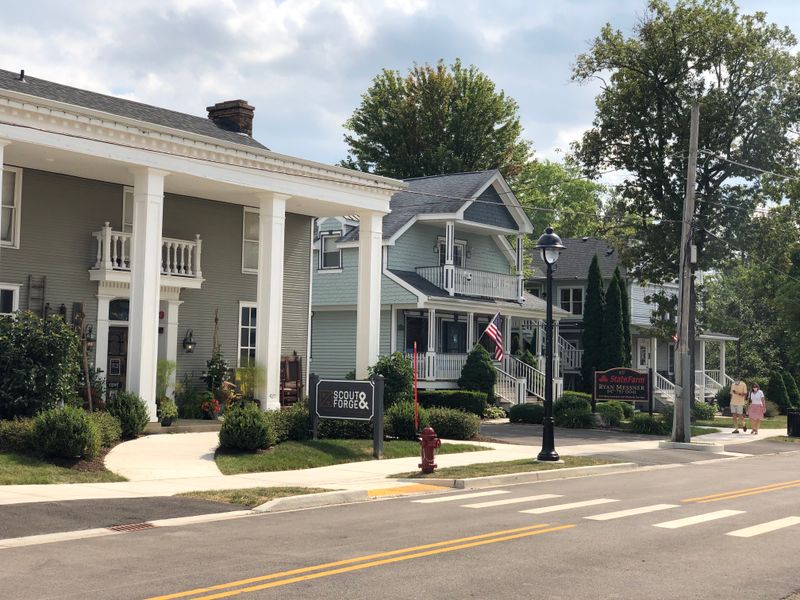
The shops along Long Grove’s main streets are not designed for convenience or speed. They are small, often cluttered, and require you to spend time browsing.
You will find antique stores, gift shops, candy makers, and specialty food vendors, all housed in buildings that look like they belong to another century.
Inside, the atmosphere is warm and unhurried. Wooden floors creak underfoot, shelves are stocked with handmade goods, and the lighting is soft.
There are no self-checkout kiosks or digital displays, just old-fashioned retail conducted at a human pace.
This kind of shopping is becoming rare, and that makes it all the more valuable. You leave these stores not just with a purchase, but with a memory of a slower, more thoughtful way of doing business.
It is commerce as it used to be, before efficiency became the only goal.
Community Events That Bring The Village To Life All Year
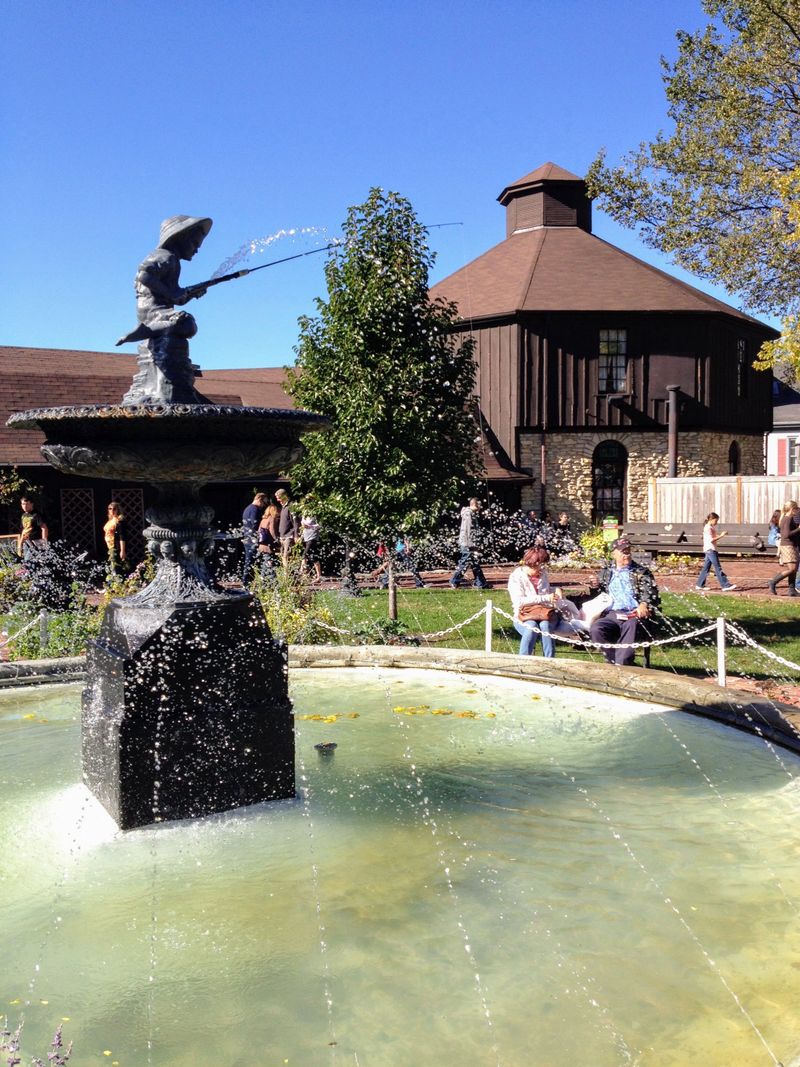
Long Grove hosts a number of events throughout the year, and these gatherings are central to the village’s identity. The Strawberry Festival in June and the Apple Fest in October draw thousands of visitors, transforming the quiet streets into lively markets filled with music, food, and crafts.
These are not corporate events—they are organized by the community and reflect its values.
In December, the village holds a Christmas celebration that includes carolers, horse-drawn carriage rides, and decorated storefronts. The atmosphere is festive without being commercial, nostalgic without feeling forced.
People come from all over the region to experience it.
These events give Long Grove a sense of continuity and tradition. They remind residents and visitors alike that this is a place where people still gather in person, where public life is valued, and where the rhythms of the calendar are marked with care.
Historic Preservation Meets Modern Leisure
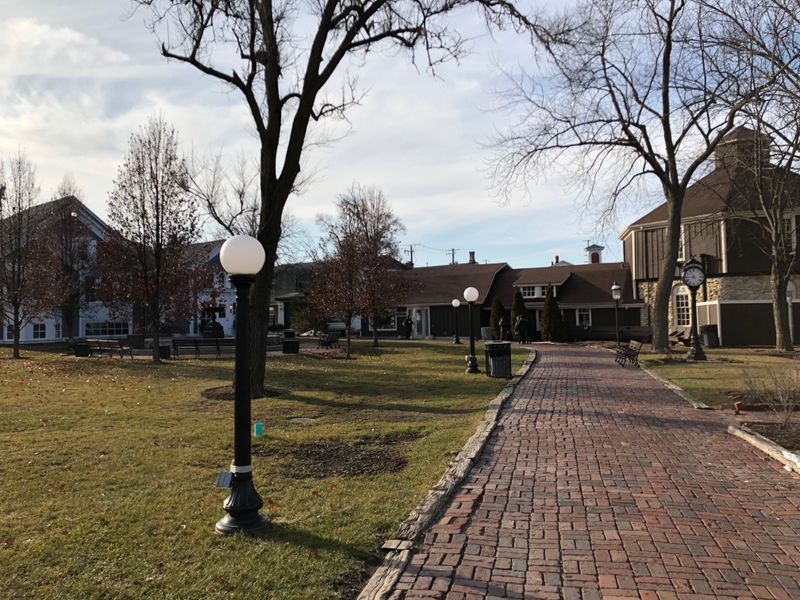
Long Grove has managed to preserve its historic character without turning itself into a museum. The village is still a functioning community with residents, businesses, and modern amenities.
The trick has been to integrate the new with the old in a way that does not disrupt the overall aesthetic.
Restaurants and cafes operate out of century-old buildings, offering contemporary menus in settings that feel timeless. Parks and green spaces are maintained with care, and the village encourages walking and biking over driving.
The balance is delicate, but Long Grove has achieved it with remarkable success.
You can enjoy a meal at a farm-to-table restaurant, browse an antique shop, and then relax in a park that has been preserved in its natural state. The experience is cohesive, thoughtful, and deeply satisfying.
It proves that preservation and progress are not mutually exclusive.
Perfect Film-Worthy Photo Ops Around Every Corner
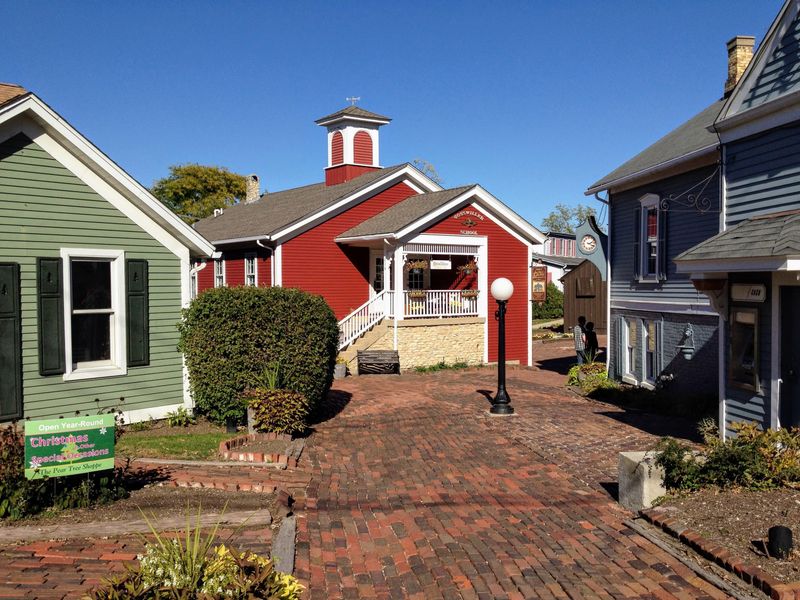
Long Grove is a photographer’s dream. Every street corner, every storefront, every bridge and pathway offers a composition that feels ready for the camera.
The village’s commitment to maintaining its historic appearance means there are no modern intrusions to spoil the frame—no power lines cluttering the sky, no chain store logos breaking the visual flow.
In the fall, when the trees turn red and gold, the village becomes even more photogenic. The covered bridge, the brick buildings, and the tree-lined streets all take on a cinematic quality.
You do not need to search for good shots—they present themselves naturally.
This is why Long Grove has become a popular location for engagement photos, fashion shoots, and even film productions. The place looks like it belongs in a movie, and that makes it irresistible to anyone with a camera.
A Walkable Village That Rewards Slow Exploration
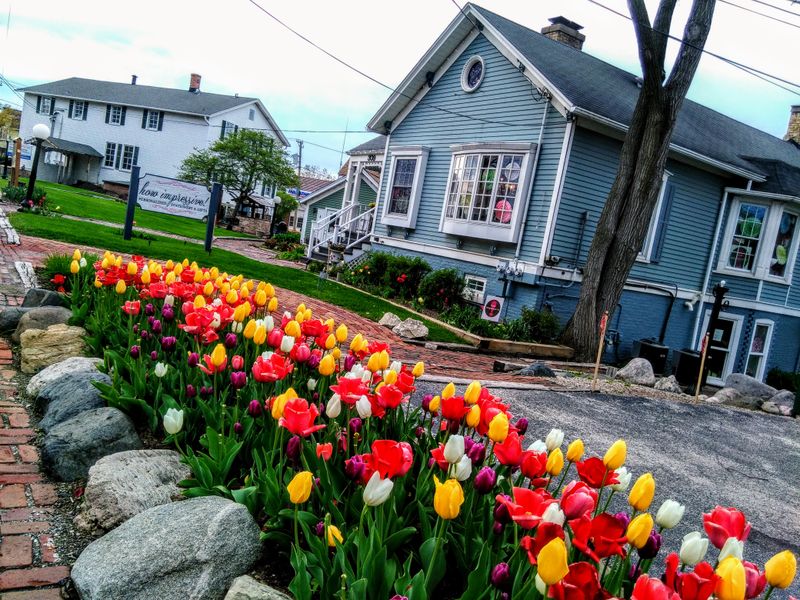
Long Grove is designed for walking. The downtown area is compact, the streets are safe, and there are sidewalks everywhere.
You can park your car and spend hours wandering without ever needing to drive to another location. This is increasingly rare in suburban America, where most destinations require a vehicle.
The village rewards slow exploration. You notice things you would miss if you were driving—the texture of a brick wall, the smell of fresh-baked bread, the sound of leaves rustling overhead.
You stop to read plaques, peer into shop windows, and sit on benches. There is no rush, no schedule to keep.
This kind of experience is restorative. It reminds you that not every place needs to be optimized for speed and efficiency.
Some places are meant to be savored, and Long Grove is one of them.
Local History That Defines Long Grove’s Unique Identity
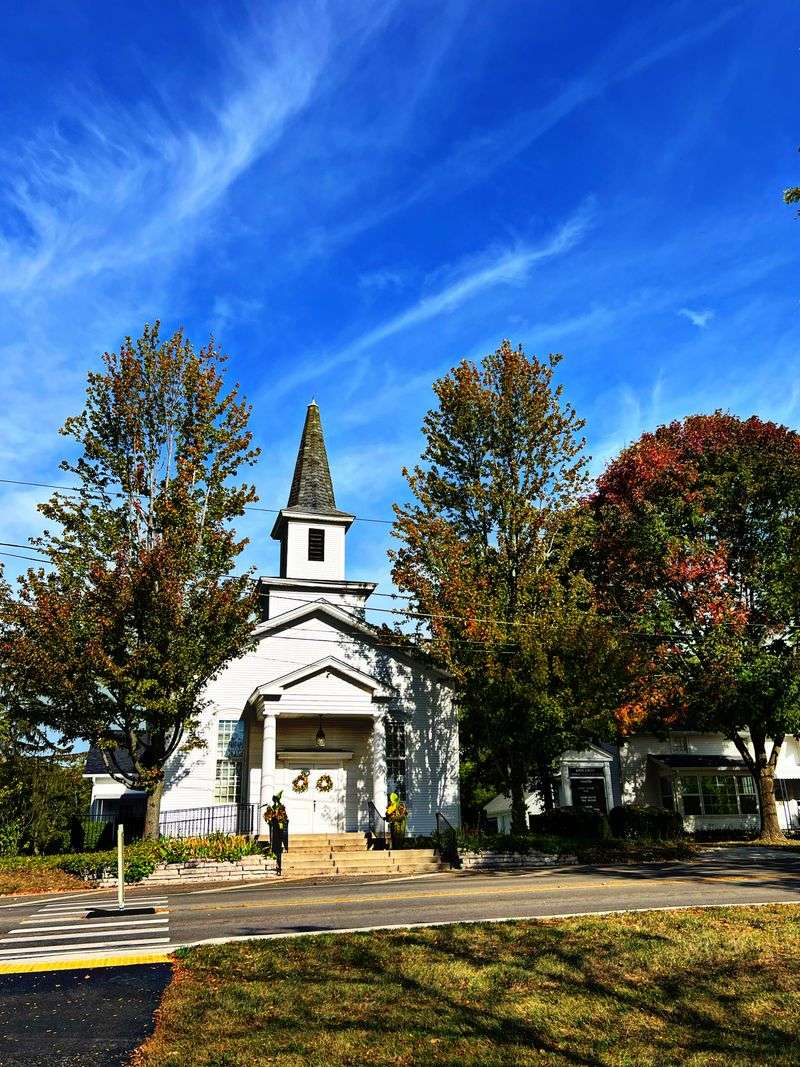
Long Grove was founded in 1847 by German settlers who came to the area seeking farmland and opportunity. The village remained agricultural for decades, with farms and orchards dominating the landscape.
As the Chicago suburbs expanded in the 20th century, Long Grove faced pressure to develop, but residents resisted.
In the 1960s, the village adopted strict building ordinances designed to preserve its rural character. Those rules remain in place today and are the reason Long Grove looks the way it does.
The commitment to preservation was not easy—it required constant vigilance and a willingness to say no to developers.
Understanding this history helps you appreciate what you see. Long Grove is not an accident.
It is the result of deliberate choices made by people who valued tradition, beauty, and community over profit and convenience.
Why Long Grove Feels Especially Cinematic In Fall And Winter
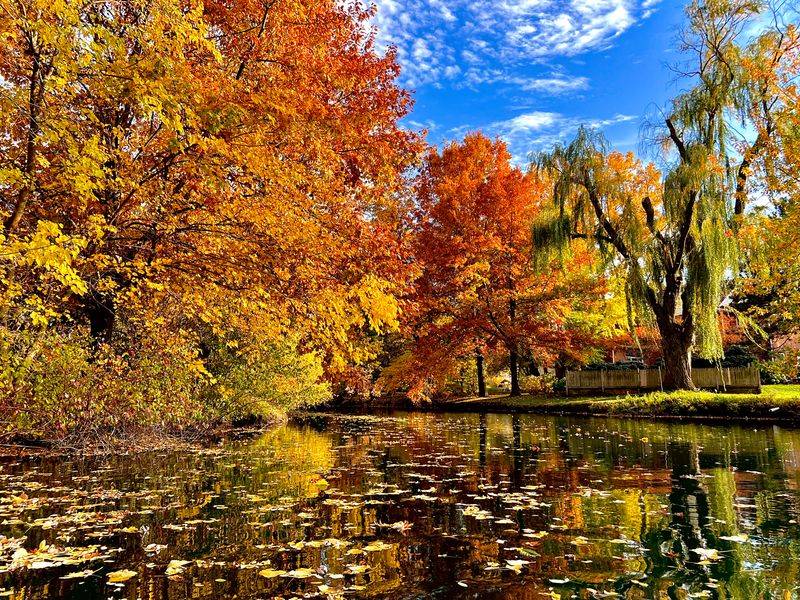
Long Grove is beautiful year-round, but it reaches its peak in the fall and winter months. Autumn brings brilliant foliage that frames the village in shades of red, orange, and yellow.
The covered bridge becomes a focal point, and the entire downtown area feels like a postcard. The Apple Fest in October draws crowds who come to enjoy cider, baked goods, and craft vendors.
Winter transforms the village once again. Snow dusts the rooftops, and the streets are decorated with wreaths and lights.
The Christmas celebration fills the air with carols and the scent of roasted chestnuts. Horse-drawn carriages clip-clop through the snow, and the scene feels lifted from a Currier and Ives print.
These seasonal shifts enhance the village’s cinematic quality. Long Grove does not just look like a movie set—it feels like one, especially when the weather adds drama and beauty to the setting.