
The Incredible Antique Warehouse In Indiana That Draws Treasure Hunters From Across The State
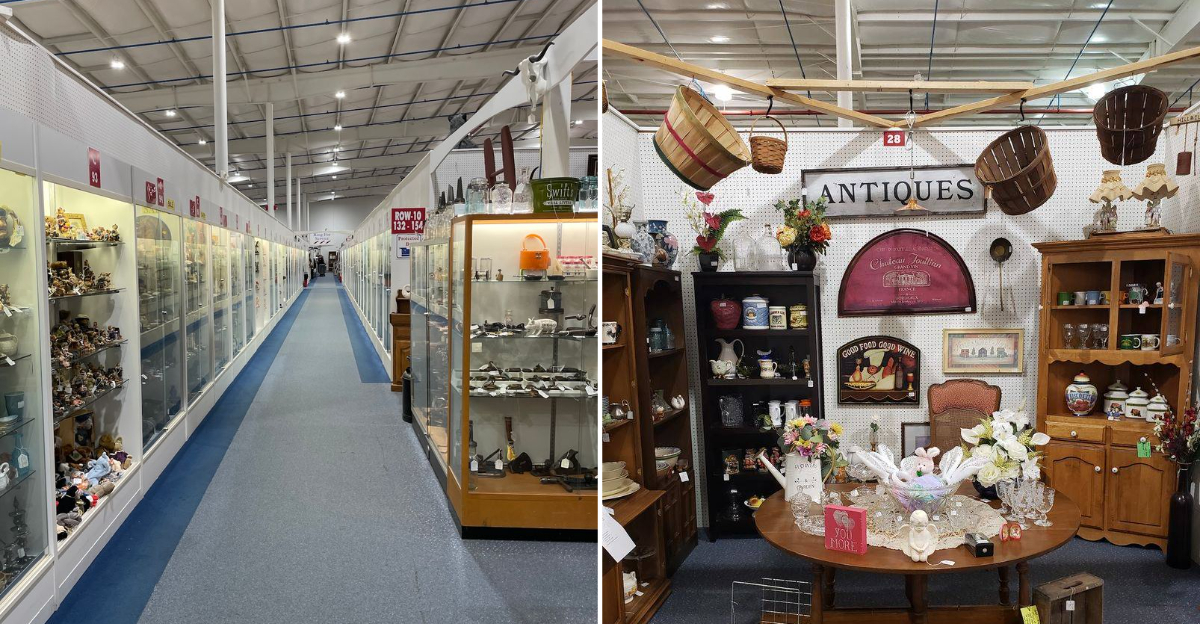
Some people collect antiques. Others hunt for them the way old prospectors once panned for gold, patient and a little obsessed.
Indiana has a warehouse built for exactly that kind of hunter. Row after row of forgotten furniture, dusty signs, and odd little treasures fill the space without any clear order to them.
That’s half the appeal. Nothing here is organized for convenience.
Every visit turns into a search, and every search turns up something nobody expected to find. Regulars come back for that thrill alone.
Casual browsers usually leave with something too, even if they only meant to look. This warehouse has earned its reputation the honest way, one lucky find at a time.
History Behind Collectibles
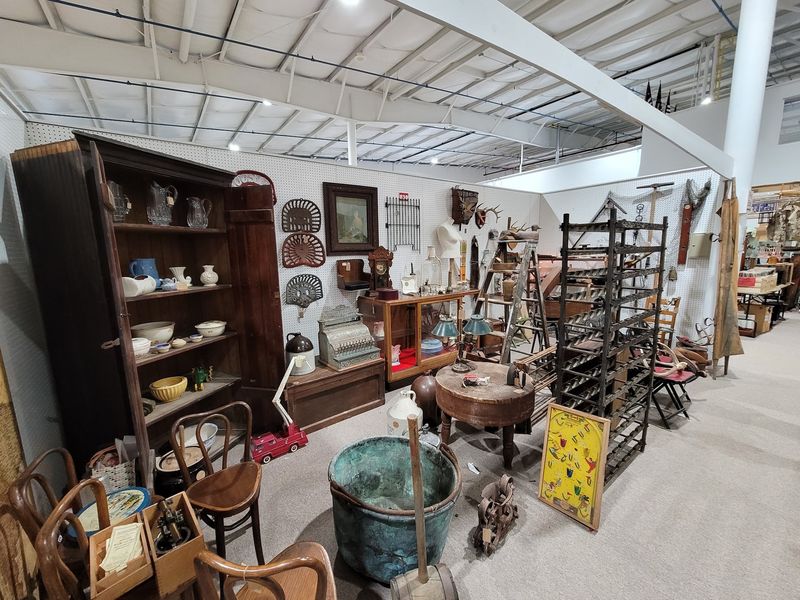
Collecting has roots going back thousands of years. Ancient civilizations preserved objects tied to their ancestors.
Today, that same impulse drives people to Exit 76 Antique Mall in Edinburgh, Indiana.
Items gain real value when two things line up: desirability and authenticity. Scarcity plays a huge role in pricing.
A rare coin or a signed document from decades ago can command serious attention from serious buyers.
The 20th century saw the antique trade grow fast. Common finds like old coins, vintage postcards, and historical documents started appearing in malls like this one.
Exit 76 carries that tradition forward beautifully.
Walking through the booths here feels like flipping through a living history book. Each vendor curates their own slice of the past.
You might spot something from the 1800s right next to a 1970s pop culture relic.
History gives collectibles their story, and story gives them their worth. That is what makes hunting through this place so satisfying.
You are not just buying an object. You are buying a piece of someone else’s world.
Find it at 12595 N Executive Drive, Edinburgh, IN 46124.
Different Styles Of Vintage Furniture
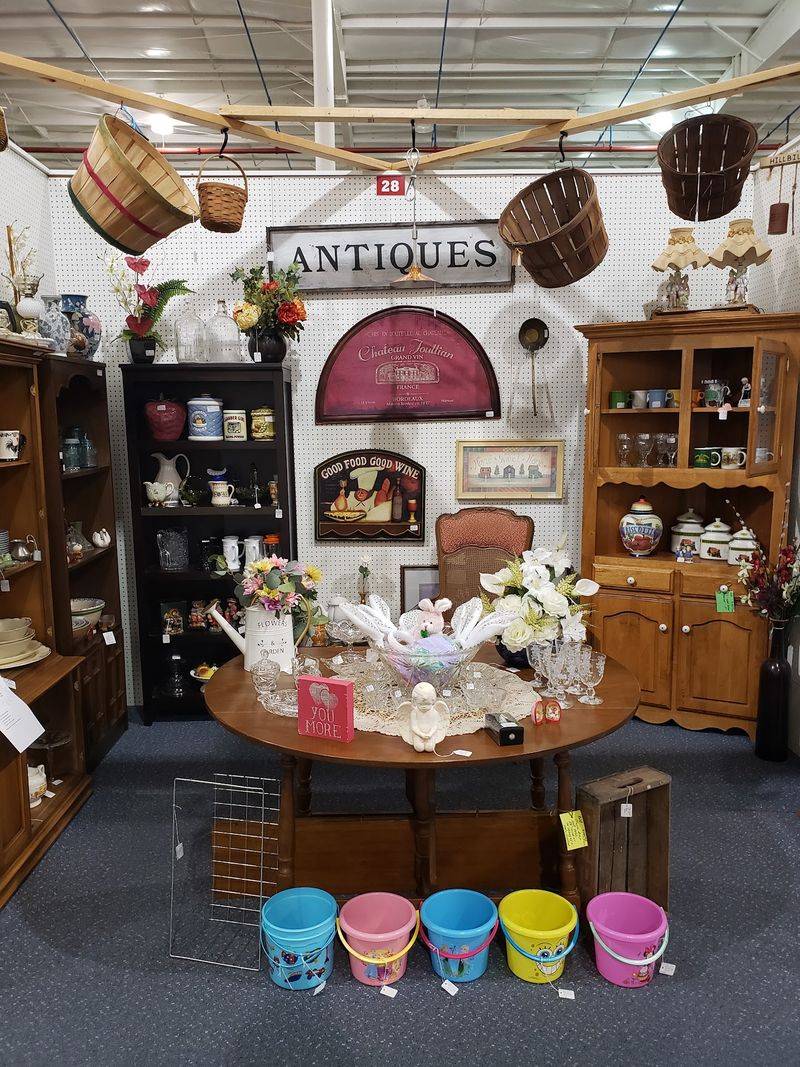
Furniture styles tell you a lot about the era they came from. Queen Anne pieces bring refined curves and elegant cabriole legs.
Walnut, cherry, and mahogany were the go-to woods for these refined builds.
Chippendale furniture blends Gothic, Rococo, and Chinese influences into one striking look. The elaborate carvings and ball-and-claw feet make these pieces instantly recognizable.
Finding one in good condition at Exit 76 feels like a real score.
Victorian furniture leans into dark woods and intricate details. It is heavy, dramatic, and undeniably bold.
Art Deco pieces swing in the opposite direction with clean geometry and sleek profiles.
Mid-Century Modern is probably the most popular style right now. Clean lines, warm wood tones, and functional shapes attract a wide range of buyers.
The booths at Exit 76 often carry solid examples of all these periods.
Knowing the difference between styles helps you shop smarter. You avoid overpaying for a reproduction when you know what authentic joinery looks like.
Furniture hunting here rewards the curious and the prepared equally.
Unique Memorabilia From Past Decades
Memorabilia hunting is a whole different energy from furniture shopping. You are chasing nostalgia, pure and simple.
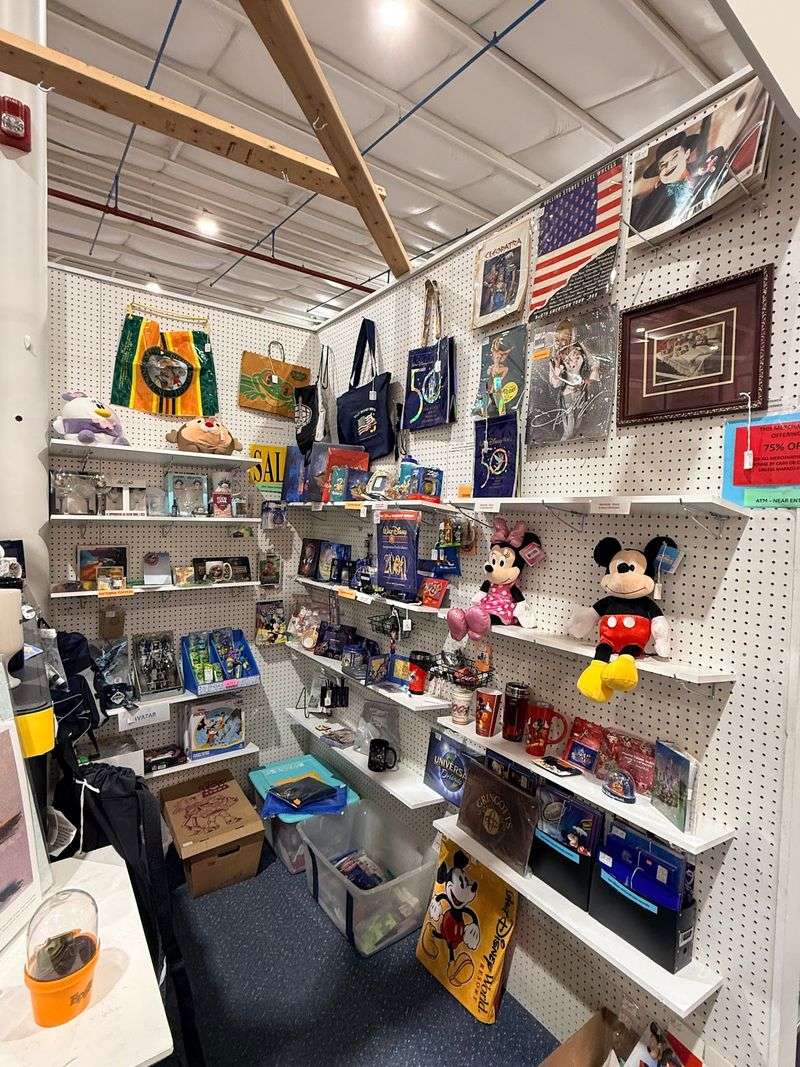
At Exit 76, the booths are loaded with items that trigger instant childhood memories.
Vintage records show up regularly. Old comic books appear in plastic sleeves, carefully preserved by vendors who know their worth.
Classic action figures, retro lunch boxes, and die-cast model cars fill display cases throughout the warehouse.
Ephemera is big here too. Think vintage postcards, old advertising signs, and original product packaging from brands that no longer exist.
These paper goods are fragile, which makes finding them in good shape even more exciting.
Some vendors get creative with their inventory. Upcycled items, like lamps built from unexpected vintage parts, pop up in corners you would not expect.
That element of surprise keeps every visit feeling fresh.
The 80s and 90s sections draw especially passionate collectors. People come specifically looking for items from their childhood.
If you grew up during those decades, plan to spend extra time in those aisles because leaving quickly is basically impossible.
Restoration Techniques For Items
Before restoring anything from Exit 76, think carefully about the item’s value. Over-restoring can actually lower a piece’s worth.
Collectors often prefer original surfaces, even with age and wear showing.
Gentle cleaning is almost always the right first move. A soft cloth and mild cleaner can reveal a beautiful surface hiding under decades of grime.
Patience matters more than products here.
Structural repairs on furniture usually call for wood glue and clamps. Rushing this step leads to weak joints that fail again quickly.
Let the glue cure fully before testing the repair.
Refinishing is a bigger commitment. It means removing old layers and applying new ones.
That process works well on pieces with damaged finishes but can strip away patina that collectors prize.
Delicate fabrics need hand washing with mild soap and cold water. Never wring vintage textiles.
Lay them flat to dry on a clean surface away from direct sunlight.
Metal items respond well to gentle polishing with appropriate cleaners. Avoid harsh chemicals that strip original finishes permanently.
Paper items like old documents or posters often need professional conservation care for the best results.
How To Spot Authentic Antiques
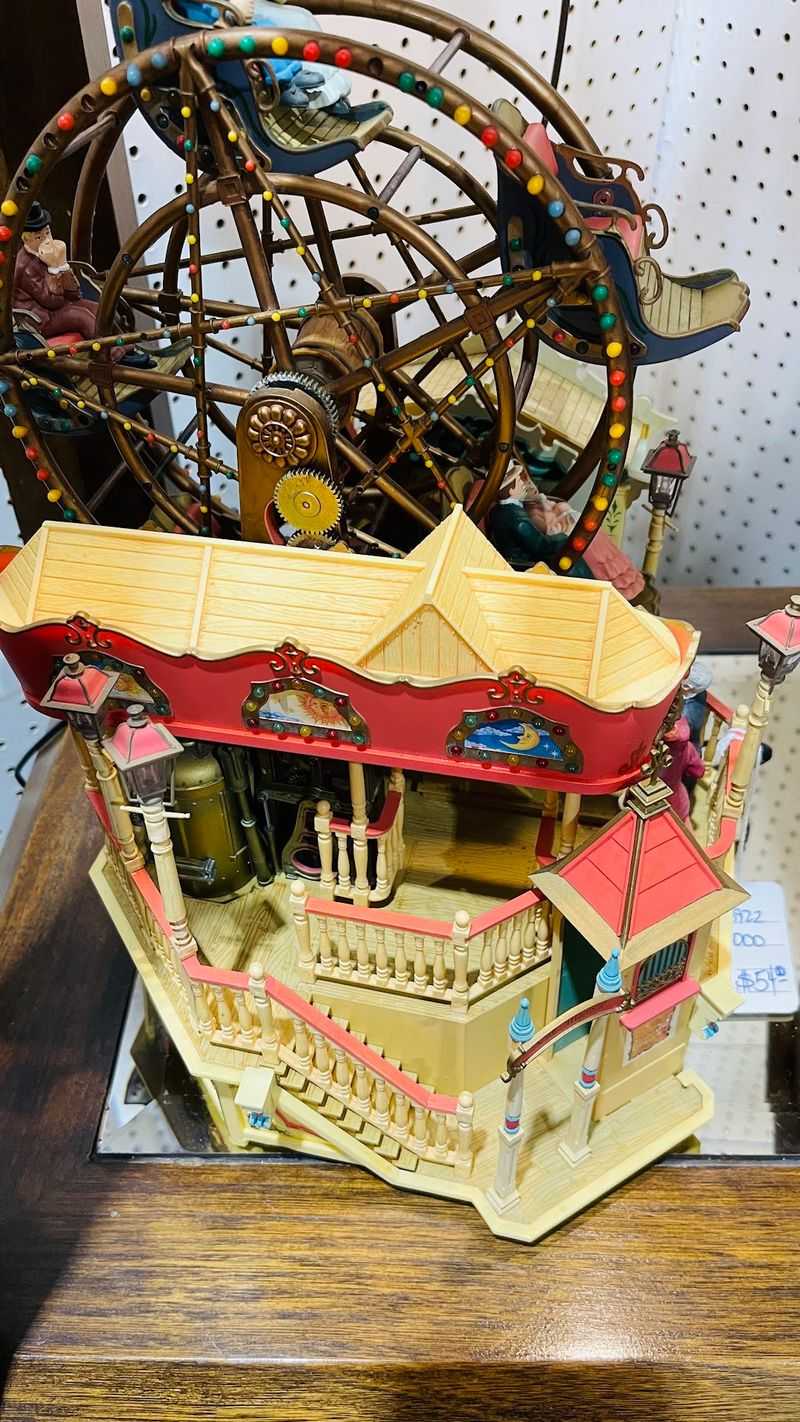
Spotting a real antique takes practice, but a few basics go a long way. Natural patina is your first clue.
That uneven depth of color on wood or metal develops over decades and cannot be perfectly faked.
Look at the joinery on furniture pieces. Authentic antiques use traditional methods like dovetail joints.
Hand-cut dovetails show slight irregularities that machine-cut joints simply do not have.
Check the wood used in hidden areas. Older furniture often used different, lower-quality wood for drawer bottoms or backs.
Finding that mix of materials is a strong authenticity signal.
Natural wear patterns matter too. Wear should appear in places where hands and bodies actually made contact over years.
Wear in random spots often signals artificial aging done to fool buyers.
Hardware tells a story as well. Original screws on antique pieces are often slightly uneven or hand-threaded.
Replaced hardware does not automatically disqualify a piece, but it is worth noting when pricing.
Exit 76 has a mix of authentic antiques and some modern reproductions. Knowing these basics helps you shop with confidence.
Ask vendors questions freely. Most of them love talking about their inventory.
Seasonal Trends In Collecting
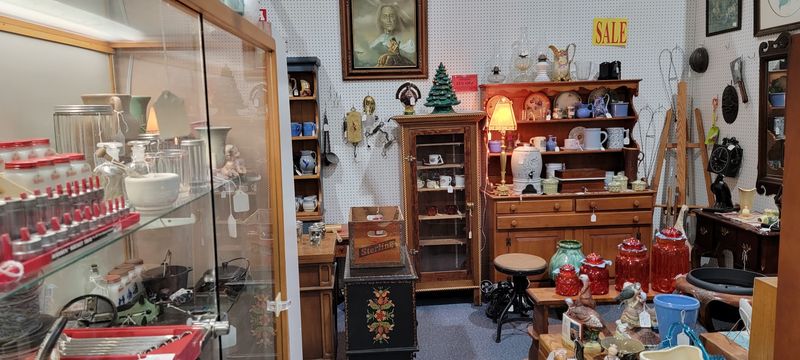
The antique market moves with the seasons, and knowing that rhythm helps you shop smarter. Spring tends to be a strong period for sales.
Estate sales pick up, and vendors restock with fresh inventory after winter.
The holiday season brings a different energy. Buyers look for vintage decorations, old ornaments, and nostalgic gifts.
Prices on seasonal items can climb during November and December at places like Exit 76.
January and February are slower months overall. Foot traffic drops, and some vendors lower prices to move inventory.
That makes winter visits a solid strategy for budget-conscious collectors.
Fall brings its own trends. Cozy textiles, warm-toned ceramics, and vintage holiday decor start appearing in booths.
Brutalist furniture and chrome accents have also been trending recently across the antique market.
Mid-Century Modern pieces stay popular year-round at Exit 76. Demand for that style has held strong for several years now.
Vendors who carry good MCM inventory rarely have it sit long before it sells.
Visiting during off-peak times often means less competition for the best finds. A quiet Tuesday in February might yield better deals than a packed Saturday in October.
Timing your visits strategically pays off.
Care And Preservation Of Fabrics
Antique fabrics are fragile in ways that are not always obvious. Always handle vintage textiles with clean, lotion-free hands.
Even natural oils from skin can cause long-term damage to delicate fibers.
Avoid wearing jewelry or anything with rough edges when handling old fabrics. A snag can unravel work that survived a hundred years intact.
Treat these items with the same care you would give a museum piece.
Storage conditions make a huge difference. Choose a cool, dry, and dark location whenever possible.
Heat, humidity, and light are the three biggest enemies of textile preservation.
Large pieces should be rolled rather than folded when possible. If folding is necessary, use acid-free tissue paper between the layers.
This prevents permanent crease lines from forming over time.
Never store vintage fabrics in plastic bags. Plastic traps moisture and creates conditions where mold and mildew thrive.
Cotton or linen storage bags are far better choices for long-term preservation.
Regular, gentle dusting helps prevent pest infestations in stored textiles. Moths and other insects target natural fibers, especially in undisturbed storage.
Checking on your collection a few times a year keeps problems from developing quietly.
Navigating The Warehouse Layout Efficiently
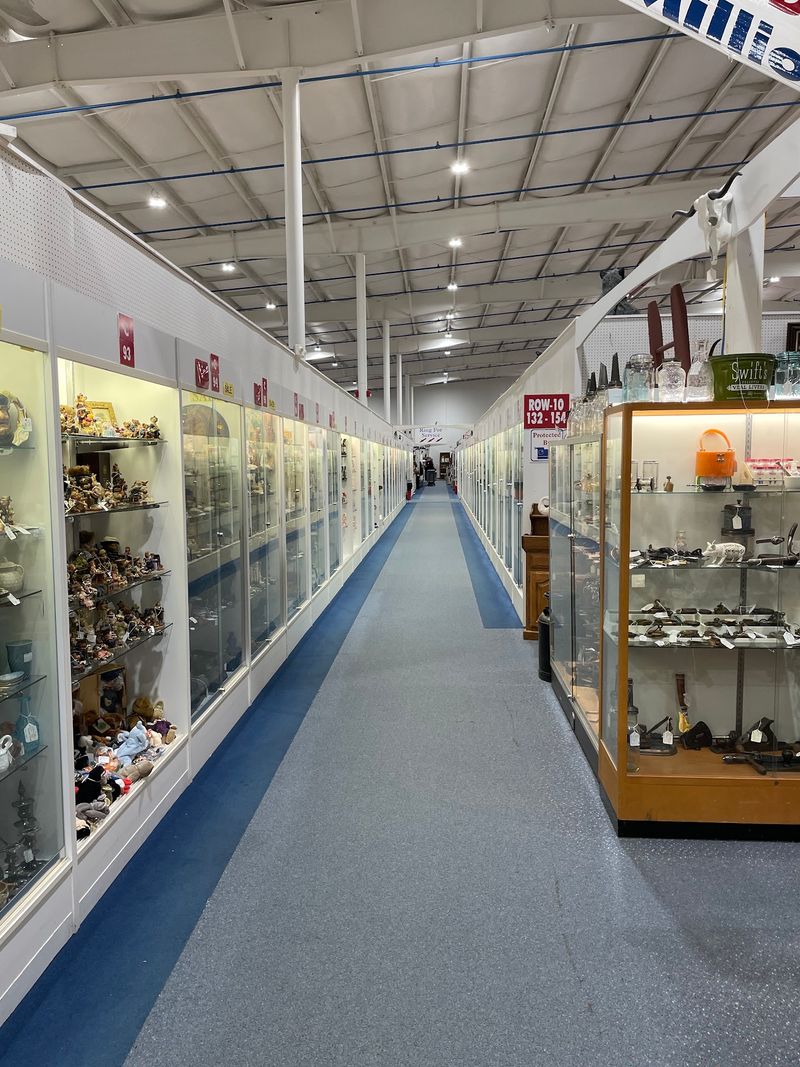
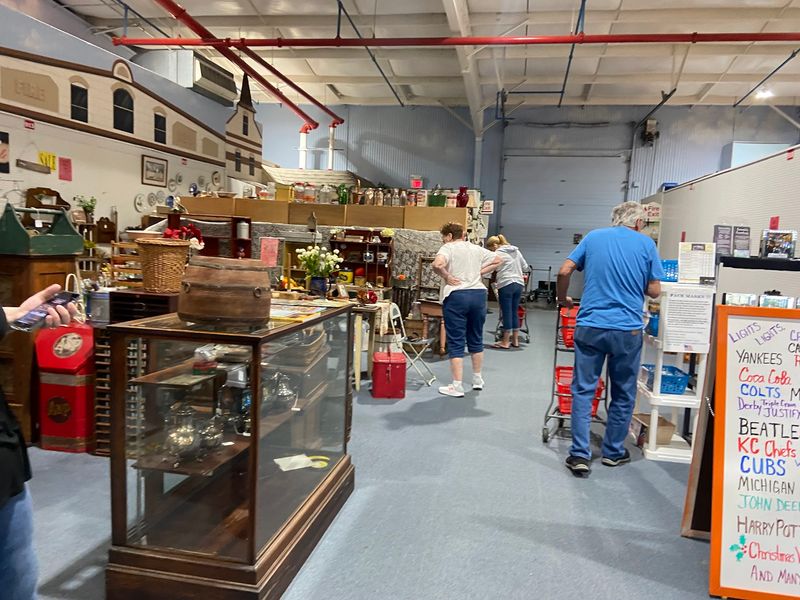
Exit 76 covers 72,000 square feet, all on a single level. That is roughly the size of a large grocery store, but packed with hundreds of individual vendor booths.
Getting lost here is genuinely easy and also kind of fun.
Maps are posted throughout the building to help visitors orient themselves. Grab one near the entrance before you start exploring.
Having a rough plan saves time and reduces the chance of missing entire sections.
Shopping carts are available for heavier finds. Rest stations are scattered around the warehouse for when your feet need a break.
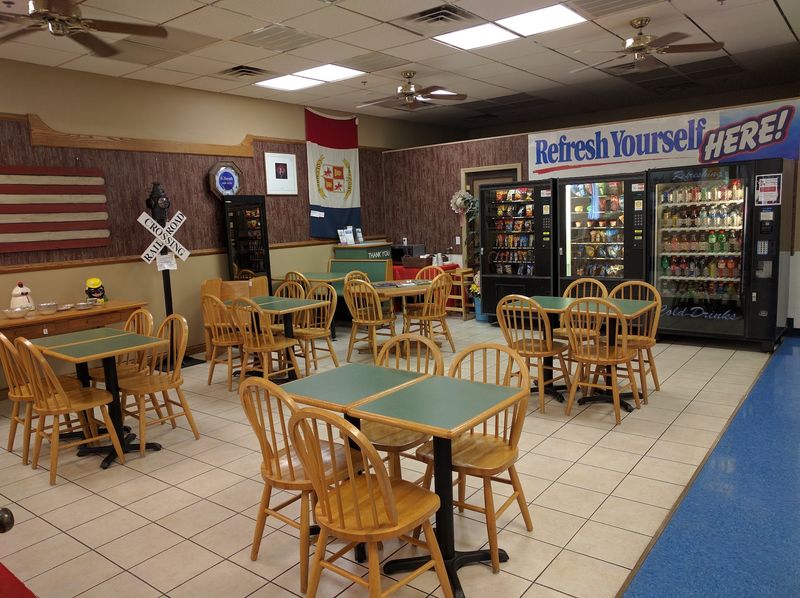
There is also a small snack area where you can recharge before heading back out.
Staff in red vests walk the floor and are easy to find. They can help you locate specific sections or open locked display cases for closer looks.
Do not hesitate to ask them for directions.
One practical tip: if you spot something you want, buy it immediately. The layout makes it very hard to retrace your steps and find the same booth again.
Many visitors have learned that lesson the hard way.
Plan for at least three to four hours if you want a thorough visit. Comfortable shoes are a must.
The warehouse is open daily from 10 AM to 6 PM, giving you plenty of time to cover serious ground.