
The Little-Known Collectibles Store In New York With Rare Treasures You Can Browse For Hours In 2026
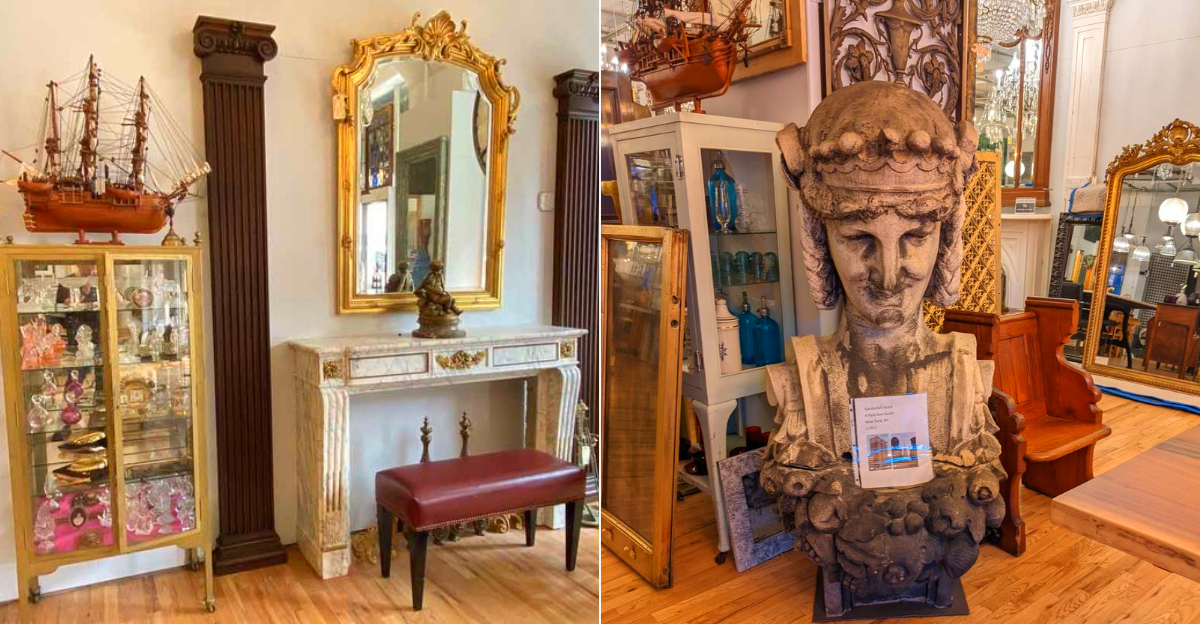
You know that feeling when you promise yourself you’re only popping into a shop for a quick look, and then suddenly you’re emotionally invested in a vintage toy, a rare comic, and a lamp shaped like something completely ridiculous?
That’s exactly the situation here. This little-known New York collectibles store is basically a treasure cave where every shelf feels like it’s hiding something brilliant, bizarre, or surprisingly valuable.
Walking through it feels like flipping through decades of pop culture, history, and random nostalgia all at once. You’ll catch yourself picking things up “just to see,” which is dangerously how collections begin. Serious collectors roam the aisles like detectives, while first-timers stand there wide-eyed wondering how this place isn’t famous already.
Honestly, don’t rush… you’re going to be here longer than you planned.
What’s So Special About This Old Stuff?
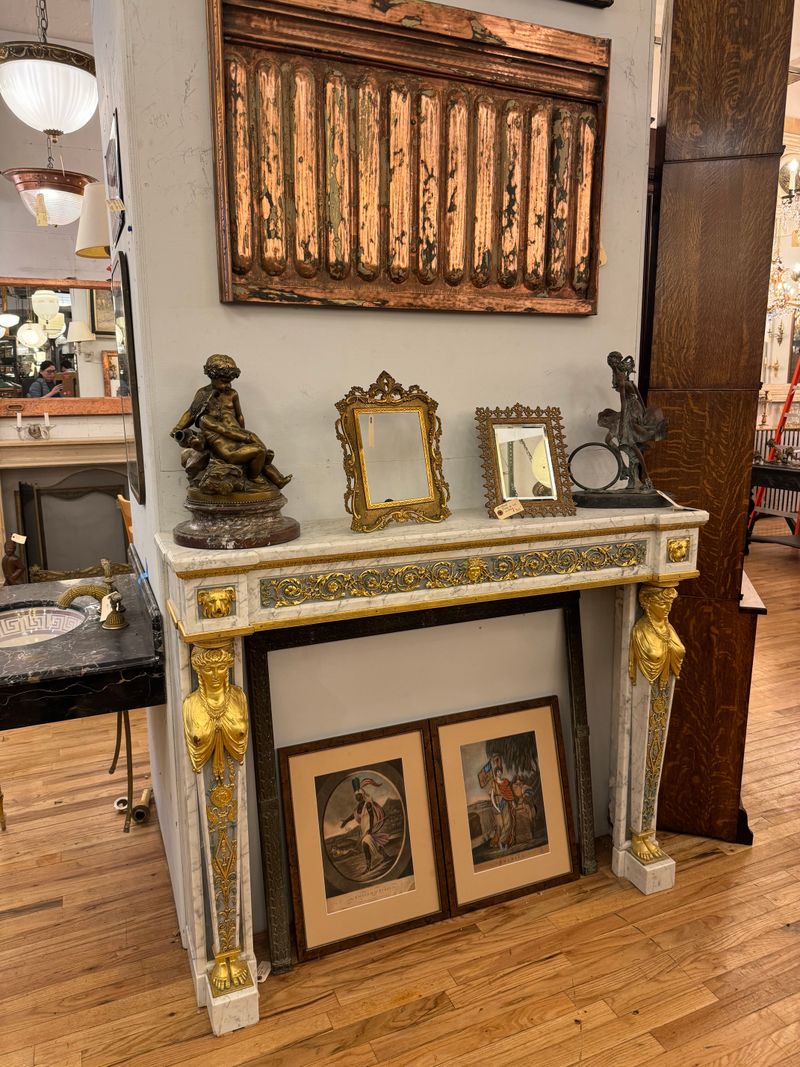
In short, you are literally touching the past when you touch something here. You are absolutely stunned at everything as soon as you enter. There is a seriousness to the architectural salvage here that rewards patience.
Carved fragments speak in details, edges softened by time, and you start reading rooms through these pieces. Bronze grilles and stone capitals rest like quiet witnesses, their workmanship steady and exact.
Information cards are modest yet practical, and staff fill in gaps with dates, buildings, or likely trades that handled the work. The tone is helpful, free of hustle, and precise where it can be. When a date is uncertain, they say so plainly, which builds confidence.
Handling a section of molding makes its weight known in the wrist, and suddenly an apartment project gains dimension. You picture trim against painted plaster, or a frieze anchoring a long hallway with patience and grace. The salvage does not insist on attention, but it holds it well.
Prices vary by rarity and condition, yet the range feels grounded. You can leave with a small element that changes a room’s mood or plan a larger statement for a renovation. Either way, the store offers materials that carry history without theatrics.
Lighting That Shapes A Room
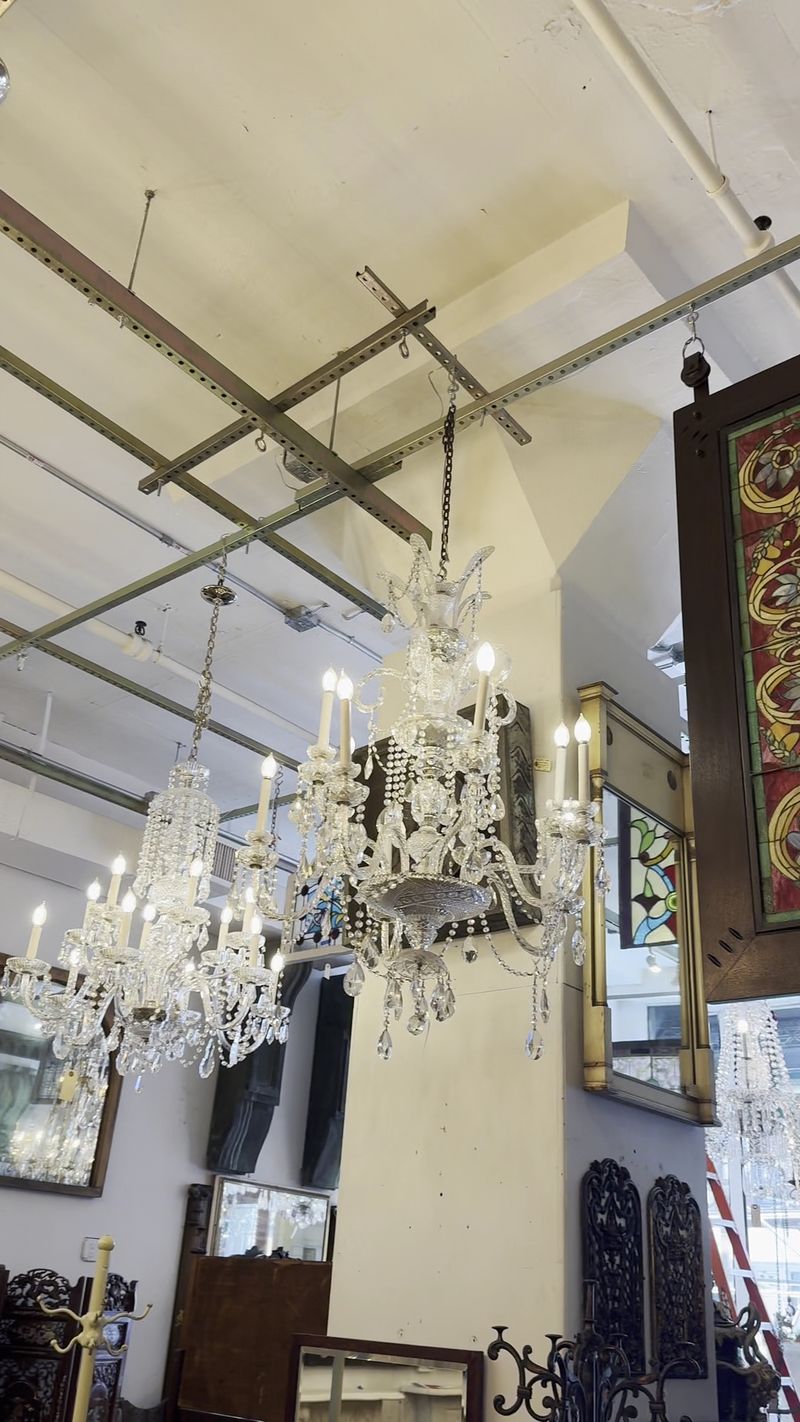
Then you get to the pretty chandeliers. Lighting gathers near the center like a small constellation, each piece glowing at a different pitch. Chandeliers with patient crystals hang beside industrial pendants that favor utility and clean lines.
Sconces offer measured pools of light that suggest evenings without haste.
Rewiring notes are easy to find, and the staff speak clearly about compatibility, weight, and mounting requirements. You hear plain answers about replacement parts and installation, which keeps fantasy in check while supporting good decisions. There is charm here, yes, and also infrastructure.
Try stepping back to judge scale before stepping forward to study glass and metal. The store allows for that rhythm, giving sightlines that help you imagine ceiling heights and shadows at home. Good lighting is more than brightness, and these fixtures know it.
Prices reflect labor and survival, and you understand why some are dear. Still, there are approachable pieces that bring quiet authority to an entry or dining table. Carry one in your mind as you continue, and let it set your pace.
A Calm Arrival On West 52nd Street
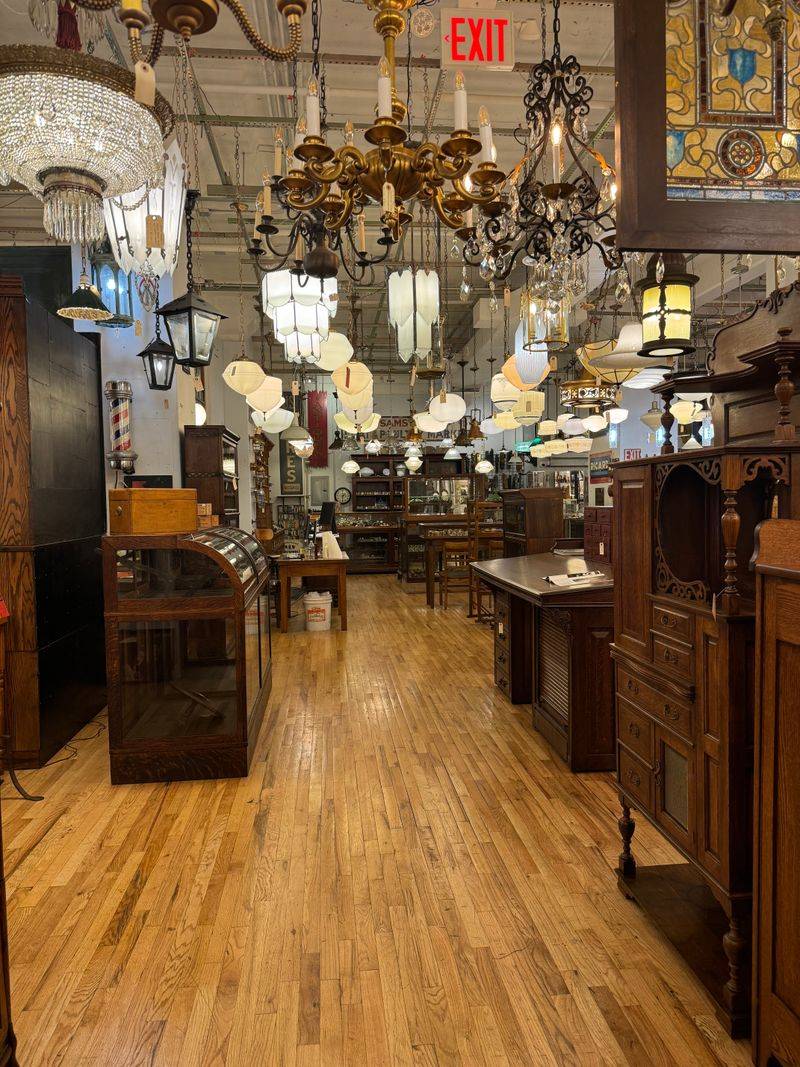
And now? Your first impressions at 333 West 52nd Street are almost ceremonial, the doorway framing a soft glow of lamps and mirrors. Shelves hold reclaimed brackets and finials, while long tables display hardware trays like tidy fossils of the city’s buildings.
You notice the stillness first, then the low murmur of staff answering measured questions about provenance and scale.
Further in, the room opens and the store’s rhythm becomes clear, with careful groupings that never feel staged. Heavy items rest at ground level, while lighter curios sit at eye height so you can study them without strain. A subtle scent of old wood and metal polish hangs in the air, lingering without becoming fussy.
At midmorning, the shop feels unhurried, good for anyone who likes to compare hinge shapes or study patina without being rushed. Price tags are legible, and staff do not hover unless asked. It sets the tone of mutual respect, a small courtesy that makes browsing feel considered rather than transactional.
Step back near the entrance before you move on and take in the view again. The composition makes sense now, practical yet inviting. You are ready to keep exploring, and the store quietly encourages it.
Hardware Drawers And Measured Discoveries
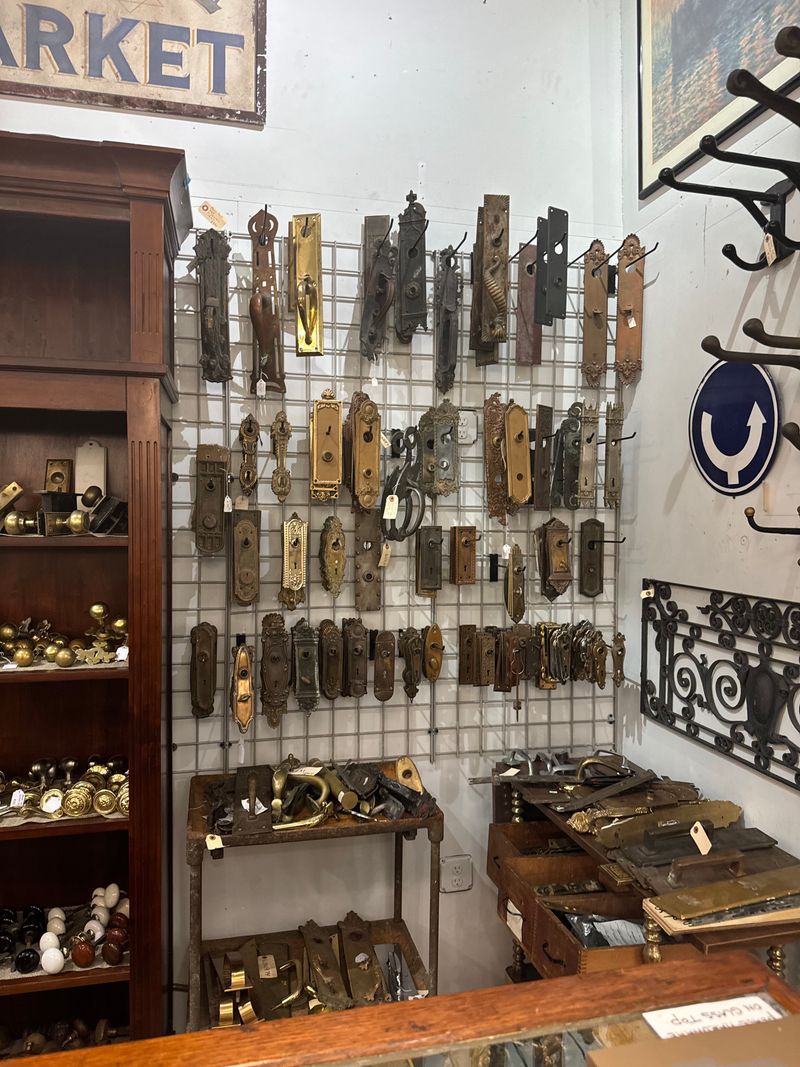
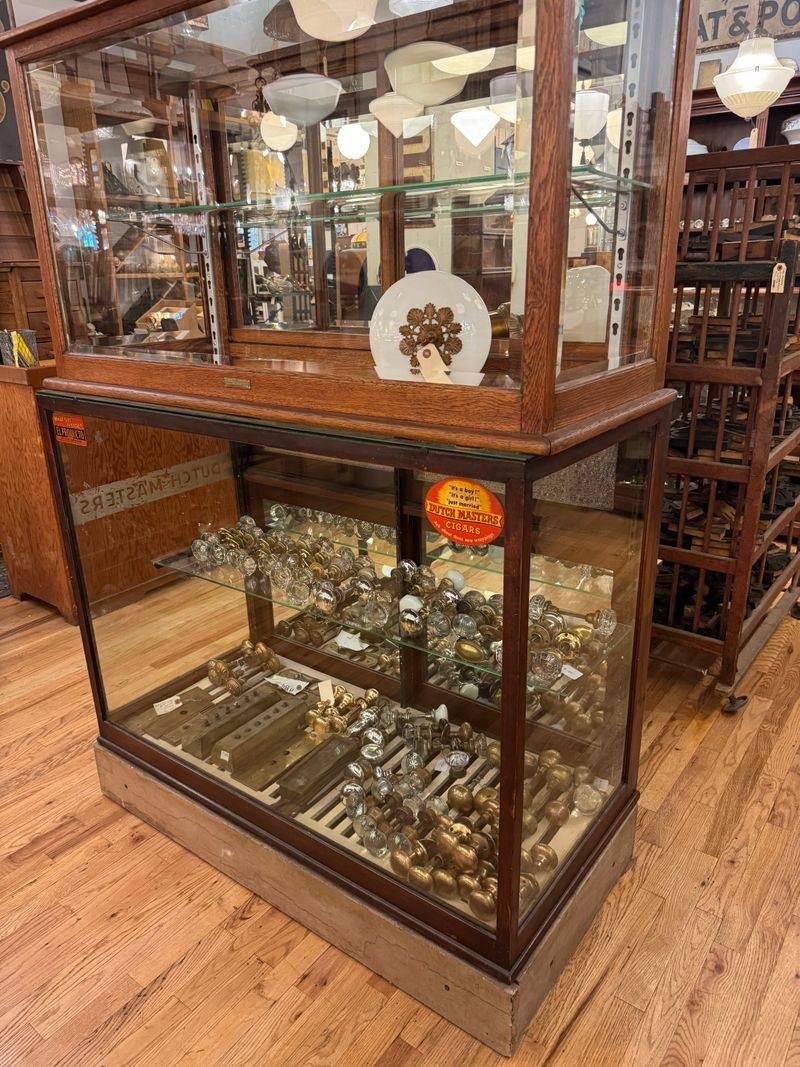
Drawers of hardware line a wall with a comforting logic, the labels promising order amid abundance. Brass doorknobs sit like punctuation marks, while faceplates suggest whole sentences waiting to be finished. Hinges, hooks, and bin pulls round out the grammar of a home.
You can test the turn of a knob or weigh a hinge in your palm, which tells you more than any photograph. Staff answer small questions with respect, because details matter when fit and finish are the point. If a screw thread is unusual, they say so without hedging.
There is pleasure in pairing pieces across eras, creating a crisp match or an honest contrast. Patina varies from deep, warm brown to softened nickel, and you begin to see how age settles into metal. Prices are posted clearly, which helps you plan without guesswork.
Small bags and tissue wait at the counter, as if the store knows these finds will travel. A handful of hardware can change how doors feel and sound in daily life. That is a modest transformation, and a deeply satisfying one.
Mirrors With Quiet Authority
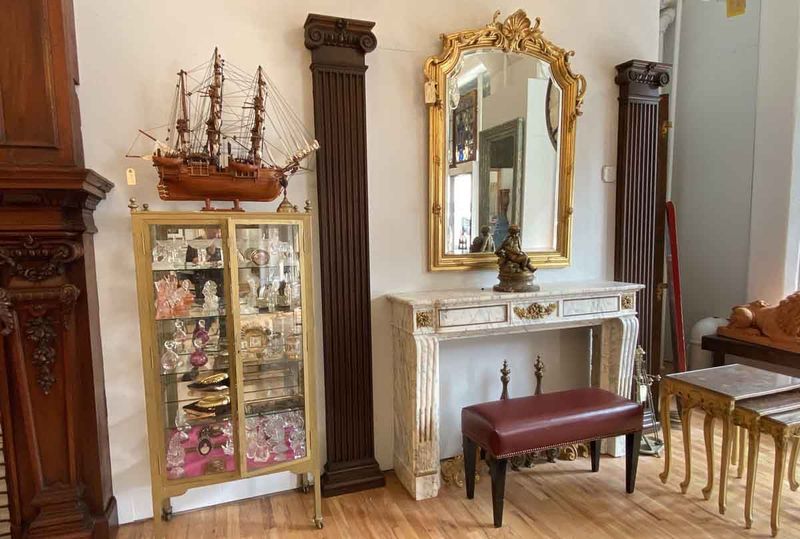
Mirrors here do more than reflect; they tidy a room’s posture. Gilt frames carry carved edges with calm restraint, while industrial steel frames look earnest and grounded. Glass shows age in silvering with a soft haze rather than a flaw.
Sizes run from foyer-friendly to hotel-lobby grand, and staff discuss mounting with the same care given to sourcing. Hidden cleats and wall conditions come up quickly, which is reassuring when heft is a factor. You leave with practical notes along with admiration.
Stand at an angle and watch the shop appear twice, first in the glass and then in your planning. Beveled edges catch the light, making afternoons feel hospitable without drama. Frames reveal their history at the corners, where wear often whispers.
Prices respond to scale and ornament, but the range allows room for impulse and intention. A narrow mirror can stretch a hallway, while a generous piece steadies a sitting room. Choose one that improves how the day begins and ends.
Waldorf Astoria Echoes
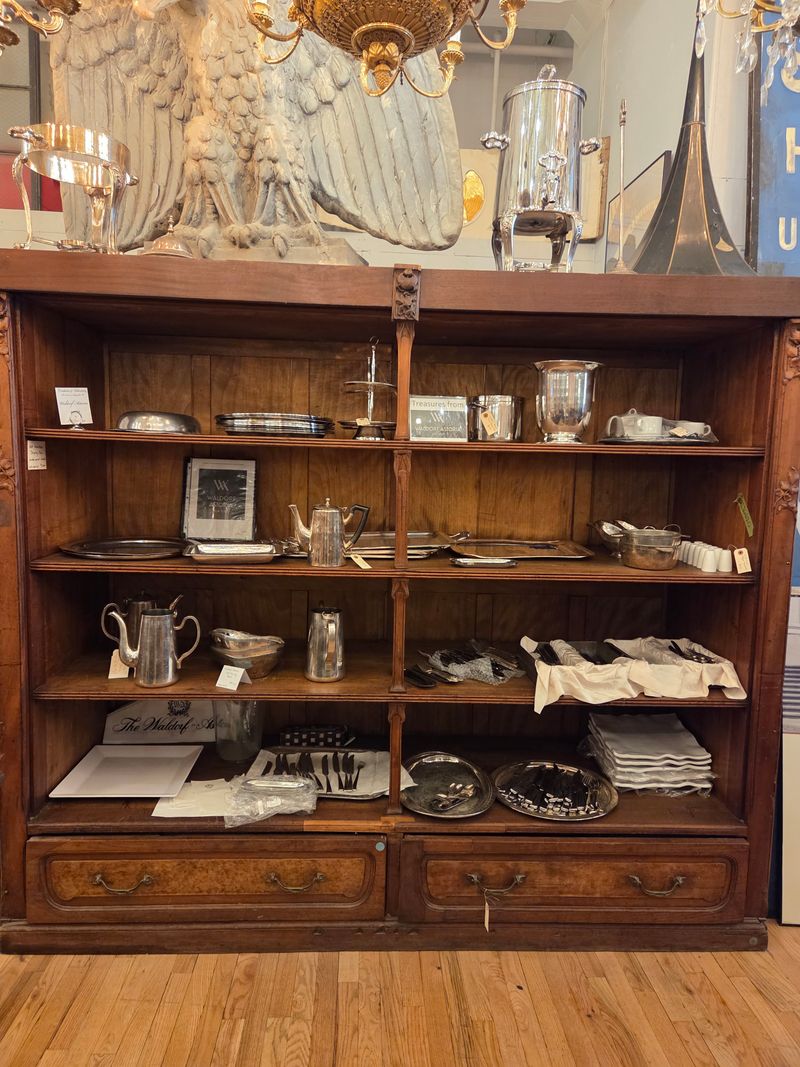
Some objects carry the Waldorf Astoria’s hush, and the store treats them with that measured respect. Silver pieces have weight and a calm shine, while fixtures recall corridors where footsteps softened into carpet. Provenance is noted without flourish, which keeps the history clear and useful.
You can feel the appeal if you like hospitality with standards. These items were made to last, and many still look composed under ordinary light. Staff handle questions directly, noting restoration where it occurred and letting patina speak where it remains.
It is tempting to imagine grand parties, yet the real satisfaction comes from daily use. A tray steadies a weekday breakfast, and a mirror anchors a hallway without fuss. The past becomes practical, which is the store’s quiet specialty.
Prices reflect scarcity and the work required to bring pieces forward. Even so, a single object can recalibrate a room with grace. Choose with intention, and the echo will be steady rather than loud.
Furniture With Working Histories
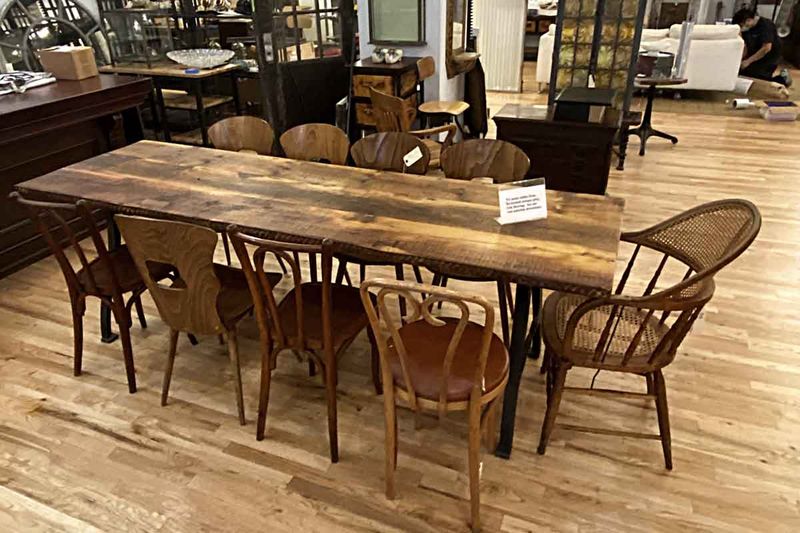
Furniture at Olde Good Things favors service over spectacle, which makes the surprises more durable. Tables show honest grain and joinery, while cabinets keep their square shoulders after decades. Leather chairs hold their shape without pretense, making a room feel settled.
Measurements are available on tags, and staff will help plan delivery with sound advice. They discuss narrow hallways, walk-ups, and elevators without drama, which any New Yorker will appreciate. When pieces are refurbished, the work reads as respectful rather than cosmetic.
Run a hand under a tabletop edge and you will sense the standard held here. Drawers glide with a quiet conviction, and hinges feel confident. The store invites you to check these things, because that is where trust lives.
Prices are sensible when compared to shipping heavy goods from far away. Here, you pay for solidity and earned character, not stage dressing. Bring a tape measure, and let usefulness guide the choice.
Glass, Tile, And Reflective Odds
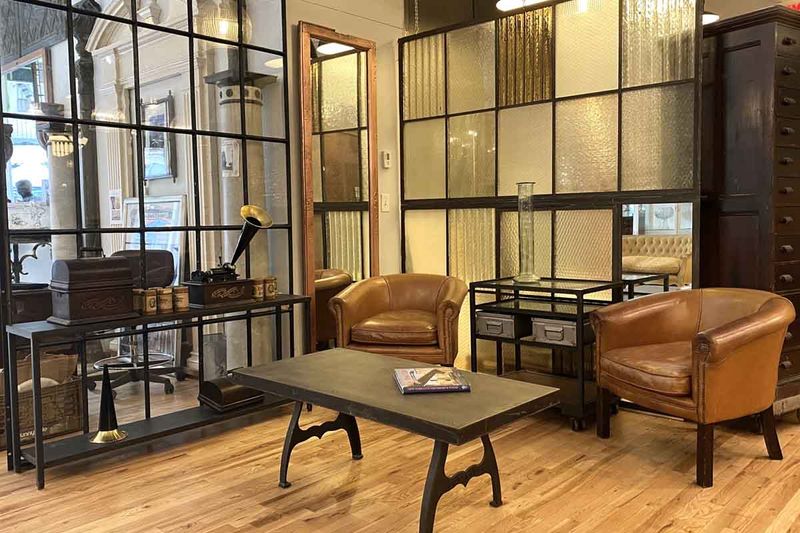
Racks of glass and tile brighten a corner where sunlight does quiet work. Textured panes catch the light in a steady rhythm, and old tiles hold their colors with dignified calm. Mirrored fragments wait for clever placement, patient and ready.
Projects come to mind as you flip through sizes and patterns. Staff speak plainly about cutting, backing, and adhesive, which turns ideas into plans. There is no rush, only a shared respect for getting it right the first time.
Some pieces show small chips that feel more like proof than problem. You start to understand how material tells its story without shouting. Mixed together, these odds create rooms that look sure of themselves.
Pricing suits experimentation, allowing a few extra tiles in case of error. The store encourages this prudence, a welcome contrast to guesswork. Leave with a stack that promises small, satisfying progress.
The Joy Of Measured Browsing
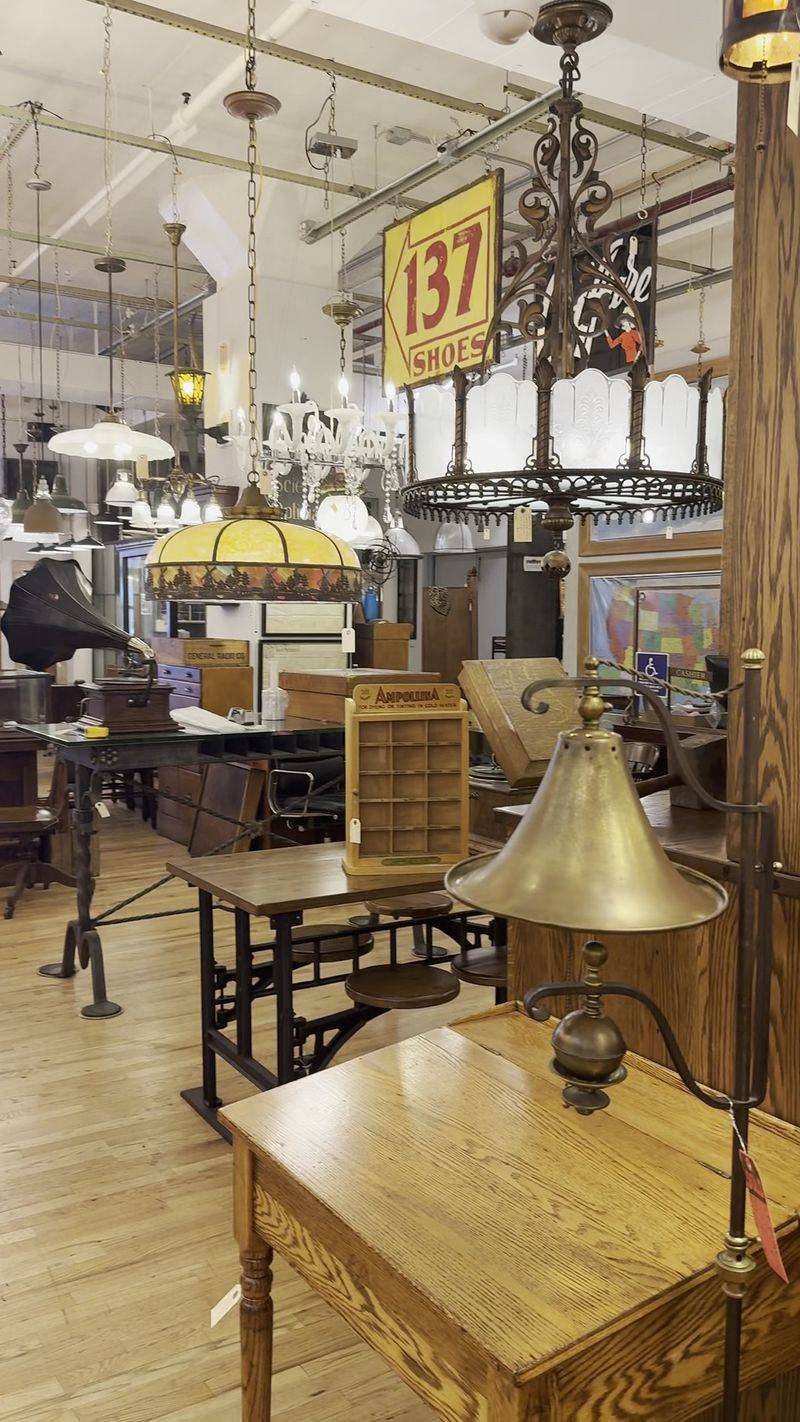
Time behaves kindly in this store, moving without pressure. Aisles allow for pauses, and no one minds if you return to a shelf three times. It is the sort of browsing that clarifies taste rather than clouding it.
Staff approach with tact, checking in once, then letting space do its work. Questions draw careful answers, not speeches. If a piece is wrong for your needs, they will say so with clean honesty.
On West 52nd Street, the neighborhood hum thins just enough to keep thought steady. You can hear your own preferences faintly sharpening. That is a luxury as real as any purchase.
Leave a little time for second looks before deciding, because judgment improves with a circuit. The store was made for that rhythm, part gallery, part workshop. When you finally choose, the satisfaction feels earned.
Prices, Patina, And Perspective
Pricing here respects labor, transport, and the improbability of survival. Some numbers feel strong at first glance, yet they settle when you consider quality and scale. Others are unexpectedly modest, small doors into good habits at home.
Patina is not sold as a costume, and the store avoids over-polishing. Surfaces tell the truth, which lets you plan finishes with intention. If a repair exists, staff say where and how it was done.
Thinking plainly about budgets makes the hunt steadier and more pleasant. It is better to buy a right piece once than chase substitutions, and the store supports that patience. There is no script here, only a gentle nudge toward durability.
Ask about holds, delivery, and return policies before you commit, because clarity protects everyone. You leave knowing what care a piece needs and how it will travel. That confidence is worth as much as any shine.
Conversation With Provenance
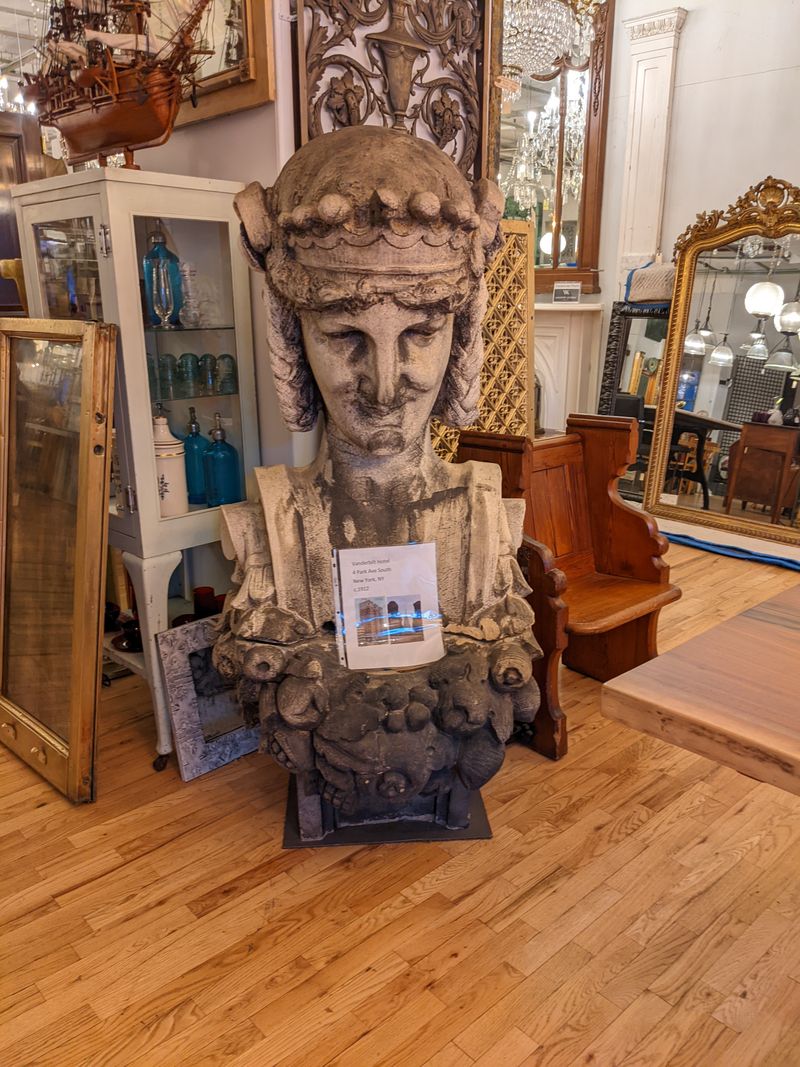
Provenance appears in tidy tags and the occasional binder, offering enough to ground a purchase without theatrics. Buildings are named when known, and dates are given with care. If a detail is hazy, it stays that way rather than being forced.
These notes shape how pieces live at home, not as trophies but as working objects with context. A hotel hinge might steady a kitchen door; a theater sconce could hold a quiet corner. You carry the story lightly, which is the right weight for daily life.
Staff take pleasure in these connections and share them without impatience. Questions are welcome, and silences are not filled just to fill them. It makes the store feel like a long, calm conversation.
Documentation varies, so decisions lean on observation as much as paper. That balance keeps attention on build quality, finish, and fit. In the end, provenance is a compass, not a leash.
Practical Tips Before You Visit
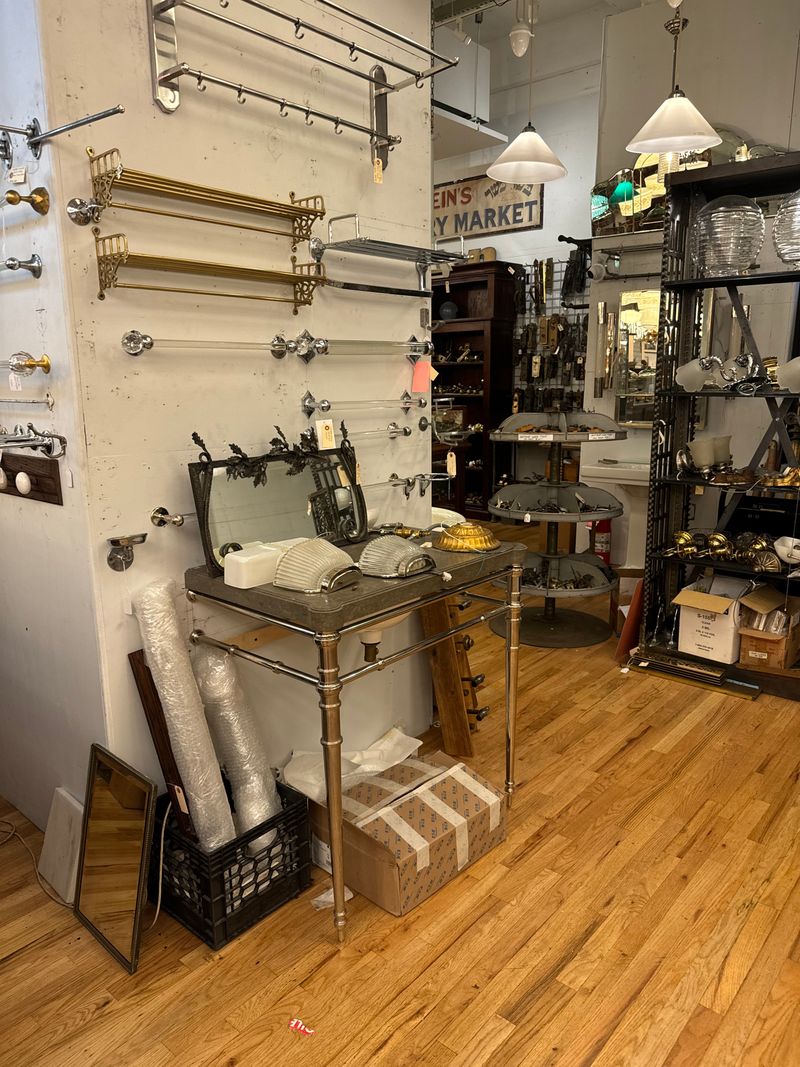
Plan your visit with ordinary sense and you will get more from the shelves. The shop opens at 10 AM, and a quiet first hour lets you study large pieces without weaving. Bring measurements, photos of your space, and a small tape for quick checks.
The location between Eighth and Ninth Avenues keeps transit simple, and the neighborhood offers an easy coffee afterward to review notes. If you are considering lighting, snap ceiling photos and confirm junction box conditions at home. A little preparation saves a second trip.
Ask about delivery timelines early, especially for heavy furniture or mirrors. Staff can suggest installers or safe handling methods that protect walls and backs. It is better to plan than improvise on the sidewalk.
Lastly, wear shoes fit for slow walking and lifting from the legs, not the back. The store rewards patience and careful handling, and both feel better when you are comfortable. You will leave lighter in step, even if your hands are full.
Leaving With Something That Lasts
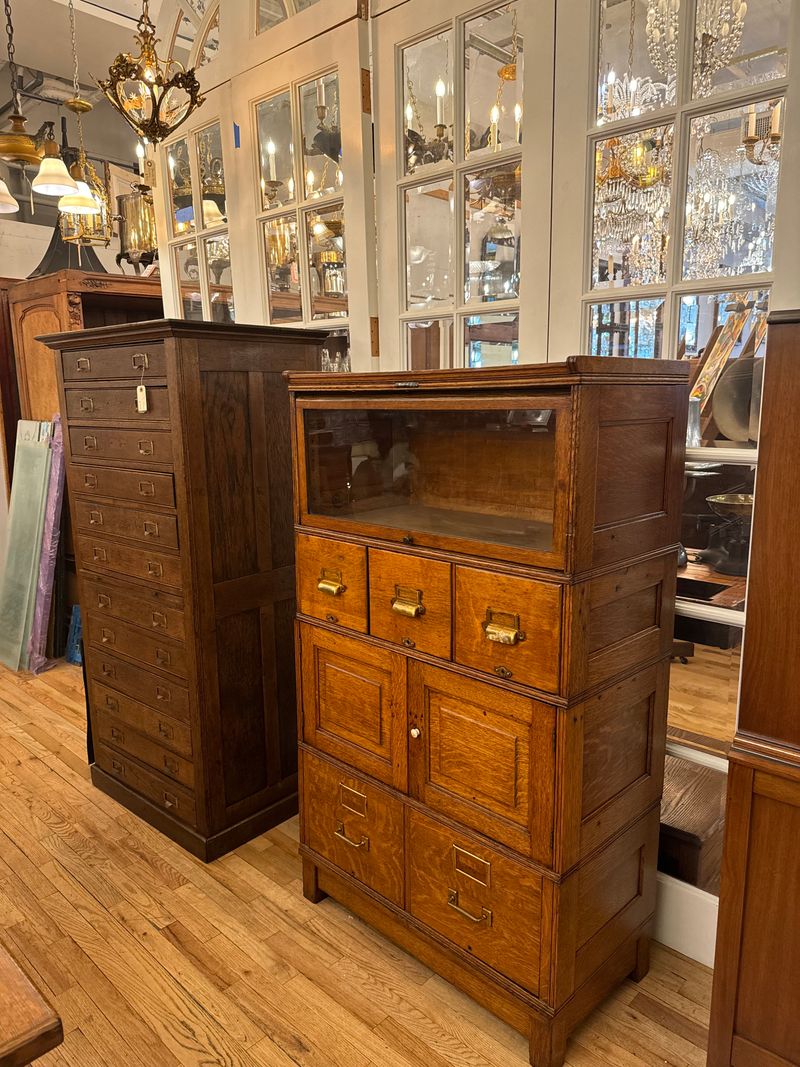
Checkout is calm and unhurried, a final pause before the piece becomes yours. Items are wrapped with neat care, and the bag feels sturdier than expected. Receipts note measurements or work orders when needed, a small kindness that helps later.
Walking back onto West 52nd Street, you notice how the city looks a touch more legible. A well-made object does that, settling the day’s pace. Plans for placement come quickly, sometimes even before the subway reaches your stop.
The store’s effect lingers in how you handle things at home. Doors close more cleanly when knobs feel right, and light lands more softly when glass is shaped with purpose. Small improvements stack up until a room behaves better.
There is satisfaction in ownership that does not depend on trend or novelty. Olde Good Things understands this and stocks accordingly. You leave ready to use what you found, which is the point.