
The Little-Known Tennessee Zoo And Rescue That Deserves Way More Attention
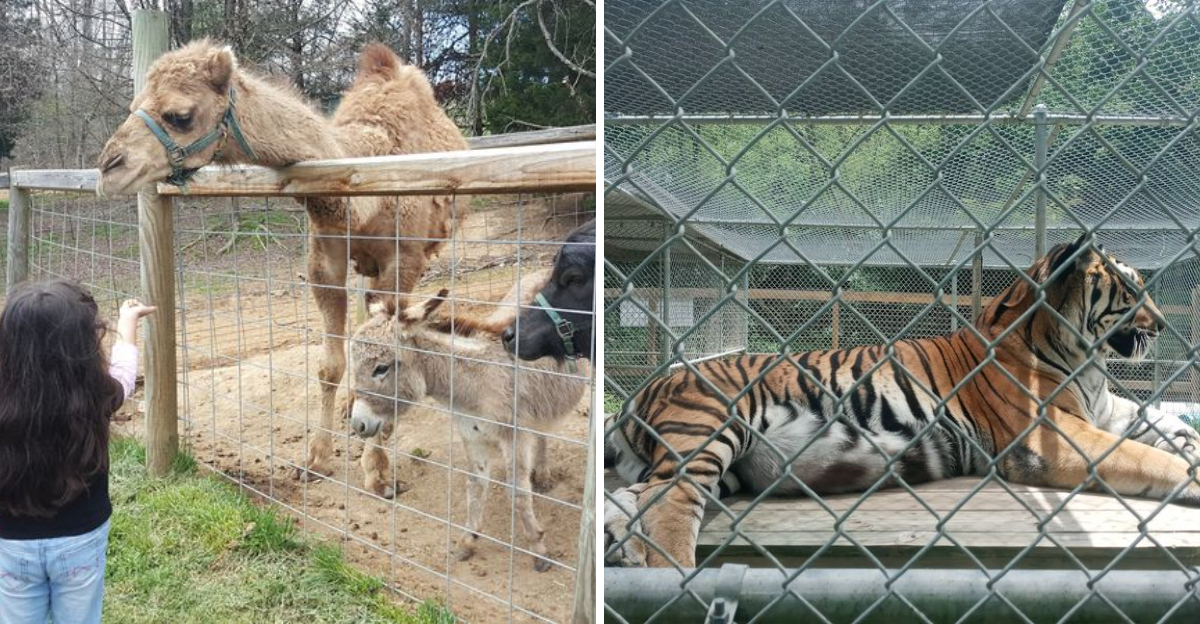
A day with animals can feel sweet, but this Tennessee zoo and rescue adds something deeper. Where else can a simple outing bring you face to face with curious creatures, rescue stories, and moments that actually stay with you?
This small place feels personal right away. You are not just walking past exhibits. You are meeting animals that were given another chance, and that changes the whole experience.
Kids get excited. Adults slow down. Every corner brings a new face worth noticing.
There is no need for flashy extras or over-the-top attractions here. The animals carry the heart of the visit all on their own.
For anyone looking for a Tennessee outing with meaning, charm, and plenty of sweet moments, this little-known spot deserves a much bigger place on your radar.
A Rescue Mission That Started With One Family’s Big Heart
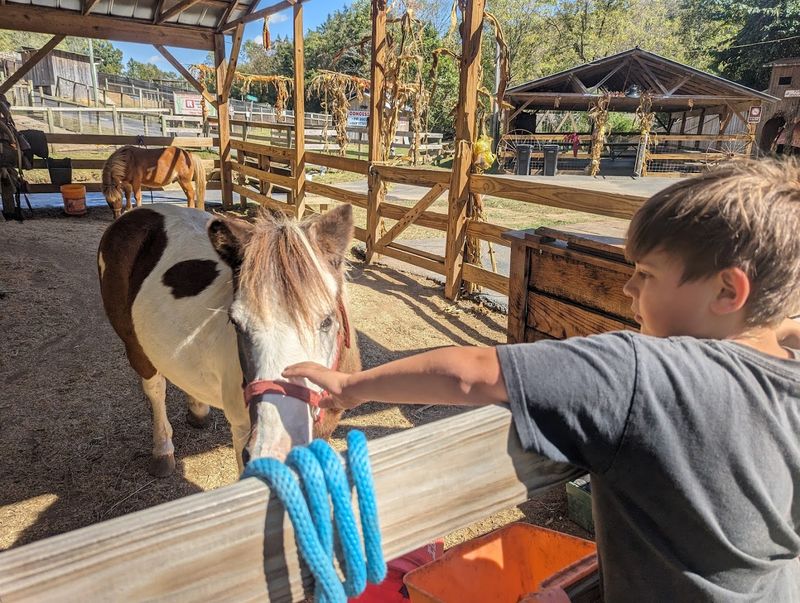
About thirty years ago, a man named James Cox opened what was essentially a family petting zoo on Granite Road in Clinton, Tennessee. Nobody predicted it would become one of the most quietly impactful animal rescue operations in the state.
Over time, people kept showing up, not with tickets, but with animals they could no longer care for.
Each request carried a story. An exotic pet that had outgrown its owner’s ability to manage it. A creature facing euthanasia simply because no one knew what to do with it.
James Cox said yes, again and again, and the zoo evolved naturally into something far greater than a weekend attraction.
When James passed away in 2021, his sons Cade and Corbin stepped forward to continue the work. The mission remained unchanged: give animals a permanent, loving home and educate the public along the way.
Today, approximately 98% of the animals living here arrived as rescues, which makes every visit feel less like a trip to the zoo and more like meeting survivors who found their way to a good place.
The Remarkable Variety Of Animals You Will Actually See Up Close
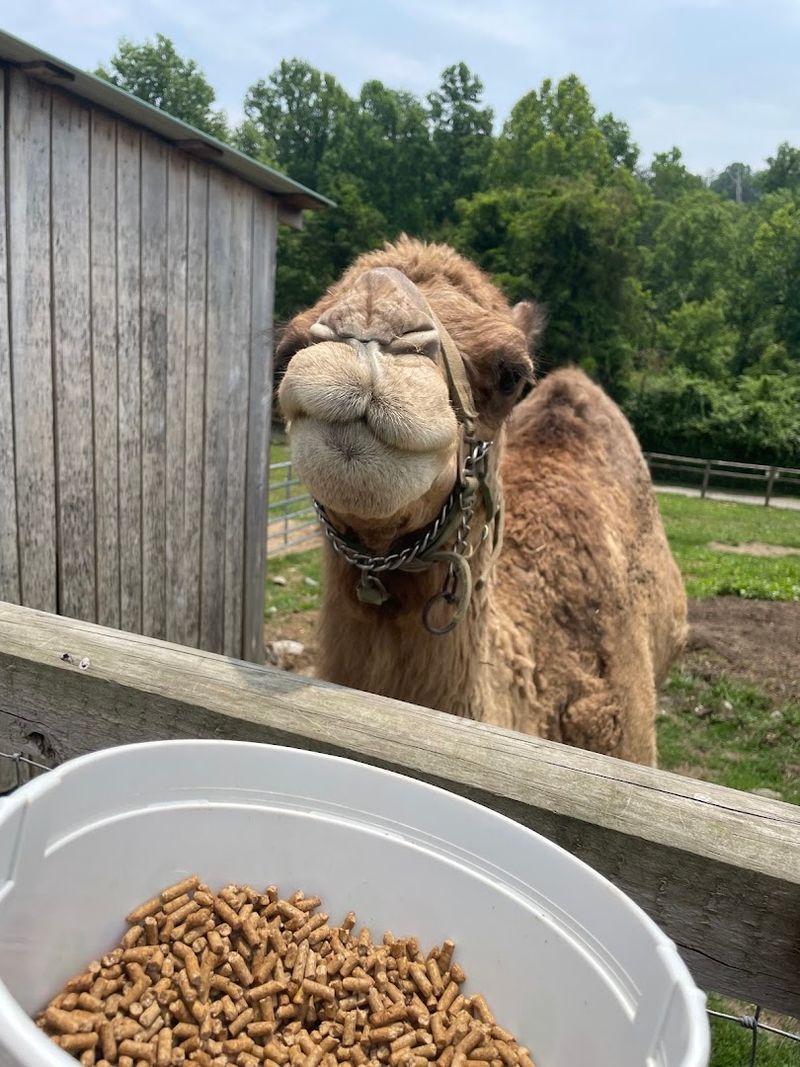
Giraffes. Camels. Zebras. Kangaroos. Wallabies. Lemurs. Vervet monkeys. Patas monkeys. Tigers. Zebu. Patagonian cavies. The list reads like something from a much larger institution, yet all of these animals live along a 1.5-mile trail at a modest rescue zoo in Anderson County, Tennessee.
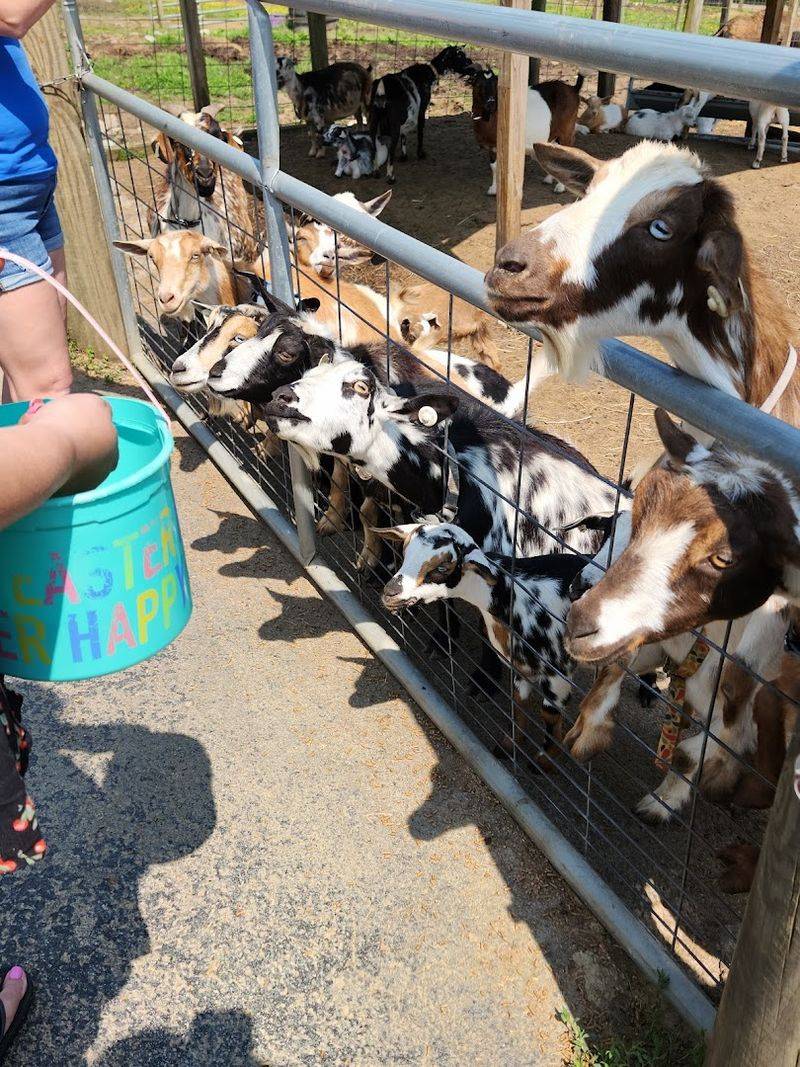
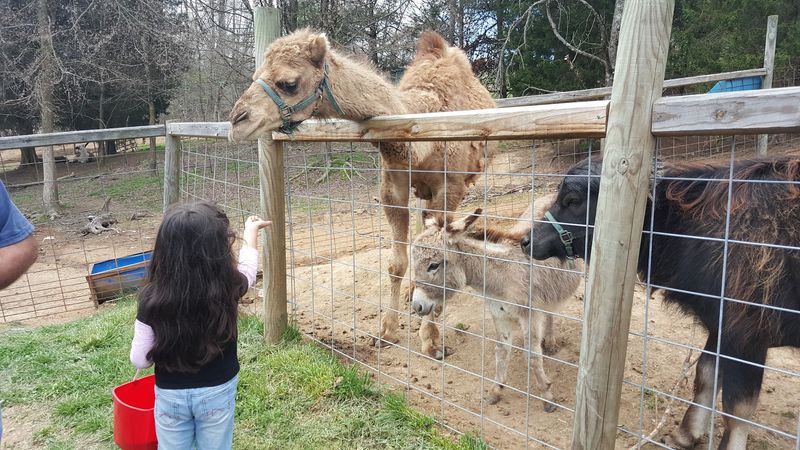
What makes the experience stand out is the access. Visitors are not simply observing animals from a distance behind thick glass. Many of the animals can be fed directly from your hand using food buckets purchased at the entrance.
A medium bucket runs around twelve dollars, and reviewers consistently say it is more than enough to keep both kids and adults thoroughly entertained.
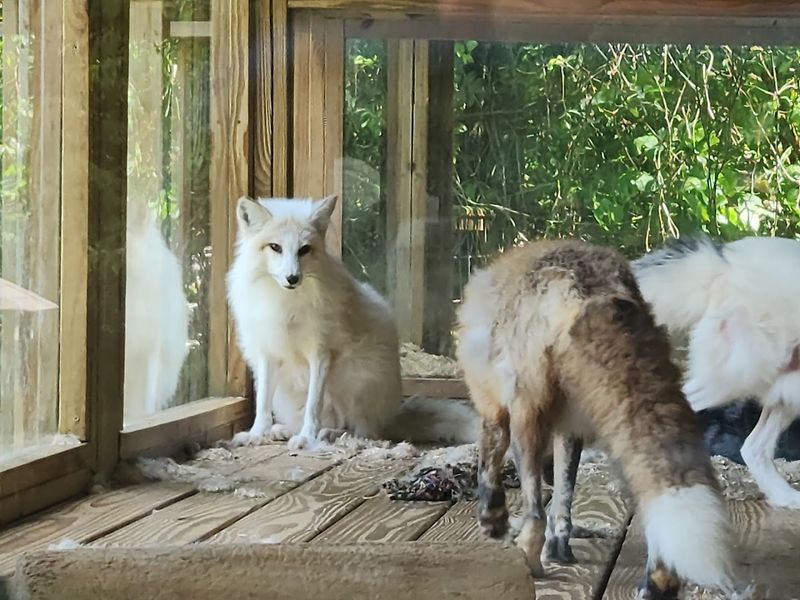
The zoo also rehabilitates native Tennessee wildlife – raccoons, opossums, foxes, bobcats, squirrels, and rabbits – before releasing them back into the wild.
This dual role as both an exotic animal sanctuary and a certified wildlife rehabilitation center, licensed by the Tennessee Wildlife Resources Agency, gives Little Ponderosa a depth of purpose that most roadside attractions simply do not have.
Every animal you see there carries a story worth knowing.
Why The Hands-On Experience Sets This Place Apart From Larger Zoos
There is something memorable about feeding a camel from your open palm. The sensation is odd and wonderful all at once, and it is exactly the kind of moment that Little Ponderosa Zoo and Rescue delivers on a regular Tuesday afternoon.
Larger, more polished institutions often keep visitors at arm’s length. Here, the experience is tactile, immediate, and surprisingly personal.
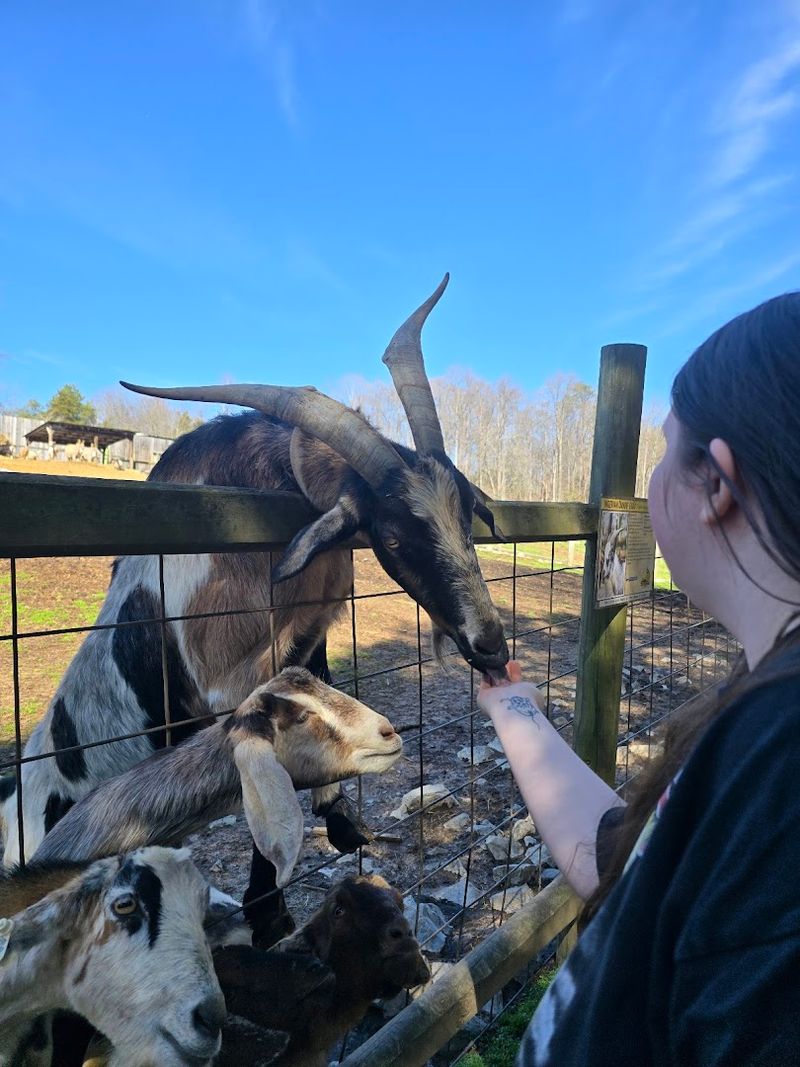
The goats alone have earned legendary status among visitors. Reviews mention them repeatedly – the way they follow you along the path, the way children dissolve into laughter when a goat investigates a jacket pocket.
Beyond the goats, visitors can interact with camels, kangaroos, and a rotating cast of animals depending on the season and the day.
For those who want to go even further, the zoo offers a Zookeeper for a Day program suitable for all ages, as well as Little Critter Meet and Greet sessions that take guests behind the scenes for closer animal encounters. Overnight adventures are also available for groups.
The paved, handicapped-accessible paths make the entire 1.5-mile loop comfortable for visitors of varying mobility levels, which is a detail that genuinely matters.
The Official Zoo Of Anderson County Has A Story Worth Telling
Not every county in Tennessee can claim its own official zoo. Anderson County can, and that distinction belongs to Little Ponderosa Zoo and Rescue at 629 Granite Road, Clinton, TN 37716.
The title is not purely ceremonial. It reflects the zoo’s consistent presence in the community, its educational programming for local schools, and its role as a certified wildlife rehabilitation facility licensed by the Tennessee Wildlife Resources Agency.
Field trips from area schools are a regular occurrence. The zoo accommodates group outings, birthday parties, and educational animal shows that blend humor with genuine instruction.
One reviewer recalled laughing during a homeschool group’s educational session, noting that the format was engaging for children and adults equally.
The zoo also hosts seasonal events like Fall Festivals and fundraisers such as Kiss a Critter, which give the broader community regular reasons to return.
For a non-profit organization that relies on admission fees, donations, animal sponsorships, and programs like Kroger Community Rewards, maintaining that community connection is not optional. It is essential.
The recognition as Anderson County’s official zoo reflects years of earned trust rather than a marketing decision made in a boardroom.
How The Zoo Rebuilt Itself After A Devastating 2017 Fire
In December 2017, a fire tore through Little Ponderosa Zoo and Rescue, claiming the lives of many animals and leaving the facility in a condition that might have ended a lesser operation permanently.
The loss was devastating in every sense – financial, emotional, and deeply personal for a family that had spent decades building something meaningful one rescued animal at a time.
What followed the fire says more about this place than almost anything else. Supporters, donors, and community members rallied around the Cox family, contributing resources that allowed the zoo to rebuild.
It was not a quick recovery. Rebuilding a zoo from partial ruin while continuing to care for surviving animals requires a specific kind of stubborn commitment.
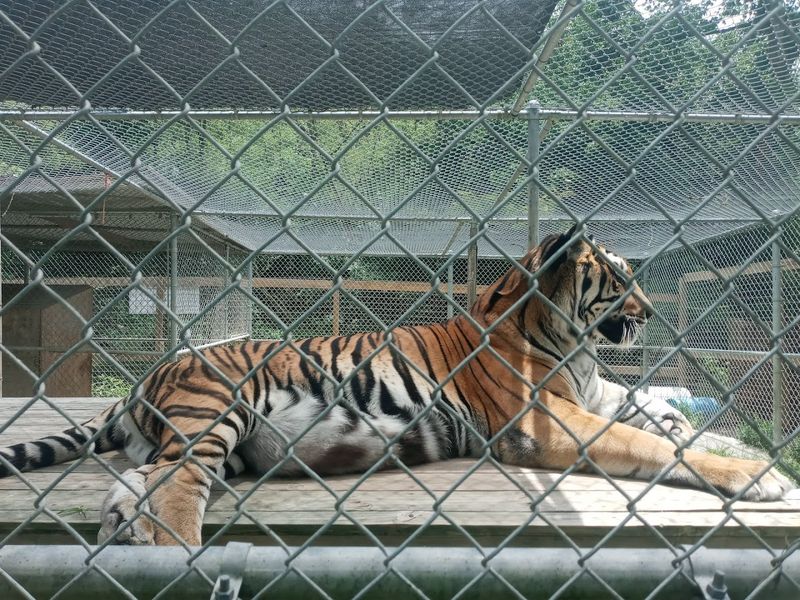
Today, visitors can see ongoing improvements throughout the facility. Several reviews from recent months mention enclosure renovations and updated exhibits, with one visitor noting construction activity near the tiger and wolf habitats.
The zoo’s resilience after the 2017 fire is not a footnote in its history – it is a defining chapter. Visiting now means participating in a story of recovery that is still being written, one admission ticket and one donated food bucket at a time.
Admission Prices That Make A Full Family Outing Genuinely Affordable
At fifteen dollars for adults and ten dollars for juniors and seniors, Little Ponderosa Zoo and Rescue sits in a pricing range that allows families to actually enjoy themselves without doing mental math every five minutes.
Cildren two years old and under get in free, which removes one of the more common stressors of planning an outing with very young kids.
Food buckets for animal feeding are sold separately at the entrance. A medium bucket costs around twelve dollars and a large bucket runs approximately twenty dollars.
Multiple reviewers describe the larger bucket as exactly the right amount for a family to feed animals throughout the entire loop without running out midway.
On select days, the zoo has offered five-dollar admission specials, which have drawn enthusiastic responses from first-time visitors.
The zoo is open Monday through Saturday from 10 AM to 5 PM and on Sundays from noon to 5 PM. For the most current information on hours, pricing, or special events, visitors can reach the zoo at 865-457-5536 or visit littleponderosazoo.com.
The combination of reasonable admission and the option to purchase food for hands-on interaction makes the total cost feel well worth the afternoon.
Educational Programs That Go Beyond The Standard Zoo Visit
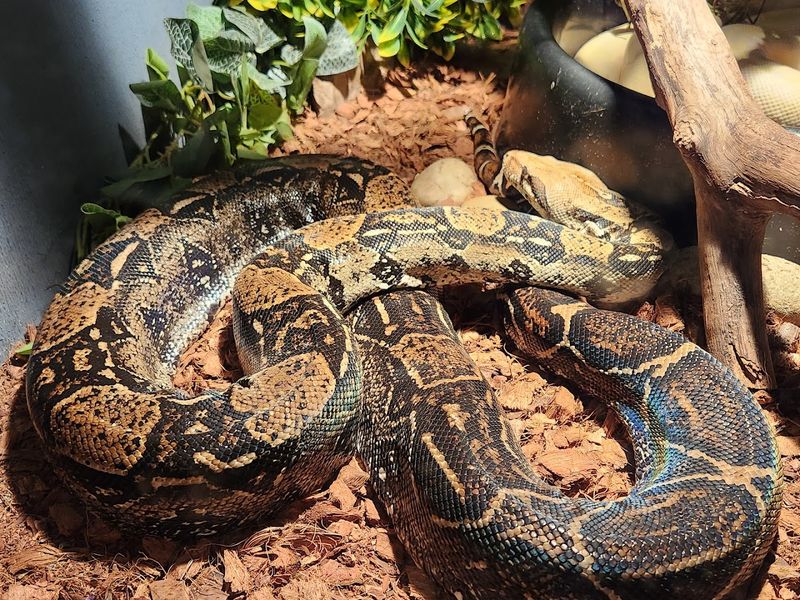
Holding a snake for the first time is not something most people plan in advance. For one visitor who joined a school field trip to Little Ponderosa, it happened naturally, guided by a staff member described as highly knowledgeable and reassuring.
That kind of unscripted, confidence-building moment is difficult to manufacture, and it points to something genuine about the educational culture at this zoo.
The facility offers structured educational animal shows that work well for homeschool groups, school field trips, and organized group visits.
Programs include the Zookeeper for a Day experience, behind-the-scenes Little Critter Meet and Greet sessions, and overnight adventures for groups looking for something more immersive.
Birthday party packages are also available, with animal shows that can be added on for an extra layer of engagement.
The zoo’s educational mission extends beyond scheduled programming. Because nearly every animal on the property arrived as a rescue with a background story, the staff naturally incorporates context into casual conversations with visitors.
Learning about why a vervet monkey or a Patagonian cavy ended up at a zoo in East Tennessee tends to leave a more lasting impression than a standard informational placard ever could.
The Animals That Visitors Keep Coming Back To See Again
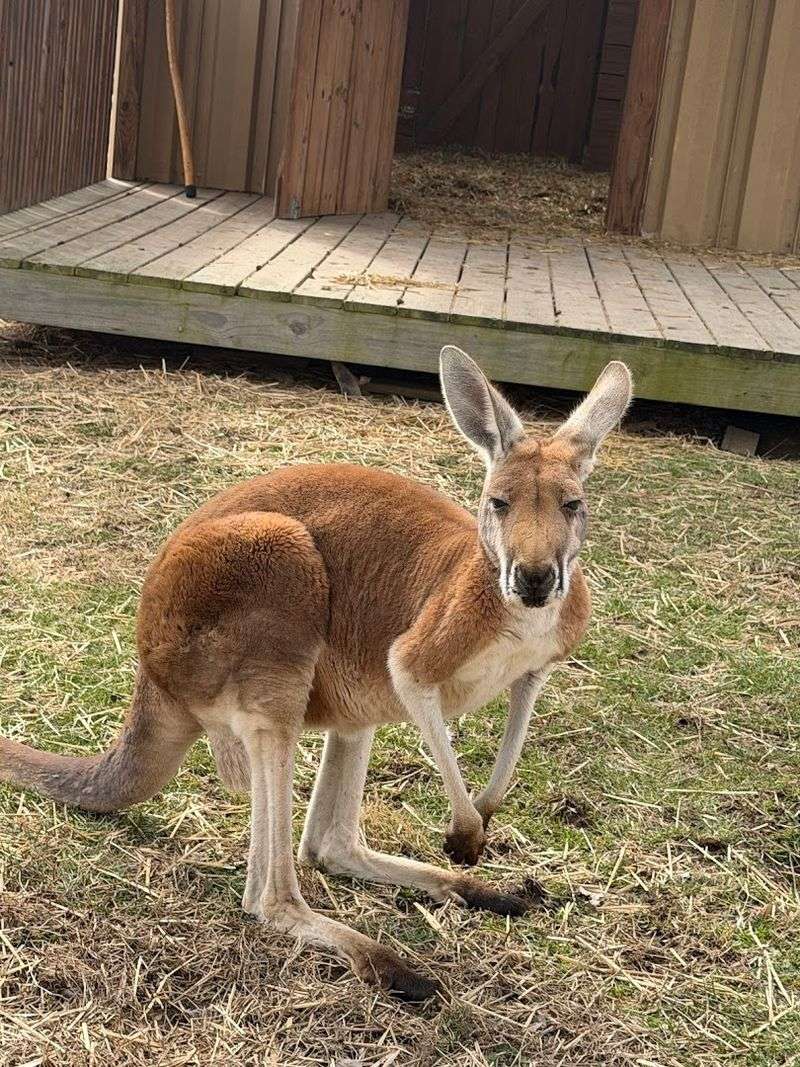
Ask a hundred visitors what their favorite part of Little Ponderosa was, and you will get a hundred different answers.
Kangaroos come up constantly. So do the lemurs, the camels, the monkeys, and the goats – always the goats.
One reviewer mentioned a black cat named Vader who dispensed twenty minutes of uninterrupted lap time to a willing visitor. Another pointed to the tiger, Gunther, describing him as visibly healthy and well-cared for compared to tigers seen at other facilities.
The diversity of species on a single 1.5-mile loop is quietly impressive for a non-profit rescue operation of this size. Zebras, wallabies, vervet monkeys, patas monkeys, zebu, Patagonian cavies, various birds, reptiles, and rescued farm animals all share the same property.
Seasonal baby animals generate particular excitement, with recent visitors spotting young rescues during their walks through the zoo.
What keeps people returning is not spectacle. It is the proximity and the unpredictability of genuine animal interaction.
A camel might decide you are interesting. A kangaroo might drift closer than expected. The goats will absolutely follow you. Each visit arranges itself differently, which gives the zoo a quality that photographs and reviews can only partially capture.
Why Supporting This Non-Profit Zoo Matters More Than You Might Think
Running a zoo is expensive under any circumstances. Running one as a non-profit rescue facility, without accreditation from the Association of Zoos and Aquariums means operating on a budget that depends heavily on the public’s willingness to show up and contribute.
Every admission ticket, every food bucket purchase, and every animal sponsorship keeps the lights on and the feed bins full.
The zoo participates in programs like Kroger Community Rewards and previously Amazon Smile, which allow supporters to direct small portions of everyday spending toward the facility without any additional cost to themselves.
Animal sponsorships offer another avenue for people who want a more direct connection to a specific resident of the zoo.
One reviewer put it plainly: the zoo takes in animals that have been mistreated, injured, or raised by humans when they should have been wild, and it gives them a life they deserve. That is not a small thing.
For a facility that rebuilt itself after a catastrophic 2017 fire and continues to rescue exotic animals from across the United States, community support is not a bonus. It is the entire foundation.
Visiting is, in itself, an act of participation in something worth preserving.