
The Little Louisiana Riverfront Town That Feels Like A Local Treasure
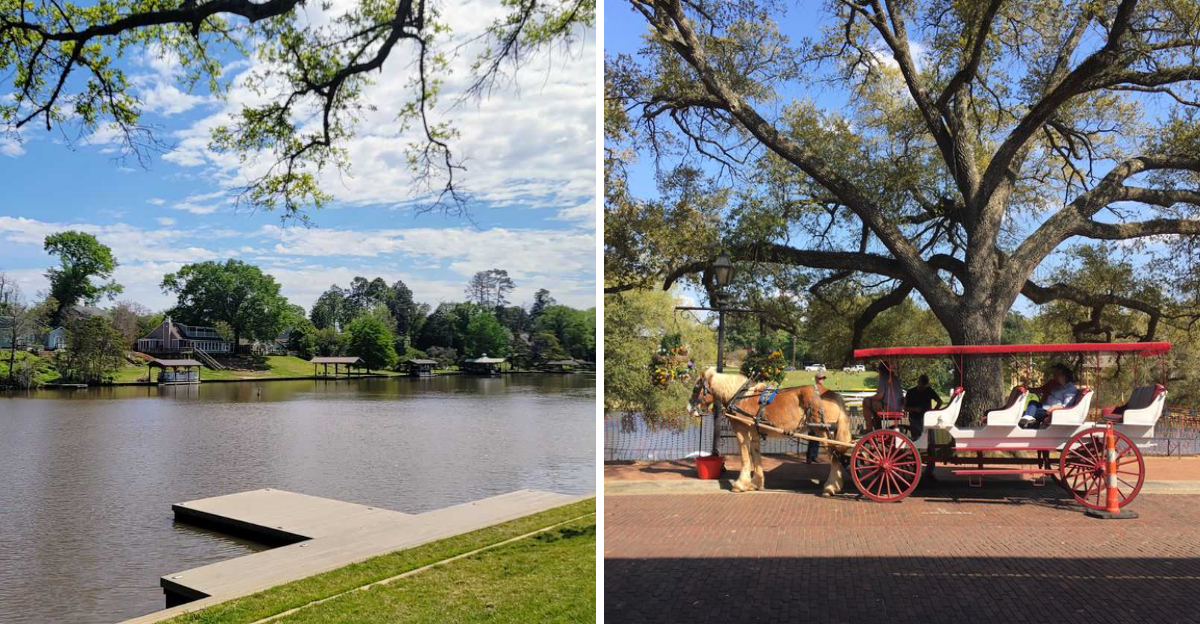
Nestled along the banks of Cane River Lake, Natchitoches is Louisiana’s oldest permanent settlement and one of the state’s most enchanting destinations.
This small riverfront town offers a rare combination of historic architecture, Creole culture, and unhurried Southern charm that feels refreshingly authentic.
Whether you’re wandering brick-lined streets or sampling legendary meat pies, Natchitoches invites you to slow down and savor a place where history and hospitality blend seamlessly.
Louisiana’s Oldest Settlement Holds Stories in Every Corner
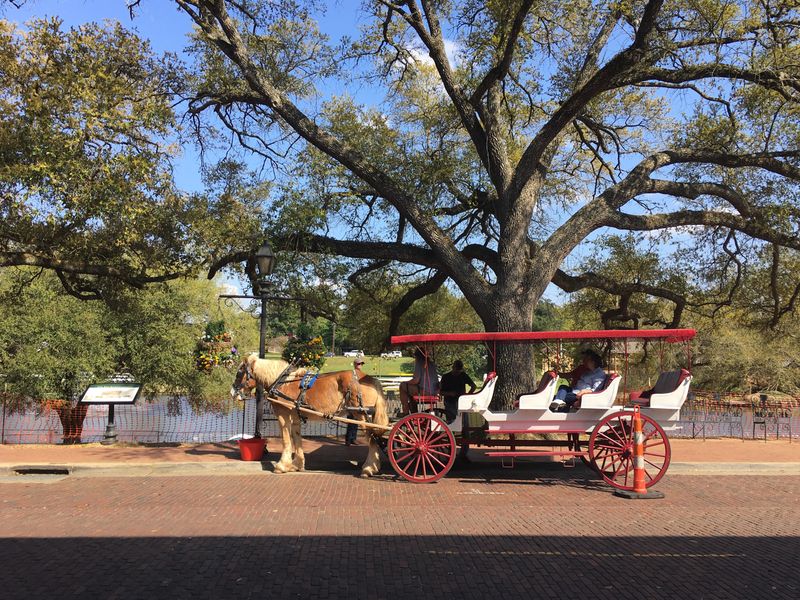
Founded in 1714 by French explorer Louis Juchereau de St. Denis, Natchitoches predates New Orleans by four years and wears its age with remarkable grace.
The town grew as a trading post along the Red River, connecting French Louisiana with Spanish Texas in an era when borders were fluid and cultures mingled freely.
Walking through Natchitoches today means encountering buildings that have witnessed centuries of change, from colonial rule to statehood.
Preservation efforts have kept much of the original character intact, allowing visitors to experience history without the feel of a museum.
Cane River Lake Anchors the Town’s Tranquil Character
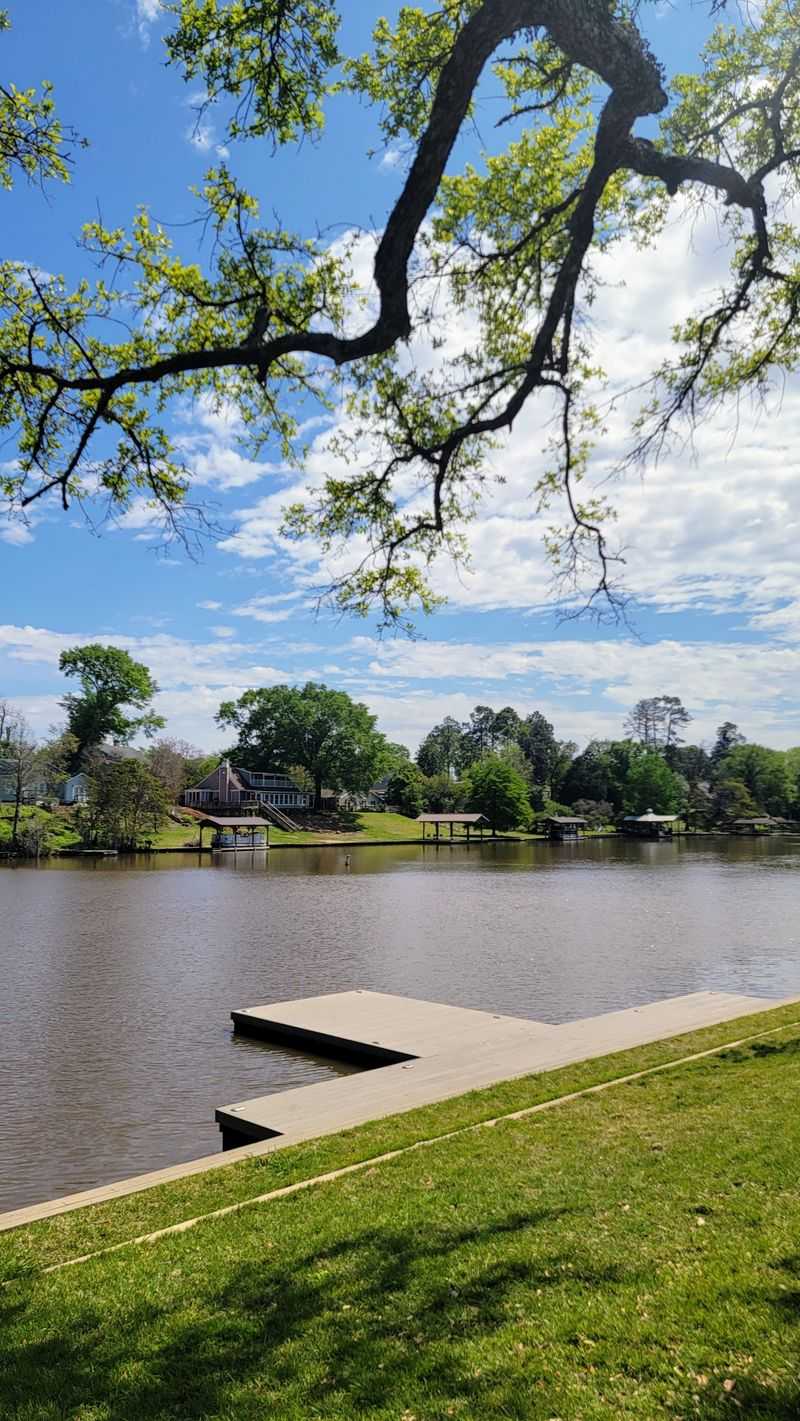
What appears to be a lazy river is actually a thirty-five-mile oxbow lake formed when the Red River changed course in the early nineteenth century.
Cane River Lake now defines Natchitoches, providing a serene centerpiece that shapes the town’s rhythm and mood.
The water reflects towering oaks and historic buildings, creating scenes that shift with the light throughout the day.
Locals fish from its banks, paddlers glide across its surface, and visitors simply sit and watch the current barely move.
The Historic District Preserves Creole and Colonial Heritage
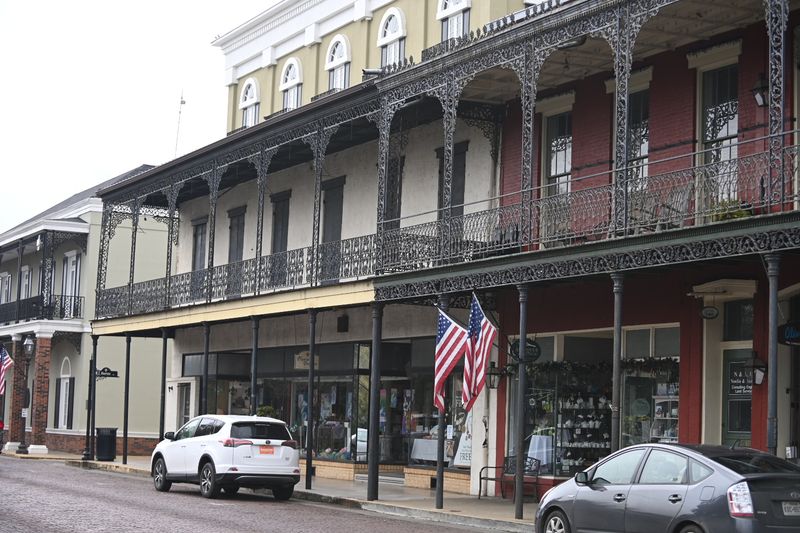
Spanning thirty-three blocks, the National Historic Landmark District contains some of the finest examples of French Creole architecture in the American South.
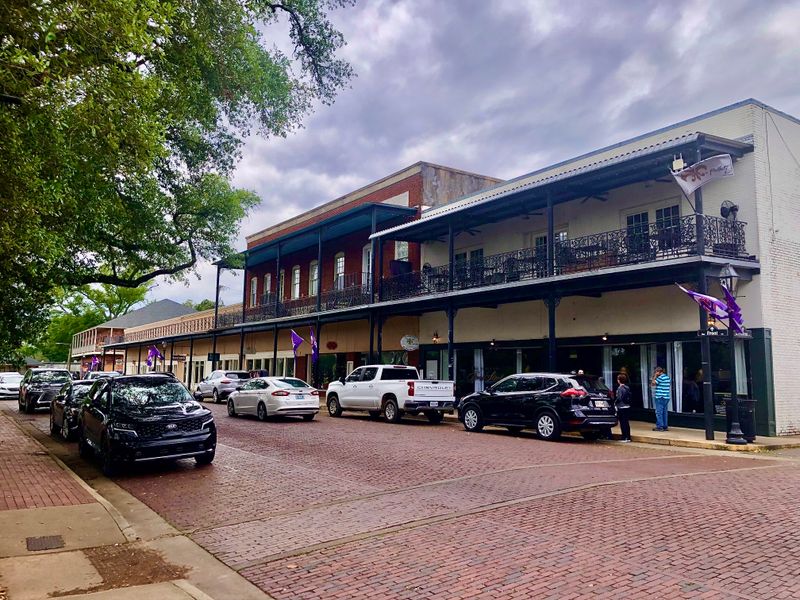
Townhouses with wrought iron galleries line Front Street, their shuttered windows and steep roofs echoing designs brought from France and adapted to Louisiana’s climate.
Among the notable structures stands the Minor Basilica of the Immaculate Conception, where stained-glass windows cast colored light across wooden pews.
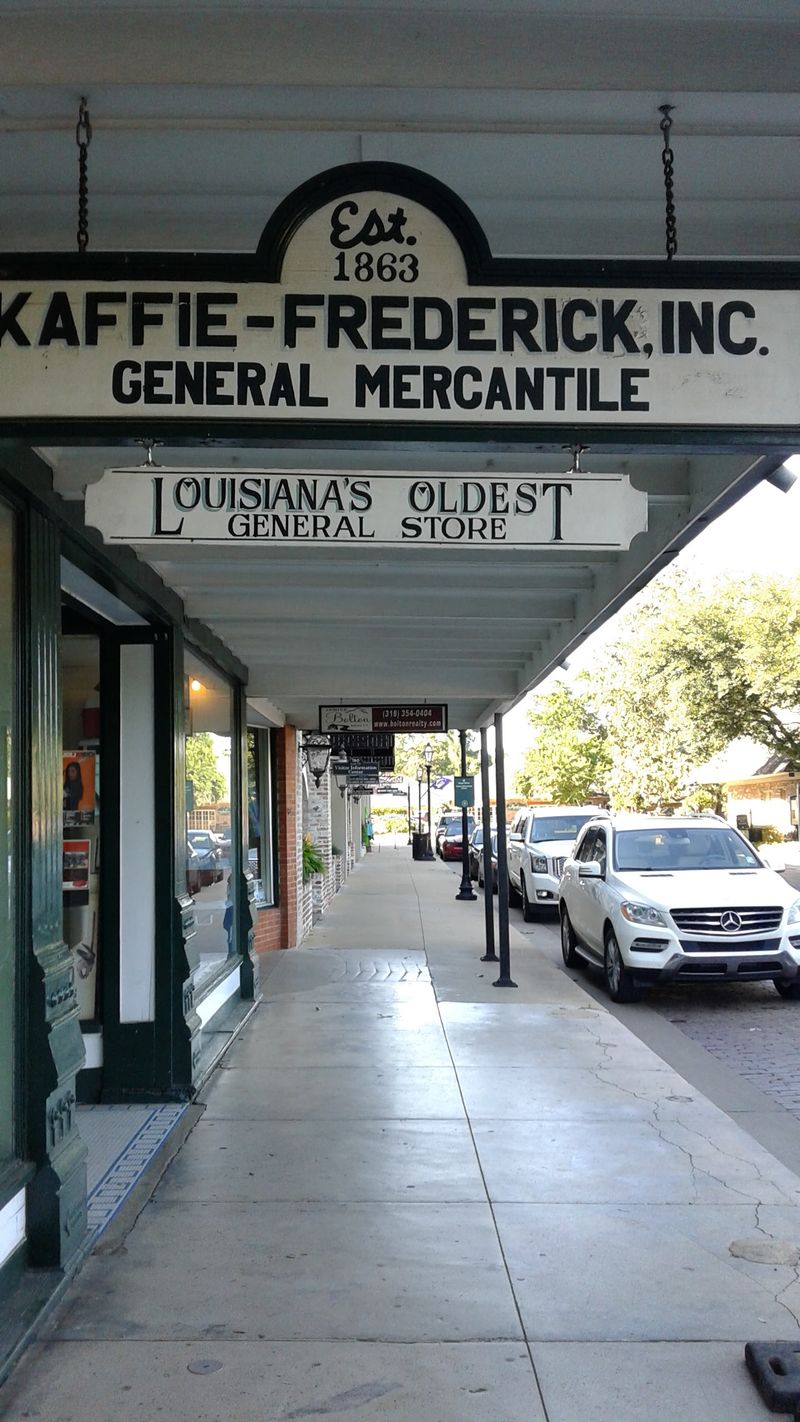
Nearby, Kaffie-Frederick General Mercantile has operated since 1863, its shelves still stocked with tools, housewares, and local curiosities that make it more than a tourist stop.
Natchitoches Meat Pies Represent Generations of Flavor
Savory, crescent-shaped, and deeply satisfying, the Natchitoches meat pie is more than regional food—it’s edible heritage.
Recipes vary slightly from kitchen to kitchen, but the core remains constant: seasoned ground beef and pork encased in a flaky, hand-crimped pastry shell, then fried until golden.
Lasyone’s Meat Pie Restaurant has served them for decades, while other spots offer their own takes on the classic.
Eating one hot from the fryer, with its peppery filling and buttery crust, connects you to a culinary tradition passed down through Creole families.
The Riverfront Walk Offers Quiet Moments Along the Water
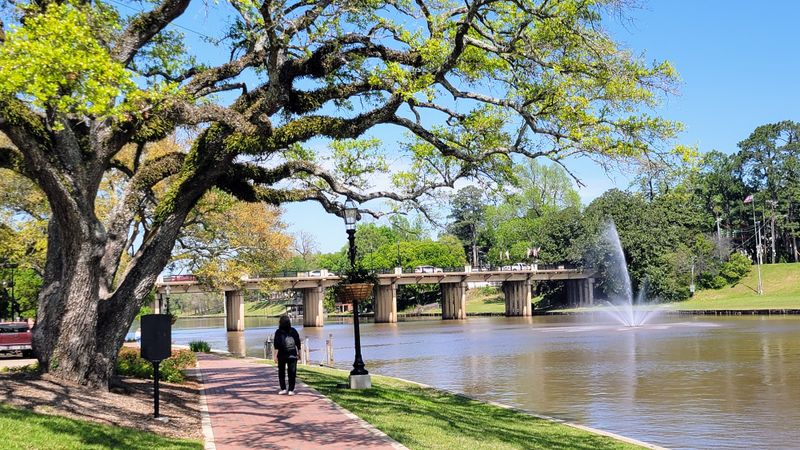
A brick-paved path follows the curve of Cane River Lake through the heart of downtown, offering one of the simplest pleasures Natchitoches provides.
Shade trees lean over the walkway, and benches appear at intervals where you can pause and let the town’s unhurried pace settle in.
Morning brings joggers and dog walkers; evenings attract couples and families who come to watch the light fade over the water.
The walk connects parks, shops, and historic sites without feeling contrived or overly planned.
It’s infrastructure that respects the landscape, inviting exploration without demanding it.
The Christmas Festival Transforms the Town Into a Glowing Wonderland
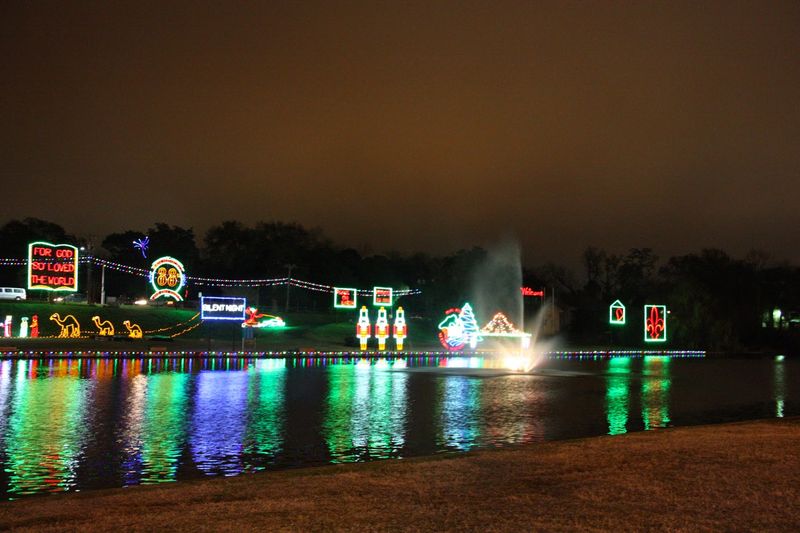
Each November and December, Natchitoches stages one of the South’s most celebrated holiday events, drawing over 100,000 visitors to see more than 300,000 lights illuminate the riverfront.
The tradition began in 1927, making it one of the oldest light festivals in the country, and it has grown into a defining moment in the town’s calendar.
Fireworks burst over the river during opening night, while live music, parades, and food vendors fill the streets throughout the season.
The displays range from traditional to whimsical, casting reflections across the water that double the spectacle.
Architectural Influences Blend French, Spanish, and Creole Styles
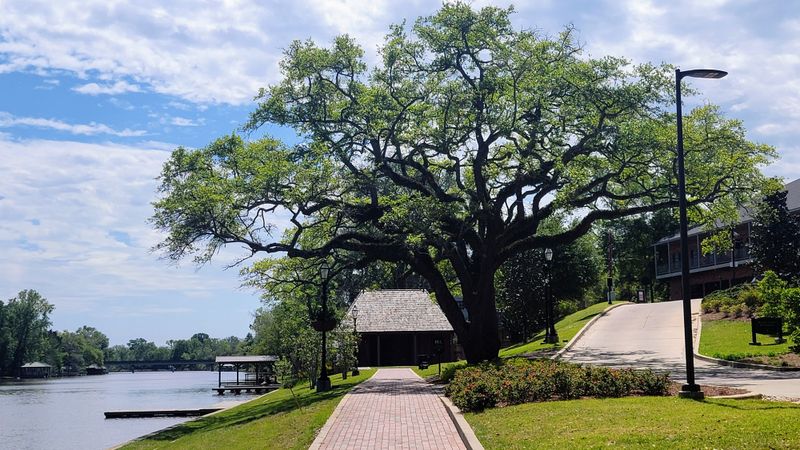
Natchitoches sits at a cultural crossroads, and its buildings reveal the layers of influence that shaped the region.
French colonial construction methods appear in raised cottages with wide galleries, while Spanish rule left its mark in stuccoed walls and interior courtyards.
Creole builders adapted European designs to Louisiana’s humid climate, creating structures with high ceilings, shuttered windows, and deep overhangs.
Walking the historic district becomes an informal lesson in vernacular architecture, where each building tells a story of adaptation and survival.
The address 200 Front Street, where many historic structures cluster, serves as a starting point for anyone interested in understanding how environment and culture shape design.
A Growing Arts Community Adds Contemporary Energy to Historic Foundations
Beyond its preserved past, Natchitoches nurtures a modest but vibrant arts scene that brings fresh perspective to the old town.
Galleries occupy historic storefronts along Front Street, showcasing paintings, pottery, and photography created by regional artists who draw inspiration from the landscape and culture around them.
Northwestern State University, located in Natchitoches, contributes to the creative atmosphere with student exhibitions and performances.
The blend of tradition and contemporary expression keeps the town from becoming a static relic, proving that history and innovation can coexist comfortably.