
The Magical Lakeside Town In Massachusetts That Feels Like A Fairy Tale
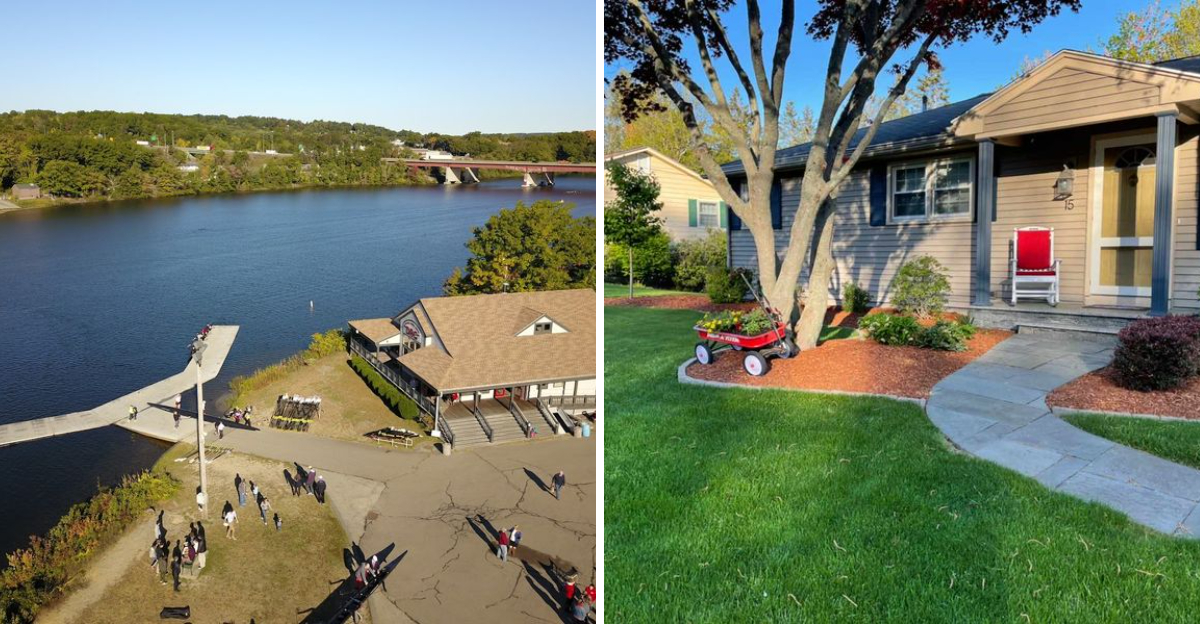
Massachusetts has lakeside towns that look pretty at first glance, but this one has a softer kind of magic. The water sets the mood right away, giving the town a calm, almost storybook feeling before you even start exploring.
There are scenic corners, leafy streets, local stops, and quiet views that make a simple afternoon feel special. Nothing has to be rushed here.
You can wander, grab a bite, enjoy the lake breeze, and let the pace slow down a little.
That is what makes this place feel so charming. It does not need castles or cobblestone lanes to feel like a fairy tale.
It just needs water, warmth, and that classic Massachusetts character that makes small-town escapes so easy to love.
Lake Quinsigamond And Its Timeless Shoreline Beauty
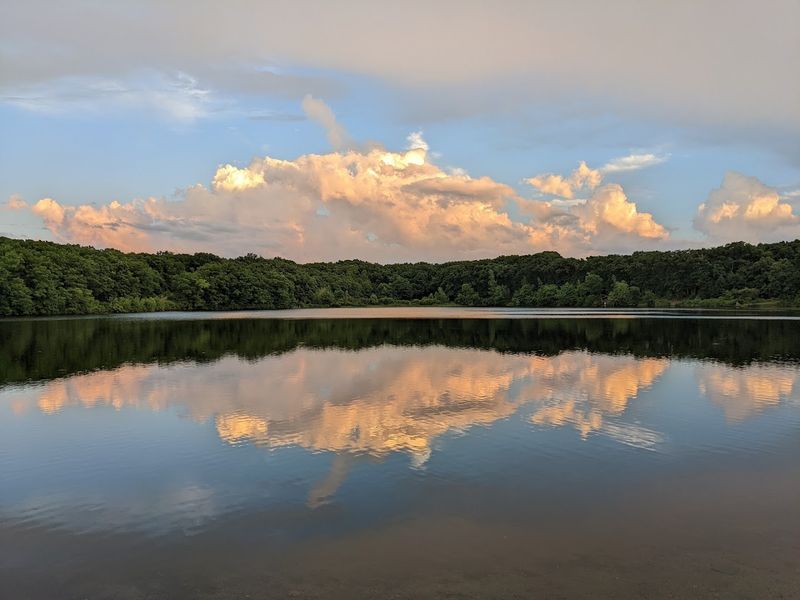
Few lakes in New England carry the kind of quiet authority that Lake Quinsigamond does.
Stretching roughly four miles long and plunging between 50 and 85 feet deep, this 772-acre body of water forms a natural border between Shrewsbury and Worcester. It has been drawing visitors for well over a century.
The lake hosts eight islands, including Drake Island, which is state-owned, and Ramshorn Island, reachable by boat.
Competitive rowing events have taken place here since 1857, and the internationally recognized 2,000-meter rowing course still sees serious athletes training on its surface today.
On weekends, the lake transforms into a lively outdoor gathering place.
Families spread out along the shoreline for picnics, kayakers paddle near the banks, and sailboats drift across the open water with unhurried grace.
Fishing is popular year-round, and the lake supports a healthy variety of species.
What makes the lake feel almost otherworldly is how it shifts throughout the day. Morning fog sits low on the water at dawn.
By afternoon, sunlight fractures across the surface in a thousand directions. At dusk, the whole scene turns amber and rose, and you start to understand why people keep coming back.
The Shrewsbury Secret Garden That Defies Explanation
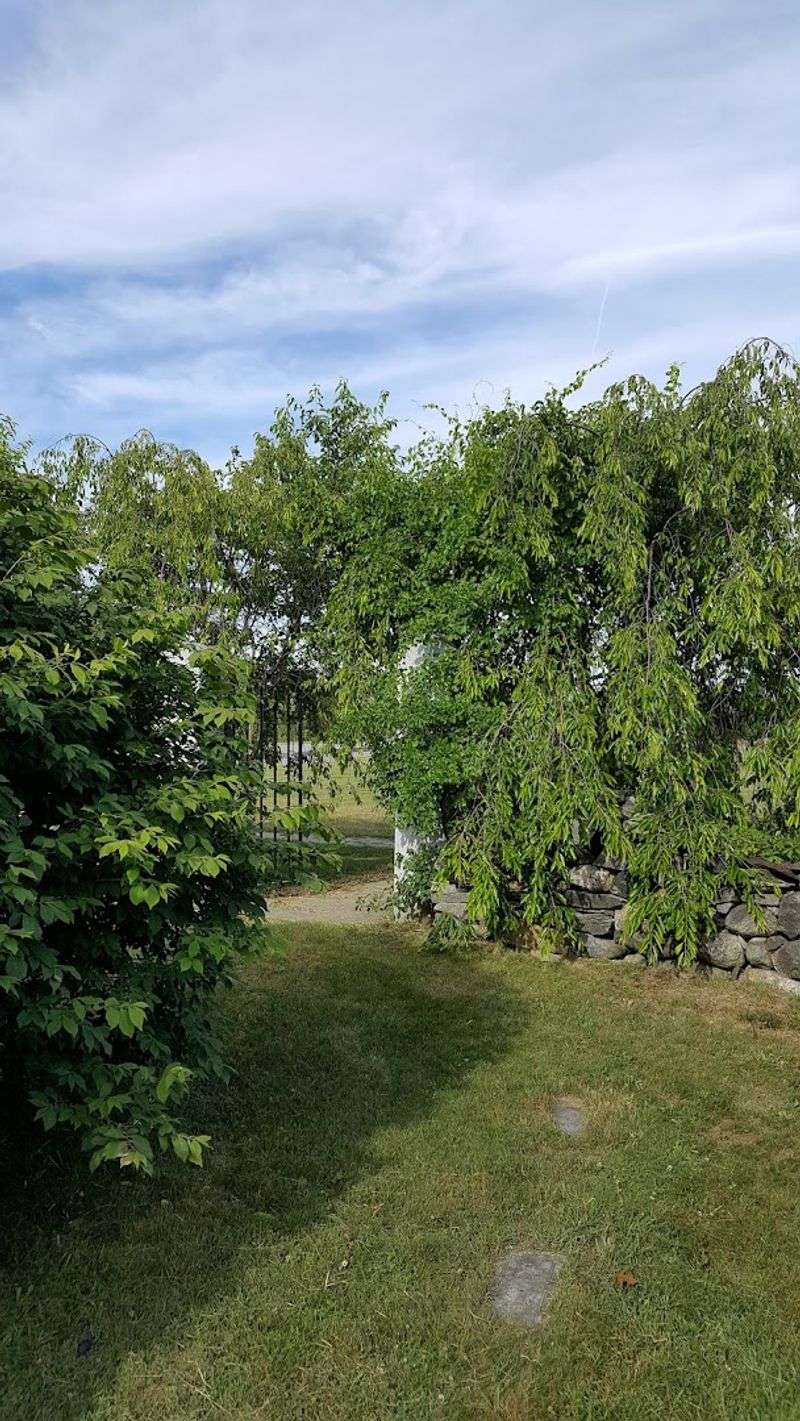
Near Hills Pond in Shrewsbury, there is a garden that most people discover by word of mouth, and almost everyone who visits leaves a little changed.
The Shrewsbury Secret Garden is filled with statues, sculptures, hand-painted signs, inspiring quotes, and winding paths that seem to lead somewhere new no matter how many times you have walked them before.
Crushed colorful glass covers sections of the forest floor, catching sunlight and scattering it in ways that feel almost theatrical. Wind chimes sing softly overhead, and a small waterfall adds a steady, calming rhythm to the whole experience.
The garden does not announce itself loudly. It rewards those who slow down and pay attention.
Visiting feels less like a tourist activity and more like a personal discovery. Children crouch near the glass-covered ground in genuine wonder.
Adults stop in front of certain sculptures for longer than they expect to.
The garden is open to visitors and costs nothing to enter, which makes it one of the most generous and unusual gifts any community member has ever offered to the public.
Shrewsbury’s Rich Colonial History And 1727 Origins

Shrewsbury was incorporated in 1727, and the town has carried its colonial identity with a certain quiet pride ever since. Walking through certain parts of the town center, especially near older residential streets, you get a clear sense of how carefully that history has been maintained.
The architecture, the layout of the roads, and even the arrangement of old stone walls along property lines tell a story that spans nearly three centuries.
The town prospered significantly in the 19th century, largely because of its proximity to Worcester and the growing popularity of Lake Quinsigamond as a recreational destination.
Visitors arrived by rail and carriage, and local businesses grew around that seasonal traffic in ways that shaped the character of the town for generations afterward.
One of the more notable historical figures connected to Shrewsbury is General Artemas Ward, a Revolutionary War commander who lived here. His homestead still stands and offers a direct, tangible connection to the founding era of the country.
For anyone with an interest in early American history, Shrewsbury provides more than a passing footnote. It offers a genuine, walkable encounter with a past that has been preserved rather than simply remembered.
Newton Pond And The Quieter Side Of Outdoor Recreation
Not every beautiful spot in Shrewsbury announces itself with a crowd.
Newton Pond, covering roughly 53.7 acres, offers a quieter and more contemplative version of the lakeside experience that defines this town.
The water is clear, the surrounding shoreline is largely wooded, and the overall atmosphere leans toward the peaceful rather than the busy.
For residents who want outdoor recreation without the activity level of Lake Quinsigamond on a busy summer afternoon, Newton Pond delivers exactly that.
Fishing is a primary draw, and the pond supports populations of bass and other freshwater species that keep anglers returning throughout the warmer months.
The surrounding area also offers informal walking opportunities for those who simply want to move through a natural landscape without a structured trail system.
There is something to be said for a town that offers multiple layers of outdoor experience. Shrewsbury does not rely on a single attraction to satisfy its residents and visitors.
Newton Pond represents that secondary layer, the kind of place locals tend to know about and visitors discover with a pleasant sense of surprise. Its modest scale is actually part of its appeal, making it feel personal and unhurried in a way that larger recreational lakes rarely manage.
Dean Park And The Pond That Anchors The Town
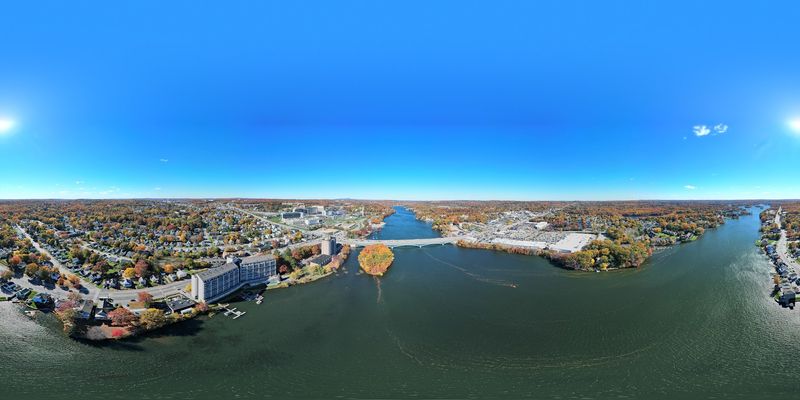
Dean Park covers 79 acres of open green space centered around one of the most photogenic ponds in all of Worcester County.
The park serves as a natural gathering point for residents across all ages.
On any given afternoon you will find joggers, dog walkers, young families, and older couples sharing the same well-maintained paths without any sense of crowding.
The pond at the heart of the park reflects the surrounding trees with a clarity that photographers tend to appreciate. In autumn, the colors that appear in that reflection are almost impossibly vivid.
Spring brings a fresh, green energy to the whole landscape, and summer turns the park into a soft, shaded retreat from the heat.
What distinguishes Dean Park from similar green spaces in the region is the sense of care that surrounds it. The grounds are consistently well-kept, benches are placed at thoughtful intervals, and the overall atmosphere feels welcoming rather than merely functional.
It is the kind of park that makes you want to come back with a book or a thervoice and simply sit for a while, watching the water move and the light change across the surface of the pond.
Mill Pond And The Gentle Flow Of West Brook
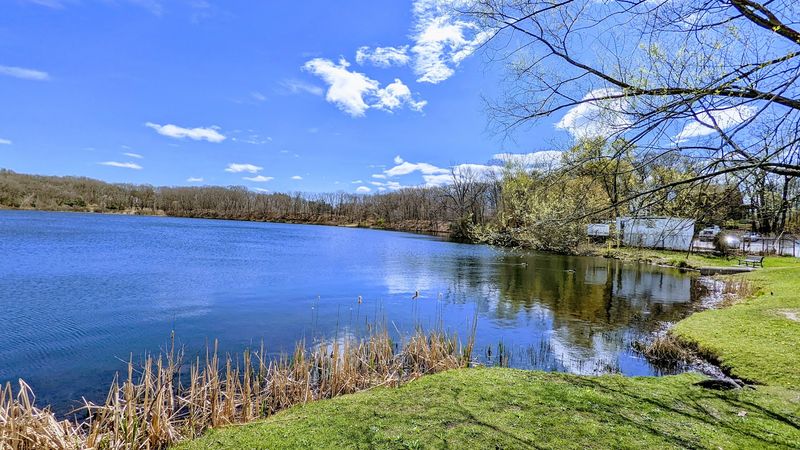
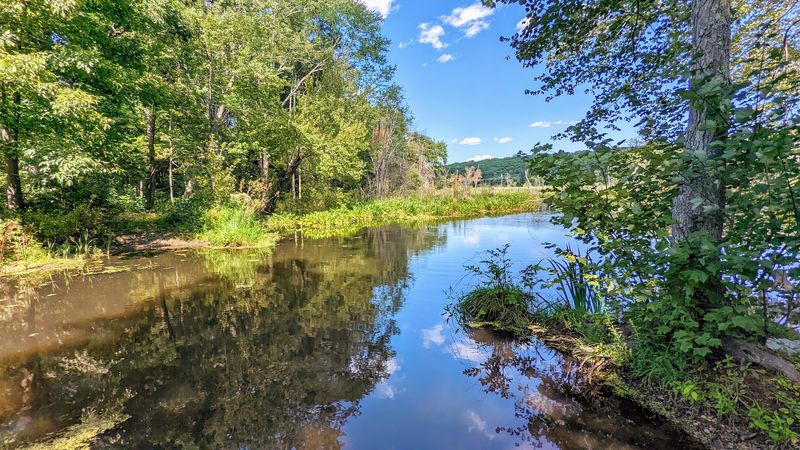
Mill Pond is a 15-acre impoundment formed by the damming of West Brook, and it occupies a modest but meaningful place in Shrewsbury’s natural landscape.
The pond does not appear on many tourist lists, but it rewards those who seek it out with a calm, almost meditative environment that feels removed from the faster rhythms of daily life.
West Brook flows in and out of the pond with a steady, unhurried pace.
The surrounding vegetation is dense in places, with cattails, willows, and other wetland plants creating a habitat that supports a notable variety of bird species.
Birdwatchers find the area productive, particularly during spring and fall migration periods when the waterway attracts species that do not typically linger in more developed settings.
The pond also contributes to the broader ecological health of the Shrewsbury watershed, helping manage stormwater and supporting biodiversity that keeps a town feeling connected to its natural environment.
Places like Mill Pond remind visitors that Shrewsbury’s appeal is not limited to its larger, more celebrated water bodies.
The town has layered its landscape thoughtfully, and even its smallest ponds carry a character worth noticing on a slow afternoon walk.
The Warmth Of Shrewsbury’s Residential Neighborhoods

There are towns that look good in photographs and towns that feel good to walk through. Shrewsbury manages to be both.
The residential neighborhoods here carry a visible sense of community investment, with homes that are carefully maintained and gardens that change with the seasons.
Driving or cycling through Shrewsbury’s neighborhoods in late spring is a particular pleasure.
Flowering trees line many of the older streets, and the combination of colonial-era architecture with well-established landscaping creates a visual rhythm that is easy to move through.
Nothing feels staged or artificially curated. The care is real, and it shows in small, consistent details.
Neighbors know each other here in the way that smaller communities tend to encourage.
Block gatherings, local events, and the general ease of running into familiar faces at the park or the market all contribute to a social texture that larger cities rarely replicate.
Shrewsbury’s neighborhoods represent a place where the physical environment and the community atmosphere have developed in a way that feels mutual and earned.
Rowing On Lake Quinsigamond Since 1857
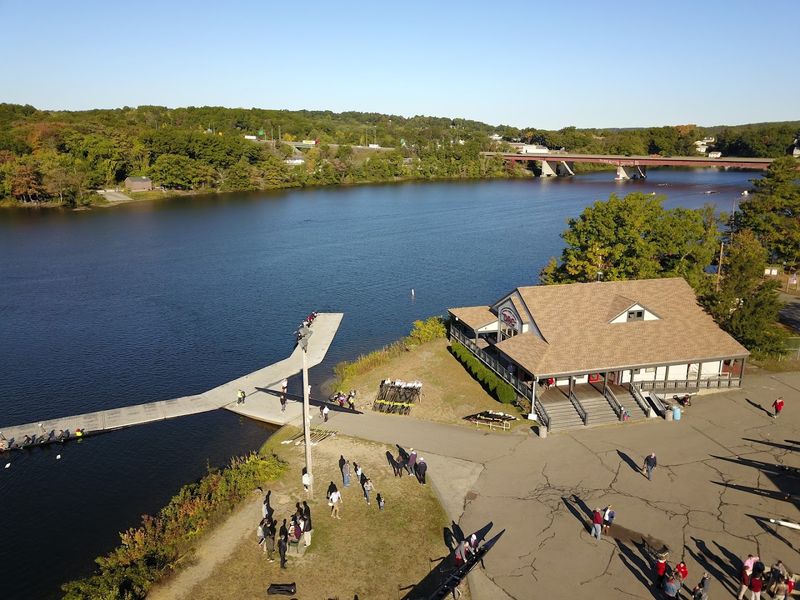
Long before rowing became a mainstream recreational sport in the United States, Lake Quinsigamond was already hosting competitive events. The year was 1857, and the lake’s long, straight open water made it a natural fit for the sport.
That tradition has continued without interruption, and today the lake is recognized internationally for its 2,000-meter rowing course, which meets the standards required for elite-level competition.
College crews, high school teams, and club rowers all train on this water regularly.
The sight of a rowing shell moving across the lake in the early morning, with eight athletes pulling in perfect unison and a coxswain calling the rhythm, is one of those images that stays with you.
It is athletic, precise, and surprisingly beautiful to observe from the shoreline.
Regattas draw spectators from across New England, and the energy around the lake during a major event is genuinely exciting without becoming overwhelming.
Shrewsbury and Worcester share the lake geographically, but the rowing culture feels like a point of collective pride for the entire region.
The lake offers an accessible and visually compelling introduction to a sport that rewards patient observation with moments of real grace.
Artemas Ward Historic House And Revolutionary Roots

General Artemas Ward was one of the first commanders of the Continental Army during the American Revolutionary War, and his family home still stands in Shrewsbury.
The house, maintained by Harvard University, is open to visitors and offers one of the more intimate historical encounters available in the greater Worcester area.
Walking through the rooms of the Ward house is a different experience from visiting a large museum. The scale is human, the objects are personal, and the connection to the period feels immediate rather than distant.
Period furnishings, family portraits, and original architectural details all contribute to an environment that communicates history.
For students of early American history, the house represents a significant and underappreciated resource.
Ward’s role in the war preceded George Washington’s appointment as commander-in-chief, and his contributions to the early organization of the Continental forces are often overlooked in popular accounts of the Revolution.
Visiting the property at Shrewsbury adds a layer of local specificity to a story that is usually told in broader, more impersonal terms. The address is 786 Main Street, Shrewsbury, MA 01545, and the surrounding grounds are worth exploring on their own.
Why Shrewsbury Earns Its Fairy Tale Reputation Year-Round

A town earns the description of fairy tale not through a single dramatic feature but through the accumulation of many smaller, genuine qualities. Shrewsbury, Massachusetts, population 38,325 according to the 2020 census, builds its case steadily across every season.
Spring brings flowering trees and freshly tended gardens. Summer fills the lake with activity and the parks with families.
Autumn turns the entire landscape into something that requires no filter or enhancement to look extraordinary.
Winter quiets everything down to a spare, clean beauty.
The lake freezes in cold years, the old homes look even more distinguished against bare trees and grey skies, and the town takes on a contemplative quality that feels earned rather than imposed.
Each season reveals a different dimension of the same place, which is the mark of somewhere with real depth.
Shrewsbury sits east of Worcester along Route 9, and its location makes it accessible without feeling overrun. It has the infrastructure of a well-managed modern suburb and the soul of a town that has been building its character since 1727.
Visitors who arrive expecting a simple day trip often find themselves planning a return before they have even left. That, more than anything else, is what a fairy tale town actually feels like.