
The Maine Weekly Flea Market That Has Remained A Favorite For Over Half A Century
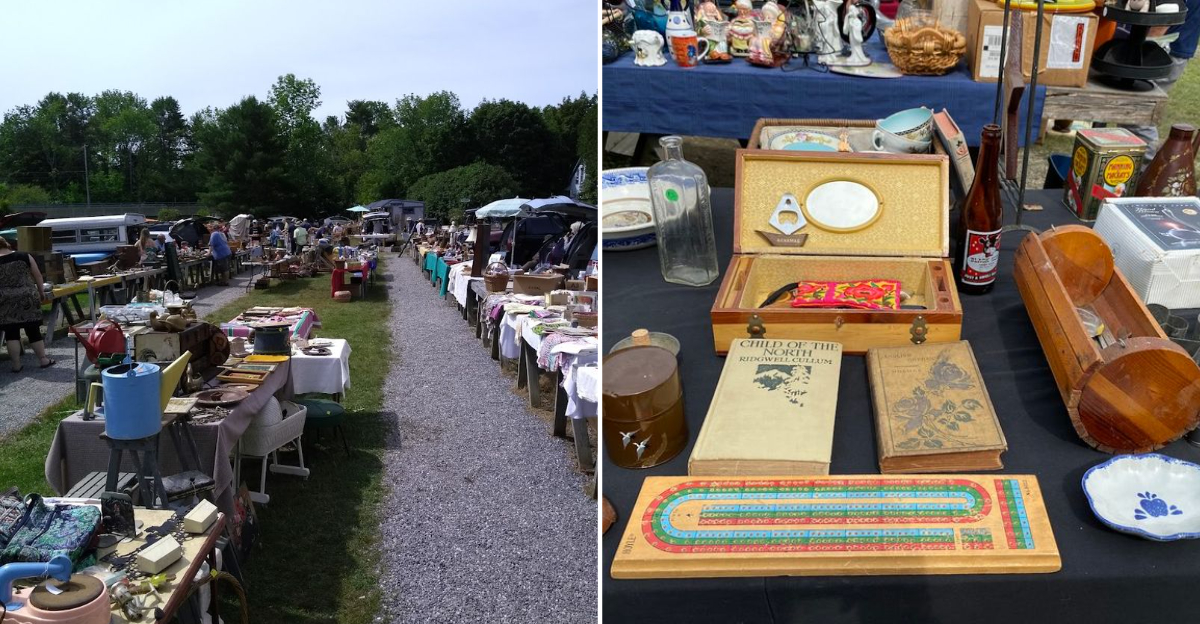
Half a century of Sundays and the setup still begins before dawn. That kind of longevity doesn’t happen without something worth showing up for on the other end of it.
Maine flea market culture has its landmarks, and this one sits at the top of that conversation without needing to make the case for itself.
The vendors who have held their spots for decades anchor an event that newer arrivals still measure themselves against.
Inventory that spans generations because the market itself has. Objects that passed through enough hands to arrive here carrying a history that no price tag adequately reflects.
Regulars who have been coming since before some of the current vendors were born treat each visit with a familiarity that first timers pick up on immediately and find themselves wanting to earn.
History Of Weekly Markets In Maine
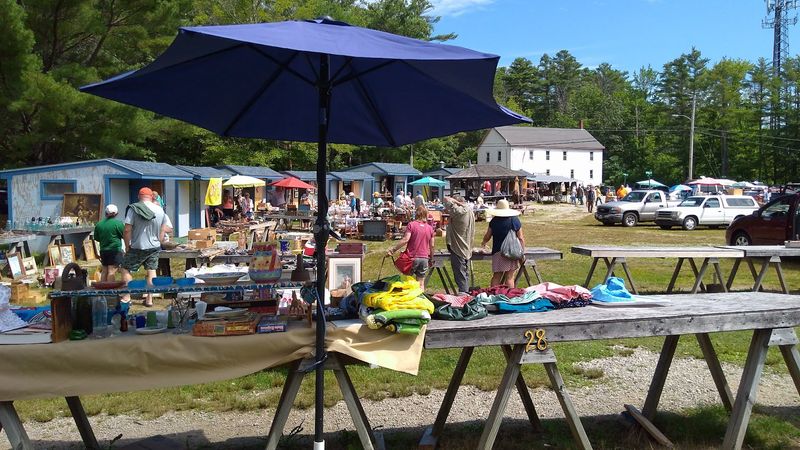
This place did not just appear overnight. It started on Mother’s Day weekend in 1977, founded by Norma Hunnewell Scopino, right on the family land in Woolwich.
That is nearly five decades of vendors, bargains, and early morning arrivals before the best stuff disappears.
Maine has always had a strong culture of outdoor markets. Farmers, craftspeople, and collectors have long used open-air spaces to trade goods.
Weekly markets became a reliable rhythm for communities across the state, especially in mid-coast towns where neighbors could gather without driving to a city.
Montsweag grew into the largest outdoor flea market in mid-coast Maine. After Scopino passed in February 2013, her daughter Gena Kilkenny kept it running until her own passing in late 2022.
The market closed during the 2020 pandemic, reopened briefly, then sat idle after 2022. In 2025, the Jones Family, owners of F.O.
Bailey Company, the oldest running business in Maine, stepped in and brought it back to life with fresh renovations and new energy.
You can find the market at 6 Hunnewell Lane, Woolwich, ME 04579. The story of this market is really the story of Maine itself: resilient, community-rooted, and worth the drive every single time.
Types Of Items Commonly Found At Markets
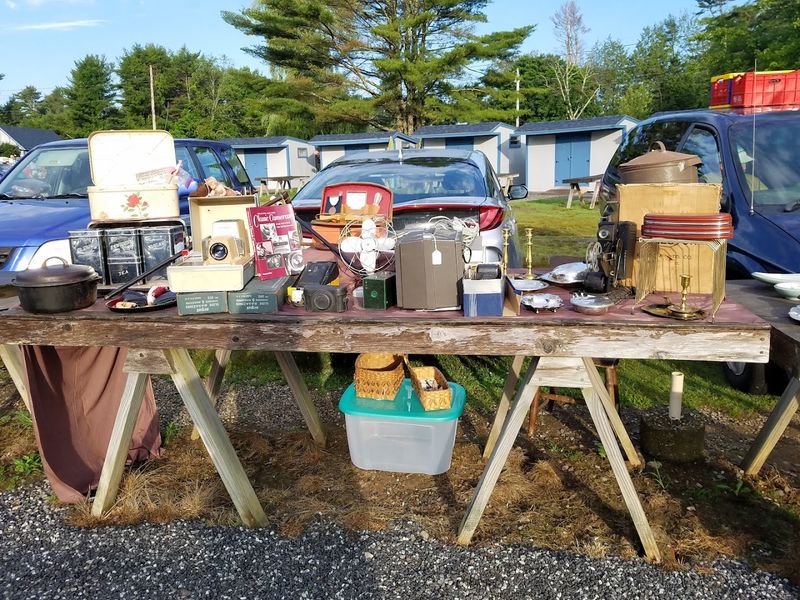
Antique furniture is one of the first things you notice at Montsweag. Big wooden dressers, old rocking chairs, and side tables with real character show up regularly.
Wednesday is officially Antique Dealer Day, so that is your best shot at serious vintage finds.
Beyond furniture, you will spot vintage tools that look like they belong in a museum. Old hand planes, cast iron skillets, and farm equipment pieces sit alongside boxes of paperback novels and stacks of vinyl records.
Toys from past decades are also a consistent draw, especially for collectors hunting specific pieces.
Clothing, artwork, and handmade goods round out the mix nicely. Some vendors bring original paintings or photography prints.
Others show up with bins of costume jewelry or shelves of glassware. The inventory changes every single week because vendors rotate in and out.
That unpredictability is honestly part of the fun. You never walk the same market twice.
With space for up to 125 tables, there is always enough variety to keep you wandering. Budget extra time because an hour goes fast when every table looks different from the last one.
Tips For Negotiating At Markets
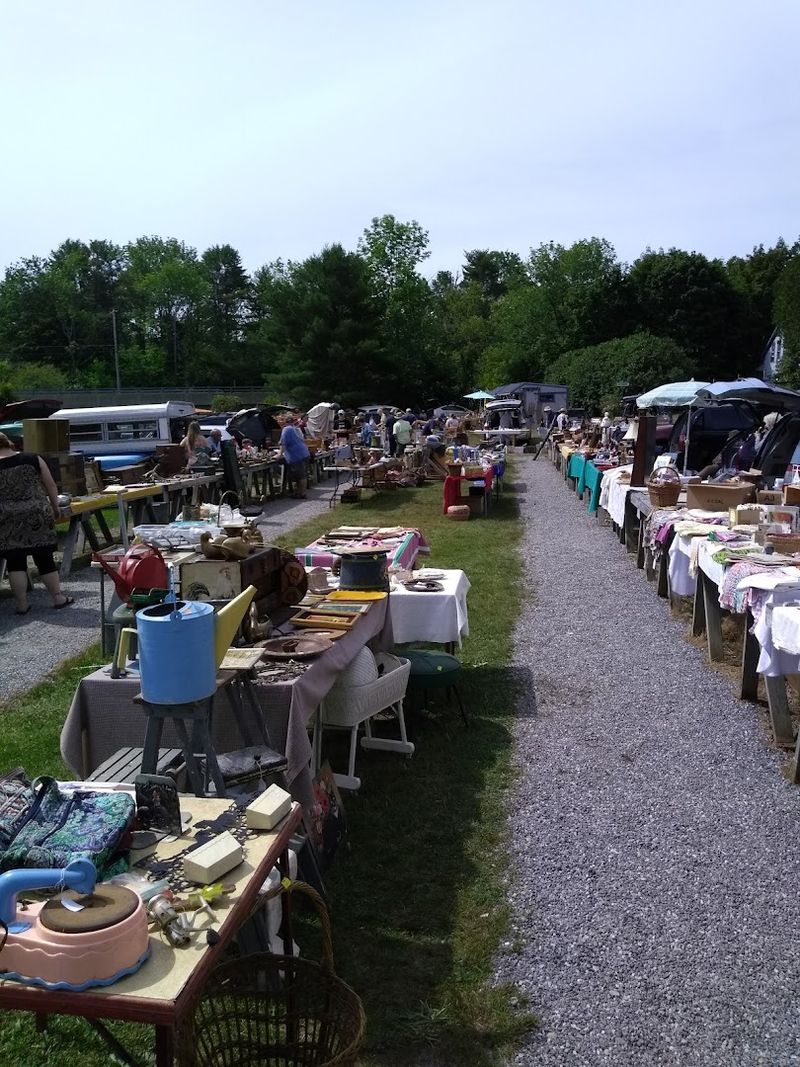
Arriving early is your single biggest advantage at any outdoor flea market. At Montsweag, vendors start setting up before 8 a.m., and the best items move quickly.
Getting there right when the gates open on a Saturday gives you first pick of everything on the tables.
Cash is still king at most flea markets. Not every vendor has a card reader, and carrying small bills makes transactions smoother for everyone.
Bringing a mix of fives, tens, and twenties shows you are ready to deal without making anyone scramble for change.
When you spot something you want, stay calm about it. Showing too much excitement before asking the price rarely works in your favor.
A simple, friendly question, like asking if the price is firm, goes a long way. Most vendors at Montsweag are approachable and willing to work with buyers, especially later in the day when they prefer selling over packing up.
Bundling multiple items from one vendor also opens doors for better deals. Asking for a price on everything together often results in a discount.
Keep the conversation light and respectful, and negotiations tend to go smoothly without any awkwardness.
How Markets Support Local Artisans
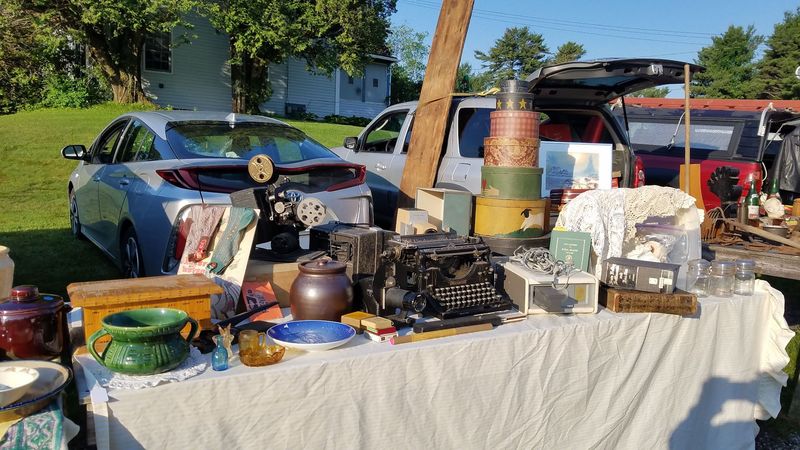
Local artisans rely on markets like Montsweag to reach buyers without the overhead of a storefront. Setting up a table costs far less than renting retail space, which means smaller makers can actually afford to sell their work.
That accessibility matters enormously for craftspeople just starting.
The vendor community at Montsweag includes both regulars who return every week and occasional sellers who come when their inventory is ready. This mix keeps the atmosphere fresh while giving consistent makers a reliable income stream.
Some vendors have been showing up for years, building loyal customer bases one Saturday at a time.
Buyers who shop at markets directly support those individuals rather than large corporations. Every purchase goes straight to the person who made or sourced the item.
That direct exchange builds real connections between makers and the people who appreciate their work. Artisans also get immediate feedback on what sells and what does not, which helps them improve their offerings over time.
Markets like Montsweag essentially function as a low-risk testing ground for creative small businesses.
Supporting them keeps local craft traditions alive in Maine and ensures the market remains a place where original, handmade goods can still compete with mass-produced alternatives.
Seasonal Trends In Offerings
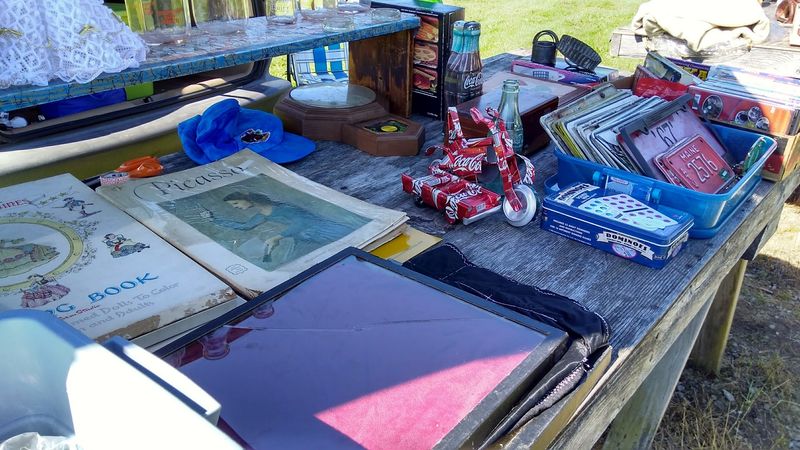
Montsweag runs seasonally, typically from May through late fall, with the 2026 season scheduled from May 2 to September 27.
The timing follows Maine’s outdoor season, which means the market peaks during the warm months when vendors and shoppers both want to be outside.
Early in the season, spring cleaning finds dominate the tables. Furniture, household goods, and garden items appear in abundance as sellers clear out winter storage.
It is a great time to find practical pieces at reasonable prices before summer demand picks up.
By midsummer, the inventory shifts noticeably. Tourists passing through on Route 1 bring different buying energy, and vendors adjust their stock accordingly.
More decorative items, artwork, and coastal-themed goods tend to appear. Collectibles and vintage clothing also peak during the summer months when foot traffic is highest.
As fall approaches, the selection leans back toward tools, books, and heavier goods. End-of-season shopping can mean better prices as vendors prefer not to haul everything home.
Wednesdays remain the dedicated antique dealer day year-round during the open season. Knowing which time of year matches what you are hunting for makes a big difference in what you walk away with from Montsweag.
The Role Of Community At Weekly Markets
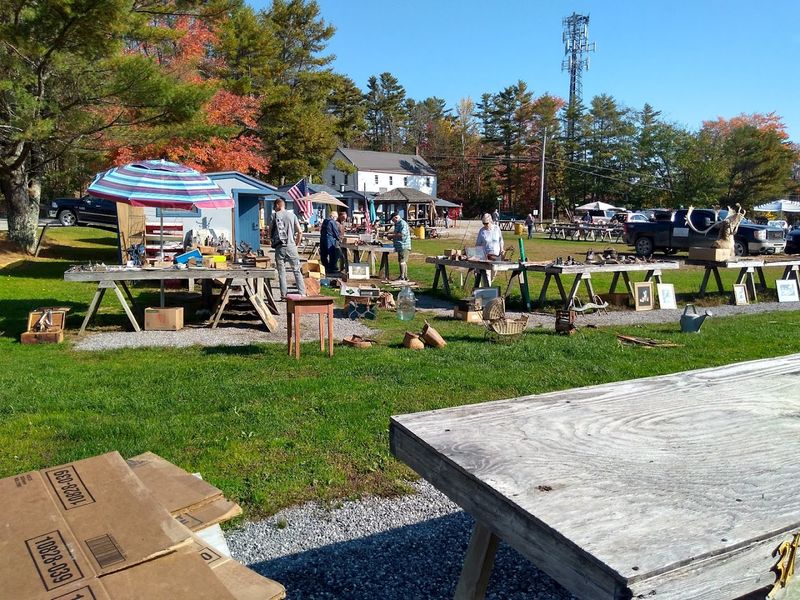
Montsweag has always been more than a place to buy and sell things. Regular vendors know each other by name.
Long-time shoppers recognize familiar faces every week. That social fabric is something you can feel the moment you walk onto the grounds on a busy Saturday morning.
The market draws both locals from the surrounding mid-coast towns and visitors traveling along Route 1. That combination creates an interesting energy.
Neighbors catch up while tourists discover something unexpected. Everyone is moving at the same relaxed pace, which makes conversation easy and unhurried.
Weekly markets build community in ways that are hard to replicate anywhere else. There is no algorithm deciding what you see.
No targeted ads pushing products at you. Just real people with real stuff, having real conversations.
Vendors who show up consistently become familiar presences in the community. Shoppers who return regularly become part of the rhythm of the place.
After the Jones Family revived Montsweag in 2025 with new vendor tables, improved parking, and updated signage, that community spirit came right back with it.
The market quickly reminded everyone why it had been a mid-coast institution for so many years in the first place.
Sustainable Practices Within Culture
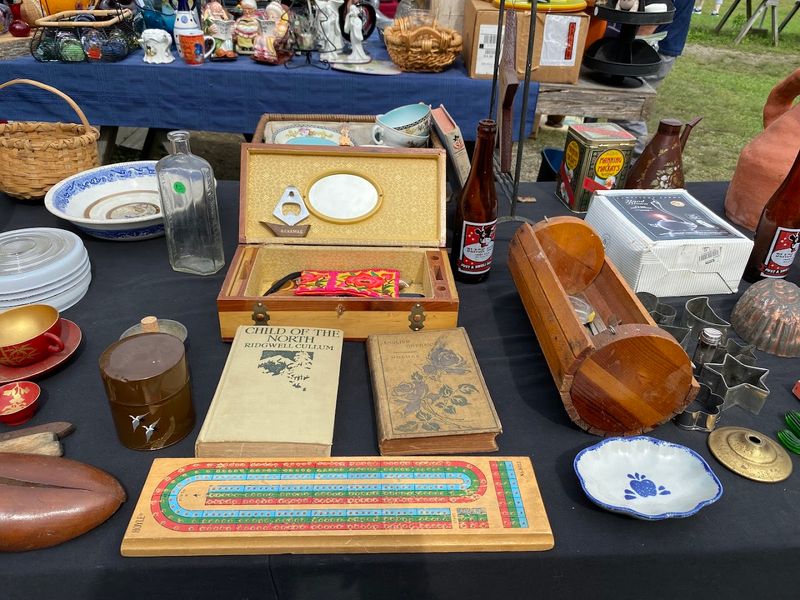
Buying secondhand is one of the most straightforward ways to reduce waste. Every item purchased at Montsweag is something that does not end up in a landfill.
That simple math makes flea market shopping one of the more genuinely sustainable habits a person can build into their routine.
Vintage tools, old furniture, and pre-owned clothing all carry embodied energy from their original production. Extending the life of those items through resale avoids the environmental cost of manufacturing something new.
Flea markets make that circular economy work at a very human, accessible scale.
Markets like Montsweag also support local economies rather than global supply chains. Buying from a Maine vendor keeps money circulating closer to home.
The market even had recycling and garbage cans available on site, which reflects a basic but meaningful commitment to keeping the grounds clean.
The gravel parking area added during the 2025 renovation also improves drainage and reduces erosion compared to bare dirt lots. None of these are grand gestures, but they add up.
Shopping at an outdoor market, bringing your own bag, and choosing a used item over a new one are small choices that collectively make a real difference over time.
Family Friendly Activities At Weekly Markets
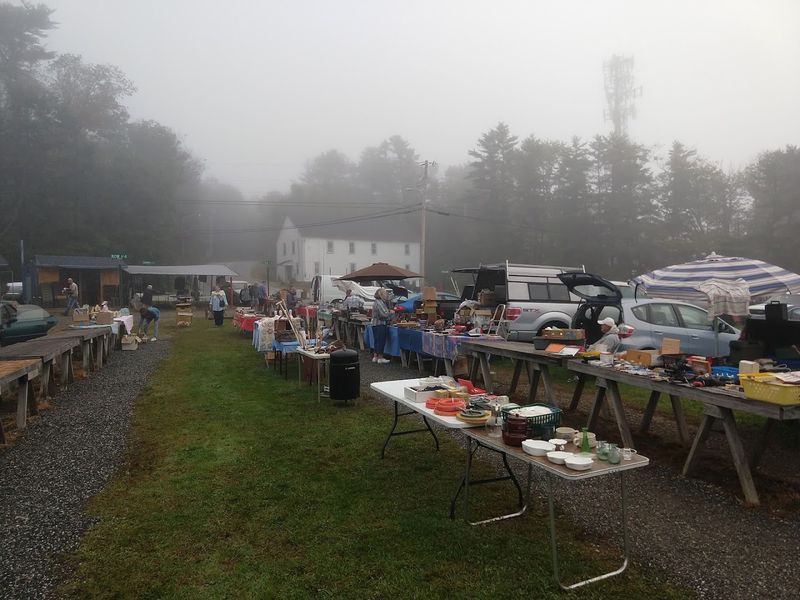
Bringing kids to Montsweag is genuinely a good time, as long as you plan for the terrain. The market is outdoors on gravel and grass, so comfortable walking shoes are a must for everyone in the group.
Strollers can be tricky on uneven ground, so keep that in mind when packing up the car.
Kids tend to love the treasure hunt aspect of flea markets. Vintage toys, old comic books, and unusual gadgets catch their attention in ways that modern stores rarely do.
Finding something weird and old is basically a game, and children are surprisingly good at it.
The open outdoor space gives families room to spread out and explore at their own pace. There is no crowded indoor mall feeling here.
Everyone moves freely between tables, and the relaxed atmosphere makes it easy to let kids browse without stress. The concession stand, which the new owners planned to reopen, adds another reason to linger longer.
Packing snacks is still a smart backup plan. Arriving early on a Saturday gives families the most vendor variety and the best energy of the day.
Plan for a few hours at minimum, because the market rewards slow, unhurried exploration from one end of the field to the other.