
The Maryland Amish-Style Restaurant Where You Can Eat All You Want For One Surprisingly Low Price
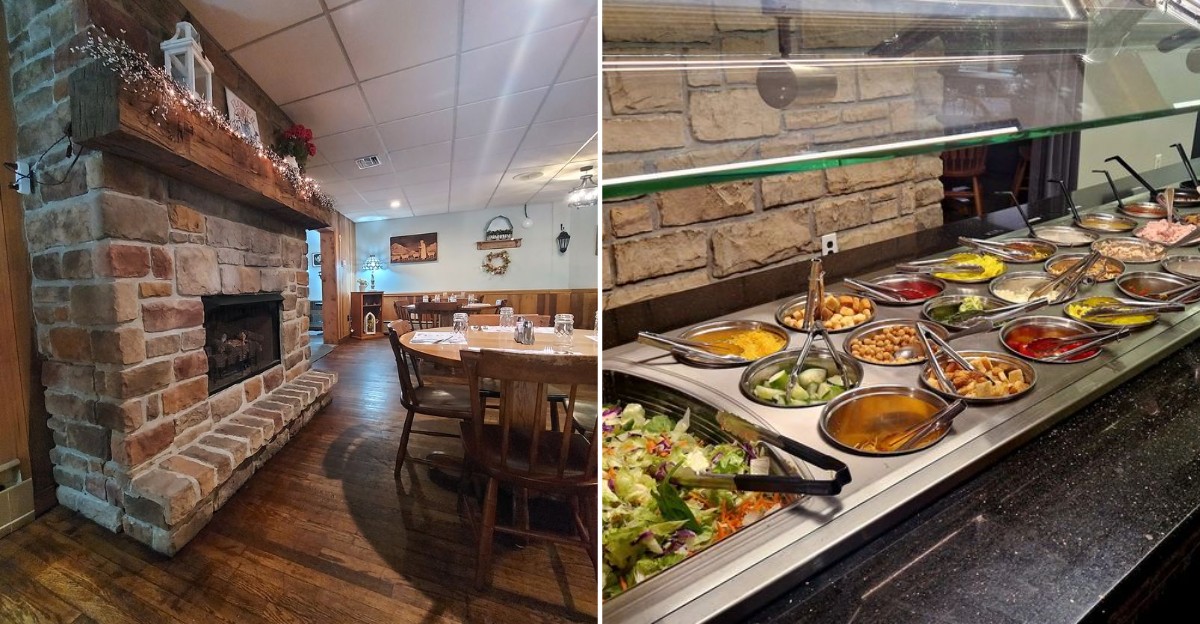
Amish cooking rarely gets served buffet-style, yet this Maryland restaurant built its entire concept around exactly that unlikely combination. Dishes here follow traditional recipes, simple and hearty rather than reinvented for a modern crowd.
Trays stretch across the room, refilled consistently throughout busy meal hours. Nothing sits under heat lamps long enough to lose its flavor or texture.
Families stretch their visit here, sampling dishes most buffets elsewhere simply don’t offer. Regulars know which items sell out fastest and plan their plates accordingly.
The price stays surprisingly low, a detail the owners never bothered to adjust despite rising demand. This restaurant proved that sometimes the best value comes wrapped in the simplest tradition.
A Log Stagecoach Stop Turned Dining Room
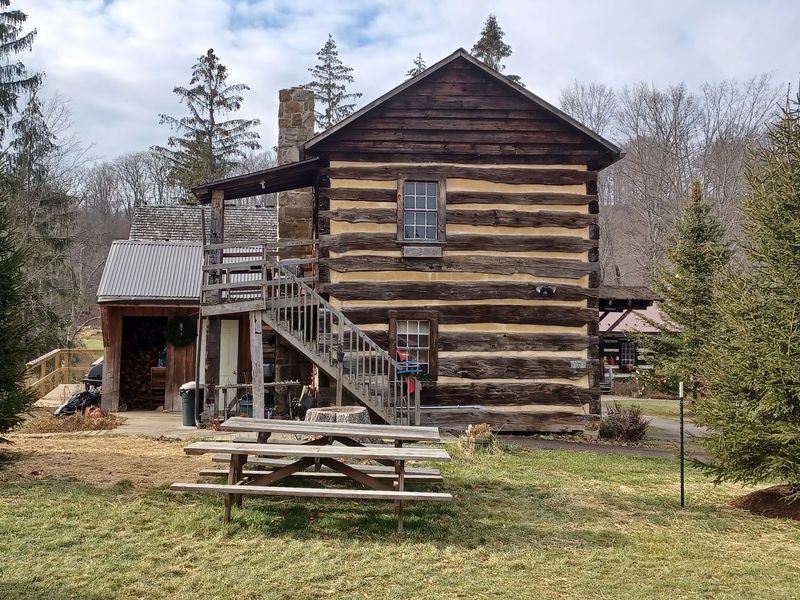
Long before anyone was refilling iced tea here, this building was the Little Crossings Inn, a log stagecoach stop where weary travelers on the National Road pulled over to rest. Three of the six dining rooms today were part of that original inn.
Those old walls are not decoration. The hand-hewn logs and low ceilings are the real thing, which means diners are eating inside a piece of American road history without paying an admission fee.
The building sits in a rather remarkable spot, wedged between a gristmill dating to 1797 and the Casselman River Bridge. Not many restaurants can claim neighbors that old.
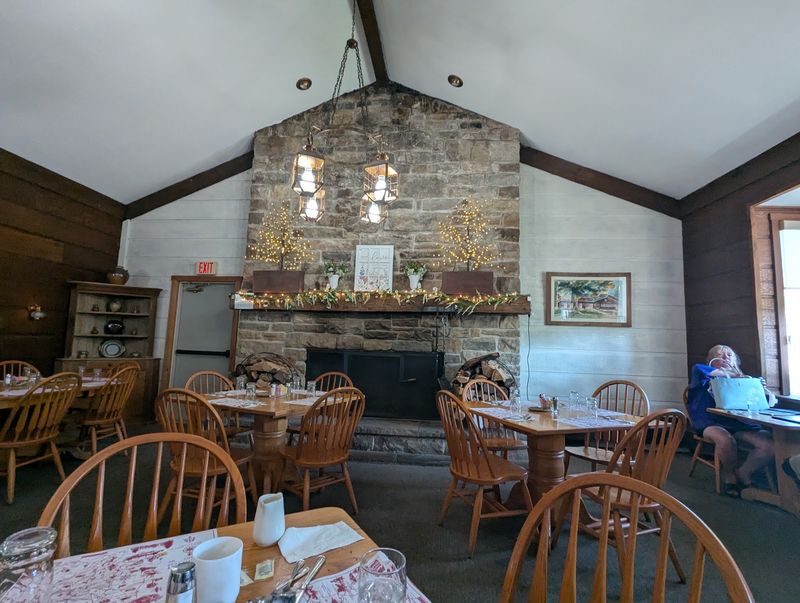
Each dining room has its own personality, and a few have names that stick with people. The Swiss room catches sunlight beautifully in the afternoon, and it tends to be the one folks request when they call ahead.
There is something funny about the fact that a place built to serve travelers in the 1800s is still doing exactly that, only now the horses are minivans coming off I-68. The mission never really changed.
Six dining rooms also mean large groups get handled without much drama. Family reunions, birthday lunches, and holiday gatherings all fit comfortably here.
Find it at 125 Casselman Rd, Grantsville, MD 21536.
Weekend Buffets Worth Planning Around
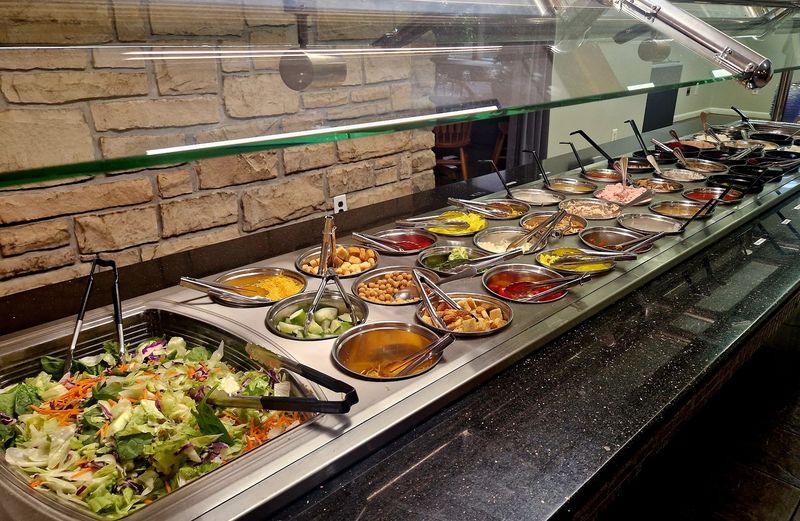
Fridays, Saturdays, and Sundays are the big days. That is when the all-you-can-eat buffet opens up, and the spread leans hard into classic country cooking rather than trendy anything.
Fried chicken shows up. So does roast beef, mashed potatoes with brown gravy, stuffing, and whatever vegetables the kitchen felt like putting out that day.
Friday has a seafood angle that people specifically drive in for, which is a bit unexpected for a mountain town three hours from the coast. It works anyway.
The buffet is not a mile-long trough of forty different casseroles, and honestly that is part of the charm. Fewer options, all of them made well, means nobody walks away picking at a sad plate of mystery pasta.
Weekend crowds are real, especially around midday, so arriving a little early or a little late saves some waiting. Doors open at 11 in the morning most days.
Holidays turn this place into a full-blown family headquarters. Easter, in particular, sees relatives packing the dining rooms because somebody’s house is too small and nobody wants to cook.
Servers keep drinks filled and clear used plates fast, which matters more than people realize on a buffet run. Nobody wants a stack of eight plates guarding their elbow while they eat cobbler.
The Soup And Dessert Bar Runs Daily
Missed the weekend? No problem. The soup, salad, and dessert bar is available every single day the doors are open, and plenty of people treat it as the entire meal.
It is genuinely big. Fresh vegetables, beans, pickled things, a wall of dressings, and fruit salad all get their own real estate.
German vegetable soup has become something of a signature, and the soup rotation in general has convinced skeptics who claim good soup is hard to find in America. Bold claim, but the evidence is in the bowls.
Order an entree from the menu and salad bar access usually comes along with it, which turns a sandwich order into a much bigger event than expected.
The dessert section is where discipline goes to die. Blackberry cobbler gets the most attention, though the oatmeal cake and puddings have their own loyal following.
Everything on the dessert bar is made in-house, and it tastes like it. Nothing has that shiny, factory-frosted look that screams shipped-in frozen.
For anyone traveling with picky eaters or folks who just want something light, the daily bar solves the whole problem. One trip covers vegetarians, big appetites, and the kid who only eats bread and fruit.
German Roots Baked Right Into The Menu
Here is a detail that explains a lot about the food. The non-profit behind this place was chartered by Amish and Mennonite members whose families carried German ancestry, and that heritage shaped the recipes.
You can taste it in the sauerkraut, the hearty soups, and the general lack of interest in anything fussy or overly delicate.
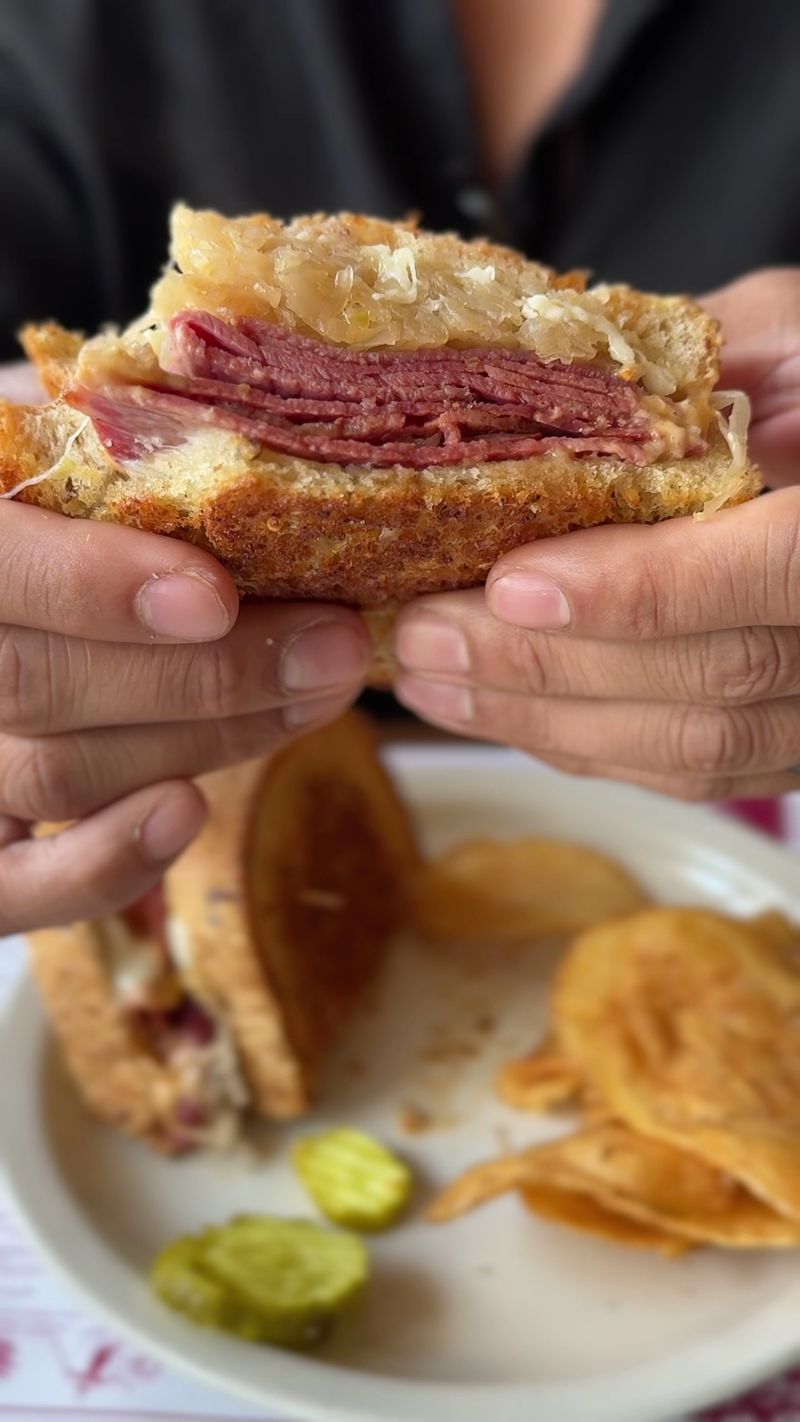
The Reuben has become the item people mention constantly, built on homemade bread with sauerkraut that tastes like somebody actually cared about fermenting it properly. It gets ordered by people who already ate here yesterday.
Homemade potato chips come alongside sandwiches, thick and crispy rather than thin and greasy. They are the kind of side that gets stolen off other people’s plates.
Beyond the buffet, the regular menu covers turkey dinners, roast beef, open-faced sandwiches, cheeseburgers made with fresh ground beef, and fried shrimp. There is even a chickpea burger for the non-meat crowd.
Coleslaw, mashed potatoes, stuffing, and rolls in both wheat and white round things out. Simple stuff, executed carefully.
Amish-inspired cooking gets thrown around loosely these days, but this kitchen has an actual paper trail connecting it to the community it draws from. That authenticity shows up on the plate rather than just the sign out front.
A Craft Shop Backed By Many Artisans
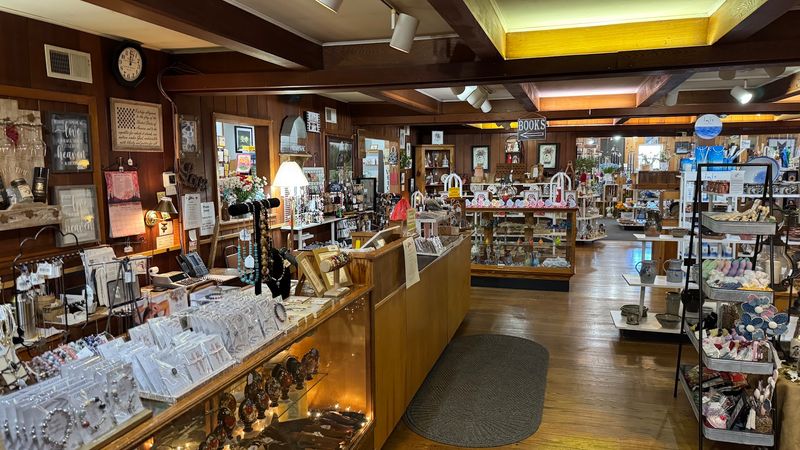
Right off the lobby sits a craft shop that represents more than 2,500 regional artisans from the tri-state area. That number is not a typo.
Quilts, pottery, hand-crafted soaps, woodwork, and all manner of handmade goods fill the shelves. It is easy to lose twenty minutes in there before or after eating.
What makes it matter is that many of those artisans genuinely rely on the income these sales bring in. Buying a bar of soap here is closer to supporting a neighbor than grabbing a souvenir.
Alta Schrock founded the whole operation in 1958 with exactly this idea in mind, wanting to give local cottage industries a real place to sell their work. The restaurant followed in 1959 to help fund the vision.
So the food and the crafts were always meant to work together. One pays for the other, and both keep regional traditions from quietly disappearing.
The shop is a solid stop for holiday gifts, especially if you would rather hand someone a handmade quilt than a gift card. Prices vary by artisan and item.
Even folks who claim they hate shopping tend to wander through. Something about handmade pottery next to a plate of cobbler makes browsing feel less like a chore.
Spruce Forest Artisan Village Sits Out Back
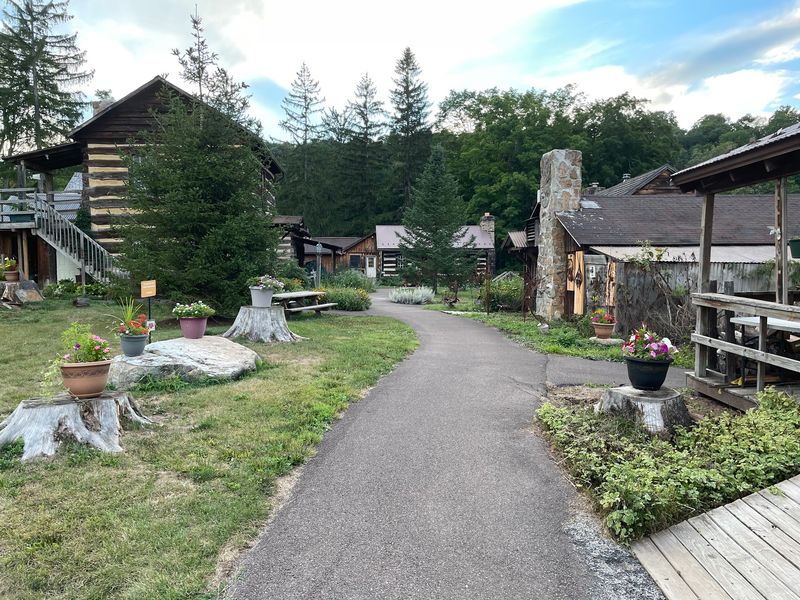
Behind the restaurant, roughly a dozen restored log and frame buildings make up Spruce Forest Artisan Village. Some of the structures date back to the Revolutionary War era.
They are not empty museum props either. Professional artisans use them as working studios, so visitors can watch traditional crafts happen in real time.
The House of Yoder is the standout for history buffs. Massive hand-hewn beams, wide plank floors, a stone fireplace, a weaving loom, antique furniture, old schoolbooks, and genealogy displays fill the rooms.
Walking through it feels much closer to the 1700s frontier than to a modern afternoon out. Volunteers have clearly poured serious effort into keeping the details right.
Gardens wind between the buildings, and the whole campus makes a lunch stop stretch into a half-day easily. Plenty of visitors arrive planning to eat and end up staying for hours.
Down the path sits the Casselman River Bridge, built between 1813 and 1815. It was once considered the longest single-span stone arch bridge in the country and carried traffic on the National Road.
Combine the bridge, the 1797 gristmill, the village, and the restaurant, and you have one of the more unusual clusters of history anywhere in western Maryland. All of it walkable.
Service That Keeps The Glasses Full
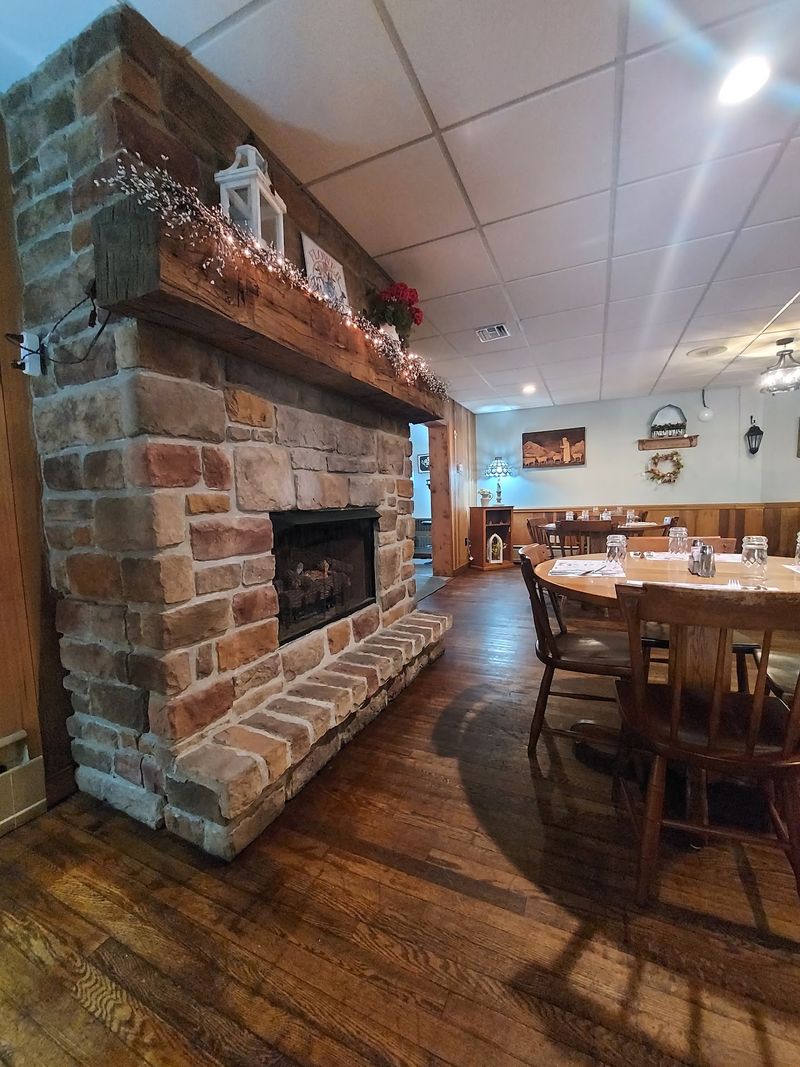
Buffet restaurants live or die on how fast the drinks get refilled, and this crew handles that part well. Iced tea glasses rarely sit empty for long.
Plates get cleared quickly too, which keeps tables from turning into towers of used dishes halfway through a meal.
Large parties seem to get absorbed without much fuss. Groups of nine or more have been seated and fed hot food quickly, which suggests the kitchen and floor staff communicate better than most.
The overall vibe leans warm rather than polished. Nobody is reciting a rehearsed script about the chef’s vision, and that is honestly refreshing.
Hours run from 11 in the morning to 8 in the evening, seven days a week, though calling ahead is smart if you are driving a long distance. Closing time can shift.
Takeout is available for anyone in a hurry, but the dining rooms are really where this place shines. Sitting inside a former stagecoach inn beats eating in a parking lot every single time.
Holiday Trolleys And Seasonal Traditions
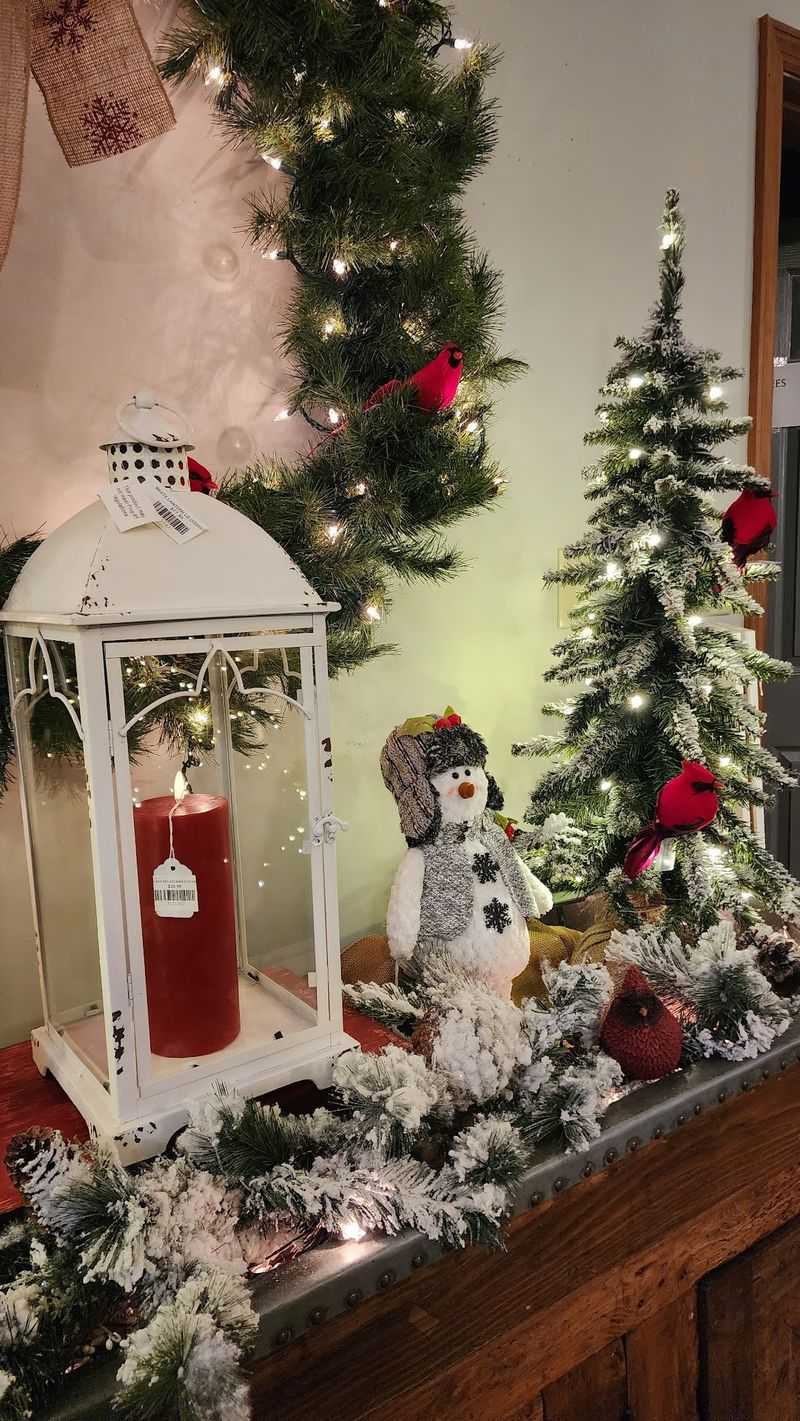
December turns the whole campus into an event. A trolley runs from Grantsville Park over to the restaurant, and families make a full afternoon out of the ride plus the activities waiting on the other end.
Holiday decorations go up around the artisan village, and the log buildings look particularly good with a little snow on them.
For a lot of local families, the trolley trip has become a yearly tradition rather than a one-time novelty. Kids remember it, which is the whole point.
Fall brings its own appeal, with mountain foliage surrounding the buildings and heartier soups landing on the daily bar. The drive alone justifies the trip in October.
Summer is prime travel season, so weekends fill up with road trippers coming off I-68 who spotted the sign and decided to gamble. Most end up glad they did.
Easter and Thanksgiving see big family bookings, since the six dining rooms handle crowds that would never fit in a normal house.
Whatever the season, the mission stays the same one Alta Schrock set out in 1958. Feed travelers, support local artisans, and keep a piece of the National Road alive.
Not a bad thing to accomplish while serving cobbler.