
The Maryland Shore Restaurant Where Endless Crab Feasts Have Become A Weekend Tradition
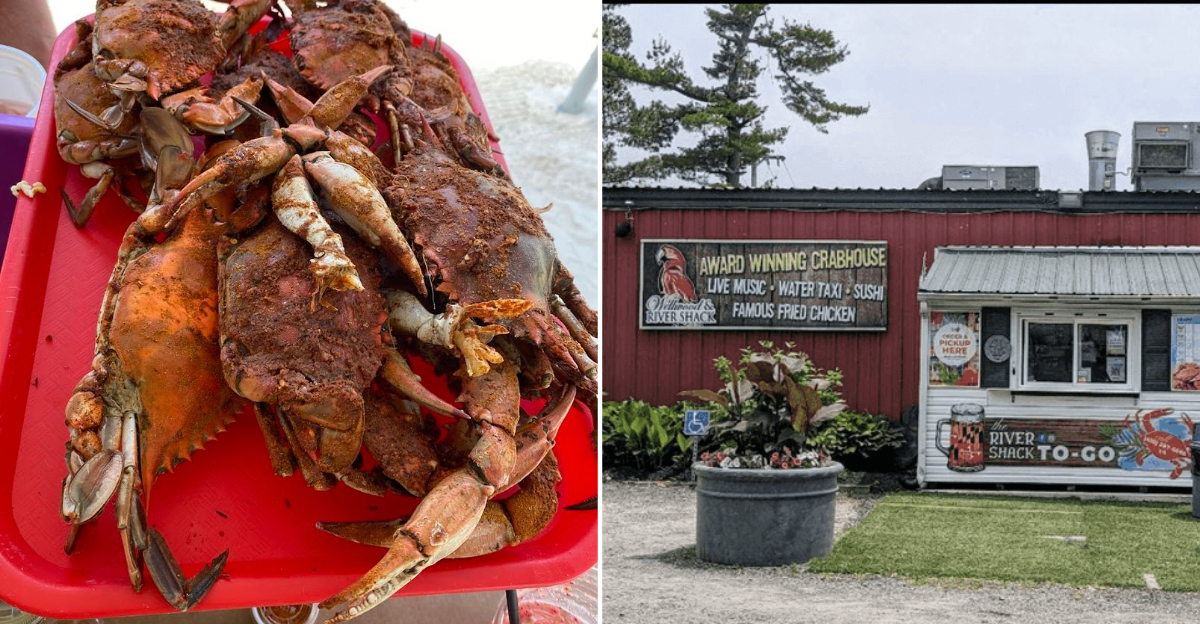
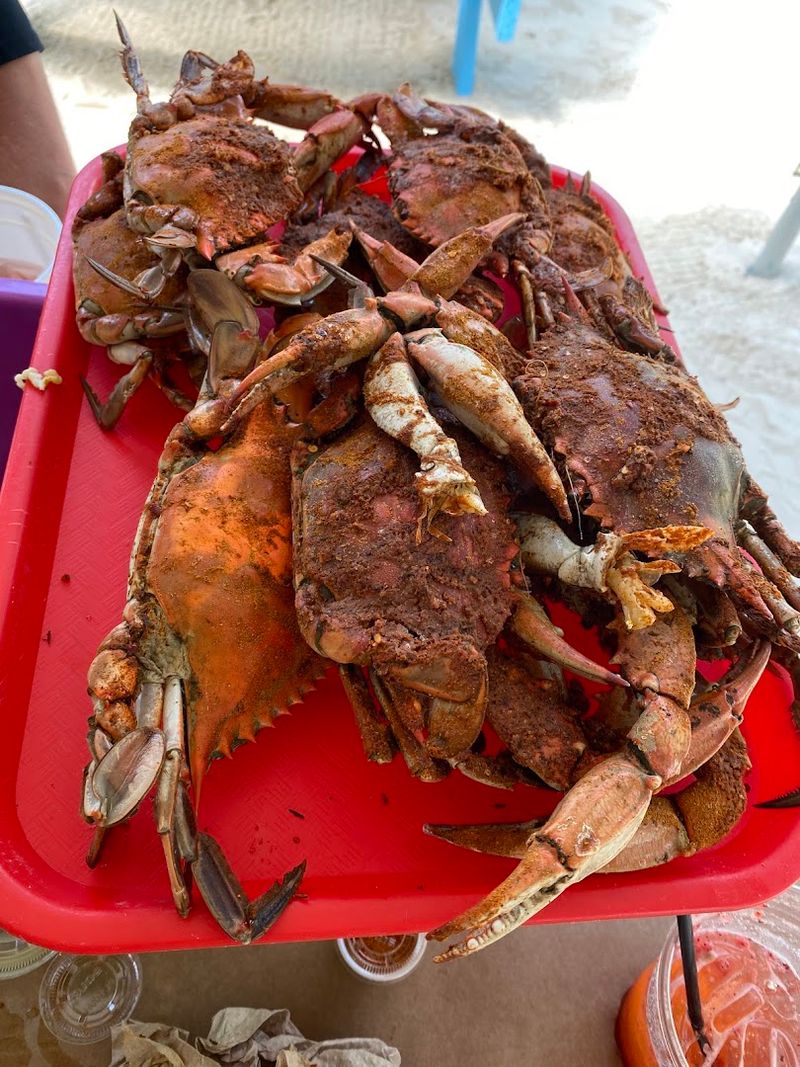
Brown butcher paper rolls out across long tables like a runway for a coming avalanche. Red plastic baskets hit the wood with a heavy clatter, overflowing with blue claws coated in thick spices.
It feels like a chaotic local festival, but this is just a normal Saturday afternoon routine. This specific dockside kitchen in Maryland anchors a local obsession that dictates how thousands of people spend their Saturdays.
Strangers quickly drop their polite manners to crack shells with heavy wooden mallets. Steam swirls toward the rafters as kitchen staff dump another boiling batch directly onto the paper.
Groups who arrived for a casual bite end up staying until the sun dips below the water line. The piles of empty shells grow high enough to block your view of the next table over.
History Of Crab Feasts On The Maryland Shore
Crab feasts did not just appear out of nowhere on the Maryland Shore. They grew slowly, shaped by generations of watermen pulling blue crabs from the Chesapeake Bay.
Communities built entire summer rituals around those hauls.
Back in the early 20th century, refrigeration changed everything. Crab houses started popping up along the water.
People who once ate crabs only near the docks could now gather almost anywhere the season allowed.
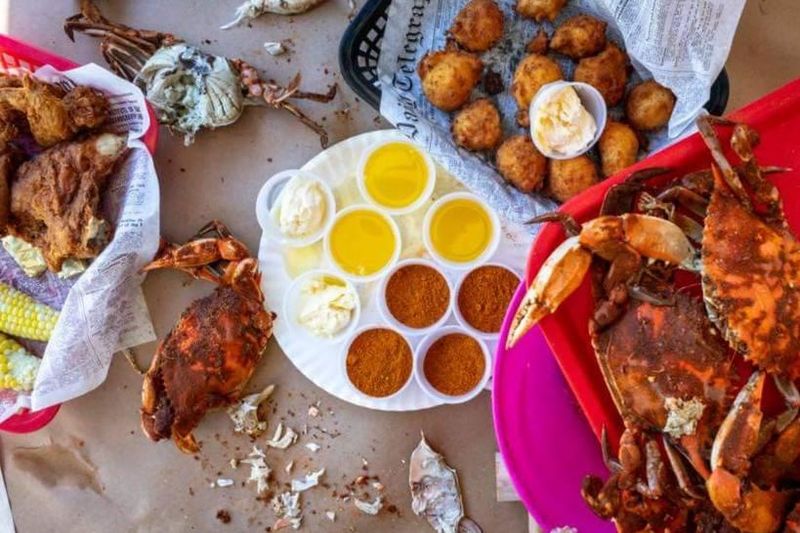
The tradition became less about survival and more about community. Long tables, loud conversation, and newspaper-covered surfaces became the signature setup.
You did not need anything fancy. You just needed crabs, seasoning, and good company.
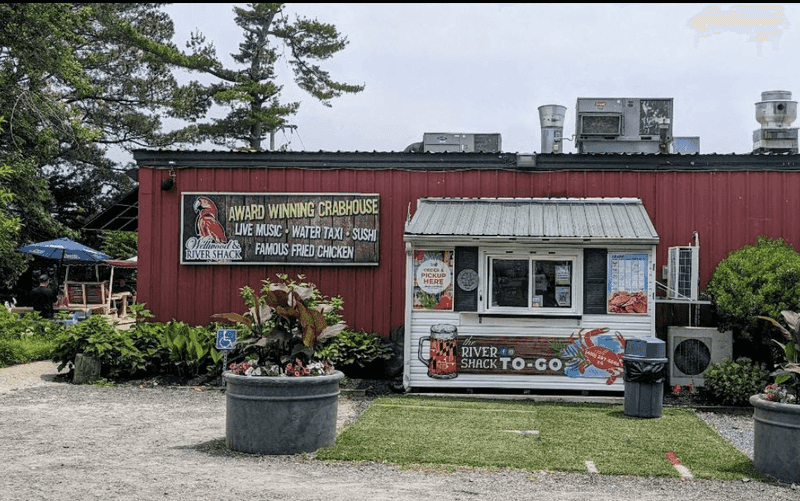
The River Shack carries that same spirit forward today. It sits right at 121 Frederick St, Charlestown, MD 21914, close enough to the water that you can feel the whole history of Maryland shore dining around you.
The setting is casual on purpose. Sand underfoot, open air, and a menu built around what the region does best.
This is not a new concept dressed up to look old. It is the real thing, still going strong on the northern end of the Chesapeake.
Weekend after weekend, people make the drive out to Charlestown just to be part of something that has been happening here longer than most of us can remember.
Popular Crab Preparations And Recipes
Maryland has opinions about crabs. Strong ones.
And the biggest one is this: you steam them, you do not boil them. Boiling washes away the flavor.
Steaming locks it in.
The classic method uses a mix of water and vinegar in the pot. Crabs go in layered with seasoning, usually Old Bay or J.O.
Spice. They cook until the shells go bright red and the whole place smells incredible.
At The River Shack, the crab cake situation deserves its own conversation. Broiled crab cakes here have surprised more than a few people who assumed fried was the only way to go.
The crab meat is fresh, and the preparation lets it actually taste like crab instead of filler.
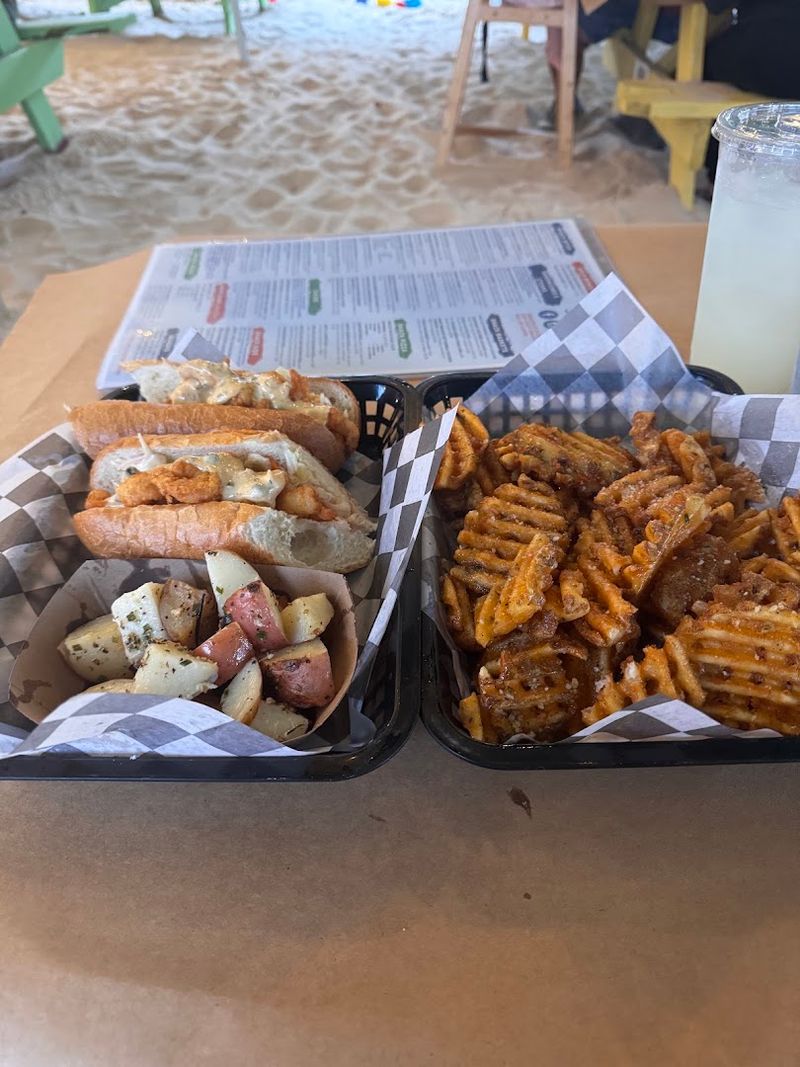
Beyond steamed crabs and crab cakes, the menu moves through crab fries and seafood plates that keep things interesting. Fish bites, shrimp tacos, and crab cake platters round out the options for people who want variety alongside their main event.
The kitchen does not overthink it. Good ingredients, solid technique, and seasoning that makes sense for the region.
That is the formula. Maryland crab cooking is not about complexity.
It is about honoring the ingredient. The River Shack understands that, and the plates coming out of that kitchen reflect it every single weekend the doors are open.
Seasonal Fresh Crab Availability And Sourcing
Blue crabs in Maryland are a seasonal thing, and that is part of what makes them worth waiting for. The season officially runs from April through mid-December.
But not all months are created equal.
September through November tends to bring the fattest, heaviest crabs of the year. Summer months like July and August are also solid.
Earlier in spring, the crabs are smaller, and the crowds are lighter.
During the off-season, crabs may come from the Carolinas or Louisiana to fill the gap. Maryland purists will tell you there is a difference.
They are not entirely wrong. The Chesapeake Bay produces a specific kind of blue crab that local watermen have been harvesting for centuries.
The River Shack operates seasonally, which tells you something important. They are not trying to be open year-round on frozen products.
When the doors are open, the seafood reflects what the region is actually producing. Friday through Monday are your windows to get in.
Hours vary by day, so checking ahead saves a wasted trip. The seasonal model keeps quality honest.
Restaurants that close in fall and winter are usually the ones that care most about what lands on the table. Charlestown locals know this rhythm well.
First-timers learn it fast. And once you taste the difference, you start planning your calendar around crab season like everyone else does up here.
Traditional Sides That Complement Crab Feasts
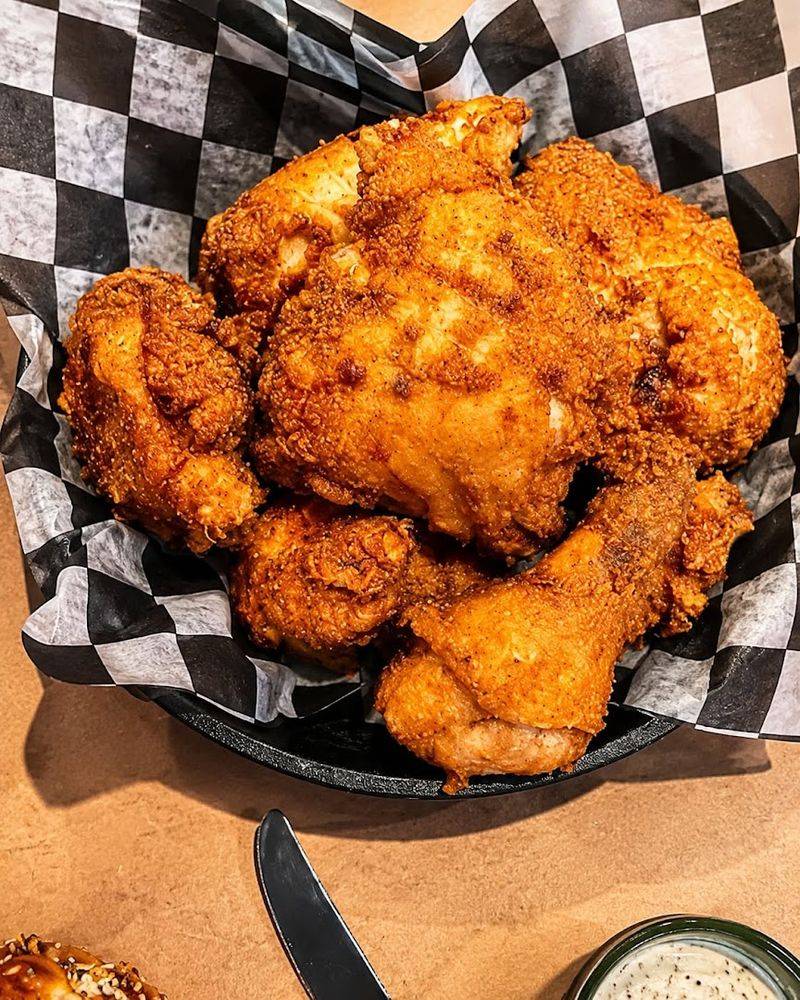
A crab feast without the right sides is just a pile of crabs. Good sides make the whole meal feel complete.
Maryland has its classics, and most of them show up at The River Shack in one form or another.
Corn on the cob is non-negotiable at a proper shore feast. It soaks up seasoning beautifully and gives your hands something to do between crabs.
Hushpuppies are another staple. Crispy outside, soft inside, and gone in seconds.
Coleslaw brings a cool contrast to all that heat and spice. Potato salad shows up at many traditional feasts, too.
These are not complicated dishes. They are the right dishes, built to balance the boldness of heavily seasoned crab.
The River Shack has run waffle fries seasoned with crab spice, which sounds like it should not work but absolutely does. Fried chicken has also been a crowd favorite here, especially in the all-you-can-eat format the restaurant became known for over the years.
The combination of crab and fried chicken sounds unusual until you see how naturally they share a table. Kids tend to attack the chicken.
Adults work through the crabs. Everyone leaves full.
That balance is not accidental. Shore restaurants figured out a long time ago that a great feast needs variety.
The River Shack keeps that tradition alive with sides that earn their spot on the table.
Family Friendly Dining Atmosphere At Shore Restaurants
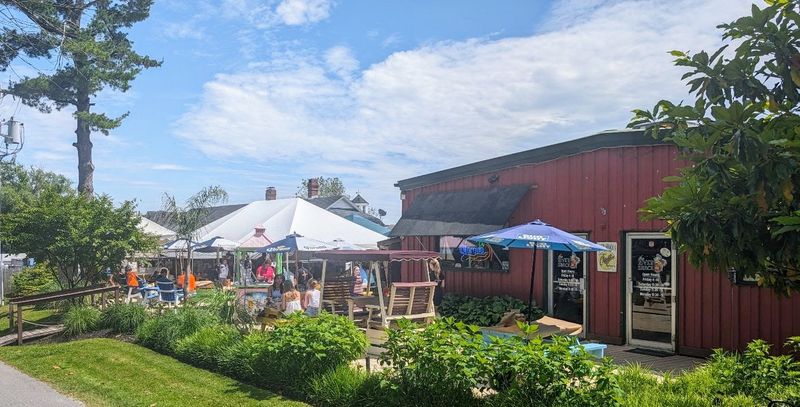
Crab feasts are loud, messy, and social by design. That is not a flaw.
That is the whole point. Shore restaurants built their identity around the kind of dining that does not require anyone to whisper or worry about dripping butter on a tablecloth.
The River Shack leans fully into that energy. The outdoor seating area has picnic tables sitting in actual sand.
Kids can dig around while adults work through a pile of crabs. There is a children’s menu and even some sand toys around to keep younger guests occupied.
Indoor seating with air conditioning exists for those who prefer it. But most people end up outside.
The open-air setup under tent coverage gives you shade without cutting off the waterfront feeling. Weekend live music adds another layer to the experience.
Dogs are welcome in the outdoor area too, which earns bonus points from a lot of regulars. Families that have been coming here for years describe it as the kind of place where nobody is overdressed, and nobody is underdressed.
You show up in shorts and sandals and fit right in. The atmosphere does not ask anything of you except that you show up hungry and ready to have a good time.
For parents especially, finding a place where kids are genuinely welcome and entertained without screens involved is rarer than it should be. The River Shack manages it naturally.
Tips For Enjoying A Crab Feast Like A Local
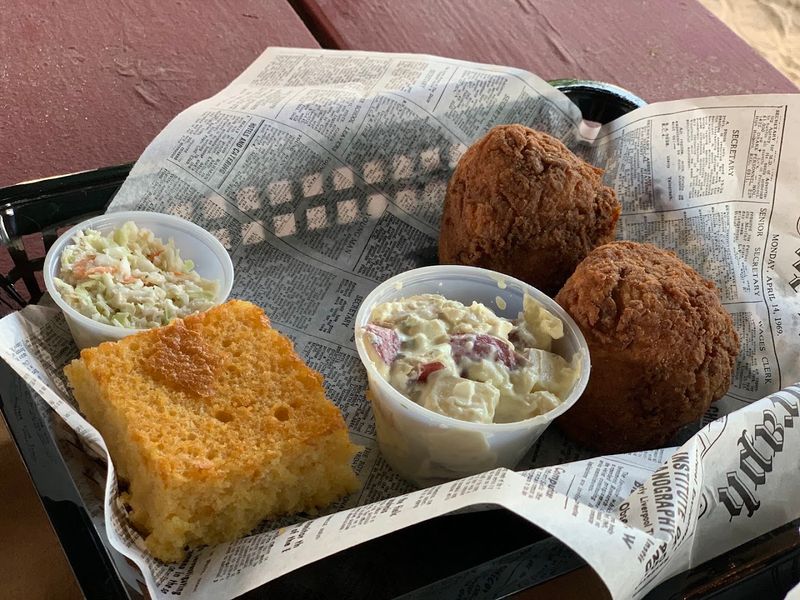
First rule of a crab feast: dress for the mess. Old Bay gets everywhere.
Wear something you are not attached to. Leave the white shirt at home.
Seriously.
Cover your table with newspaper or butcher paper before the crabs arrive. Most shore restaurants do this automatically, but knowing why helps.
The paper collects shells, soaks up seasoning, and makes cleanup a five-second job at the end.
When it comes to cracking, you need a wooden mallet and a crab knife. Flip the crab over, remove the apron, then pop off the top shell.
Pull out the gills, those gray finger-like things, and rinse or scrape out the innards. What is left is pure crab meat.
Locals eat methodically and without rushing. A crab feast is not fast food.
It is an event. Pace yourself, especially if all-you-can-eat is on the table.
The crabs are not going anywhere, and eating fast just means you miss the experience. Bring wet wipes or plan to use a lot of napkins.
Paper towels are your best friend here. Some people bring their own rolls.
That is not excessive. That is experienced.
First-timers at The River Shack often watch the table next to them for technique cues. Nobody judges.
Everyone was new once. The locals are usually happy to show you how it is done.
Ask questions. People here genuinely enjoy talking about crabs.
Health Benefits Of Including Crab In Your Diet
Crab meat is one of those foods that tastes indulgent but actually holds up nutritionally. High protein, low fat, and packed with nutrients that matter.
Maryland watermen have been eating it for generations, and there might be something to that.
Omega-3 fatty acids are a big part of the picture. These support heart health and brain function.
Crab delivers a meaningful amount without requiring supplements or complicated meal planning.
Vitamin B12 is another standout. It plays a direct role in neurological function and energy production.
A single serving of crab meat can cover a significant portion of your daily B12 needs. For people who do not eat red meat, seafood like crab fills that gap well.
Minerals round out the nutritional profile. Selenium, copper, and phosphorus all appear in crab meat in useful quantities.
Selenium, in particular, supports immune function and acts as an antioxidant. Copper helps with iron absorption.
Phosphorus contributes to bone health. None of this means you should eat crab every single day, but working it into your diet regularly makes nutritional sense.
The River Shack makes that easy by keeping the crab preparations relatively straightforward. Steamed crab with seasoning is not a heavy preparation.
The meat itself carries the nutritional value without a lot of added interference. Fresh sourcing matters here too.
The closer to the water, the better the product tends to be.
Sustainability Practices In Maryland Crab Harvesting
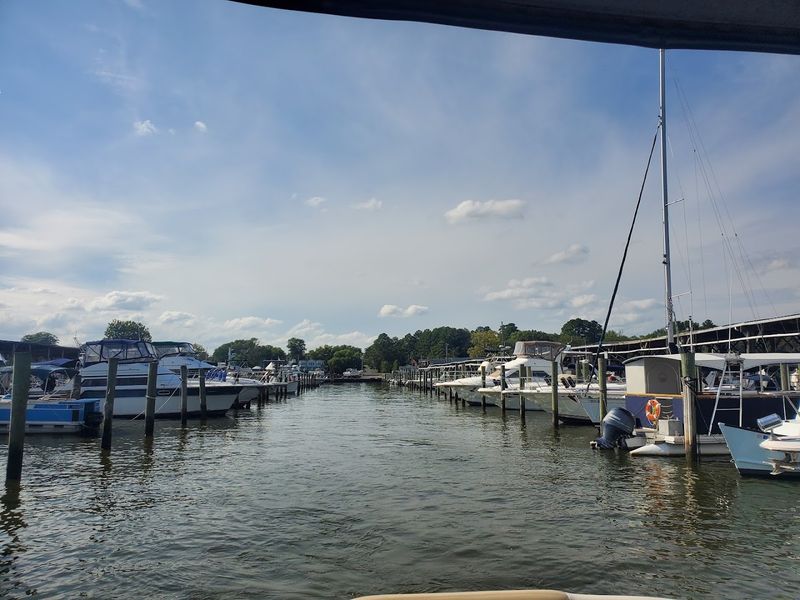
The blue crab population in the Chesapeake Bay has gone through some serious ups and downs over the decades. Overharvesting, habitat loss, and water quality issues all played a role.
The recovery effort has been a long one.
Maryland, Virginia, and the Potomac River Fisheries Commission work together to manage the blue crab population. Science-based guidelines drive the decisions.
Harvest limits, size restrictions, and seasonal closures are all part of the framework.
Protecting female spawning crabs is a priority. Females carry the next generation of the population.
Regulations around harvesting female crabs have tightened over the years as researchers tracked population trends more closely.
Annual surveys monitor how the crab population is doing across the bay. The data informs each season’s rules.
It is an ongoing process, not a one-time fix. The goal is to keep the resource viable for future generations of watermen and seafood lovers alike.
Restaurants like The River Shack benefit directly from a healthy crab population. A seasonal operation that depends on fresh, locally sourced seafood has every reason to support sustainable harvesting practices.
When the bay does well, the crabs do well. When the crabs do well, the feast tables stay full.
That connection between conservation and community is something Maryland takes seriously. Choosing to eat at a shore restaurant that values local sourcing is, in a small but real way, part of supporting that broader effort.