
The Massachusetts Riverside Mill Town That’s Calm, Cozy, And Full Of Old Charm
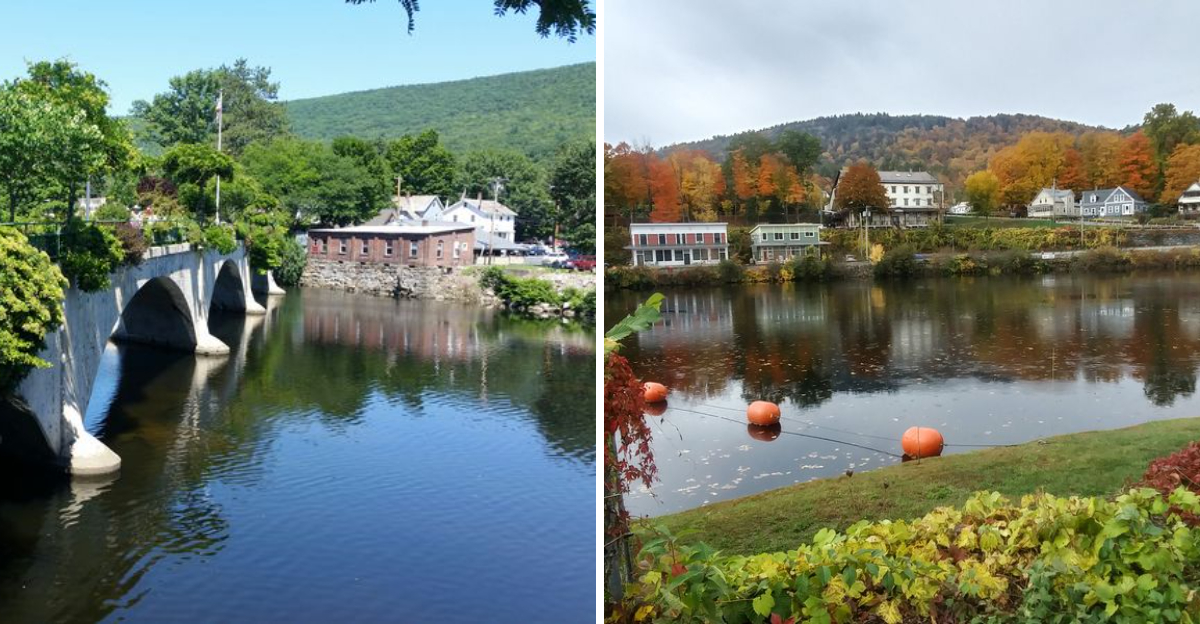
Shelburne Falls sits where two towns meet at the edge of the Deerfield River, a place that seems to have resisted the urge to reinvent itself.
The old mill buildings remain, repurposed but not erased, and the streets still follow the logic of a time when water powered industry and trolleys connected villages.
It is small, unhurried, and genuinely charming in a way that feels earned rather than manufactured.
For travelers seeking a New England town that values craft over convenience and quiet over noise, Shelburne Falls offers exactly that.
A Former Mill Town Built Around The Deerfield River
Water shaped this place long before anyone thought to call it picturesque.
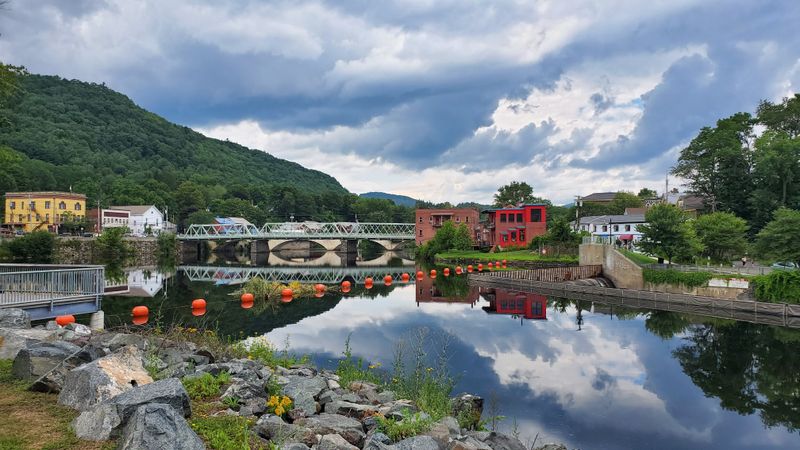
The Deerfield River provided the power that drove sawmills, gristmills, and textile operations throughout the nineteenth century, and the village grew up around that energy.
Today the mills have been converted into studios, shops, and apartments, but the river remains central to the town’s identity.
You can hear it from nearly every corner of the village, a constant murmur beneath conversation and commerce.
The relationship between town and water feels symbiotic rather than decorative.
Bridges cross at practical intervals, and walkways follow the riverbank without fuss.
The architecture reflects function over flourish, with brick facades and large windows that once let in light for factory work now framing views of the water.
Shelburne Falls is located at 01370 Massachusetts, where the river bends and the landscape opens just enough to accommodate a village.
The mills may no longer hum with machinery, but the river’s presence continues to define the rhythm and character of daily life here.
The Village Is Split Between Two Small Towns
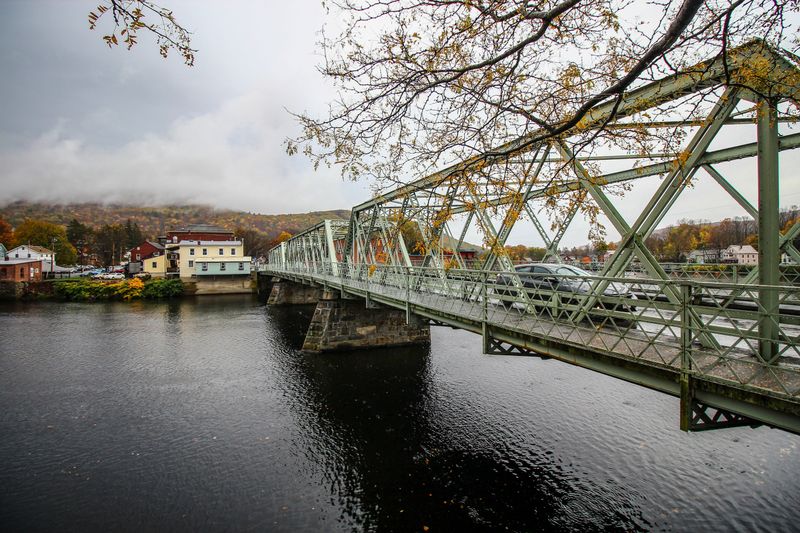
Shelburne Falls occupies a curious position on the map, straddling the boundary between the towns of Shelburne and Buckland.
The Iron Bridge marks the dividing line, and depending on which side you stand, you are technically in a different municipality.
This arrangement creates no drama or confusion, only a quiet reminder that borders are often more flexible than we assume.
Both towns share services, governance, and a common identity centered on the village itself.
Residents move freely between the two, and visitors rarely notice the distinction unless someone points it out.
The post office, shops, and cafés serve everyone equally, and the sense of community transcends any administrative line.
This dual citizenship adds a layer of character to Shelburne Falls without complicating its charm.
It reflects a pragmatic New England sensibility, where cooperation matters more than rigid definitions.
The village functions as a single entity, and the fact that it belongs to two towns simultaneously feels less like a quirk and more like a testament to shared purpose and neighborly practicality.
A Flower-Filled Bridge Replaced A Trolley Line
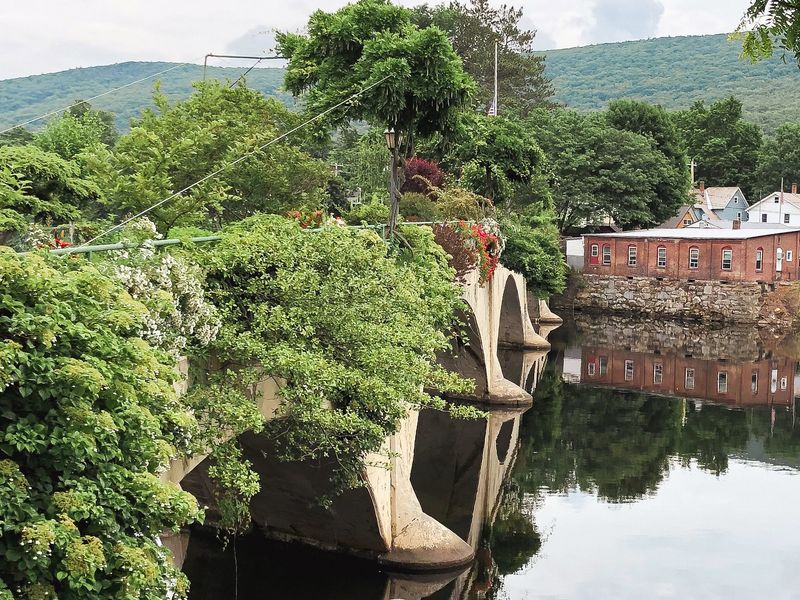
Where trolley cars once carried passengers across the river, flowers now bloom in profusion.
The Bridge of Flowers occupies the former bed of the Shelburne Falls and Colrain Street Railway, a trolley line that ceased operation in 1928.
Rather than demolish the structure, the local women’s club transformed it into a garden, planting perennials, annuals, and trailing vines that spill over the railings each spring and summer.
Walking across the bridge offers a different perspective on the village and the river below.
The plantings change with the season, and volunteers tend the beds with care that borders on devotion.
It is a functional pedestrian crossing that also serves as a living monument to ingenuity and community effort.
The bridge has become one of Shelburne Falls’ most photographed landmarks, though it never feels overrun or contrived.
Visitors linger, admire the blooms, and continue on their way.
The transformation from industrial relic to horticultural display reflects the town’s broader approach to preservation—practical, creative, and rooted in local initiative rather than outside intervention.
Glacial Potholes Line The Riverbank Below Town
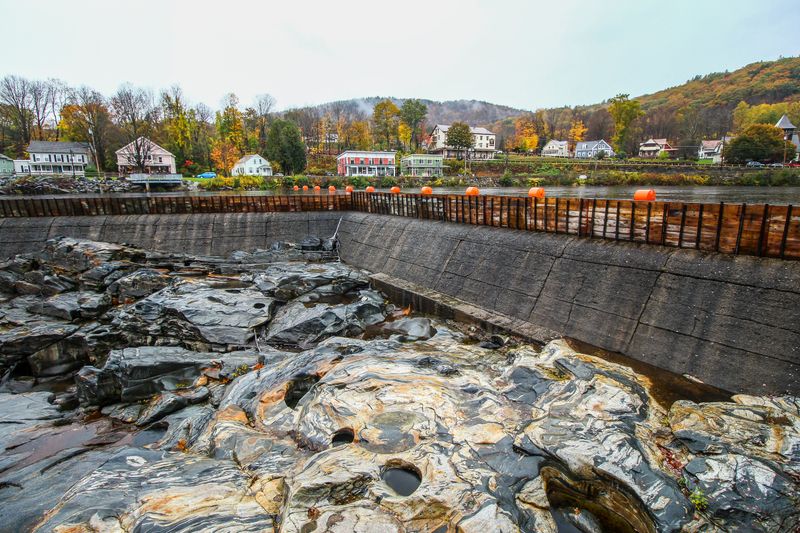
Beneath the village, carved into the bedrock by the relentless grinding of glacial meltwater, lie dozens of potholes that defy casual explanation.
Some measure several feet across and equally deep, their smooth interiors shaped by stones and sediment swirling in ancient currents.
The largest formations date back more than ten thousand years, remnants of a time when ice sheets retreated and water reshaped the landscape with patient violence.
Access to the potholes is easy, requiring only a short walk from the main street down to the riverbank.
During low water, the formations are fully visible, and visitors can walk among them, touching stone worn smooth by forces that predate human memory.
The site is unmarked by fanfare, which suits its character perfectly.
These geological features offer a quiet counterpoint to the village’s human history.
They remind you that the river’s power extends far beyond the industrial era, and that the landscape here has been shaped by processes both gradual and immense.
Standing beside them, you feel the weight of deep time without needing a guide or explanation.
Historic Buildings Now House Shops, Cafés, And Galleries
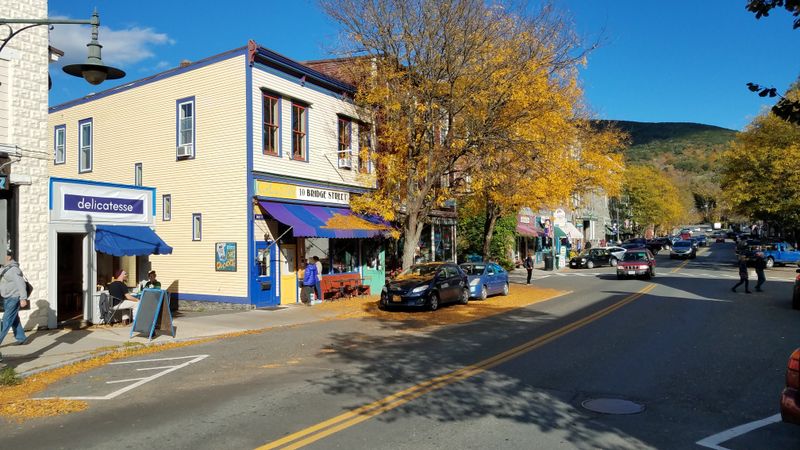
Adaptive reuse defines much of Shelburne Falls’ downtown, where nineteenth-century commercial blocks have been repurposed for contemporary life without losing their original character.
Brick storefronts with tall windows and modest cornices line the main streets, housing independent bookstores, artisan bakeries, and galleries that showcase regional artists.
The interiors retain exposed beams, pressed tin ceilings, and worn wood floors that speak to their age without feeling staged or overly curated.
These spaces function as working businesses, not museum pieces.
You can buy a loaf of bread, browse pottery, or sit with a coffee while rain taps against old glass.
The owners tend to be locals or people who chose to settle here, drawn by affordability, community, and the chance to operate outside the pressures of larger markets.
The result is a downtown that feels occupied rather than preserved, where history serves as backdrop rather than centerpiece.
There is no forced nostalgia, no deliberate quaintness—just buildings being used as they were intended, adapted thoughtfully to meet current needs while respecting their original form and function.
Downtown Is Compact Enough To Explore On Foot
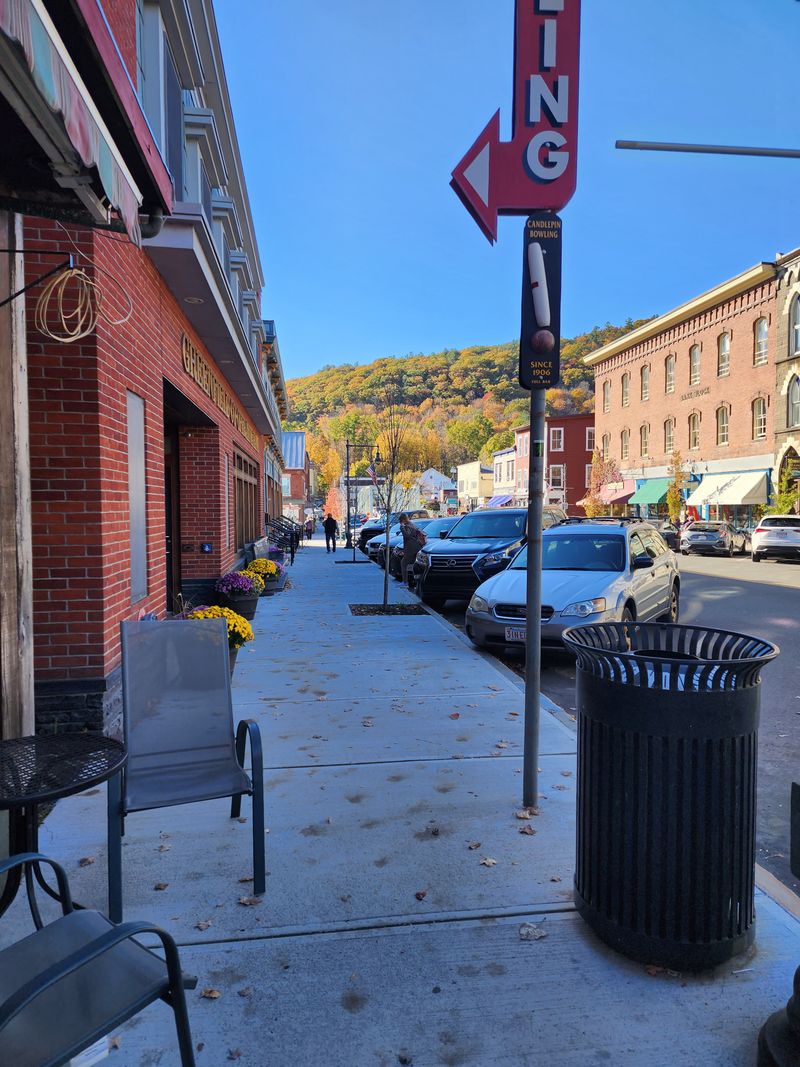
You can walk the length of Shelburne Falls’ downtown in under ten minutes, though most visitors take considerably longer.
The scale encourages lingering rather than rushing, and everything worth seeing lies within a few blocks.
Parking is easy, sidewalks are wide, and the terrain is manageable for most abilities.
There is no need for maps or navigation apps; the village reveals itself naturally as you move through it.
This compactness fosters a sense of intimacy and accessibility.
Shopkeepers recognize repeat visitors, and strangers exchange nods without awkwardness.
You can stop into several businesses, cross the Bridge of Flowers, walk down to the potholes, and return to your starting point without feeling rushed or overwhelmed.
The pedestrian-friendly layout also reinforces the town’s unhurried character.
There is no traffic congestion, no sprawling commercial strips to navigate, no sense that you are missing something important by staying local.
Shelburne Falls rewards slow exploration, and its size makes that approach not just possible but inevitable.
You walk because it is the easiest and most pleasant way to experience the place.
The River Is Always Within Sight Or Sound
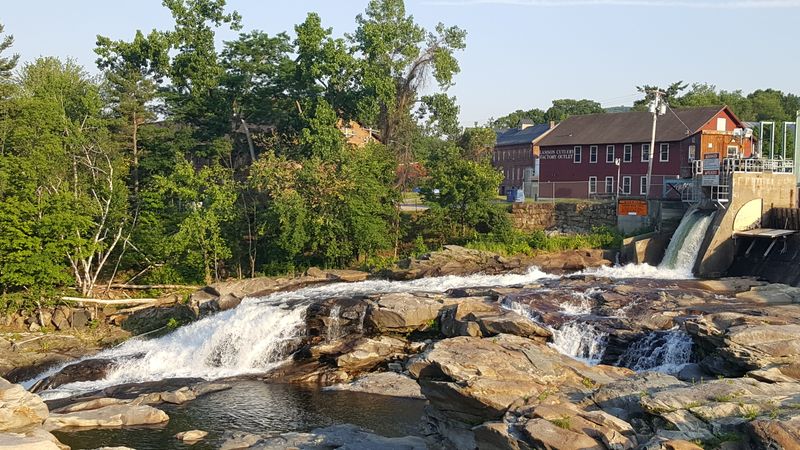
Few places in Shelburne Falls allow you to forget the presence of the Deerfield River.
It runs through the center of the village, audible from sidewalks, visible from windows, and accessible from multiple points along the main streets.
The sound varies with the season—loud and insistent during spring runoff, quieter and more rhythmic in summer—but it is always there, a constant thread connecting the town’s past to its present.
Bridges offer the most direct views, but even from a café table or shop doorway, you sense the river’s proximity.
It shapes the air, the light, and the mood of the place.
Locals speak of it with familiarity rather than reverence, acknowledging its beauty but also its unpredictability and power.
This closeness to moving water gives Shelburne Falls a quality that distinguishes it from inland villages or those built around static ponds.
The river is dynamic, always changing, and it lends the town a restlessness that balances its otherwise quiet character.
You feel the pull of it, the way it draws your attention and holds it, even when you are focused on something else.
There Are No Big-Box Stores Or Commercial Sprawl
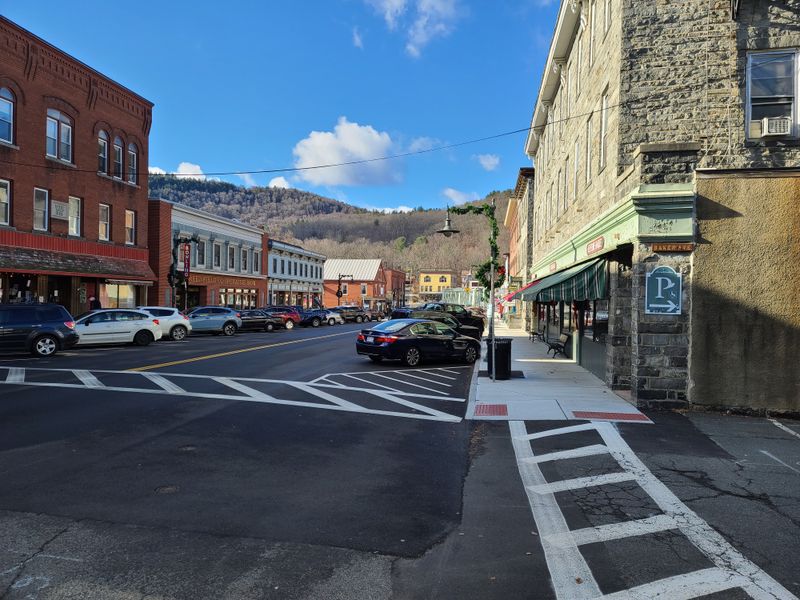
Shelburne Falls has avoided the homogenization that defines many small American towns.
There are no chain retailers, no fast-food franchises, no parking lots larger than the buildings they serve.
The commercial landscape consists entirely of independent businesses, most of them locally owned and operated.
This absence of corporate presence is not the result of zoning alone but reflects a community that has chosen to prioritize character over convenience.
The effect is subtle but pervasive.
Storefronts display individual personality, and the goods for sale reflect local taste and regional craft rather than national trends.
You will not find the same products here that you would encounter in a suburban shopping center, and that distinction feels intentional rather than accidental.
This resistance to sprawl also preserves the town’s physical integrity.
The edges of Shelburne Falls remain defined, with countryside beginning where the village ends.
There is no gradual fade into strip malls or subdivisions, no blurred boundary between town and highway.
The village retains its shape, its scale, and its identity, qualities increasingly rare in contemporary New England.
The Mohawk Trail Brings Visitors Slowly
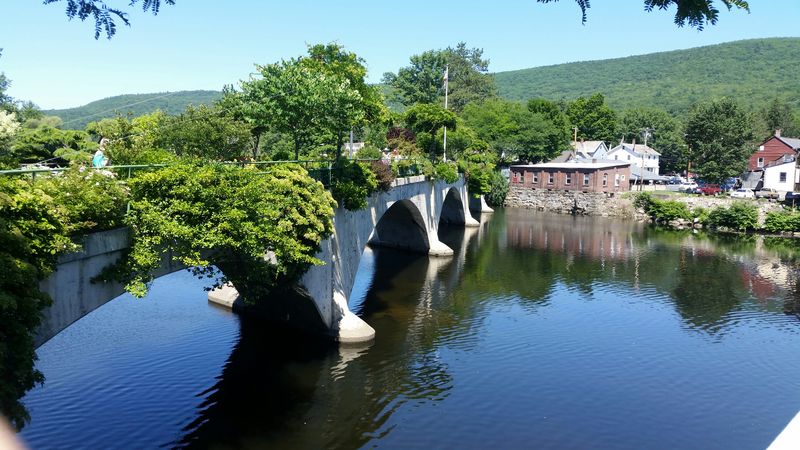
Route 2, known as the Mohawk Trail, passes through Shelburne Falls on its winding course across northern Massachusetts.
Unlike an interstate, this road encourages slower travel, with curves, hills, and frequent opportunities to stop and explore.
The route has drawn tourists since the early twentieth century, when automobile travel first made scenic byways popular, and it continues to attract visitors who prefer backroads to highways.
The Mohawk Trail delivers travelers directly into the heart of the village rather than bypassing it, which helps sustain local businesses and keeps the town connected to the wider region.
The road itself is part of the experience, offering views of forested hills, river valleys, and small villages that have changed little over the decades.
Shelburne Falls benefits from this geography without being overwhelmed by it.
The traffic is steady but manageable, and visitors who stop tend to linger rather than rush through.
The Mohawk Trail functions as a gentle filter, attracting people inclined toward exploration and curiosity rather than speed and efficiency.
The town remains accessible but not overrun, visible but not commercialized.
Seasonal Change Shapes The Town’s Rhythm
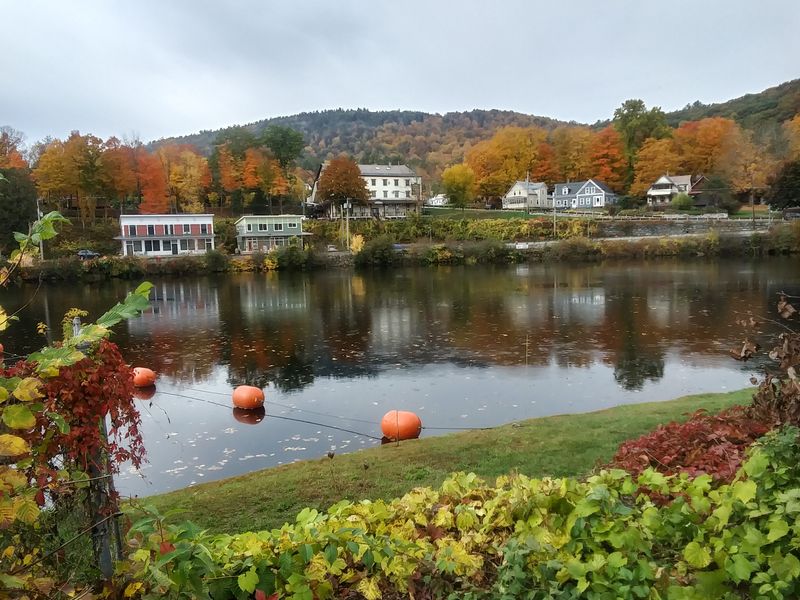
Shelburne Falls does not resist the seasons but moves with them, each shift bringing changes to the landscape, the light, and the pace of life.
Spring arrives with snowmelt that swells the river and coaxes early blooms onto the Bridge of Flowers.
Summer brings warmth, longer days, and an influx of visitors drawn by the Mohawk Trail and the promise of cool riverside air.
Autumn transforms the surrounding hills into a patchwork of red, orange, and gold, and the village becomes a destination for leaf-peepers who stop to photograph the foliage and explore the shops.
Winter quiets everything, with fewer tourists and a stillness that settles over the streets and the frozen riverbanks.
This seasonal rhythm is not unique to Shelburne Falls, but the town embraces it rather than fighting against it.
Businesses adjust their hours, residents prepare accordingly, and the village takes on different moods depending on the time of year.
There is no attempt to manufacture year-round consistency, no artificial climate control or off-season attractions designed to smooth out the calendar.
The town accepts change as part of its character.
Local Businesses Reflect Craft, Not Convenience Culture
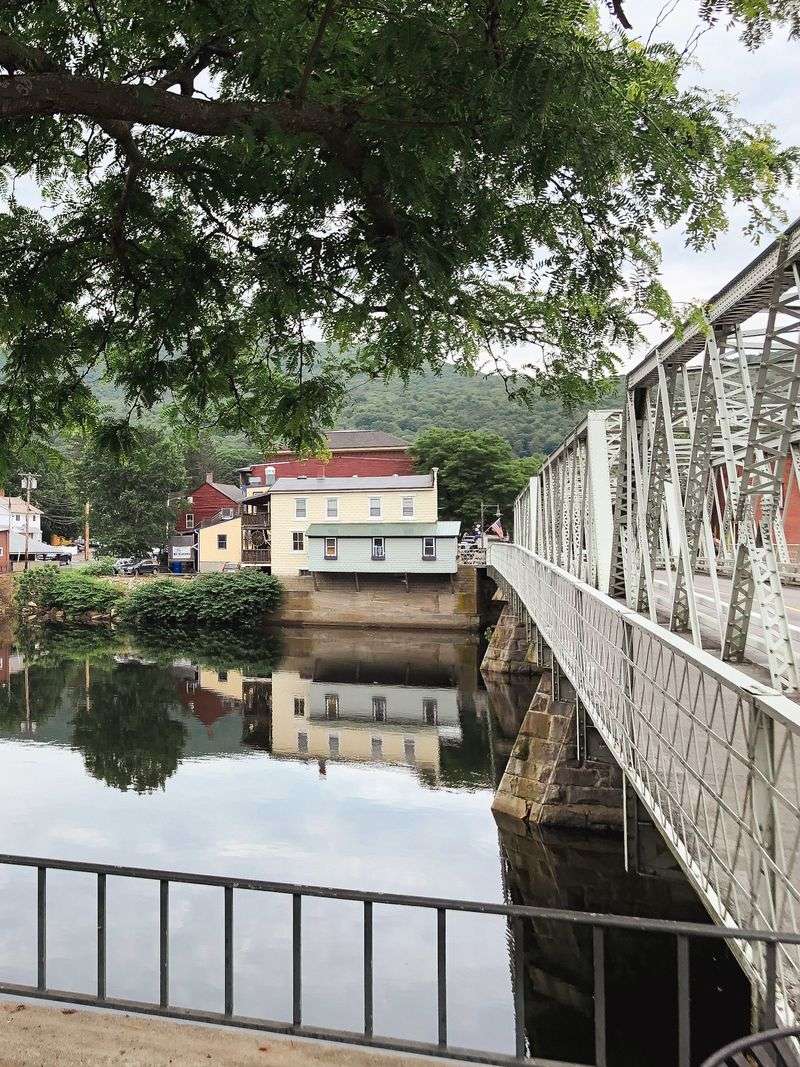
Walk into any shop or café in Shelburne Falls and you will notice a common thread: the emphasis on craft, quality, and personal attention over speed or mass appeal.
Bakeries make bread by hand, galleries display work by regional artists, and bookstores curate their shelves with care.
The businesses here operate on a different set of values than those that dominate larger markets, prioritizing connection and craftsmanship over volume and efficiency.
This approach requires patience from both proprietors and customers.
Service may be slower, prices may be higher, and selection may be limited compared to what you would find elsewhere.
But the trade-off is evident in the quality of the goods, the knowledge of the staff, and the sense that each transaction matters beyond the exchange of money.
The result is a commercial culture that feels rooted in place and resistant to trends.
Shelburne Falls has not become a destination for luxury shopping or gourmet tourism, but it offers something increasingly rare: businesses that reflect the values and skills of the people who run them, operating at a human scale with integrity and intention.