
The Massive New York Farm Stand Piled High With Squash, Pumpkins, And Homemade Pies Every September
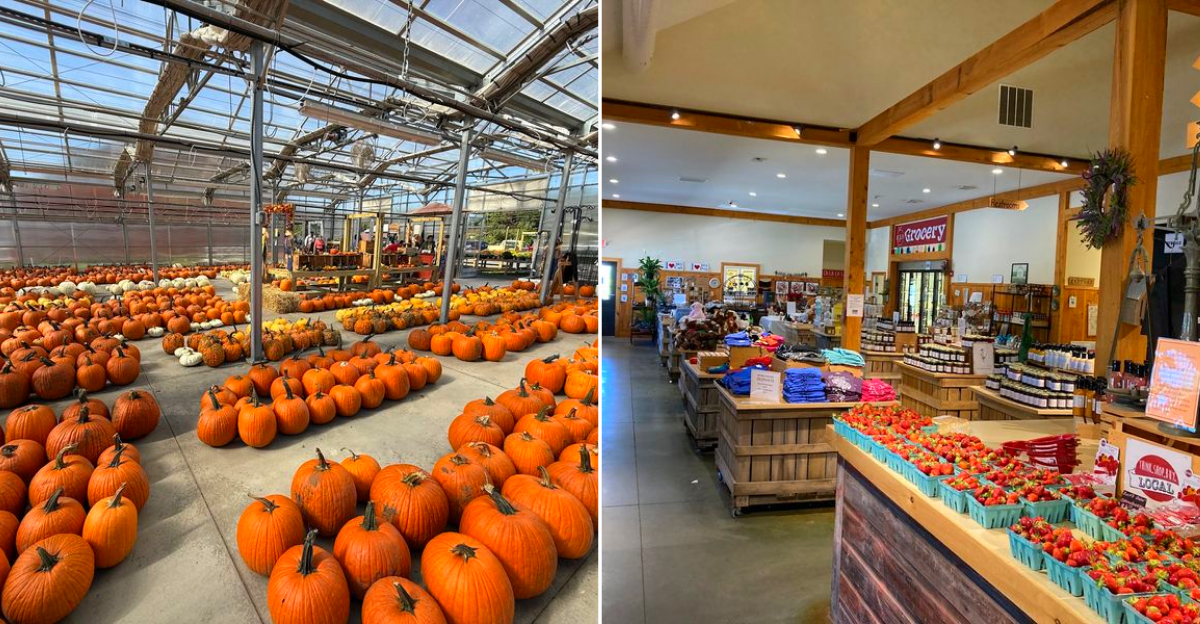
Since 1952 this farm has been growing fruit, and the stand out front has grown right along with it. That is seventy-odd Septembers of doing the same thing, which shows up in how effortless the whole operation looks now.
Squash gets stacked in bright rows. Pie cases empty and refill and empty again, and nobody behind the counter seems surprised by the pace.
September in New York smells like cinnamon and cut hay and cold apples here, all at once, close enough to the edge of the mountains that the air has already turned.
Simple, sweet, and a little sticky is the honest description of a good fall afternoon. This place delivers all three without trying to be anything more complicated than a farm that sells what it grows.
A Mountain Backdrop And A Barn Full Of Pie
Picture endless rows of apple trees running toward blue Adirondack ridges. The fields are tidy. The grass is mowed.
Old tractors sit out front like retired workhorses that earned their parking spots.
Inside the farm stand, the air changes completely. Warm sugar, fried dough, and coffee all arrive at once. Glass cases hold pies, cookies, brownies, and donuts in flavors that shift with the calendar.
Outside again, the squash bins stretch out in ribbons of orange, green, and cream. Acorn, butternut, buttercup, and spaghetti squash sit shoulder to shoulder. Late September brings pumpkins by the hundreds.
Kids get their own reasons to beg for a visit. There is a playground, a sandbox, and a barn with goats, donkeys, bunnies, llamas, and a horse. Add a corn maze and a wagon ride, and the day fills itself.
Adults usually come for one bag of apples. Most leave with pie, a mum, and zero regrets about the extra trunk space.
Meet Rulfs Orchard On Bear Swamp Road
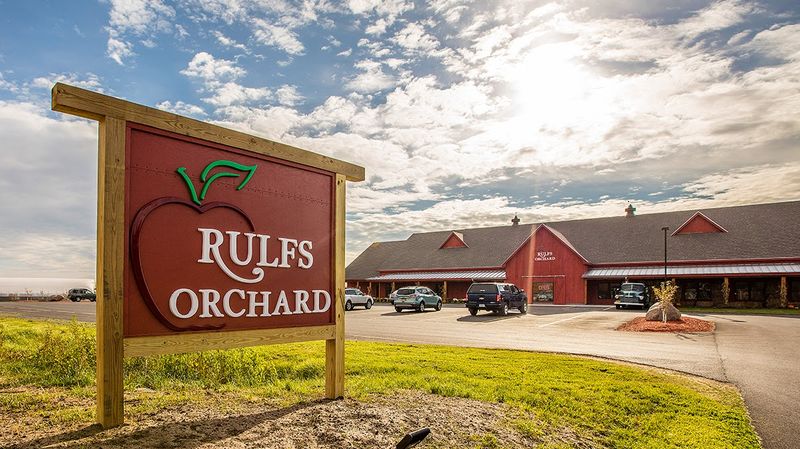
The name on the sign is Rulfs Orchard, and the address to save is 531 Bear Swamp Rd, Peru, NY 12972. Clinton County apple country, plain and simple.
The story starts on March 19, 1952, when the founder arrived in Peru and planted twelve acres of apple trees. Seventy plus years later, the operation is still family owned and family run.
The farm stand itself is no roadside shack. In September 2016 the building grew to 9,900 square feet, roughly triple the previous 3,000 square foot space. That expansion made room for a much bigger bakery.
Around the retail building sit seven greenhouses packed with plants and flowers. Beyond that lie the u-pick fields for apples, strawberries, blueberries, raspberries, and pumpkins.
Parking is generous, which matters on a bright Saturday in October. The lot handles crowds without turning into a puzzle.
Hours run daily from 6 a.m. to 6 p.m. From November through April, Sunday closes an hour earlier at 5 p.m. Early risers get first crack at the donut case, and that is not a small perk.
Squash Season Gets Serious
Fall cooking starts here, in the bins. Butternut, acorn, buttercup, and spaghetti squash arrive in September and hold court through the cold months.
Each one has its own job in the kitchen. Butternut turns silky in soup. Acorn halves roast beautifully with butter and a little maple.
Buttercup runs sweeter and denser than people expect.
Spaghetti squash is the trickster of the group. Roast it, drag a fork through the flesh, and you get strands that hold sauce like pasta.
Summer squash still shows up early in the month, so the tables often carry both seasons at once. Zucchini and yellow squash on one side, hard-shelled keepers on the other.
Here is a practical tip worth remembering. Winter squash stores for weeks in a cool, dry spot with good air flow, so buying three is not overcommitting.
Gourds and decorative varieties fill the gaps between the eating types. Some are lumpy. Some are striped.
All of them look good on a porch step.
Grab a cart. Squash gets heavy faster than anyone plans for.
Twenty Five Acres Of Pumpkins
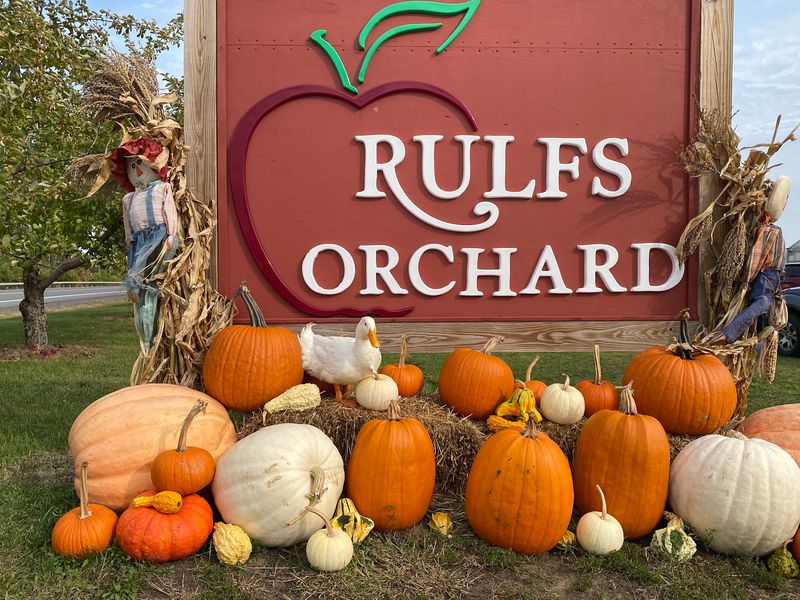
Twenty five acres. That is the size of the pumpkin patch here, which explains why nobody leaves empty handed.
U-pick pumpkin season usually opens mid to late September and runs through late October. Wagon rides carry visitors out to the field every weekend, plus Columbus Day, from 10 a.m. to 4 p.m.
The ride out is half the fun. Kids hang off the sides of the wagon while the field comes into view, orange dots scattered across green vines.
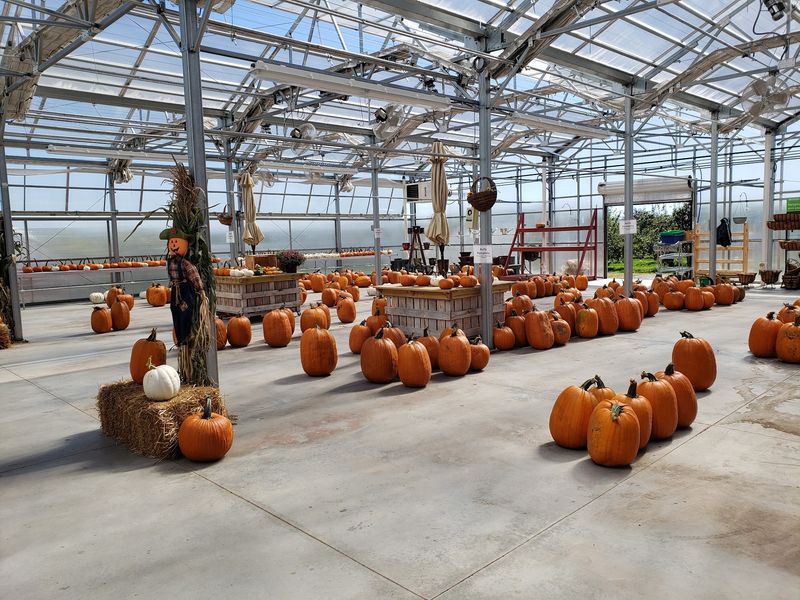
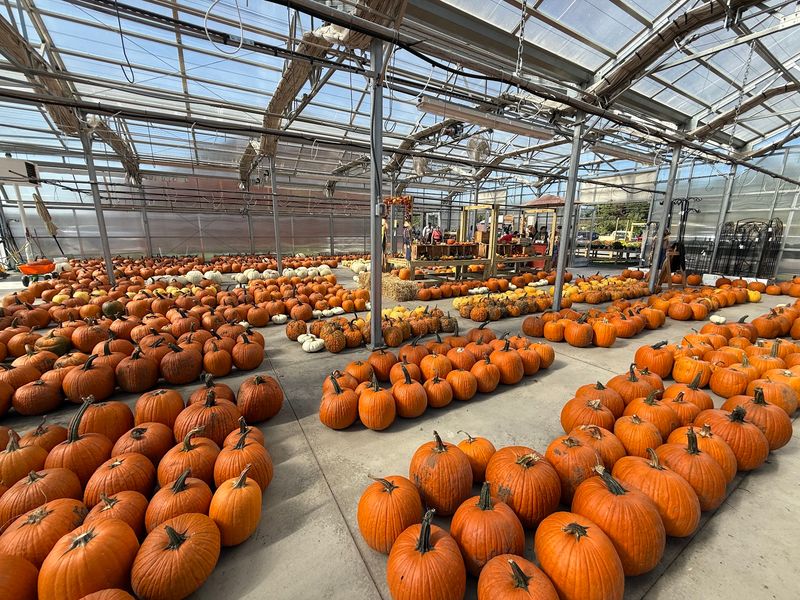
Not everyone wants the hike, and that is fine. Pre-picked pumpkins wait on the lawn and in the greenhouse, sorted and ready to load.
A quick bit of pumpkin wisdom: pick one with a firm, dry stem and no soft spots. Carry it from the bottom, never by the stem, or you may end up holding just the handle.
Sizes run wide, from little sugar pumpkins for baking to the heavyweights built for carving. Pie pumpkins have thicker, sweeter flesh than the big display types.
Bring gloves if the morning is chilly. Vines are prickly, and dew makes everything colder than it looks.
The Bakery Case That Sells Thousands Of Pies
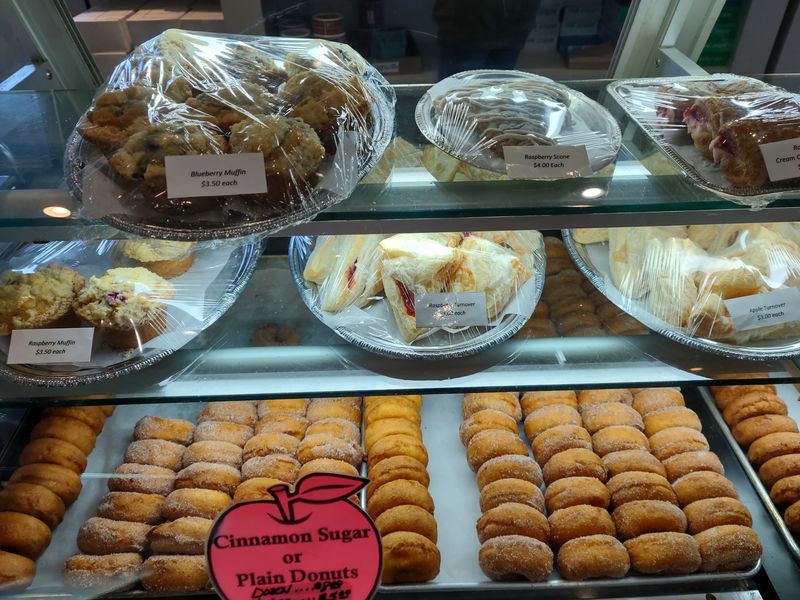
Thousands of pies leave this bakery every year. Once you see the case, that number stops sounding impressive and starts sounding obvious.
Apple pie is the headliner, which makes sense on a farm built around apple trees. The crust holds its shape, and the filling tastes like fruit rather than sugar syrup.
Pumpkin pie joins the lineup as September rolls forward. Berry pies show up too, thanks to the strawberry, blueberry, and raspberry fields out back.
The rest of the bakery does not sit quietly by. Cookies, cakes, brownies, and pumpkin rolls fill the shelves alongside seasonal oddities like pumpkin chocolate chip cookies.
A word of advice for Thanksgiving week: order early. Holiday pie demand at a farm bakery is a real force of nature.
There is indoor seating, so you can eat something warm before you drive home. Coffee is available, and breakfast sandwiches too.
Doors open at 6 a.m. daily, which means fresh pastry before most kitchens in New York have even preheated. Morning visits also mean shorter lines at the counter.
Buy two pies. One rarely survives the ride.
U-Pick Apples Under Adirondack Skies
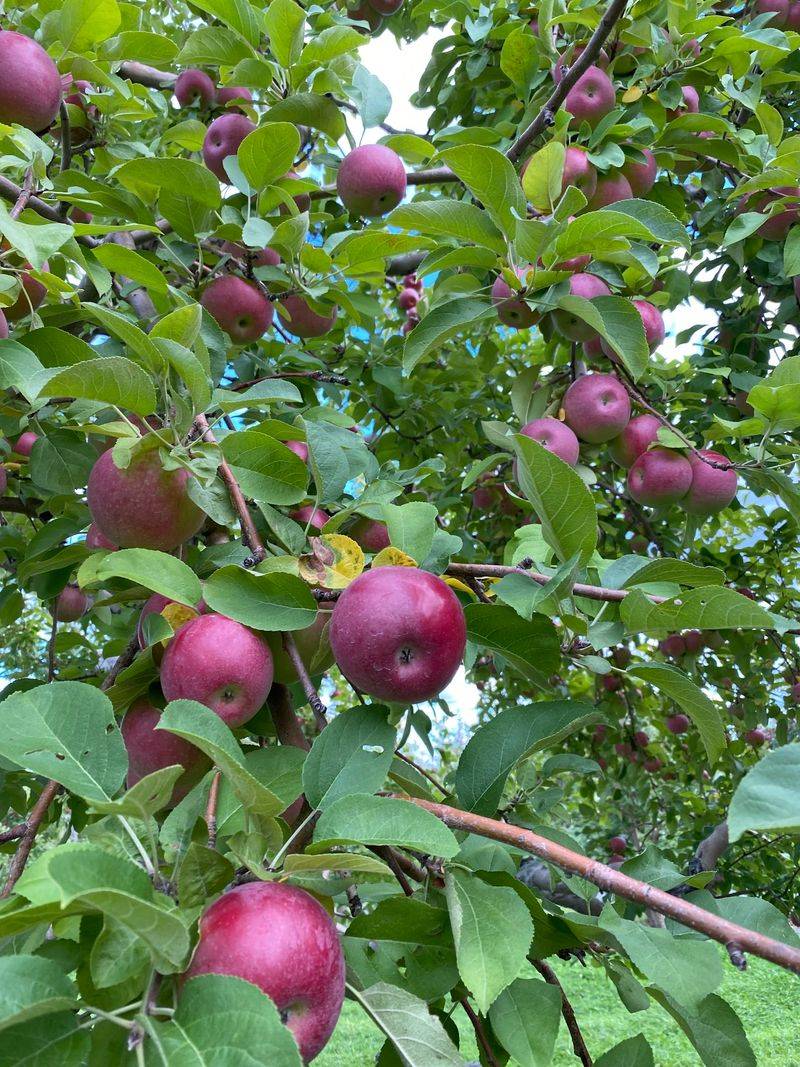
Apple picking here starts in early to mid September and usually wraps by the first weekend of October. Short window, big payoff.
Weekend u-pick hours generally run 10 a.m. to 4 p.m. During the week, visitors check in at the bakery first, which is a nice excuse to walk past the donuts.
Bags come in several sizes, so you can pick a modest haul or commit to a serious pie project. Prices have long been considered fair for the region.
The rows sit close to the store, and the mountain views make the walk feel like an outing rather than a chore. Trees near the front yard carry fruit too.
Picking technique matters more than people think. Roll the apple upward and twist gently, keeping the short stem attached so the fruit stores longer.
Different varieties ripen at different times across the season. Asking staff which trees are ready saves you from wandering.
Cool storage keeps your apples crisp for weeks. A garage refrigerator is a fine home for a full bag.
Wear shoes you do not mind getting muddy. Orchard ground stays damp.
Lose Yourself In The Corn Maze
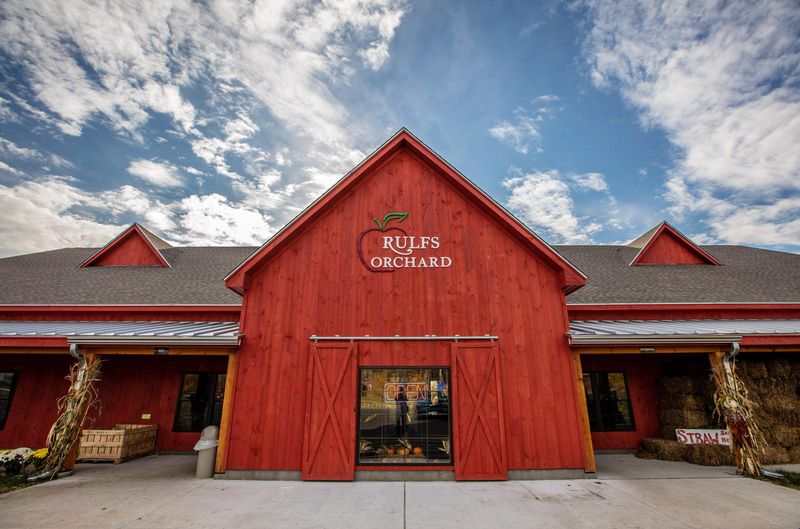
Corn taller than most adults, paths that fold back on themselves, and a solid chance of a wrong turn. The maze is open daily from 10 a.m. to 4 p.m., early September through the end of October.
Walls of stalks block the view completely once you step in. Sound gets muffled. Direction becomes a suggestion.
Kids treat it like a mission. Adults treat it like a friendly argument about which way is north.
The daily schedule is a real advantage. Plenty of farm attractions run weekends only, so a Tuesday visit here still delivers the full experience.
Weekday afternoons tend to be quieter. Fewer people in the rows means more room to double back without traffic.
Dress for the ground rather than the photos. Corn rows hold moisture, and sneakers pay the price.
Pair the maze with a wagon ride to the pumpkin field and you have a solid two hour block of fall activity. Add donuts and the day is complete.
One small warning. Cell service in a corn maze does not help with navigation, so trust your feet.
Goats, Llamas, And One Popular Horse
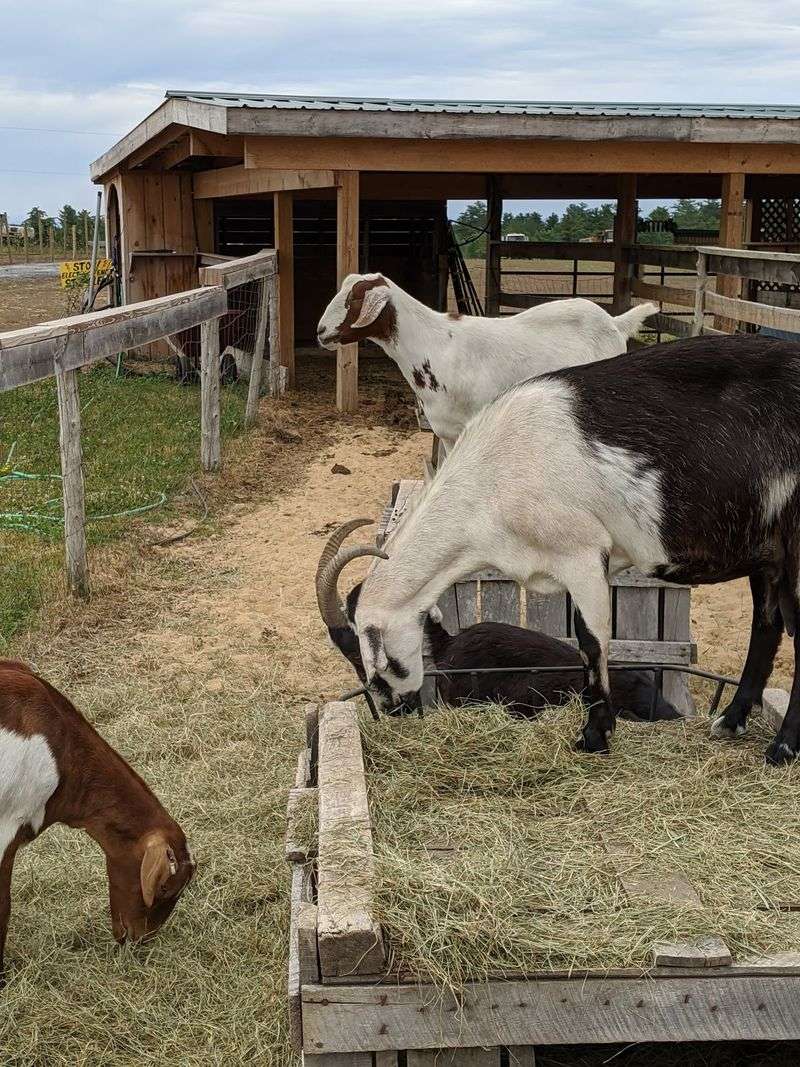
Every farm visit needs a moment where a goat stares directly into your soul. The petting zoo handles that assignment nicely.
Goats, donkeys, bunnies, and llamas live in the barn area out back. There is a horse too, and she has fans who ask for her by name.
The pens stay clean and well kept, which is not a given at seasonal attractions. Animals look comfortable and used to company.
Feeding is part of the fun for younger visitors. Little hands, big grins, mild chaos.
A playground and sandbox sit nearby, close to the apple trees. Parents get a bench, kids get a place to burn off donut energy.
The combination works well for multi generational trips. Grandparents can sit while toddlers meet a llama for the first time.
Fall weekends draw crowds, so weekday mornings offer a calmer visit. Animals are usually more social before the afternoon rush.
Bring hand wipes. Farm animals are charming and also very much farm animals.
Photos here tend to turn out better than the posed ones. Genuine surprise beats a practiced smile every time.
Seven Greenhouses And A Sea Of Mums
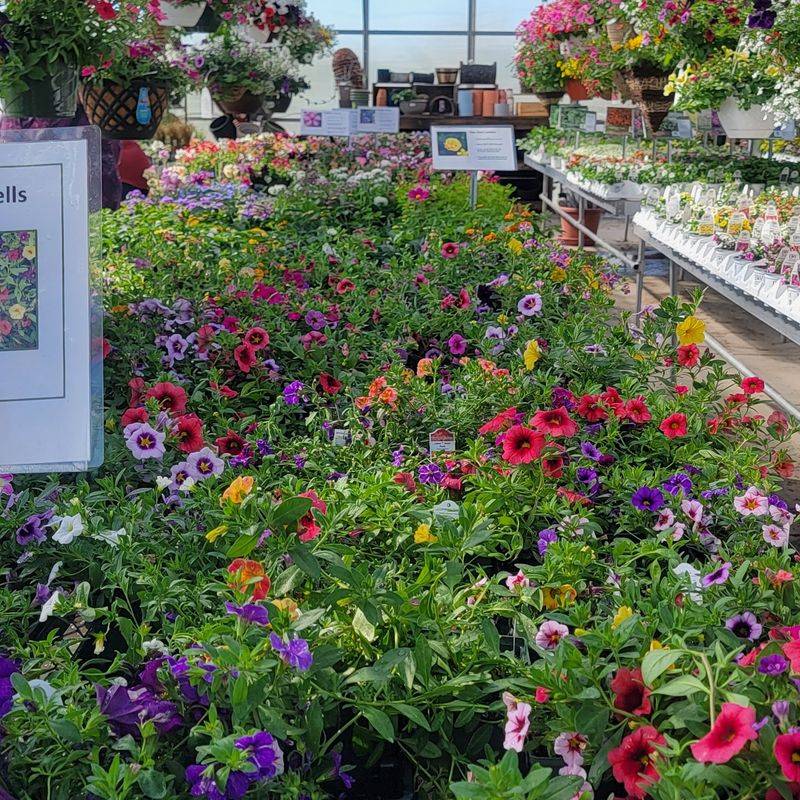
Seven greenhouses sit on this property, and in autumn they glow with mums. Rust, gold, deep purple, and white, all in tidy rows.
Spring brings a different show entirely. Annuals and perennials fill the benches for gardeners building summer pots and beds.
Prices have long been considered reasonable, which encourages the classic mistake of buying one more flat than the car can hold. Staff help with choices and care advice.
Mums do best with steady water and a spot that gets good light. Overwatering is the most common way to shorten their run.
Combining flowers with squash and pumpkins creates a porch display that lasts weeks. Three mums and four pumpkins is a solid formula.
The greenhouses also serve as a pumpkin overflow area later in the season. Pre-picked pumpkins wait there alongside the plants.
Walking through a warm greenhouse on a cold northern New York morning is its own small pleasure. The air smells like soil and green leaves.
Bring a flat cardboard box for the drive home. Mums tip over on the first sharp turn.
Farm Store Shelves With Local Character
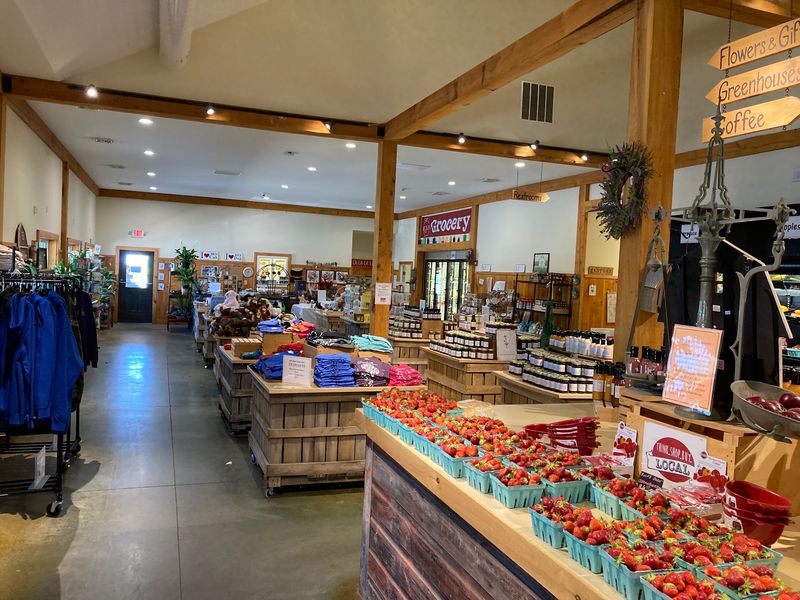
Nearly 10,000 square feet gives a farm store room to stretch, and this one uses every bit of it. Produce, pantry goods, gifts, and frozen local meats all share the floor.
Maple syrup and honey are regional staples, and both hold prime shelf space. Jams, jellies, sauces, and dressings line up nearby.
Cheese comes from local makers, which pairs naturally with apples and fresh bread. Sweet corn appears in season and moves quickly.
The gift section carries books, toys, candy, baking supplies, cookie cutters, and shirts. Practical items sit beside souvenirs without feeling cluttered.
Lunch is available too, with sandwiches, coffee, and ice cream. Seating inside means you can eat before you shop or after, depending on your discipline.
Homemade jam projects start here for many visitors. Pick berries in summer, buy jars and pectin in the same trip.
Bring a cooler if you plan on cheese or frozen meat. North Country drives can be long.
The store operates year round, so it is not strictly a fall destination. September just happens to be its loudest, brightest month.