
The Montana Mountain City Where Affordable Living Meets Peace And Natural Beauty
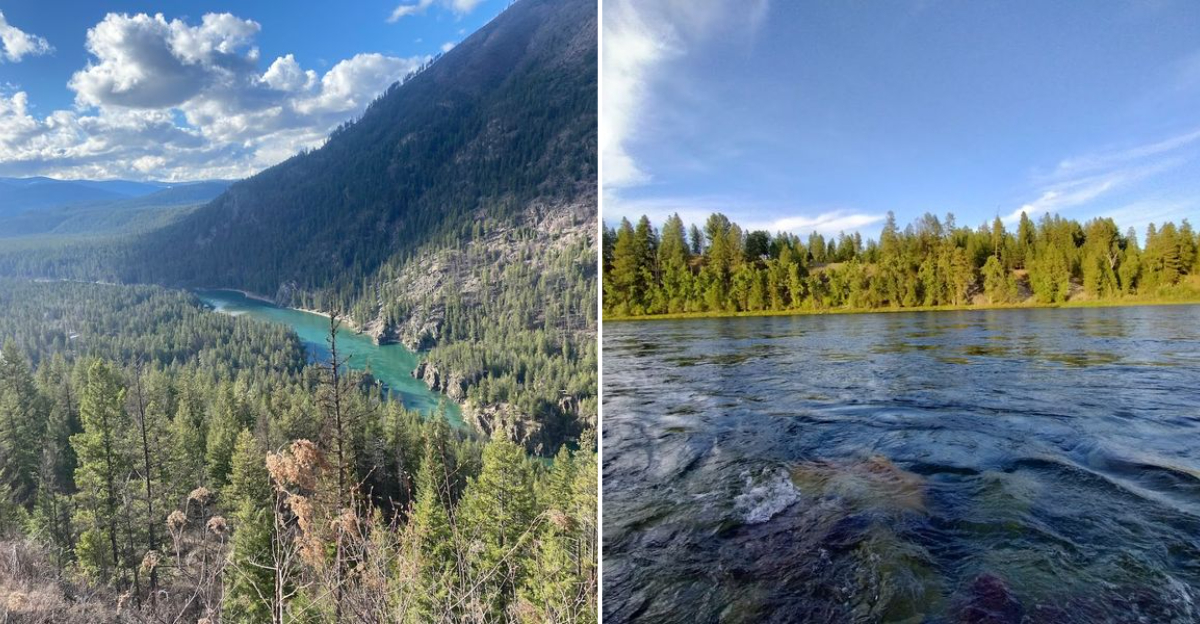
The listing stopped the scroll. Then the elevation, the price, and the view from the listing photos stopped it again for longer.
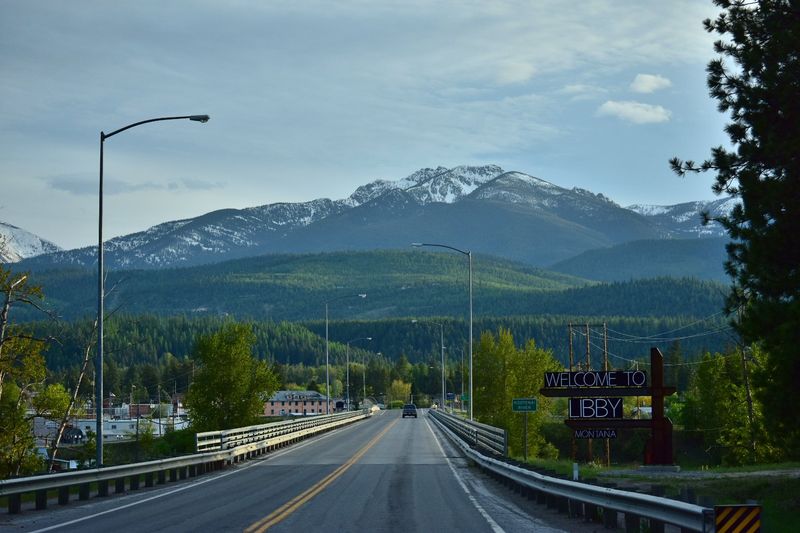
Montana mountain living carries a reputation for costing what the scenery suggests it should. This city never followed that pricing logic, and the people who discovered that fact early have been quietly telling the right people ever since.
Mornings here arrive with a mountain backdrop that residents describe as something they never stop noticing. The cost of daily life stays at a number that makes the decision feel reasonable rather than aspirational.
Community runs at a pace that the surrounding landscape seems to set, unhurried and deliberate, the kind that takes years to find and longer to leave.
Benefits Of Affordable Housing In Mountain Communities

Housing costs in Libby run noticeably lower than the national average. That is real money staying in your pocket every single month.
The overall cost of living here sits both below the national average and the Montana state average. That combination is rare and genuinely valuable for anyone watching their budget carefully.
Household bills in Libby are manageable compared to what most Americans pay elsewhere. Transportation and healthcare costs are also more affordable than national norms.
The median home listing price reflects a market that still offers real value compared to other Montana destinations. Homes typically sit on the market long enough to give buyers real time to think without pressure.
Libby rewards patience with space, scenery, and savings.
A solid income stretches further here than in most American cities. You get mountain living without the mountain-sized price tag.
This is Libby, where your housing budget actually works for you.
Exploring The Local Wildlife And Plant Life
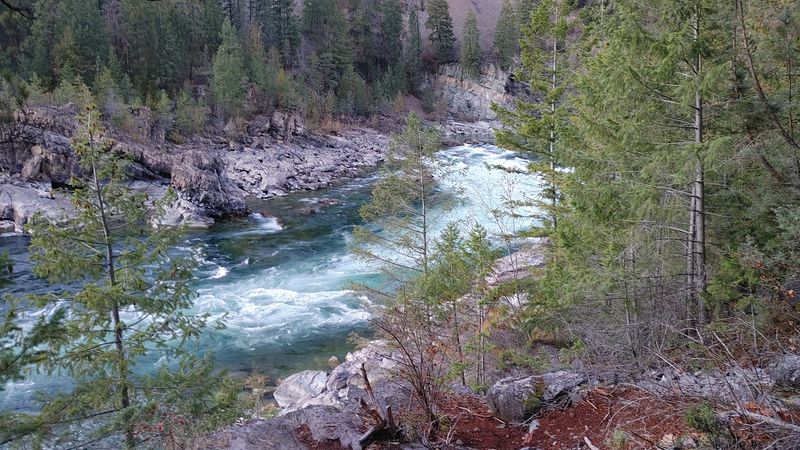
Libby sits inside the 2.2 million-acre Kootenai National Forest. That is a lot of wild neighbors living just outside your door.
Bears, deer, and elk move through the region regularly. Spotting them on a morning walk is not unusual at all.
The Ross Creek Cedars Scenic Area is genuinely jaw-dropping. Ancient Western Red Cedar trees here are over 400 years old and 8 feet in diameter.
An interpretive nature trail winds through the cedars. It turns a simple walk into a quiet history lesson about old-growth forests.
The region holds 140 lakes and hundreds of streams. That much water means rich ecosystems full of fish, birds, and plant life.
Wildflowers blanket alpine meadows during the summer months. The Cabinet Mountains Wilderness adds high-elevation plants found nowhere else nearby.
Birdwatchers find plenty to observe year-round here. The forest canopy supports species that prefer undisturbed, mature woodland habitat.
Libby is not just surrounded by nature. It is genuinely woven into it, and that makes every outdoor walk feel like a real discovery.
Outdoor Activities That Embrace Natural Surroundings
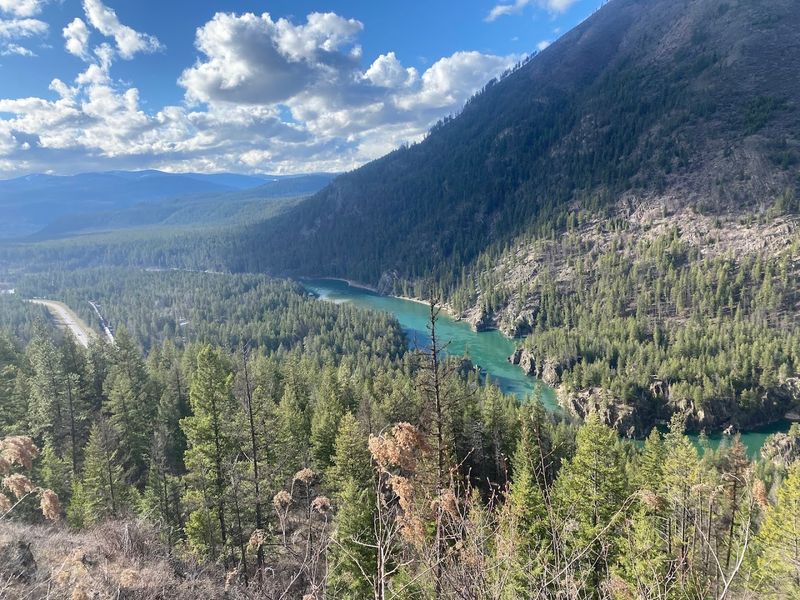
This spot does not run out of things to do outside. The list of available activities is almost embarrassingly long.
Hiking, fishing, camping, boating, and biking are all easy to access. ATVing and wildlife viewing round out the warmer months nicely.
Kootenai Falls drops 90 feet along the Kootenai River. You reach it with an easy half-mile hike, and the payoff is spectacular.
Lake Koocanusa stretches 90 miles long. It was created by the Libby Dam and welcomes paddleboarding, kayaking, and rafting.
Winter brings a completely different outdoor menu. Snowmobiling, cross-country skiing, snowshoeing, and ice fishing all become fair game.
Turner Mountain Ski Area offers downhill skiing and snowboarding. Lift tickets are affordable and the slopes stay refreshingly uncrowded.
The Cabinet Mountains Wilderness has over 20 trails. Snowshoe Peak rises to 8,738 feet and rewards serious hikers with wide alpine views.
Three major rivers, the Kootenai, Fisher, and Yaak, flow through the area. Fishing here is not a hobby. It is practically a local tradition.
Community Events Enhancing Small City Life

Small cities run on community spirit, and Libby has plenty of it. Residents actually know each other here, which changes everything about daily life.
Local events bring people together across seasons. From summer festivals to winter gatherings, the social calendar stays active and personal.
The Nordicfest Heritage Festival celebrates the area’s Scandinavian roots each September. It draws visitors from across the region with folk music, food, and cultural displays.
The Logger Days celebration honors Libby’s deep timber industry history. Log rolling, axe throwing, and competitions make it genuinely fun to watch.
Farmers’ markets pop up during warmer months downtown. Local growers and makers bring their goods directly to neighbors without any middleman involved.
Lincoln County has a strong volunteer culture. Residents show up for each other during tough times without being asked twice.
Youth sports leagues and school events keep families connected. The small school system means kids are known by name, not just a student number.
Community life in Libby moves at a human pace. Nobody gets lost in a crowd here because the crowd is actually your neighborhood.
Climate Conditions And Seasonal Changes
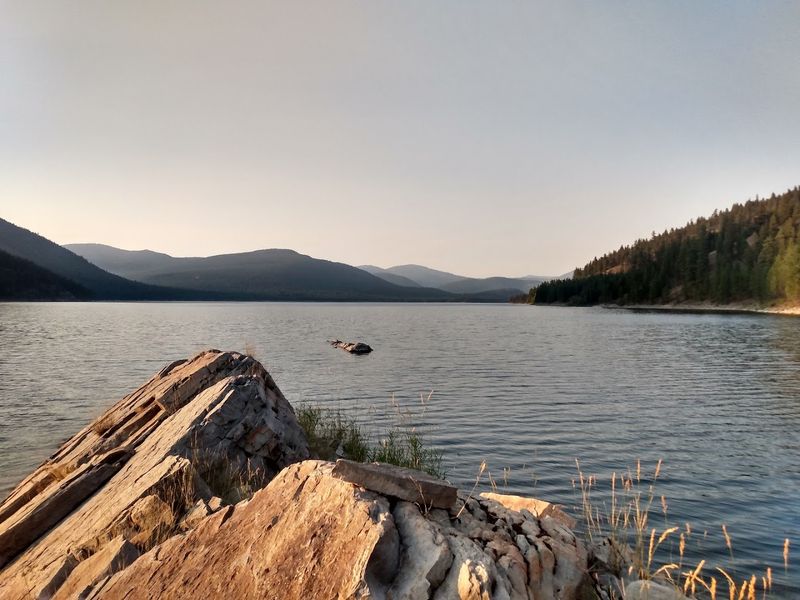
Libby experiences all four seasons with clear personality shifts between each. You always know what time of year it is just by stepping outside.
Summers are warm and dry with long daylight hours. Temperatures often reach the mid-80s Fahrenheit, making outdoor activity very comfortable.
Fall arrives with crisp air and changing colors across the hillsides. The Cabinet Mountains turn gold and amber in a way that feels almost theatrical.
Winters bring real snow to the mountains. Turner Mountain collects enough powder to keep skiers and snowboarders happy from December through March.
Spring is muddy, green, and full of energy. Snowmelt feeds the rivers and streams, making them run fast and cold through the valley.
Annual precipitation in the Kootenai Valley is moderate for Montana. The surrounding forests stay lush because of consistent seasonal moisture.
Fog sometimes settles in the valley during autumn mornings. It burns off by midday and leaves the air smelling like damp pine and earth.
The climate here is honest and straightforward. Every season brings its own outdoor opportunities, and locals learn to dress in layers and embrace all of it.
History And Culture Of Mountain Communities
The Kootenai Tribe of Idaho has deep ancestral ties to this land.
European settlers arrived in the late 1800s, drawn by mining and timber opportunities. The city grew quickly around those two industries.
Logging defined Libby’s economy for most of the 20th century. The timber industry shaped the city’s identity, its work ethic, and its community pride.
The Libby Dam was completed in 1975 on the Kootenai River. It created Lake Koocanusa and permanently changed the landscape of the region.
The Heritage Museum in Libby preserves artifacts and stories from the city’s past. It covers Native American history, pioneer life, and the logging era in detail.
Libby faced serious challenges in the early 2000s related to vermiculite mining and asbestos contamination. The community showed remarkable resilience working through that difficult chapter.
Today, the city honors its past while building toward a more diversified future. Arts, outdoor tourism, and small business development are all growing steadily.
Libby is a place that has been tested and survived. That history gives it a grit and authenticity that newer resort cities simply cannot replicate.
Local Cuisine Featuring Regional Ingredients

Food culture leans hard into what the land provides. Fresh fish, wild game, and foraged ingredients show up on local menus with real regularity.
Huckleberries are practically a local obsession in this corner of Montana. You find them in pies, jams, syrups, and even savory sauces at local spots.
Trout pulled from the Kootenai River and surrounding streams is a regional staple. It is often served simply, pan-fried with butter and herbs, and it needs nothing else.
Venison and elk appear on menus and in home kitchens throughout hunting season. Many residents source their own meat directly from the surrounding wilderness.
Local diners and family-run restaurants serve hearty portions without pretension. Nobody here is adding foam to your soup or charging $22 for a salad.
Farmers market vendors bring seasonal vegetables, honey, and handmade preserves to downtown. Buying local here means actually knowing who grew your food.
Wild mushrooms are foraged from the Kootenai National Forest each fall. Morels and chanterelles show up in scrambled eggs and pasta dishes across the area.
Eating in Libby connects you to the land in a direct way. The food tells the story of the region better than any travel brochure ever could.
Wellness Opportunities In Quiet Natural Settings
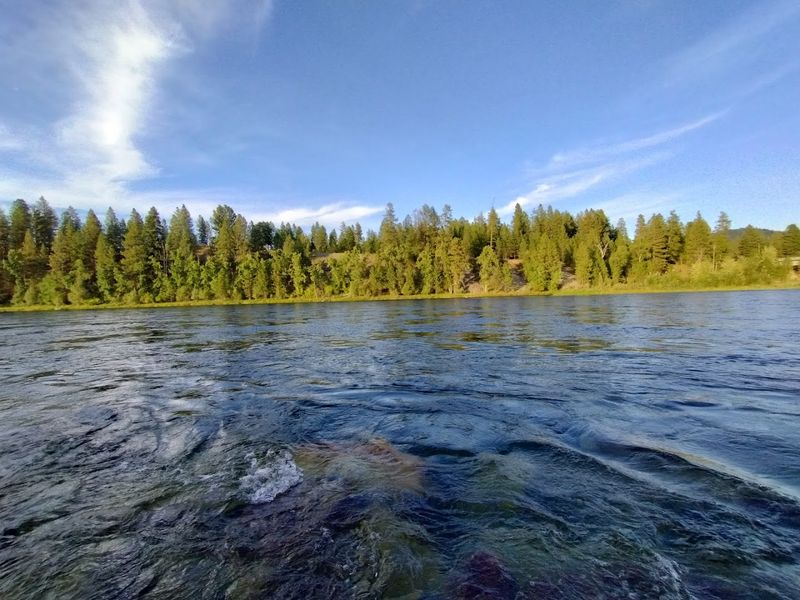
Quiet is underrated, and Libby has it in abundance. The low violent crime rate of 151 per 100,000 residents means you can actually relax here.
The 11-minute average commute is not just convenient. It removes a major daily stressor that millions of Americans deal with every single morning.
Walking trails through the Kootenai National Forest offer easy access to nature-based stress relief. You do not need a gym membership when 2.2 million acres surround you.
The 140 lakes in the region provide peaceful spots for reflection, fishing, or simply sitting still. That kind of quiet is genuinely hard to find anymore.
Fresh mountain air and clean water contribute to overall physical health. Living near forests has measurable benefits for both mental and respiratory wellness.
The slower pace of small-town life reduces chronic stress in ways that are hard to quantify but easy to feel.
Neighbors wave, and nobody honks. Snowshoeing and cross-country skiing in winter double as both exercise and moving meditation. The forest in winter is silent in the best possible way.
Libby is not a wellness retreat you visit for a weekend. It is a place where a calmer, healthier lifestyle becomes your actual everyday normal routine.