
10 Of The Most Beautiful Tennessee Covered Bridges To Explore This Year
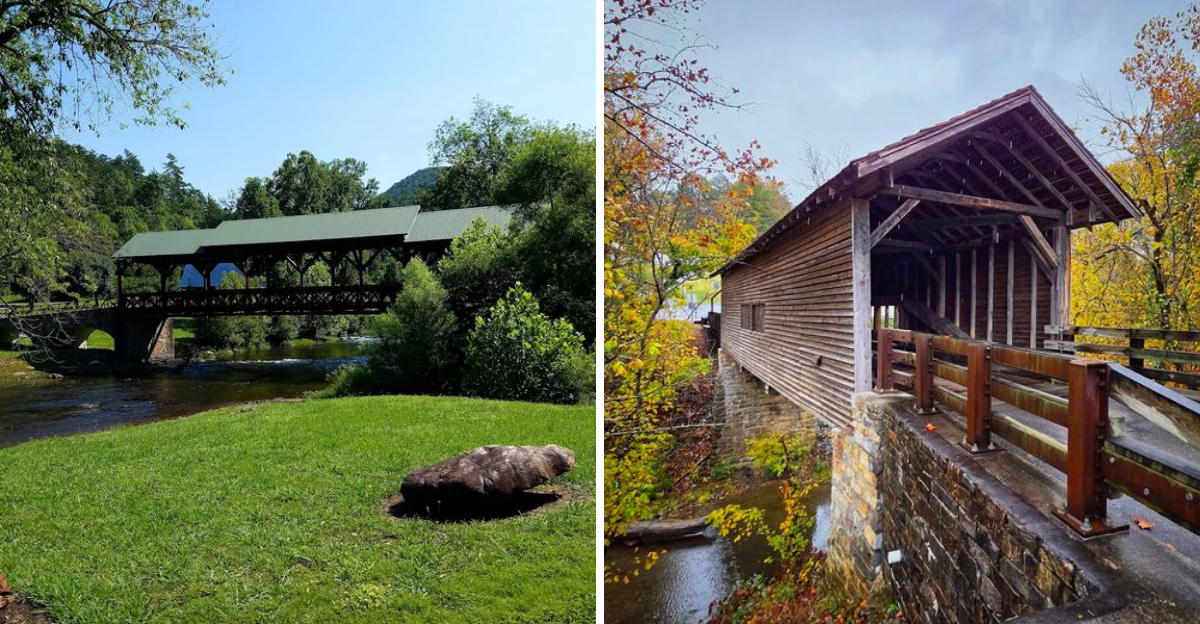
Tennessee has mountains, music, and waterfalls that steal your breath. But there is something else this state does quietly and brilliantly.
Covered bridges. These gorgeous wooden structures have been standing over rivers and creeks for well over a century, and they are somehow still here, still beautiful, still worth every mile it takes to reach them.
Each one tells a story. Each one is a photograph waiting to happen.
Some cross rushing mountain streams. Others sit in peaceful farmland with nothing but birdsong around them.
Tennessee’s covered bridges are pure magic. Go find them.
1. Historic Elizabethton Covered Bridge, Elizabethton
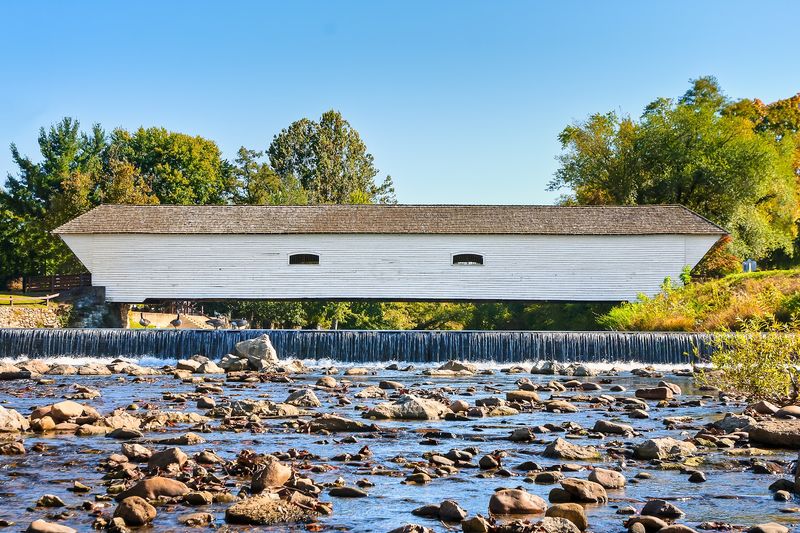
Built in 1882, the Elizabethton Covered Bridge is one of the oldest covered bridges in Tennessee still open to pedestrians, and it has earned every bit of the attention it gets.
Spanning 134 feet across the Doe River in Carter County, this Howe Truss beauty is listed on the National Register of Historic Sites and marked with a Tennessee Historical marker that gives visitors a real sense of its significance.
The bridge sits right next to a city park, making it easy to spend a full afternoon exploring the area.
Its setting is especially photogenic, with the river flowing quietly below and trees framing the wooden structure from every angle.
Every June, Elizabethton celebrates “Covered Bridge Days,” a local event packed with live music, vendors, and family-friendly activities that draw visitors from across the region.
Whether you are a history lover, a photographer, or just someone looking for a peaceful walk, this bridge delivers on all fronts.
It connects the park area to the downtown business district, so you can easily pair your visit with a stroll through local shops and restaurants nearby.
Few places in Tennessee blend natural beauty and living history quite so effortlessly as this iconic riverside crossing.
2. Historic Harrisburg Covered Bridge, Sevierville
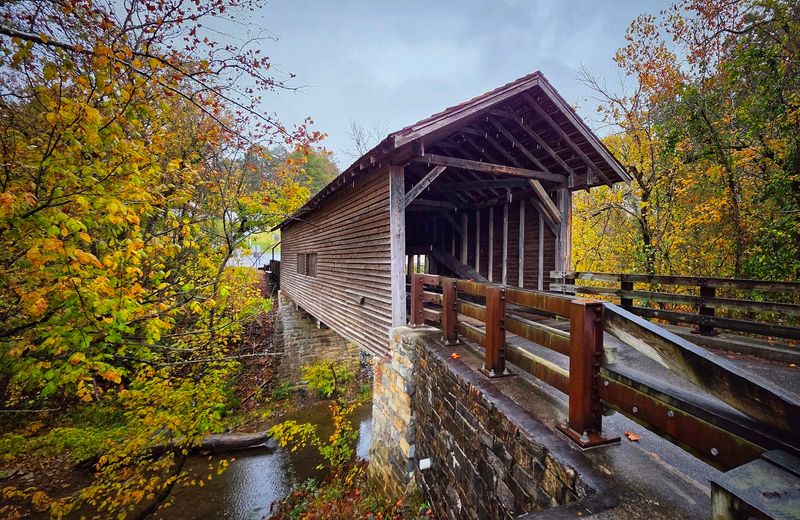
Crossing the East Fork of the Little Pigeon River in Sevier County, the Harrisburg Covered Bridge has been part of the Tennessee landscape since 1875, making it one of the most enduring 19th-century structures in the entire state.
At approximately 83 feet long, this Queenpost pony truss bridge was built by craftsman Elbert Stephenson Early, and it still carries local traffic today, which is a remarkable feat for a structure of its age.
Being listed on the National Register of Historic Places is a well-deserved honor for a bridge that has survived floods, time, and the constant demands of everyday use.
Located just outside Sevierville, this bridge sits in a region already famous for its natural beauty and proximity to the Great Smoky Mountains.
The surrounding landscape adds to its charm, with wooded hills and the gentle sound of the river creating a scene that practically begs for a photograph.
If you are already planning a Smoky Mountains trip, adding this historic bridge to your itinerary takes almost no extra effort and rewards you with a genuinely unforgettable moment.
3. Historic Bible Covered Bridge, Midway
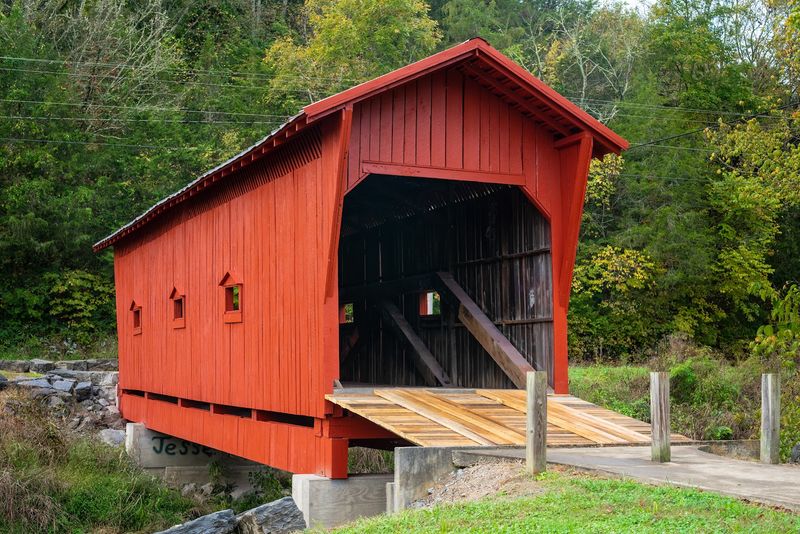
Sitting quietly in the rural community of Midway in Greene County, the Bible Covered Bridge is the kind of place that feels like a reward for those willing to explore Tennessee’s back roads.
Built around 1922 or 1923, this modest 57-foot bridge crosses Little Chuckey Creek using a Queen post truss design, a classic construction style that has proven its durability over a full century of standing in place.
The setting here is deeply rural and genuinely peaceful, with open farmland and wooded creek banks framing the bridge in a way that feels untouched by modern development.
Found along State Highway 349 and Bible Branch Road, the bridge is a recognized historic landmark that draws curious travelers looking for something off the beaten path in East Tennessee.
Greene County itself is a region rich in Appalachian heritage, and this bridge fits perfectly into that tapestry of old-world craftsmanship and community pride.
The bridge’s small scale makes it feel intimate rather than grand, and that understated quality is a big part of its appeal.
Photographers especially appreciate how the surrounding greenery and creek create a naturally composed frame around the wooden structure at different times of the year.
A visit here pairs well with a broader exploration of Greene County’s scenic countryside and historical sites.
4. Emert’s Cove Historic Covered Bridge, Pittman Center
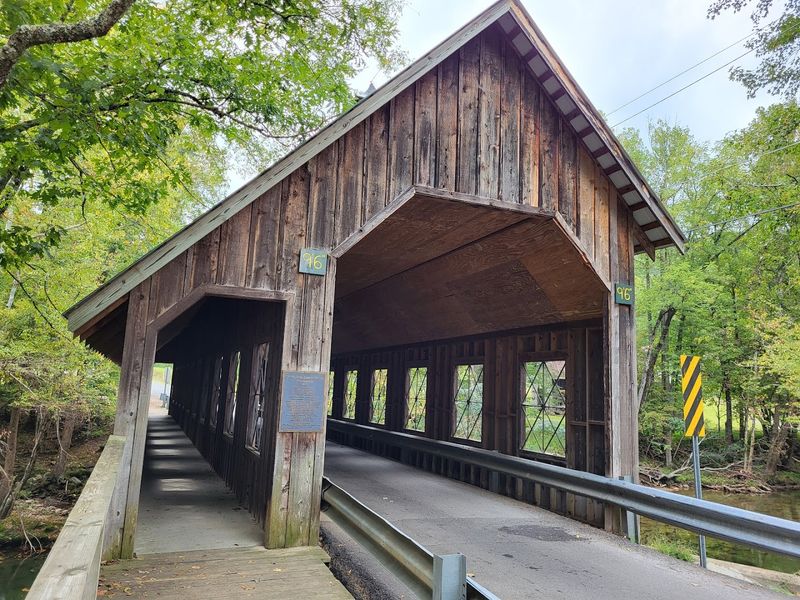
Not every covered bridge needs to be centuries old to carry real charm, and the Emert’s Cove Covered Bridge in Pittman Center proves that point beautifully.
Built in 2000, this modern structure was created to honor the rich covered bridge heritage of Sevier County, and it does so with warmth and authenticity that feels completely at home in the foothills of the Great Smoky Mountains.
Located at 250 Hills Creek Road, the bridge sits in one of the quietest and most scenic corners of East Tennessee, where the pace of life slows down and the mountains seem close enough to touch.
Pittman Center itself is a small, tight-knit community that takes great pride in its Appalachian roots, and this bridge serves as a fitting symbol of that connection to tradition and place.
The surrounding landscape is lush and green for much of the year, with creek sounds and mountain air making any visit feel like a genuine escape from everyday noise.
Because it was built with modern techniques, the structure is well-maintained and photogenic from every angle, offering visitors a picture-perfect covered bridge experience without the worry of crumbling wood or closed access.
Road trippers traveling through the Smoky Mountains corridor will find this bridge a worthwhile and refreshingly unhurried stop that rounds out any mountain itinerary with a touch of old-fashioned grace.
5. Historic Townsend/Sunshine Covered Bridge, Townsend
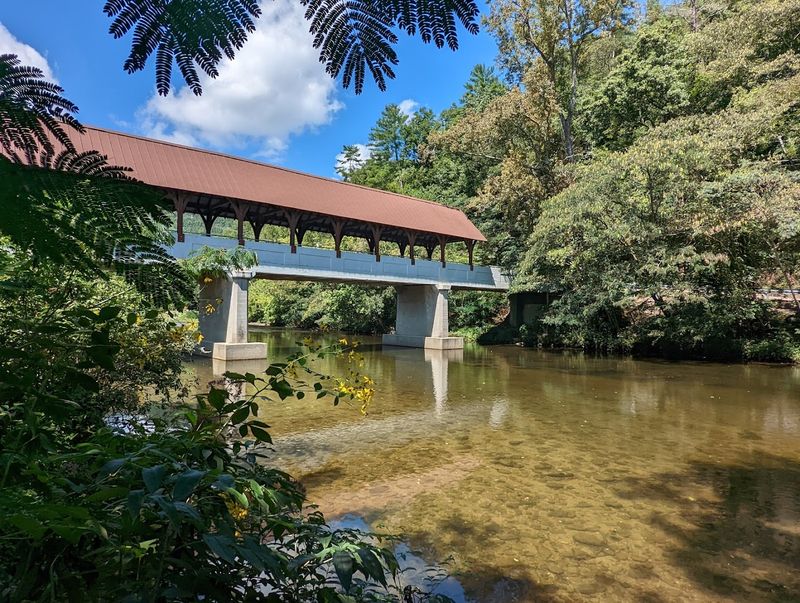
Half old, half new, and entirely worth stopping for, the Townsend/Sunshine Covered Bridge along East Lamar Alexander Parkway is one of the most interesting bridge stories in all of Tennessee.
The structure has deep roots in Townsend’s logging history, but its 120-foot covered portion was completed in 2019 after a dedicated restoration effort that saved the bridge from demolition and honored community member Jim Hind in the process.
Spanning the Little River in Blount County, the bridge features a rustic tin roof and graceful curving arches that give it a look both timeless and inviting.
One of its most delightful quirks is that trout can often be spotted swimming in the clear water below, turning a simple bridge crossing into a mini wildlife moment.
Visitors are actively encouraged to stop, walk across, fish from the banks, or even ride bicycles over the bridge, making it one of the most interactive covered bridge experiences in the state.
Townsend itself is known as the “Peaceful Side of the Smokies,” and this bridge fits that reputation perfectly, offering a calm and scenic contrast to the busier tourist areas nearby.
The combination of mountain air, river views, and fascinating restoration history makes this bridge a standout stop that rewards visitors with far more than just a pretty photograph.
6. Historic Sycamore Springs Covered Bridge, Bethpage
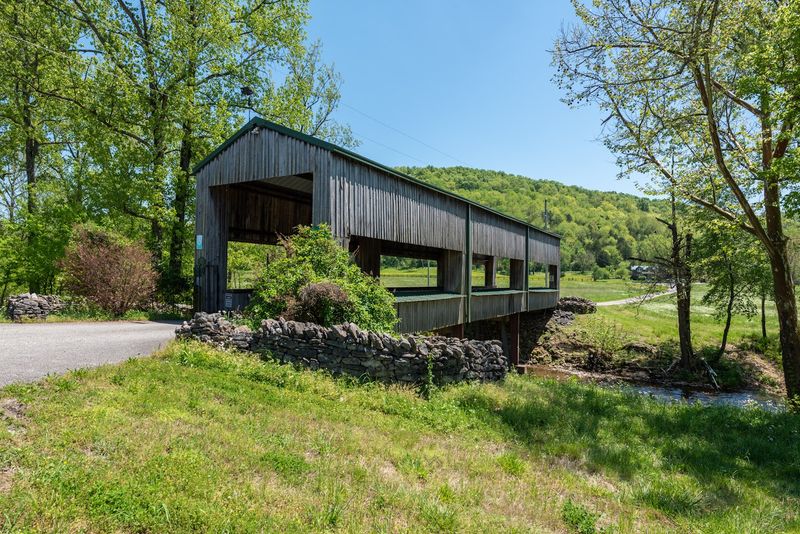
Standing along US-31E in Bethpage, the Sycamore Springs Covered Bridge offers a slice of rural Tennessee history that feels wonderfully removed from the noise of modern travel.
Sumner County is a region known for its rolling farmland and small-town character, and this bridge fits right into that identity, sitting in a landscape that looks much the same as it did generations ago.
The wooden structure is a classic example of covered bridge craftsmanship, with its enclosed design providing the kind of atmospheric passage that makes visitors slow down and actually pay attention to their surroundings.
Unlike some of Tennessee’s more famous bridges, Sycamore Springs tends to attract fewer crowds, which means you are more likely to have a quiet, personal moment with the structure and its scenic surroundings.
The area around Bethpage is pleasant for a slow drive, and the bridge makes a natural focal point for anyone exploring the back roads of Middle Tennessee.
Photographers will appreciate the way the surrounding trees and open fields create a natural backdrop that changes dramatically with the seasons, from spring blooms to autumn color.
Pairing a stop here with a broader Middle Tennessee road trip gives the whole journey a sense of discovery that keeps the experience feeling fresh from start to finish.
7. Historic Church Street Covered Bridge, Red Boiling Springs
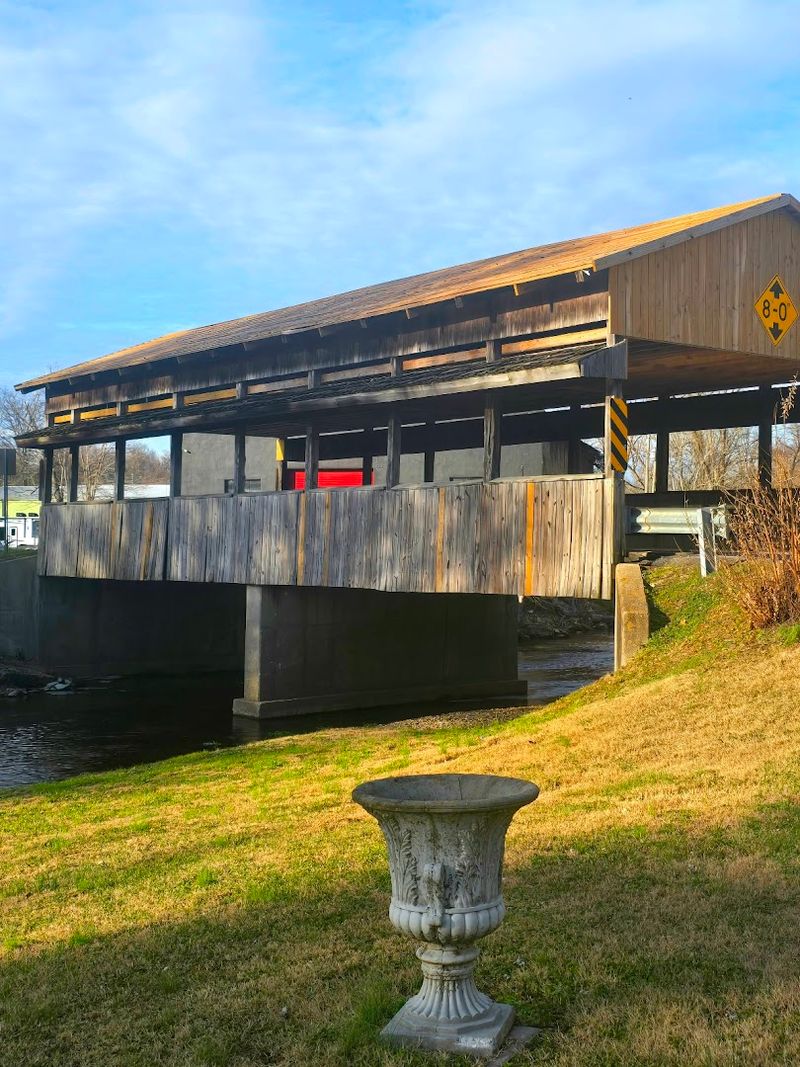
Red Boiling Springs is already one of Tennessee’s most charmingly named towns, and the Church Street Covered Bridge at 204 Church Street adds another layer of character to this small Macon County community.
The bridge crosses Salt Lick Creek and features a classic wooden construction with a sloped roof that is beautifully framed by the surrounding greenery, creating a scene that looks like it belongs on a postcard.
What makes this bridge particularly special is that it is still drivable for cars, a detail that puts it in rare company among Tennessee’s historic covered bridges and gives visitors the full sensory experience of rolling through its wooden tunnel.
The sound of tires on old planks and the brief dimming of light as you pass through are small moments, but they stick with you long after the visit.
Red Boiling Springs has a long history as a resort town, once famous for its mineral springs that drew visitors seeking health benefits during the late 1800s and early 1900s.
That heritage of welcoming travelers runs deep here, and the Church Street bridge feels like a natural extension of the town’s long relationship with curious visitors.
If you are road tripping through northern Middle Tennessee, this bridge and the surrounding town make for an unexpectedly rich and memorable afternoon stop.
8. Historic Tom Comier Covered Bridge, Tellico Plains
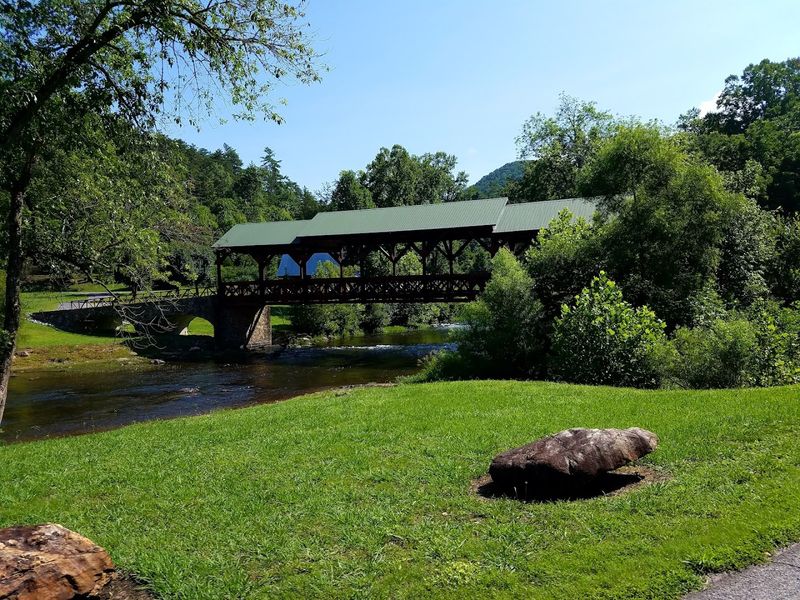
Tucked into the scenic landscape near Tellico Plains along TN-165, the Tom Comier Covered Bridge sits in one of the most naturally dramatic settings of any covered bridge on this list.
Monroe County is gateway country to the Cherokee National Forest, and the surrounding mountains and forest give this bridge a backdrop that feels genuinely wild and expansive compared to the more pastoral settings of other Tennessee bridges.
The rustic wooden structure feels right at home among the tall trees and mountain ridgelines that define this part of southeastern Tennessee, and the overall atmosphere is one of quiet, unhurried beauty.
Tellico Plains itself is a popular launching point for outdoor adventures, including hiking, mountain biking, and scenic drives along the Cherohala Skyway, one of the most spectacular roads in the entire Southeast.
Adding the Tom Comier bridge to an outdoor itinerary in this area is an easy and rewarding decision, giving nature lovers a cultural and historical anchor point amid all the wilderness activity.
The bridge’s weathered wood and classic covered design contrast beautifully with the lush green forest surrounding it, especially during spring and early summer when the vegetation is at its most vivid.
Few bridges in Tennessee offer this particular combination of rugged mountain scenery and old-fashioned craftsmanship, making it a must-visit for anyone exploring the state’s southeastern corner.
9. Emerson E. Parks Farm Covered Bridge, Trimble
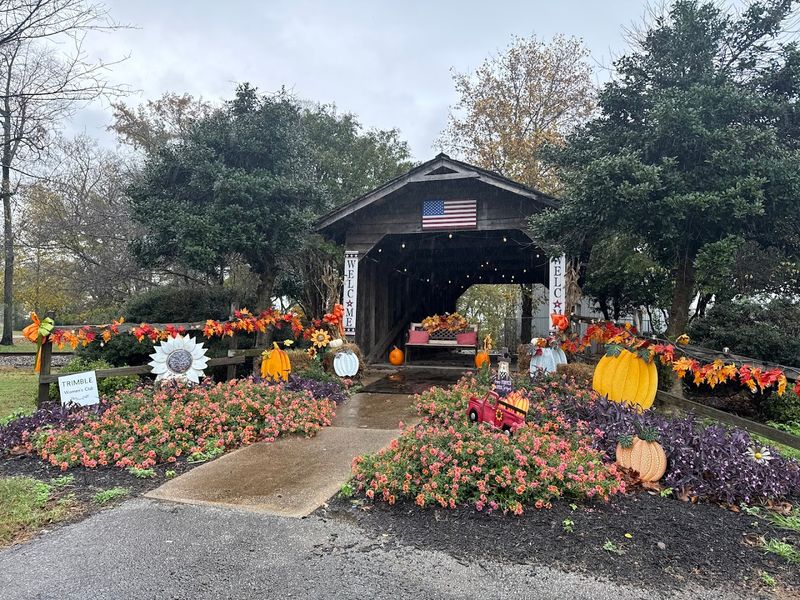
West Tennessee does not always get the covered bridge spotlight, but the Emerson E. Parks Farm Bridge in Trimble makes a compelling case that Dyer County deserves a place on every bridge enthusiast’s map.
Located at 107 Parks Street, this rebuilt structure uses a King post truss design and has been described as one of the most beautiful sights in Tennessee, a bold claim that visitors consistently find well-supported once they arrive.
The flat, open landscape of West Tennessee gives this bridge a completely different visual context from the mountain bridges of the eastern part of the state, and that contrast is part of what makes it so memorable.
Wide skies and agricultural fields stretch out around the structure, creating a sense of openness and simplicity that feels genuinely calming.
The bridge’s rebuilt condition means it is well-preserved and visually striking, with clean lines and solid craftsmanship that reflect both respect for tradition and practical care for the structure’s longevity.
Trimble is a small community, and the bridge carries a strong sense of local pride, representing a connection to the farming heritage that has defined this part of Tennessee for generations.
For travelers willing to venture off the interstate and explore the quieter roads of West Tennessee, this bridge offers a surprisingly moving reward at the end of the journey.
10. Heritage Park Covered Bridge, Chattanooga
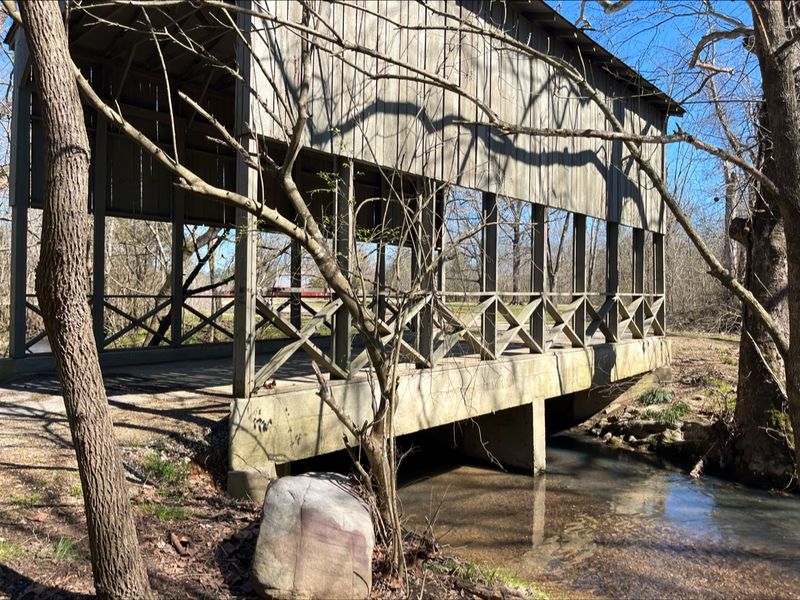
Chattanooga is a city famous for its outdoor adventures and scenic river views, and the Heritage Park Covered Bridge at 1406 Jenkins Road adds a quieter, more reflective kind of beauty to the city’s already impressive list of attractions.
Set within a park environment in Hamilton County, this covered bridge offers an accessible and family-friendly experience that feels like a genuine escape even in the middle of a busy urban area.
The surrounding park grounds provide walking paths and open green space that make the bridge feel like a destination rather than just a waypoint, encouraging visitors to slow down and spend real time in the area.
Chattanooga’s position near the Tennessee River and Lookout Mountain means that a visit to Heritage Park can be easily combined with some of the most dramatic natural scenery in the entire state.
The bridge itself has the classic covered design that evokes a strong sense of American heritage, and its well-maintained condition makes it a reliable and photogenic stop throughout the year.
Families with children will find the park setting especially welcoming, with room to picnic, play, and explore beyond just the bridge itself.
Ending a Tennessee covered bridge road trip in Chattanooga feels entirely fitting, as this city has always known how to balance history, nature, and a genuine sense of place into one satisfying experience.