
The Mountain Retreat In Washington That’s So Affordable, Locals Secretly Love It
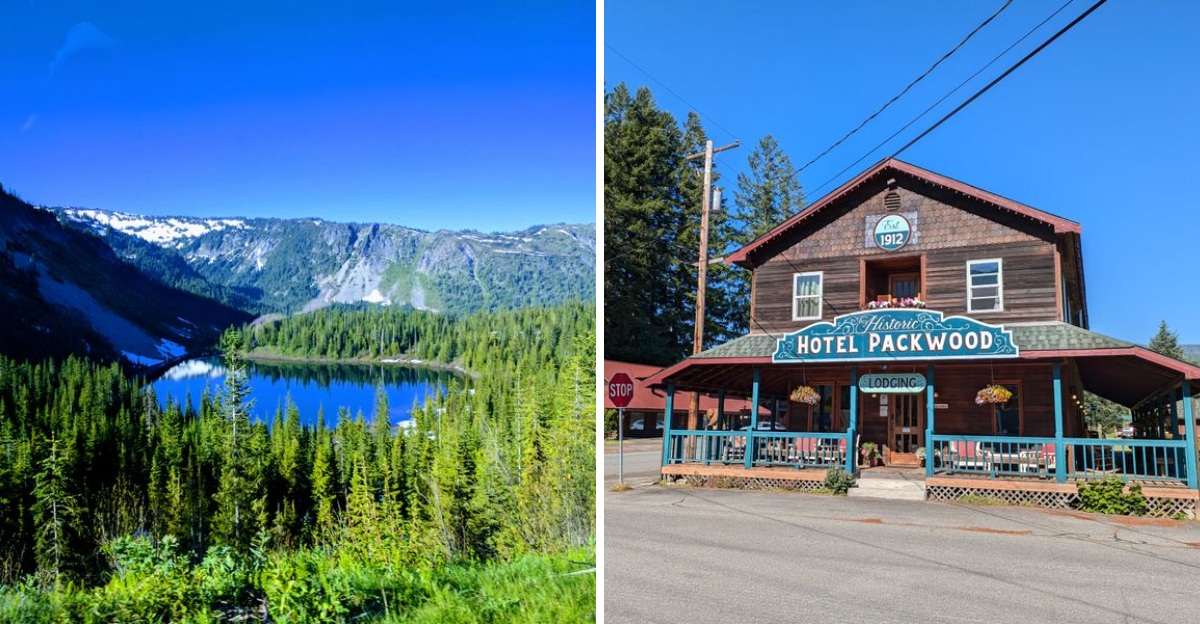
Packwood sits quietly in the shadow of Mount Rainier, a small town that doesn’t shout for attention but earns loyalty from those who find it.
With fewer than 400 residents in the census-designated area and just over a thousand in the surrounding community, this easternmost Lewis County settlement offers mountain access without the mountain-town price tag.
Locals have long appreciated what Packwood delivers: proximity to wilderness, affordability that feels increasingly rare, and a pace that refuses to hurry.
A Small Mountain Town Tucked Between Rainier And White Pass
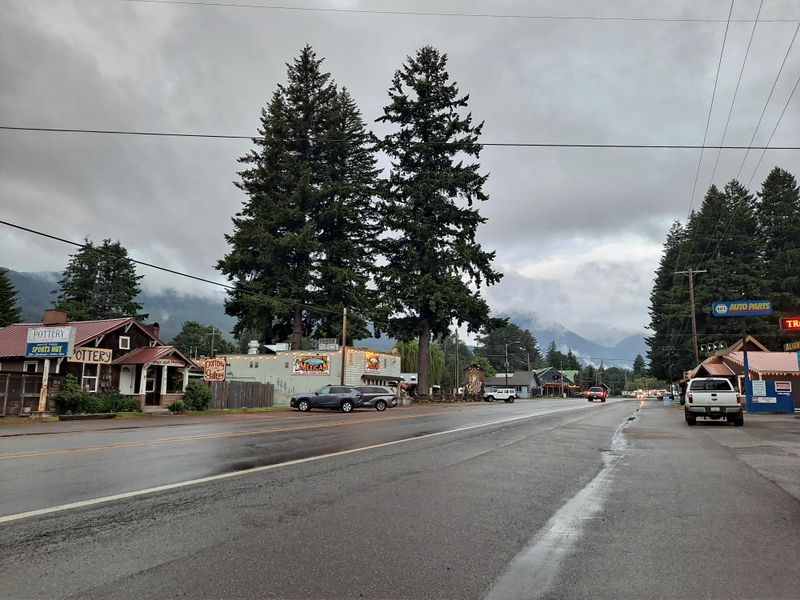
Positioned along U.S. Route 12 in easternmost Lewis County, the town serves as a natural midpoint between Mount Rainier National Park to the northwest and White Pass to the southeast.
This placement isn’t accidental luck but rather the result of settlement patterns that favored access over isolation.
The surrounding Gifford Pinchot National Forest wraps around the community, creating a buffer that keeps development modest and the skyline uncluttered.
Elevation here hovers around 1,100 feet, high enough to feel alpine without crossing into harsh winter territory that would make year-round living impractical for most residents.
Affordable Cabins And Campgrounds Define The Local Way Of Staying
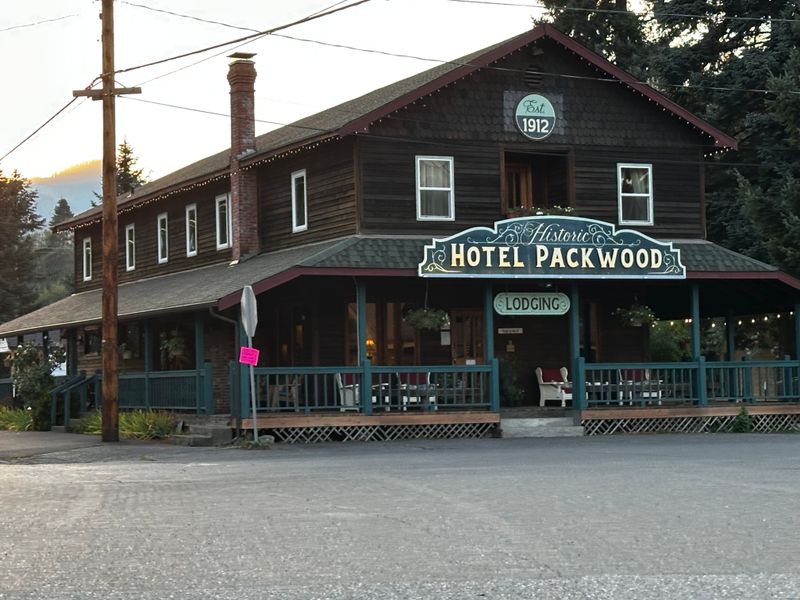
Accommodation costs in Packwood remain stubbornly reasonable compared to gateway towns near other national parks.
Small cabins, modest motels, and family-run lodges dominate the lodging landscape, with nightly rates that don’t require advance budgeting or credit card anxiety.
Campgrounds scatter throughout the area, offering sites that range from primitive forest clearings to RV-friendly spots with hookups.
The absence of luxury resorts isn’t a shortcoming but a feature, keeping the town accessible to families, solo travelers, and retirees who prioritize experience over amenities.
This affordability extends to long-term stays, making Packwood viable for extended mountain retreats.
Locals Use Packwood As A Base For Mount Rainier’s Quiet Side
Mount Rainier’s eastern approaches receive a fraction of the traffic that floods the Paradise and Sunrise areas.
Packwood residents know this well and use their town as a launching point for trails and viewpoints that rarely see tour buses or Instagram crowds.
The Ohanapecosh entrance lies just minutes away, providing access to old-growth forests and river valleys that feel worlds apart from the park’s busier sectors.
Grove of the Patriarchs, Silver Falls, and other trails in this region offer solitude even on summer weekends.
Locals appreciate this proximity without the accompanying noise, treating the park as a backyard rather than a destination.
White Pass Offers A Low-Key Alternative To Major Ski Resorts
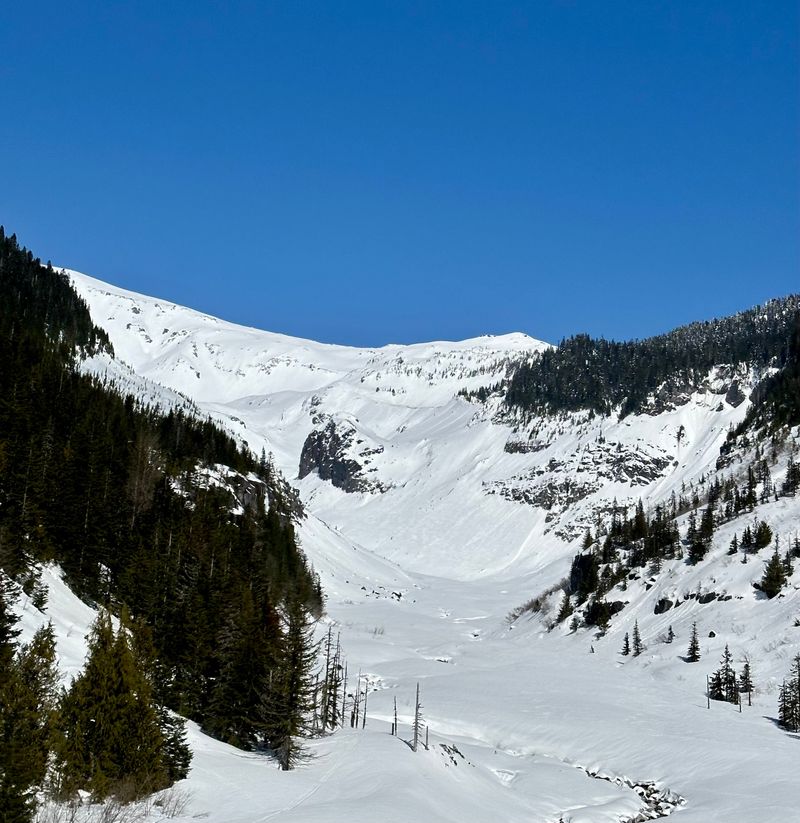
White Pass Ski Area sits roughly twenty minutes east of Packwood, offering winter recreation without the pretension or expense of larger Washington resorts.
The mountain operates with a straightforward approach: decent terrain, reasonable lift ticket prices, and none of the overcrowding that plagues Crystal Mountain or Stevens Pass on powder days.
Locals favor White Pass for its accessibility and lack of attitude, treating it as a practical place to ski rather than a status symbol.
The resort’s modest size means shorter lift lines and a community feel that larger operations abandoned decades ago. Summer transforms the pass into hiking and cycling territory.
Forest Trails And Rivers Begin Just Outside Town
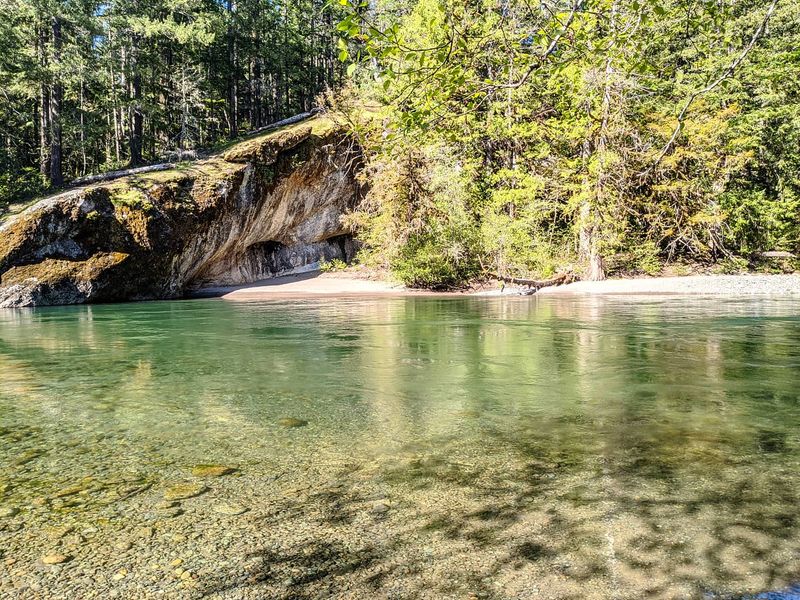
Packwood’s location within the Gifford Pinchot National Forest means wilderness access requires no lengthy drive or elaborate planning.
Trails depart from trailheads minutes from town, leading into landscapes shaped by volcanic geology and centuries of forest succession.
The Cowlitz River flows nearby, offering fishing opportunities that locals guard with appropriate discretion.
Smaller creeks and tributaries crisscross the area, their cold water supporting native trout populations.
Hikers can choose between short walks suitable for families and all-day expeditions that climb toward alpine lakes and ridgelines.
This immediate access removes barriers between intention and action.
Packwood’s Seasonal Rhythm Keeps Crowds In Check
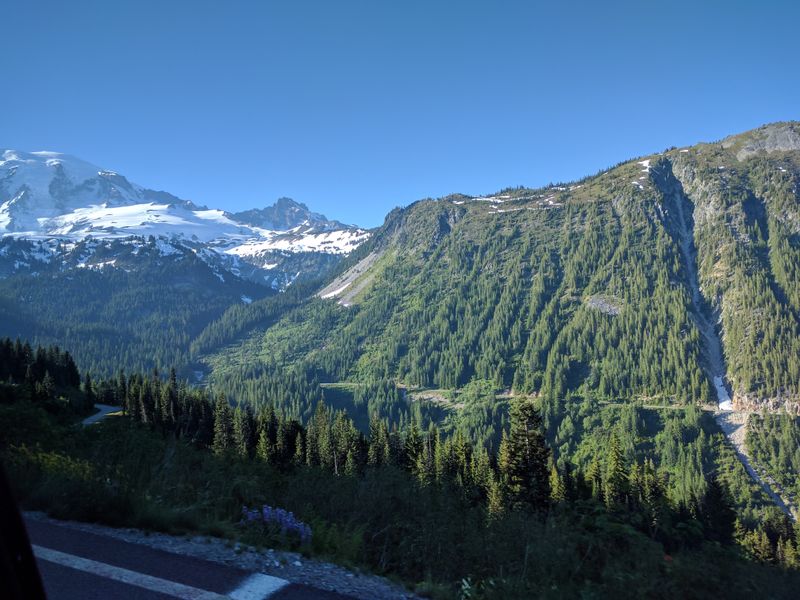
Tourism in Packwood ebbs and flows with the seasons, creating periods of activity followed by quiet months when locals reclaim their town.
Summer brings outdoor enthusiasts heading to the mountains, while winter draws skiers and snowshoers to White Pass.
Spring and fall see fewer visitors, offering windows of near-solitude that residents cherish.
This rhythm prevents the year-round saturation that transforms other mountain towns into permanent tourist zones.
The town never feels overrun because infrastructure and services scaled to match local needs rather than peak-season demand.
Businesses close when appropriate, reopening when conditions and crowds warrant, maintaining an honest relationship with the calendar.
The Town’s Size Encourages Slower, Simpler Days
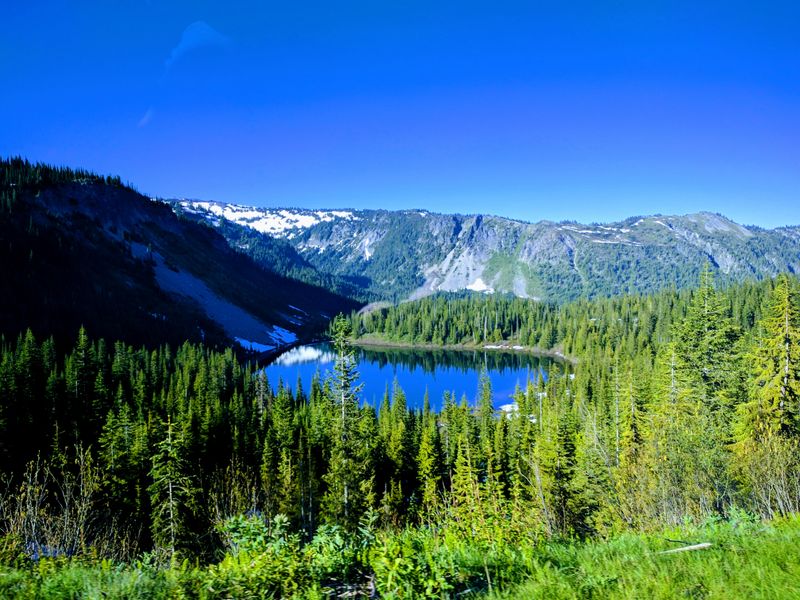
With a population hovering around 300 in the census-designated area, Packwood operates at a human scale that discourages rushing.
The town lacks the commercial density that creates urgency, instead offering a handful of essential services spread along a straightforward main corridor.
Grocery shopping, fueling up, and grabbing coffee happen without lines or stress, the kind of efficiency that comes from limited options rather than optimization.
This smallness forces a different relationship with time, where schedules loosen and plans remain flexible.
Residents know each other by sight if not by name, creating social accountability that keeps the community functional without formal governance structures.
Weekend Flea Markets And Small Events Add Local Character
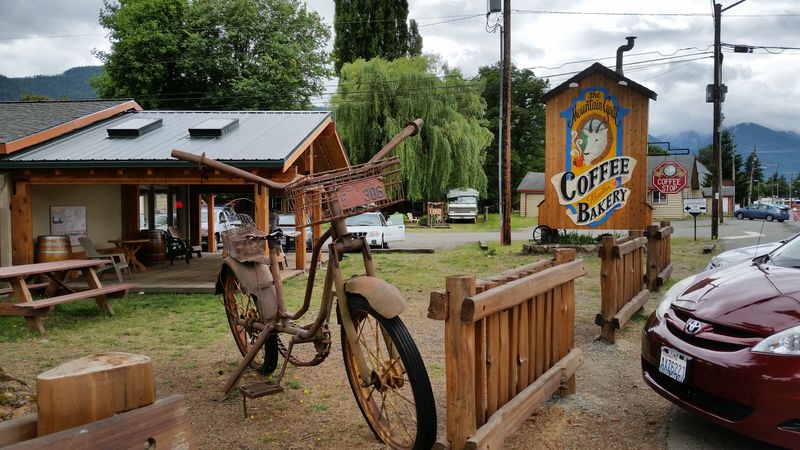
Packwood’s social calendar centers on modest gatherings that reflect community interests rather than tourist expectations.
Weekend flea markets draw vendors and browsers from surrounding areas, offering secondhand goods, local crafts, and the kind of informal socializing that happens between transactions.
Small events mark seasonal transitions—summer barbecues, fall harvest celebrations, winter holiday markets—without elaborate planning or corporate sponsorship.
These gatherings feel organic rather than staged, existing primarily for residents with visitors welcome but not essential.
The lack of major festivals or tourist-focused programming keeps Packwood off the destination-event circuit, preserving its character as a place where people live rather than merely visit.
Day Trips Replace Long Road Trips
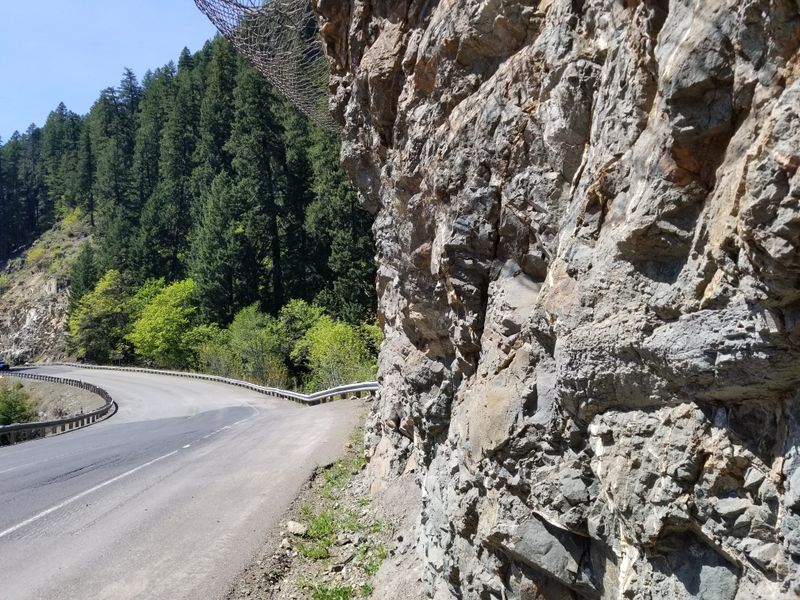
Packwood’s central location within southern Washington’s mountain corridor makes ambitious day trips practical without overnight stays.
Mount Rainier, Mount St. Helens, and the Columbia River Gorge all fall within reasonable driving distance, turning weekend adventures into same-day excursions.
This accessibility reduces travel fatigue and expense, allowing residents and visitors to explore diverse landscapes without committing to multi-day journeys.
The ability to return home each evening creates flexibility that longer trips can’t match.
Locals treat this proximity as a significant quality-of-life advantage, casually mentioning volcano hikes or waterfall visits the way others discuss neighborhood walks.
Packwood Feels Like Old-School Washington
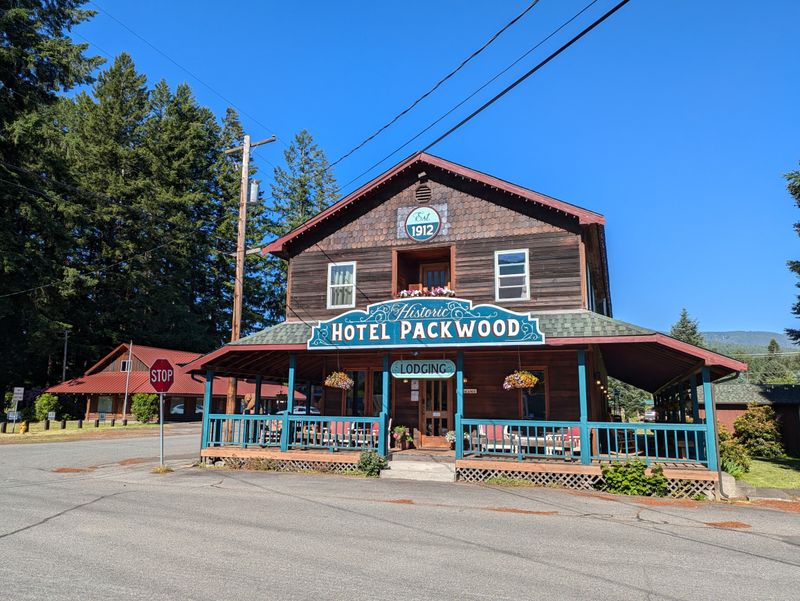
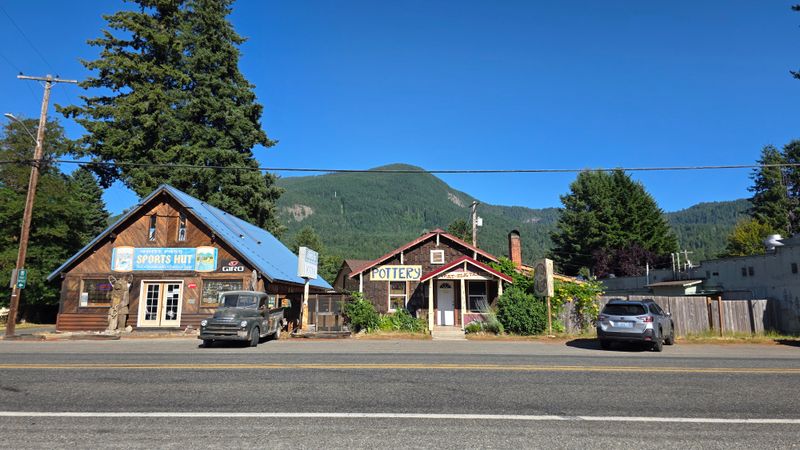
Walking through Packwood evokes Washington’s logging and mountain settlement history without resorting to manufactured nostalgia or theme-park aesthetics.
The town simply hasn’t changed much, maintaining a functional plainness that predates the boutique-ification of other mountain communities.
Buildings serve purposes rather than make statements, and businesses operate without trendy branding or calculated rusticity.
This authenticity stems from economic realities rather than preservation efforts—Packwood remained affordable and unglamorous because it never attracted the investment that transforms character into commodity.
The result feels genuine precisely because it wasn’t designed to feel that way, offering a glimpse of mountain-town life before recreation became an industry.
The Unincorporated Status Maintains Local Control And Simplicity
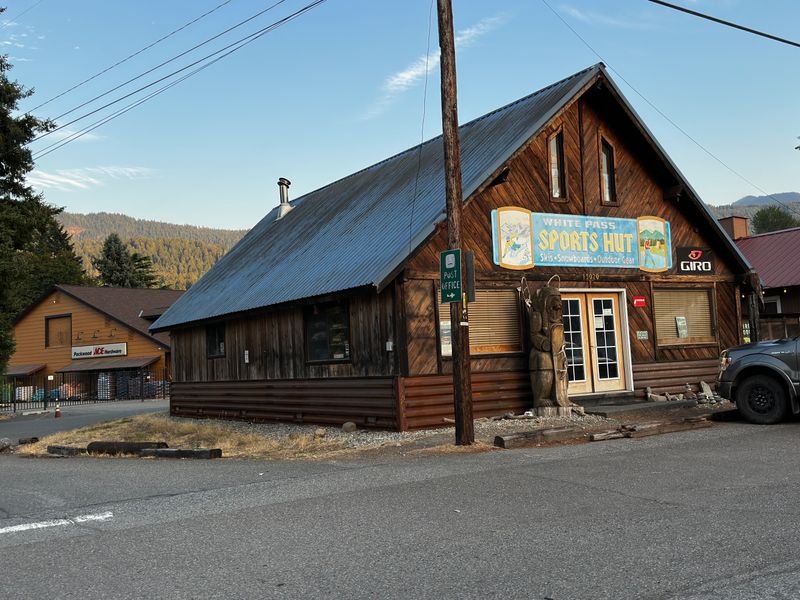
Packwood operates as an unincorporated community, meaning it lacks formal city government and the accompanying bureaucracy.
This status keeps regulations minimal and decision-making local, allowing the area to evolve organically rather than through planning commissions and zoning battles.
Services come from Lewis County rather than a municipal administration, creating a lean operational structure that matches the town’s modest size and needs.
This arrangement prevents the institutional growth that often accompanies incorporation, keeping overhead low and taxes reasonable.
Residents accept the trade-offs—fewer services but also fewer restrictions—appreciating the freedom that comes with light governance.
The arrangement works because the population remains small enough to self-regulate through informal social mechanisms.