
The Nevada Ghost Town That Feels Like A Forgotten Piece Of The Old West
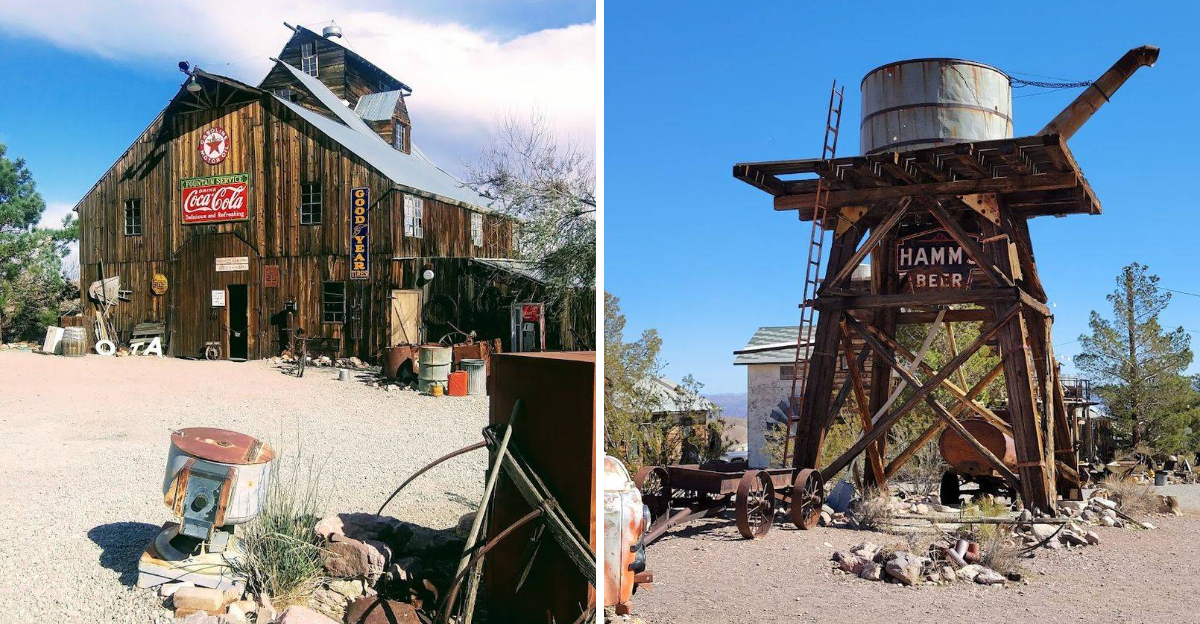
Out in the Nevada desert, one lonely stop feels like it wandered out of an old Western and never left. Weathered buildings, dusty paths, rusted cars, and mining relics set the scene before you even know the story.
It is rough around the edges in the best way, with enough character to make every photo feel like a movie still. The surrounding desert adds heat, silence, and wide-open views, giving the whole place a strange sense of time standing still.
Visitors come for the Old West atmosphere, but they often leave talking about the details: the creaky wood, forgotten tools, sun-bleached signs, and the feeling that history is still hanging around nearby.
A Nevada Ghost Town With Real Old West Character
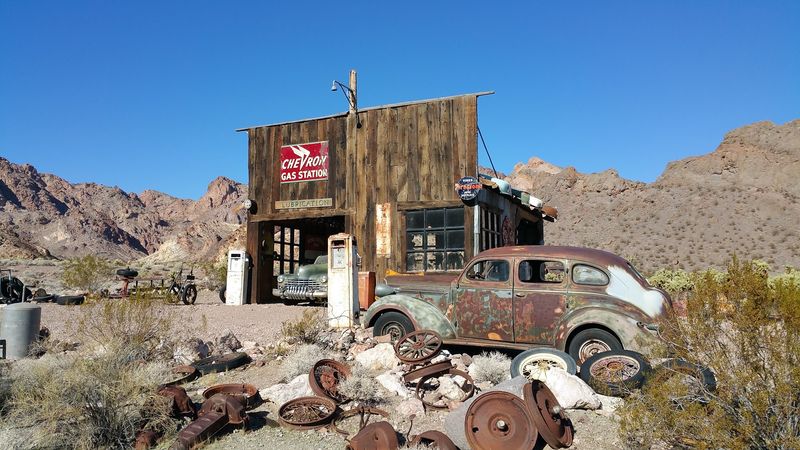
Nelson occupies a stretch of El Dorado Canyon in the Eldorado Mountains, about an hour south of Las Vegas. The town sits at coordinates 35.7080419, -114.8247014, accessible via Nevada State Route 165.
Visitors find themselves surrounded by structures that genuinely belonged to working miners rather than Hollywood set designers.
The buildings lean at angles that suggest gravity has been negotiating with them for decades. Sun-bleached wood frames creak in the wind while corrugated metal roofs display patterns of rust that read like abstract art.
Every surface tells a story of extreme temperatures and minimal maintenance.
Walking through Nelson feels different from visiting reconstructed historic sites. The authenticity comes from benign neglect rather than careful preservation.
Nothing here has been sanitized or made safe for mass consumption, which gives the place an edge that appeals to photographers and history enthusiasts alike.
Why Nelson Feels Frozen In Time
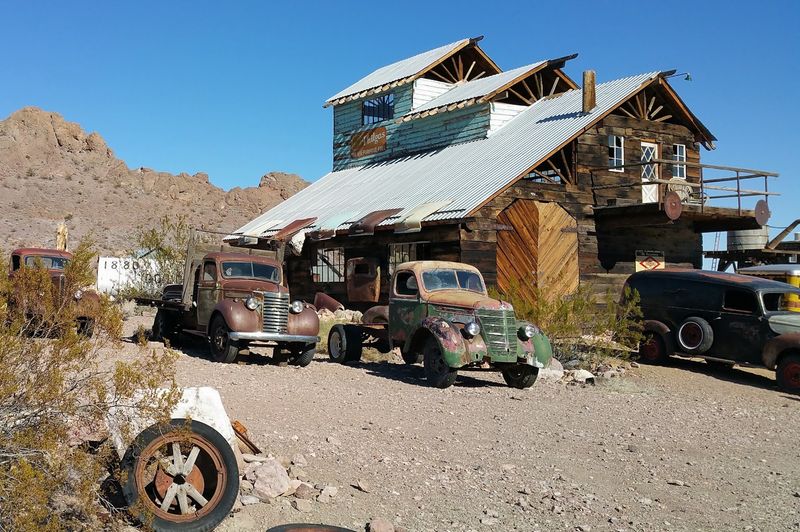
Time moves differently in places with 22 residents. Nelson exists in a state of arrested decay, where buildings from the 1800s stand alongside vehicles from the 1950s.
The town never experienced the boom-and-bust cycles that completely erased other mining settlements.
Gold and silver brought prospectors here starting in 1859, making this one of Nevada’s earliest mining districts. The mines produced sporadically through the early 1900s, but Nelson never grew large enough to attract modern development.
When mining declined, the town simply stopped rather than transforming into something else.
The Pacific Standard Time zone placement feels arbitrary in a place where clocks seem irrelevant. Visitors often report losing track of hours while wandering among the structures.
The desert silence amplifies this temporal distortion, broken only by wind and the occasional vehicle passing on the nearby road.
A Desert Stop Filled With Weathered Buildings
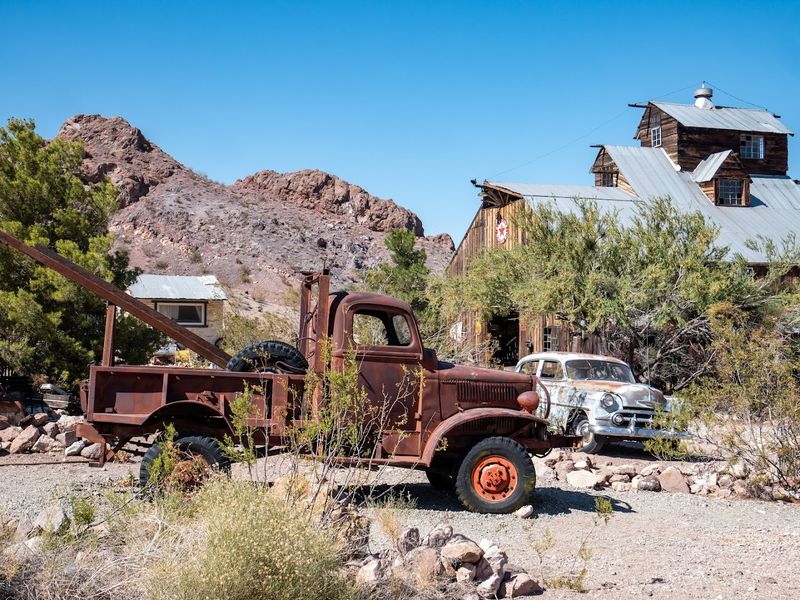
The structures in Nelson represent various eras of frontier construction. Wooden frames mix with stone foundations and metal additions that were clearly added as afterthoughts.
Each building bears the signature of desert weathering, with wood grain raised by decades of sandblasting winds.
A former general store stands near what used to be a saloon, both identifiable mainly by their shapes rather than any remaining signage. The rooflines dip and sway like waves frozen mid-motion.
Windows without glass frame views of the Eldorado Valley beyond.
Some buildings retain fragments of their original purposes. Shelving units still line interior walls, and doorframes hang at angles that require visitors to duck or step carefully.
The structures exist in that perfect state of decay where they remain standing but clearly will not last forever, adding urgency to any visit.
The Mining History Behind This Forgotten Town
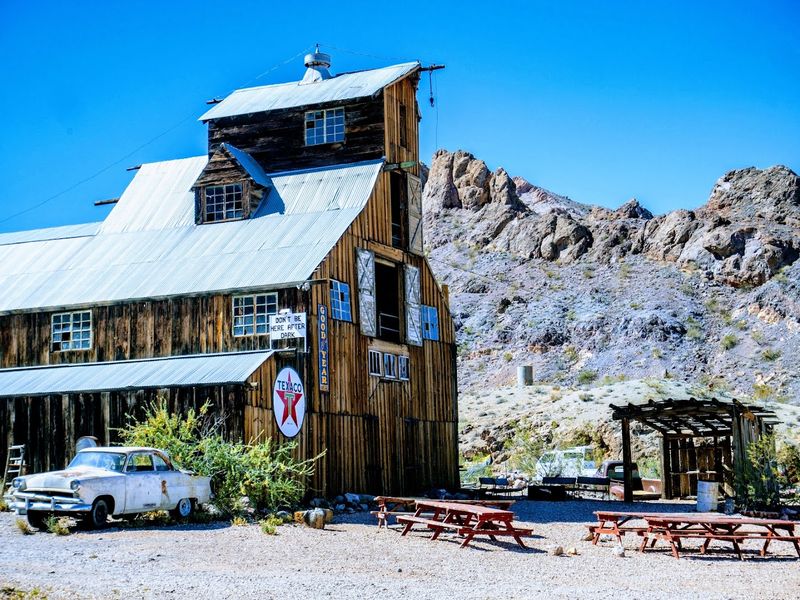
El Dorado Canyon drew fortune seekers before Nevada achieved statehood. The discovery of gold in 1859 sparked one of the region’s first mining rushes.
Silver deposits added to the appeal, and for several decades, Nelson served as a supply point for miners working the surrounding hills.
The Techatticup Mine became the most productive operation in the area, yielding both precious metals and considerable violence. Disputes over claims led to shootings frequent enough that the mine earned a reputation as one of Nevada’s deadliest.
Bodies were reportedly more common than bonanzas during certain periods.
Mining continued intermittently until the mid-20th century, though never with the intensity of the early years. The boom never reached the scale of Virginia City or Tonopah, which paradoxically helped Nelson survive.
Smaller operations meant fewer people, less infrastructure, and ultimately a slower fade rather than a complete collapse.
Vintage Cars, Wooden Saloons, And Dusty Roads
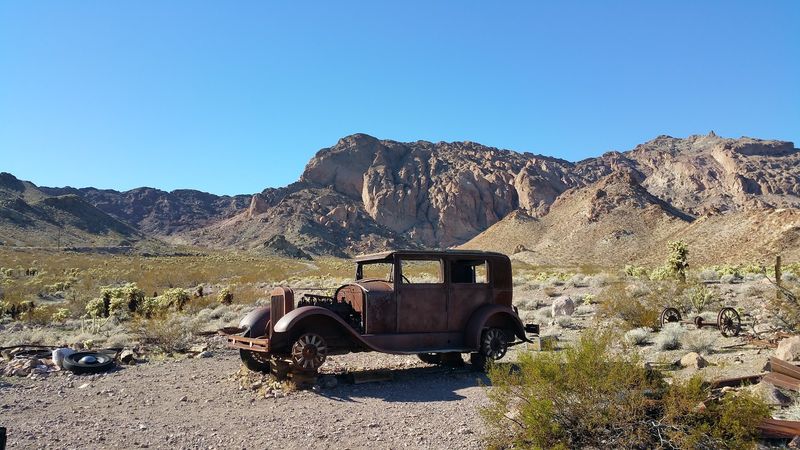
Automotive relics dot the landscape around Nelson like sculpture installations. Vehicles from the 1940s and 1950s sit where they were last parked, their bodies consumed by rust but still recognizable.
Chrome bumpers and rounded fenders emerge from the desert floor at odd angles.
The old saloon building remains one of the most photographed structures in town. Its wooden facade shows layers of paint that have peeled back to reveal the grain beneath.
The porch sags under its own weight, and the interior has been stripped of anything valuable, leaving only shadows and dust.
Roads through Nelson consist mainly of packed dirt and gravel. Pavement exists on the main route, but most paths between buildings remain unpaved.
Dust rises with every footstep, settling slowly in the dry air and coating everything with a fine layer that tastes faintly of minerals and history.
A Photo-Worthy Place With A Gritty Past
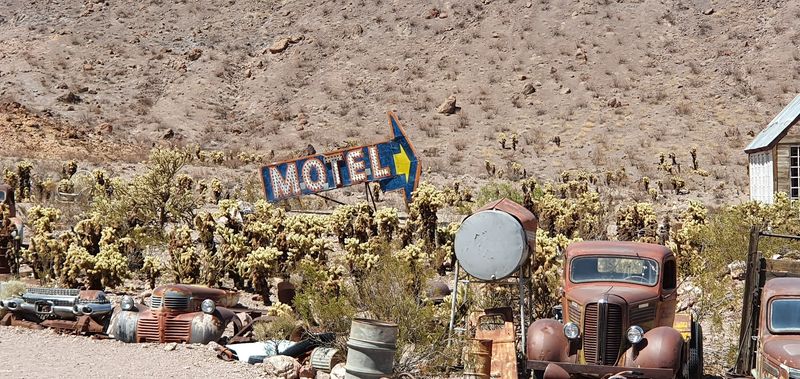
Photographers arrive in Nelson seeking textures and compositions impossible to find in maintained historic sites. The combination of rusted metal, weathered wood, and harsh desert light creates visual opportunities that fill memory cards quickly.
Every angle offers something worth capturing.
The gritty history adds depth to the imagery. Knowing that genuine violence occurred here, that real miners struggled and died in pursuit of wealth, gives weight to photographs that might otherwise feel like aesthetic exercises.
The blood and desperation have long since blown away, but the evidence remains.
Social media has increased visitor numbers in recent years, though Nelson remains far from crowded. Sunrise and sunset bring the best light, painting the buildings in shades of gold and orange that echo the precious metals once pulled from nearby mines.
Midday heat keeps most visitors in their vehicles or seeking shade.
Why This Ghost Town Feels Worth The Drive
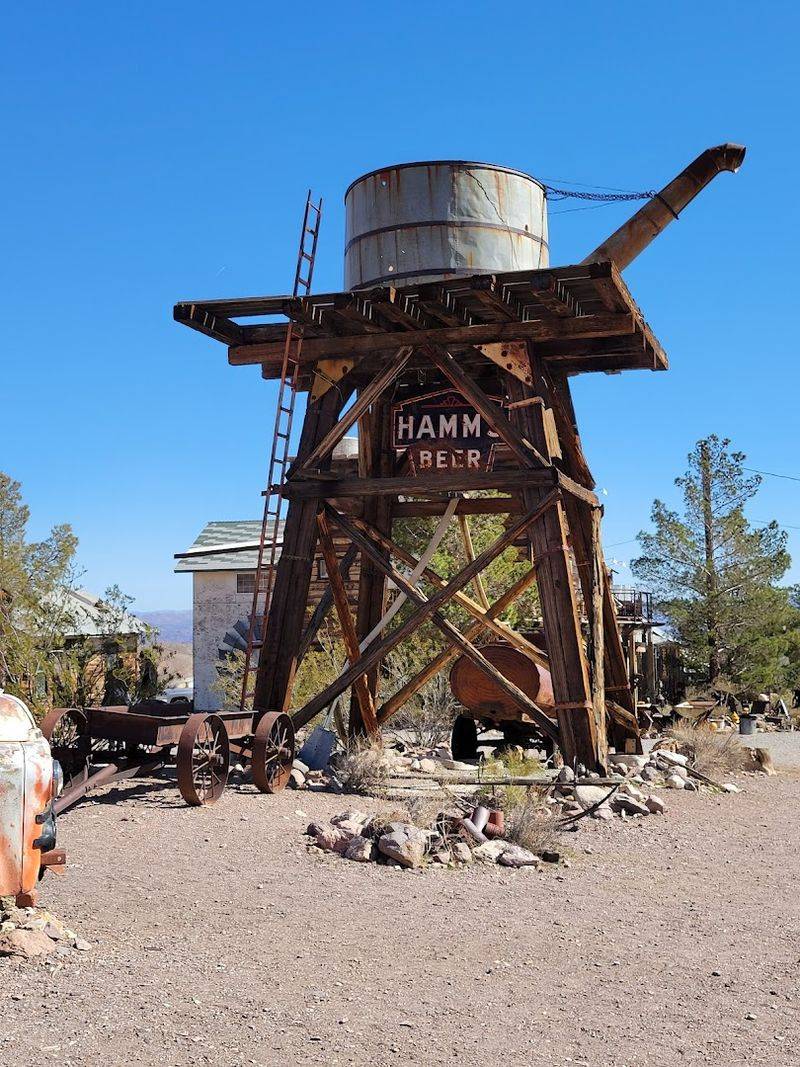
The drive to Nelson from Las Vegas takes roughly an hour, following US Route 95 south before turning onto State Route 165. The road winds through Boulder City and along the edge of Lake Mead before entering the desert proper.
The landscape shifts from suburban sprawl to absolute emptiness within miles.
What makes the journey worthwhile is the authenticity waiting at the end. Nelson does not charge admission, does not offer guided tours, and does not sanitize its presentation.
Visitors explore at their own risk, which feels appropriate for a place built by people who accepted risk as part of daily life.
The town provides a counterpoint to the manufactured experiences available in Las Vegas. Where the Strip offers controlled excitement and guaranteed comfort, Nelson offers genuine decay and uncertain footing.
Both have their place, but only one feels like stepping into actual history rather than a theme park version.
A Quiet Look At Nevada’s Boomtown Days
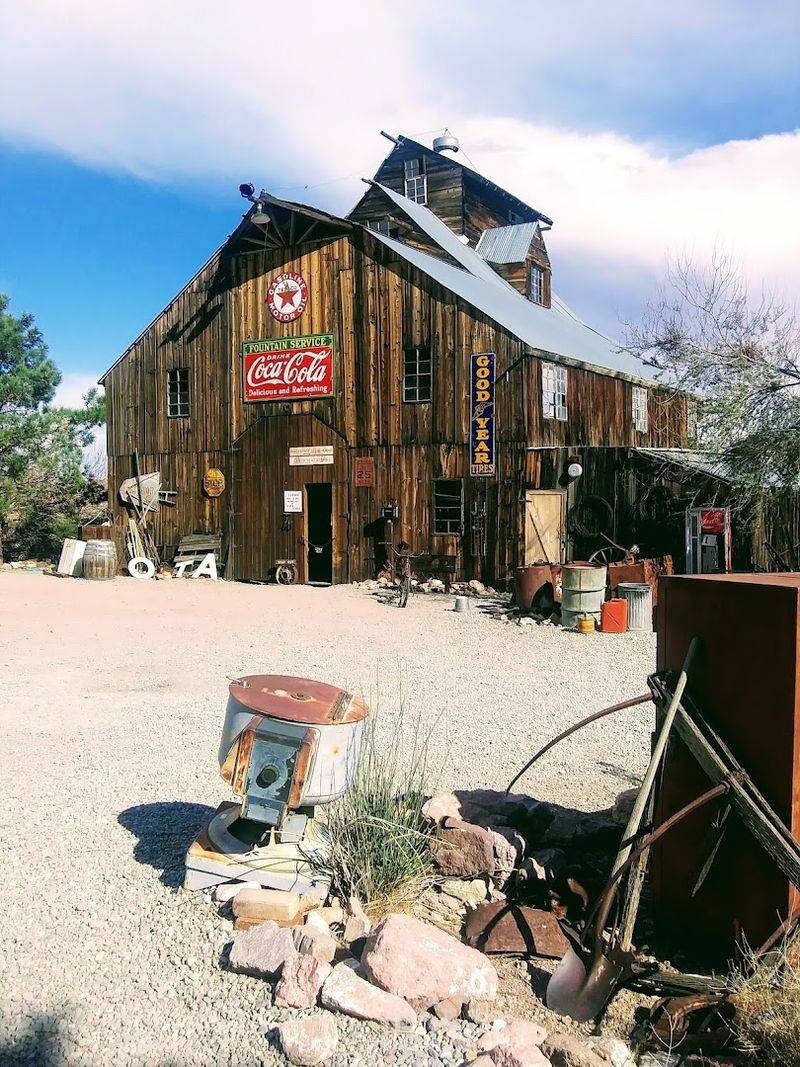
Nevada’s mining history includes legendary boomtowns like Virginia City and Goldfield, where populations exploded overnight and fortunes changed hands daily. Nelson represents the smaller, quieter side of that story.
This was never a place where thousands gathered, but rather where hundreds tried their luck and mostly failed.
The scale of Nelson makes the boomtown experience more comprehensible. Walking the short distance from one end of the settlement to the other takes minutes.
Every building can be examined in an afternoon. The human dimension remains visible in ways that larger ghost towns obscure.
Silence dominates the soundscape here. Without crowds or commercial activity, visitors hear wind, footsteps, and the occasional creak of settling wood.
This quiet allows for reflection on what boomtown life actually meant for ordinary people rather than legendary prospectors. Most left with less than they brought.
The Desert Scenery Adds To The Atmosphere
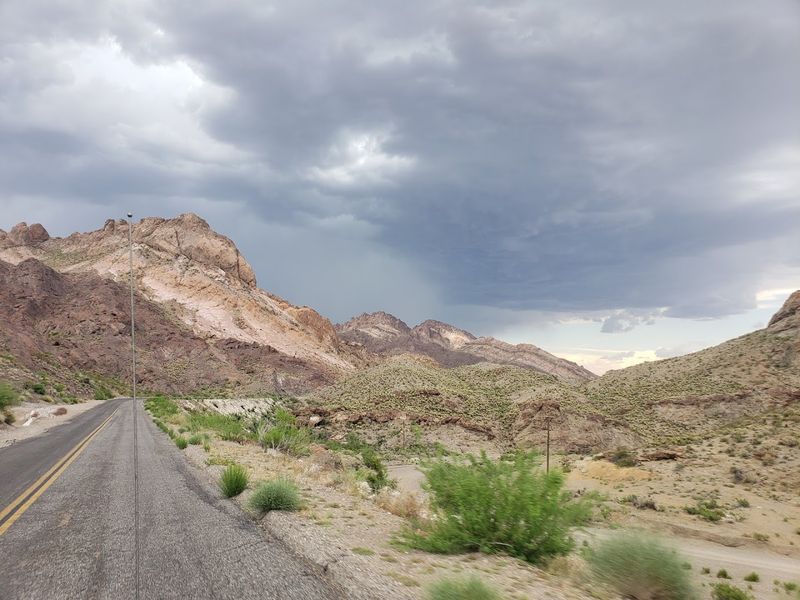
The Eldorado Mountains rise around Nelson in layers of brown and gray stone. Vegetation consists mainly of creosote bushes and occasional cacti, plants that have mastered survival in an environment hostile to most life.
The desert here looks exactly as harsh as it actually is.
El Dorado Canyon cuts through the landscape, providing the only real relief from the surrounding flatness. The canyon walls show geological history in their striations, layers of rock deposited over millions of years.
Nelson sits in this natural corridor, sheltered slightly but still exposed to desert extremes.
Summer temperatures regularly exceed 110 degrees, making visits during those months an exercise in endurance. Winter offers more comfortable exploration conditions, though nights can drop below freezing.
The desert does not compromise, which somehow makes Nelson’s survival here seem even more improbable and impressive.
A Forgotten Old West Stop With Serious Character
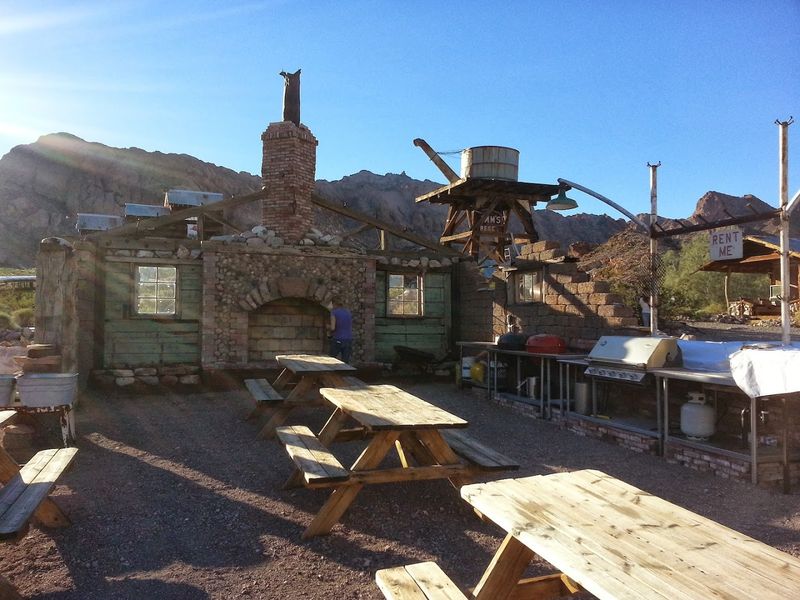
Character in a place comes from accumulated experience rather than design. Nelson has character because real people lived, worked, fought, and died here over more than a century.
The buildings absorbed their stories, and the desert preserved what remained when the people left.
The town appears in the census as a community in Clark County with 22 residents, which raises questions about who chooses to live in a ghost town. These permanent residents maintain a light presence, neither promoting nor preventing tourism.
They exist alongside the history rather than performing it.
Visiting Nelson requires accepting the place on its own terms. There are no amenities, no gift shops, no restrooms, and no guarantees of safety.
The experience feels genuinely forgotten because it largely has been, existing off the main tourist circuits and offering nothing beyond what remains. For some visitors, that nothing is everything.