
The New York Car Museum With More Than 170 Classic Cars You Can See Up Close
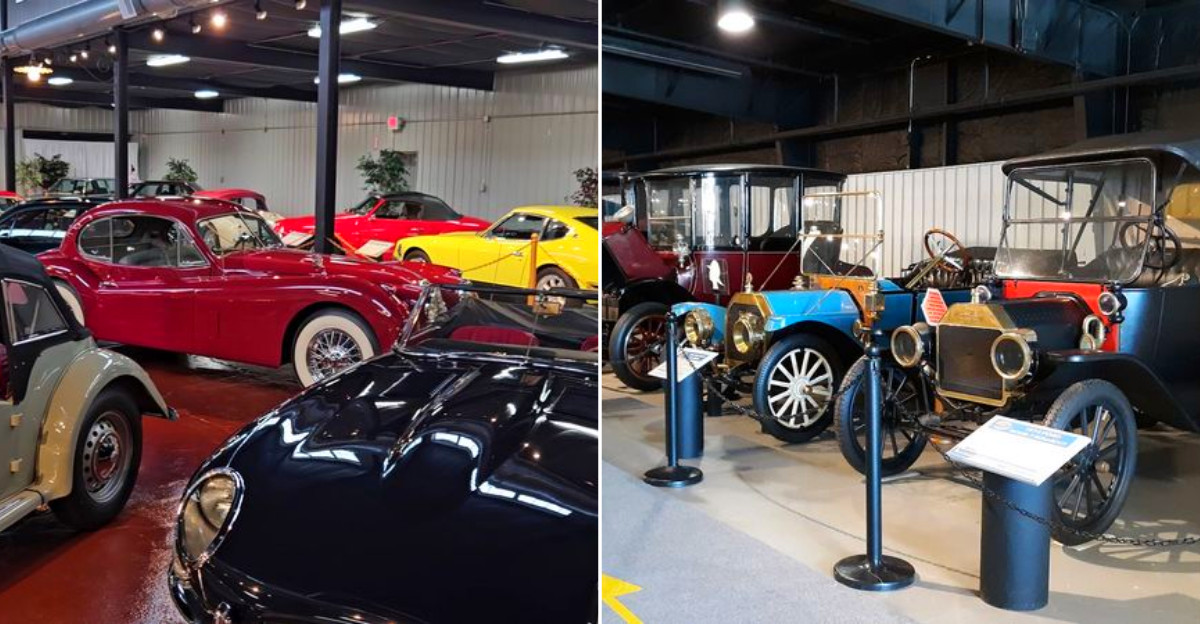
Five connected buildings in a small New York town hold more than 170 classic cars, along with motorcycles, airplane engines, and clothing from the decades that produced all of it.
There is no velvet rope here. Polished chrome, clear signage, and aisles wide enough to lean in and actually study something, which is the opposite of how most collections of this size get displayed.
Somebody decided the point was looking closely rather than keeping people back.
Old iron does something to certain people that is hard to explain to everyone else. Anyone who already knows that feeling will understand why this one belongs on a road trip list.
A Chrome Filled Secret In The Rolling Hills
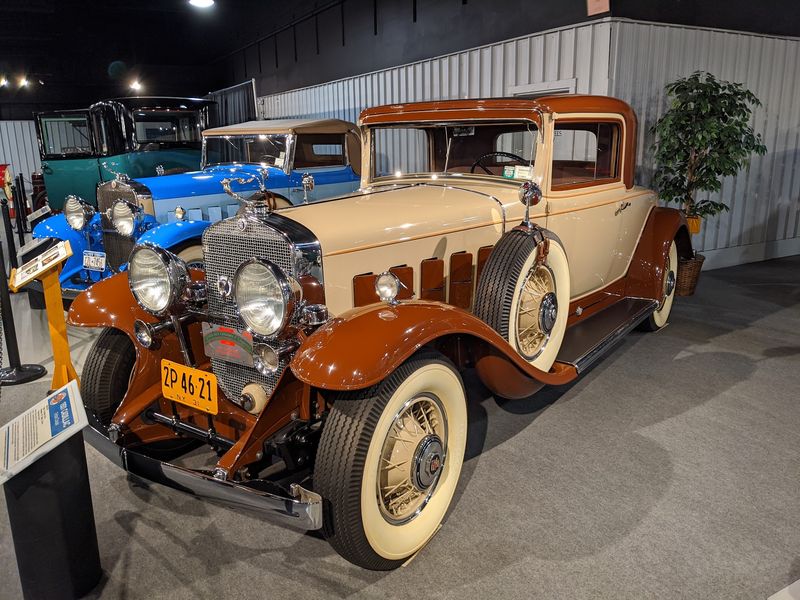
Most people drive through this part of New York chasing lakes, ballparks, or fall leaves. Few expect a 89,000 square foot automotive collection waiting at the end of a modest village street.
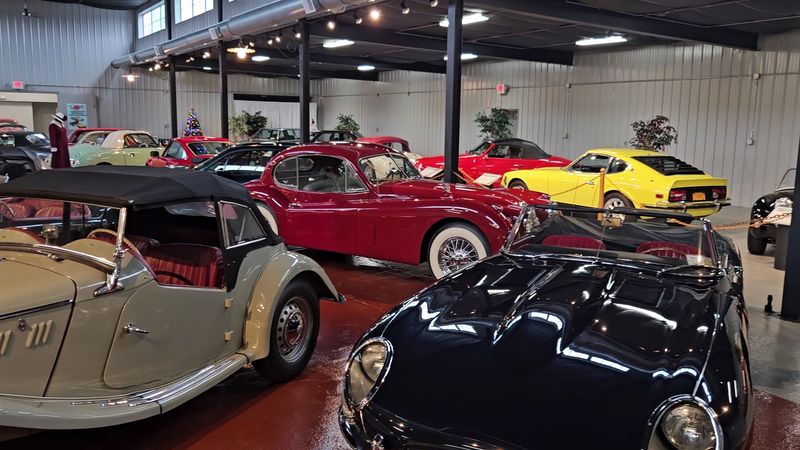
Five buildings connect together, each one climate controlled and spotless, so the paint on a century old touring car still throws back light like water. Aisles run wide enough for strollers, scooters, and slow walkers who want to study every hubcap.
The scale catches visitors off guard. You think you will breeze through in forty minutes, then look up and two hours have vanished into fenders and fins.
What sets the place apart is honesty. Cars sit close enough to read the stitching on the seats, with detailed cards explaining who built them and why they mattered.
There are no gimmicks, no flashing screens shouting for attention. The vehicles carry the show themselves, which is exactly how it should be.
Bring curiosity and comfortable shoes. This collection rewards people who slow down, read the placards, and let the history sink in one radiator grille at a time.
Norwich Puts Its Cards On The Table
Give credit where it belongs. The Northeast Classic Car Museum makes its home at 24 Rexford Street in Norwich, New York, a town of roughly seven thousand people about forty minutes south of Cooperstown.
Doors opened over Memorial Day weekend in 1997, and the museum has run without interruption ever since. It operates as a not for profit educational facility, which explains the careful signage and the teaching tone throughout.
A retro styled facade went up in the spring of 2022, giving the exterior a look that matches the treasures behind it. Free parking sits in a paved lot right across from the entrance.
Hours are generous. The museum welcomes guests seven days a week, from 9 in the morning until 4:30 in the afternoon.
Closures are few and easy to remember. Thanksgiving Day, Christmas Day, and Easter Sunday are dark, and Christmas Eve wraps up early at 1 in the afternoon.
New Year’s Day, however, stays open. That makes it an unusual and rather charming way to start a fresh year with your family.
Brass Era Beauties From The Early 1900s
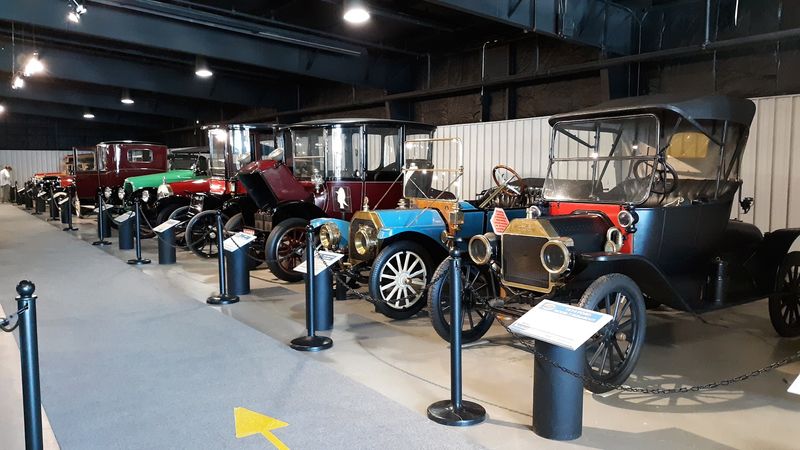
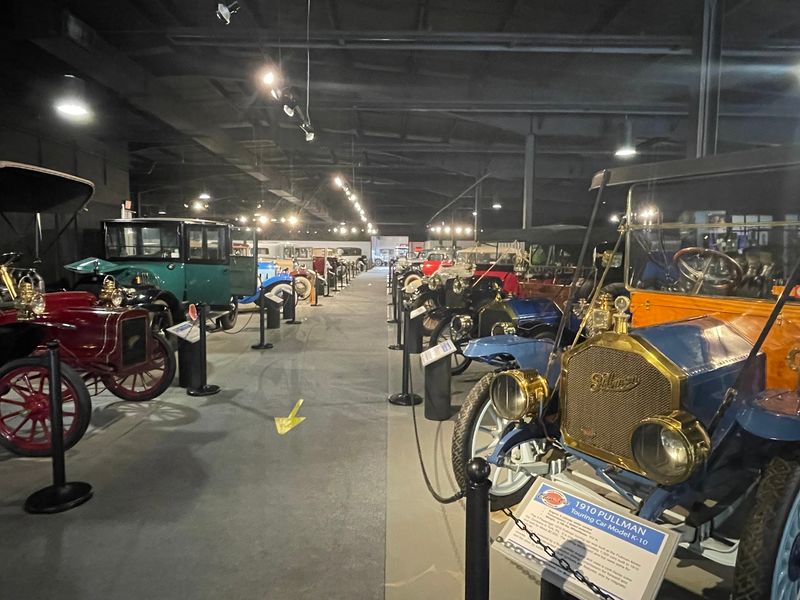
Before headlights ran on electricity, they burned gas and wore brass collars polished to a shine. The earliest cars in Norwich come from that rough and hopeful era.
Wooden spoke wheels. Leather straps. Steering wheels the size of dinner platters.
Looking at these machines, you realize how much courage early driving demanded. Roads were mud, brakes were suggestions, and heaters did not exist in any meaningful sense.
The restorations are meticulous. Brass gleams, upholstery sits tight, and the wood trim looks freshly oiled rather than merely preserved.
Placards fill in the details that make the difference. You learn what a car cost new, how many were built, and why the company eventually stopped making them.
Children tend to love this section most. The vehicles look almost like carriages, and the connection between horse drawn wagons and modern automobiles clicks instantly.
Adults get something quieter. There is a certain humility in standing beside a machine older than your grandparents that still looks ready to roll.
Take your time here. The brass era sets the stage for everything else in the building.
Motorcycles Lined Up In The Hog Pen
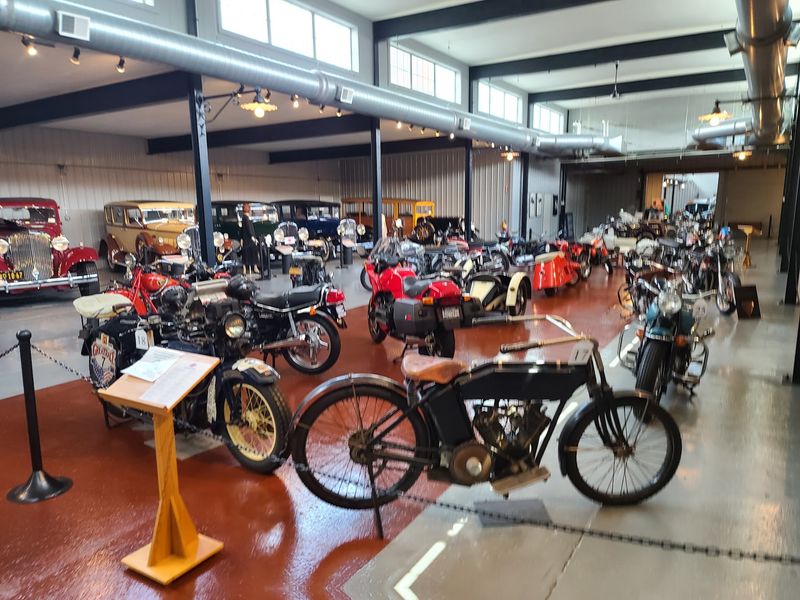
Two wheels get their own stage. Twenty eight motorcycles fill a dedicated area that regulars affectionately call the Hog Pen.
Machines span decades, showing how handlebars, tanks, and engines evolved from rattling contraptions into road ready cruisers. Chrome and leather do a lot of talking.
Motorcycle fans often arrive expecting a token display and find something far richer. The bikes are restored to the same standard as the cars, which is to say excellent.
Riders passing through on summer tours frequently stop here on purpose. It has become a small tradition among touring groups crossing central New York.
Even people who have never straddled a bike find the section fascinating. The engineering is exposed, so you can trace every cable and cylinder with your eyes.
Signs explain manufacturers, model years, and production quirks worth knowing. Some brands vanished long ago, making these survivors genuinely rare.
Pair the motorcycle gallery with the car halls and you get a fuller picture of how Americans moved. Not everyone wanted four wheels, and this room proves it beautifully.
Made In New York State, Proudly Displayed
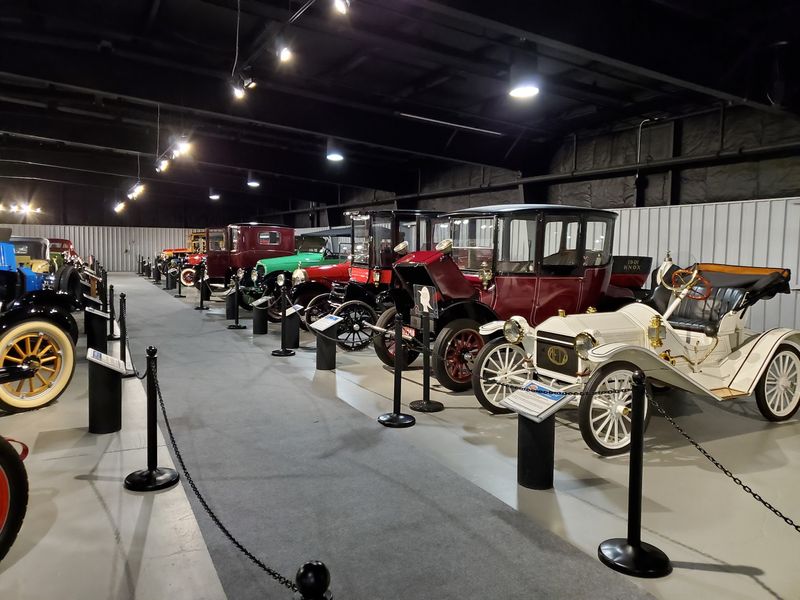
Detroit gets the glory, but New York built plenty of cars too. An entire room honors vehicles and products manufactured within state lines.
Several of the automobiles here rank among the rarest in the collection. Companies rose, produced a handful of models, and closed before most people noticed them.
Learning that your own state once churned out automobiles hits differently than reading about faraway factories. History feels closer when it happened up the road.
The exhibit goes beyond cars. Items made across New York fill out the story of regional manufacturing and the workers behind it.
Placards do the heavy lifting, naming towns and factories that no longer appear on maps. It is a quiet kind of preservation work.
Local visitors often linger longest in this room. Familiar place names on the signs turn a museum visit into something personal.
For travelers, the section provides useful context. You begin to understand why a serious car museum landed in a small upstate town rather than a major city.
The answer is simple. The cars belong here.
Airplane Engines With War Stories Built In
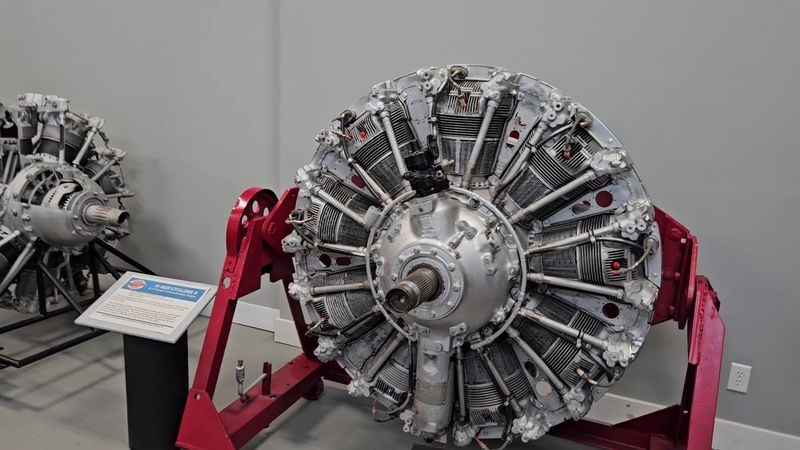
Not everything on display rolled down a highway. The museum also holds aircraft engines from both World War I and World War II.
These are serious pieces of machinery. Radial cylinders fan outward like metal flowers, and the scale surprises anyone expecting something modest.
Seeing an aircraft engine beside automobiles makes a neat point. Many of the same companies and engineers worked on both, trading ideas back and forth.
Visitors who arrive purely for cars often name this exhibit as an unexpected favorite. The engineering is raw and completely exposed.
Signage explains what each engine powered and how it performed. No aviation degree required to follow along.
The engines also add historical weight to the visit. They connect the collection to bigger events that shaped the twentieth century.
Photographers enjoy this area for the geometry alone. Circles, bolts, and fins arrange themselves into patterns that look almost deliberate.
Give the section a proper look rather than a passing glance. It rounds out the story of American machine building in a way the cars alone cannot.
Fashion Mannequins That Set The Scene
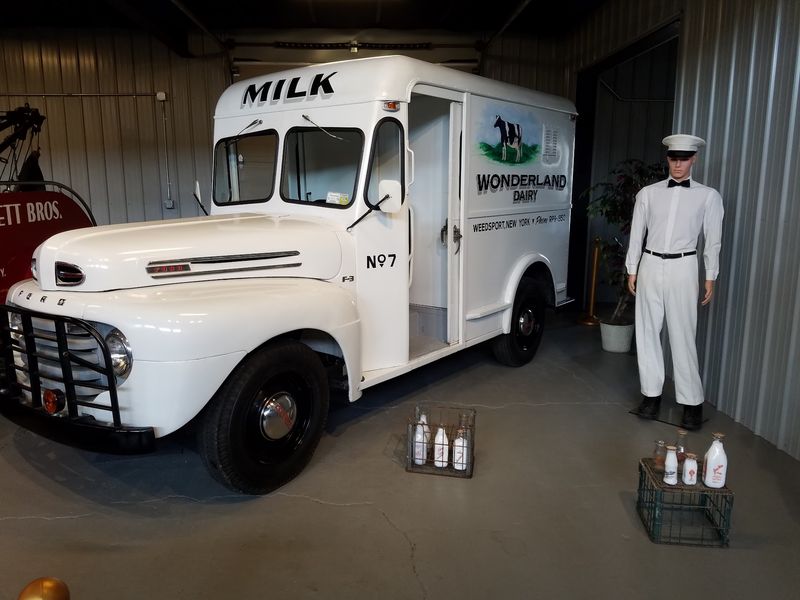
Cars did not exist in a vacuum, and the museum knows it. Mannequins dressed in period clothing stand beside vehicles from matching decades.
A 1920s touring car gains context when a figure in drop waist fashion stands nearby. Suddenly the machine belongs to real people.
The vintage clothing collection covers many eras, shifting styles alongside the automobiles. Hemlines, hats, and coats all tell their own story.
It is a thoughtful touch that costs nothing extra and adds plenty. Visitors who came for horsepower end up discussing fabric and tailoring.
Families with mixed interests benefit most. Not everyone in the group cares about cylinder counts, but nearly everyone reacts to clothing.
The pairings also make photographs more interesting. Backgrounds gain depth and personality instead of flat showroom emptiness.
Museums often separate fashion from technology, treating them as unrelated subjects. Norwich blends them, and the result feels more like a time capsule than a showroom.
Keep an eye out as you move between buildings. The dressed figures appear throughout, quietly guiding you forward through the decades.
Rotating Exhibits Keep Regulars Coming Back
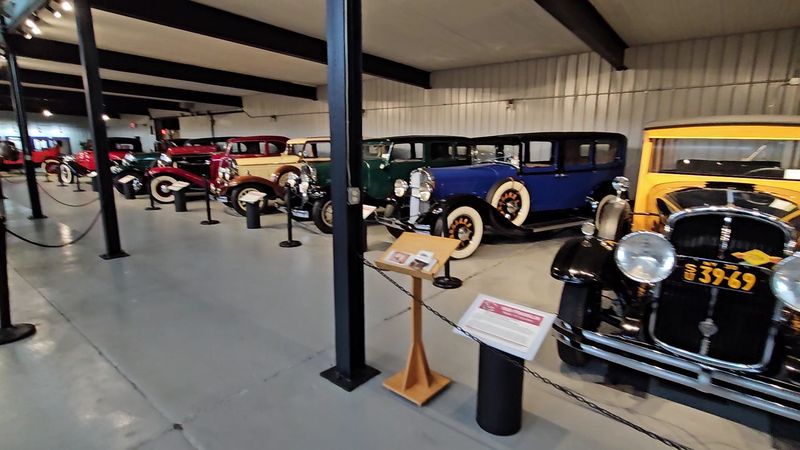
Return visits actually make sense here. One gallery changes its theme regularly, usually refreshing around June.
Past rotations have featured trucks, tractors, imported sports cars, and vehicles grouped by decade. The 1980s display pulled in plenty of visitors who learned to drive during that era.
Locals often visit twice a year for exactly this reason. The permanent collection stays reliable while the special exhibit offers something fresh.
Cars on loan from private owners also cycle through the halls. That means the lineup shifts in small ways even between major changes.
Checking the museum website before a trip is smart. Knowing the current theme helps you plan how much time to set aside.
The rotating space doubles as a rentable room for gatherings and special occasions. Practical use keeps the building working hard.
For first time visitors, the changing exhibit is simply a bonus. For repeat guests, it is the reason to circle back.
Either way, no two years look quite the same inside these five buildings, which is a rare quality in any museum.
The Gift Shop Worth Browsing Twice
Skip the gift shop at your own risk. The lobby holds a generous retail space packed with model cars, books, apparel, and small keepsakes.
Prices stay reasonable, which is not always true at attractions. You can leave with something meaningful without feeling stung.
Cast models draw the most attention. Many match vehicles you just admired in the galleries, which makes them proper souvenirs rather than random trinkets.
Book selections lean toward automotive history and restoration. Serious enthusiasts find titles that are hard to spot elsewhere.
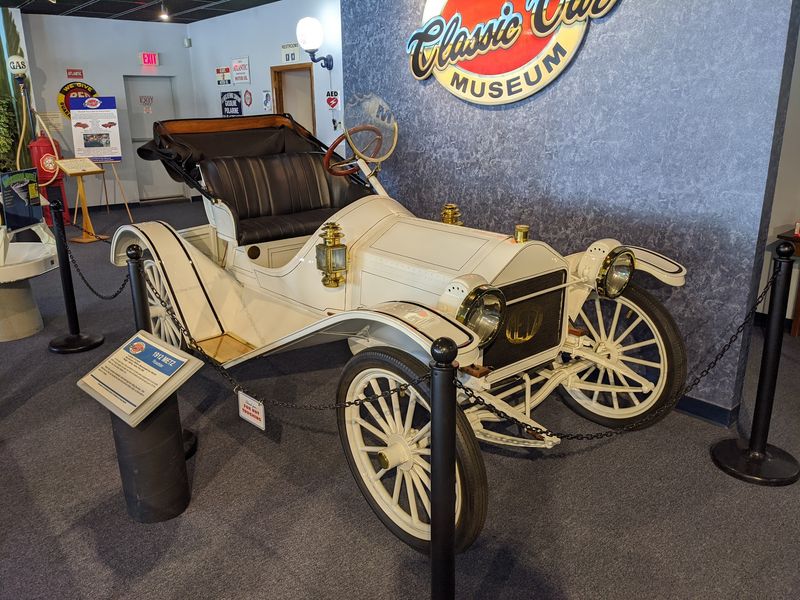
A Ford Model T sits near the entrance area, offering a photo opportunity before or after your walk through. It is a nice bookend to the visit.
Staff members in the lobby handle admissions and questions. Adult admission has historically run around twelve dollars, a modest price for this much square footage.
Shop proceeds support the museum, which operates as a not for profit. Buying a model car helps keep the lights on and the collection maintained.
Budget ten minutes at the end. You will probably need more.
Planning A Proper Day Around The Visit
Give yourself real time. Most guests spend two to three hours inside, and plenty stretch it to four without effort.
Arriving shortly after the 9 in the morning opening gives you quiet halls and unhurried viewing. Midday tends to bring more company.
Norwich sits in Chenango County, roughly three and a half hours from Manhattan and about an hour from Syracuse. The drive through rolling farmland is genuinely pretty.
Cooperstown makes an easy pairing. Baseball fans often combine the Hall of Fame with this museum across a weekend.
Autumn brings excellent color along the route. Summer offers warm weather for anyone arriving on two wheels.
Pack light and leave your hands free for photos. Signage is detailed, so reading takes up more time than you expect.
Snacks and meals are best handled in town before or after. The museum is about cars, not food service.
With more than 170 vehicles across five buildings, rushing does the collection no favors. Slow travel suits this stop perfectly, and upstate New York rewards anyone willing to take the scenic route.