
The New York Dutch Market Where Amish Vendors Sell Everything From Fruit To Fresh-Baked Shoofly Pie
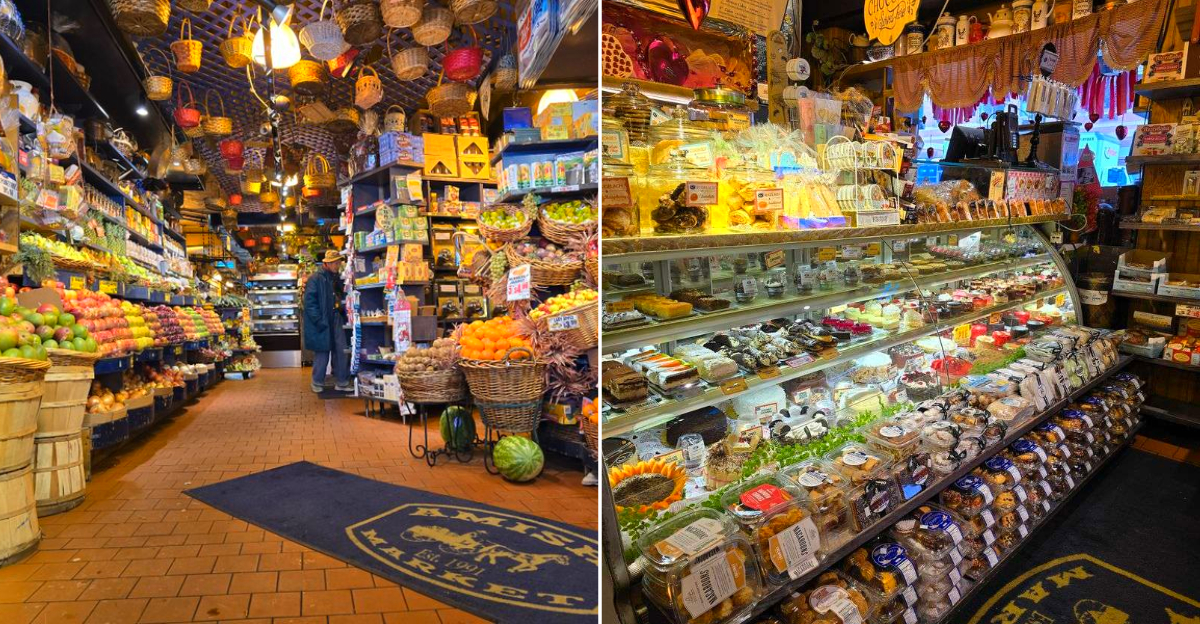
Weekend plans just got a serious upgrade. There’s a New York Dutch market where Amish vendors sell everything from fruit to fresh-baked shoofly pie, and walking through it feels like stepping into a slower, sweeter way of life.
This charming New York Dutch market pulls visitors in with homemade treats and old-fashioned charm you don’t see every day.
The smell of warm bread and pies greets you before you even reach the stalls. One minute you’re sampling jams, the next you’re admiring handmade quilts and solid wood furniture you suddenly feel emotionally attached to.
The whole place feels friendly and relaxed, with vendors happy to chat about their craft. You might plan to browse casually… but leaving empty-handed is very unlikely.
Quiet Craft In A Busy Borough
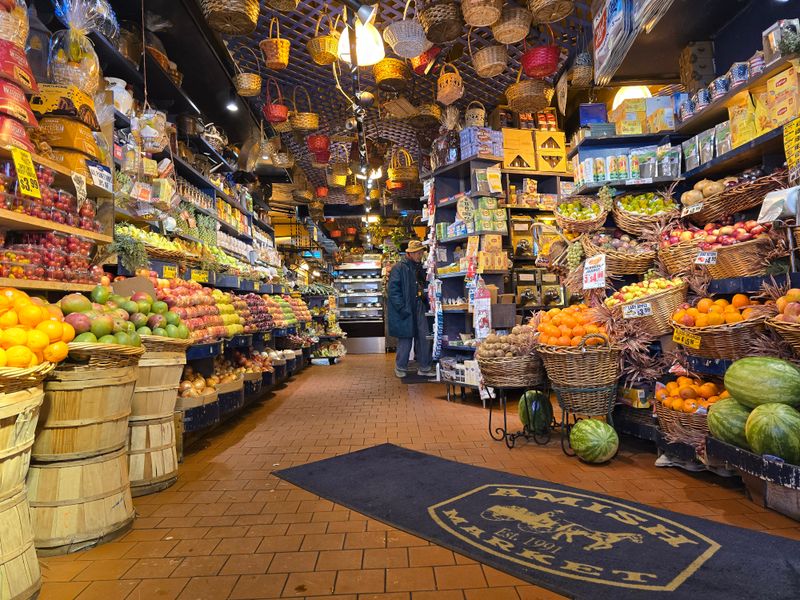
Let’s get this straight. Stores like this could overwhelm anyone, and that is why a weekend trip is recommended. Think of it this way: with so many options on every corner, how in the world are you going to make a perfect purchase?
That’s why first impressions matter in a city that rarely pauses, and here the hush feels earned rather than imposed. Your steps slow as wood grains catch the light, each knot and line showing where a patient hand guided a blade. Glass jars flicker like small lanterns, honey and relishes arranged with the tidy logic of a farmhouse pantry.
The room smells of cinnamon, coffee, and clean sawdust, an odd trio that somehow feels inevitable.
Curiosity turns practical when you test a chair and hear nothing but a faint creak that sounds like trust. You notice discreet labels naming the woods, walnut here, maple there, with finishes rubbed to a soft glow. Vendors answer questions plainly, never selling so much as guiding, and you find that refreshing.
A slice of shoofly pie adds a note of caramel comfort, light crumb over sticky heart.
Patience becomes the market’s house style, and you fall into it without fuss. You start comparing joints, dovetails and mortise fits, like a secret vocabulary made visible. Meanwhile, neighbors negotiate fruit pints with good humor.
The city stays outside for a while, and that brief distance makes everything easier to see.
Where Flour, Molasses, And Memory Meet
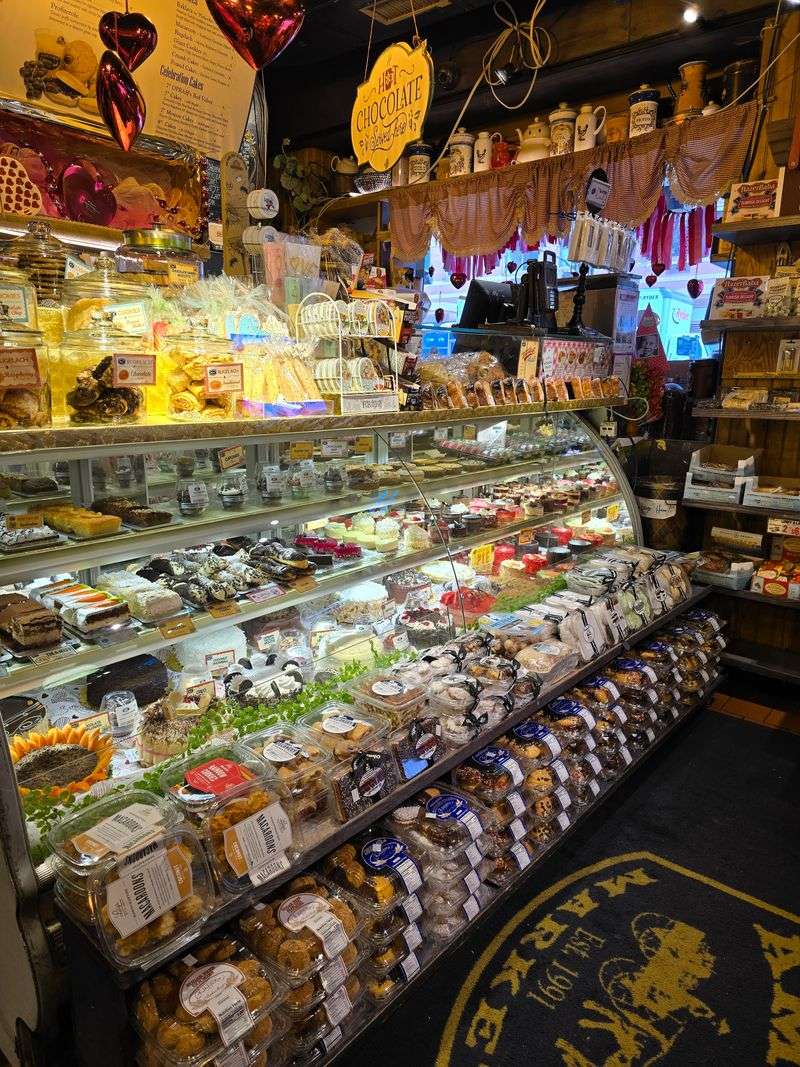
Bakeries can be boastful; this counter relies on steadiness and proof. You watch a knife slide through the crumb of a shoofly pie, and the slice holds firm like a quiet promise. The topping is sandy and light, the center a dark, glossy pool that tastes of molasses and time.
A pour-over coffee matches the mood, straightforward and without theatrics.
Behind the glass, pies share space with apple dumplings, pecan sandies, and whoopie pies in careful rows. Each tray carries the same simple pride, an assurance that nothing was rushed. The baker offers a sample with a nod, the sort of gesture that turns strangers into regulars.
You take notes you did not plan to take, charting textures the way some people list books.
Conversation drifts toward family recipes and the small decisions that protect them. Butter measured by feel, flour sifted twice, molasses warmed just enough to loosen. There is humor here too, light as powdered sugar and never showy.
You finish the last bite, already plotting which dessert earns space in your bag for the trip home.
Pantry Shelves That Earn Their Keep
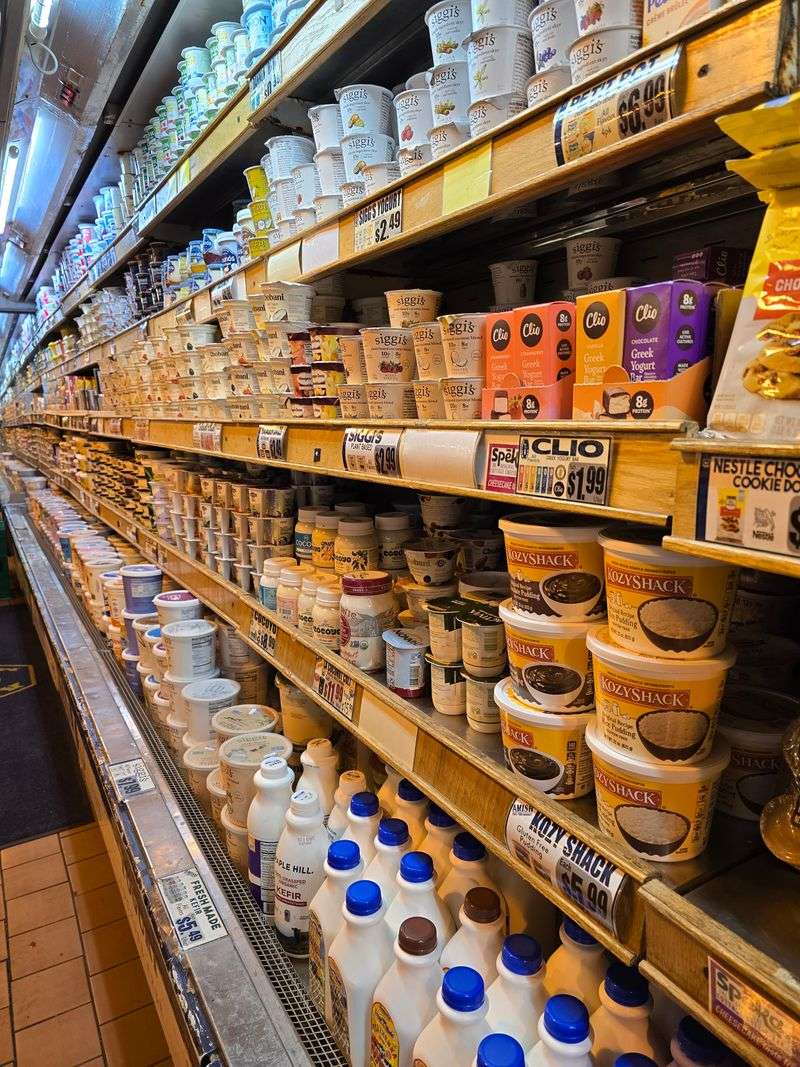
Grocery shopping often becomes a sprint; these shelves invite a measured walk. Jars of chow-chow, bread-and-butter pickles, and dilly beans glow in rows that look like stained glass for the patient. Labels stay humble, letting color and clarity do the persuading.
You start planning sandwiches you had no intention of making an hour ago.
The honey shelf is a small lesson in nuance, buckwheat dark and forthright, wildflower lighter and generous. A vendor offers pairing ideas like a neighbor, not a pitch, and the advice lands. Granola, apple butter, and mustard with a clean bite round out the cart.
You weigh jars by hand, gauging usefulness in ounces and good sense.
Samples come on plain crackers, a democratic tasting panel that works better than it sounds. The pickles snap, the relish brightens, and the mustard lingers just long enough. Nothing tries too hard, which somehow makes everything more convincing.
By the end, your basket feels practical rather than indulgent, a pantry set to pull its weight.
Names, Hours, And The Walk That Gets You There
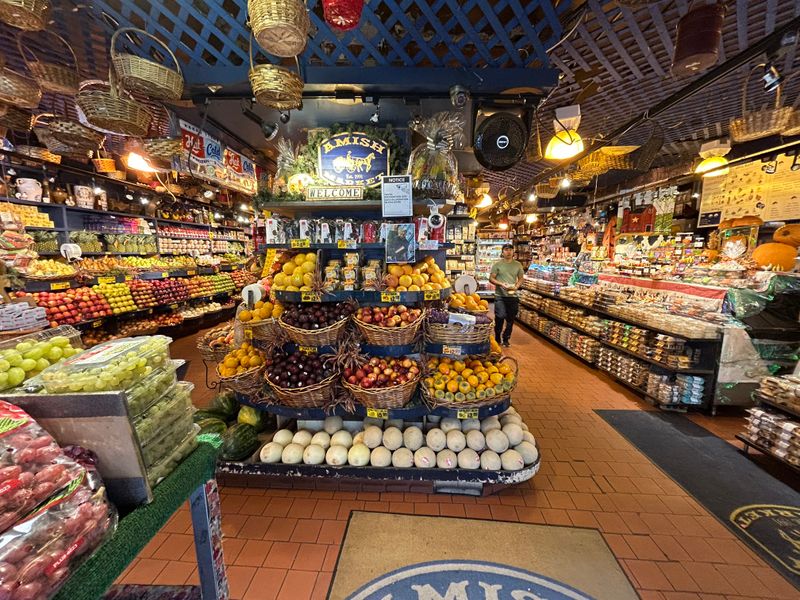
Practicalities eventually knock, and the market answers without strain. Brooklyn Dutch Market sits on a side street close to the subway, a few blocks that serve as a useful palate cleanser. Hours skew generous, with weekends drawing a steady crowd that never feels unruly.
Weekdays reward the unhurried with space to linger.
Payment is straightforward, and delivery for furniture or bulk items keeps the burden light. Staff move with that city rhythm that balances brisk care with real attention. The shoofly pie sells out by late afternoon more often than not, a small fact worth planning around.
Nearby cafes and stoops make fine staging grounds for deciding whether to loop back inside.
Signage is clear without flash, the kind of letterforms you trust. Questions find answers quickly, either at the counter or in the easy handoff between vendors. The address appears once on a card and once in your notes, which is all it needs.
Leaving feels provisional, because returns have already penciled themselves in.
Morning Light On Braids And Baskets
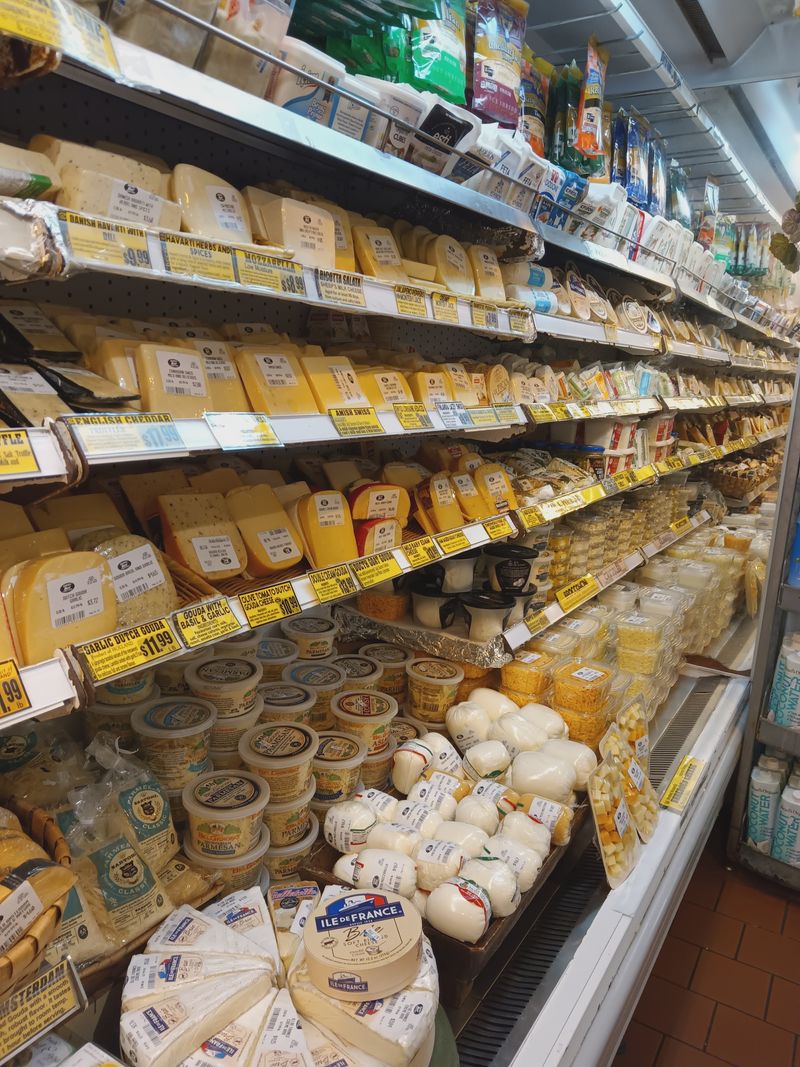
Morning light lands across rows of braided bread and handwoven baskets, showing the detail in every curve and stitch. The loaves sit neatly stacked, their glossy crusts hinting at butter and careful baking. Nearby baskets show tight willow weaving that clearly took time and skill to shape.
Vendors quietly organise their tables instead of calling for attention. It makes browsing feel relaxed and easy. You start noticing small details like flour dusting on rye bread and seed patterns pressed into crusts.
A simple chalkboard lists the day’s hours, giving the space a steady, dependable feel.
Paying with cash slows the moment down just enough to notice it. Walking away with fresh bread in hand feels like carrying part of the morning with you.
Cider, Curds, And Conversations That Hold Still
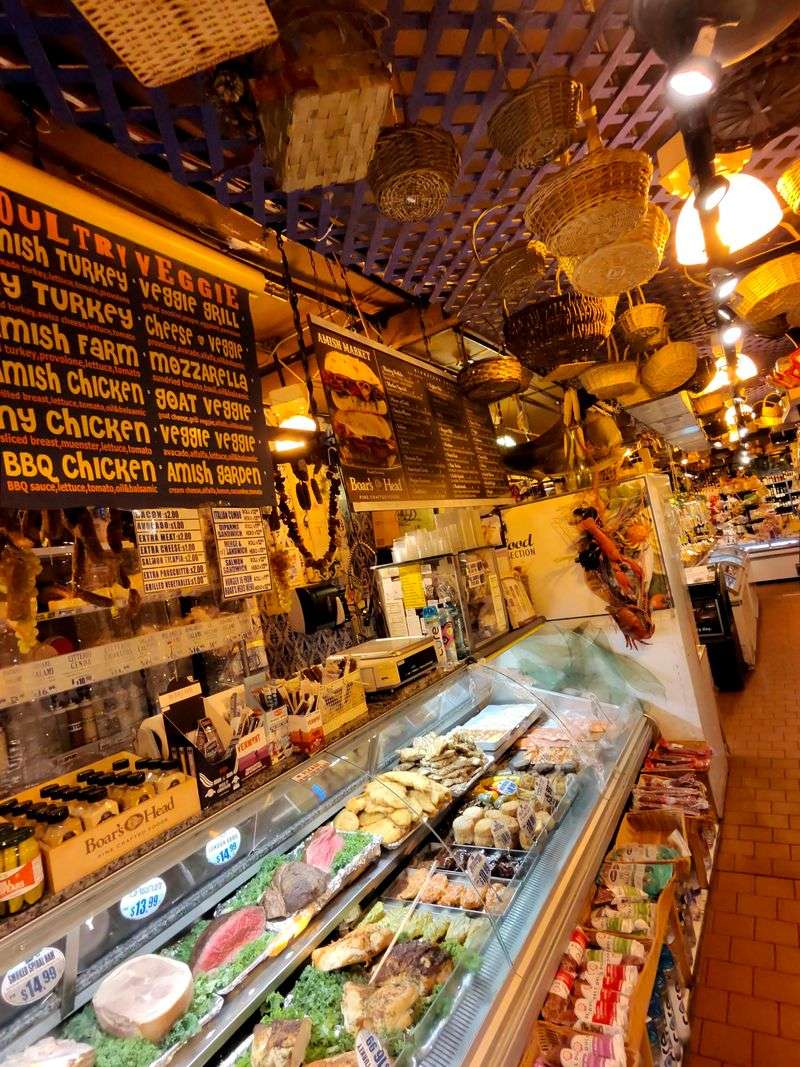
The cider sits cold in large jugs, smelling like fresh apples with a touch of spice. Cheese curds are stacked nearby, pale and fresh. When you press one lightly, it squeaks, which regular shoppers know is a sign of freshness.
Questions often turn into short conversations. Vendors explain how cider is pressed, when apples are picked, and why curds taste best when eaten quickly. The pace stays calm and welcoming, making it easy to linger without feeling rushed.
Sampling is encouraged, and reactions are usually instant. The cider tastes crisp and balanced, while the curds deliver a clean, creamy bite. It is simple food done well, and that is what keeps people returning.
Pickles That Remember Summers You Forgot
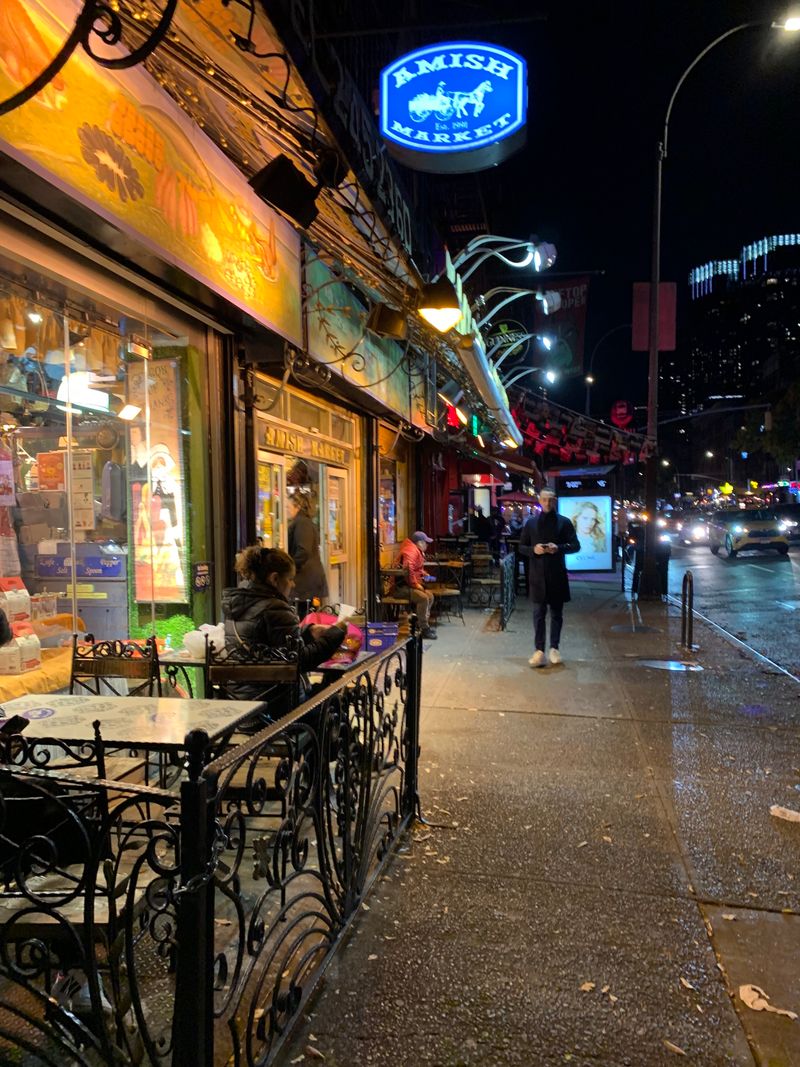
Sampling quickly explains their popularity. Cucumbers stay crisp instead of soft, while green beans snap cleanly when bitten. The brine tastes sharp but balanced, delivering salt, vinegar, and spice without overwhelming the vegetables.
Each variety offers small differences, with some leaning tangy and others slightly sweeter or more garlicky.
Vendors often explain how the vegetables are prepared, stored, and pickled in small batches. Many recipes follow long-standing family methods, focusing on preserving texture and fresh flavour. Storage tips are usually shared too, including keeping jars refrigerated after opening and using clean utensils to maintain quality.
Shoppers frequently build meals around these jars. Pickles add crunch to sandwiches, burgers, and cold platters. They also work well alongside cheeses, smoked meats, or simple bread and butter.
Some customers buy several varieties at once to mix flavours during meals.
It is common for people to return specifically for these preserves. Jars travel well, store easily, and tend to disappear quickly once opened, making them a regular purchase for many visitors.
A Last Look Before The Door Closes
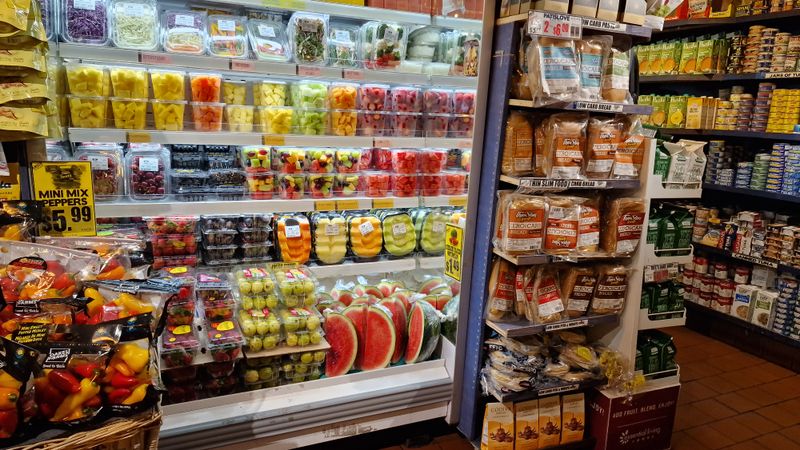
Exits tell their own stories, and this one prefers understatement. You catch a final pass of the bakery, where the cooling racks stand like punctuation marks at the end of a day. The furniture corner settles into evening tones, walnut deepening as if agreeing with the hour.
Someone jokes about carrying a table on the train, and the laugh lands softly.
On the way out, a vendor tucks a recipe card into your bag with a short reminder about oven racks. The pie feels heavier now, not a burden, more like a plan. Outside air presses differently after so much calm, and you match your pace to the street without hurrying.
The city resumes, but it gives you a respectful step.
Back home, jars line up with quiet ambition, ready to make small meals better. A broom waits by the door with new purpose. None of it feels fussy or fragile, and that steadiness is what will bring you back.
Next time, you will arrive earlier, and the day will open the same reliable way.