
The New York Garden Market Where You Can Walk Through 70 Greenhouses In One Afternoon
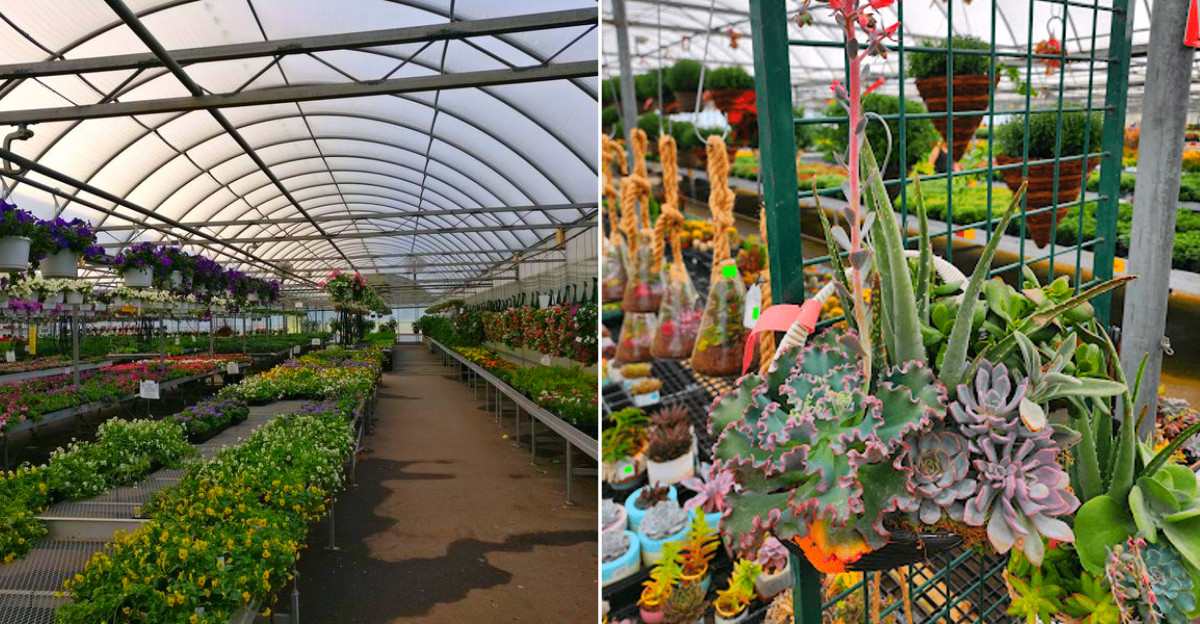
Seventy greenhouses is not a number most people can picture until they are standing among them, wondering how far back the rows go.
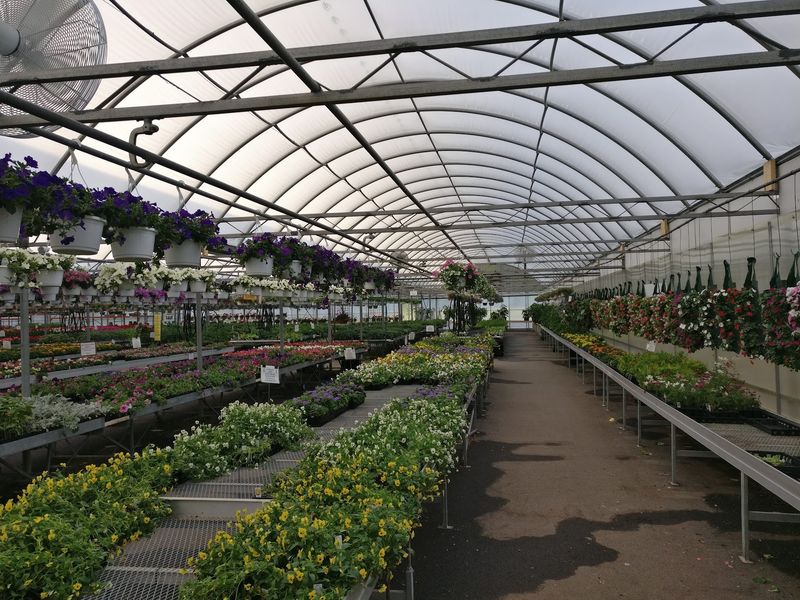
They cover roughly eight acres behind a family-run shop in New York, all of it growing plants chosen for local soil and local weather rather than whatever ships well.
Spring here arrives slowly and then all at once. Gardeners know exactly where to be when the ground finally gives, and this is it. It’s a place where you can lose an afternoon walking rows and still notice something new on the way to the register.
Anyone who cares about flowers or vegetables will find the drive worth it. So will anyone who just likes the smell of damp potting mix, which is a smaller group but a devoted one.
A Sea Of Glass Houses Behind The Shop
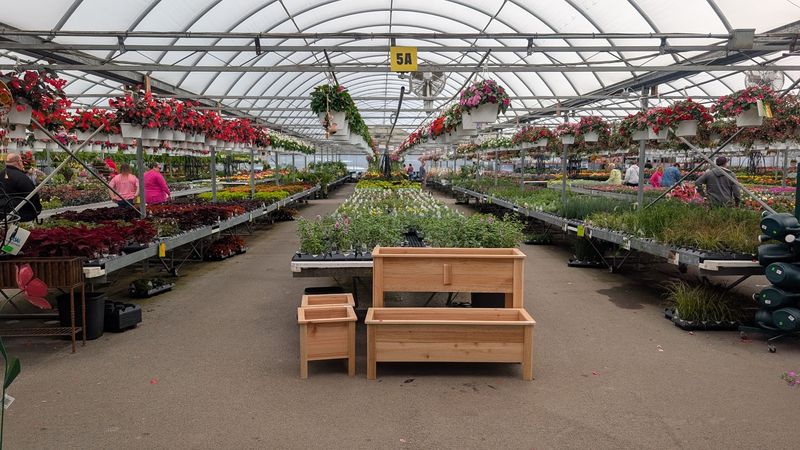
Most garden shops give you a few tables of flowers and call it a season. Here the growing operation stretches across about eight acres, with more than 70 greenhouses working behind the main store.
Every annual and perennial bedding plant sold gets started right on the property. Nothing arrives on a truck from three states away, wilted and confused about the climate.
What that means for you is simple. The petunias, begonias, and coleus you carry home were raised in the same air and light your garden gets. They do not need a week to recover from the shock of moving.
Wandering the aisles takes real time. Plan for an hour at minimum, and bring a friend who will not rush you past the geraniums.
The scale also explains the variety. When a grower has that much square footage, they can gamble on unusual colors and lesser known cultivars instead of playing it safe with the same six choices.
Gardeners across Western New York treat opening day like a small holiday. Once you see the sheer spread of green under those roofs, the enthusiasm makes perfect sense.
Finding Hi-Way Garden Center On Tonawanda Creek Road
The name is Hi-Way Garden Center, and the address to plug into your phone is 1941 Tonawanda Creek Road in Amherst. It sits in the northern reaches of Erie County, close enough to the creek that the surroundings still feel agricultural.
First timers sometimes assume the place is wholesale only. The long rows of greenhouses and the steady flow of pickup trucks can give that impression.
Not so. Anyone can walk in, fill a cart, and ask questions at the counter.
Parking sits right out front, and the layout is easy to read once you get your bearings. Retail displays greet you first, with the growing houses opening up behind.
There is a sister location in Lockport, and both stores are supplied by the same Amherst growing operation. Same plants, same standards.
Getting there from Buffalo or the northern suburbs takes very little effort, and plenty of shoppers drive considerably farther by choice. A garden center worth an hour in the car is a rare find.
Bring a vehicle with cargo room. Optimism about how much you will buy tends to be wildly inaccurate.
Hanging Baskets That Steal The Show
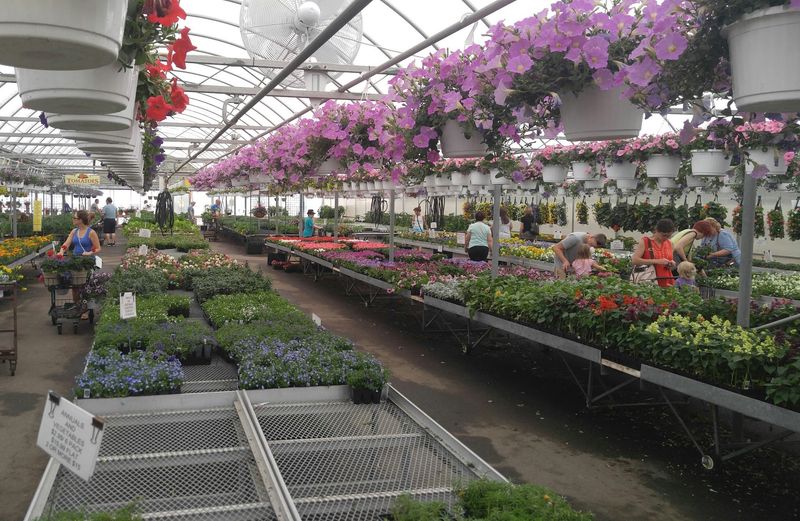
Ask around about this place and hanging baskets come up fast. The oversized ones, heavy with cascading blooms, have a reputation across the region.
Purple petunias seem to be the crowd favorite, spilling over the sides in a way that makes porch railings look expensive. Others go for calibrachoa, fuchsia, or mixed combinations that pack three or four textures into one container.
Size is the real difference. Grocery store baskets look modest by comparison, and these have the root systems to keep blooming deep into summer.
A practical tip for hauling them home: lay a tarp in the trunk and water them lightly before the drive. Full baskets get heavy, and soggy soil makes them heavier still.
Once hung, they want consistent moisture and a regular feeding schedule. Skip either and the show fades early.
Shoppers often buy one, then return two days later for three more after seeing how the first one filled out. That pattern repeats every spring.
Late season visitors still find good options, though the earliest weeks bring the widest color range and the largest specimens.
Annuals By The Flat, Mixed Your Way
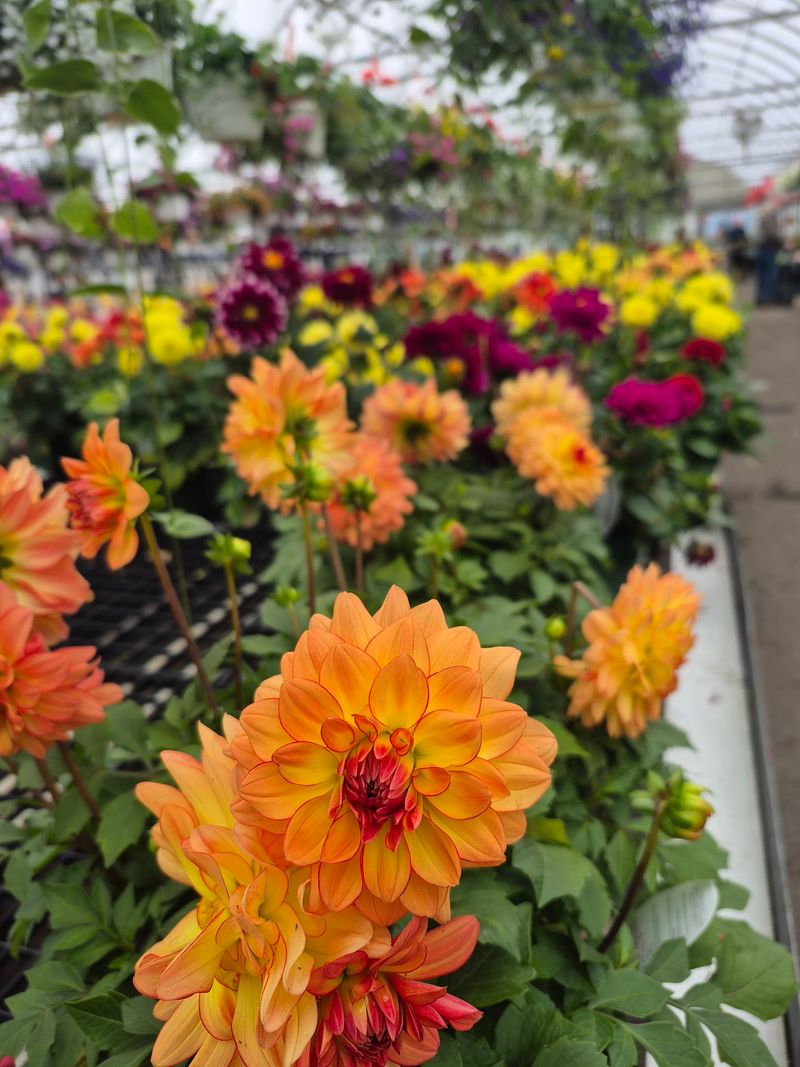
Flexibility earns loyalty, and letting shoppers mix and match annual flats is a genuinely thoughtful policy. Nobody actually wants twelve identical marigolds.
You can build a flat with a few impatiens, a few salvia, and whatever else catches your attention two aisles over. The freedom makes planning a border far easier.
Vegetable starts follow the same rule. Two tomato varieties, one pepper, a couple of basil plants, all in one tray.
Color selection runs deep because everything is grown on site. Instead of one shade of red, there might be four, each with a different growth habit.
A small tip worth remembering: sketch your beds before you go, even roughly. The sheer number of choices can scramble your plans once you are surrounded by blooms.
Staff will point you toward sun lovers or shade dwellers if you describe your yard. Light conditions matter more than most beginners expect.
Checkout includes a carry tray for loose individual plants, which sounds minor until you are juggling nine wobbly pots. Details like that keep people coming back year after year.
Perennials Chosen For Local Winters
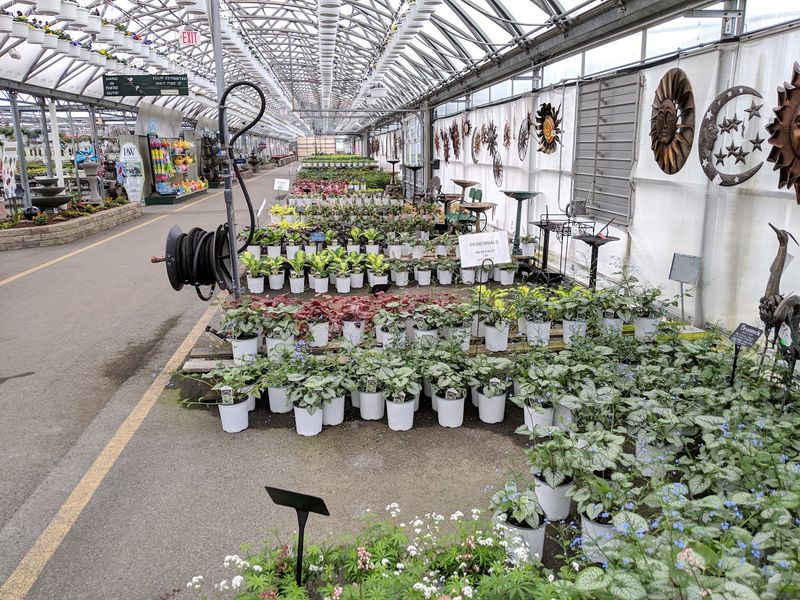
Perennials are a long game, and buying the wrong one wastes a whole season. Everything offered here is picked to survive Western New York winters, which narrows the guesswork considerably.
Hostas, daylilies, coneflowers, and sedum show up in strong supply. The selection leans toward plants that actually return each spring rather than ones that merely look good in a catalog.
Because growing happens locally, these plants have already met the region’s temperature swings. That head start counts for a lot in zone five and six gardens.
Shopping perennials rewards patience. Look at leaf color and root health rather than how many flowers are open on the day you visit.
Spacing matters too. Many perennials triple in width within three seasons, so leaving gaps that feel awkward now saves you dividing work later.
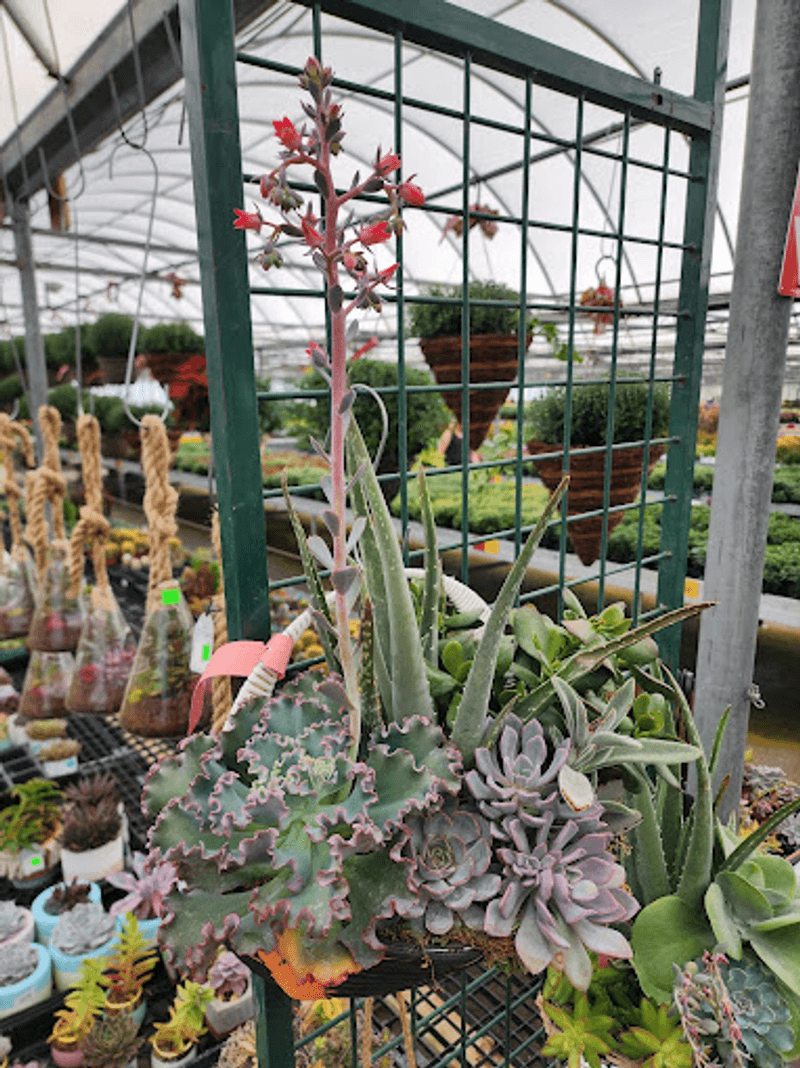
Succulents and shrubs sit nearby, along with fertilizer and packaged seeds for anyone starting things themselves. It is a full toolkit, not just a flower stand.
Regulars build their beds a few plants at a time across several years. Watching a garden mature that way beats instant results every single time.
Good Bugs Doing The Hard Work
Here is a detail that separates serious growers from the rest: pest control here leans on beneficial insects instead of chemical pesticides. Ladybugs and their allies handle the patrol duty.
The shift away from sprays takes more skill, not less. Balancing predator and pest populations across dozens of greenhouses requires constant attention.
For shoppers, the payoff arrives quietly. Plants come home without a chemical residue, and the ones you plant near vegetables or pollinator beds fit right in.
Healthy foliage is the visible proof. Leaves look firm and evenly colored rather than stressed or spotted.
Anyone trying to garden organically at home will appreciate the head start. Introducing a treated plant into a chemical free bed defeats the whole purpose.
Beneficial insects also mean bees and butterflies can visit the greenhouses without concern. That kind of ecosystem thinking used to be rare in commercial growing.
Worth asking about if you are curious. The approach reflects a long view, where soil, insects, and plants get treated as one connected system rather than separate problems to solve.
Vegetables And Fruit For The Backyard Grower
Every spring, a certain type of shopper walks in with a list titled Tomatoes. They leave with peppers, cucumbers, herbs, and strawberry plants they had not planned on.
The vegetable and fruit selection covers the essentials plus a solid stretch beyond them. Varieties are chosen with the local growing season in mind, which matters when your frost free window is shorter than the seed catalog assumes.
Starts save weeks of waiting. A transplanted tomato beats a seed sown in June by a wide margin.
Grandparents, first time growers, and folks with three raised beds all shop the same rows. Nobody gets treated like a beginner.
Advice worth following: harden off your starts for a few days before planting, letting them sit outside in partial shade. The transition protects tender leaves from sunburn.
Herbs deserve a spot in your cart too. Basil, parsley, and thyme cost little and produce all summer with minimal fuss.
Timing your visit for early May usually lands you the best variety. Waiting until June still works, though popular tomato types disappear quickly around Western New York.
Planters, Yard Art, And Whimsical Doodads
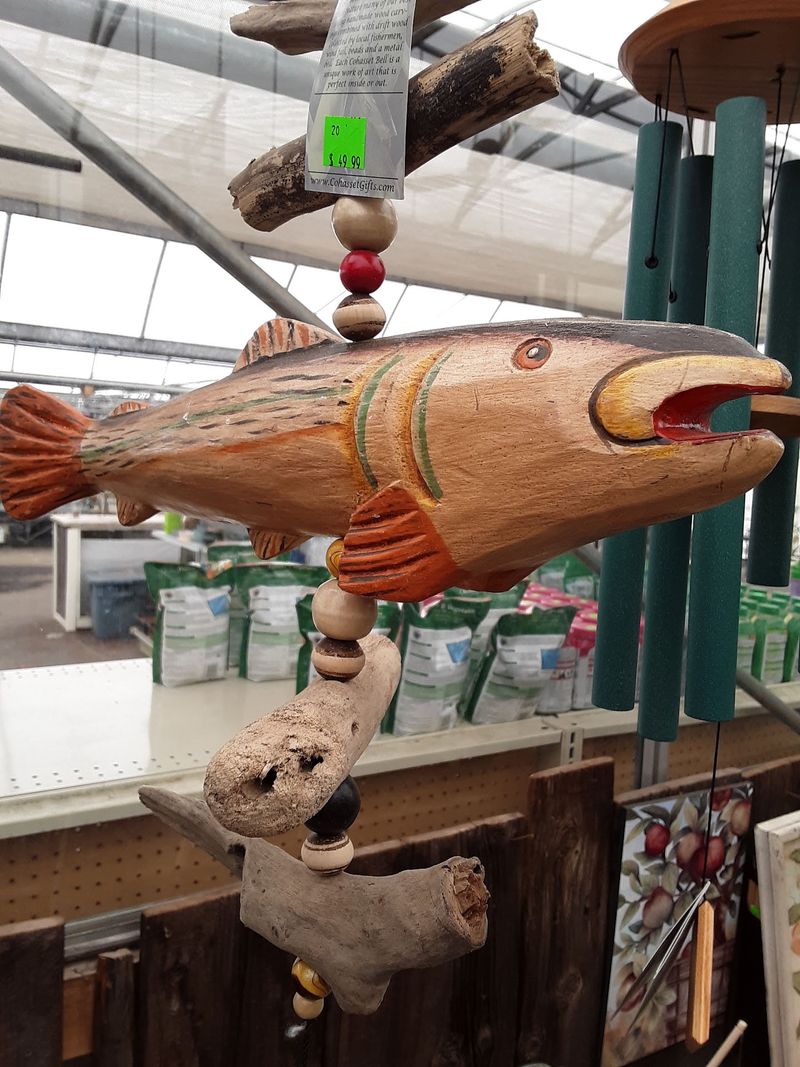
Plants are the headline, but the retail area holds its own surprises. Rows of planters in ceramic, resin, and glazed finishes wait for whatever you just bought.
Garden decorations run cheerful rather than stuffy. Stakes, statues, wind spinners, and small oddities that make a flower bed feel personal.
Fairy gardens have their own following here. Tiny furniture, miniature plants, and little accessories combine into arrangements that delight kids and adults equally.
Container gardens come pre planted for anyone short on time. Grab one, set it on the steps, and look like you planned it for weeks.
Matching pot to plant takes a bit of thought. Drainage holes are non negotiable, and heavier pots stay upright when August storms roll through.
Houseplants round out the indoor side, giving the place a purpose even for apartment dwellers with a single sunny windowsill.
Gift cards are available too, which solves the annual puzzle of what to get the gardener in your life. Handing someone a spring shopping spree beats another pair of gloves they will lose by July.
Timing Your Visit Right
Seasonal means seasonal, so the calendar deserves a glance before you go. The gates open in mid April and the season generally wraps up around late October.
Daily hours run 9 am to 6 pm through most of the year. During the spring rush, evening hours stretch later on weekdays, giving after work shoppers room to browse.
Mornings are calmer. Weekend afternoons in May bring genuine crowds, and the parking lot fills fast.
Popularity is not a flaw. It simply means arriving early rewards you with quieter aisles and first pick of the freshest tables.
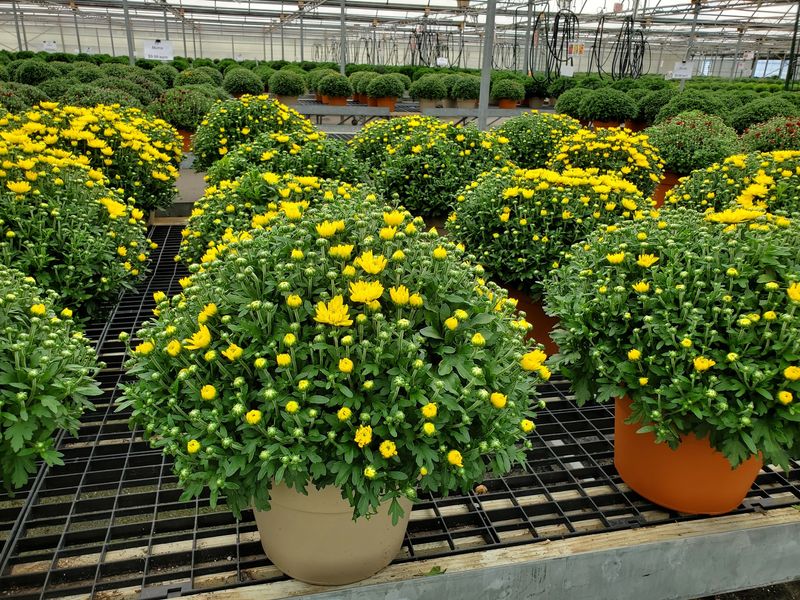
Fall visits deserve more credit than they get. Mums, cool weather plants, and end of season finds keep the greenhouses interesting well past summer.
Bring a wagon if you have one, along with water and comfortable shoes. Eight acres of greenhouses covers more ground than it sounds like on paper.
Checking the website before driving out is smart practice, since seasonal schedules shift. One good afternoon here can set up your whole growing year, and gardeners across New York plan around it accordingly.