
The New York Restaurant Seniors Flock To For Slow Dining And Serene Waterside Views
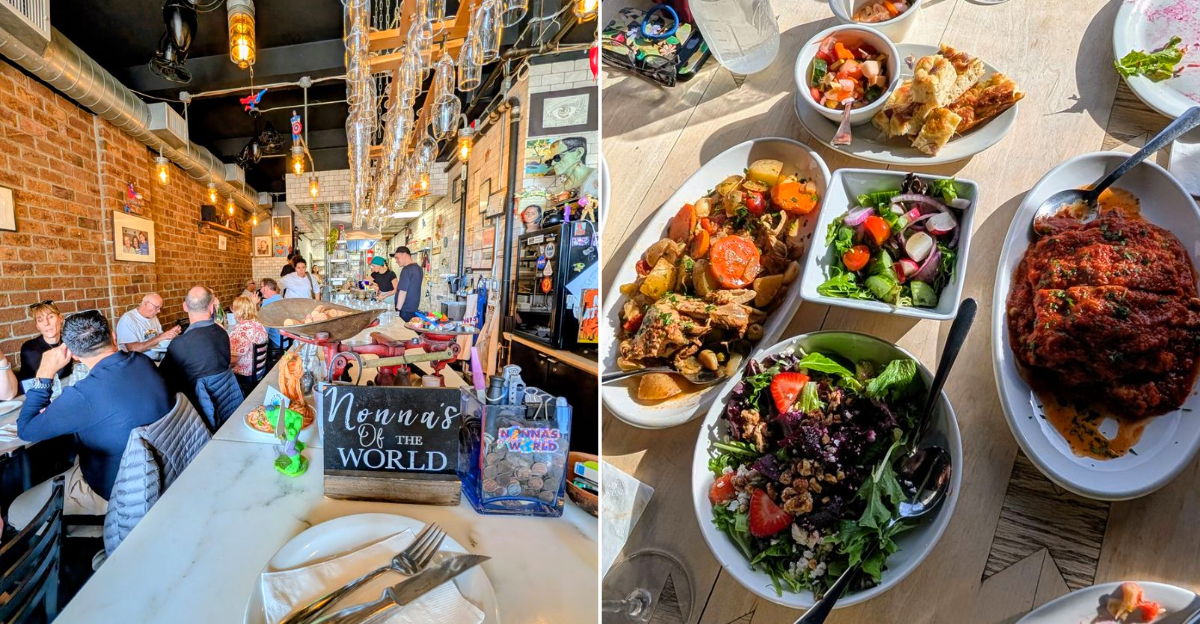
Dining in New York can feel hurried, but a few places invite you to slow your pace without asking. On Staten Island, Nonnas of the World offers a gentler rhythm, where meals unfold beside calm water and conversation matters as much as what is on the plate. The atmosphere feels welcoming rather than curated, shaped by familiarity, patience, and the quiet pleasure of being recognised when you arrive.
New York seniors are drawn here not for novelty, but for comfort that feels genuine.
What sets this restaurant apart is its sense of continuity. Grandmothers from around the world rotate through the kitchen, preparing dishes they have cooked for decades, each one carrying memory and care. Portions encourage lingering, service never rushes the moment, and the waterside setting softens the evening light.
It feels less like dining out and more like being invited in.
Where Slow Dining Finds Its Rhythm
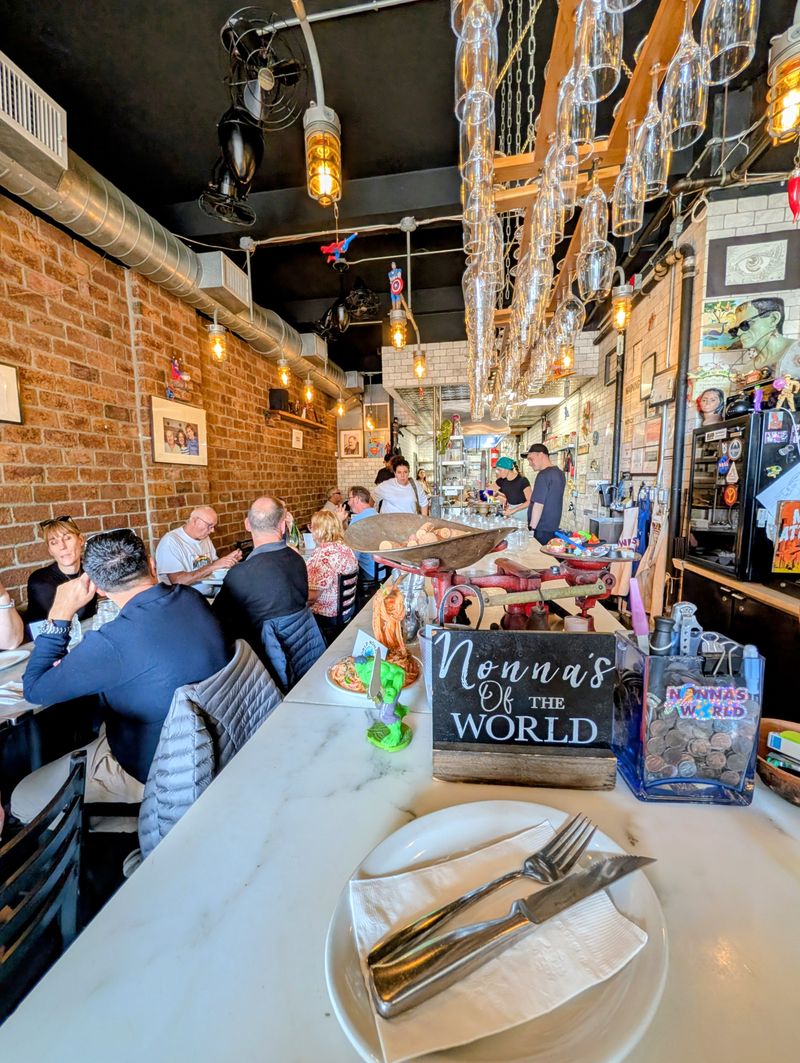
Patience pays delicious dividends here, especially when the room fills with ferry-day travelers and locals catching up over generous plates. Although the city’s pace hums outside, the dining cadence at Nonnas of the World encourages unhurried conversation and second helpings. After a few bites, you realize the timing is deliberate, designed to let flavors bloom and memories surface in their own order.
Only then do small details pop into focus, like the clink of ceramic plates and the low laughter braided through the room.
Once seated, you understand why the address matters, because 27 Hyatt St in St. George anchors you a few blocks from the Staten Island Ferry. That proximity creates an easy, pleasant ritual: arrive early, wander the waterfront, then sit down ready to linger. Service here respects the dishes, bringing them when they are truly ready rather than simply hot.
Seniors, in particular, seem to relish the space to savor each course without fuss or rush.
Menus change with the visiting nonna, yet reliable signatures often return, bringing comforting continuity. Even when a new country’s flavors appear, the kitchen keeps the seasoning balanced and the textures coaxed to tenderness. Nothing shouts, everything speaks clearly, and the pacing makes room for those subtler voices.
In the end, you leave not merely full, but recalibrated to a kinder tempo that sticks with you on the ride back.
Grandmothers In Rotation, Stories In Every Bite
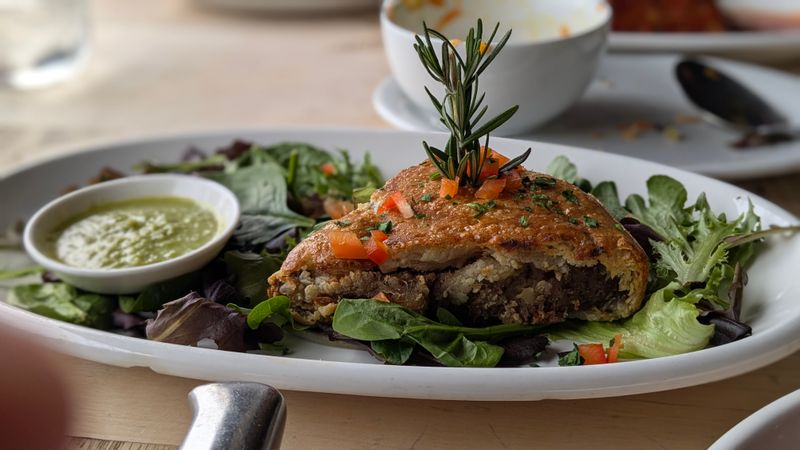
Tradition travels well when it is carried by people rather than trends, and the grandmothers here prove it nightly. Each visiting nonna brings a lifetime of practice, the kind that needs no gadgets, only good ingredients and steady hands. One week you might meet a Sri Lankan matriarch coaxing deep flavor from toasted spices, and the next, a Puerto Rican abuela frying bacalaito crisply.
Their presence lends the room its heartbeat, a reassuring thrum beneath all the chatter.
Finding your way, you step into a dining room where biography is the secret seasoning. Recipes are explained like family lore, with pride and generous specificity. Servers translate with ease, ensuring the nuances of each dish are understood, from the way a sauce should cling to a noodle to why a stew rests before serving.
Guests listen attentively, understanding that context makes the plate taste fuller.
Because the menu rotates, regulars learn to approach the evening with curiosity rather than expectation. Some nights, a grandmother insists you try an unfamiliar cut, confident it will win you over with tenderness. Others, she urges restraint, suggesting a simple salad before the star arrives.
Whatever the path, you feel shepherded kindly, as though dinner were a small master class in culture and care.
A Ferry Ride That Sets The Mood
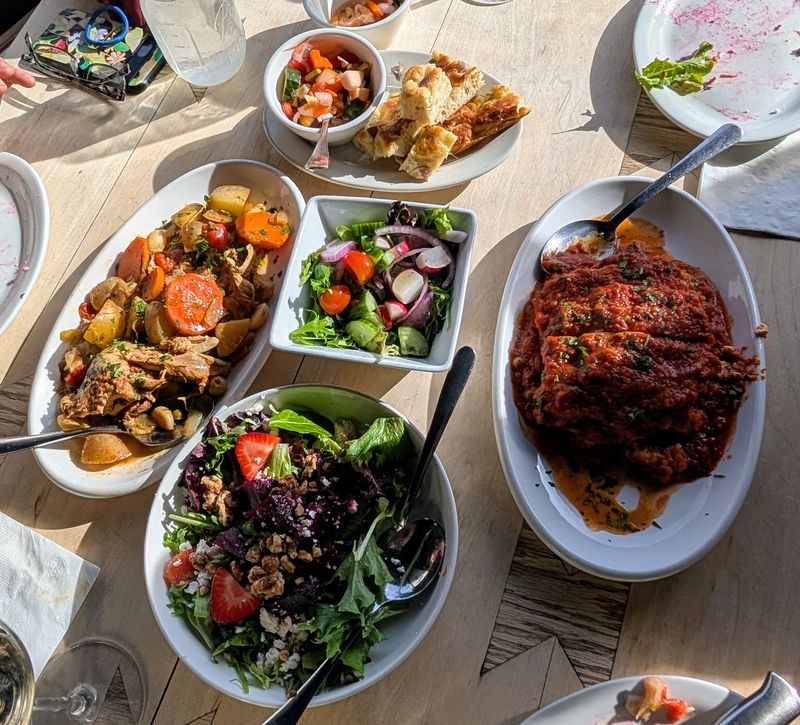
Some meals benefit from a soft prologue, and the Staten Island Ferry provides exactly that. The crossing steadies your breathing, cools the day, and frames the evening with harbor light. Seniors and unhurried travelers lean against the rail, watch gulls trace loops, and arrive primed for a gentle pace.
By the time the boat glides in, appetite and patience are aligned.
A short walk delivers you to Nonnas of the World, an address that turns dinner into a small voyage rather than a mere reservation. The neighborhood’s slope, the theater nearby, and the easy grid invite a measured stroll. Hosts greet you by name if you called ahead, easing you into the room as though it were an extension of someone’s home.
Even the coat rack seems to signal, stay as long as you like.
Menus surface slowly, and the staff explains the evening’s visiting nonna with friendly clarity. Glasses clink lightly while sauces settle, a rhythm that tells you to resist the urge to hurry. Conversations deepen because there is time for them, and flavors deepen because they are given time, too.
Leaving later, the return ferry feels like a satisfied sigh.
Inside The Room Where Hospitality Leads
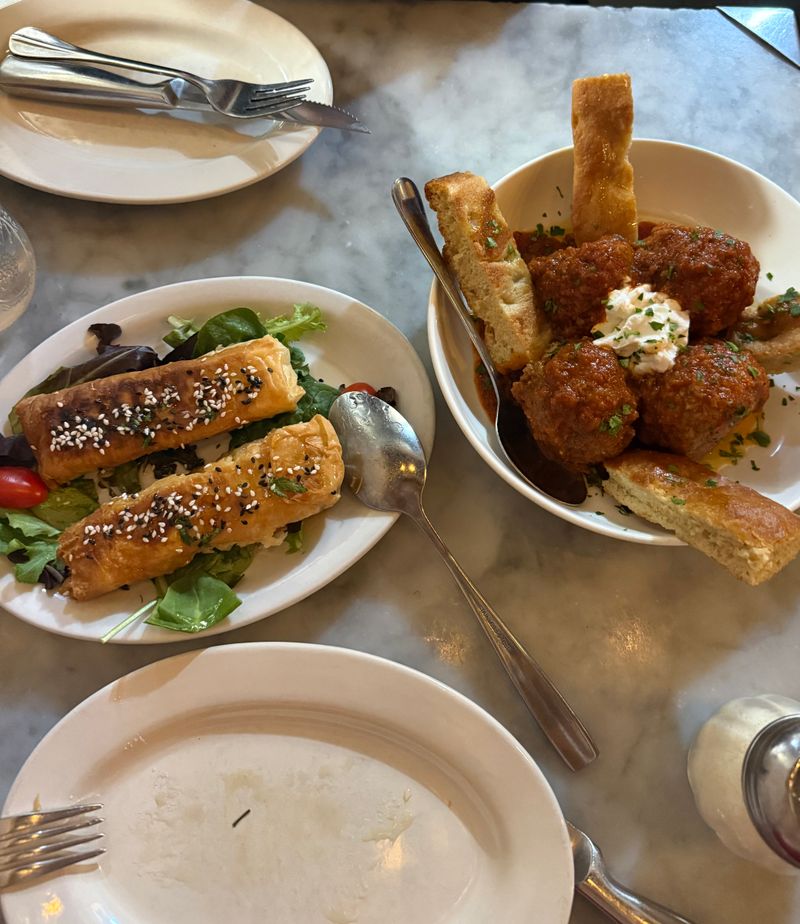
Good rooms carry their values in the details, and this one whispers generosity from every corner. Lighting flatters rather than dazzles, allowing plates and faces to look their best. Chairs sit at a height that favors conversation over posture.
Even the shelves feel curated for comfort instead of display, lined with keepsakes rather than trophies.
The restaurant occupies a snug footprint that turns proximity into camaraderie. Servers navigate gracefully, and the owner often checks in with that practiced, hands-on attentiveness regulars admire. You notice water glasses are refilled before you ask, yet no one hustles you along.
Seniors, especially, seem gratified by the unpressured pacing and clear communication.
When a dining room is this considered, the food does not need to shout to be heard. Warm plates arrive carrying aromas that signal time and technique, not theatrics. Stories from the kitchen drift out with the steam, lending context to each bite.
By dessert, you feel as though the room itself has joined the conversation, advocating for warmth, patience, and one more spoonful.
The Beloved Lasagna Della Nonna
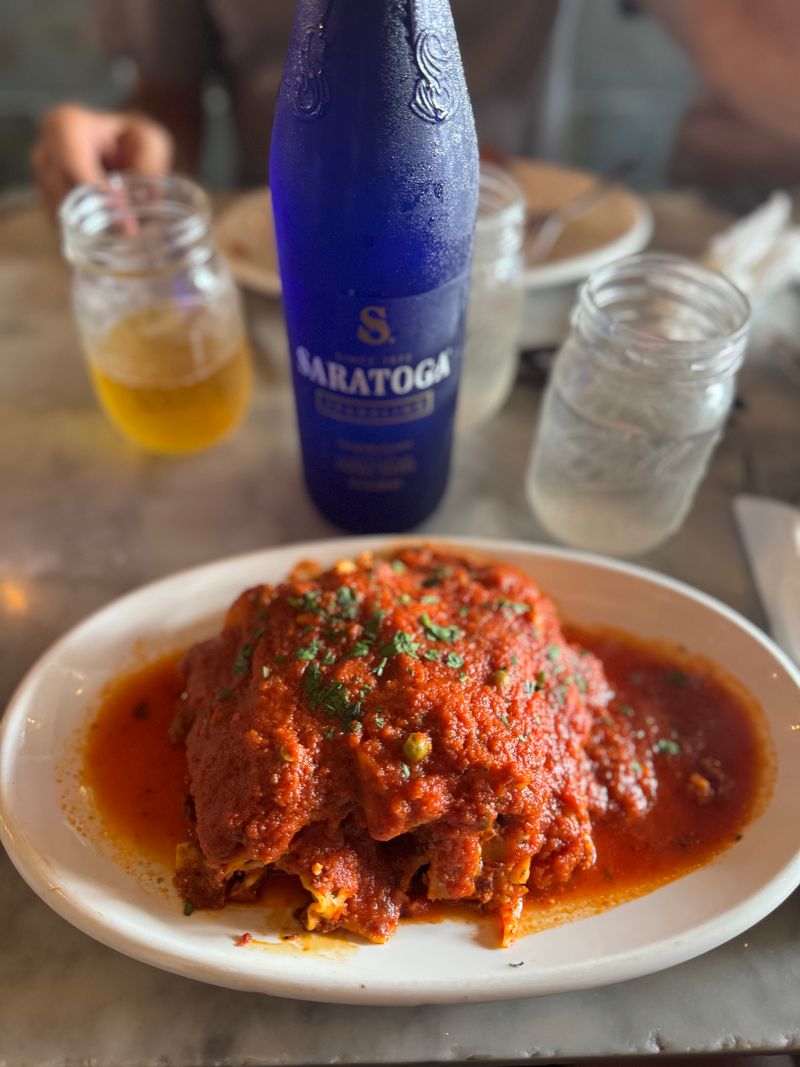
Few dishes announce comfort as convincingly as a well-made lasagna, and this one earns its reputation. The ragu is slow-cooked until it turns velvety, the bechamel smooth enough to bridge layers without heaviness. Pasta sheets are tender, never waterlogged, allowing sauce to soak rather than slide away.
A final broil freckles the top with caramelized spots that break pleasingly under the fork.
You sit, thinking how well the kitchen controls temperature and rest time. Plates are not rushed, so the slice holds structure without losing succulence. Servers often recommend a modest salad alongside, a crisp counterpoint that keeps the richness in balance.
Each bite lands with the confidence of a recipe repeatedly refined by people who care more about flavor than flash.
The best part might be the restraint: seasoning stays exact, herbs are chopped fine, and dairy never overwhelms the meat’s savor. Seniors appreciate that clarity, the way every element is legible and cooperative. Leftovers travel kindly, too, holding texture after a ferry ride or morning reheat.
By the last forkful, you understand why regulars plan visits around this particular pan.
Meatballs With Generous Heart
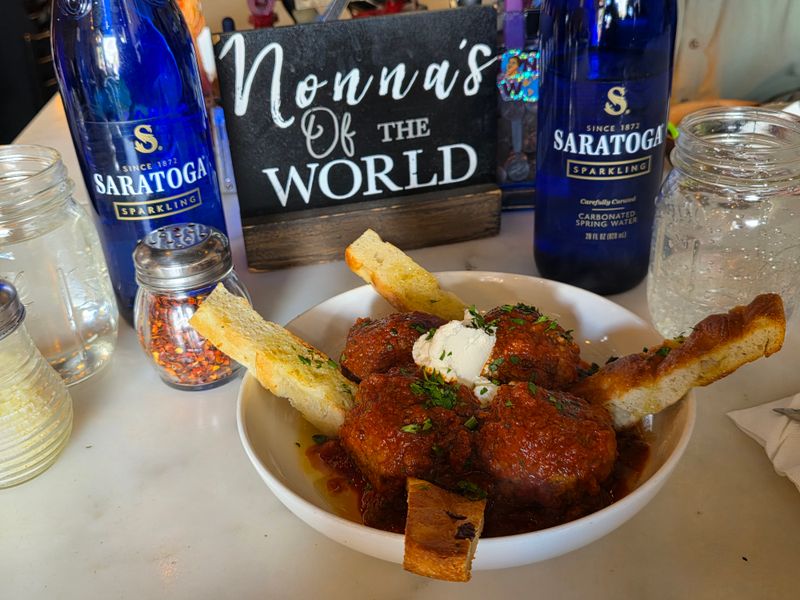
Some plates behave like ambassadors, and the meatballs carry the greeting with pride. They arrive nestled in a tomato sauce that tastes patiently reduced, bright yet rounded, with a soft sheen from olive oil. The texture is neither dense nor loose, hinting at bread soaked precisely and meat ground to the right gauge.
A snowfall of cheese lands just as the aroma crests the table.
Settling into your seat, you notice how much the staff enjoys describing the meat-to-breadcrumb ratio. That attention fosters trust, the sense that technique protects tradition without fossilizing it. A small hunk of bread proves essential, useful for corralling sauce and sweeping the last streaks clean.
Seniors delight in the manageable portioning, which invites sharing rather than overcommitting.
What distinguishes these meatballs is balance, the quiet confidence that comes from repetition and care. No spice elbows forward; nothing tastes muddled. The sauce’s acidity brightens the richness, letting herbs speak without shouting.
When the bowl returns to the kitchen nearly spotless, everyone understands exactly why.
From Puerto Rican Fryers To Italian Simmer Pots
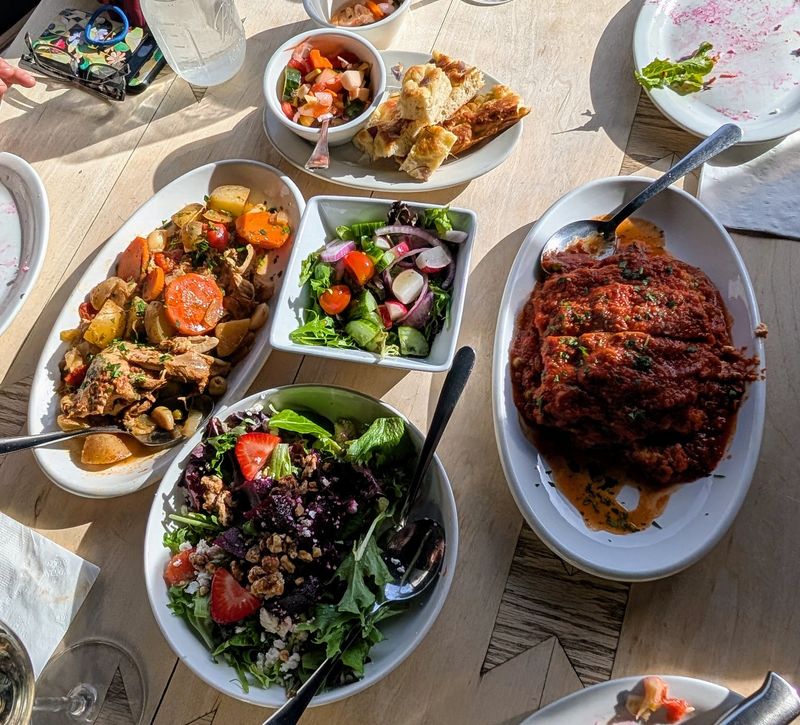
Menus here read like a passport stamped with appetite rather than airports. One evening you might bite into a crisp Puerto Rican bacalaito, hearing it crackle before yielding delicate salt-cod shreds. Another, you could find a slow Italian braise perfuming the room, announcing itself with rosemary and good patience.
The pleasure lies in pacing, moving from bright to mellow without whiplash.
That breadth blooms, where the kitchen respectfully toggles between traditions instead of blending them indiscriminately. Seniors often savor this design, building a meal with familiar anchors and a few new curiosities. Servers suggest pairings thoughtfully, matching acidity to richness and textures to appetite.
The result feels like a conversation among cuisines rather than a contest.
When a visiting nonna introduces a dish from home, she explains provenance with touching specificity. Listening to those details tempers expectations and primes your palate for nuance. You taste the difference between fried and pan-toasted, between short simmer and long braise.
By the end, you leave with a fuller sense of how varied comfort can taste.
The Joy Of Reservations And Real-World Logistics
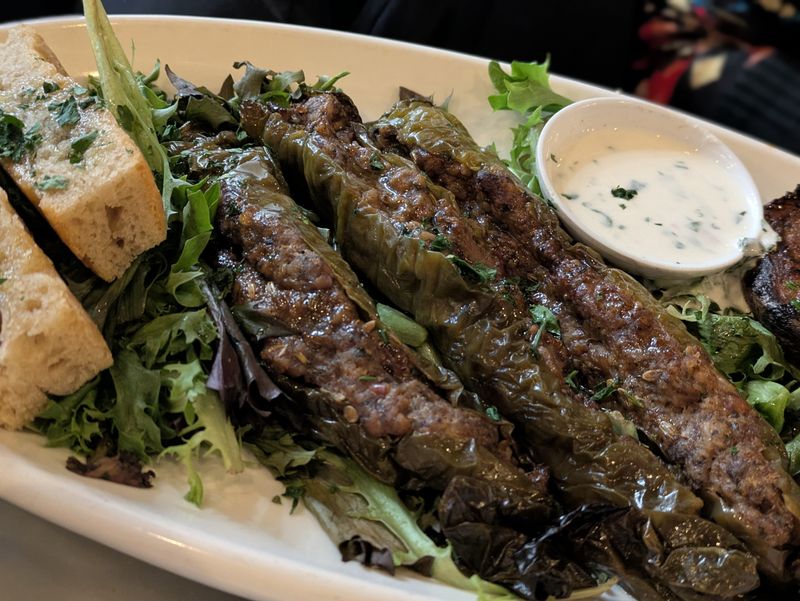
Reality checks can be charming when delivered with a smile, and the logistics here have their quirks. Reservations are essential and sometimes elusive, a testament to demand and the dining room’s compact size. Patience helps, as does calling directly and confirming details before your travel day.
When plans align, the meal feels earned, not merely booked.
Once you reach 27 Hyatt St on Staten Island, the host stand explains the practicalities clearly, including the cash-only policy that regulars repeat like gospel. Staff happily points guests toward the nearest ATM and manages expectations about seating windows. Seniors appreciate the clarity, since it streamlines the evening and avoids unnecessary stress.
The friendliness softens any rigidity, proving rules can coexist with welcome.
Even with a confirmed time, the kitchen’s pacing remains deliberate, which is part of the charm. A short wait becomes an appetite builder, the air perfumed with sauce and stock. Conversation stretches, and shoulders drop as the room’s rhythm takes over.
By the first plate, you are fully present, which feels like the real point.
Sweets That Feel Familiar And New

Dessert menus often echo the meal’s thesis, and this one argues persuasively for comfort with personality. Basque cheesecake arrives with a burnished top that tastes faintly of caramel, its center luxuriously creamy. Banana pudding leans nostalgic, heavy on silkiness and gentle sweetness.
When available, black garlic gelato surprises with savory depth that somehow finishes clean.
Eating these, you understand why the room’s hush deepens by dessert. Servers know which sweet best suits a lingering table, steering toward balance rather than bombast. Seniors seem to favor the cheesecake’s dignified richness, followed by coffee poured hot and without rush.
The staff’s timing lets conversation land softly before the final bite.
None of the sweets overshadows the preceding courses, which keeps the meal coherent. Portions invite sharing, turning the last course into a communal victory lap. Flavors resolve gracefully, leaving a pleasant echo rather than a sugar crash.
On the way out, you catch yourself smiling, the culinary equivalent of a handwritten note.
Thoughtful Service, From Greeting To Goodbye

Hospitality expresses itself in small choices, and the team here treats them like craft. Greetings arrive warm but unforced, names remembered, dietary notes handled discreetly. Water is topped up before you think to ask, and cutlery resets happen efficiently between courses.
The rhythm feels human, which is rarer than it should be.
The owner’s presence reinforces that ethos without overshadowing the room. He floats between tables, making introductions when a visiting nonna is eager to chat. Seniors appreciate the clear explanations about the evening’s menu and pacing, which helps everyone settle.
Even the check’s arrival respects conversation, landing only when the table’s energy dips.
Good service, here, is not performance but attention. Allergies are handled with care, not alarm, and guidance is specific rather than generic. You leave feeling looked after rather than managed, which lingers pleasantly on the ferry back.
That feeling is why people return.
A Room Built For Multi-Generational Tables
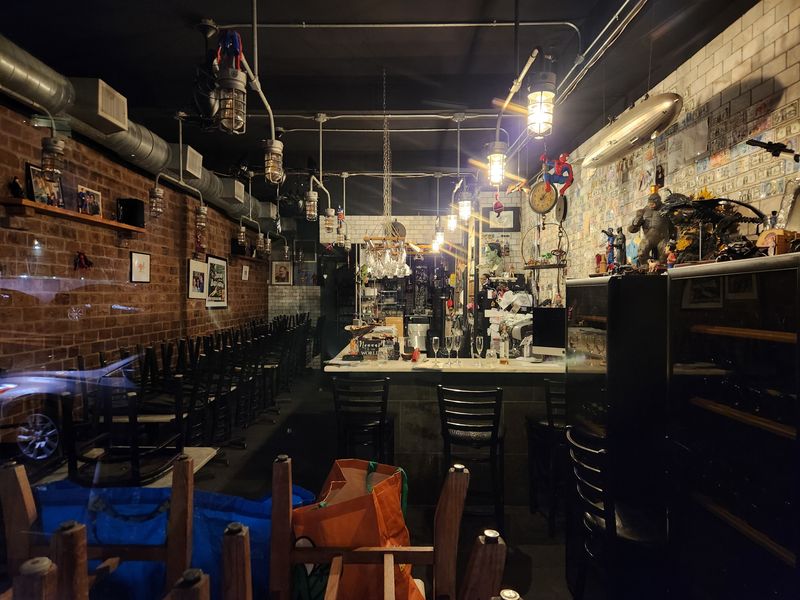
Some places seem to understand families before they walk in, and this one sets the table accordingly. The menu offers clear wins for cautious eaters alongside bolder options for the curious. Portions are generous without feeling unwieldy, perfect for passing and comparing.
The result is a table where tastes and ages find common ground.
The restaurant attracts visiting relatives and neighborhood regulars alike. Seniors settle comfortably into the pace, while kids marvel at meeting a real grandmother chef. Servers translate unfamiliar dishes with patient detail, making unfamiliar flavors inviting rather than intimidating.
It feels like a household that has hosted many guests and learned what matters.
Even the soundscape suits a lingering meal, lively but not overwhelming. Conversation threads are easy to follow, which keeps everyone engaged through dessert. When a dish sparks debate, you simply order a second and share.
Walking out, you realize you have eaten well and visited better.
Why The Address Matters: Context And Community

Place shapes appetite more than we admit, and this corner of St. George has appetites in its bones. The St. George Theatre up the block lends a lively pre-show bustle, while the ferry keeps the neighborhood porous and curious. Visitors arrive from every borough and well beyond, and the dining room hums with that gentle mix.
It is an address that encourages openness.
At 27 Hyatt St, Staten Island, NY 10301, the restaurant participates in the community rather than simply occupying it. Staff recognize repeat faces and welcome first-timers without ceremony. Seniors feel respected, not indulged, a distinction that sets the tone for everyone else.
The walk from the terminal becomes part of the ritual, a quieting bridge between day and dinner.
What grows from that context is a generosity of spirit that seems to season every plate. Guests swap recommendations across tables, nodding at strangers who soon feel less so. The room’s energy is not manufactured; it is gathered gently, night after night.
That is what keeps the story credible and the food memorable.