
The New York Restaurant Where Supper Sells Out On A Nightly Basis
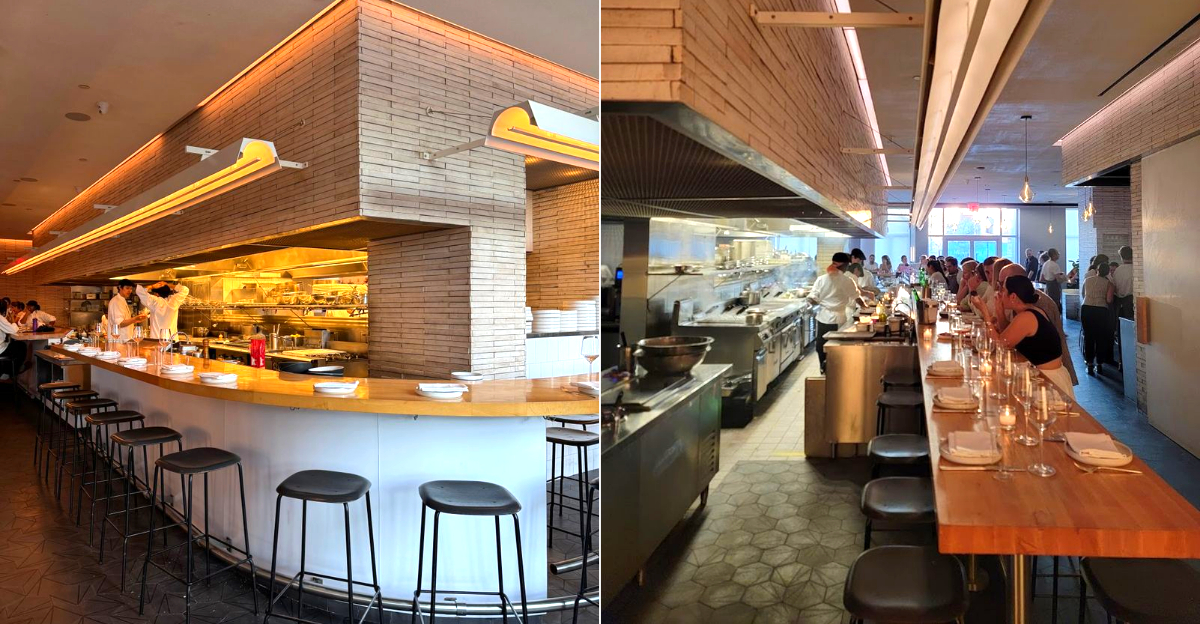
There’s something exciting about a place that doesn’t have endless availability. You either make it in, or you miss out.
That’s exactly the vibe here, and it adds to the whole experience in the best way. New York has a restaurant where supper sells out nightly, and people are racing to get a table.
It’s not about hype for the sake of it either. The food delivers, the atmosphere feels lively, and every plate coming out of the kitchen looks like it belongs there.
You can feel the buzz building as the evening goes on. This New York spot turns dinner into something a little more special.
It’s limited, it’s in demand, and it leaves people already thinking about their next visit before they’ve even left.
Why The Line Forms Before Sunset
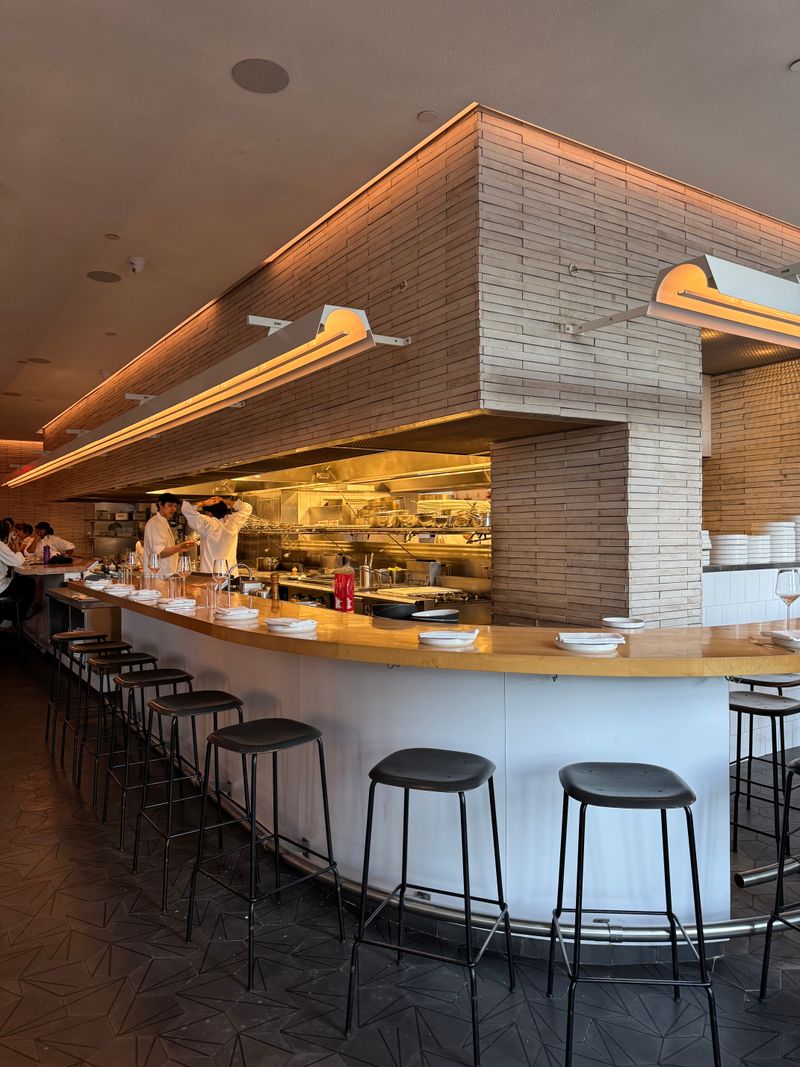
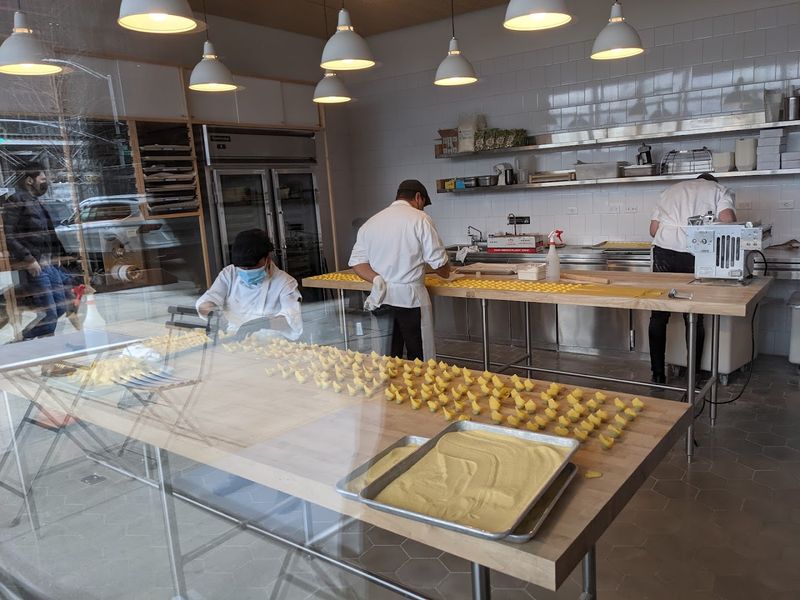
Even before the doors open, there is a particular thrum outside, the sort that suggests anticipation rather than impatience. You notice the faces tilt toward the windows, watching cooks stretch and fold dough like a quiet prelude.
The draw here is not novelty, but the consistency of a kitchen that understands restraint.
Once inside, the room reads like a study in calm: pale wood, neat lines, and an open kitchen gathering its own private weather. You watch flames lick pans, steam rise in neat ribbons, and sauces turned with the same comfortable cadence.
The pace feels deliberate, as if time were measured in pasta water and spoonfuls of butter.
What keeps you attentive is the way flavor is stacked without performance. Vegetables arrive with real character, leaning into char, acid, and excellent oil.
Pastas land cooked with a quiet confidence, each shape matched to its sauce like a handshake that fits.
By the time plates circulate, you understand why reservations go fast and counter seats fill even faster. Supper here sells out nightly because the kitchen’s promises are kept.
You leave thinking that reliability, in food as in life, is the rarest luxury.
How Simplicity Becomes Style
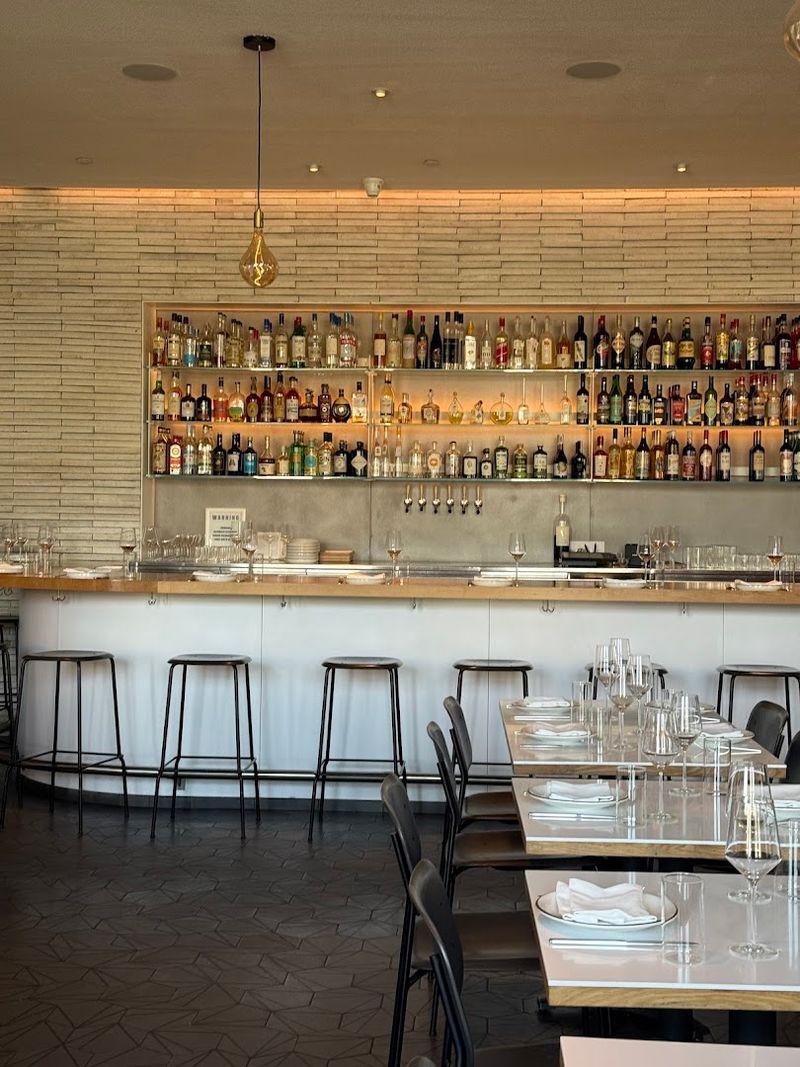
Simplicity is a word that often excuses laziness, but here it behaves like a rulebook. Vegetables are seasoned with purpose and cooked until their edges speak up, then finished with oil that tastes like sunlight.
You recognize confidence in what is left out.
The pasta tells the same story with different punctuation. Dough is rolled, cut, or pressed to suit the sauce, never the other way around.
Each bite carries proper texture, a gentle give that yields without apology.
Plates look unbusy but deliver complete thoughts. Salt walks in, not barges; acid hangs back just far enough to make each forkful feel awake.
Butter is used with judgment, the kind that refuses to smother.
As you work through antipasti and a couple of pastas, the approach becomes unmistakable. Nothing shouts, yet everything rings clear.
You leave feeling steadied, the way a well-packed suitcase makes travel easier, and dinner seems to carry less weight while meaning more.
Naming The Place And Finding Your Way
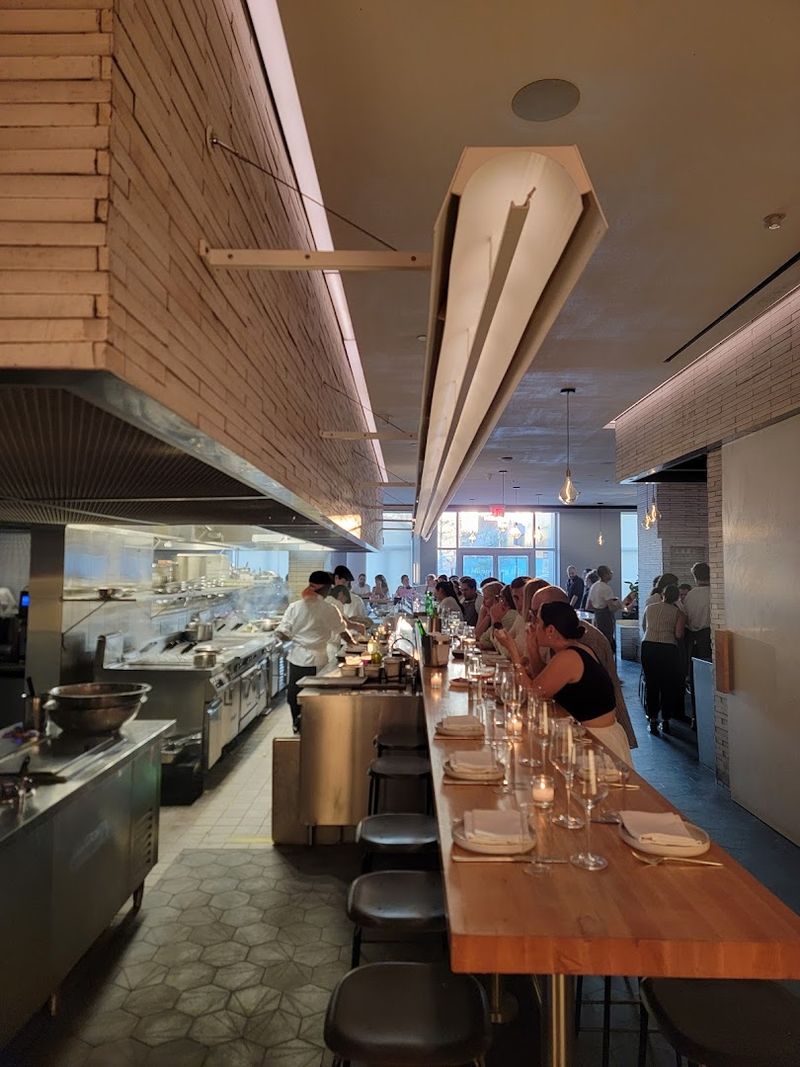
Now the cards on the table: this is Misi, in Williamsburg, a short walk from the river and the bridge’s steel geometry. You could pass it without fanfare, which suits a place that prefers quiet skill to theatrical entrance.
The room faces the street with generous windows that glow after dusk.
Reservations are prudent, though the counter offers a decent shot if you arrive early. Service runs neat and watchful, present without orbiting the table.
The menu reads short, which is a kindness when choices are sharp and focused.
Address is 329 Kent Ave, and the block breathes with the area’s casual bustle. Lunch brings gentler light, dinner draws the full hum.
Hours skew toward midday on weekends and evenings during the week, so planning earns its reward.
You will notice that plates land when ready rather than according to ceremony. It suits the cooking, which values momentum over display.
Bring an appetite, a companion or two, and the sense to order vegetables as if they were the main course.
The Counter Seats Tell The Whole Story
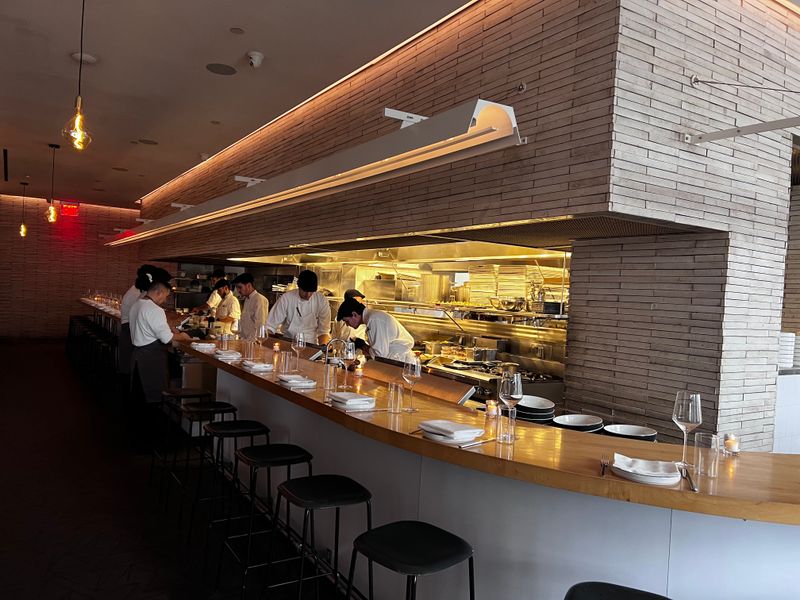
A seat at the counter converts dinner into a lesson without the lecture. You watch pastas shaped and sauces tightened, the air marked by starch, heat, and citrus.
There is a rhythm that becomes legible after a few minutes, like reading a metronome.
From here, the vegetables earn quick respect. Charred peppers carry a soft sweetness under their smoke, and artichokes arrive tender, mint lifting the edges.
Nothing feels fussy, yet each detail lands exactly where it should.
Pastas pass under your nose with regularity, a reminder to pace yourself. The spinach and mascarpone tortelli wears brown butter judiciously, while ricotta-filled occhi favor brightness and a clean finish.
You see care in the way saucing is treated as clothing, not armor.
Service at the counter stays alert without leaning in too much. Questions are answered plainly, recommendations framed with a light hand.
If the dining room is the stage, this rail is the orchestra pit, and you leave hearing the score more clearly.
Vegetables With Their Own Spotlight
Order the vegetables early, and the table gains immediate personality. Charred peppers slide between sweet and smoky, sitting in oil that deserves the good bread.
Baby artichokes arrive with a careful bitterness, mint cooling the finish without turning showy.
Leeks, mushrooms, or seasonal greens make their case with equal poise. The cooking leans toward texture and clarity rather than decoration, a reminder that browning is a flavor.
You taste patience in each bite, as if the stove simmered away any extra talk.
These dishes also organize the meal. They let the pastas enter as equals, not saviors, which keeps the pacing steady and the palate alert.
You find yourself planning the next forkful before the current one is gone.
There is a kind of thrift and generosity at work here: few ingredients, plenty of attention. When people mention Misi, they speak of pasta first, then pivot to the vegetables with a nod.
By the end, that nod turns into a recommendation delivered without hesitation.
Pasta Shapes With Purpose
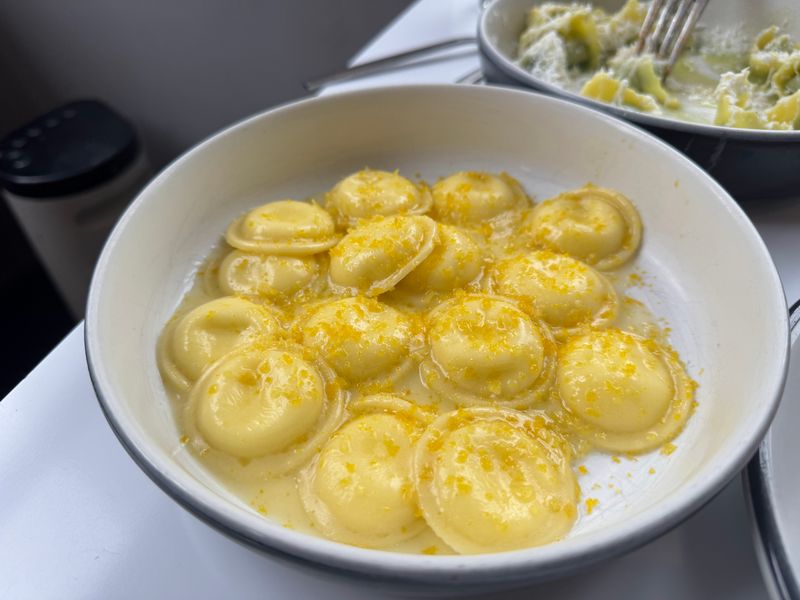
The pasta section reads like a set of well-edited chapters. Tortelli filled with spinach and mascarpone keeps its richness tidy under warm butter and a snowfall of ricotta salata.
Occhi filled with sheep’s milk ricotta lean toward lemon and bottarga, bright without feeling thin.
Linguine might carry anchovy or sardine, the brininess trimmed to a clean line. Mezze rigatoni often arrives with tomato that tastes like the season rather than a memory.
Each shape exists for a reason, and the sauces honor those reasons without argument.
Texture is not negotiable, and the kitchen hits that line between tender and resistant with regularity. You can taste the grain of the flour and the soft pushback of a proper bite.
It is a small pleasure that repeats itself, which is the best kind.
If you split two pastas, consider adding a third for contrast. There is no trophy plate here, only a reliably strong bench.
By dessert, the memory of those shapes lingers like a map you could draw again.
Service, Sound, And The Subtle Choreography
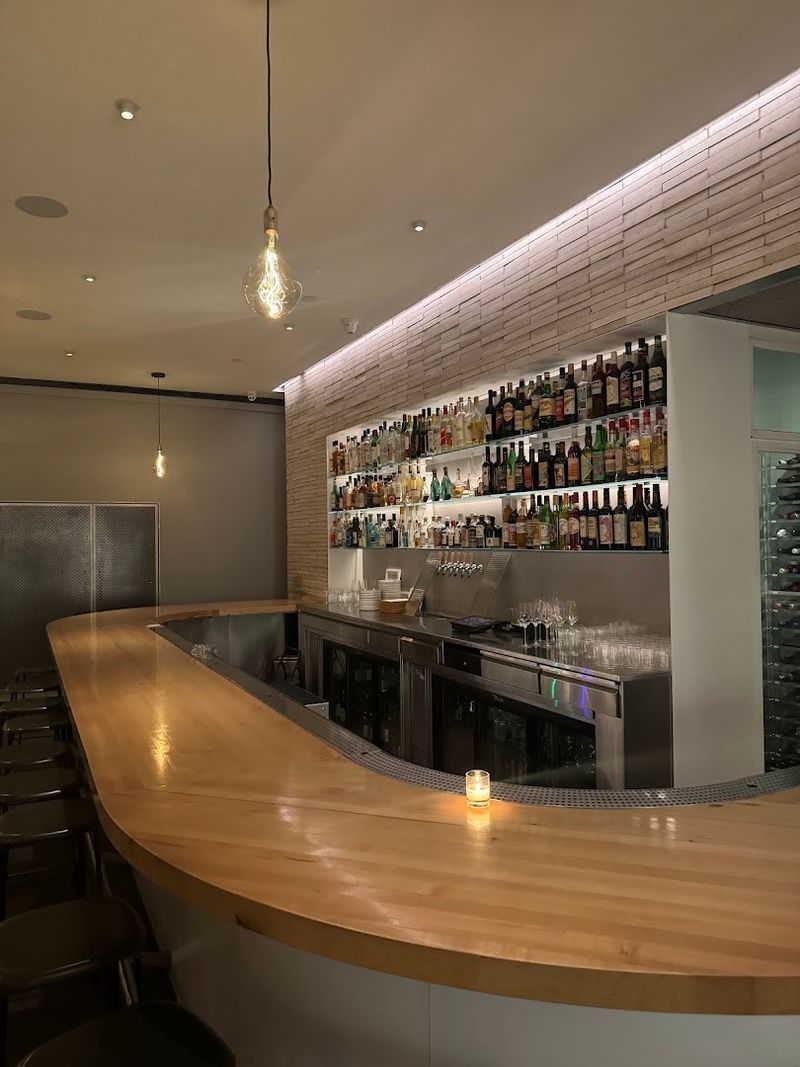
The room holds conversation well, the sound rising to a sociable hum without stamping on your thoughts. Staff move with the economy of people who know their route, checking glasses and timing courses with an easy hand.
You feel looked after rather than managed.
Questions about wine are answered plainly, with guidance that favors food over flourish. If you want precision, ask for it, and the suggestions narrow quickly.
The list avoids grandstanding and suits the food’s measured confidence.
Crowds can thicken near the bar, especially in the first hour, but the dining area remains composed. Plates stagger just enough to keep pace, and nothing feels marooned on the pass.
You sense a practiced conversation between kitchen and floor.
By the time dessert is mentioned, you realize how smoothly the evening has moved. Nothing dragged, and nothing rushed.
It is choreography you only notice once the curtain falls and the check arrives with calm punctuation.
A Clean Finish Worth The Wait
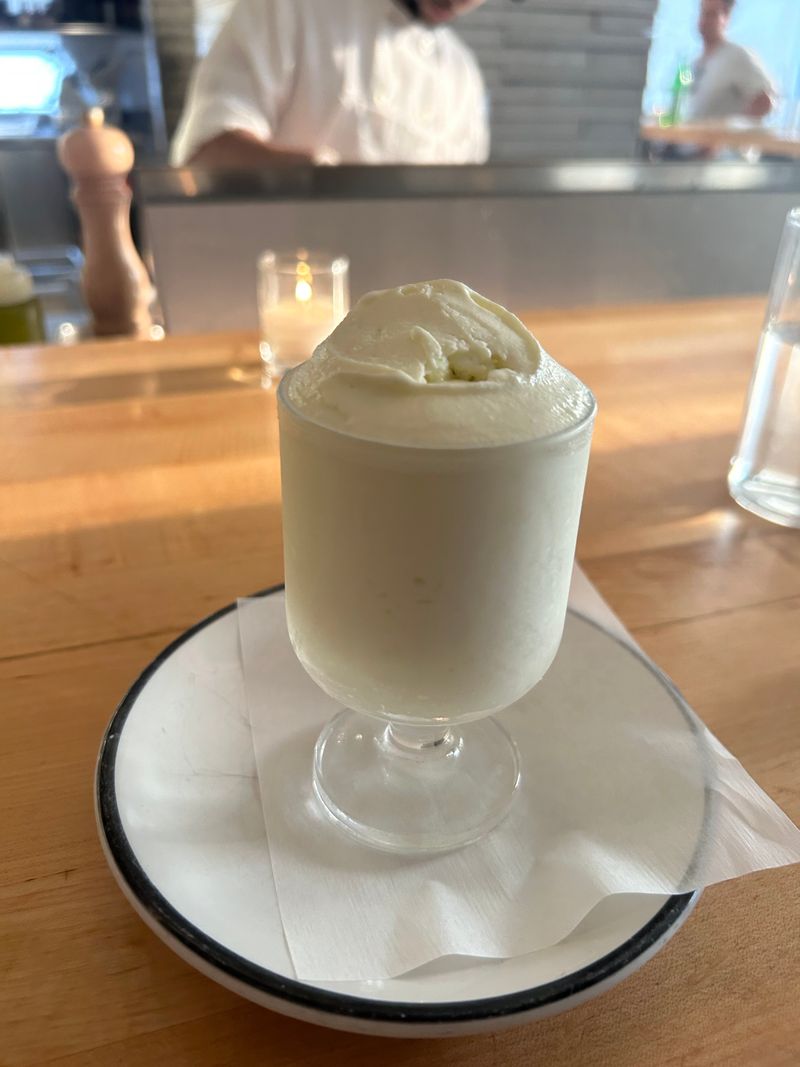
Dessert keeps the same clear voice as the savory courses. Olive oil gelato lands first in many minds, a satin scoop that tastes round and grassy with a pinch of salt.
Pistachio follows with a firmer accent and the comfort of toasted nuts.
There is pleasure in the restraint here. Sweetness behaves, texture leads, and the final spoonful stays uncluttered.
You do not leave heavy, which makes the walk back to the ferry or the avenue feel uncommonly light.
Coffee helps the landing, especially if you shared one pasta too many. The table gathers its last quiet minutes, conversation softening while the room holds steady.
You look around and see other diners doing the same arithmetic of contentment.
On the way out, the kitchen is still moving, pans flashing briefly like turn signals. Supper sold out again, as it tends to do.
Tomorrow’s reservations will vanish, and the rhythm will resume, neat as ever.