
The New York Sausage Shop Where They Have Been Butchering The Same Way Since 1937
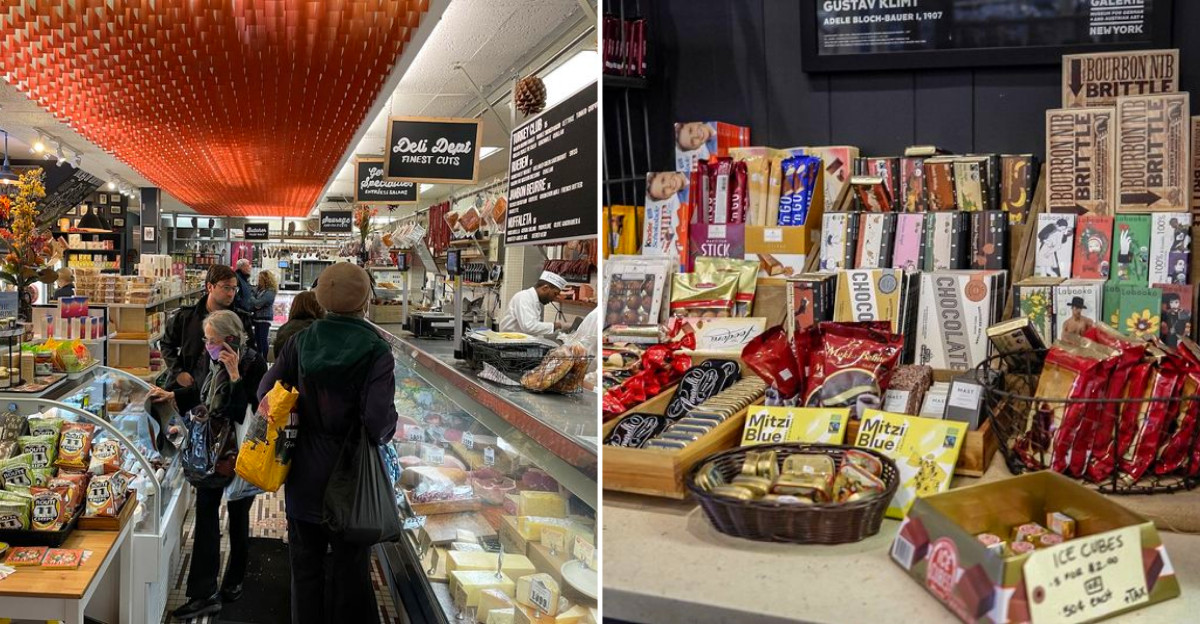
Curing, smoking, and slicing since 1937, in a shop that has watched the neighborhood around it turn over several times without changing much itself. Nearly ninety years is long enough that the method stopped being a choice and became simply how things are done here.
Meat cases still gleam. The mustard shelf stretches further than anybody needs, and the counter crew still hands over samples with a grin rather than a sales pitch.
New York loses places like this constantly, which is what makes an old German butcher shop still running on the same principles worth noticing.
A Counter That Outlasted A Neighborhood
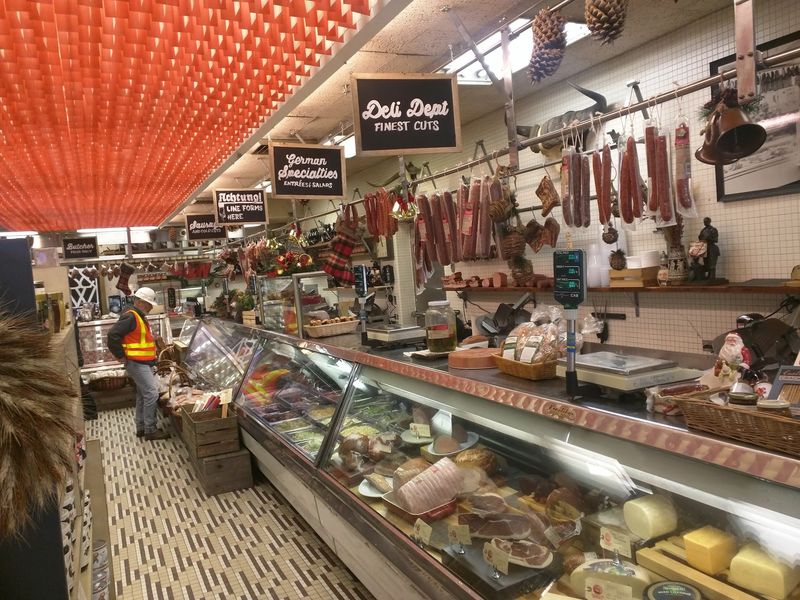
Yorkville was once thick with German bakeries, bookstores, and butchers. Streets carried the sound of three or four languages before lunch. Most of those shops eventually shuttered, one storefront at a time.
One survived. The same butcher counter has been running without interruption since 1937, which makes it one of the last true remnants of German New York still slicing meat for paying customers.
What keeps it interesting is not sentiment alone. The methods behind the sausages have stayed remarkably consistent, built on recipes carried over from Germany and kept alive through three generations of the same family. Curing, smoking, and seasoning follow the old playbook.
Shoppers walk in for bratwurst and walk out with a small history lesson. The glass cases hold rows of links in shades of pink, rust, and deep brown. Wheels of cheese and stacks of cold cuts fill the rest.
Longevity in this city is rare and expensive. A shop that has kept its doors open through nine decades of rent hikes and changing tastes earns real respect. Supporting it feels less like shopping and more like keeping a piece of the borough breathing.
Second Avenue Address Worth Memorizing
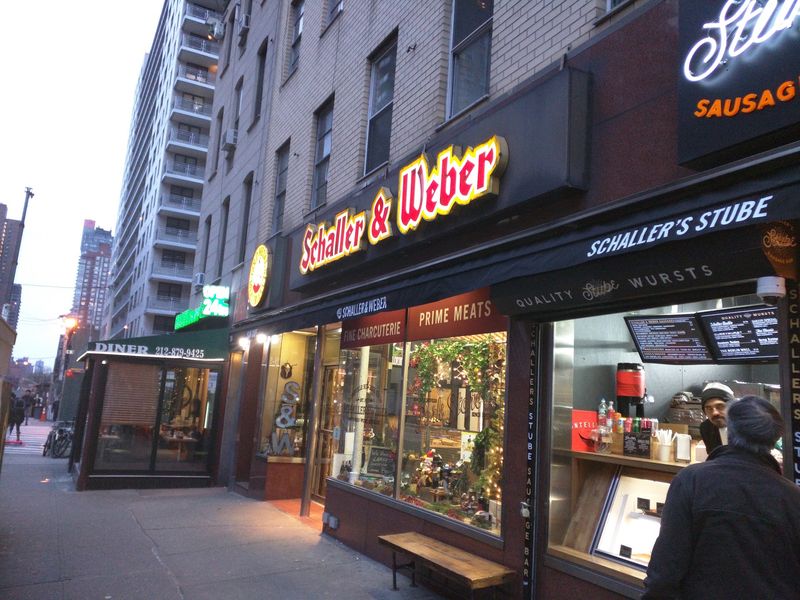
The name on the awning reads Schaller & Weber, and the shop keeps its home at 1654 2nd Avenue in the Yorkville stretch of the Upper East Side. Two founders started it back in 1937, and the family has carried the business forward ever since.
The building has a story of its own. It stands in a row of structures dating to 1868, which means the sausage came along fairly late in the property’s life.
Getting there is easy. Second Avenue runs straight through the neighborhood, and the subway drops you within a short stroll. Bring a tote bag, since restraint tends to fail somewhere between the pâté and the mustard aisle.
Doors open Monday through Friday from nine in the morning until six in the evening, with Saturday starting a half hour earlier at eight thirty. Sunday is a rest day, so plan accordingly.
The shop has actually doubled in size since it first opened. Aisles wind past imported goods while the meat cases anchor the room. Roomy enough to browse, familiar enough to feel like a neighborhood errand rather than a tourist stop.
Sausages Made The Long Way Around
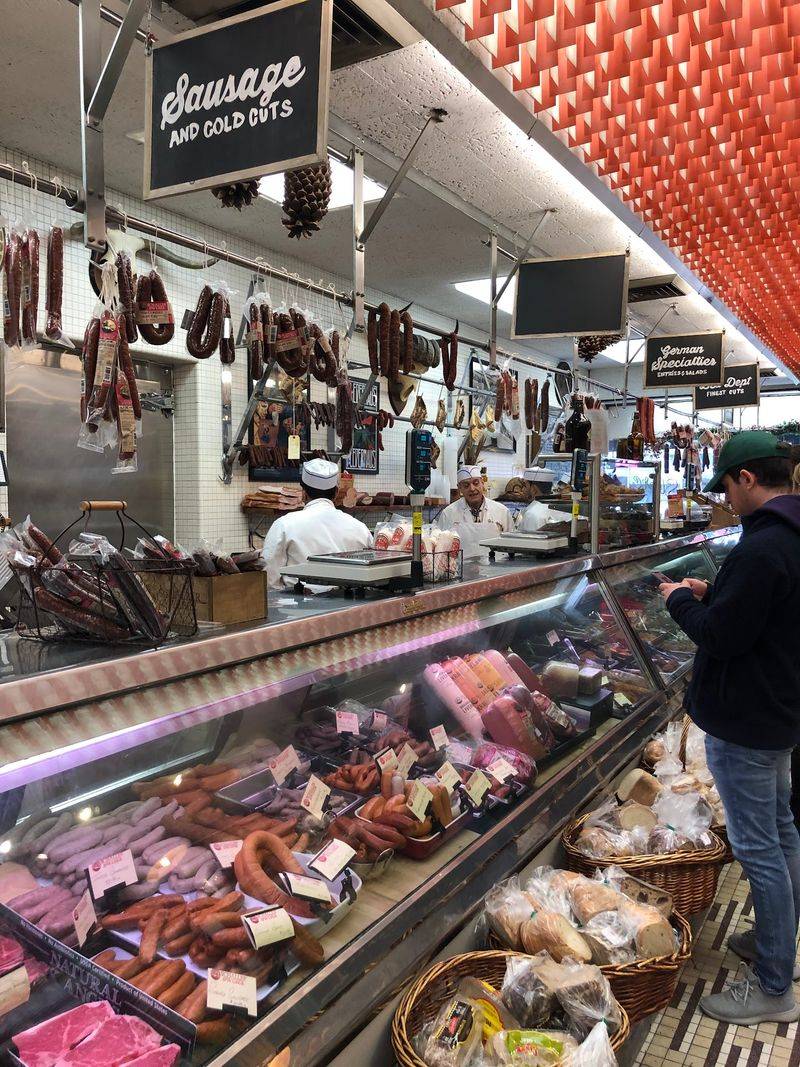
Ask anyone in Yorkville what to buy first and the answer involves links. Bratwurst leads the pack, but the case runs much deeper than that.
Polish kielbasa coils beside andouille. Smoked varieties bring a woodsy edge, while cheese filled options melt into something rich the second heat hits them. Each style follows its own seasoning formula.
The meats get processed at a manufacturing plant in Astoria, Queens, then travel to the Manhattan shop. That setup lets the team control grinding, stuffing, and smoking without cutting corners for speed.
Texture is where the difference shows. A good sausage snaps rather than crumbles, and the filling stays juicy without turning greasy. Nine decades of practice tends to sharpen that skill.
Cooking them at home takes little effort. A hot pan, a few minutes per side, and a spoonful of mustard finish the job. Sauerkraut on the side rounds everything out.
Prices sit higher than supermarket links, and there is a reason for that. You are paying for craft, imported seasoning, and a recipe nobody rewrote to save a nickel. Buy two and thank yourself later.
Cold Cuts With Serious Pedigree
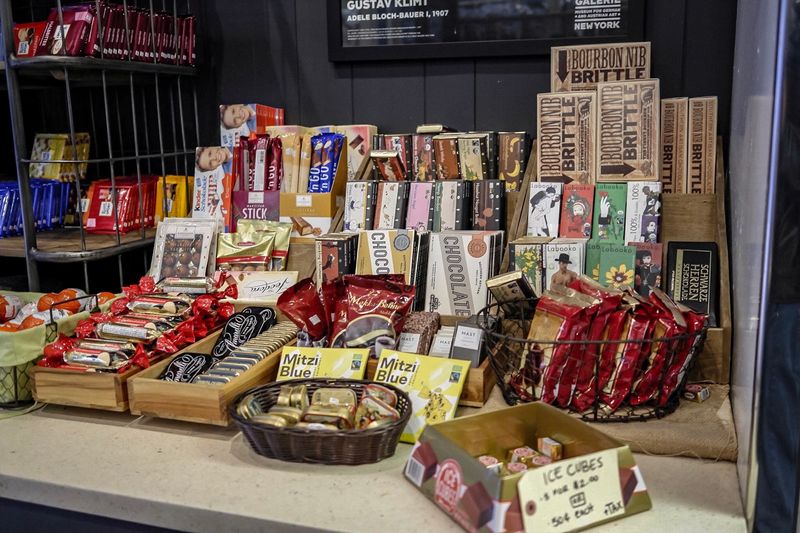
Thirteen mentions of cold cuts in customer chatter is not an accident. Sliced meat is a genuine draw here, and the variety goes well past ham and turkey.
Leberkäse shows up in the case, a smooth baked meat loaf that Germans treat like an everyday staple. Liverwurst sits nearby, spreadable and savory. Double smoked uncured bacon rounds out the smoky corner of the lineup.
Pâtés deserve their own paragraph. Chicken liver, calves liver, and truffle versions all rotate through, each with a silky feel that makes plain bread taste like a proper meal.
Ordering is half the fun. The counter crew slices to order, so you can ask for paper thin or a bit thicker depending on how you plan to eat it. Samples occasionally appear on the counter, unprompted.
A practical tip for first timers: start with two or three quarter pound portions instead of loading up on one item. That way you get a spread rather than a single note.
Charcuterie boards built from this counter tend to disappear quickly. Add a good roll, a sharp mustard, and the afternoon sorts itself out.
Sandwiches Built By People Who Know Meat
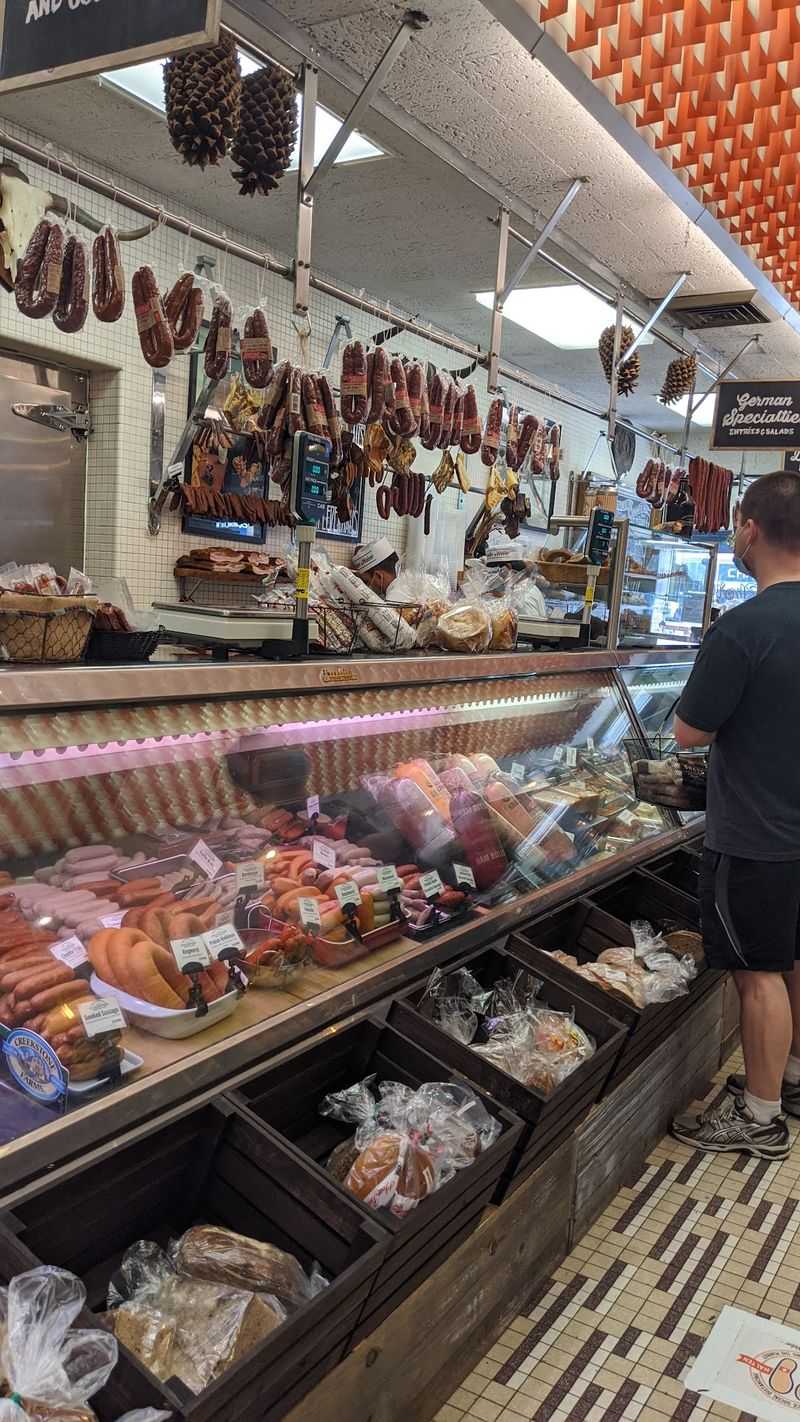
Butcher shops that make sandwiches hold an unfair advantage. The meat never had to travel far, and the person slicing it knows exactly how thick each cut should be.
Roast beef ranks among the favorites, layered with lettuce, tomato, and cheese on fresh bread. Packed tight, colorful in cross section, and generous without falling apart in your hands.
Sandwiches are served until six in the evening, so late afternoon works but late night does not. Lunch hours draw a steady crowd of neighborhood regulars and office workers.
German potato salad makes a natural sidekick. Tangy, a little sweet, with a vinegar bite that cuts through anything rich.
Here is where a butcher sandwich beats a chain shop every time. The protein is the whole point rather than an afterthought buried under sauce. You taste the meat first, which is exactly the arrangement you want.
Prices land in fair territory for Manhattan, especially given the quality behind the counter. Grab your order, walk a block toward the East River promenade, and eat with a view. Simple pleasures still exist in New York if you know which door to open.
Schaller’s Stube And Its Window Of Wonders
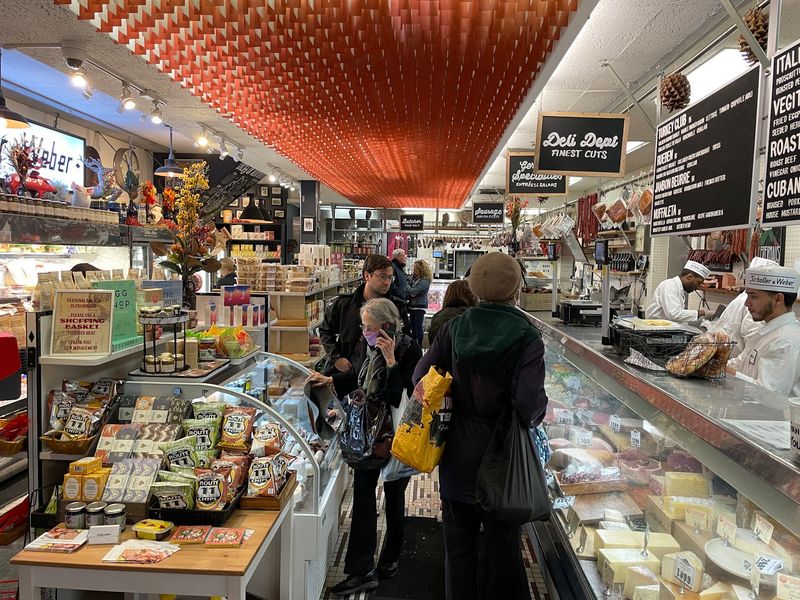
Right beside the main shop sits Schaller’s Stube Sausage Bar, a compact spot built around one idea: sausage on a roll, done properly.
Bratwurst anchors the menu, dressed with Düsseldorf mustard and a heap of sauerkraut. Käsekrainer with Jarlsberg brings melted cheese into the equation, and smoked options add depth for anyone who likes a little char.
Ordering happens quickly. There is some seating in both the Stube and the shop next door, which helps on cold days when standing outside loses its charm.
Potato pancakes appear as a side, crisp edged and easy to share. Curry ketchup is available for anyone chasing that Berlin street food memory.
What makes the Stube fun is the directness of it. No elaborate plating, no fuss, just a hot sausage handed over in paper while you decide which mustard deserves the honor.
Pairing the two visits works nicely. Eat at the Stube first, then shop next door with your appetite satisfied and your judgment intact. Hungry grocery shopping in a German butcher shop is a recipe for an overloaded bag and a very happy refrigerator.
Imported Shelves That Reward Curiosity
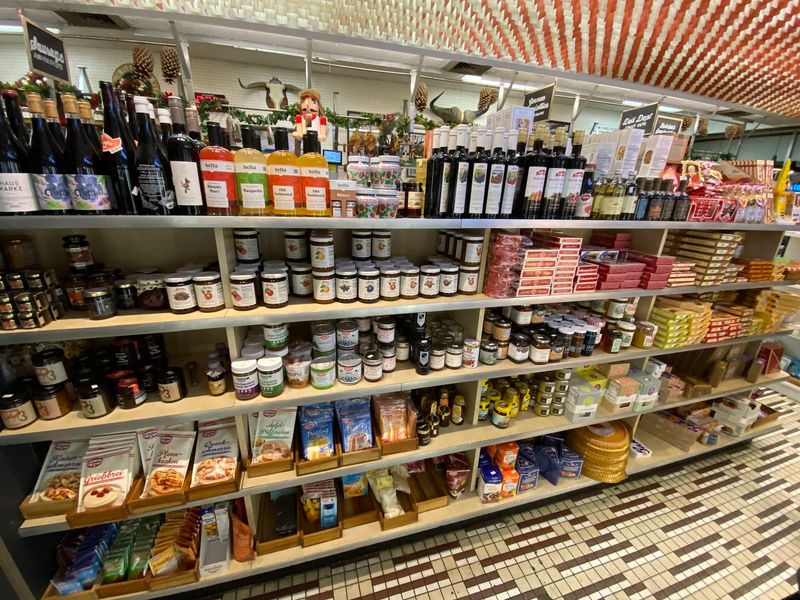
Meat brings people in, but the shelves keep them wandering. Rows of imported German goods fill the aisles, and half the fun is reading labels you cannot pronounce.
Mustards come in a serious range, from sharp Düsseldorf styles to sweet honey blends. Jars of sauerkraut line up beside jams, curry ketchup, and specialty baking supplies like vanilla sugar.
Sweets have their own following. Marzipan, Mozart chocolates, and various candies show up for anyone who saved room. Muesli and boxed pancake mixes for Kaiserschmarrn sit nearby for breakfast planners.
Tea drinkers do well here too. Imported brands that rarely appear in regular supermarkets take up shelf space, fennel varieties included.
Even dogs get consideration. Smoked bones from the butcher counter can be cut down to a manageable size, which is a thoughtful touch you will not find at most grocery stores.
New York holds plenty of specialty markets, but few combine a working butcher counter with this depth of imported pantry goods. Set aside twenty extra minutes to browse. The staff know the inventory well and will happily point you toward the good stuff.