
The New York Town Where $1,800 A Month Covers Rent, Groceries And Utilities Is A A Quick Reset You Didn’t Expect
The math here is almost offensive in the best way. Eighteen hundred dollars a month in New York state, covering rent, groceries and utilities, is the kind of number that makes people stop, recalculate, and then immediately start asking questions about what they have been doing with their lives up until this point.
What makes this New York town interesting is not just the price tag. It is everything that comes with it.
A slower rhythm, a genuine sense of community, and a daily life that does not require a spreadsheet to navigate. People come here expecting a compromise and leave realising they have not given anything up at all.
Some places quietly have it figured out while everyone else is looking in completely the wrong direction. This town has had it figured out for a while now.
A Small City With A Surprisingly Big Financial Advantage
Not every place that calls itself affordable actually delivers on that promise. Little Falls, New York, is one of the rare exceptions.
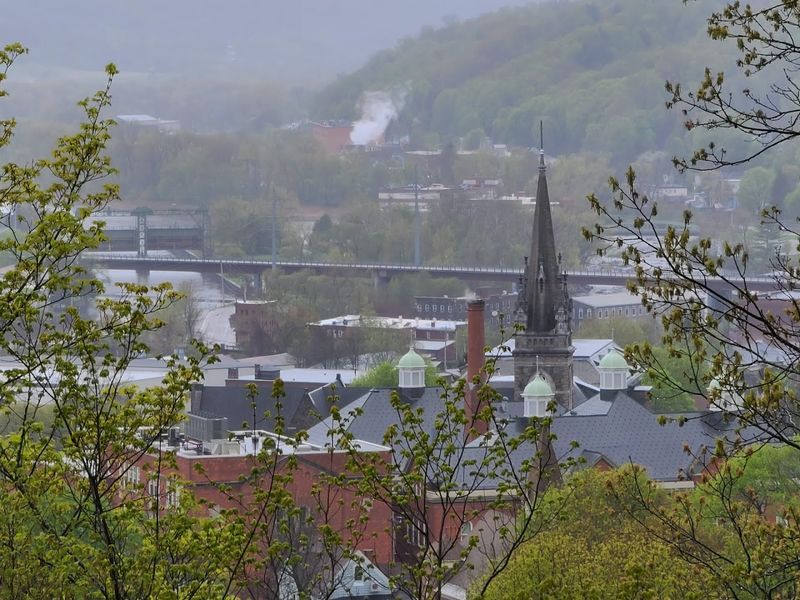
Situated along the Mohawk River in Herkimer County, this small city carries a cost of living index of 91 compared to the national average of 100, which means everyday expenses run noticeably lower here without any sacrifice in basic comfort or quality of life.
Household bills in Little Falls, excluding mortgage and rent, run about 27% lower than the national median. That kind of savings adds up quickly over the course of a year.
A single person can expect to spend roughly $2,482 per month covering all major expenses, which stands in sharp contrast to what the same lifestyle would cost in Albany, Buffalo, or Manhattan.
The city sits at the coordinates 43.0434 latitude and sits within ZIP code 13365, placing it squarely in central New York where both nature and infrastructure are accessible. What makes this place genuinely interesting is not just the numbers but the lifestyle those numbers unlock.
People here enjoy spacious homes, real community connection, and the kind of financial breathing room that feels almost foreign to urban dwellers.
Rent That Leaves Money In Your Pocket Every Month
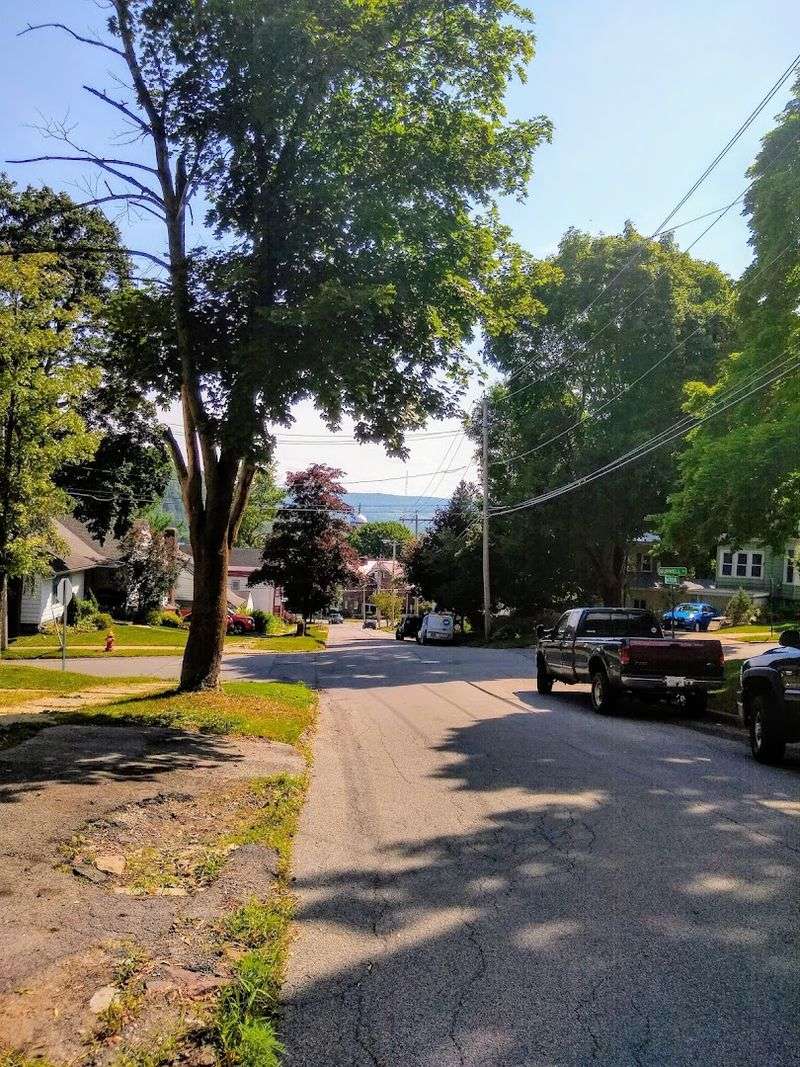
Finding a decent apartment for under $1,000 a month in New York state sounds like a rumor someone made up at a dinner party. In Little Falls, it is simply Tuesday.
The average cost of a one-bedroom apartment here hovers around $995 per month, while a two-bedroom unit comes in at approximately $1,125, figures that are 27% below the national average for comparable rental units.
The median rent across all rental types in Little Falls sits at $1,387 per month as of early 2026, which already represents remarkable value by New York standards.
Rental prices can range from as low as $765 on the modest end to around $2,350 for more spacious or upgraded properties, giving renters a genuine range of options based on their needs and preferences.
For someone accustomed to paying Manhattan or Brooklyn rates, the psychological adjustment alone takes a moment. Paying less than $1,000 a month for a clean, livable space in a real community is not a compromise here.
It is simply the local standard. That freed-up income can go toward savings, experiences, or simply the luxury of not calculating every purchase before making it.
Grocery Bills That Respect Your Budget Without Cutting Corners
Food costs in Little Falls come as a welcome surprise to newcomers. Grocery prices here run about 2% below the national average, and food expenses overall sit roughly 24% below what most Americans pay across the country.
For a single person, that translates to an estimated monthly grocery bill of around $304, a figure that leaves room for actual variety in the kitchen rather than bare-minimum survival shopping.
To put that in perspective, the national average grocery cost per month is approximately $504, and the New York state average for 2025 came in at $386 per person. Little Falls consistently undercuts both benchmarks without requiring residents to hunt for deals or drive long distances to find reasonable prices.
The savings are built into the local economy rather than dependent on coupons or sacrifice.
Eating well here is genuinely achievable on a tight budget. Fresh ingredients, pantry staples, and occasional treats all fit comfortably within a modest weekly grocery run.
Families of four can expect to spend around $988 monthly on food, which is a manageable figure that keeps the household budget balanced. Good food and financial stability are not mutually exclusive in Little Falls, and that combination is more valuable than it might first appear.
Utility Costs That Stay Calm Even Through A Cold Upstate Winter
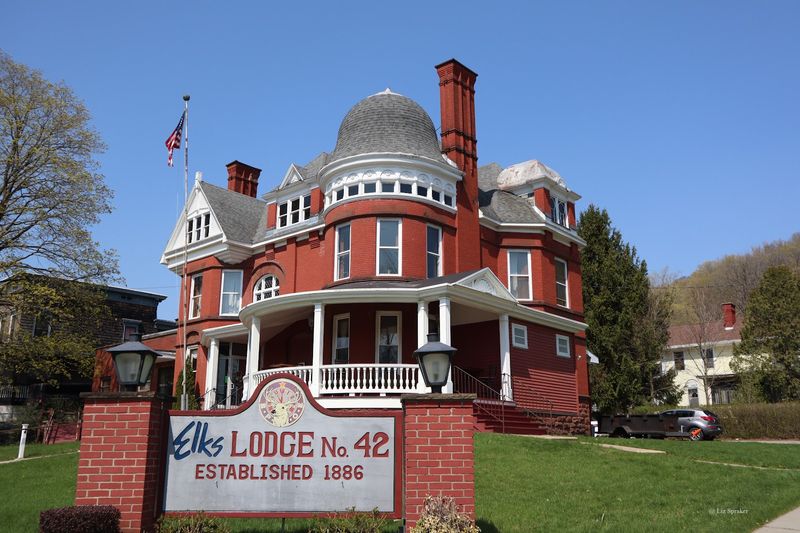
Utility bills have a way of quietly derailing even the most carefully planned budgets, particularly in regions that experience real winters. Little Falls sits in upstate New York where temperatures drop with conviction, yet the average monthly electricity bill here runs between $105 and $110, based on data from 2025 and early 2026.
The average residential electricity rate is approximately 16.38 to 16.58 cents per kilowatt-hour, which keeps monthly costs predictable.
Average energy usage for a typical Little Falls household comes in around 466 kilowatt-hours per month in colder periods, a relatively modest consumption figure that reflects both the manageable size of local homes and the habits of residents who have learned to live comfortably within their means.
Combined monthly costs for energy, transportation, and healthcare together average around $741 for a single person, which remains a workable figure within an $1,800 monthly budget.
Utility prices in Little Falls run about 1% above the national average, which is a negligible difference when weighed against the savings found in rent and groceries. The overall financial picture stays consistently favorable.
Knowing that the lights, heat, and water bill will not ambush the monthly budget is a quiet but meaningful form of security that residents here take for granted in the best possible way.
The Mohawk River And Why Living Near Water Changes Everything
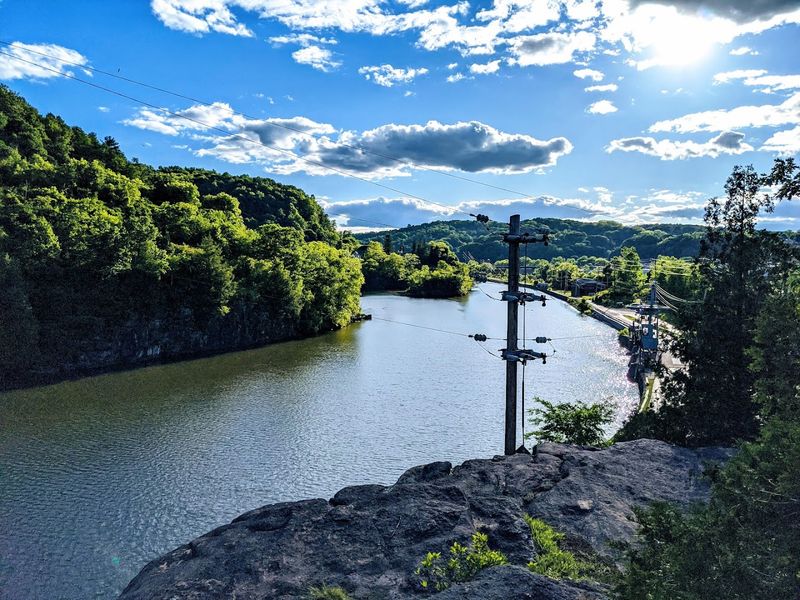
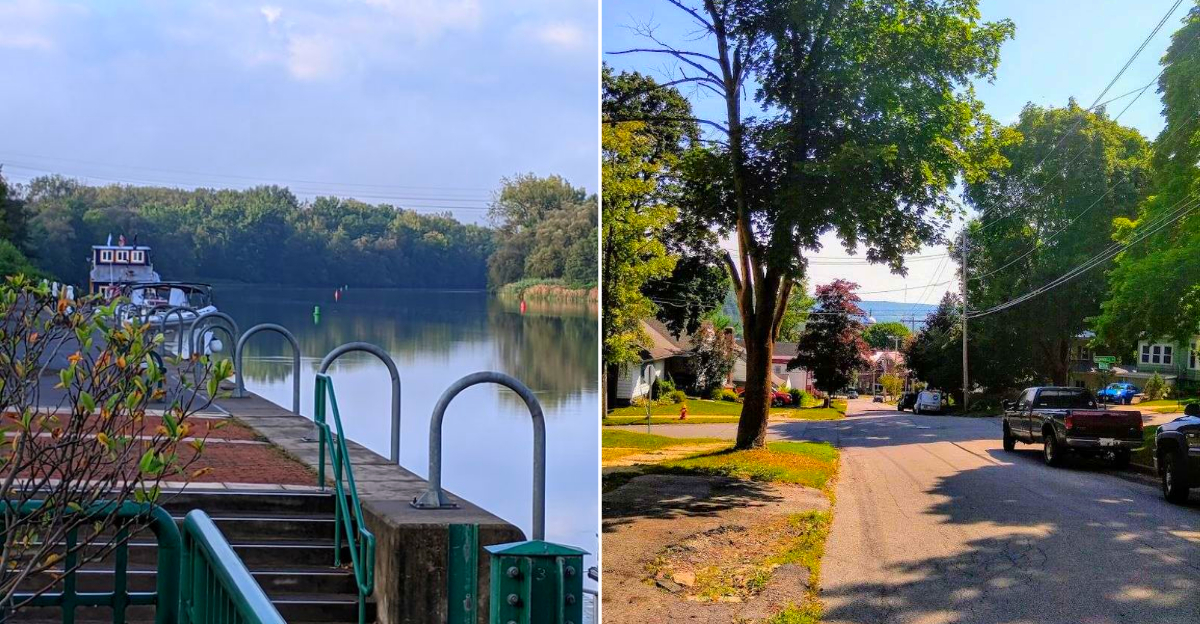
There is something grounding about living near a river. The Mohawk River runs directly through Little Falls, giving the city a natural anchor that shapes both its landscape and its daily atmosphere.
The water has been central to this area for centuries, first as a trade and transportation route for Indigenous peoples and later as a key corridor during the Erie Canal era, which brought real economic significance to this stretch of central New York.
The gorge that the Mohawk carves through Little Falls is one of the most dramatic natural features in the region, with rock walls rising sharply on either side of the water. Locals use the riverbanks for walking, fishing, and quiet reflection throughout the warmer months.
The scenery shifts beautifully across seasons, from the lush green of summer to the stark, clean lines of a snow-covered winter landscape.
Living near the Mohawk also means having access to a natural environment without needing to plan a weekend trip to find it. The river is simply there, part of the daily backdrop.
For people who value outdoor access alongside financial affordability, that combination is genuinely rare. Little Falls delivers both without requiring any trade-off between cost and quality of natural surroundings.
A Historic Downtown That Has Held Onto Its Character
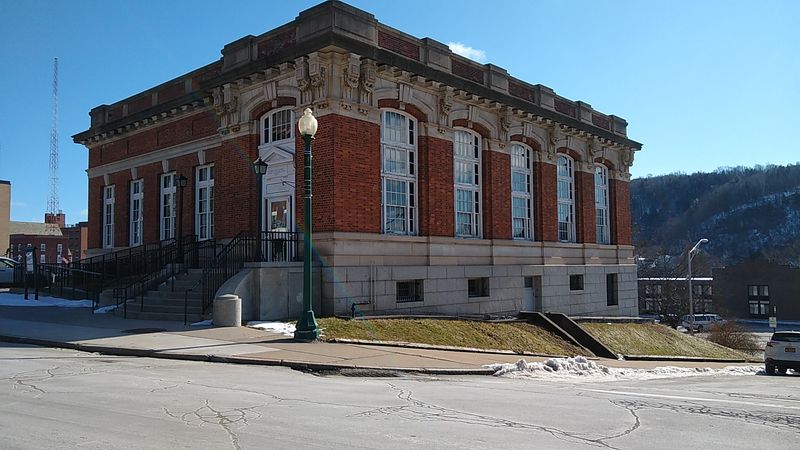
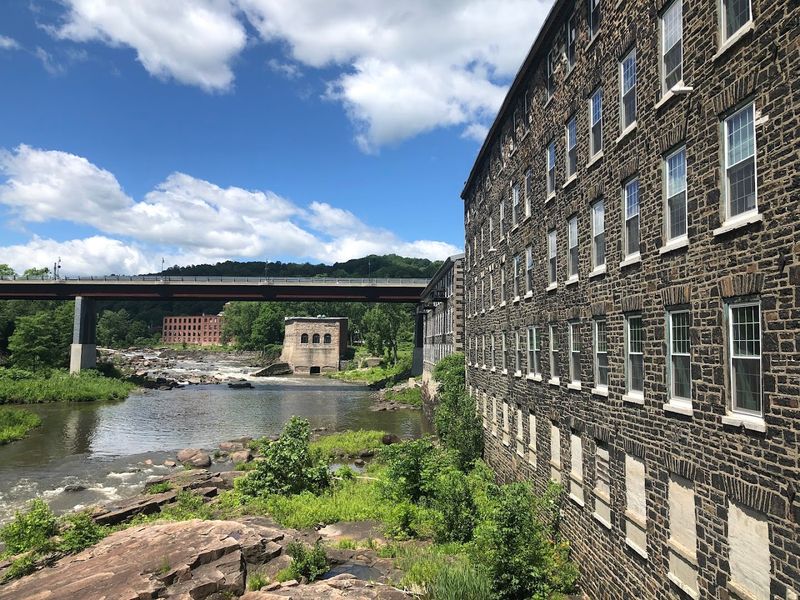
Downtown Little Falls has the kind of architectural honesty that larger cities spend millions trying to replicate. The brick buildings, the modest storefronts, and the unhurried pace of foot traffic all speak to a place that developed organically over generations rather than being designed by a committee.
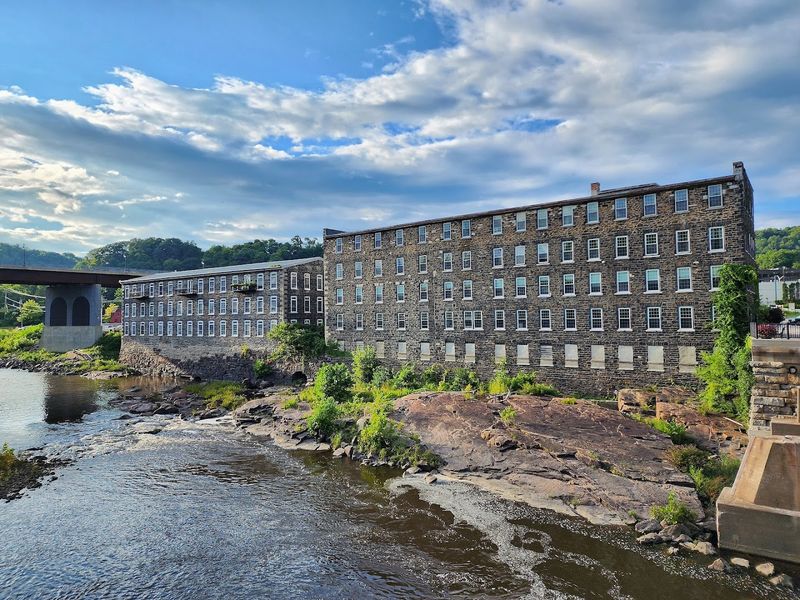
The city earned its place on the map during the Industrial Revolution, when its location along the Mohawk River and the Erie Canal made it a practical hub for commerce and manufacturing.
The historic downtown retains much of that original structure, with buildings that date back to the 19th century standing alongside more contemporary local businesses.
Walking through the main commercial area gives a clear sense of the city’s timeline, from its industrial heyday to its current role as a small but functioning community with real civic pride.
Local shops, service businesses, and community spaces fill the storefronts without the chain-heavy monotony common to larger towns.
The downtown is compact enough to navigate entirely on foot, which suits the city’s scale and its residents’ preferences. Community events, seasonal markets, and local gatherings bring the area to life throughout the year.
There is a lived-in quality to Little Falls that feels earned rather than manufactured, and that authenticity is something no amount of urban planning can easily replicate.
What $1,800 A Month Actually Looks Like As A Monthly Budget
Putting real numbers to an $1,800 monthly budget in Little Falls reveals just how much is actually achievable. Starting with a one-bedroom apartment at around $995 per month, a resident immediately has $805 remaining for all other expenses.
Groceries for one person run approximately $304 monthly, which brings the remaining balance to roughly $501 after housing and food are covered.
Electricity averages around $107 per month, and combined energy and transportation costs for a single person come in near $741 total according to available estimates.
Working within those figures, a careful budget can absolutely accommodate rent, groceries, utilities, and basic transportation without reaching the $1,800 ceiling.
There is even room left over for a phone bill, occasional dining out, or modest savings contributions.
The math works not because Little Falls asks residents to live sparingly but because the baseline costs are genuinely lower than in most American cities. A person earning a moderate income remotely or through local employment can maintain a comfortable, stable lifestyle here without financial anxiety becoming a constant companion.
That kind of monthly predictability is something many Americans spend years chasing in more expensive markets without ever quite catching it. Little Falls simply offers it as a starting point.
Community Life In A City Where Everyone Fits On One Map
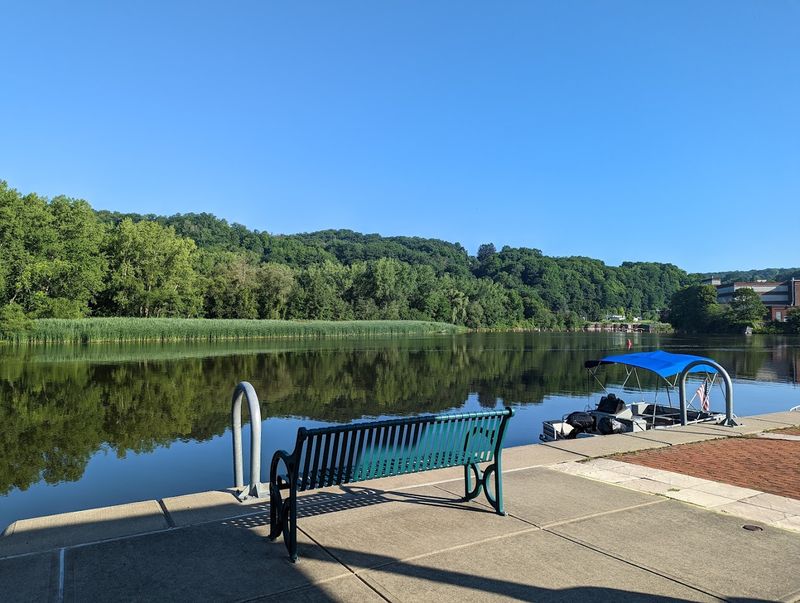
With a population of 4,605 recorded in the 2020 census, Little Falls holds the distinction of being the second-smallest city by population in all of New York state, trailing only the city of Sherrill. That statistic sounds modest until you realize what it actually means in practice.
Everyone in town is reachable, every neighborhood is walkable, and the social fabric stays tight enough that people actually know their neighbors by name.
Community events here carry genuine participation rather than the polite indifference common in larger cities. Local organizations, civic groups, and seasonal traditions give residents regular reasons to gather and connect.
The city may be small, but it functions with the full range of community institutions that make a place feel complete, including schools, parks, local government, and public services that remain accessible rather than bureaucratically distant.
For families, retirees, or remote workers looking for a quieter pace without total isolation, Little Falls strikes a balance that is genuinely hard to find. The social environment is warm without being suffocating, and the city’s scale means that a newcomer can become a familiar face within a matter of weeks rather than years.
That kind of belonging has real value, and in Little Falls it comes included in the cost of simply showing up.
Outdoor Access And Natural Scenery Without A Long Drive
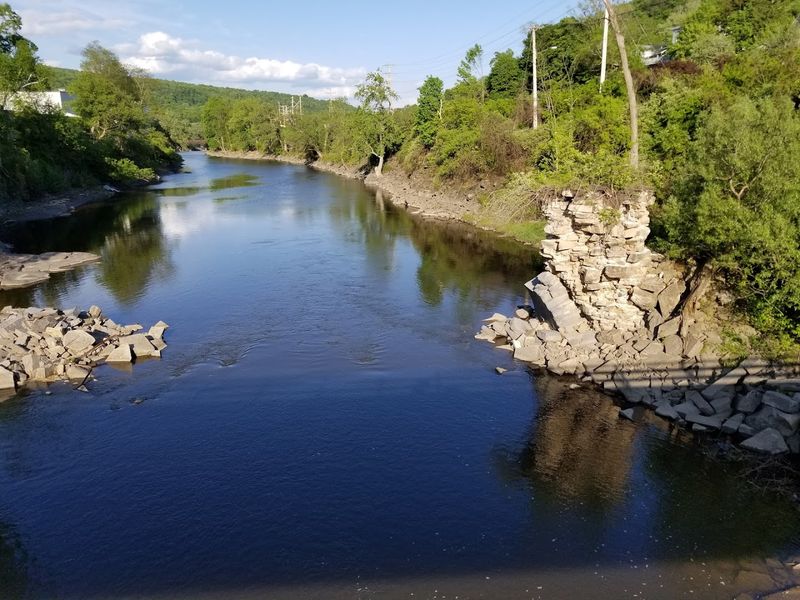
Central New York is not the first region that comes to mind when people talk about dramatic outdoor scenery, but Little Falls and its surroundings make a quiet, convincing case for the area.
The Mohawk Valley stretches out around the city with rolling hills, forested ridgelines, and river corridors that shift in character through every season.
Autumn brings particularly vivid foliage to the hillsides above town, and the effect is genuinely worth stopping for.
Hiking, fishing, kayaking, and cycling are all accessible within a short distance of downtown without requiring elaborate planning or long drives. The Erie Canalway Trail, which passes through the region, offers a flat and scenic route for cyclists and walkers who want to cover ground without technical terrain.
State forests and parks in Herkimer County provide additional options for anyone who wants solitude and green space on a regular basis.
Outdoor recreation in this part of New York carries no admission fee and no crowd problem, which makes it a daily resource rather than an occasional event.
The ability to step outside and find genuine natural beauty within minutes of home is a quality-of-life factor that rarely shows up in cost-of-living calculators but matters enormously to people who live here.
Little Falls earns high marks on that measure without even trying.
Why Little Falls Deserves More Attention Than It Gets
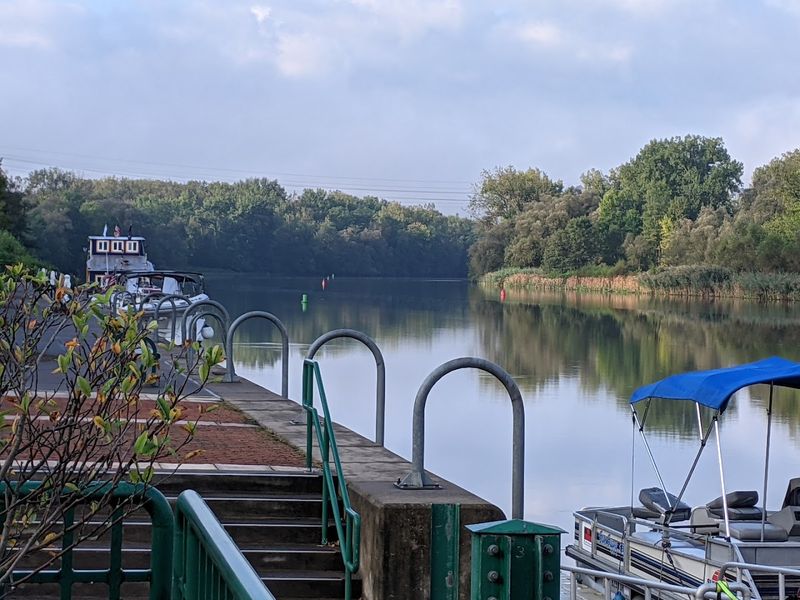
Little Falls rarely appears on lists of trending destinations or up-and-coming small cities, and that relative obscurity is perhaps its greatest asset. The town has not been discovered in the way that drives up property values and transforms a place into something unrecognizable.
It remains genuinely itself, a functional, affordable, historically grounded small city that offers real life rather than a curated version of it.
The combination of low rent, manageable grocery costs, reasonable utility bills, natural beauty, and tight community ties creates a profile that many people actively search for without knowing exactly where to look. Little Falls, NY 13365 checks those boxes consistently and without pretense.
For remote workers especially, the financial calculus is almost embarrassingly favorable compared to working the same job from a major metropolitan area.
Affordability is often framed as a consolation prize, something you accept when you cannot afford anything better. Little Falls reframes that idea entirely.
The savings here are real, the lifestyle is comfortable, and the environment is genuinely pleasant in ways that go beyond what any spreadsheet can capture. A town where $1,800 a month covers rent, groceries, and utilities is not a compromise.
It is a well-kept secret that a growing number of financially thoughtful people are beginning to take seriously.